Dávka - Your daily dose of Slovak news
Last refreshed: 27/07/2026 17:42 · 75 articles added
Stories are refreshed at 05:30, 10:30, 15:30, and 21:30 UTC.

Economy

View all1892 stories
Economy

Slovak Rail Operator Italo Signs Contract with Siemens Mobility for 26 High-Speed Trains

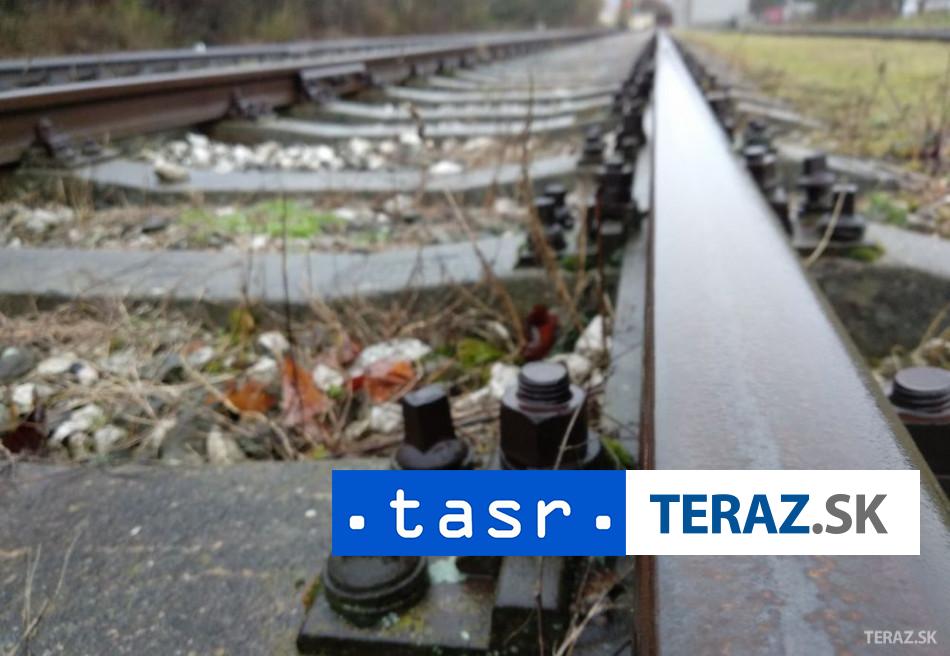
Slovak railway company Italo has signed a contract with German manufacturer Siemens Mobility to purchase 26 new trains. The rolling stock will be of the Siemens Velaro Multi System type, a high-speed train family closely related in design and appearance to the well-known ICE-3 and ICE-3 Neo trains that operate on Germany's intercity rail network. The Velaro platform is one of Europe's leading high-speed rail technologies, used by operators across the continent.

|
Economy

Croatian Apartment Prices: Dubrovnik Tops the Charts While Other Regions Offer Surprising Value

Property prices along the Croatian coast vary dramatically, with Dubrovnik standing out as by far the most expensive destination for apartment purchases, while other Croatian regions offer prices comparable to — or even lower than — those found in smaller Slovak regional towns. Dubrovnik, the iconic walled city on the Adriatic coast, commands premium prices driven by its status as one of Europe's most visited tourist destinations. However, buyers looking at other parts of the Croatian coastline may find significantly more affordable options, making Croatia an accessible market for Slovak property investors and holiday-home seekers.

|
Economy

Former J&T Executive Takes Helm at Struggling Slovak Pharma Firm Biotika

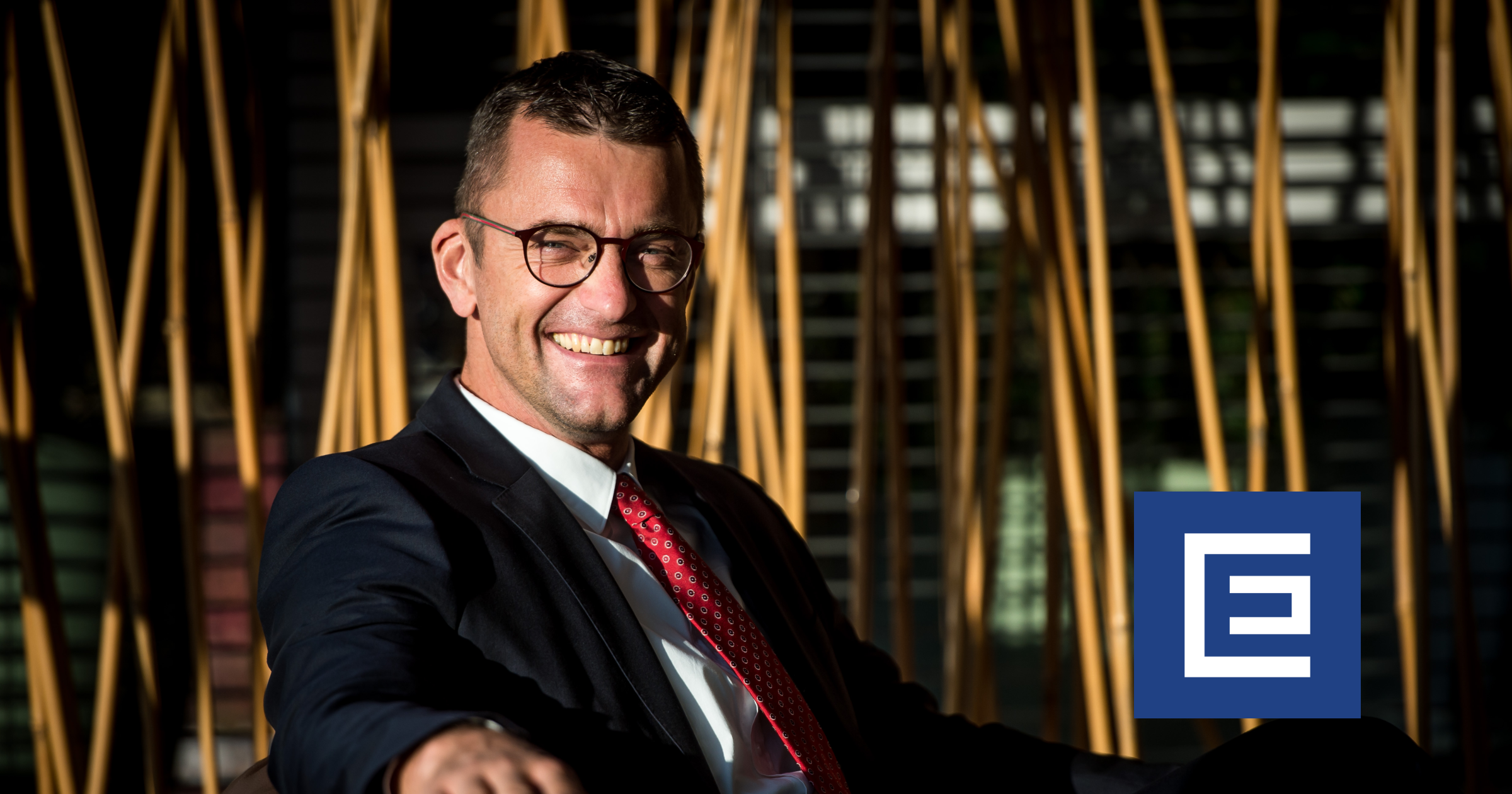
Biotika, a Slovak pharmaceutical company in serious financial difficulty, is attempting a turnaround under new leadership drawn from the prominent Central European financial and investment group J&T. The company, which has suffered significant losses running into the millions of euros, is now searching for new markets to stabilize its operations — including potential expansion into China. Biotika, based in Slovakia, produces pharmaceutical and biological products but has faced mounting financial pressure in recent years. The appointment of a former J&T manager signals an effort to bring in experienced corporate leadership to restructure the ailing firm. J&T is one of the largest and most influential private investment groups in Central and Eastern Europe, with interests spanning banking, real estate, energy, and healthcare. Despite the leadership change, Biotika has not been able to avoid recording a multi-million euro loss in its most recent financial period. The company's strategy for recovery includes diversifying into new international markets, with China identified as one potential growth area. Whether the turnaround effort will be sufficient to restore the company to profitability remains to be seen.

|
Economy

AI Bubble Fears Drag Down Chip Stocks Despite Record Profits

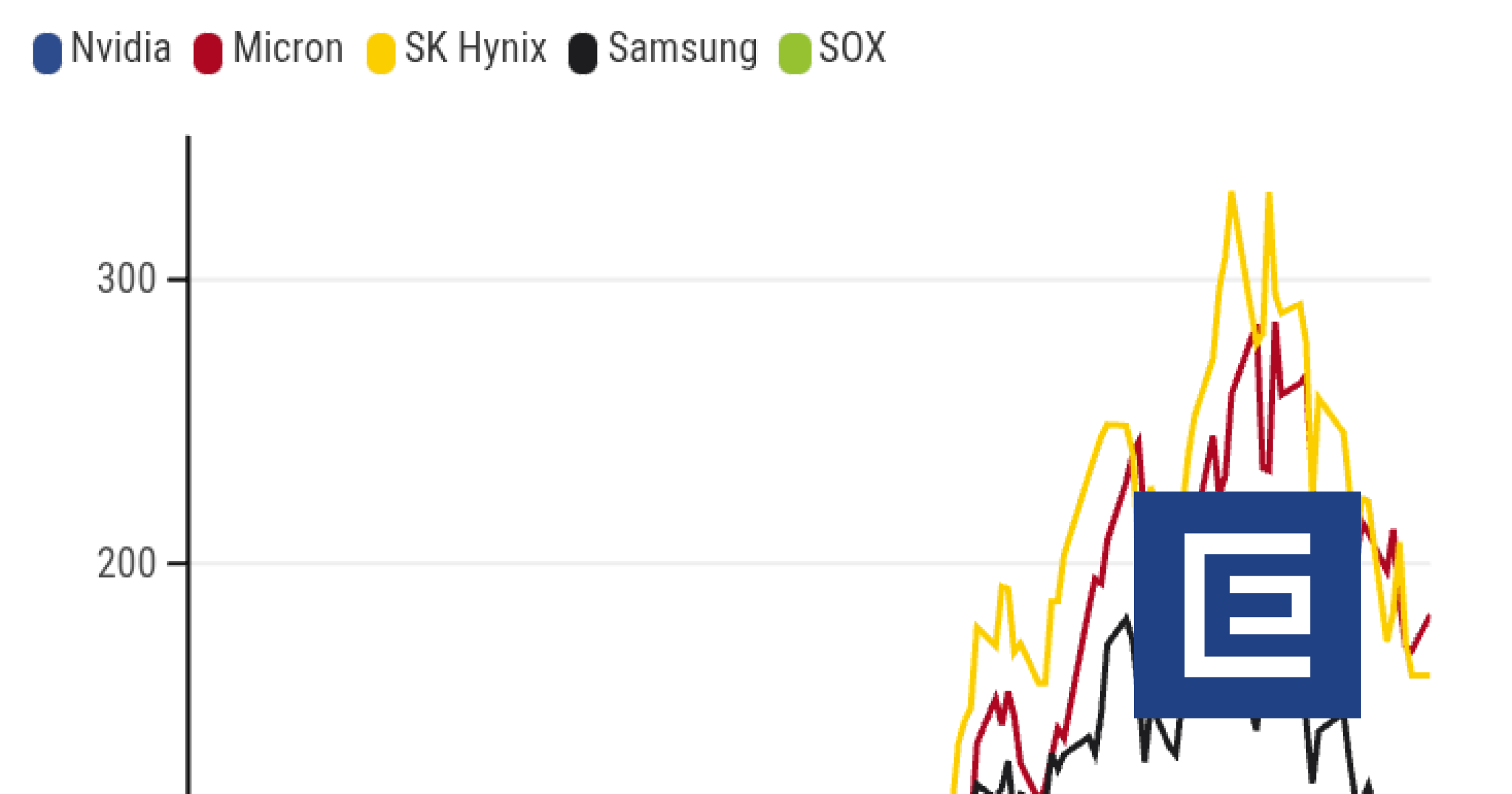
Fears of an artificial intelligence investment bubble are rattling global chip stocks, even as semiconductor manufacturers post record profits and report surging demand for their products. Nvidia, the world's leading producer of advanced AI chips, briefly lost its title as the world's most valuable company as investor confidence wavered. The anxiety has been fueled in part by the emergence of Chinese AI models capable of delivering performance comparable to leading American systems at a fraction of the cost — a development that threatens to undermine the business model of U.S. chip giants. If Chinese competitors can replicate high-end AI capabilities cheaply, demand for the expensive semiconductors that companies like Nvidia produce could weaken, casting doubt on the astronomical valuations the sector has accumulated during the AI boom. The turbulence reflects a broader investor debate over whether the massive capital pouring into AI infrastructure is sustainable or whether it represents an overinflated bubble heading for a correction.

|
Economy

EU Bans Large Companies from Destroying Unsold Clothing and Footwear

Large businesses operating in the European Union are no longer permitted to destroy unsold clothing and footwear, under new EU regulations now in effect. The rules are designed to combat the widespread practice of incinerating or landfilling excess stock — a common but environmentally harmful industry habit — and to push companies toward more sustainable alternatives such as recycling, donation, or resale. Exceptions to the ban apply in cases where goods are dangerous, damaged, or contaminated, as destroying such items may be necessary for safety or health reasons. The regulation is part of the EU's broader push toward a circular economy, in which products and materials are kept in use for as long as possible rather than being discarded.

|
Economy

Slovak Insurer Claims Central Bank Caused €400 Million in Damages Before Ordering Its Liquidation

Novis Insurance, a Bratislava-based insurer facing court-ordered bankruptcy, is claiming that the National Bank of Slovakia (NBS), the country's central bank and financial regulator, caused it €400 million in damages through its regulatory actions. The company, which has had its operating license revoked, still holds policies for nearly 25,000 clients whose coverage now hangs in uncertainty as insolvency proceedings move forward. Novis lost its license to operate following regulatory intervention by the NBS, which oversees financial institutions in Slovakia. Despite no longer being legally authorized to conduct insurance business, the company continues to service tens of thousands of existing policyholders, raising concerns about consumer protection and the security of those clients' investments and coverage. The case highlights significant tensions between financial regulators and the insurance sector, and raises questions about the fate of policyholders when an insurer collapses. Bankruptcy proceedings are now underway, and the outcome will determine how — and whether — Novis's remaining clients will be compensated or transferred to another provider.

|
Economy

Slovak Nuclear Plant Director Warns He Would Resign if State Takes Majority Ownership

The head of Slovenské elektrárne, Slovakia's dominant electricity producer, has warned he would leave his post if the Slovak state were to acquire a majority stake in the company, signaling deep tensions over the future ownership structure of the country's largest energy firm. The statement came as Slovenské elektrárne marked a major milestone last month, formally announcing the loading of nuclear fuel into the fourth reactor at the Mochovce nuclear power plant in southwestern Slovakia — a ceremony symbolizing the near-completion of one of Europe's most delayed and costly energy infrastructure projects. The decision to complete the two additional reactors at Mochovce was made in 2008, with the first unit originally scheduled to come online within four years and at a total cost of 2.8 billion euros. Both timelines and budgets were dramatically exceeded, with final costs running far higher than initially projected. The Mochovce expansion has been a politically and financially contentious project for over a decade. Slovenské elektrárne is currently majority-owned by the Italian energy group Enel, with the Slovak state holding a minority share. The prospect of state renationalization has been discussed in Slovak political circles, particularly under the current government led by Prime Minister Robert Fico, whose Smer-SD party has shown interest in greater state control over strategic industries. The director's public warning signals that a shift in ownership could trigger significant management upheaval at the company at a critical moment, just as the long-delayed plant nears full operational status.

|
Economy

Opinion: Five Misconceptions About Restarting Production at Slovalco

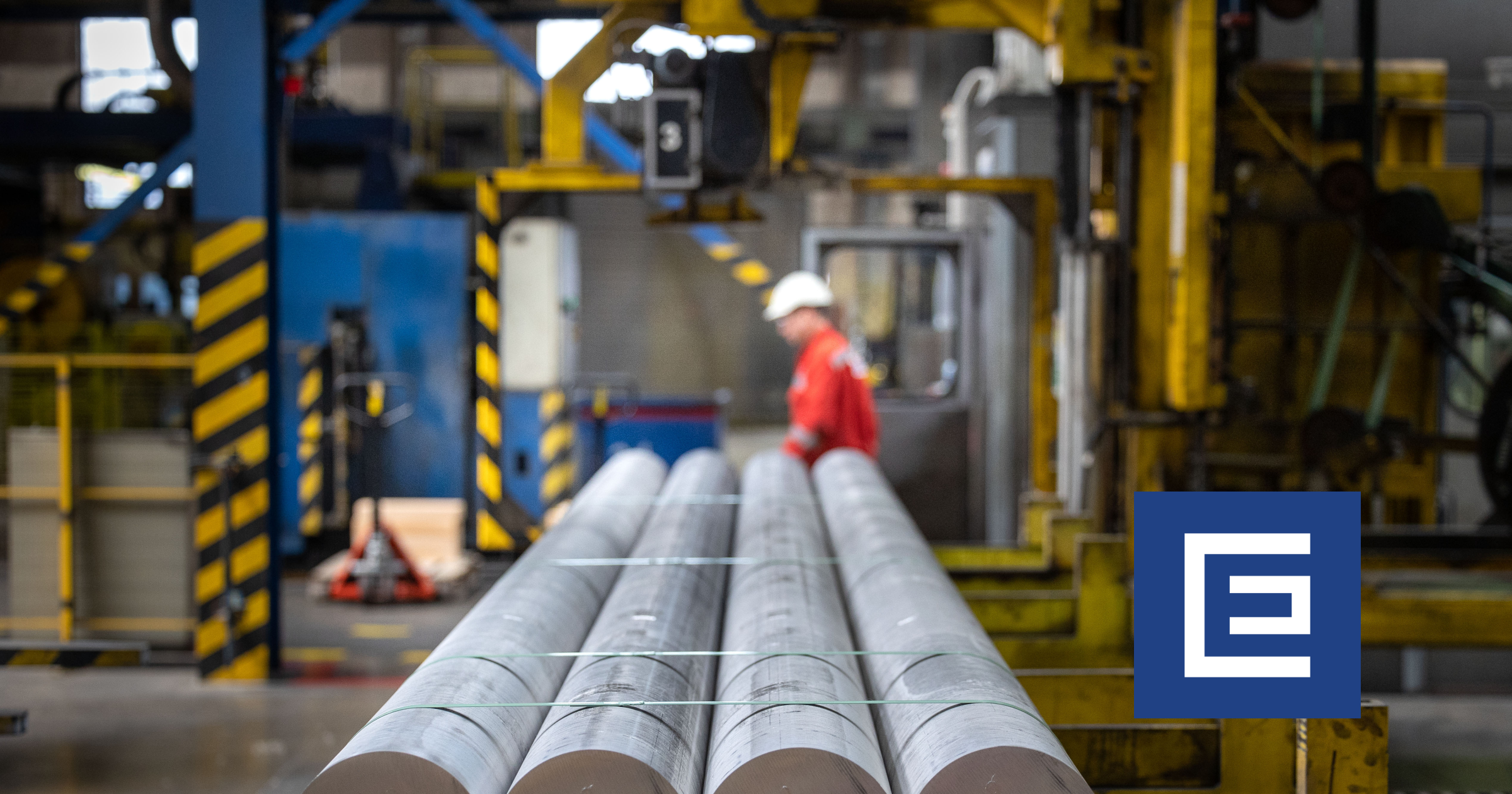
An opinion piece published in Denník N by Ivan Štulajter challenges what he describes as five common misconceptions surrounding the potential restart of production at Slovalco, a major aluminum smelter in Slovakia. Štulajter argues that assumptions being treated as established facts are distorting public debate about the facility's future. Slovalco, located in Žiar nad Hronom in central Slovakia, was once one of the largest aluminum producers in Central Europe but suspended primary aluminum production in 2022 amid soaring energy costs driven by the energy crisis following Russia's invasion of Ukraine. The question of whether and how production could be resumed has remained a significant economic and industrial policy issue in Slovakia, given the plant's role as a major employer in the region.

|
Economy

Slovak Financial Group Penta Moves to Acquire Health Insurer Dôvera

Penta Investments, one of Slovakia's most powerful private financial and investment groups, is acquiring Dôvera, one of the country's major health insurance companies. The deal, announced during the summer period when public and political attention tends to be lower, has drawn significant scrutiny over the lack of a coherent government strategy for the healthcare sector. Dôvera is one of three health insurers operating in Slovakia, alongside the state-owned Všeobecná zdravotná poisťovňa and Union. The acquisition would further consolidate Penta's already substantial footprint in Slovak healthcare, as the group already owns a network of hospitals and medical facilities across the country. The timing of the announcement has raised eyebrows among commentators, who note that while politicians have failed to present any clear plan for the future of Slovakia's healthcare system, it is Jaroslav Haščák — the billionaire co-founder of Penta — who appears to be shaping the sector's direction through private investment. Penta and Haščák are well-known figures in Slovak public life; Haščák was a central figure in the Gorilla scandal, a major corruption affair based on leaked intelligence files alleging close ties between Penta and senior Slovak politicians. The acquisition underscores growing concerns about the concentration of private influence over a system that directly affects the healthcare access of millions of Slovak citizens.

|
Economy

European Stock Markets Fall Sharply Amid Inflation Concerns

European stock markets dropped sharply as inflation risks weighed heavily on investor sentiment, with bank stocks among the hardest hit. Concerns over persistent inflation have raised fears that central banks may maintain or increase interest rates, squeezing profit margins and increasing default risks for financial institutions. Banking sector shares fell notably as markets repriced the outlook for financial stability across the continent.

|
Economy

Apple Briefly Overtakes Nvidia as World's Most Valuable Company

Apple temporarily displaced Nvidia as the world's most valuable publicly traded company, after Nvidia's stock fell by as much as four percent. The shift in market capitalization rankings was brief, reflecting ongoing volatility among the world's largest technology firms. Nvidia had risen to the top of global market valuations on the back of surging demand for its artificial intelligence chips, but the dip in its share price allowed Apple, the iPhone and Mac maker, to reclaim the top position, at least momentarily.

|
Economy

Union Health Insurance Exit Raises Concerns Over Slovakia's Private Insurance Market

The imminent departure of Union zdravotná poisťovňa, one of Slovakia's three health insurance providers, is raising questions about what will happen to its policyholders and how the remaining two insurers will respond. Union, which is owned by the Czech investment group Penta, announced it will cease operations in Slovakia, leaving the country's health insurance market to be divided between the state-run Všeobecná zdravotná poisťovňa (VšZP) — the General Health Insurance Company — and the private insurer Dôvera. Slovakia operates a mandatory health insurance system in which every citizen must be enrolled with one of the licensed providers. With Union's exit, its hundreds of thousands of policyholders will need to transfer to either VšZP or Dôvera, a process that health policy analysts say requires careful management to avoid disruption to healthcare access. Dôvera is widely expected to have already prepared strategies to attract Union's former clients, while VšZP, as the public insurer and the default option for those who do not actively choose, faces pressure to scale up its capacity. Union's withdrawal reflects broader frustrations with the Slovak healthcare financing environment. The company had reportedly entered the Slovak market expecting conditions comparable to well-regulated Western European health insurance markets, but found the regulatory and financial framework far less favorable. The exit underscores longstanding tensions in Slovakia over the role of private insurers in a system where profit margins are tightly constrained by government-set reimbursement rates. The development could reignite political debate over the structure and sustainability of Slovakia's health insurance sector.

|
Economy

Slovak Fiscal Consolidation Squeezes Small Retailers as Town Centers Empty Out

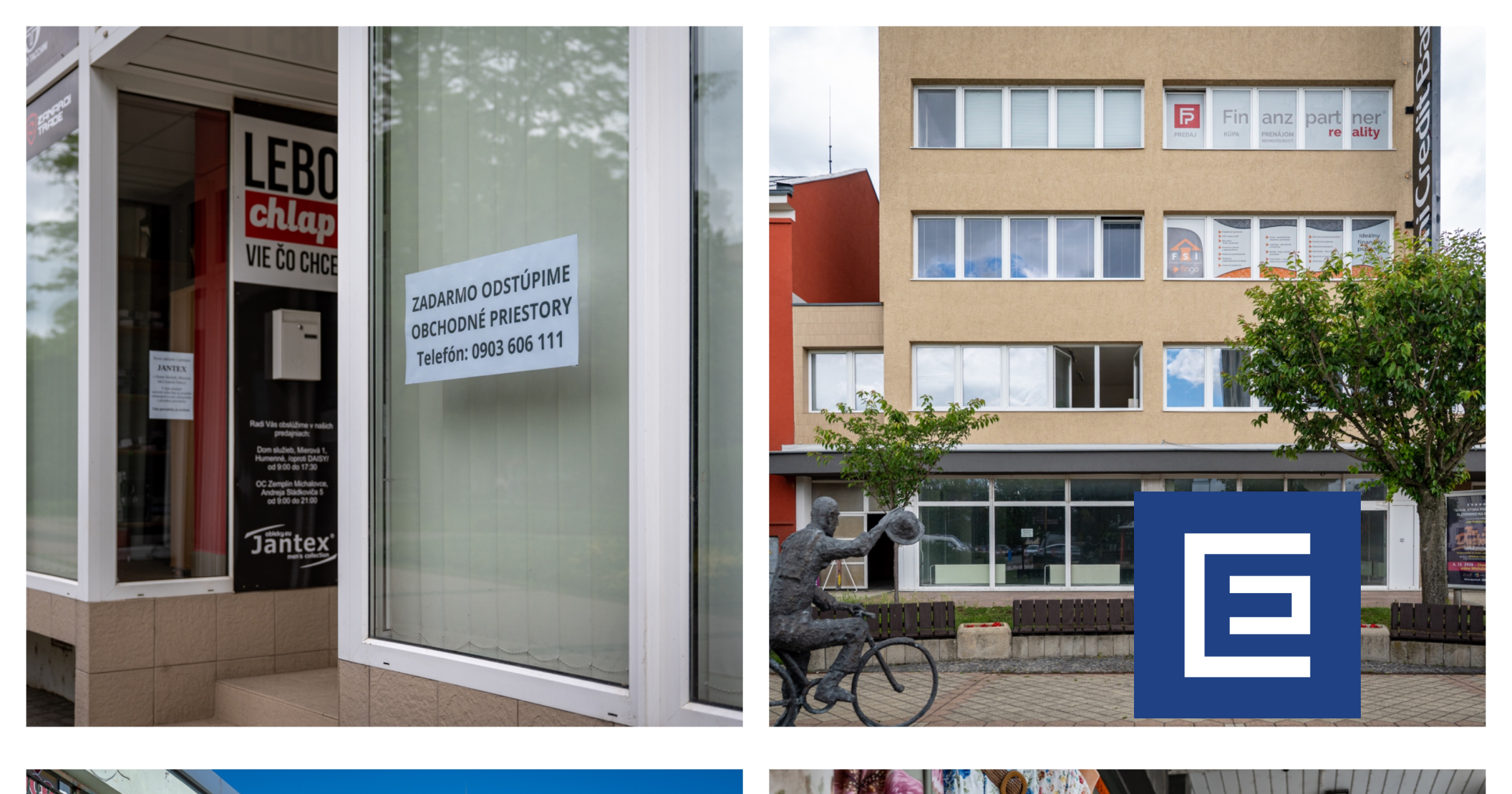
Slovakia's government austerity measures are pushing small independent shops to the brink of closure, with owners across eastern Slovakia reporting some of the hardest trading conditions they have ever faced. Maroš, a man in his sixties who opened a convenience store in the eastern Slovak town of Trebišov in 1992, has laid off a staff member and is now working 16-hour shifts himself just to keep the business afloat. Similar stories are emerging from other eastern Slovak towns including Michalovce, Humenné, and Vranov nad Topľou, where small shop owners are struggling to survive. The difficulties are being attributed to Slovakia's fiscal consolidation program — a package of budget-tightening measures introduced by the government of Prime Minister Robert Fico aimed at reducing the country's public deficit. Critics argue the measures, which include tax increases and reduced public spending, are disproportionately harming small and independent businesses while large retail chains, with their greater financial reserves and economies of scale, are better able to absorb the impact. The knock-on effect is the gradual emptying of town and city centers as small retailers close down or reduce operations. Slovakia has faced growing pressure from the European Union to bring its public finances under control, with the country running one of the larger deficits among EU member states. While the Fico government has framed the consolidation as a necessary economic correction, small business owners say they were not adequately considered in the policy design, and that the burden of adjustment is falling on the most vulnerable parts of the economy.

|
Economy

365.bank Named Best Digital Consumer Bank in Slovakia by Euromoney

Slovak lender 365.bank has been awarded the title of Best Digital Bank for Consumers in Slovakia at the prestigious Euromoney Awards for Excellence 2026. The Euromoney Awards for Excellence, organized by the London-based financial publication Euromoney, are widely regarded as one of the most respected accolades in the global banking industry, recognizing institutions that demonstrate outstanding performance and innovation in financial services. The recognition highlights 365.bank's growing position in Slovakia's competitive retail banking sector, where digital services have become an increasingly important factor in attracting and retaining customers.

|
Economy

Volkswagen Slovakia to Halt Car Production for Three Weeks

Volkswagen Slovakia will suspend automobile production for three weeks in what the company describes as a routine summer shutdown. The temporary halt is a standard annual practice in the automotive industry, allowing manufacturers to carry out maintenance, retooling, and other operational work during the slower summer period. Volkswagen's plant in Bratislava is one of Slovakia's largest employers and a cornerstone of the country's automotive sector, which accounts for a significant share of Slovak industrial output and exports.

|
Economy

AI Enthusiasm Meets Rising Energy Bills as Slovak Business Digest Covers Insurance Market Shift

The acquisition of Union health insurance company by Penta, a major Central European financial and investment group, is unlikely to bring significant short-term changes for policyholders, according to experts. Analysts suggest that Penta, which also owns a network of private healthcare facilities in Slovakia, may even improve customer benefits in an effort to compete with the state-run health insurer, Všeobecná zdravotná poisťovňa — the dominant player in Slovakia's three-insurer market. Slovaks most commonly switch insurers in pursuit of better perks and benefits packages, giving Penta a commercial incentive to enhance its offering. Longer-term questions remain, however. The deal effectively closes the Slovak health insurance market to additional foreign entrants, consolidating private healthcare financing in the hands of a single large domestic financial group. Slovakia operates a mandatory public health insurance system in which citizens must be enrolled with one of three licensed insurers — the state insurer and two private ones, of which Union was one. The acquisition means Penta now controls one of only two private options available to Slovak residents. Separately, the broader economic briefing also highlights a growing tension in the global technology sector: surging enthusiasm for artificial intelligence is colliding with the steep energy costs required to power AI data centers, raising questions about the long-term economic viability of the AI boom.

|
Economy

Businessman Kratky's Company Declared Bankrupt, Appeals Decision Citing Procedural Errors

A company owned by Slovak businessman Kratky has been declared bankrupt, with a court ordering insolvency proceedings against the firm. The company is now contesting the ruling through an appeal, arguing that procedural errors were made during the bankruptcy process that could affect the outcome of the case. The appeal is a legal mechanism through which the company hopes to prevent the liquidation of its assets, which would typically follow a bankruptcy declaration. By challenging the procedural conduct of the proceedings, the firm is seeking to have the insolvency ruling overturned or reconsidered by a higher court before any assets are seized or distributed to creditors.

|
Economy

Slovak Insurance Market to Shrink to Two Players as Penta Acquires Union Health Insurer

Slovakia's private health insurance market is set to consolidate dramatically after Dôvera, the health insurer owned by the powerful investment group Penta, announced it will acquire Union zdravotná poisťovňa from Dutch financial group Achmea. The deal will reduce the number of health insurers operating in Slovakia from three to two, leaving only Dôvera and the state-owned Všeobecná zdravotná poisťovňa (General Health Insurance Company) in the market. Following the acquisition, Dôvera will cover approximately 2.5 million insured individuals — only around 200,000 fewer than the state insurer — making it a near-equal rival to the public provider. Penta, one of Central Europe's largest and most influential private equity groups with extensive holdings in Slovak healthcare, has made clear its intention to continue growing its client base at the expense of the state insurer. Health insurance in Slovakia operates under a regulated system in which citizens can choose between competing insurers, but the insurers are required to provide a standard package of state-defined coverage. Experts warn that the consolidation raises serious concerns about competition and the balance of power between private and public healthcare financing. With Penta now controlling half the private insurance landscape, questions are being raised about the group's growing influence over Slovakia's healthcare system and what implications this may have for patients, pricing, and the long-term viability of the state insurer.

|
Economy

Tourism Booms in Northeast Slovakia as Bardejov and Svidník Post Record Visitor Numbers

Two towns in northeastern Slovakia have recorded their strongest start to a year in recent memory, with tourist numbers surpassing pre-pandemic levels. Bardejov and Svidník, located in the Prešov region near the Polish and Ukrainian borders, attracted more visitors than before COVID-19 disrupted travel across Europe. The number of overnight stays in the area climbed above 112,000, marking a significant milestone for a region that had struggled to recover its tourism sector in the years following the pandemic. Bardejov, a UNESCO-listed medieval town known for its well-preserved historic center and therapeutic spa, and Svidník, recognized for its World War II memorials and open-air museum, draw visitors from across Slovakia and neighboring countries. The record figures suggest growing interest in cultural and heritage tourism in Slovakia's less-visited northeastern corner, offering an economic boost to a region that has historically faced higher unemployment and slower economic development compared to western Slovakia.

|
Economy

Slovak Businesses Turn to Shipping Containers as Alternative to Rising Warehouse Rental Costs

Rising construction material and rental costs in Slovakia are driving more companies to seek flexible storage solutions, with shipping containers emerging as an increasingly popular long-term alternative to traditional warehouse leases. Businesses in the construction and industrial sectors are finding that shipping containers, which can have a lifespan of up to 25 years, offer a cost-effective option compared to paying ongoing rental fees for warehouse space. Unlike leased storage, a container represents a tangible asset that retains its value over time, making it an attractive investment for companies looking to manage costs amid sustained inflationary pressure on the Slovak real estate and construction market.

|