Dávka - Your daily dose of Slovak news
Last refreshed: 26/06/2026 15:42 · 62 articles added
Stories are refreshed at 05:30, 10:30, 15:30, and 21:30 UTC.

Domestic Politics

View all2761 stories
Domestic Politics

Bojnice Mayor Seeks Re-Election in Upcoming Municipal Vote

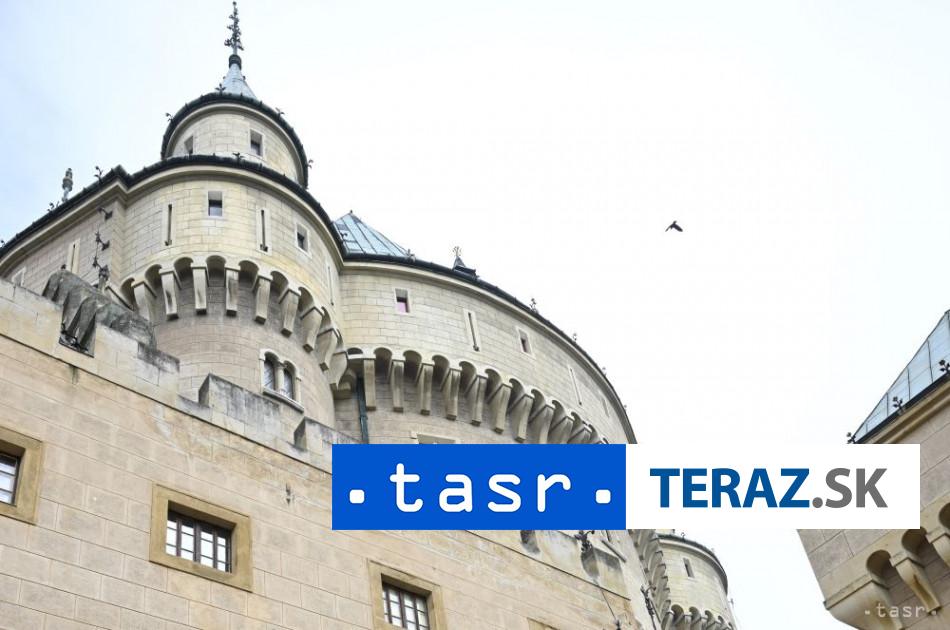
The mayor of Bojnice, Lukáš Smatana, has announced his intention to defend his seat in the upcoming local elections. Smatana, a businessman and veterinarian by profession, has served as mayor of the western Slovak spa town since 2022, making this his first term in office. Bojnice is known internationally for its historic castle and thermal spa facilities, drawing tourists from across Europe.

|
Domestic Politics

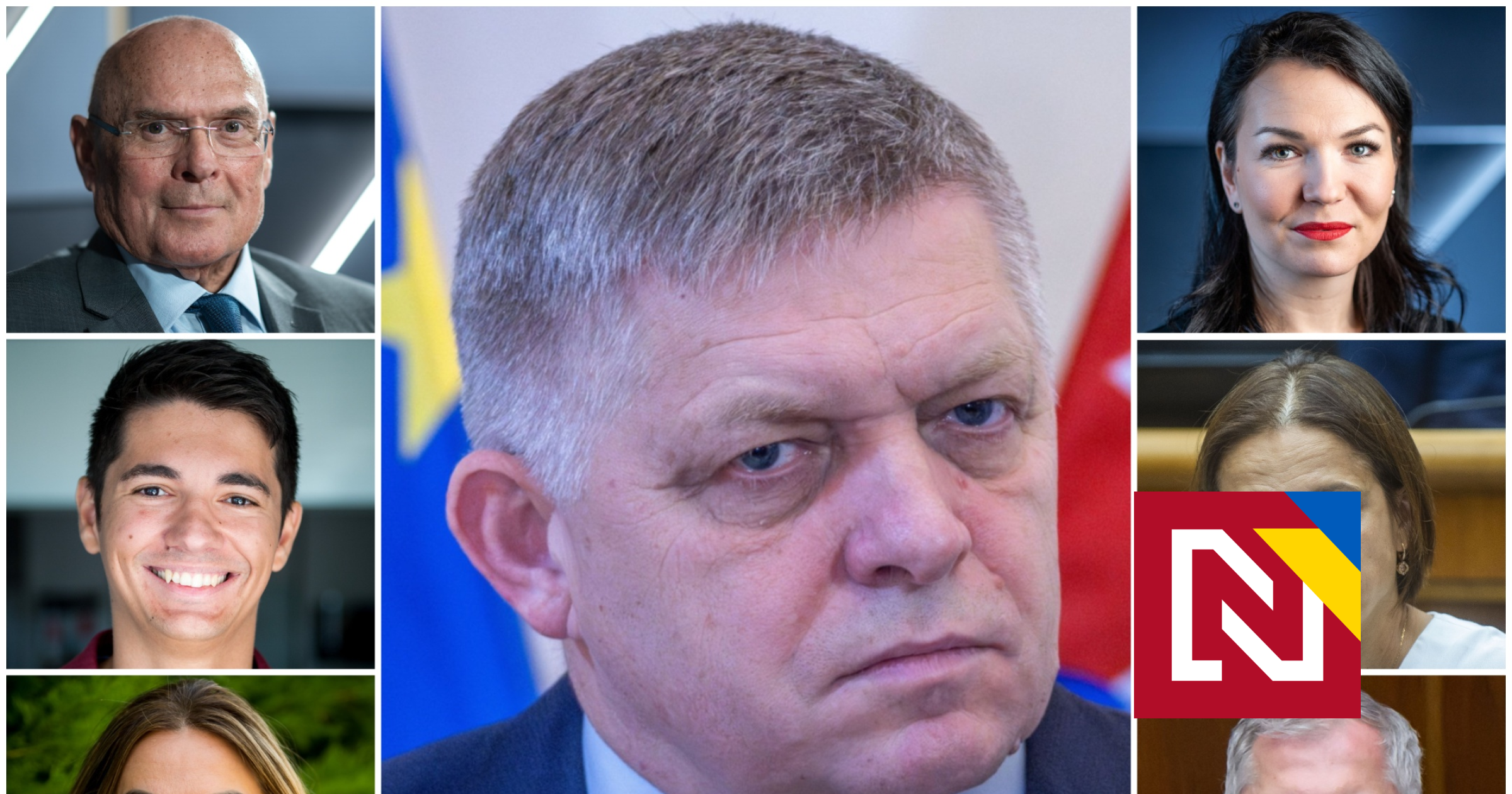
Slovak Political Commentary: Coalition Faces Criticism Over Patronage Appointments

Slovak Prime Minister Robert Fico's Smer-SD party, the dominant force in Slovakia's ruling coalition, is facing renewed criticism over allegations of political patronage and the placement of party loyalists in public positions. Fico, whose left-nationalist party returned to power in 2023, has long been accused by opposition figures and journalists of using state institutions and public resources to reward political allies. Critics argue that the practice undermines the integrity of public administration and erodes trust in government institutions. The phrase invoked in commentary this week — roughly translated as 'what you send into the forest comes back to you' — reflects a broader public debate about accountability and the political culture surrounding the ruling party.

|
Domestic Politics

Slovak Environment Minister Accused of Planning Developer-Friendly Regulatory Trick

Slovak Environment Minister Tomáš Taraba is preparing a move that would benefit property developers at the expense of the public interest, according to opposition lawmaker Katarína Stohlová of the Progressive Slovakia party. Stohlová accused Taraba of gambling with hundreds of millions of euros of public funds through the proposed change, though the minister has not yet publicly responded to the allegations. Taraba, a member of the Slovak National Party (SNS), one of the junior partners in Prime Minister Robert Fico's ruling coalition, has faced scrutiny over his handling of environmental policy since taking office. Progressive Slovakia, a liberal pro-European opposition party, has been a frequent critic of the coalition's approach to land use, nature protection, and development regulation. The accusation adds to broader concerns among opposition politicians and environmental advocates that the current government is tilting policy in favour of commercial developers, potentially at significant financial and ecological cost to the country.

|
Domestic Politics

Slovak Public Broadcaster Journalist Doused With Cold Water; Opposition Leader Targeted With Slurs

Two incidents of hostility toward journalists and opposition politicians in Slovakia have drawn attention to the increasingly aggressive tone in the country's public discourse. A journalist from STVR, Slovakia's public broadcaster, was doused with 100 liters of cold water, while Michal Šimečka, the leader of the opposition Progressive Slovakia party, was subjected to vulgar insults. The incidents highlight a pattern of intimidation and incivility directed at those who hold critical or dissenting views in Slovak public life. STVR, the national public television and radio service, has been at the center of political controversy in recent years, with the ruling coalition led by Prime Minister Robert Fico's Smer-SD party having pushed through legislation restructuring the broadcaster — a move critics said was aimed at undermining editorial independence. Šimečka leads Progressive Slovakia, the largest opposition party, which has been a vocal critic of the Fico government's domestic and foreign policy direction, including its stance toward the European Union and Ukraine. The targeting of both a public broadcaster journalist and a leading opposition figure underscores growing concerns among press freedom advocates and civil society groups about the climate for free expression in Slovakia.

|
Domestic Politics

Former Smer MP Accused of Transforming Flood-Prone Land Worth €3,700 into €350,000 Property

A former member of parliament from Smer-SD, Slovakia's ruling populist-nationalist party, is facing scrutiny over a suspicious land deal in which waterlogged, low-value plots worth approximately €3,700 were allegedly transformed into highly valuable real estate valued at €350,000. The case raises questions about how the reclassification or rezoning of the land could have generated such an extraordinary increase in value, and whether political connections played a role in facilitating the transaction. Smer-SD, led by former Prime Minister Robert Fico, has faced repeated allegations of corruption and conflicts of interest involving party figures, making this latest case a further source of controversy for the ruling party. The details of how the land changed status — from flood-prone, essentially unusable parcels to lucrative developable property — remain under investigation, with critics pointing to the episode as emblematic of broader concerns about land-use decisions and political influence in Slovakia.

|
Domestic Politics

Slovak Justice Minister Loses Dispute But Government Retains Control Over Summit Agenda

Slovak Justice Minister Rastislav Káčer suffered a political setback after an attempted compromise failed, though the government retains authority over determining the program for an upcoming summit. The episode highlights ongoing tensions within Slovakia's ruling coalition led by Prime Minister Robert Fico's Smer-SD party, a left-nationalist grouping that has frequently clashed internally over policy and procedural matters. The failed reconciliation effort underscores the fragility of coalition cohesion, even as the government consolidates its grip over key institutional decisions.

|
Domestic Politics

Survey Reveals Deep Public Distrust in Slovak Government Ministers

A new public opinion survey has found widespread dissatisfaction with the performance of Slovakia's cabinet ministers, with citizens giving the majority of the government's 15 ministers failing or near-failing grades. Twelve ministers received a grade of three — equivalent to a C — while three received a four, the lowest passing grade in Slovakia's school grading system, which runs from one to five with one being the highest. Michal Mislovič, an analyst at the NMS polling agency which conducted the survey, said the results point to a broader crisis of confidence in the country's leadership. "We are witnessing a deep distrust toward the state's elites," Mislovič said. The findings reflect growing frustration among Slovak citizens with the ruling coalition government led by Prime Minister Robert Fico, whose Smer-SD party returned to power in 2023 and has since faced sustained criticism over governance, rule of law concerns, and its foreign policy orientation.

|
Domestic Politics

Pope Raises AI Governance Warning as Politicians Stay Silent

Pope Francis has called for urgent political engagement on artificial intelligence, challenging world leaders to take responsibility for regulating the rapidly advancing technology. The pontiff's intervention frames AI governance not as a question of technical understanding but of political will — arguing that the excuses for inaction have run out. The commentary, published in Slovak outlet Dennik N, notes that the challenge applies not only to major powers such as the United States and the European Union but to all governments, including Slovakia's, where political debate on AI remains limited. As AI reshapes economies, labor markets, and public life across Europe, critics argue that Slovak politicians have been largely absent from meaningful discussion on how to manage its risks and opportunities. The Pope's statement adds moral weight to calls for democratic accountability in shaping AI policy, a debate that has so far been dominated by technologists and corporate interests rather than elected officials.

|
Domestic Politics

Slovakia Plans to Hand State Forestry Powers to Small Private Chamber

Slovakia's Ministry of Agriculture has proposed sweeping new legislation that would transfer significant state authority over forestry management to a narrow private professional body, alarming experts who say the move would concentrate power in the hands of a small, ideologically conservative group. The draft law, submitted for public consultation, concerns the Slovak Forestry Chamber, a professional guild currently representing just over 400 members. Under the proposed changes, the chamber would assume competencies currently held by district government offices, the Ministry of Agriculture, and the National Forestry Centre — a state institution responsible for research and expert oversight of Slovak forests. Critics, including forestry specialists consulted during the drafting process, have described the proposal as alarming, warning that it effectively dismantles a functioning regulatory system and hands control to a small, unrepresentative group known for its conservative and extractive approach to forest management. Slovakia's forests cover roughly 40 percent of the country's territory and are a significant economic and environmental resource. Forest management policy has been a contentious issue in recent years, with ongoing tensions between commercial logging interests and conservationists, particularly in protected areas such as national parks. Transferring regulatory authority from democratically accountable state institutions to a private professional chamber with a narrow membership base raises questions about transparency, public interest safeguards, and environmental oversight. Experts warn the proposal could undermine decades of institutional infrastructure built around sustainable forestry governance.

|
Domestic Politics

Slovak Journalists Identify Ruling Party's Ideology as Key Threat to Country

A panel of Slovak journalists and commentators — Petková, Štrasser, Hudák, Šáteková, and Čikovský — identified the ideology of Smer-SD, the ruling populist party led by Prime Minister Robert Fico, as a significant threat to Slovakia in their weekly review of notable events, missteps, and overlooked moments in Slovak public life. The weekly format, published by the independent Slovak outlet Denník N, brings together multiple voices to assess the most consequential developments of the preceding days. Smer-SD, which returned to power in 2023, has drawn sustained criticism from opposition figures, civil society groups, and EU partners over its increasingly pro-Kremlin foreign policy stance, efforts to curtail independent institutions, and what critics describe as an authoritarian drift in governance. The commentators' framing of the party's ideology — mockingly abbreviated in the headline — as a direct danger to the country reflects deepening concern among Slovak media and civic voices about the direction of the current government.

|
Domestic Politics

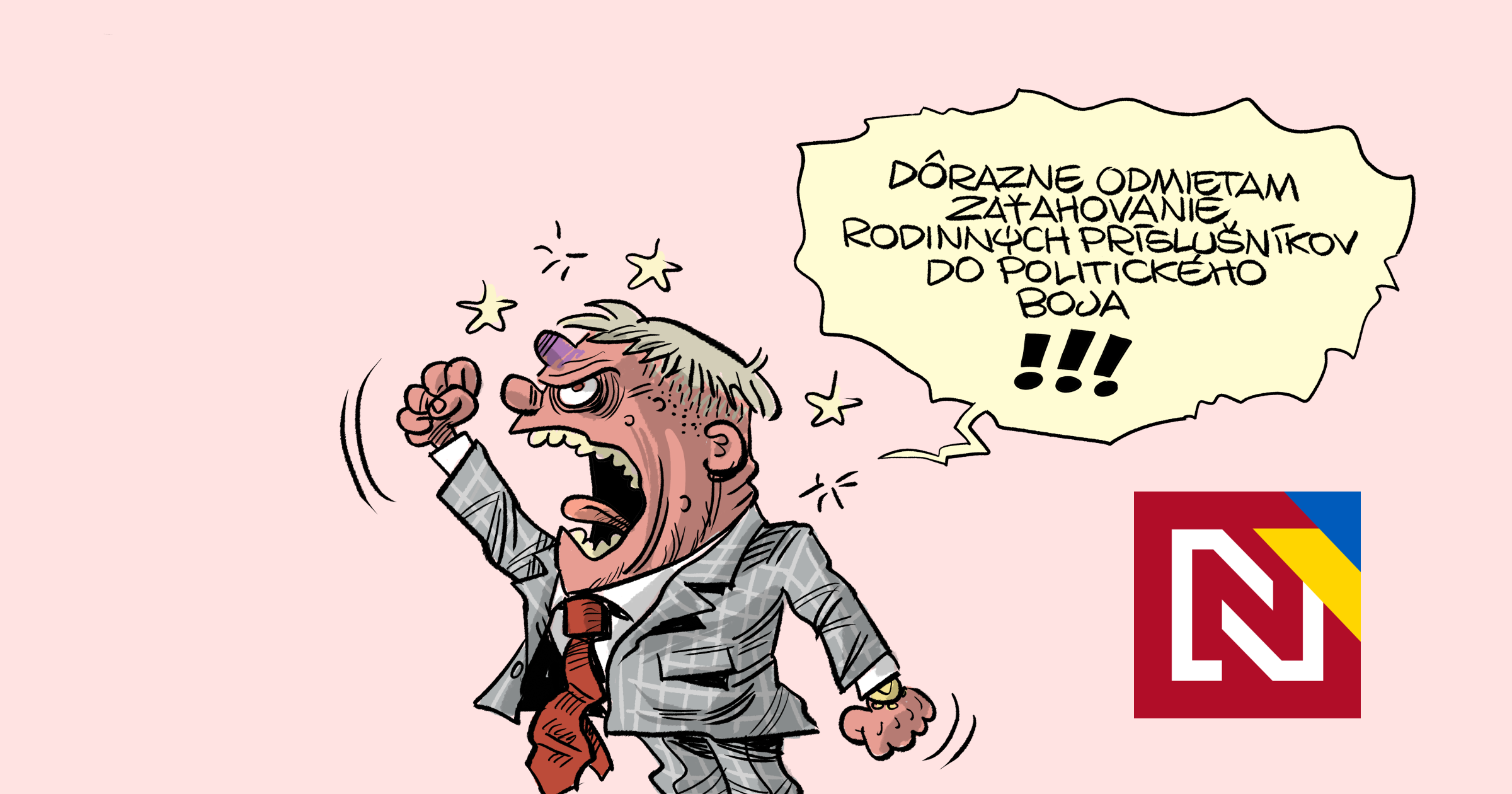
Slovak PM Fico Calls State TV Journalist a 'Fool', Draws Criticism From Own Party

Slovak Prime Minister Robert Fico sparked a public controversy after calling a state television journalist a 'fool' and saying he would douse her with cold water 'like in a madhouse,' comments that drew criticism even from within his own ruling party. Fico made the remarks during a public meeting with high school students, targeting a reporter from RTVS, Slovakia's public broadcaster. The outburst came a day after the journalist had questioned him at a Visegrád Four (V4) summit in Budapest — a regional forum bringing together the leaders of Slovakia, Hungary, Poland, and the Czech Republic. Fico said he would spray her with a hose and repeatedly called her a 'fool,' adding 'excuse the expression' before repeating the insult. The comments provoked reactions across the political spectrum, including from Ľuboš Baláž, a member of parliament from Fico's own Smer-SD party — the ruling left-nationalist party that has dominated Slovak politics for much of the past two decades. Baláž said Fico should apologize for the remarks. Opposition politicians also condemned the statements. The episode adds to a pattern of tension between Fico's government and independent and public media in Slovakia, raising concerns among press freedom advocates about the climate for journalists in the country.

|
Domestic Politics

Slovak Police Expand Fraud Case to 28 Suspects in €8.5 Million Scheme

Slovak police have expanded charges in a major financial fraud investigation worth more than €8.5 million, bringing the total number of accused to 16 individuals and 12 companies following a new operation in northern Slovakia. The latest action, known as Operation Programmer, was carried out on Wednesday and builds on an ongoing investigation led by the Central Investigation Unit operating under the European Public Prosecutor's Office (EPPO). The EPPO is an independent EU body established to investigate and prosecute crimes affecting the European Union's financial interests, including fraud involving EU funds. The expansion of charges signals that the investigation is widening significantly in both scope and the number of suspects involved. Cases handled under the EPPO's jurisdiction typically involve misuse of EU subsidies or other financial instruments funded by the European Union, meaning Slovak taxpayers and EU funds may have been among those harmed by the alleged scheme.

|
Domestic Politics

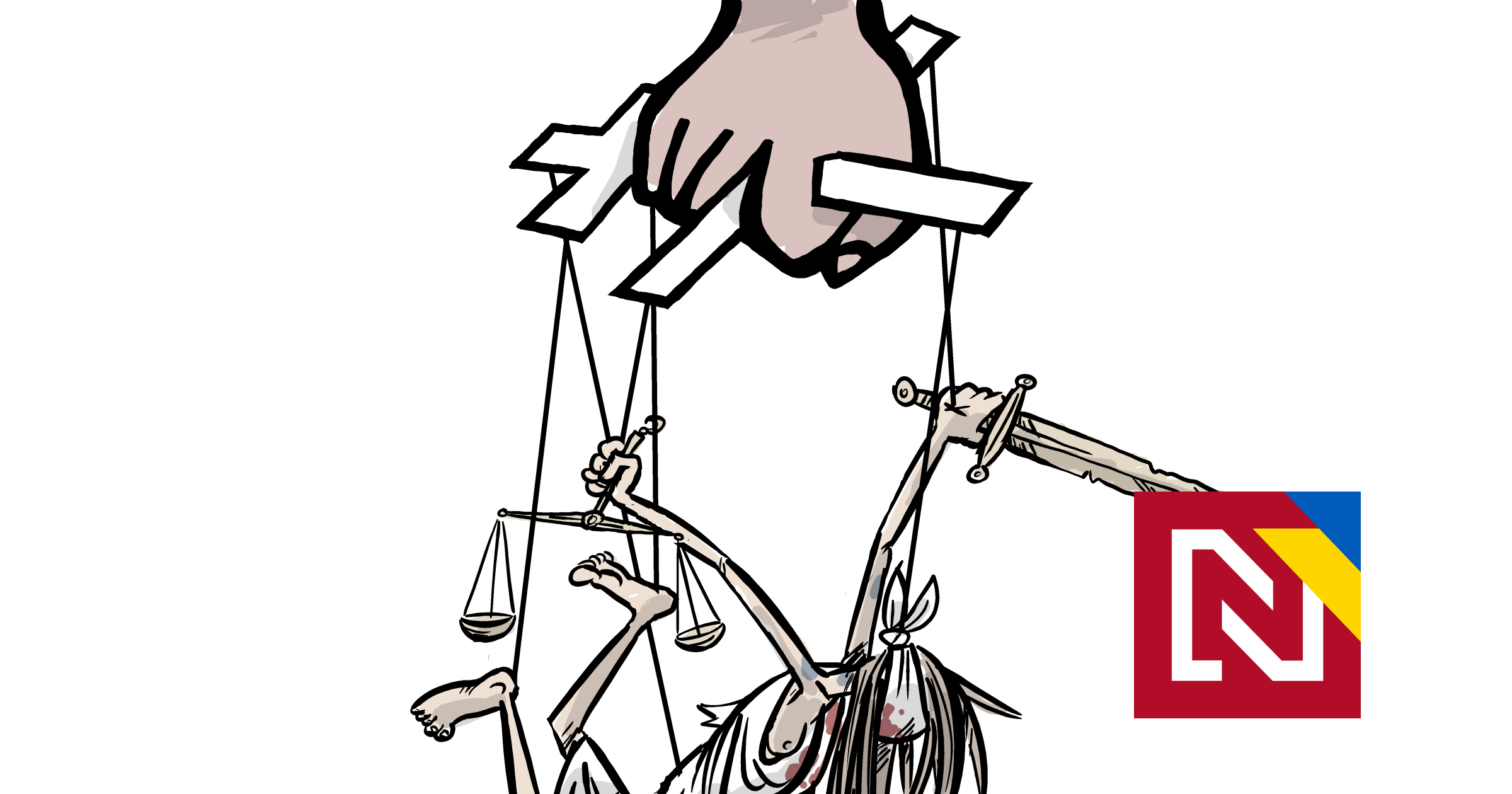
Slovak Commentary Reflects on the State of Law and Justice in the Country

A commentary published by Slovak outlet Denník N takes a cynical look at the state of law and justice in Slovakia, suggesting that the country's legal system and its application of justice fall short of where they could and should be. The piece, framed as a somewhat fairytale-like narrative, reflects broader public concerns about the reliability and fairness of Slovak legal institutions. Slovakia has faced recurring criticism over the independence of its judiciary and law enforcement, particularly following political changes in recent years that critics argue have undermined institutional checks and balances.

|
Domestic Politics

Hlas Party Denies Its Policy Measures Are Punitive in Nature

Slovakia's Hlas-SD party has pushed back against criticism that its proposed policy measures are designed to punish certain groups, insisting that concrete assistance will accompany every decision it supports. Hlas-SD, a center-left party that forms part of the ruling coalition alongside Prime Minister Robert Fico's Smer-SD, has faced accusations that some of its initiatives could negatively target specific segments of the population. Party representatives emphasized that social support mechanisms would be built into any measures adopted, framing their approach as constructive rather than punitive. The clarification appears aimed at distancing the party from controversy over coalition policies at a time when the government faces broader public scrutiny over its domestic agenda.

|
Domestic Politics

Slovak Legal Commentary Reviews Court Rulings Against Orbán, Harabin and Italian Parliament

A weekly legal affairs column published by Slovak outlet Denník N has reviewed a series of recent court decisions touching on figures and institutions with relevance to Central European politics. The column, written by legal analyst Rada Procházka, examined rulings connected to Hungarian Prime Minister Viktor Orbán, Slovak far-right judicial figure Štefan Harabin, and the Italian parliament. Harabin, a former Slovak Supreme Court president and Constitutional Court judge who has become a prominent voice of nationalist and pro-Russian sentiment in Slovakia, has repeatedly been the subject of legal scrutiny. The column appears to assess the courts' performance in holding powerful political actors accountable, framing the rulings as judicial report cards — grading each subject on their legal conduct. The piece reflects ongoing debates in Slovakia and across Central Europe about the independence of judiciaries and the rule of law in the region.

|
Domestic Politics

Slovak Ruling Coalition Struggles to Agree on Candidates Ahead of Regional Elections

Coalition negotiations in Slovakia are proving far more complicated than expected, with the ruling parties unable to agree on a unified electoral strategy — even among themselves. The ruling coalition, made up of Smer-SD (a left-nationalist party led by former Prime Minister Robert Fico), Hlas (a social-democratic splinter party), and the Slovak National Party (SNS), is struggling to coordinate candidate support for upcoming regional elections, let alone agree on cooperation with the far-right extra-parliamentary movement Republika. In the eastern Slovak city of Prešov, Smer-SD appears to be distancing itself from its current candidate, Milan Mazurek — a politician known for controversial, far-right statements — and is reportedly considering backing Jana Laššáková, a Smer-aligned figure, instead. The shift signals internal disagreements within the coalition about how to approach alliances with Republika, a nationalist movement that did not win seats in parliament but holds influence among right-wing voters. A deputy chairman of the ruling coalition publicly acknowledged the disarray, stating that 'at this moment, there is no general agreement between the coalition parties Smer, Hlas, SNS, or with Republika on a common approach for each individual candidate.' The admission highlights the fragility of the coalition's coordination as Slovakia heads toward regional votes, where local power dynamics and candidate personalities often override national party directives. The difficulty in aligning with Republika — a movement whose rhetoric is considered extremist by critics — also reflects the political risks involved in formal cooperation with fringe nationalist forces.

|
Domestic Politics

Prešov Regional Assembly Opposes Restoration of Javorina Military Zone

The regional assembly of Prešov County has voted against the restoration of the Javorina Military District, citing concerns that it would severely restrict civilian use of the area. The Javorina area, located in northeastern Slovakia near the Polish border, is a region currently accessible to civilians for recreation and other purposes. Restoring its military district status would place it back under defense authority control, significantly limiting public access and civilian activity in the zone. The Prešov regional assembly, the elected governing body of Slovakia's largest county by area, made clear its opposition to the plan, reflecting local concerns about the impact on communities and civilian life in the affected region.

|
Domestic Politics

Slovakia to Hold Referendum on July 4, 2026

Slovakia is preparing for a nationwide referendum scheduled for July 4, 2026. The vote will require a sufficient voter turnout to be considered valid under Slovak law — a historically significant hurdle, as most previous Slovak referendums have failed to meet the required participation threshold. For a referendum result to be binding in Slovakia, more than 50 percent of eligible voters must cast ballots, and a majority of those must vote in favor of the proposed questions. The specific questions on the ballot concern issues that Slovak citizens will be asked to decide directly, bypassing the standard legislative process in parliament, the National Council. Referendums in Slovakia are relatively rare and carry significant political weight, as a successful vote can compel the government to act on its outcome.

|
Domestic Politics

Slovak Ministers to Unveil Social Benefit Changes as Tax Freedom Day Marked

Ministers from Hlas, one of the three parties in Slovakia's ruling coalition, are set to present proposed changes to the country's social welfare benefits system. The announcement comes as the Liberty Institute, a Slovak free-market think tank, declares its annual Tax Freedom Day — the symbolic date on which the average Slovak worker has earned enough to cover their total tax burden for the year and begins earning for themselves. Meanwhile, in the capital Bratislava, the Hip Hop Žije music festival is kicking off, drawing fans of hip-hop culture from across the country.

|
Domestic Politics

Slovak PM Fico Clashes with Industry Leaders Over Energy Costs and Climate Commitments

Slovak Prime Minister Robert Fico has come into conflict with the country's industrial sector over energy policy, with business leaders pressing the government for affordable energy prices and a predictable economic strategy. Industrialists are calling on Fico's government to honor commitments made in Slovakia's national climate plan, which sets out targets and measures for reducing carbon emissions in line with European Union environmental goals. The dispute highlights growing tensions between the government's approach to energy and economic policy and the expectations of the private sector, which relies on stable and competitively priced energy to remain viable. Business groups are warning that unpredictability in government policy is undermining investment confidence and the country's industrial competitiveness. The clash comes as EU member states, including Slovakia, face pressure to accelerate their green energy transitions, creating difficult trade-offs between industrial energy costs, climate obligations, and economic growth.

|