
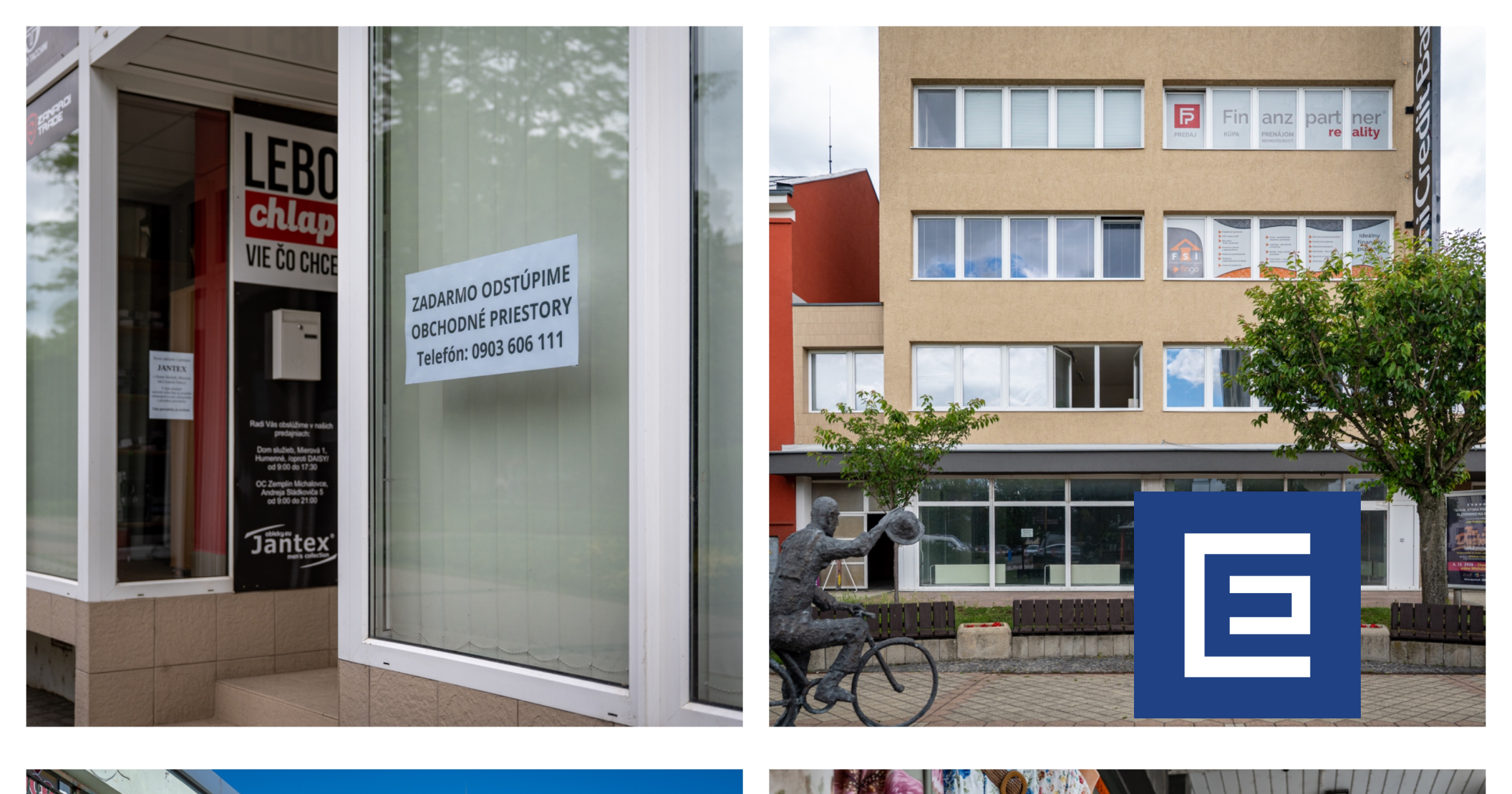
Slovak Fiscal Consolidation Squeezes Small Retailers as Town Centers Empty Out
Slovakia's government austerity measures are pushing small independent shops to the brink of closure, with owners across eastern Slovakia reporting some of the hardest trading conditions they have ever faced. Maroš, a man in his sixties who opened a convenience store in the eastern Slovak town of Trebišov in 1992, has laid off a staff member and is now working 16-hour shifts himself just to keep the business afloat. Similar stories are emerging from other eastern Slovak towns including Michalovce, Humenné, and Vranov nad Topľou, where small shop owners are struggling to survive. The difficulties are being attributed to Slovakia's fiscal consolidation program — a package of budget-tightening measures introduced by the government of Prime Minister Robert Fico aimed at reducing the country's public deficit. Critics argue the measures, which include tax increases and reduced public spending, are disproportionately harming small and independent businesses while large retail chains, with their greater financial reserves and economies of scale, are better able to absorb the impact. The knock-on effect is the gradual emptying of town and city centers as small retailers close down or reduce operations. Slovakia has faced growing pressure from the European Union to bring its public finances under control, with the country running one of the larger deficits among EU member states. While the Fico government has framed the consolidation as a necessary economic correction, small business owners say they were not adequately considered in the policy design, and that the burden of adjustment is falling on the most vulnerable parts of the economy.