Dávka - Your daily dose of Slovak news
Last refreshed: 27/07/2026 17:42 · 75 articles added
Stories are refreshed at 05:30, 10:30, 15:30, and 21:30 UTC.

International Politics

View all3270 stories
International Politics

Portugal Increases Military Presence in Slovakia Amid Heightened Security Concerns

Portugal has expanded its military contingent stationed in Slovakia, citing a deteriorating security environment and the return of conventional warfare to Europe. Portuguese Chief of the General Staff Eduardo Mendes Ferro announced the decision on Monday, saying the move was a direct response to growing security threats on the continent. The Portuguese forces operate as part of a NATO battlegroup deployed in Slovakia — one of several such multinational units established by the alliance along its eastern flank following Russia's full-scale invasion of Ukraine in 2022. NATO formed these enhanced Forward Presence battlegroups to deter potential aggression, with Slovakia hosting one of the multinational contingents. The Portuguese reinforcement reflects a broader trend among NATO member states of bolstering their commitments to allied defense as the war in Ukraine continues to reshape European security calculations.
|
International Politics

Slovak President Travels to China to Strengthen Bilateral Ties

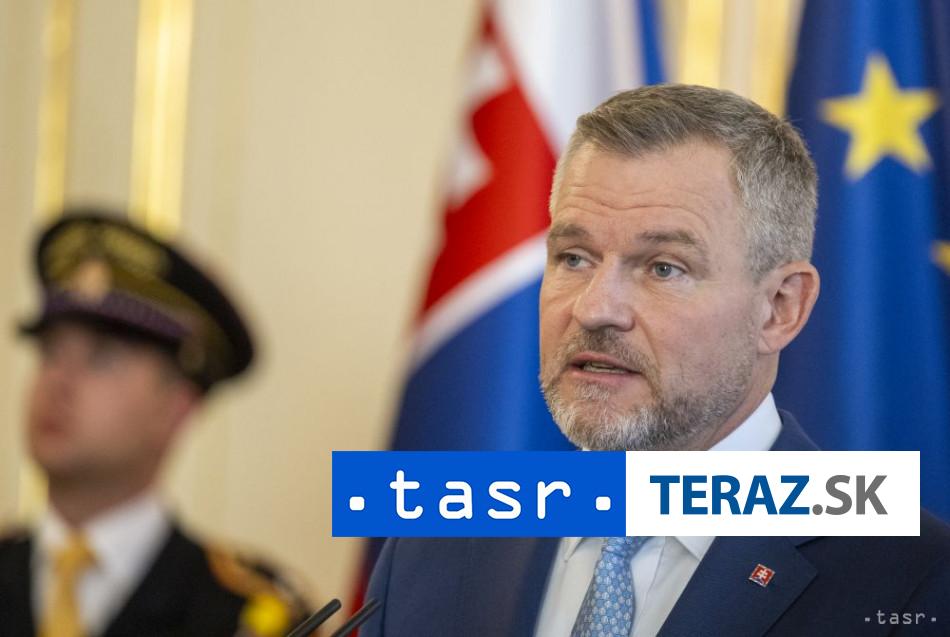
Slovak President Peter Pellegrini has departed for an official working visit to China, scheduled to run from July 27 to 29. The trip is aimed at reaffirming and strengthening cooperation between Slovakia and China across key areas of bilateral interest. Pellegrini, a center-left politician who took office in June 2024, leads Slovakia's largely ceremonial presidency but plays a role in shaping the country's international profile. The visit comes at a time of broader European debate over the nature of economic and political engagement with Beijing, making Slovakia's outreach to China a notable diplomatic signal within the EU context.

|
International Politics

Vietnamese Military Officials Visit Slovak State Arms Factories in Second Delegation Trip Within Months

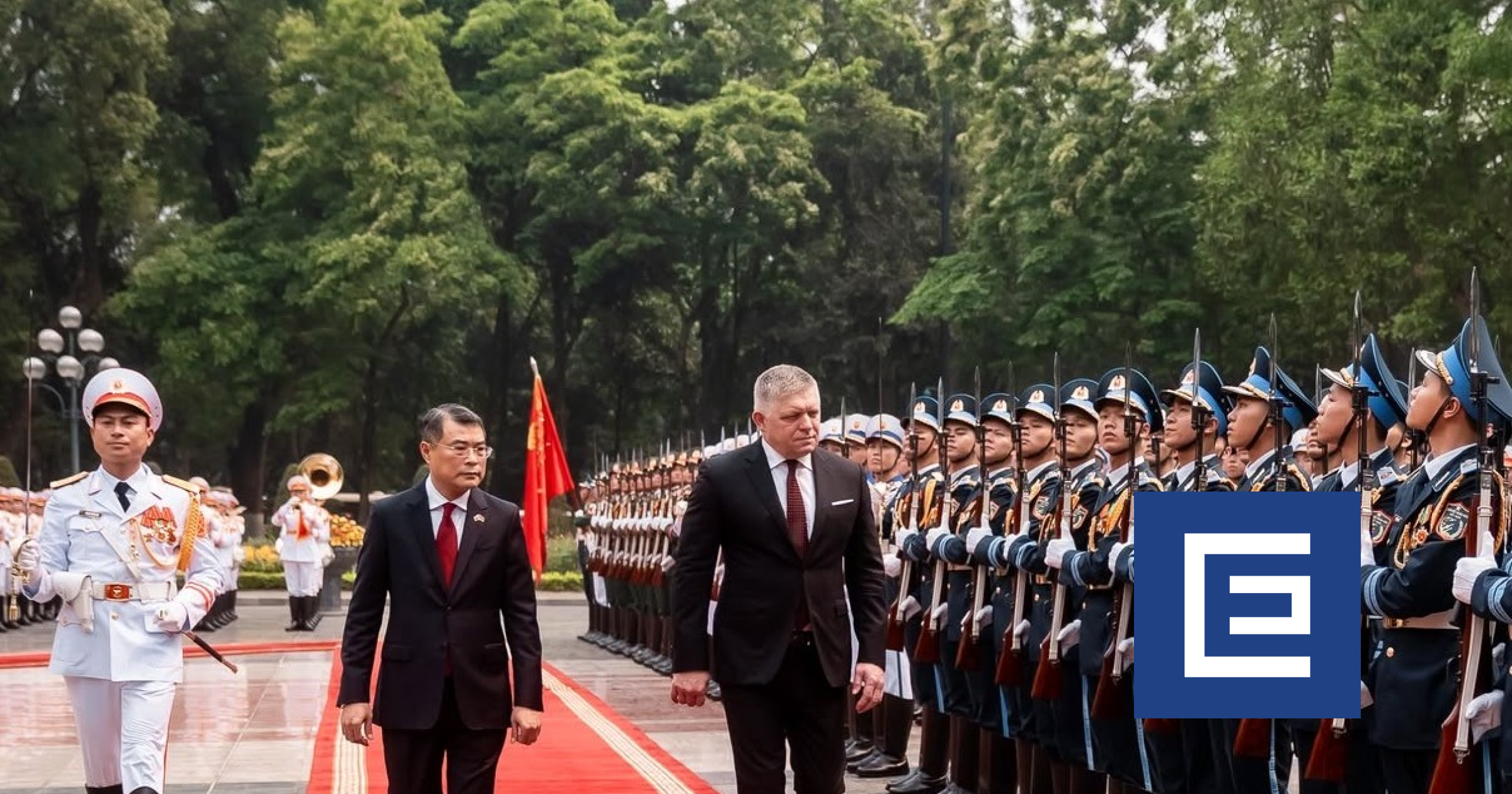
A Vietnamese military delegation visited Slovak state-owned arms manufacturers last week, marking the second such visit in a short period, as ties between Slovakia's ruling Smer party and Vietnam's communist government show signs of translating into concrete defense trade deals. The delegation of Vietnamese military officers toured Slovak state weapons facilities, according to reporting by Slovak daily Denník N. Slovak Interior Minister Robert Kaliňák, a senior figure in the Smer-SD party, suggested the visits reflect a deliberate foreign policy approach, saying "our policy is paying off." The deepening military-commercial relationship between Slovakia and Vietnam sits against a complicated diplomatic backdrop. Smer-SD, the ruling left-nationalist party led by Prime Minister Robert Fico, has cultivated close ties with Vietnam's communist leadership through a series of high-level visits. Those ties have previously attracted controversy, most notably due to the 2017 kidnapping of Vietnamese businessman Trinh Xuan Thanh from Berlin, a case in which Slovak diplomatic channels were alleged to have played a role. Fico himself has also faced scrutiny over a personal vacation spent at a Vietnamese-owned hotel featuring luxury amenities. The repeated military visits suggest that despite the political sensitivity surrounding these ties, Bratislava is actively pursuing Vietnam as a potential buyer for its defense industry exports.

|
International Politics

Slovakia's Fico Rejects Any Hint of Support for Ukraine

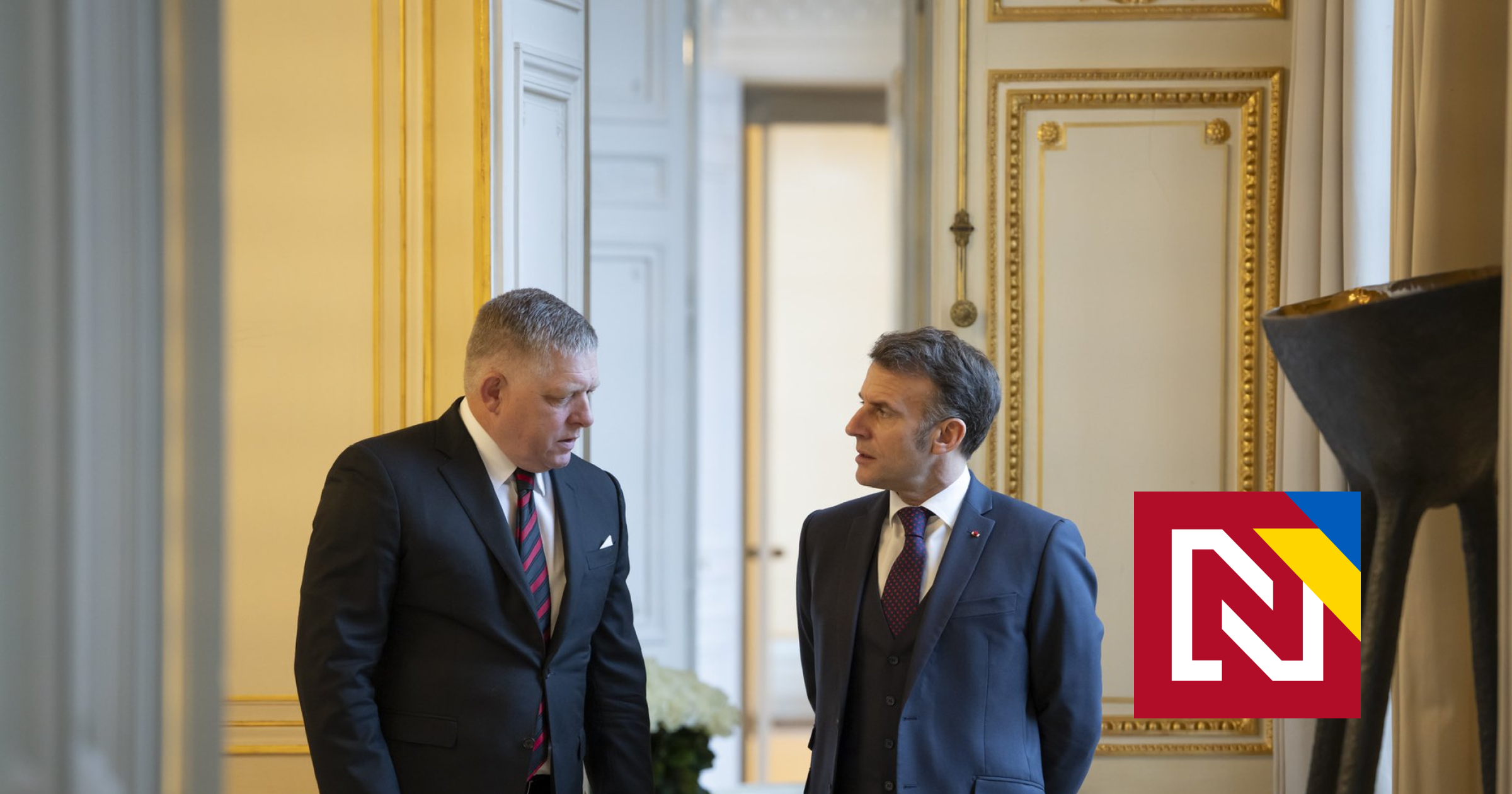
Slovak Prime Minister Robert Fico has rejected even the slightest suggestion of support for Ukraine, according to a morning news briefing from the Slovak daily SME. The stance underscores Fico's consistently pro-Russia position since returning to power in 2023, setting Slovakia apart from most of its European Union and NATO allies who have backed Ukraine's defense against Russia's full-scale invasion. Fico, leader of Smer-SD, a left-nationalist ruling party, has repeatedly opposed military aid to Ukraine and maintained contacts with Russian President Vladimir Putin, drawing criticism from Western partners and the Slovak opposition alike. The briefing also noted a historical contrast: Slovakia did send assistance to France when that country needed help, highlighting what critics see as an inconsistency in Fico's foreign policy approach — willingness to aid Western allies in the past, but a firm refusal to support neighboring Ukraine under Russian attack.

|
International Politics

Russia Attempts to Drive Wedge Between Poland and Ukraine Through Disinformation

Russia is actively working to sow division between Poland and Ukraine, two neighboring countries that have maintained close ties since Russia's full-scale invasion of Ukraine in 2022, according to monitoring of disinformation activity along NATO's eastern flank. The campaign is part of broader efforts to destabilize the alliance's eastern border region, which stretches from the Baltic states through Poland and Slovakia down to Romania. Separately, artificial intelligence tools are being used to spread fabricated or misleading content about politicians in the region, raising concerns about the integrity of public discourse ahead of elections and amid ongoing geopolitical tensions. Analysts monitoring the disinformation landscape along NATO's eastern frontier have flagged both trends as significant threats to regional stability. Poland and Ukraine share a long and historically complex relationship, and Russian information operations have repeatedly attempted to exploit historical grievances — including disputes over World War II-era events — to undermine their current strategic partnership. The spread of AI-generated disinformation about political figures adds a new technological dimension to these influence campaigns, making false narratives harder to detect and counter.

|
International Politics

Slovakia Condemns Russian Strike on Ukrainian City of Sloviansk

Slovakia's Ministry of Foreign Affairs condemned Russian missile and drone attacks on civilians following a strike on the Ukrainian city of Sloviansk. The attack was part of continued mutual strikes between Russia and Ukraine on Friday, resulting in casualties on both sides. Bratislava's condemnation reflects Slovakia's official position of opposing attacks targeting civilian populations, even as the country's government, led by Prime Minister Robert Fico's Smer-SD party, has at times taken a more ambiguous stance on the broader conflict compared to other EU member states. Ukraine and Russia both carried out further strikes on Friday, underscoring the ongoing intensity of the war now in its third year.

|
International Politics

Austrian Minister Rejects Fast-Track EU Membership for Ukraine, Criticizes Zelensky

Austria has pushed back against accelerated European Union membership for Ukraine, with Austrian Minister Claudia Bauerová firmly rejecting Kyiv's ambitions for a speeded-up accession process. Bauerová criticized Ukrainian President Volodymyr Zelensky and warned against allowing Kyiv to dictate the timeline for EU entry. The EU accession process is a lengthy procedure requiring candidate countries to align their laws, institutions, and standards with European Union rules across dozens of policy areas. Ukraine was granted EU candidate status in 2022 following Russia's full-scale invasion, but formal membership negotiations remain at an early stage. Several EU member states have expressed reservations about a rapid path to membership, citing concerns about Ukraine's readiness and the economic and institutional implications for the bloc. Austria's position adds to a chorus of caution from within the EU regarding Ukraine's membership timeline. While the European Union has expressed broad political support for Ukraine's eventual accession, member states retain significant influence over the pace and terms of the process, meaning opposition from individual governments can slow progress considerably.

|
International Politics

Slovak Firefighters Deploy Black Hawk Helicopter to Help Battle Major Wildfires in France

Slovak firefighters have arrived in France to assist in combating large-scale wildfires currently burning across parts of the country. The Slovak team has deployed a Black Hawk helicopter as part of the response effort, joining what is expected to be a demanding, coordinated multinational firefighting operation. Slovakia's participation reflects the European Union's civil protection mechanism, through which member states provide mutual assistance during major natural disasters. France has been grappling with serious wildfire outbreaks, and the Slovak deployment adds aerial firefighting capacity to the ongoing suppression efforts.

|
International Politics

China Calls Slovakia 'Important Partner' Ahead of President Pellegrini's Visit

China has described Slovakia as an important partner in Europe ahead of a state visit by Slovak President Peter Pellegrini, marking his first trip to China since taking office. Pellegrini, who became Slovakia's president in June 2024 after winning a presidential election as an ally of Prime Minister Robert Fico's ruling Smer-SD party, is traveling to Beijing as part of efforts to strengthen bilateral ties. China's characterization of Slovakia as a key European partner signals Beijing's interest in deepening relations with the Central European country. The visit is being closely watched given Slovakia's position within the European Union and NATO, as Fico's government has pursued a notably more eastward-leaning foreign policy compared to its predecessors, including a warmer stance toward both Russia and China.

|
International Politics

Slovak Analysts Debate Ukraine War, Modern Warfare at Rimavská Sobota Festival

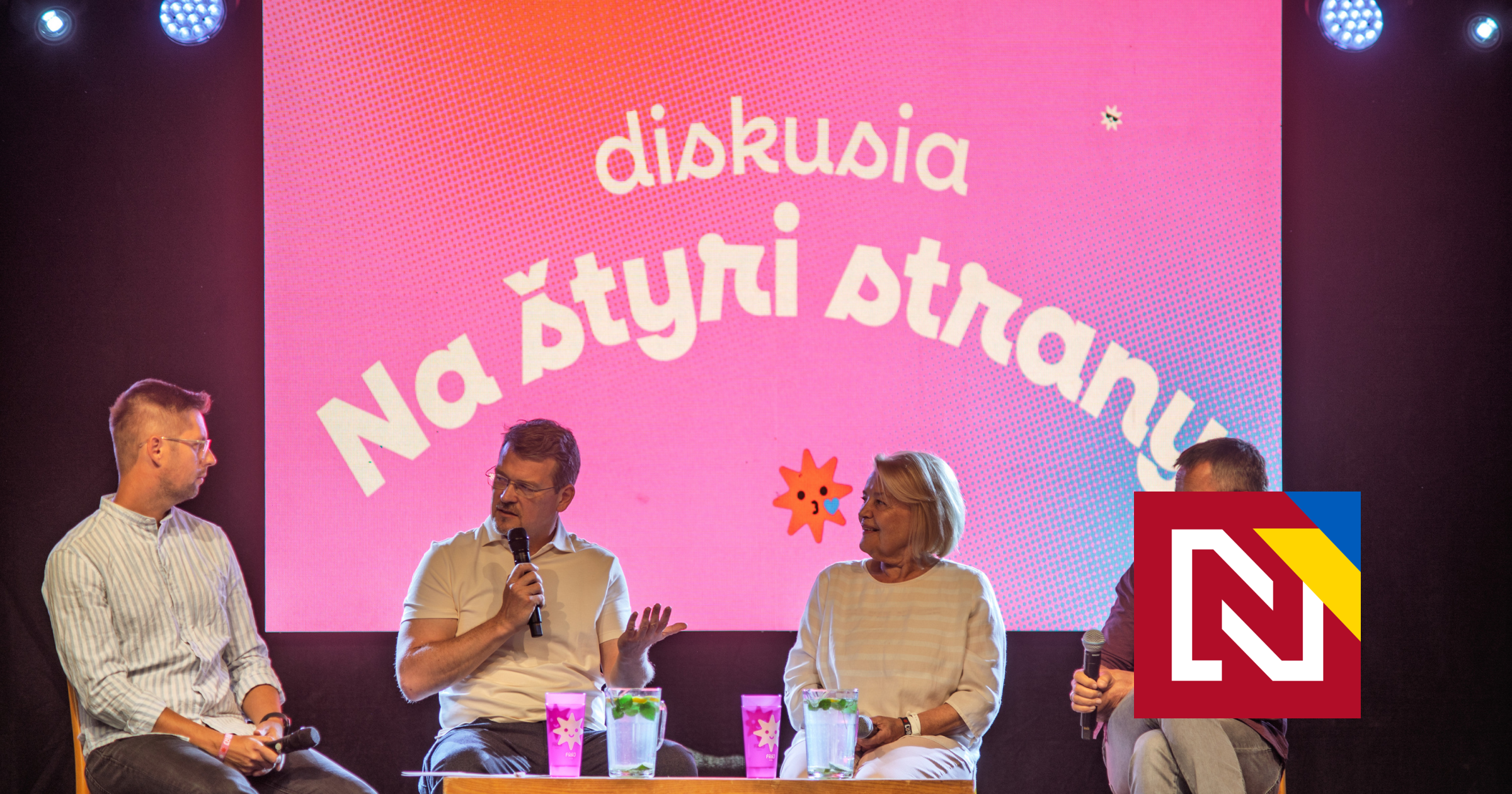
A panel of prominent Slovak public figures discussed the war in Ukraine and the nature of 21st-century warfare at the Fraj cultural festival in Rimavská Sobota on Friday, July 24, 2026. Economist and former politician Ivan Mikloš, diplomat and security analyst Róbert Ondrejcsák, and former diplomat, politician and actress Magda Vášáryová took part in the debate, part of an ongoing series of public discussions titled 'Na štyri strany' (All Four Directions) on Slovakia and global affairs. Among the topics discussed were recent personnel changes in the Ukrainian military leadership and whether Hungary's new prime minister, Péter Magyar, is moving against appointees of his predecessor Viktor Orbán. The panelists shared the view that only the Ukrainian and Russian armies currently possess the capabilities required to conduct full-scale 21st-century warfare. Mikloš is a former Slovak finance minister known for his role in post-communist economic reforms, while Ondrejcsák has served in senior defense policy roles. Vášáryová is a well-known public intellectual with a career spanning diplomacy, politics, and the arts. The debate reflects continued Slovak civil society engagement with the ongoing conflict in Ukraine, which borders Slovakia to the east and remains a central issue in the country's foreign and security policy discussions.

|
International Politics

Slovakia's Ambiguous Role in Ukraine Support Coalition

Slovakia finds itself in an uncertain position within the multinational coalition formed to support Ukraine, simultaneously appearing to be both a member and a non-member of the grouping. The coalition, sometimes referred to informally as a 'coalition of the willing,' was established by Western nations to coordinate military and financial assistance to Ukraine amid its ongoing war with Russia. Slovakia, which currently holds the presidency of the European Union Council, has sent mixed signals about its level of commitment to the coalition, reflecting the government's broader ambivalent stance on aid to Ukraine. Prime Minister Robert Fico's government, led by his Smer-SD party — a populist, left-leaning party that has repeatedly criticized Western military support for Ukraine — has maintained official EU obligations while publicly distancing itself from direct involvement in Ukraine support efforts. This contradiction places Slovakia in an awkward diplomatic position, using its EU presidency platform while hedging on one of the alliance's most pressing collective commitments.

|
International Politics

EU Delays Release of Persian Gulf Satellite Images at U.S. Request

The European Union has temporarily slowed the release of satellite imagery of the Persian Gulf following a request from the United States, in a move aimed at reducing the risk of military misuse. U.S. officials made the request to EU foreign policy chief Kaja Kallas in late June. The short delay is intended as a precautionary measure to prevent the footage from being exploited for military purposes by hostile actors. Kallas, who serves as the EU's top diplomat responsible for coordinating the bloc's foreign and security policy, agreed to the temporary restriction as a security safeguard.

International Politics

Slovakia Quietly Joins 'Coalition of the Willing' on Ukraine Despite Fico's Past Condemnation

Slovakia has quietly joined the so-called 'Coalition of the Willing,' a grouping of European nations supporting Ukraine's security, despite Prime Minister Robert Fico having previously denounced the coalition's members as 'warmongers.' The move marks a significant and contradictory shift in Slovakia's publicly stated foreign policy position on the war in Ukraine. The Coalition of the Willing is an initiative led by France and the United Kingdom, among others, bringing together European countries willing to provide stronger security guarantees and military support to Ukraine. Fico, whose Smer-SD party leads the Slovak government and has maintained a distinctly pro-Moscow and anti-Western-intervention stance since taking power in 2023, had repeatedly attacked the coalition and its members in public statements, branding them as provocateurs pushing Europe toward broader conflict. Slovakia's accession to the grouping — done without public announcement or parliamentary debate — raises serious questions about the coherence of the government's foreign policy and the gap between Fico's rhetoric and the country's official diplomatic commitments. Slovakia is a member of both the European Union and NATO, and has faced sustained criticism from European partners over Fico's frequent alignment with Russian narratives regarding the conflict in Ukraine. The development is likely to intensify domestic political tensions between the ruling coalition and opposition parties, who have accused Fico of undermining Slovakia's Western alliances.

|
International Politics

Poland Proposes Trilateral Patriot Missile Production with U.S. and Ukraine

Poland has proposed a three-way partnership with the United States and Ukraine to jointly manufacture missiles for Patriot air defense systems, while also laying groundwork for a permanent American military base on Polish soil. Warsaw's deputy defense minister put forward the trilateral cooperation initiative as a way to address U.S. security concerns by situating missile production in a secure location. The Patriot system is a U.S.-made long-range surface-to-air missile defense system widely used by NATO allies; Ukraine has received Patriot batteries from Western partners to defend against Russian air attacks. Poland, which shares a border with Ukraine and has been one of Kyiv's most active supporters since Russia's full-scale invasion in 2022, has significantly expanded its defense spending and military cooperation with Washington in recent years. The proposal reflects broader efforts by NATO's eastern flank members to deepen military-industrial ties with the United States and bolster their long-term security arrangements amid the ongoing war in Ukraine.

International Politics

U.S. Trade Representative Warns EU Fines on Google Could Strain Transatlantic Relations

U.S. Trade Representative Jamieson Greer has warned that European Union fines levied against Google could seriously complicate trade relations between the United States and the EU. Greer cautioned that regulatory decisions imposing such penalties create "enormous uncertainty" for businesses operating across the Atlantic, signaling growing American frustration with European digital market enforcement actions targeting major U.S. technology companies. The warning comes amid a broader transatlantic tension over the EU's aggressive use of competition and digital market rules against American tech giants. The European Commission, the EU's executive body, has pursued a series of antitrust and regulatory cases against companies including Google, Apple, and Meta, resulting in multi-billion euro fines. Washington has increasingly framed these actions as discriminatory measures that unfairly target U.S. firms, while Brussels maintains the enforcement applies equally to all companies operating in the single market. The dispute adds another layer of friction to already strained U.S.-EU trade relations, which have been tested by disagreements over tariffs and technology regulation. For Slovakia, as an EU member state, the outcome of such transatlantic regulatory disputes has direct implications, as EU-wide digital and trade policy decisions affect the business environment across all 27 member countries.

|
International Politics

France Opposes EU-Wide Rollout of Tesla's Autonomous Driving System

France is pushing back against the deployment of Tesla's autonomous driving technology across the European Union, citing safety concerns. French Transport Minister Tabarot has raised objections to the system, describing it as a security risk. The dispute centers on Tesla's self-driving software, which allows vehicles to navigate with minimal human input. France's resistance could complicate efforts to standardize or approve such technology at the EU level, where member states can influence regulatory decisions on vehicle safety standards. The intervention reflects growing scrutiny in Europe of advanced driver-assistance and autonomous driving systems, as regulators weigh the promise of the technology against unresolved safety questions.

|
International Politics

NATO Approves Expanded Fuel Network in Europe, Raises Alliance Budget

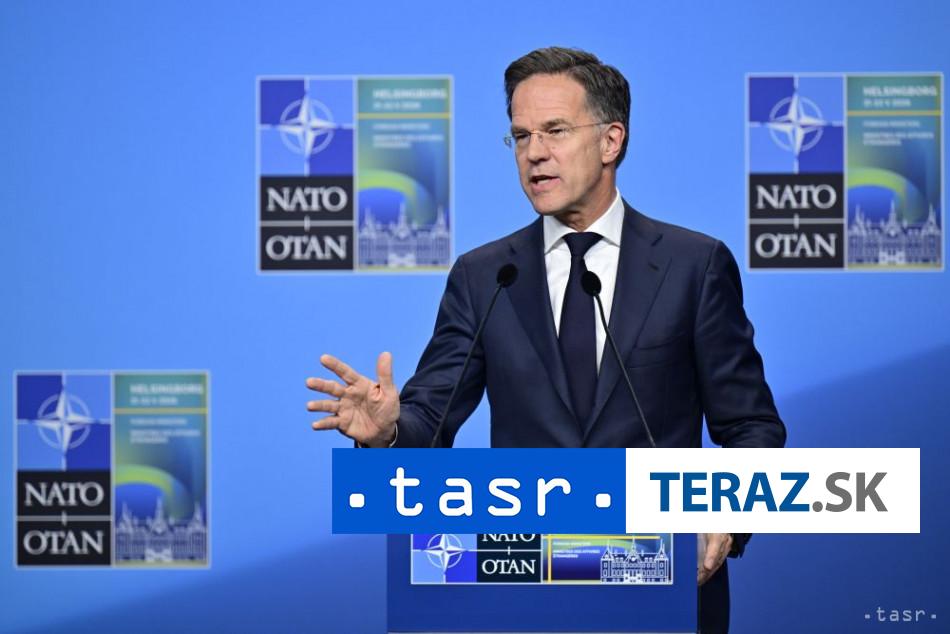
NATO has approved a plan to expand its fuel supply network across Europe, as the alliance continues to strengthen its military logistics infrastructure. Ambassadors from NATO's 32 member states also agreed Wednesday to increase the alliance's common budget from the current €5.3 billion to €6.5 billion by 2027, a roughly 23 percent rise. NATO's common budget funds shared alliance activities including headquarters operations, joint exercises, and infrastructure — distinct from the individual defense spending targets set for each member country. The budget increase reflects NATO's broader push to reinforce its collective defense capabilities, particularly in the context of Russia's ongoing war in Ukraine, which has prompted the alliance to accelerate military readiness across the European continent.

|
International Politics

Nearly 54,000 Slovaks Urge President Pellegrini to Raise Falun Dafa Persecution During China Visit

Nearly 54,000 Slovak citizens have signed a petition calling on President Peter Pellegrini to raise the issue of the persecution of Falun Dafa practitioners during his visit to China. Falun Dafa, also known as Falun Gong, is a spiritual meditation practice that has been banned and systematically suppressed by Chinese authorities since 1999, with practitioners facing imprisonment, torture, and forced organ harvesting according to human rights organizations. The petition reflects growing public pressure on Slovak leadership to address human rights concerns in diplomatic engagements with Beijing. Pellegrini, who took office as Slovakia's president in June 2024, faces a delicate balancing act between maintaining economic and diplomatic ties with China — a priority of the ruling Smer-SD-led coalition government — and responding to civil society demands for human rights advocacy on the international stage.

|
International Politics

Orbán Calls Hungary 'Tyranny' After Fidesz Data Raid — Slovak Allies Stay Silent

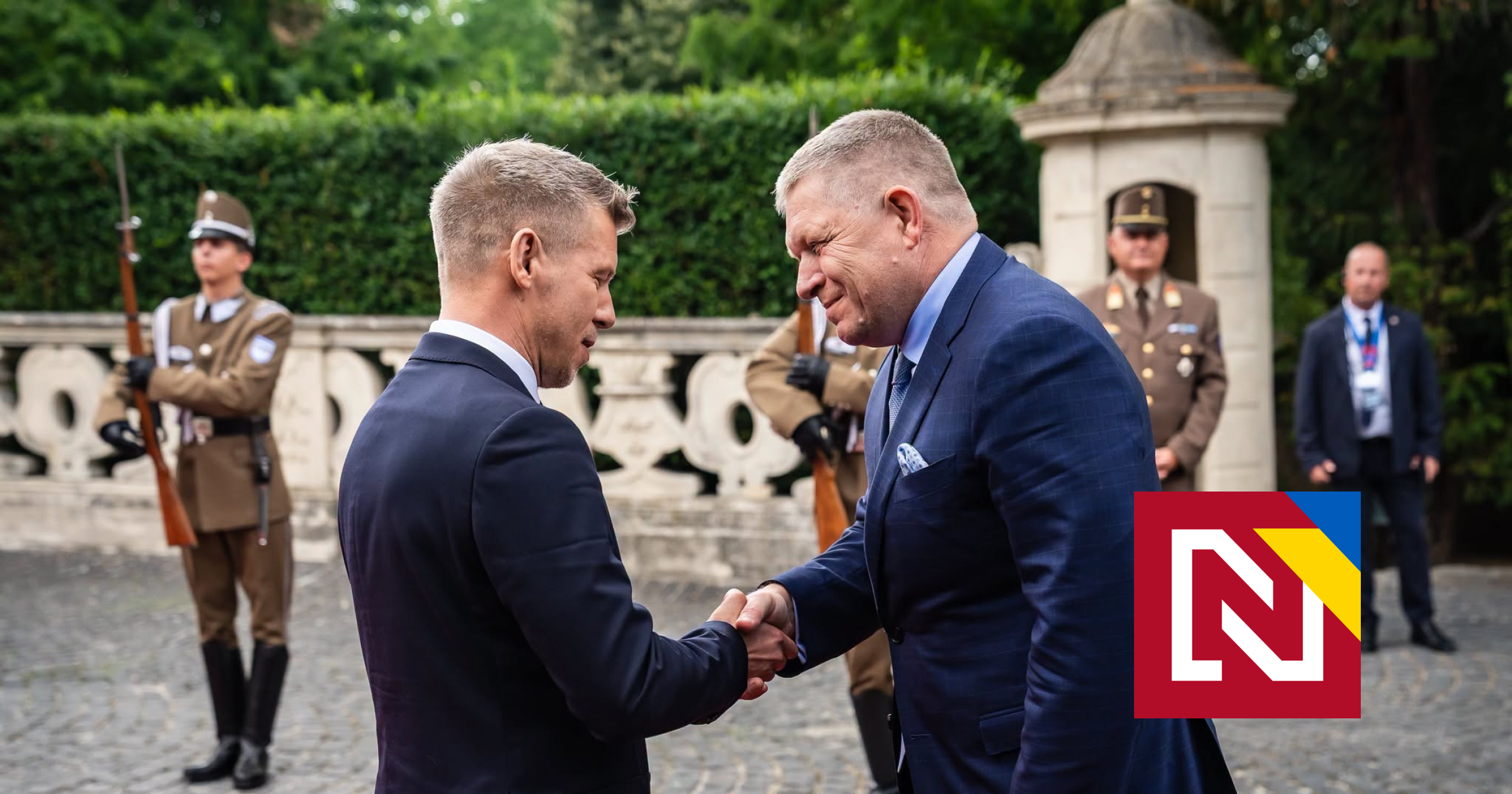
Former Hungarian Prime Minister Viktor Orbán has sharply condemned Hungary's new government after prosecutors raided a data center and seized files belonging to his Fidesz party, declaring that 'the era of tyranny has begun again in Hungary' and comparing the current political situation to the Soviet occupation of 1956. Orbán, who governed Hungary for over a decade before losing power, labeled the new political order illegitimate and framed the raid as an assault on democracy. The seizure of Fidesz party data by prosecutors marks a significant escalation in the legal and political pressure facing the former ruling party following its loss of power. Notably, Orbán's traditional political allies in Slovakia — politicians who had cultivated close ties with Fidesz during its years in government — have remained publicly silent in response to his calls for solidarity. Slovakia's opposition, meanwhile, is reportedly speaking cautiously about the situation involving Magyar, a reference to Péter Magyar, the Hungarian opposition figure who rose to challenge Fidesz and whose political movement contributed to the shift in Hungary's political landscape. The muted response from Slovak political figures underscores the sensitivity of aligning publicly with Orbán as he faces mounting legal and institutional pressure in his home country.

|
International Politics

Slovak Firefighters Deploy to France to Battle Massive Gironde Wildfires

Slovak emergency responders are being dispatched to southwestern France to assist in fighting large-scale wildfires devastating the Gironde region. The Slovak firefighters, operating as part of an international civil protection mission, will be stationed in the commune of Saumos, near the Cap Ferret peninsula on France's Atlantic coast. The deployment reflects the European Union's civil protection mechanism, through which member states provide mutual assistance during major natural disasters. The Gironde department, known for its vast pine forests and proximity to the Bordeaux wine region, has been among the areas in France most severely affected by wildfires in recent years, with tens of thousands of hectares of woodland destroyed.

|