Dávka - Your daily dose of Slovak news
Last refreshed: 27/07/2026 17:42 · 75 articles added
Stories are refreshed at 05:30, 10:30, 15:30, and 21:30 UTC.

Economy

View all1892 stories
Economy

Slovak Entrepreneurs Face Hidden Administrative and Printing Costs Before First Customer

Starting a business in Slovakia comes with a substantial administrative burden that can strain budgets before a single customer walks through the door. New entrepreneurs launching their own ventures often underestimate the volume of tasks involved, from mandatory paperwork and regulatory compliance to the practical costs of printing — including business documentation, promotional materials, and official forms. For early-stage businesses where every euro counts, these overlooked expenses can pose a serious financial challenge and catch founders off guard during the critical startup phase.

|
Economy

Slovak State Allowed Healthcare Giant Penta to Become Unstoppable Monopoly, Analysis Finds

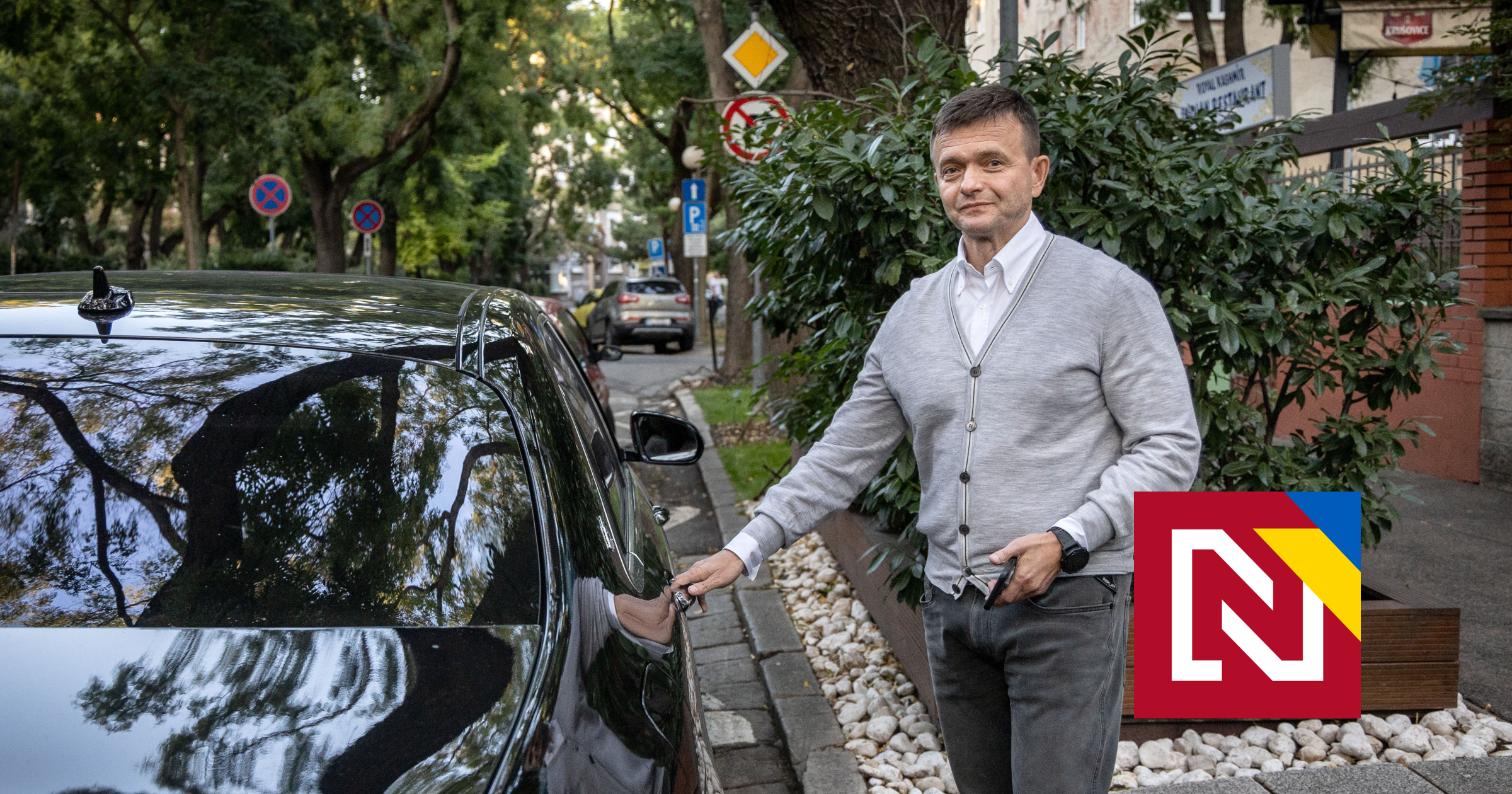
Slovakia's state has not only permitted but actively helped financier Jaroslav Haščák and his investment group Penta to become so dominant in the country's healthcare sector that few effective checks on their power remain, according to a major analysis published by Denník N. Penta Investments, co-founded by Haščák, has over the years expanded aggressively into Slovak healthcare, acquiring hospitals, clinics, and other medical facilities. The analysis argues that the state — through regulatory decisions, licensing approvals, and a failure to enforce competition rules — effectively cleared the path for Penta to consolidate control over a sector that is both economically significant and deeply sensitive, as it directly affects patients' access to medical care. Haščák is one of Slovakia's most powerful and controversial businessmen, whose name has been linked to the so-called Gorilla scandal — a major corruption case based on leaked Slovak intelligence files that alleged close ties between leading politicians and financial groups, including Penta. The new analysis suggests the pattern of preferential treatment has continued long after those revelations, with the state still failing to act as a meaningful counterweight to Penta's growing market dominance. Critics warn it is ordinary patients who ultimately pay the price, through reduced competition, limited choices, and a healthcare system increasingly shaped by private financial interests rather than public need.

|
Economy

Another Auto Industry Supplier Shuts Slovak Plant, 120 Jobs Lost

Turkish manufacturer Mata Automotive is closing its production facility in Veľký Krtíš, Slovakia, laying off all 120 employees. The company, which produces luxury wooden and carbon interior components for automobiles, said the plant's performance had been declining for several years before the decision to exit the Slovak market entirely. The closure is the latest blow to Slovakia's automotive supply chain, which has been under increasing pressure as Slovak car production has fallen for four consecutive months. Slovakia is one of the most car-dependent economies in Europe on a per-capita basis, with several major international automakers — including Volkswagen, Stellantis, and Kia — operating large assembly plants in the country. When vehicle output drops, the network of smaller suppliers that feed those plants is typically hit hard. Verý Krtíš is a town in south-central Slovakia that has historically struggled with higher-than-average unemployment. The loss of 120 jobs at a single employer is a significant setback for the local economy. The closure reflects a broader trend of supplier consolidation and retreat from Slovak operations as the automotive sector faces structural challenges, including the transition to electric vehicles and weakening demand across European markets.

|
Economy

Loss of Porsche Cayenne Production Would Be Biggest Blow to Slovak Auto Industry, Expert Warns

The potential loss of Porsche Cayenne production from Volkswagen's Bratislava plant would represent the single greatest setback in the history of Slovakia's automotive industry, according to an economic reporter tracking the sector. Ivan Haluza, a reporter for Denník E, a Slovak economic newspaper, described Volkswagen as unquestionably the most important company for Slovakia to watch. The Bratislava factory, which manufactures the luxury Porsche Cayenne SUV among other models, is the largest foreign investor in Slovakia. If production of the Cayenne were relocated away from the plant, the economic damage would be unprecedented in scale. The automotive industry is one of the central pillars of Slovakia's economy, with the country being one of the world's largest per-capita producers of cars. Carmakers have been sounding warnings for several years about challenges facing the sector — including the transition to electric vehicles, rising energy costs, and shifting global demand — raising concerns about the long-term stability of major manufacturing operations in the country.

|
Economy

Slovak Inflation Hits 18-Month Low as Food Prices Fall for First Time in Five Years

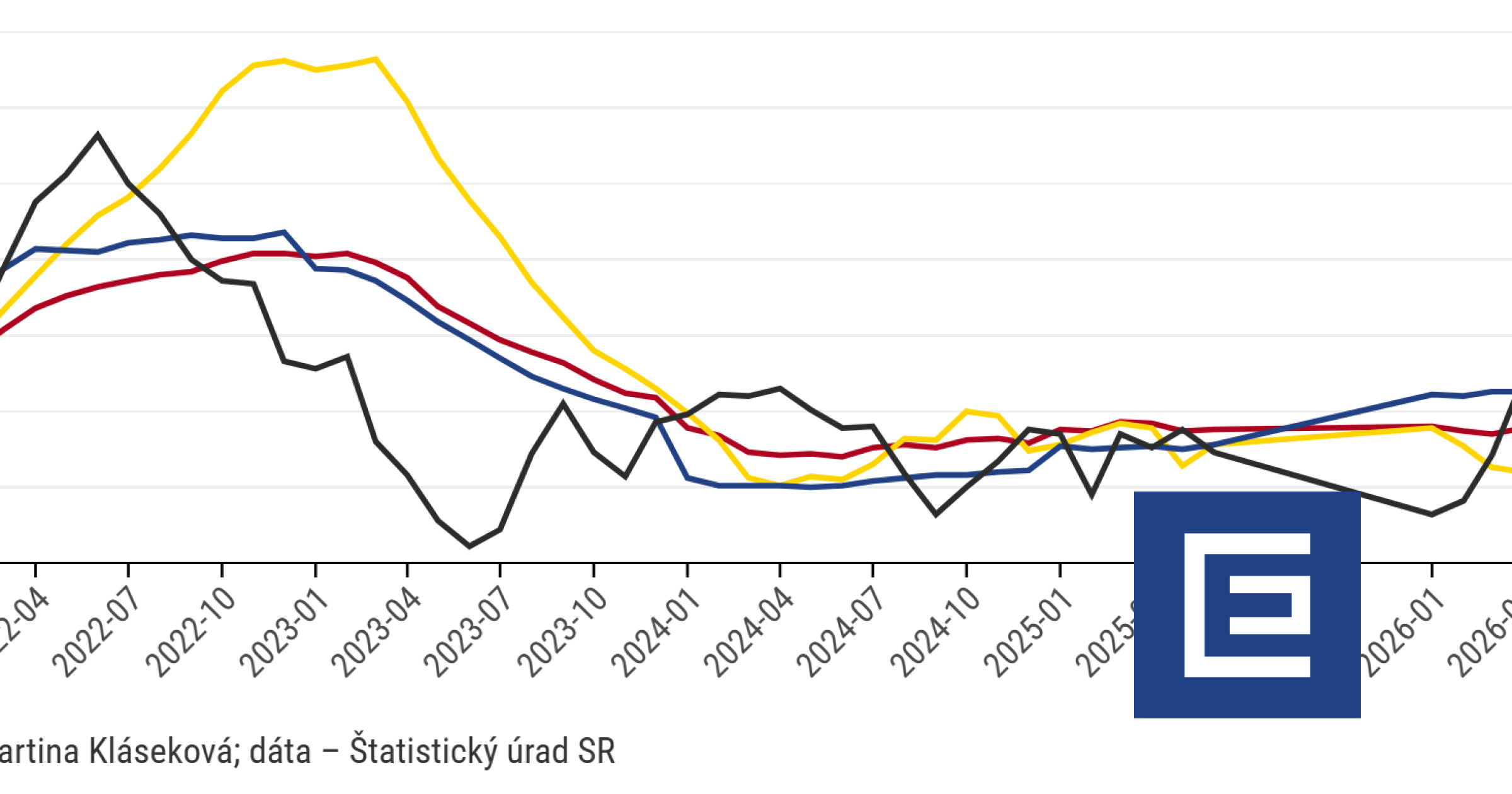
Inflation in Slovakia slowed to 3.5 percent year-on-year in June, its lowest level in a year and a half, driven largely by a decline in food prices — the first such drop in five years. Falling food costs were a major contributor to the easing of price pressures, offering some relief to Slovak consumers who have faced sustained increases since the post-pandemic inflation surge. Despite ongoing geopolitical tensions in the Middle East — which have historically affected global commodity and energy markets — the conflict has so far had no significant impact on Slovak price levels. While the slowdown marks a positive trend, Slovakia's inflation rate remains above the eurozone average, meaning Slovak households are still experiencing faster price growth than many of their European neighbors. The eurozone, which shares the euro currency across 20 EU member states including Slovakia, uses a common monetary policy set by the European Central Bank, leaving individual countries limited tools to address inflation independently. Analysts will be watching whether the downward trend continues through the remainder of the year.

|
Economy

Czech Investment Group DRFG Expands Into AI and Digital Infrastructure

Czech investment group DRFG is diversifying its multi-billion-dollar asset portfolio, moving beyond its established base in retail park real estate into technology-focused areas including artificial intelligence and digital infrastructure. The company's leadership describes a strategy that connects large-scale capital with what they see as real market demands, spanning both stable physical assets and emerging digital sectors. DRFG, which manages assets worth billions, positions itself as bridging traditional property investment with the opportunities presented by the growing technology economy.

|
Economy

Slovakia's Government Faces Risk of Consolidation Failure as Water Shortages Hit Western Regions

Slovakia's government is facing mounting pressure over its fiscal consolidation plans, while a separate crisis sees water utilities restricting drinking water supplies to dozens of communities in the country's west. Západoslovenská vodárenská spoločnosť, the water utility serving western Slovakia, was forced to limit drinking water deliveries to 30 municipalities across the Nitra and Trnava regions at the end of June. Margita Kršáková, director of the utility's Nitra branch, warned that water is becoming an increasingly scarce resource. "Every person must realize that water will very soon be extremely precious and is not primarily meant for keeping our lawns green," she said. Light rainfall has since provided some relief, but the situation remains fragile. The water shortages highlight growing environmental stress on infrastructure in central Europe, while the government's separate struggle to push through credible fiscal consolidation measures — spending cuts and revenue adjustments aimed at reducing Slovakia's budget deficit — risks ending in failure, adding to concerns about the country's public finances.

|
Economy

As Volkswagen Cuts Jobs, China's Auto Industry Gains Momentum — A Warning Sign for Slovakia

Volkswagen's announcement of significant job cuts poses a serious concern for Slovakia, a country whose economy is heavily dependent on automobile manufacturing. Slovakia is one of the world's largest per-capita producers of cars, with major plants operated by Volkswagen, Stellantis, and Kia employing tens of thousands of workers. At the same time, Chinese automakers are accelerating their expansion, presenting growing competition to European manufacturers. The contrasting fortunes of Western and Chinese car producers highlight a broader shift in the global automotive industry driven by the rise of electric vehicles, in which Chinese brands have moved aggressively while legacy European carmakers have struggled to adapt. For Slovakia, where the automotive sector accounts for a substantial share of industrial output and exports, any sustained decline in production or employment at companies like Volkswagen could have significant ripple effects across the broader economy.

|
Economy

Depopulation Threatens Eastern Slovak Towns, Making Property Investment Risky

Demographic decline is accelerating across eastern Slovakia, raising serious questions about the viability of real estate investment in cities such as Prešov, Poprad, and Humenné. Population data show that many municipalities and towns in the region are shrinking at a significant pace, a trend driven by emigration, aging populations, and low birth rates. Eastern Slovakia has long lagged behind the more economically developed western part of the country, including the capital Bratislava. Younger residents in particular tend to move west within Slovakia or emigrate abroad — primarily to Czech Republic, Germany, and the United Kingdom — in search of better-paying jobs and opportunities. This outflow leaves behind an older, smaller population base, reducing demand for housing and local services. The demographic contraction has direct consequences for the property market. In shrinking towns, real estate values are unlikely to appreciate over time, and rental demand may weaken as the pool of potential tenants and buyers diminishes. Analysts warn that prospective investors should carefully weigh long-term population trends before purchasing residential property in affected areas, as the structural decline of these communities poses risks that short-term market conditions may obscure.

|
Economy

Slovak Central Bank Moves to Bankrupt Troubled Insurer Novis

Slovakia's central bank has initiated bankruptcy proceedings against the troubled insurance company Novis, escalating a years-long regulatory dispute. The District Court in Nitra, a city in western Slovakia, has opened bankruptcy proceedings against Novis following a petition filed by the National Bank of Slovakia (NBS), the country's central banking and financial regulatory authority. Novis has opposed the move and contests the NBS's authority over the matter. The insurer lost its operating license three years ago after falling foul of regulators, but has since been challenging that decision in court. Unable to issue new insurance policies, the company has continued to accumulate financial losses in the intervening period. The case marks a significant new phase in the prolonged standoff between Novis and Slovak financial regulators, with the bankruptcy process now formally underway despite the company's resistance.

|
Economy

Slovak Homeowners Can Now Access Thousands in Grants for Home Renovations, Including Roof Replacements

Slovakia has expanded its home renovation grant program, allowing homeowners to apply for thousands of euros in subsidies that can now also be used for roof replacements. The scheme, which provides financial support for energy-efficiency upgrades and structural improvements to private homes, does not require income verification from all applicants, making it more accessible to a broader range of households. The program is part of broader efforts to improve housing standards and reduce energy consumption across the country.

|
Economy

Slovakia's Debt on Track to Exceed 70% of GDP Without Further Fiscal Cuts, Finance Ministry Warns

Slovakia's public finances remain on a dangerous trajectory despite three rounds of austerity measures introduced by Prime Minister Robert Fico's government, with gross debt projected to surpass 70% of GDP by 2029 if no further action is taken. The Finance Ministry, led by Minister Ladislav Kamenický, has warned that existing consolidation efforts are insufficient to bring the budget deficit under control. Without additional fiscal measures, both the deficit and national debt will continue to grow significantly over the coming years, posing a serious risk to Slovakia's long-term financial stability. Fico's fourth government, led by his Smer party — a left-leaning, sovereigntist political movement currently heading Slovakia's ruling coalition — has already introduced three consolidation packages aimed at reducing public spending and narrowing the fiscal gap. However, these measures have fallen short of stabilizing government finances. Slovakia is subject to the European Union's fiscal rules, which require member states to keep budget deficits below 3% of GDP and debt below 60% of GDP. A debt level exceeding 70% of GDP would place Slovakia well outside these limits and could trigger further EU budgetary oversight, complicate borrowing conditions, and strain public services if austerity deepens.

|
Economy

Slovak Hotels and Guesthouses Record Best-Ever May, Surpassing Pre-Pandemic Levels

Slovakia's accommodation sector posted its strongest May on record, with hotels and guesthouses hosting 576,000 guests during the month — surpassing even the figures from May 2019, widely considered a benchmark year before the COVID-19 pandemic disrupted global tourism. The milestone signals a robust recovery and continued growth in Slovakia's tourism industry. The 2019 figures had long been used as a reference point for measuring the sector's post-pandemic rebound, making this month's performance particularly significant for the hospitality industry. The record comes as Slovakia, like much of Central Europe, has seen growing interest from both domestic and international visitors. Strong tourism numbers have broader economic implications, supporting employment in hospitality, food services, and related sectors across the country.

|
Economy

Slovak Construction Sector Posts Growth, But Exceptional Figures Remain Rare

Slovakia's construction sector is showing signs of growth, though standout figures such as a 29 percent expansion remain exceptional rather than typical, according to economic analysis. The broader context reflects a recurring challenge in Slovak public discourse: politicians selectively cite economic statistics that support their own narratives, making it difficult for the public to assess the true state of the economy. Philosopher Daniela Vacek, commenting on the role of artificial intelligence in spreading misinformation, noted that while some people will believe false images or videos, that does not mean society should simply accept it — a principle that applies equally to the selective use of economic data. Analysts urge a broader reading of economic indicators rather than reliance on cherry-picked figures.

|
Economy

Tesco Considers Withdrawing from Slovakia Over Rising Taxes and Regulations

British retail giant Tesco is once again weighing an exit from Slovakia, citing increasingly burdensome regulations, higher taxes, and rising payroll levies that have made doing business in the country less viable than before. According to the Financial Times, the company is simultaneously considering leaving both the Czech and Hungarian markets, but has openly acknowledged that Slovakia's regulatory environment poses a particular challenge to its operations there. Tesco employs a significant number of workers in Slovakia across its stores and logistics network, making a potential withdrawal a notable concern for the local economy. The development adds to a growing chorus of warnings from the business community directed at the Slovak government led by Prime Minister Robert Fico. Companies have repeatedly signaled that recent policy changes — including tax increases and higher mandatory contributions — are eroding Slovakia's attractiveness as a place to invest and operate. Tesco's renewed consideration of an exit underscores those concerns at a high-profile level, as the retailer is one of the most visible foreign employers in the country. If Tesco were to leave, it would represent a significant blow to Slovakia's retail sector and employment figures, and could intensify pressure on the government to reconsider elements of its fiscal policy that critics argue are driving away established foreign businesses.

|
Economy

Slovak Transport Ministry Seeks to Recover €2.5 Million Erroneously Paid to Rail Operator Leo Express

Slovakia's Ministry of Transport has launched efforts to recover €2.5 million mistakenly paid to private rail operator Leo Express after ministry officials incorrectly calculated a state compensation payment owed to the contracted carrier. The error appears to have originated with civil servants who miscalculated the subsidy Leo Express was entitled to receive as a contracted public transport provider. The ministry, led by Transport Minister Jozef Ráž, is now pursuing repayment of the excess funds. Leo Express is a private railway company operating passenger train services in Slovakia under contract with the state, which subsidizes certain rail routes as part of the country's public transport obligations. Errors in calculating state compensation for such operators can have significant budgetary implications, and the ministry's move to reclaim the funds underscores the financial accountability concerns surrounding state contracts with private carriers.

|
Economy

Cost of Slovakia's Višňové Tunnel Project Balloons by €200 Million, Arbitration Risk Looms

The price tag for completing Slovakia's long-troubled Višňové tunnel has swollen by at least €200 million above the original contract value, with hundreds of millions more potentially at stake through arbitration proceedings, raising the prospect of further government scrutiny of the project. The Višňové tunnel, part of the D1 motorway connecting Bratislava with eastern Slovakia, has become one of the country's most costly and protracted infrastructure disasters. Construction was halted years ago after the original contractor ran into serious financial difficulties, leaving a partially built tunnel and a legal and financial tangle that Slovak authorities have been struggling to resolve ever since. The project was eventually restarted under a new arrangement, but costs have continued to climb well beyond initial estimates. The latest cost overrun of €200 million pushes the total expenditure significantly higher than what was originally budgeted, and the threat of arbitration — a legal dispute resolution process that could compel Slovakia to pay additional compensation to contractors or other parties — could add hundreds of millions more to the final bill. The escalating costs are a significant concern for Slovak public finances and are expected to prompt further audits or parliamentary oversight of how the project has been managed.

|
Economy

Slovak Miniature Car Project Patak Roadster Heads to Paris Motor Show with State Support

A small Slovak car project known as the Patak Roadster is set to be showcased at a Paris motor show, backed by SARIO, Slovakia's state-run investment and trade promotion agency. The project originated in Fiľakovo, a town in southern Slovakia, where attempts at local production proved unsuccessful. Despite the manufacturing setbacks, the vehicle's creators are pushing forward with international promotion, with state support helping to fund the Paris appearance. The Patak Roadster represents one of Slovakia's rare attempts at developing a domestically designed automobile, a notable endeavor in a country whose economy is heavily tied to car manufacturing — though primarily through large foreign-owned plants such as those operated by Volkswagen, Stellantis, and Kia. The Paris showcase is intended to raise the project's international profile and potentially attract investment or partners needed to move production forward.

|
Economy

Slovak Tech Firm Finviz Generates Millions in Revenue With Near-Unknown Status at Home

A Slovak technology company is widely recognized on Wall Street while remaining virtually unknown in its home country. Finviz, the firm behind a popular stock market visualization tool known as a "heat map" — a color-coded grid that displays the performance of hundreds of stocks at a glance — has quietly built a highly profitable business serving financial professionals and investors around the world. Finviz's signature product, the stock market heat map, has become a standard reference tool in global financial markets, used by traders and analysts to quickly assess market trends. Despite its international recognition in finance circles, the company maintains a low profile in Slovakia, where few are aware of its existence or success. The company reportedly generates millions in revenue while maintaining exceptionally high profit margins, a rare achievement in the competitive financial technology sector. Finviz operates in a niche but lucrative segment of the fintech industry, providing data visualization and stock screening tools that have found a loyal user base among professional and retail investors globally. The firm's success highlights a broader trend of Slovak technology entrepreneurs building internationally competitive businesses that remain largely uncelebrated domestically.

|
Economy

Western Automakers Shift EV Production Back to Europe Amid China Tariffs

Western automobile manufacturers are relocating electric vehicle production back to Europe in response to new European Union tariffs on electric vehicles made in China. The EU imposed the tariffs to protect European manufacturers from lower-cost Chinese-made EVs, which had been undercutting domestic producers on price. The shift signals a broader realignment of global EV supply chains, as automakers recalculate where it is most economical to manufacture vehicles destined for the European market. The move is seen as a significant development for European industrial policy, potentially boosting manufacturing jobs and capacity on the continent while raising questions about the future competitiveness of European-assembled electric vehicles against their Chinese counterparts.

|