Dávka - Your daily dose of Slovak news
Last refreshed: 27/07/2026 17:42 · 75 articles added
Stories are refreshed at 05:30, 10:30, 15:30, and 21:30 UTC.

Economy

View all1892 stories
Economy

Slovak Aluminum Smelter Plans New Investments as Trump Tariffs Reshape Global Trade

U.S. President Donald Trump has imposed new tariffs of between 10 and 12.5 percent on most American trading partners following the expiration of previous rates, further disrupting global trade flows. Trump justified the move in part by claiming that worker exploitation occurs even within the European Union — a characterization that has drawn criticism from European officials. The tariff changes are among several developments affecting Slovak industry, alongside news that a major Slovak starch processing plant is changing ownership and that Slovalco, Slovakia's primary aluminum smelter, is preparing further investments in the production of new aluminum alloys. Slovalco, based in Žiar nad Hronom in central Slovakia, has in recent years navigated significant challenges including high energy costs that previously forced it to curtail production. The broader tariff environment adds uncertainty for Slovak exporters, as Slovakia's open, export-oriented economy is closely tied to European and global supply chains, making U.S. trade policy shifts a matter of direct economic concern.

|
Economy

Rising Energy Prices Risk Rekindling Inflation in Slovakia, Analysts Warn

Higher energy prices could reignite inflationary pressures in Slovakia, analysts have cautioned. Energy costs, which had been a major driver of inflation across Europe in recent years following the disruption of gas supplies linked to Russia's war in Ukraine, remain a key concern for the Slovak economy. Analysts note that tension persists particularly in the diesel fuel market, which directly affects transport costs and consumer prices across a broad range of goods and services. Slovakia, like other Central European economies, has been working to bring inflation under control after a prolonged period of elevated prices that squeezed household budgets and slowed economic growth. A renewed upward trend in energy prices could undermine those stabilization efforts and put fresh pressure on consumers and businesses alike.

|
Economy

Zurich and Geneva Remain World's Most Expensive Cities as Central European Capitals Close the Gap

Zurich and Geneva have retained their positions as the world's most expensive cities, according to a new cost-of-living ranking. Meanwhile, Central European capitals — Prague, Warsaw, and Budapest — are no longer considered cheap by international standards, reflecting rising living costs across the region. Bratislava, Slovakia's capital, did not feature in the ranking.

|
Economy

Investors Pour Billions into Slovak Commercial Real Estate in Second Quarter

Investors channeled billions of euros into commercial real estate in Slovakia during the second quarter of the year, with residential and office properties dominating the market. Rental housing attracted the largest share of investment at 41%, while office buildings accounted for 35% of total capital deployed. The figures point to sustained investor confidence in Slovakia's property sector, with demand for both rental accommodation and commercial office space continuing to drive activity in the market.

|
Economy

Gabčíkovo Hydropower Plant Modernization to Begin with Crane Replacement

Slovakia's Gabčíkovo hydropower facility on the Danube River is set to begin a major modernization program, starting with the replacement of its portal cranes — large industrial cranes used for maintenance and operation of the dam's infrastructure. The upgrade is expected to extend the operational lifespan of the equipment by 30 years before further renovations are required. Gabčíkovo is one of Central Europe's largest hydropower stations and a critical component of Slovakia's energy infrastructure, built as part of a joint Czechoslovak-Hungarian project on the Danube in the 1970s and 1980s. The facility has long been a source of both energy production and diplomatic tension, as Hungary withdrew from the original joint project in 1989, leading to a long-running international legal dispute. The modernization effort signals Slovakia's commitment to maintaining the plant's long-term operational capacity.

|
Economy

Spanish Industrial Producer Prices Slow Growth Rate in June

Industrial producer prices in Spain eased their pace of growth in June, with month-on-month figures stagnating after recording a 1% increase in May. The slowdown signals a cooling in factory-gate price pressures in one of the eurozone's largest economies, which may have broader implications for inflation trends across the European Union.

|
Economy

Slovak Customs Officers Seize 18 Tonnes of Tobacco, Preventing €3.2 Million Tax Loss

Slovak customs officers near Štrba, a town in central Slovakia, intercepted a truck carrying 18 tonnes of tobacco, preventing a tax loss of more than €3.2 million to the state budget. Officers stopped the vehicle during a routine check and discovered significant irregularities in the shipment's documentation. The seizure represents a major customs enforcement success, as illicit tobacco trafficking is a significant source of lost excise tax revenue for Slovakia. Tobacco products are subject to heavy excise duties in the European Union, making them a frequent target for smugglers seeking to avoid taxation. Authorities are investigating the case further.

|
Economy

Kia's Slovak Plant Expands Production with New Versions of Three Models

Kia's manufacturing plant in Slovakia has expanded its production portfolio, adding new variants of three existing vehicle models to its assembly lines. The factory has begun producing a longer-range version of the EV2 electric vehicle, a sport variant of the EV4 electric model, and an updated version of the XCeed crossover featuring new technology upgrades. Kia's Slovak plant, located in Žilina in northern Slovakia, is one of the country's largest employers and a key pillar of the Slovak automotive industry, which accounts for a significant share of the national economy. The expansion of the production lineup reflects Kia's continued investment in its Slovak operations, particularly in electric vehicle manufacturing as the company shifts its global portfolio toward electrification.

|
Economy

Slovak MP Alleges Post Office Workers Overburdened; State Company Denies Claims

A Slovak lawmaker has accused the state-run postal service of overworking its employees and subjecting them to excessive oversight and sales pressure, allegations the company firmly rejects. Igor Janckulík, a member of the National Council — Slovakia's parliament — and deputy chairman of KDH, a center-right Christian democratic opposition party, claims that employees of Slovenská pošta (Slovak Post) face unsustainable workloads, frequent performance checks, and pressure to meet sales targets. Slovak Post, a state-owned enterprise, denied the accusations and defended its ongoing restructuring, saying the transformation is a necessary response to a sustained decline in postal volumes and the company's broader financial challenges. The dispute reflects wider tensions surrounding the future of Slovakia's postal service, which, like many European state postal operators, is under pressure to adapt its business model as traditional letter mail gives way to digital communication and parcel delivery.

|
Economy

Slovakia's 20 Worst-Paid Jobs Revealed in New Wage Rankings

A new ranking has identified the 20 lowest-paid professions in Slovakia, highlighting the significant wage gap between the country's best and worst-compensated workers. The list reveals that certain occupations — particularly in sectors such as retail, hospitality, agriculture, and personal services — consistently rank at the bottom of the national pay scale, with workers in these fields earning wages that hover near or just above the national minimum. Slovakia's minimum wage, while raised in recent years as part of government efforts to improve living standards, remains a point of contention, as workers in low-wage professions often struggle to keep pace with rising living costs. The rankings serve as a reminder of persistent income inequality in Slovakia, where the gap between lower-skilled, labor-intensive roles and professional or technical occupations continues to widen. Economists and labor advocates have repeatedly called for structural reforms to improve compensation in undervalued sectors, though progress has been slow.

|
Economy

Company Founders Often Set Unrealistic Goals for New Managers, Says Executive Recruiter

Founders of family and privately-owned businesses frequently place unrealistic expectations on incoming managers, expecting them to achieve in six months what the founders themselves could not accomplish in twenty years, according to a senior executive at Kienbaum, a European personnel consulting and executive search firm. Jan Nezkusil, who heads the Czech branch of the company, says the mismatch between owner expectations and managerial reality is one of the most common challenges in Central European business succession. He advises that ownership transitions and the handover of management responsibilities should ideally be planned several years in advance to allow for a gradual transfer of authority and the building of trust between the founder and the incoming executive. Nezkusil also addresses how to properly structure the professional relationship between a business owner and a hired manager to avoid conflicts, and discusses trends in executive compensation in the Czech and Slovak markets.

|
Economy

Battery Maker Varta Files for Insolvency Protection Amid Financial Crisis

German battery manufacturer Varta has filed for preliminary insolvency proceedings as the company faces a severe financial crisis. An independent analysis found that Varta, which employs approximately 3,260 workers, urgently needs between 40 and 60 million euros in additional funding to remain viable. Varta is a well-known European producer of batteries, including household and industrial batteries, with operations across several countries. The insolvency filing signals deepening financial troubles for the company and raises concerns about the future of its workforce and production capacity.

|
Economy

Private Zoos on the Rise in Slovakia — Some Turning Significant Profits

Private zoos are growing in number across Slovakia, with some establishments generating substantial revenues that go well beyond what ticket sales alone can explain. While critics question whether such ventures are genuine businesses or simply expensive hobbies for wealthy owners, the figures suggest that admission fees represent only a portion of the income these facilities bring in — pointing to additional revenue streams such as breeding programs, animal sales, or agritourism activities. The trend reflects a broader interest in private wildlife attractions across the country, raising questions about regulation, animal welfare standards, and fair competition with publicly funded zoological institutions.

|
Economy

Slovakia's Billion-Euro Road and Rail Tenders Stall With No Results After Years of Delays

Major Slovak infrastructure tenders worth a combined three billion euros remain unresolved, with procurement processes for key motorway and railway projects dragging on without conclusion. The delays affect two of the country's largest planned construction contracts: the completion of the D1 motorway, Slovakia's main highway spine connecting Bratislava to the east of the country, and a new motorway section near Rimavská Sobota, a town in southern Slovakia. A separate pair of large railway construction projects has been in the procurement phase for more than a year and a half without a winner being selected. The slowdowns come as Slovakia's ruling coalition politicians have publicly claimed credit for accelerating infrastructure development across the country. Construction firms, however, remain in a holding pattern as they await outcomes on the state's largest pending road and rail contracts. Timelines for the Rimavská Sobota motorway section have been quietly pushed back, while the D1 completion tender — among the most significant public works projects in recent Slovak history — has yet to reach a final stage. The prolonged procurement processes raise concerns about Slovakia's ability to absorb European Union infrastructure funding within required deadlines, as EU co-financed projects typically carry strict spending timelines. Delays in awarding contracts can jeopardize access to those funds and slow the country's broader infrastructure modernization, which remains a priority for both the government and the business community.

|
Economy

Kia Reports Higher Net Profit in Second Quarter

South Korean automaker Kia posted an increase in net profit in the second quarter of the year, as the company sold 1.63 million vehicles in the first half of the year. Kia, one of South Korea's largest car manufacturers and a major employer in Slovakia — where it operates a significant production plant in Žilina — continues to show resilience in global automotive markets despite ongoing economic pressures facing the industry.

|
Economy

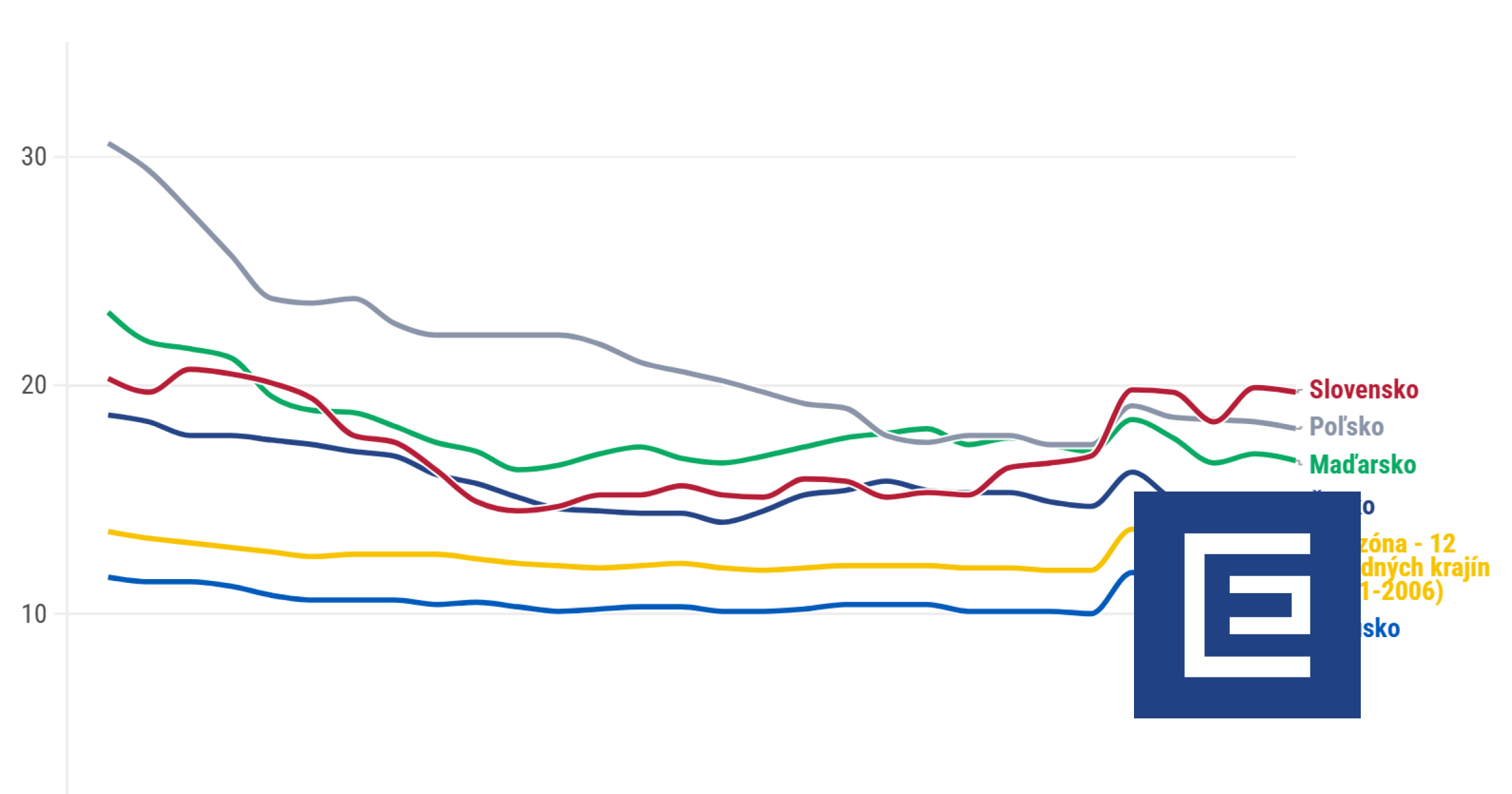
Slovak Households Spending One-Fifth of Budget on Food, Among Highest in EU

Slovak households are allocating nearly 20 percent of their budgets to food, giving the country the fourth-highest share of food expenditure among European Union member states — a level not seen since the economically difficult 1990s. The trend has been worsening since 2016, leaving Slovak families with less money available for other expenses and savings. Economists generally consider food's share of household spending a key indicator of living standards: wealthier societies typically spend a smaller proportion of their income on food, as rising prosperity allows more spending on discretionary goods, services, and savings. The data highlights a concerning reversal for Slovakia, which has been one of the EU's faster-growing economies in recent decades but where many households are still struggling with the cost of basic necessities. A high food expenditure share suggests that price pressures — including inflation that has gripped much of Europe in recent years — are disproportionately squeezing Slovak consumers' purchasing power, pushing their financial situation back toward conditions that prevailed during the country's post-communist transition period in the 1990s.

|
Economy

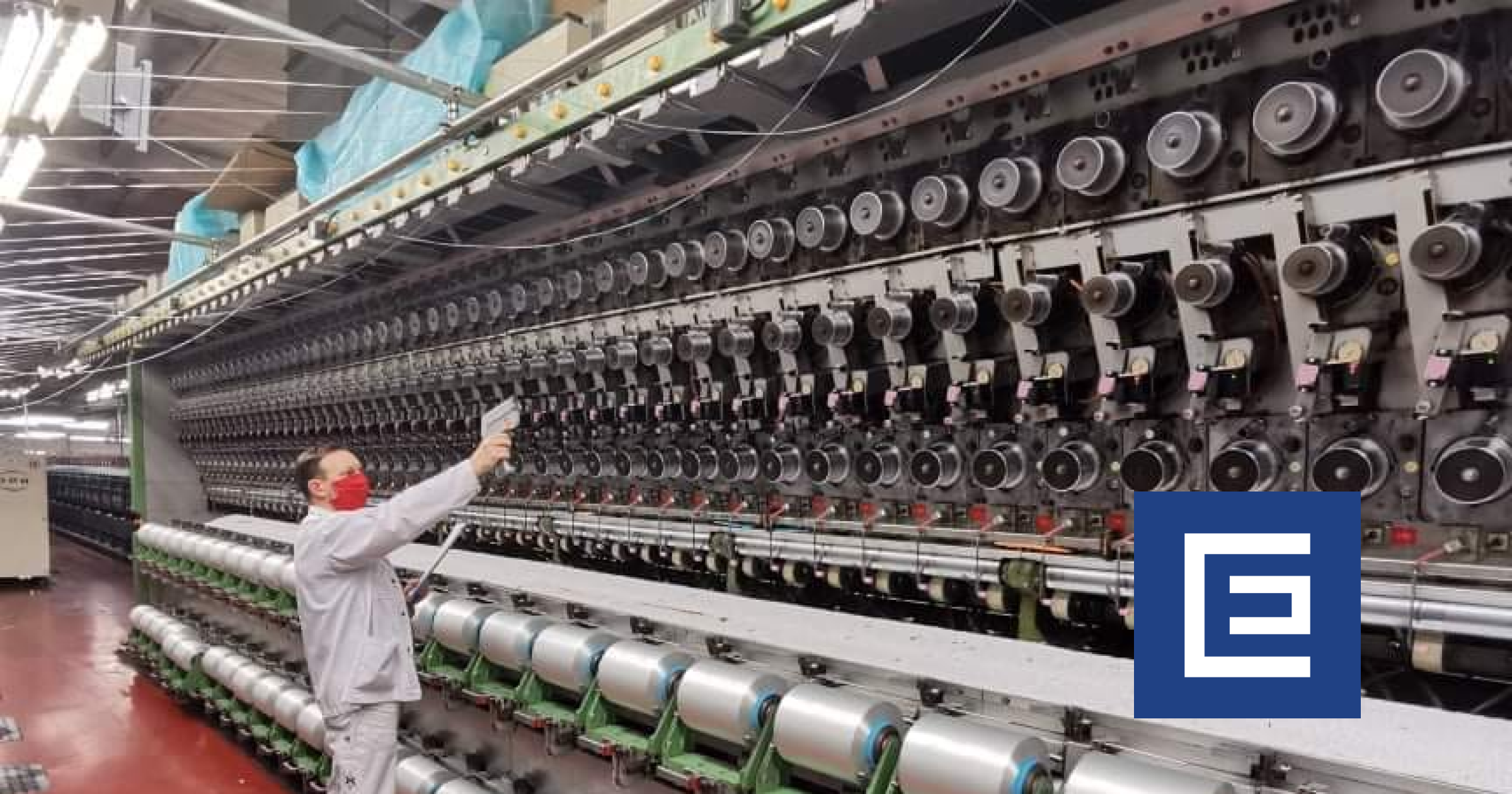
Struggling Slovak Synthetic Fiber Maker Nexis Stabilizes With State Aid and Shifting Market Conditions

Nexis Fibers, one of the largest employers in Humenné, a city in eastern Slovakia, has halted years of financial decline and is approaching a near-breakeven result, bolstered by reduced competition from Asian imports and significant public funding. The company, which manufactures synthetic fibers used in automotive interiors, has benefited from a weakening of competitive pressure from Asian fiber importers — a shift partly linked to instability in the region, including the conflict involving Iran. After years of disputes over energy supply contracts with external providers, Nexis has opted to develop its own energy infrastructure, financing the project through European Union structural funds, known as eurofondy in Slovak. Nexis Fibers is a major industrial employer in the Humenné district of eastern Slovakia, a region that has historically struggled with higher unemployment compared to western parts of the country. The company's difficulties in recent years reflected broader pressures facing European manufacturers of synthetic materials, who have faced intense price competition from lower-cost Asian producers. The stabilization of Nexis is therefore significant not only for the company itself but for the economic health of the wider region. By securing EU subsidy support to build independent energy sources, Nexis aims to reduce one of its key cost vulnerabilities going forward, positioning itself for longer-term operational stability in a competitive global market.

|
Economy

Slovak Specialty Coffee Roaster Coffeein Marks 15 Years with National Championship Title

Coffeein, one of Slovakia's leading specialty coffee roasters, is celebrating its 15th anniversary this year, having grown from humble beginnings in a children's bedroom in Petržalka — a residential district of Bratislava — to becoming a prominent name in the country's specialty coffee industry. The company was founded by Peter Szabó, who recently added a national accolade to the milestone by winning the title of Slovak Roasting Champion at the Slovak Roasting Masters competition, a contest that recognizes excellence in the craft of coffee roasting. The anniversary marks a significant journey for a business that started as a small passion project and has since helped shape the growing culture of specialty, or 'selection,' coffee in Slovakia.

|
Economy

Housing Market in Nitra Region: Some Areas Grow as Others Decline

Slovakia's Nitra region presents a divided real estate picture, with some localities experiencing sharp population and demand growth while others face a continuing decline. The trend reflects a broader pattern seen across many mid-sized Slovak cities and their surrounding areas, where demographic shifts are reshaping housing markets. Buyers considering property in Nitra and its surroundings face starkly different prospects depending on location — with certain suburban or developing areas attracting new residents and investment, while other parts of the region struggle with depopulation, falling demand, and stagnating property values. Real estate experts warn that purchasing in declining localities carries long-term financial risk, as shrinking populations reduce both rental demand and resale potential.

|
Economy

U.S. Bond Yields Surge to 2025 High as Oil Prices and Inflation Fears Rattle Markets

U.S. Treasury bond yields have climbed to their highest levels since the start of 2025, as rising oil prices and a resilient labor market fuel fears of renewed inflation. The yield on 10-year U.S. government bonds — a key benchmark for global borrowing costs — has risen sharply, pushing up the cost of servicing America's national debt. Higher oil prices are adding to inflationary pressures, raising concerns among investors that the U.S. Federal Reserve may be forced to keep interest rates elevated for longer than expected. A strong labor market, while generally a positive economic indicator, further complicates the inflation outlook by sustaining consumer spending and wage growth. The combination of these factors has unsettled financial markets, as higher U.S. yields tend to ripple across global economies, increasing borrowing costs for governments and businesses worldwide.

|