Dávka - Your daily dose of Slovak news
Last refreshed: 27/07/2026 17:42 · 75 articles added
Stories are refreshed at 05:30, 10:30, 15:30, and 21:30 UTC.

International Politics

View all3270 stories
International Politics

NATO Leaders Head to Ankara Summit With Defense Spending Debate Back in Focus

NATO leaders are gathering for a summit in Ankara, Turkey, where the central debate will again focus on strengthening collective defense and the defense spending commitments of alliance members. The meeting comes in a notably different atmosphere within the alliance and on the broader geopolitical stage compared to previous gatherings. The summit follows what has been described as a leap into the dark in The Hague — a reference to the previous NATO summit held in the Dutch city, where allies struggled to reach consensus on new spending targets and burden-sharing arrangements. That meeting exposed tensions between member states over how much each country should contribute to the alliance's collective defense, a debate that has intensified under continued pressure from the United States for European members to spend more on their own security. The Ankara summit takes place against the backdrop of Russia's ongoing war in Ukraine, which has fundamentally reshaped European security calculations since 2022 and pushed many NATO members — including Slovakia — to reconsider long-delayed increases to their defense budgets. How the alliance navigates disagreements over spending benchmarks and military commitments will have direct implications for Slovakia, which has historically spent below NATO's target of two percent of gross domestic product on defense, though the current government has pledged to raise that figure.

|
International Politics

Ukraine's Envoy Outlines Strategy of Pressuring Russia on Three Fronts Simultaneously

Ukraine's ambassador to Slovakia has offered an unusually candid outline of Kyiv's military and strategic approach, revealing that Russia is being targeted across three simultaneous fronts. The envoy's remarks come as Russia is also grappling with a severe fuel crisis, which analysts suggest is straining Moscow's ability to sustain its war effort. The three-front strategy, as described by the Ukrainian diplomat, is designed to stretch Russian resources and command capacity beyond manageable limits, forcing the Kremlin to respond to multiple pressure points at once rather than concentrating its forces. The development signals that Ukraine is increasingly confident in its ability to impose costs on Russia beyond the traditional front lines in eastern and southern Ukraine.

|
International Politics

Slovak Parliament Speaker Expects United Front from President and PM at NATO Ankara Summit

Slovak parliamentary speaker Richard Raši has said he does not expect any public disagreement between President Peter Pellegrini and Prime Minister Robert Fico at the upcoming NATO summit in Ankara, Turkey, despite the absence of a formally approved government position paper ahead of the meeting. Raši, who heads the National Council — Slovakia's parliament — and is a member of the ruling Hlas-SD party, said both leaders would speak with a single voice at the summit even without the formal backing of an approved government document. His comments come amid ongoing tension between Pellegrini and Fico, who, though political allies in government, have shown signs of diverging views on foreign and security policy in recent months. Pellegrini leads Hlas-SD, a center-left party, while Fico leads Smer-SD, the dominant force in the three-party ruling coalition, which has drawn criticism for its close alignment with Russia and skepticism toward Western institutions. However, Ivan Štefunko, a commentator and political observer, warned that even if both leaders maintain a united appearance in Ankara, the real test will come after their return, when their statements and positions taken at the summit may be subject to public and political scrutiny. The NATO summit in Ankara is a significant diplomatic event at which member states are expected to discuss alliance security, defense spending, and ongoing conflicts including the war in Ukraine — a topic on which Slovakia's government has faced sustained criticism from opposition parties and EU partners.

|
International Politics

Slovak Liberal MEP Retains Vice-Presidential Role in European Liberal Party

Lucia Plaváková has been re-elected as a vice-president of the Alliance of Liberals and Democrats for Europe (ALDE), the pan-European liberal political grouping, at the party's congress held in Vienna. Plaváková represents Progressive Slovakia, a liberal pro-European party that currently sits in opposition to Prime Minister Robert Fico's ruling coalition in Bratislava. She has stated her intention to strengthen ties among liberal parties across the continent. The result marks a continued prominent role for Progressive Slovakia within European liberal structures, reinforcing the party's positioning as Slovakia's leading pro-EU, centrist-liberal force ahead of future domestic and European political contests.

|
International Politics

Slovakia to Fund New Development Projects in Africa and Europe Through SlovakAid

Slovakia will support additional development projects in Africa and Europe, Foreign Minister Juraj Blanár announced after approving a new round of grants under the SlovakAid program. SlovakAid is Slovakia's official development assistance brand, through which the country funds humanitarian and development initiatives abroad as part of its international aid commitments. The approved grants will finance projects across both continents, though specific details on the countries involved or the total funding amounts were not disclosed. The move reflects Slovakia's continued engagement in international development cooperation, an obligation shared by all European Union member states.

|
International Politics

Von der Leyen Defends EU Record on Gaza Amid Pressure for Action Against Israel

European Commission President Ursula von der Leyen has defended the EU's response to the Gaza conflict, asserting that no other actor does more for Gaza than the European Union. Her remarks came in response to questions about why the Commission has been slow to impose measures against Israel over its conduct in the conflict. Von der Leyen's comments reflect ongoing pressure from EU member states and critics who argue that the bloc's response has been inadequate given the scale of the humanitarian crisis in Gaza. The European Commission, the executive arm of the EU responsible for proposing legislation and managing policy, has faced calls to take stronger action, including reviewing the EU-Israel Association Agreement, which governs trade and political relations between the two sides. The debate highlights deep divisions within the EU over how to balance its historically close ties with Israel against growing demands for accountability over the Gaza conflict.

|
International Politics

Czech Foreign Minister Says Cooperation With Future Magyar-Led Government Would Be No Problem

Czech Foreign Minister Petr Macinka has signaled openness to working with a potential future Hungarian government led by opposition leader Péter Magyar, dismissing concerns about ideological incompatibility. Macinka characterized the recent political contest in Hungary as a competition between two conservative parties — the ruling Fidesz party of Prime Minister Viktor Orbán and Magyar's emerging political movement — rather than a clash between fundamentally different worldviews. Péter Magyar, a former insider who turned prominent critic of the Orbán government, has built a significant opposition movement in Hungary and is widely seen as the most credible challenger to Orbán's long-dominant political machine. His party, Tisza, performed strongly in the 2024 European Parliament elections, making him a key figure in Hungarian opposition politics. The Czech Republic and Hungary are both members of the European Union and NATO, and both have historically cooperated within the Visegrád Group, a regional alliance also including Slovakia and Poland. Macinka's comments suggest Prague is preparing for potential political change in Budapest and is keen to maintain strong bilateral ties regardless of which conservative camp holds power.

|
International Politics

Czech Foreign Minister Meets Hungarian Officials in Budapest

Czech Foreign Minister Petr Macinka traveled to Budapest for meetings with senior Hungarian officials, including Anita Orbán, wife of Hungarian Prime Minister Viktor Orbán, and Márton Ádám Hajdu, the newly elected chair of the Foreign Affairs Committee of Hungary's National Assembly. Hajdu represents Tisza, a party in the Hungarian governing coalition. The meetings signal ongoing diplomatic engagement between the Czech Republic and Hungary, two Central European neighbors who are both members of the European Union and NATO.

|
International Politics

Slovakia Says Upcoming NATO Summit Conclusions Will Not Bind It on Ukraine Military Funding

Slovak Prime Minister Robert Fico has confirmed that conclusions from an upcoming NATO summit will not create a binding obligation on Slovakia to financially support military aid to Ukraine. Fico said the position was confirmed through an exchange of letters with NATO Secretary General Mark Rutte, establishing that Slovakia will not be legally required to contribute to the financing of military assistance to Ukraine under any framework agreed at the summit. Fico, who leads the Smer-SD party — a left-nationalist governing party that has taken a consistently skeptical stance toward military support for Ukraine since coming to power in 2023 — reiterated that his government believes the conflict in Ukraine has no military solution. Slovakia, as a NATO member state, is formally bound by the alliance's collective defense commitments, but Fico has repeatedly sought to distinguish between those treaty obligations and what he describes as optional contributions to Ukraine's war effort. The announcement is significant ahead of a major NATO summit where allied leaders are expected to discuss long-term frameworks for supporting Ukraine, including coordinated financial contributions to weapons procurement. By securing a written acknowledgment from NATO's leadership that summit conclusions will not be binding on Bratislava in this area, Fico is reinforcing his government's policy of withholding state-level military assistance to Ukraine — a position that has put Slovakia at odds with most of its Central European neighbors and EU partners.

|
International Politics

EU Commission Proposes Five New Cross-Border Defence Projects Funded by European Money

The European Commission has proposed five new cross-border defence projects to be funded through European Union resources, as the bloc continues to deepen military cooperation among member states. Among the proposals is a counter-drone initiative backed by 26 EU member states, along with Norway and Ukraine, reflecting growing concern across Europe about the threat posed by unmanned aerial systems on modern battlefields. A second notable project, called Eastern Flank Watch, involves 13 EU member states, Norway, and Ukraine, and is focused on bolstering surveillance and security along NATO's eastern border — the frontier that has become a central strategic concern since Russia's full-scale invasion of Ukraine in 2022. The proposals are part of broader EU efforts to coordinate defence spending and capability development across member states, reducing duplication and strengthening collective security. If approved, the projects would mark a further step in the European Union's push to become a more active player in defence, a role traditionally left to NATO and national governments.

|
International Politics

Lithuanian President Calls for Broader NATO Nuclear Sharing in Europe

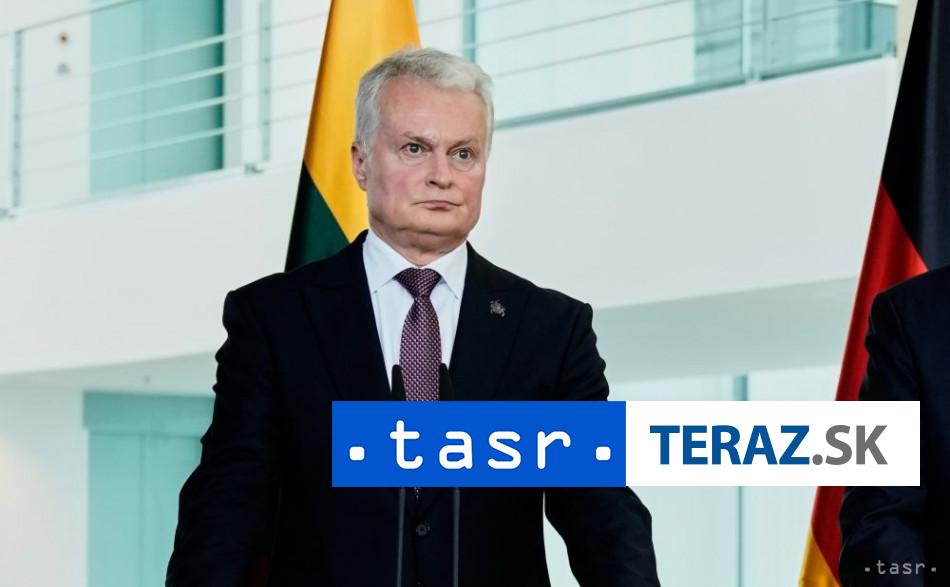
Lithuanian President Gitanas Nauséda has expressed his country's desire to become part of the Western nuclear deterrence system, calling for an expansion of NATO's nuclear sharing arrangements. Currently, U.S. nuclear weapons stored on European soil are located in only six countries: the United Kingdom, Germany, Italy, Turkey, Belgium, and the Netherlands. NATO's nuclear sharing program allows non-nuclear alliance members to participate in nuclear deterrence planning and, in specific circumstances, the delivery of nuclear weapons — a key pillar of the alliance's collective defense posture. Nauséda's statement reflects growing security concerns among Baltic and Eastern European NATO members, who have sought stronger deterrence commitments from the alliance amid the ongoing war in Ukraine and heightened tensions with Russia. Any expansion of nuclear sharing arrangements would require consensus among NATO allies and involves complex political, logistical, and arms control considerations.

|
International Politics

NATO Plans Record €140 Billion Military Aid Package for Ukraine as US Role Diminishes

NATO is preparing a record military support package worth €140 billion for Ukraine, to be formally presented at the alliance's upcoming summit in Ankara, Turkey. The package is designed to compensate for reduced American military assistance, with European member states and Canada expected to provide the bulk of the funding and supplies. The move reflects a significant shift in how Western support for Ukraine is being organized. Since the return of Donald Trump to the White House, the United States has scaled back its direct military aid to Kyiv, prompting European allies and Canada to take on a larger share of the burden. The Ankara summit represents an effort by non-American NATO members to demonstrate that the alliance's commitment to Ukraine remains intact despite Washington's changed posture. The proposed package would be the largest coordinated military support commitment to Ukraine since Russia launched its full-scale invasion in February 2022. For European governments, the agreement carries both military and political significance — it signals that Europe is willing and able to shoulder greater defense responsibilities at a time when the reliability of American security guarantees is increasingly questioned across the continent.

|
International Politics

Slovak Foreign Minister Welcomes New Bulgarian Ambassador, Eyes Closer Bilateral Ties

Slovak Foreign Minister Juraj Blanár received the newly appointed Bulgarian ambassador to Slovakia, expressing optimism about deepening cooperation between the two countries. Blanár identified energy, industry, and education as key areas where bilateral relations could be strengthened and expanded. Both Slovakia and Bulgaria are European Union and NATO member states with established diplomatic ties, and the meeting signals renewed interest in developing practical cooperation across multiple sectors.

|
International Politics

EU Plans 28th Business Registration Regime to Allow Company Formation Within 48 Hours

The European Union is preparing a major reform that would allow entrepreneurs to register a company within 48 hours, potentially from any location including a café, under a proposed new regulatory framework known as the '28th regime.' The initiative, discussed by former Slovak Deputy Prime Minister Ľudovít Ódor, aims to dramatically simplify the process of doing business across EU member states by creating a unified, streamlined registration system that would operate alongside existing national frameworks. Currently, company registration procedures vary widely across EU countries and can take days or weeks, often requiring in-person visits to government offices and extensive paperwork. The proposed 28th regime would offer businesses an alternative EU-wide legal framework, bypassing the patchwork of differing national rules. If adopted, the reform could significantly reduce administrative burdens for entrepreneurs across the bloc and make the EU more competitive for startups and small businesses.

|
International Politics

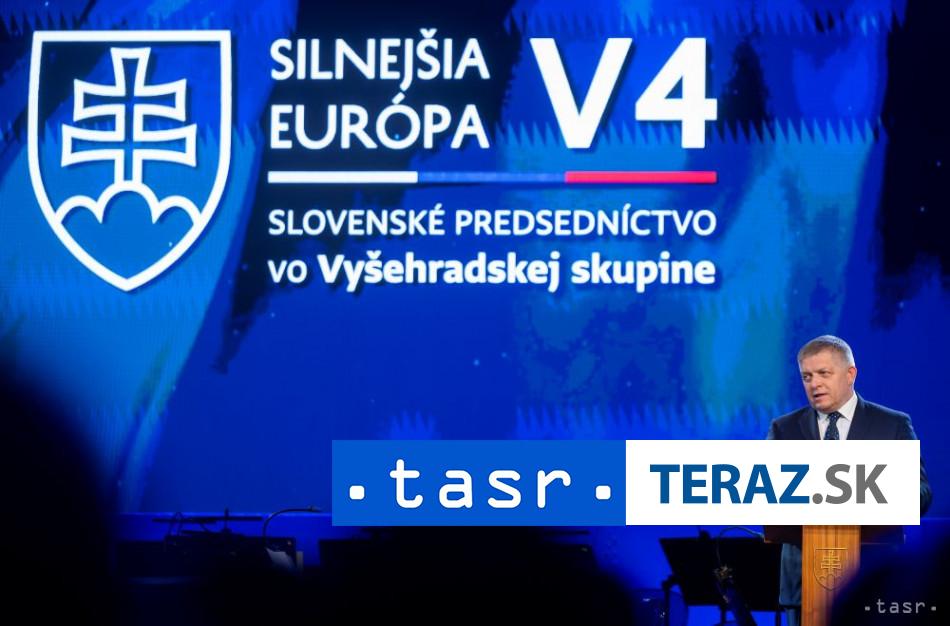
Slovakia Takes Over V4 Presidency as Questions Arise Over Fico's Influence

Slovakia has assumed the rotating presidency of the Visegrád Four (V4), the regional grouping of Central European nations comprising Slovakia, the Czech Republic, Hungary, and Poland, raising questions about how Prime Minister Robert Fico will use the role to advance his political agenda. Political analyst Tomáš Strážay has cautioned that Fico's stated positions do not always align with subsequent actions, particularly regarding the war in Ukraine — an issue on which the four V4 member states do not hold a unified stance. Fico, whose Smer-SD party leads Slovakia's ruling coalition and has adopted a markedly pro-Moscow foreign policy posture since returning to power in 2023, has consistently opposed Western military aid to Ukraine and called for a negotiated settlement. The V4 presidency rotates among its members and offers Slovakia an elevated platform in regional diplomacy, but analysts warn that divisions within the group — especially between Hungary and Poland over Ukraine policy — may limit what Fico can realistically achieve. Strážay's comments reflect broader concern among observers that Fico may seek to exploit the presidency to amplify his influence both regionally and within the European Union, where Slovakia's current foreign policy direction has already strained relations with key partners.

|
International Politics

Slovak Wine Region Showcased at V4 Presidency Launch Ceremony

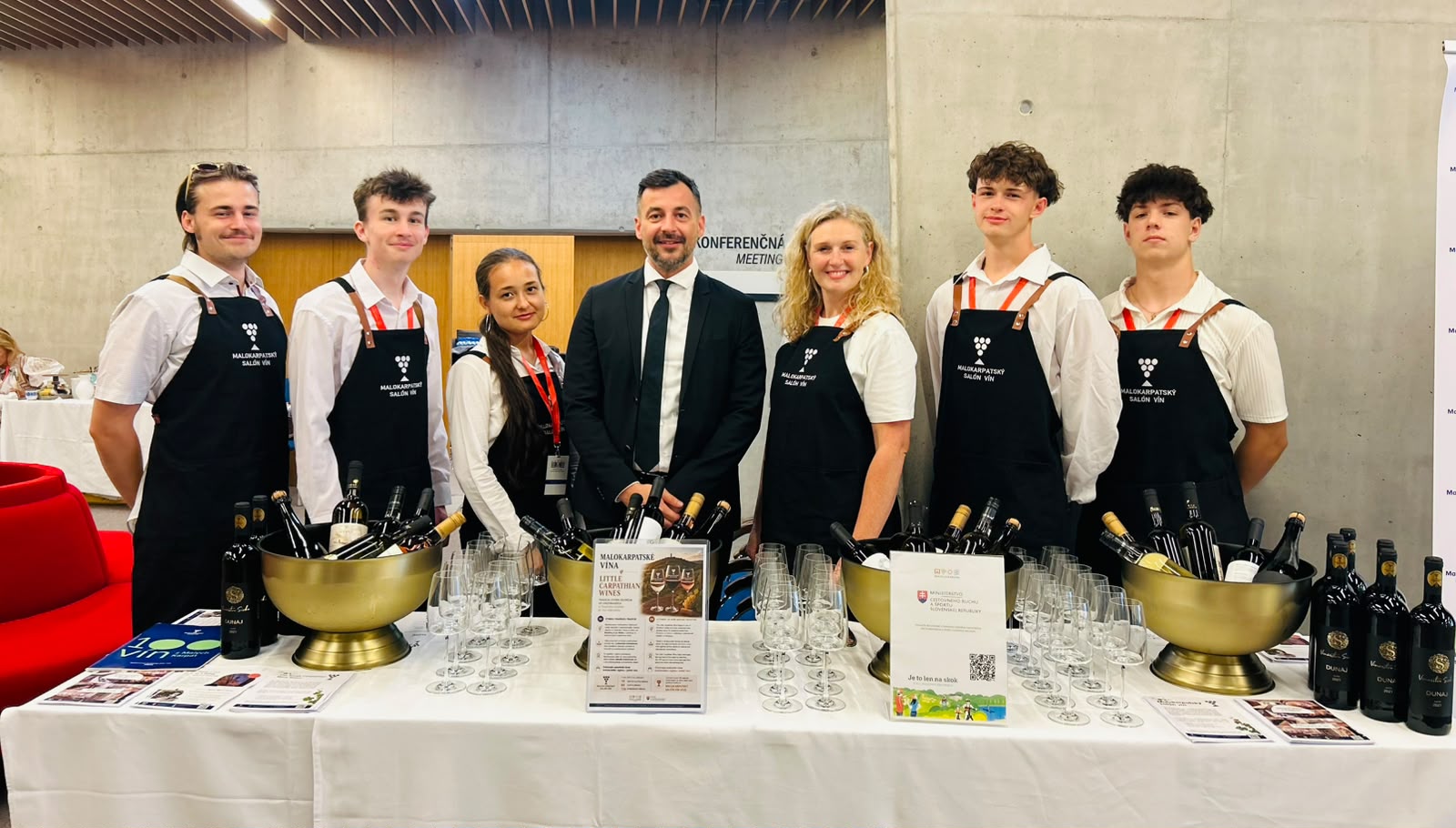
Wines from the Small Carpathian wine region were featured at the ceremonial launch of Slovakia's presidency of the Visegrád Group, offering a platform to highlight one of the country's premier viticultural areas. The Small Carpathian Wine Salon organized a curated tasting as part of the evening's presentations, showcasing the diversity and quality of wines produced in the region stretching along the Small Carpathian mountains north of Bratislava. The Visegrád Group, commonly known as V4, is a political and cultural alliance of four Central European countries — Slovakia, the Czech Republic, Poland, and Hungary — that cooperates on issues of shared regional interest within the European Union. Each member state takes turns holding the rotating presidency of the group. Slovakia's assumption of the presidency was marked with a formal ceremonial evening at which regional products, including wine, were used to represent Slovak cultural and agricultural heritage to the group's partners.

|
International Politics

Zelensky Urges Ireland to Speed Up Investigation Into Alumina Plant Linked to Russia

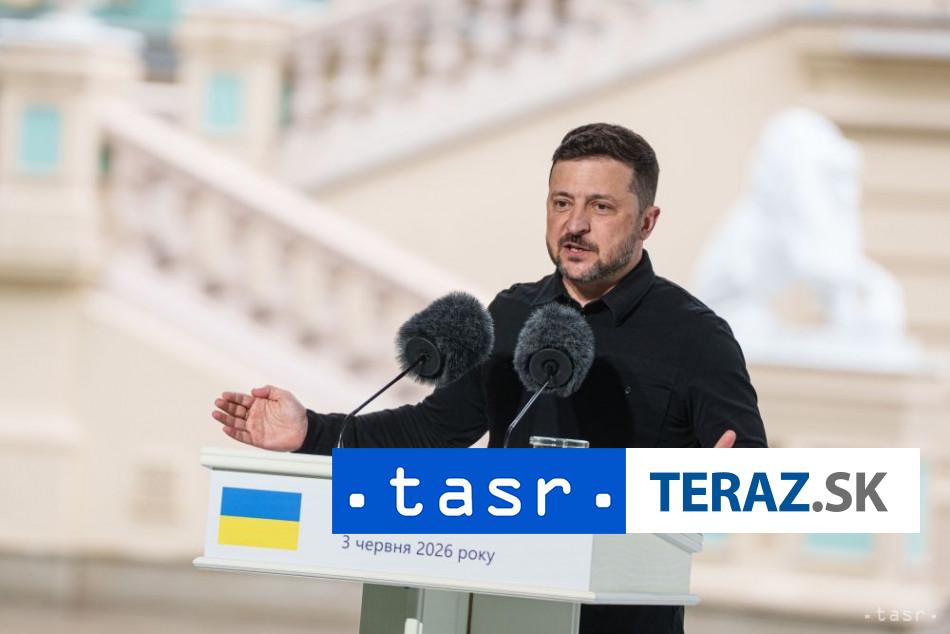
Ukrainian President Volodymyr Zelensky has called on Ireland to accelerate its investigation into the Aughinish Alumina plant, Europe's largest alumina refinery, amid growing pressure on Dublin over the facility's ownership ties. Ireland has faced increasing scrutiny in recent weeks over the plant, located in County Limerick, which is owned by Rusal, the Russian aluminum giant controlled by oligarch Oleg Deripaska. Alumina is a key material used in aluminum production, and concerns have mounted that the refinery's continued operation may benefit sanctioned Russian interests. The case highlights broader European tensions over how to fully enforce economic sanctions against Russia while managing the industrial and economic implications of closing or seizing major facilities on EU soil.

|
International Politics

Airports and Airlines Warn New Border Checks Will Disrupt Summer Travel

Airports and airlines across Europe are urging the European Commission to intervene urgently as new border controls threaten to cause significant disruptions to summer travel. The aviation industry has raised concerns that the reintroduction or expansion of internal border checks within the Schengen Area — the passport-free travel zone covering most EU member states — will create bottlenecks and delays at airports during the peak holiday season. Airlines and airport operators warn that the checks, which require passengers to present travel documents at borders that were previously open, will slow passenger flows and strain infrastructure already operating at high capacity in summer months. The call for EU-level action reflects growing industry frustration with the patchwork of national border control measures that individual member states have introduced, often citing security concerns, which critics argue undermine one of the EU's foundational principles of free movement.

|
International Politics

Ireland Takes Over Rotating EU Council Presidency

Ireland has assumed the rotating presidency of the Council of the European Union, taking over the role that cycles among member states every six months. The Council of the EU is one of the bloc's main legislative bodies, where government ministers from all 27 member states meet to adopt laws and coordinate policy. Ireland's top priority during its presidency will be negotiations over the EU's next long-term budget, known as the Multiannual Financial Framework, which will cover the period from 2028 to 2034. Dublin aims to reach a deal on the budget framework by the end of the year — a significant undertaking, as these negotiations typically involve complex trade-offs between member states over spending priorities, contributions, and the allocation of funds across areas such as agriculture, regional development, and defence.

|
International Politics

Slovakia Takes V4 Presidency, Fico Emphasizes International Law

Slovak Prime Minister Robert Fico has outlined the priorities of Slovakia's upcoming presidency of the Visegrád Four (V4) group, placing emphasis on international law as a key focus area. The V4, also known as the Visegrád Group, is a regional alliance of four Central European nations — Slovakia, Hungary, Poland, and the Czech Republic — that coordinates on political, economic, and cultural matters within the European Union framework. Fico, who leads the social-democratic Smer-SD party and has positioned himself as a critic of mainstream EU foreign policy, indicated that respect for international law would be a guiding principle during Slovakia's term at the helm of the group. The presidency rotates among the four member states.

|