Dávka - Your daily dose of Slovak news
Last refreshed: 28/07/2026 05:39 · 38 articles added
Stories are refreshed at 05:30, 10:30, 15:30, and 21:30 UTC.

Economy

View all1893 stories
Economy

High Unemployment Persists in Slovak District as Residents Turn to Single Factory or Weekly Czech Work Stints

One Slovak district is struggling with the third-highest unemployment rate in the country, leaving many residents with few local job options beyond Tatravagónka, a major rail freight wagon manufacturer, or commuting to the Czech Republic for weekly work assignments. The limited employment opportunities reflect a broader challenge facing peripheral Slovak regions, where the collapse or absence of diverse industry has made entire communities dependent on a single employer or cross-border labor migration. Workers who cannot secure a position at Tatravagónka — one of Europe's significant producers of rail wagons — often resort to travelling to the Czech Republic on a weekly basis, returning home only on weekends. Such patterns of labor migration, while providing income, strain family life and highlight the structural economic weaknesses in parts of Slovakia that have not benefited from the foreign investment that transformed cities like Bratislava or Košice.

|
Economy

Poprad District Records Third-Highest Unemployment Rate in Slovakia as Job Options Dwindle

The Poprad district in northern Slovakia has recorded the third-highest unemployment rate in the country, leaving many residents with few local employment options. With limited opportunities in the region, workers are increasingly relying on jobs at Tatravagónka, a major local rail freight wagon manufacturer, or seeking weekly commuter work in the neighboring Czech Republic. The situation highlights a broader pattern of economic hardship in parts of Slovakia where industrial decline has outpaced the creation of new jobs, forcing many workers to travel abroad temporarily rather than find stable local employment.

|
Economy

Major Employer in Spiš Region to Close, All Workers to Lose Jobs

A significant employer in the Spiš region of northeastern Slovakia is shutting down, leaving all of its workers without jobs. Despite the scale of the job losses affecting the entire workforce, the closure does not legally qualify as collective redundancy under Slovak labor law, which sets specific thresholds for the number of layoffs required to trigger that classification and its associated worker protections. The mood among employees is described as bleak. The Spiš region, part of the broader Košice administrative area, has historically relied on industrial employers, making the loss of a major workplace a notable blow to the local economy and labor market.

|
Economy

Nearly 50,000 Slovak Sole Traders Have Closed Since 2025, Many Disappearing from Labor Market

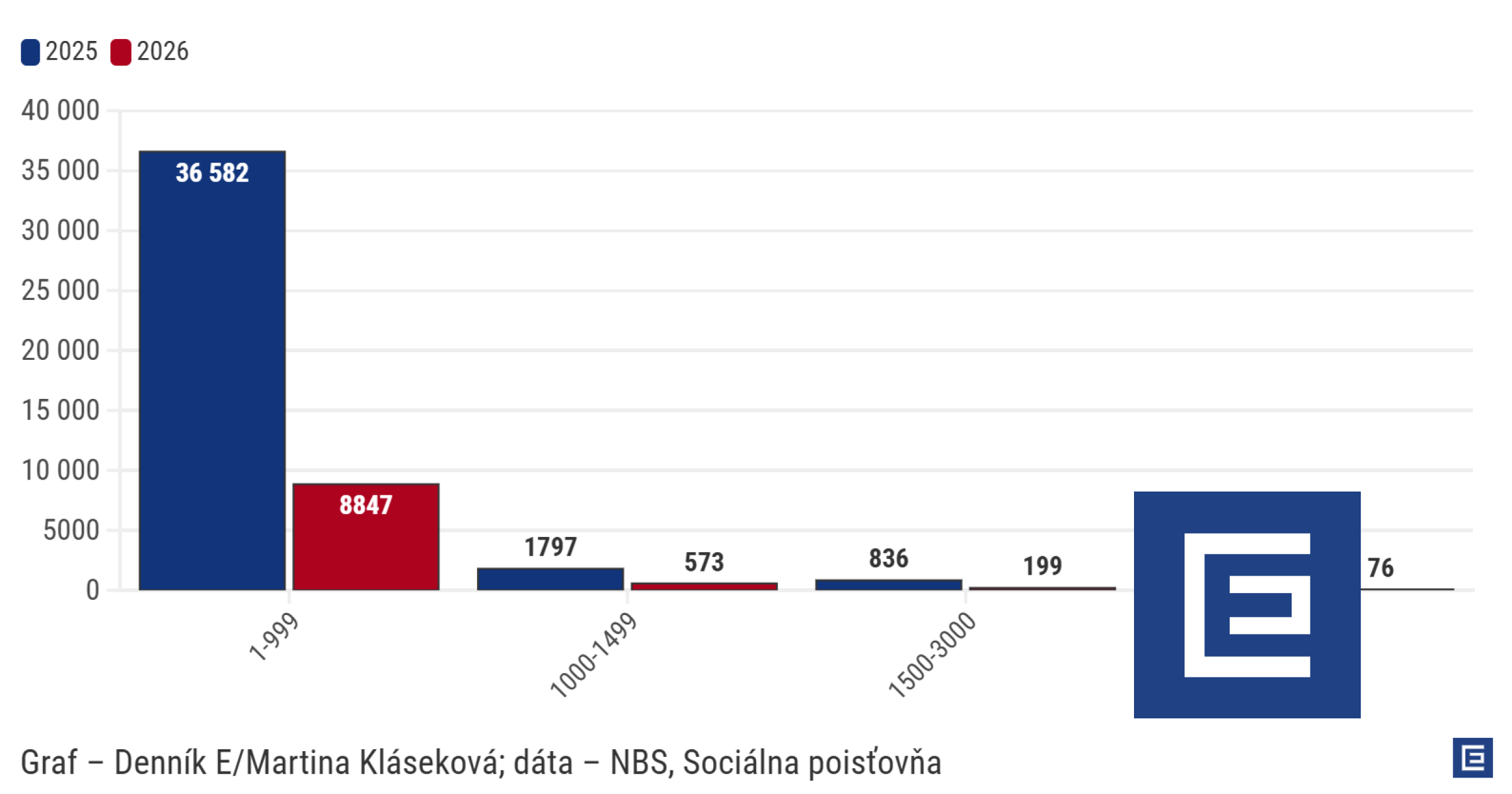
Close to 50,000 self-employed sole traders in Slovakia have ceased operating since the start of 2025, with the closures concentrated among lower-income earners. About one in five has since found formal employment, but an equal share has vanished entirely from the labor market — a pattern analysts link to movement into the shadow economy or emigration abroad. The wave of closures coincides with three successive austerity packages introduced by the Slovak government in an effort to stabilize public finances and rein in the country's growing national debt. While the measures have failed to bring the debt fully under control, they have had a measurable impact on the country's smallest economic operators — self-employed tradespeople and freelancers who operate under a sole-trader license, a common form of self-employment in Slovakia. The trend raises concerns about the health of Slovakia's informal labor sector and the effectiveness of fiscal consolidation measures that appear to disproportionately burden low-income workers. The disappearance of a significant number of former sole traders from official records suggests that austerity-driven cost increases — such as higher social and health insurance contributions — may be pushing vulnerable workers out of the regulated economy rather than into stable employment.

|
Economy

Slovak Transaction Tax Draws Business Criticism

Slovakia's newly introduced transaction tax has provoked strong opposition from the business community, with critics labeling the measure cynical and burdensome. The tax, which applies to financial transactions, has been described by some commentators as a cynical imposition on entrepreneurs, though supporters argue it serves a broader fiscal purpose. The measure is part of the government's efforts to raise additional state revenue, with businesses urged to absorb the additional costs despite the financial strain it places on them.

|
Economy

Slovak Tax Authority Targets Influencers Who Flaunt Wealth While Declaring Minimal Income

Slovakia's tax authority has begun scrutinizing social media influencers whose publicly displayed lifestyles appear inconsistent with the income they declare to the state, a tax advisor has warned. Influencer marketing has grown into a significant economic sector in Slovakia in recent years, with professional YouTubers, Instagram, Facebook, and TikTok content creators, and celebrities earning substantial sums through sponsored content and brand partnerships. However, some influencers have operated under the mistaken assumption that tax obligations do not apply to them. The Financial Administration of Slovakia — the country's tax collection and enforcement body — is now cross-referencing the lavish lifestyles influencers showcase online with their official tax filings. According to a tax advisor quoted in the reporting, influencers who publicly boast about luxury goods and expensive travel while simultaneously declaring minimal income are effectively inviting a tax audit. Slovak tax law requires individuals to declare all income, including earnings from commercial content, brand deals, and platform monetization, regardless of whether it is received in cash, goods, or services.

|
Economy

Slovakia's GDP Growth Could Reach 0.5% in 2026

Slovakia's economy is forecast to grow by 0.5% in 2026, driven primarily by external demand and an improvement in household finances. The modest growth projection reflects ongoing challenges facing the Slovak economy, which is heavily dependent on industrial exports — particularly in the automotive sector — and remains sensitive to broader European economic conditions. Stronger consumer purchasing power among Slovak households is expected to support domestic consumption, providing an additional boost alongside foreign trade.

|
Economy

Asian Markets Waver as Tech Stocks Fall and Oil Remains Under Pressure

Asian stock markets traded unevenly as technology shares declined and oil prices remained under downward pressure, extending a negative trend that carried over from Wall Street trading. The broad selloff in tech stocks weighed on regional indices, reflecting continued investor caution amid uncertain global economic conditions.

|
Economy

New Turbine in Považská Bystrica to Strengthen Slovak Power Grid Stability

A major energy infrastructure upgrade has been completed in western Slovakia, with a new turbine installed at a power facility in Považská Bystrica. UCED, the energy division of Czech financial group Creditas, invested more than 11.5 million euros in modernizing the turbine. The upgrade is designed to strengthen the stability of Slovakia's electricity grid, improving the reliability of power supply in the region. The investment reflects continued efforts by private energy companies to modernize aging energy infrastructure across Central Europe.

|
Economy

European Car Sales Rise in May, Led by Strong Demand for Electric Vehicles

New car sales across Europe increased in May, with fully electric vehicles driving much of the growth. Within the European Union alone, 955,013 passenger cars were sold during the month, reflecting a broad recovery in automotive demand across the continent. The surge in interest in battery-electric vehicles marks a continuing shift in consumer preferences as European governments and manufacturers push to accelerate the transition away from combustion engines, in line with EU climate targets.

|
Economy

Discount Retailer Pepco to Shut Down Dealz Brand, Consolidate Under Single Name

European discount retail group Pepco has announced a major strategic shift, deciding to discontinue its Dealz brand and consolidate all operations under the single Pepco name. The move marks a significant change in direction for the company, which had positioned Dealz as a budget-friendly competitor to discount chains such as Action, KiK, and Normal — all of which operate stores across Slovakia and Central Europe. By streamlining its brand portfolio, Pepco is betting that a unified identity will strengthen its market position in the highly competitive discount retail sector. The decision is expected to have a notable impact on the retail landscape in Slovakia and the broader region, as Dealz stores are rebranded or restructured under the Pepco banner.

|
Economy

Family Bakery in Western Slovakia Closes, Citing Rising Costs and Red Tape

Gama Pekáreň, a family-run bakery in Plavecký Štvrtok, a small village in western Slovakia near Bratislava, is shutting down after its owners cited unsustainable operating costs and excessive bureaucratic burdens as the reasons behind the closure. The bakery's demise reflects a broader struggle facing small, independent food producers across Slovakia, where rising energy prices, ingredient costs, and administrative requirements have made it increasingly difficult for family businesses to remain viable. The closure is a blow to the local community, as small artisan bakeries have long served as staples of rural Slovak village life.

|
Economy

EU Customs Reform From July to Add Minimum €3 Fee Per Item on Temu, AliExpress, and Shein Purchases

European Union shoppers will face significantly higher costs when ordering cheap goods from Asian online marketplaces such as Temu, Shein, and AliExpress starting in July, as a sweeping EU customs reform takes effect. Under the new rules, a minimum charge of at least €3 will be applied per product category on packages arriving from outside the EU, a change that will hit low-cost items hardest — in some cases, the customs duty could exceed the actual price of the product itself. The reform overhauls the EU's existing customs framework, which previously allowed goods valued under €150 to enter the bloc with minimal duties, a loophole that Asian e-commerce giants have heavily exploited to flood European markets with inexpensive merchandise. The new system eliminates this exemption and introduces flat-rate minimum charges, making even small, low-value shipments subject to meaningful tariffs. The changes are expected to have broad implications beyond individual consumers. Businesses that rely on importing small quantities of goods from Asia will also be affected, and analysts suggest the reform could accelerate a shift already underway, with Asian retailers and logistics operators moving warehouses and distribution centers onto EU territory to avoid the new charges. For Slovak and other European shoppers accustomed to bargain prices on platforms like Temu or AliExpress, the reform signals a notable increase in the true cost of cross-border online shopping.

|
Economy

Apple CEO Warns iPhone Price Increases Are Inevitable Amid Trade Pressures

Apple CEO Tim Cook has signaled that iPhone price increases are unavoidable, describing the current pricing situation as unsustainable. Cook compared the circumstances to a once-in-a-century flood — an extreme and rare disruption requiring significant adjustment. The remarks come as Apple, like many global technology manufacturers, faces mounting cost pressures stemming from U.S. tariffs on goods imported from China, where most iPhones are assembled. Higher production and import costs have placed pressure on consumer electronics prices worldwide, including in Slovakia and across the European Union. Slovak consumers, already navigating broader inflation concerns, may face steeper prices for Apple products as the company adjusts its global pricing strategy in response to the changing trade environment.

|
Economy

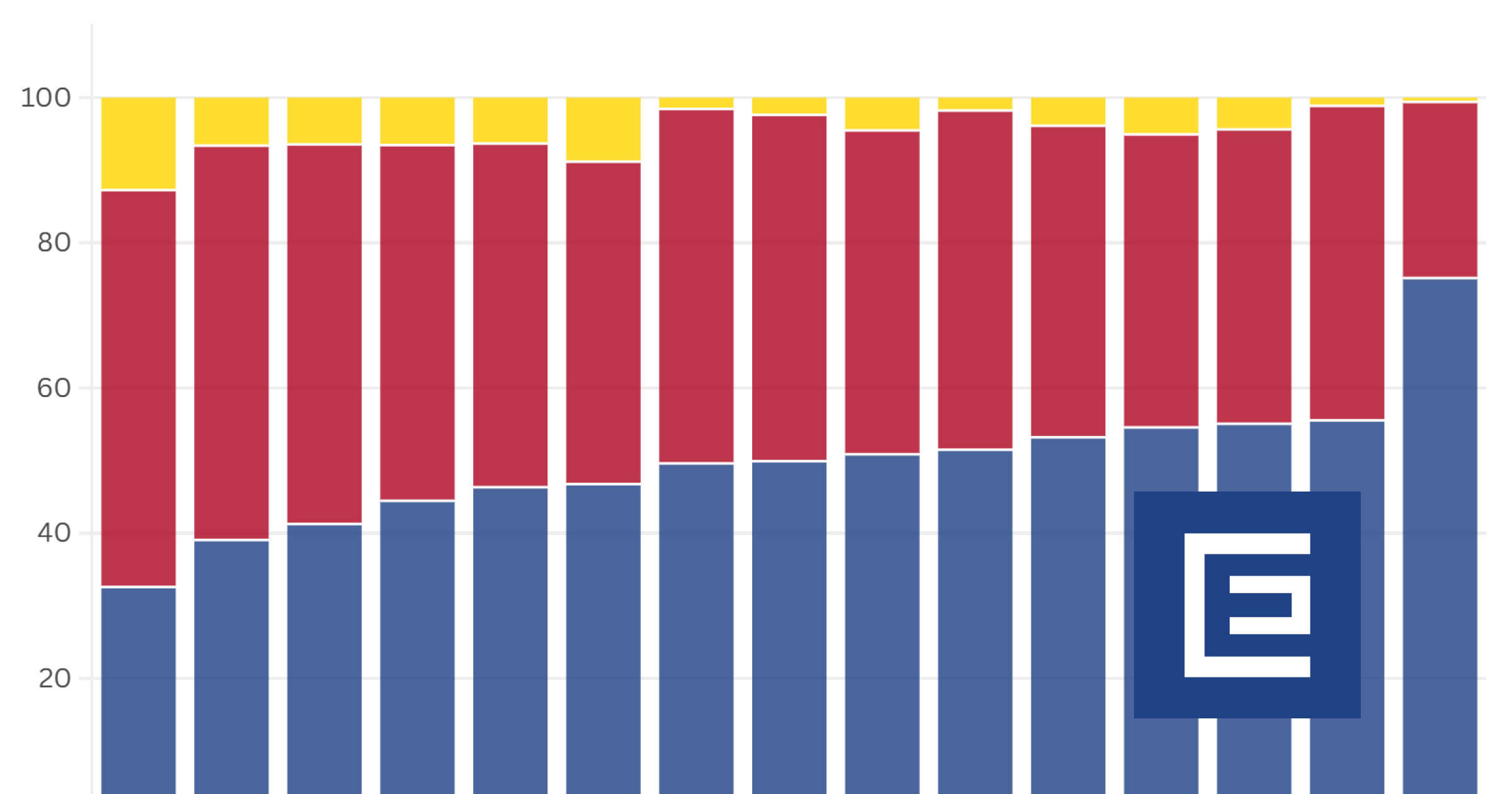
Slovakia Has Lowest Wealth Inequality in OECD, Driven by High Home Ownership Rates

Slovakia has the lowest level of wealth inequality among all members of the Organisation for Economic Co-operation and Development (OECD), a grouping of 38 mostly wealthy nations, largely because a high proportion of Slovak households own their homes. The wealthiest 10 percent of households in Slovakia control roughly one-third of total national wealth — a stark contrast to the United States, where the same top decile controls approximately three-quarters of all wealth. The OECD has warned, however, that rising property prices and higher mortgage interest rates risk undermining this relative equality by making it harder for younger people to purchase homes, potentially deepening the divide between those who already own property and those who rent. While most Slovak households currently own their residences — a legacy in part of mass privatization of state housing following the fall of communism — the concern is that future generations may not enjoy the same access to home ownership, which has historically served as the primary vehicle for wealth accumulation in the country.

|
Economy

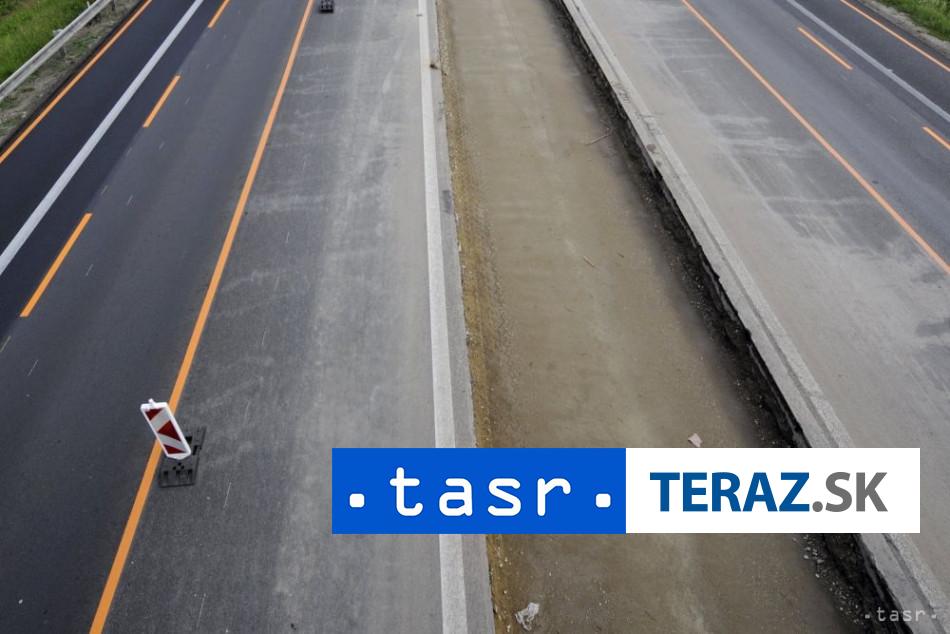
Slovakia Launches Procurement for Nearly €5 Million Road Resurfacing Project

Slovakia's highway authority has launched a public procurement process for road resurfacing works valued at nearly €5 million. The announcement was published in the bulletin of the Public Procurement Office, the state body that oversees government contracting. The tender marks the beginning of a formal process to select a contractor for the repair works, though specific roads or stretches targeted by the project were not detailed in the announcement.

|
Economy

Slovak Unemployment Continues to Fall, But at a Slower Pace

Slovakia's registered unemployment rate continued to decline in May, though the pace of improvement has slowed, according to analyst assessments. The gradual easing of job market gains suggests the labor market may be approaching a plateau after a period of sustained improvement. Slovakia's unemployment figures are tracked monthly by the Central Office of Labour, Social Affairs and Family, and serve as a key indicator of broader economic health in the country.

|
Economy

Gemer Region to Receive €3.8 Million Investment Boost for Heritage and Cycling Infrastructure

The Gemer region in southern Slovakia is set to receive investments exceeding €3.8 million, targeting the restoration of cultural heritage sites and the construction of a new cycling route. The funding is expected to provide a significant economic and tourism stimulus to an area that has historically struggled with high unemployment and limited economic development compared to more prosperous parts of Slovakia. The projects aim to preserve the region's architectural and cultural legacy while also improving recreational infrastructure to attract visitors and support local communities.

|
Economy

Slovak Industry Calls for Expansion of Renewable Energy Sources

Slovak industrial companies are pressing the government to accelerate the development of new renewable energy sources, saying they need access to green electricity to meet their own sustainability commitments. Industry representatives say businesses have pledged to reduce their carbon footprints — often under pressure from international partners and investors — but cannot fulfil those obligations without a sufficient domestic supply of renewable power. The situation is particularly complicated in the case of wind energy: Slovakia has been one of the few European Union member states with virtually no operational wind farms, due to longstanding legal and regulatory barriers that have blocked construction of wind turbines. The push from industry adds to growing pressure on Slovak policymakers to liberalise energy rules and fast-track renewable projects, as the country risks falling behind EU green energy targets.

|
Economy

Slovak Livestock Sector Faces €1.8 Billion Investment Gap

Slovakia's livestock farming sector requires an estimated €1.8 billion in investment to modernize and sustain its operations, according to an industry assessment. The largest share of investment is needed in beef cattle farming, which faces a funding gap of €762.2 million, followed closely by pig farming at €737.5 million. Poultry production requires an additional €302.7 million. The figures highlight the significant capital shortfall facing one of Slovakia's key agricultural sectors, which has been under pressure from rising costs, changing EU regulations, and competition from other European producers. Meeting these investment needs will be critical for maintaining food production capacity and rural employment across the country.

|