Dávka - Your daily dose of Slovak news
Last refreshed: 28/07/2026 17:43 · 79 articles added
Stories are refreshed at 05:30, 10:30, 15:30, and 21:30 UTC.

Society

View all2909 stories
Society

Slovak Students Begin Summer Holidays as School Year Ends

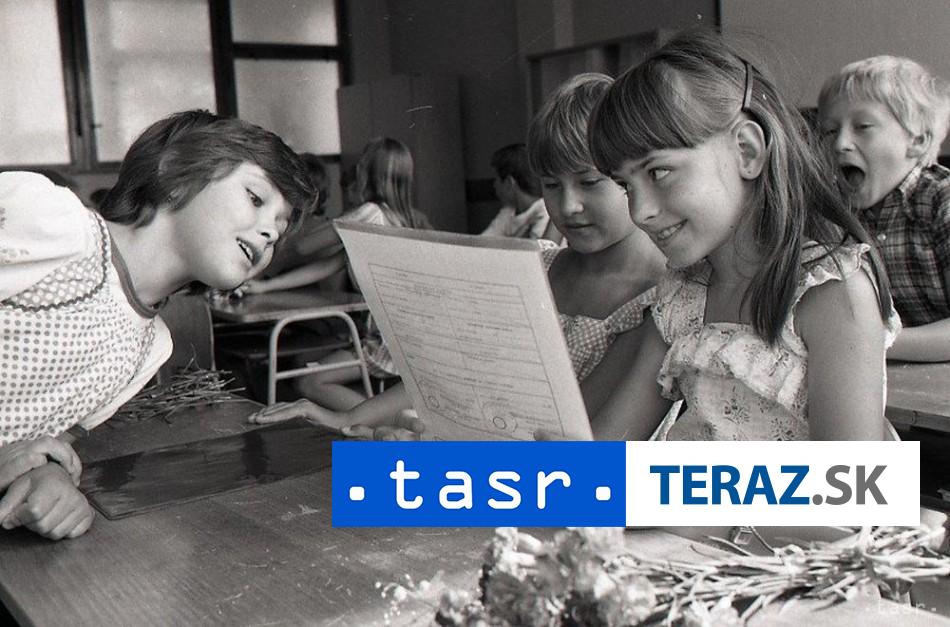
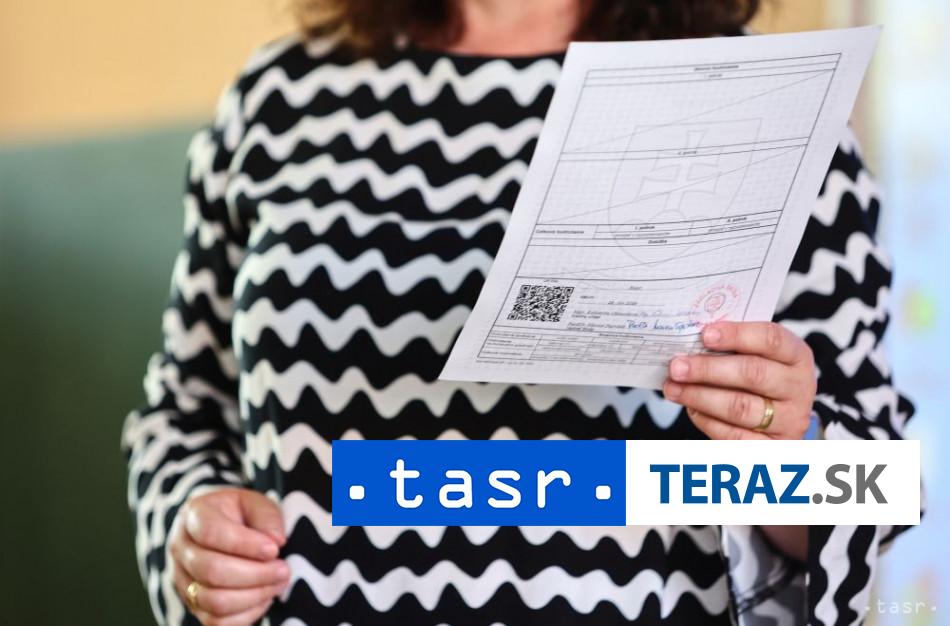
Slovakia's summer holidays officially began as students across the country received their end-of-year report cards. A total of 749,091 pupils from primary, secondary, and special needs schools received their final grades, according to the Ministry of Education. Some schools concluded classes as early as Friday, ahead of the official end of the school year.
|
Society

Slovak Education Expert Calls for Shift Toward Formative Assessment in Schools

School report cards are not disappearing from Slovak classrooms, but what they measure needs to change, according to education expert J. Machaj. Machaj argues that Slovak schools should make far greater use of formative assessment — an ongoing approach to evaluating students that focuses on detailed, constructive feedback rather than simply assigning a grade. Meaningful feedback, he contends, tells students, parents, and teachers significantly more about a child's progress and understanding than a numerical or letter grade alone. The call reflects a broader debate in Slovak education about modernizing how student performance is evaluated, with critics of the current system arguing that traditional grading can obscure rather than illuminate a student's actual learning development.

|
Society

Women Speak Out on Unwanted Advances at Beach Resorts

A growing conversation among women highlights a recurring problem at summer beach destinations: unwanted pressure or advances from men seeking to take encounters from the beach directly to hotel rooms. The issue, which many women say has long been underreported or discussed only in private, is gaining wider attention as more speak openly about their experiences during summer holidays. The pattern reflects broader concerns about harassment in tourist and leisure environments, where social boundaries can be more easily blurred and women may feel less safe or supported than in everyday settings.

|
Society

Slovak School Report Cards: A History of Evolving Forms and Languages

The school report card, a familiar fixture of student life in Slovakia, has undergone significant changes over the centuries before arriving at its current standardized form. In earlier periods, when Latin was the language of instruction and administration across the region, the document was known as the "Testimonium scholasticum" — literally meaning "school testimony" — reflecting the formal, ecclesiastical roots of organized education. Over time, as vernacular languages replaced Latin and educational systems modernized, the format and appearance of report cards gradually evolved, though a unified, standardized form took a long time to establish.

|
Society

Slovak School Janitor Turns Lost-and-Found Into Hit With Parents Through Witty Captions

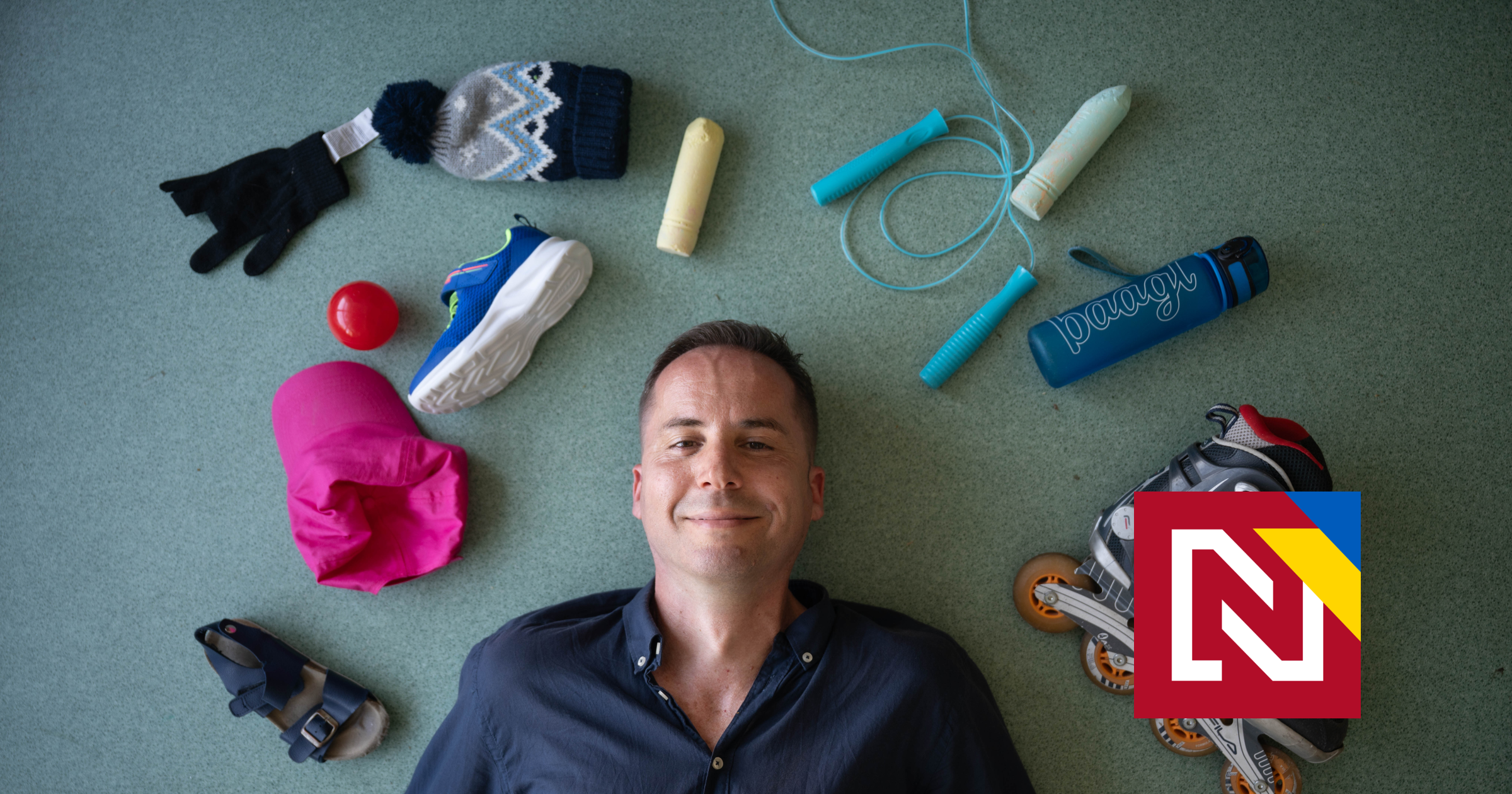
A school janitor in Slovakia has turned a routine administrative task into a viral sensation among parents by adding humorous commentary to lost-and-found postings on the school's digital platform. Ondrej Németh, a janitor tasked with photographing and uploading lost and forgotten items — ranging from T-shirts and gym uniforms to sneakers and unidentifiable objects — to the school communication app EduPage, quickly grew bored of the repetitive work. To keep himself entertained, he began adding witty captions to the photos of lost items, transforming the mundane lost-and-found section into a widely enjoyed feature for the school's parent community. One of his postings jokingly referenced even finding the long-lost aviator Amelia Earhart, a humorous nod to a forgotten item's mysterious origins. The creative approach has made the lost-and-found section something parents actively look forward to checking.

|
Society

Scientists Criticize Slovak Public Broadcaster for Reinstating Controversial Doctor

The return of Igor Bukovský to STVR, Slovakia's public broadcaster, has drawn sharp criticism from the country's scientific community. The science advocacy platform Žijem vedu (I Live Science) condemned the decision, arguing that STVR is acting in direct contradiction to its legal mandate, which requires the broadcaster to provide verified, balanced, and socially beneficial information. Critics contend that Bukovský's popularity should not override standards of medical ethics in a public broadcasting environment. Bukovský is a controversial Slovak doctor who has previously attracted scrutiny over his medical views and public statements. STVR, funded by public money and bound by public service obligations, is required by law to uphold informational accuracy and responsibility — standards that critics argue are being compromised by platforming figures whose positions conflict with mainstream medical consensus. The controversy highlights growing tensions in Slovakia between public institutions and the scientific community over the spread of misleading health information through official media channels.

|
Society

Nine People Drown in Slovakia in a Single Weekend as Heat Wave Drives Crowds to Water

Nine people drowned in Slovakia over a single weekend as a Europe-wide heat wave prompted large numbers of people to seek relief in rivers, lakes, and reservoirs. Similar spikes in drowning deaths were reported across the continent, including in France and Poland. Michal Baran, head of a rescue training center, warned that most drowning incidents in high temperatures are caused by cold-water shock — a sudden physiological response when a heated body enters cold water — rather than a lack of swimming ability. He cautioned that even strong swimmers can be caught off guard, and urged people to use swimming buoys, avoid alcohol before entering the water, and remain calm rather than panic if they get into difficulty. Overestimating one's own physical condition and swimming ability, he said, remains the leading factor behind water fatalities during summer heat spells.

|
Society

Air Conditioning Beats Sleeping Downstairs All Summer, Study Suggests

A commentary in Slovak daily SME argues that air conditioning is a more practical solution to summer heat than the common Slovak habit of moving to ground-floor rooms during hot months. The piece draws a contrast with British building regulations, which it notes place strict restrictions on many home modifications, highlighting differences in how European countries approach residential comfort and heat management. The article reflects a broader conversation in Slovakia and across Europe about adapting to increasingly hot summers, as rising temperatures driven by climate change make cooling solutions a growing priority for households.

|
Society

Slovak Rail Operator Warns of Frequent Delays as Summer Heat Strains Train Network

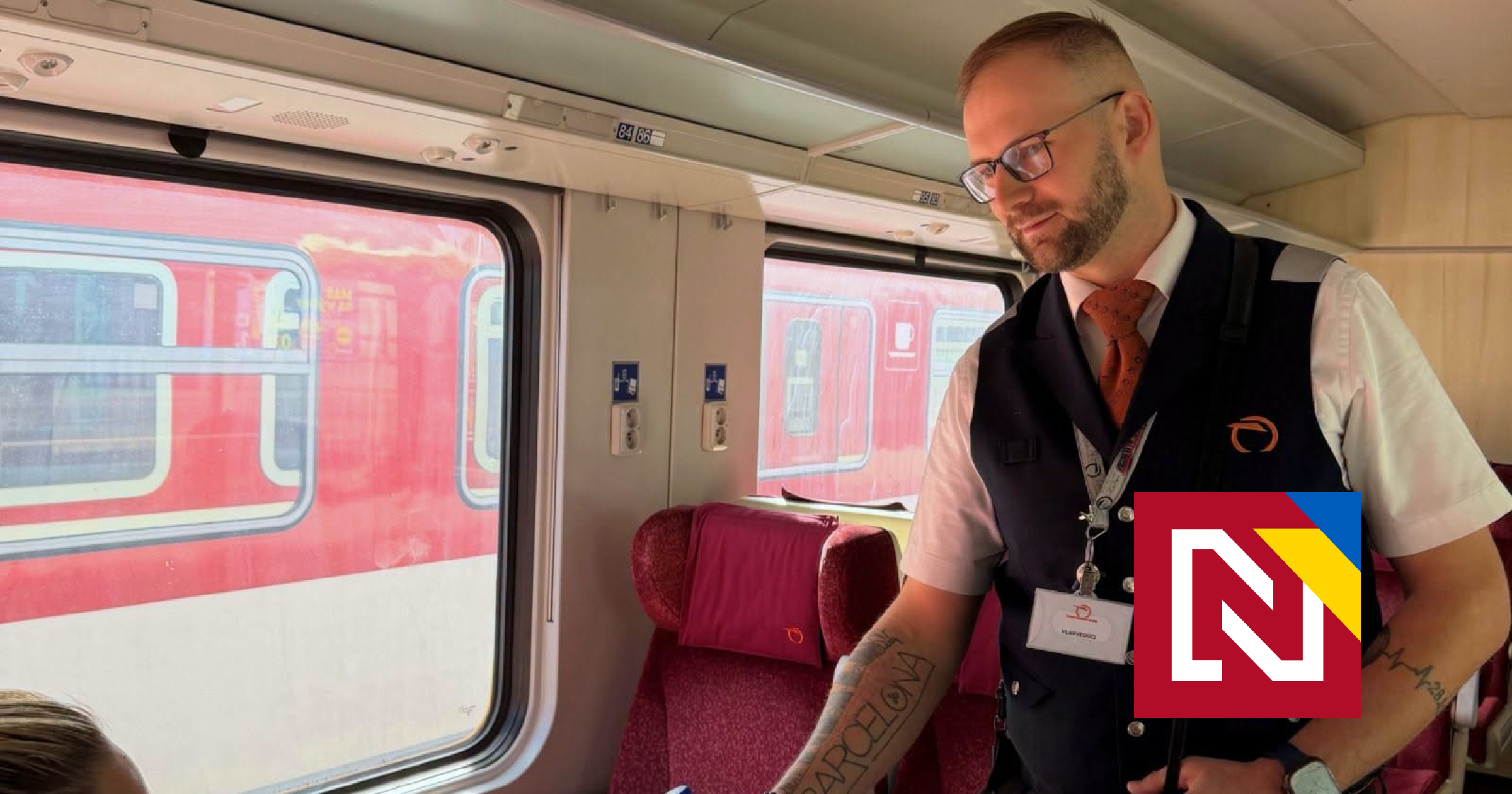
Slovakia's national rail operator is advising passengers to adjust their travel plans during the current period of extreme heat, warning that delays will be frequent across the network. While not discouraging travel outright — including for families with children — the company recommends choosing morning or evening trains to avoid the worst of the high temperatures. Not all carriages are affected equally by the heat, but passengers should expect disruptions across services during peak daytime hours.

|
Society

Comenius University Files Criminal Complaint Over Alleged Student Scholarship Fraud

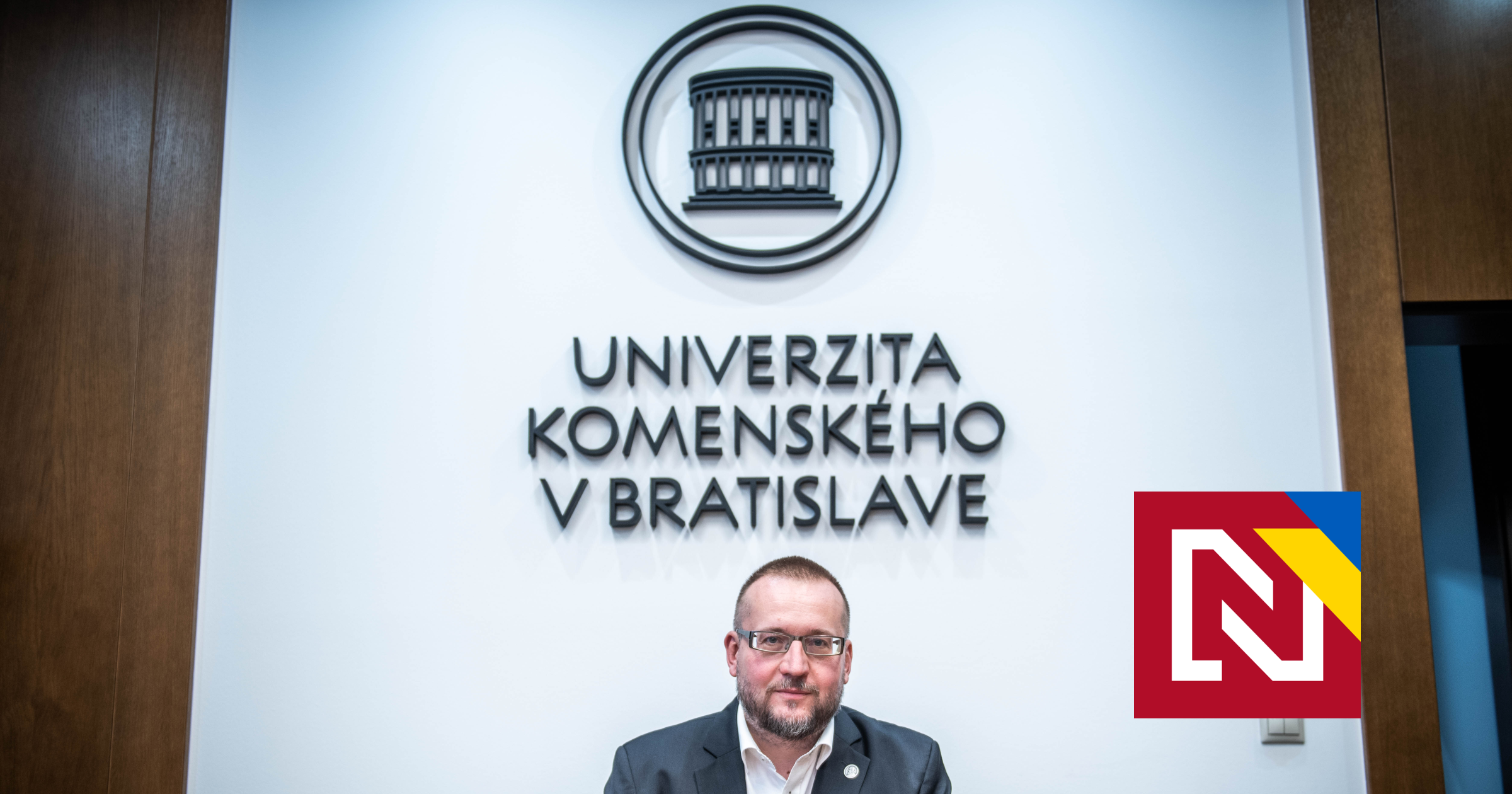
Comenius University in Bratislava, Slovakia's oldest and most prominent university, has filed a criminal complaint following allegations of scholarship manipulation and student harassment at one of its faculties. The complaint targets suspected misconduct by a professor at the Institute of Applied Psychology, which is part of the Faculty of Social and Economic Sciences (FSEV). The case came to light after Slovak investigative outlet Denník N published two articles in June containing witness testimony alleging bullying and fraud at the institute. Following the publication, university rector Marek Števček convened a meeting with faculty leadership, which resulted in the decision to file the criminal complaint. University officials described the allegations as serious enough to require investigation by law enforcement authorities. The affair raises broader concerns about academic integrity and the treatment of students within Slovak higher education. By escalating the matter to a criminal complaint rather than handling it internally, the university leadership signaled that the suspected manipulation of student scholarships — financial grants awarded to students based on academic or social criteria — may constitute a criminal offense under Slovak law.

|
Society

Slovak Priest and Psychologist Peter Tavel on the Search for Meaning in Life

Peter Tavel, a Slovak-born Dominican priest and clinical psychology professor, has built an unconventional life bridging spirituality and science. Originally from eastern Slovakia, Tavel trained as a civil engineer before joining the Dominican order, spending years in an Austrian monastery and sailing on a century-old sailing vessel — an experience he credits with overcoming his fear of death. He now holds a respected position as a professor of clinical psychology at Palacký University in Olomouc, Czech Republic, and has spent more than two decades accompanying elderly and dying patients in Austrian hospices. In a wide-ranging interview, Tavel reflects on the meaning of life, personal transformation, and what he describes as a common human tendency to expend excessive energy trying to avoid making mistakes — energy he argues would be better directed elsewhere.

|
Society

Hiking Club to Hold Extraordinary Assembly Over Leadership Dispute and Cabin Contracts

A Slovak hiking club is set to hold an extraordinary general assembly in September, where members will consider removing a leader named Hvizdák from his position and canceling contracts related to club-owned mountain cabins. The exact reasons behind the push to oust Hvizdák and terminate the cabin agreements were not detailed, but the convening of an emergency meeting signals significant internal disagreement within the organization over its leadership and management of club property.

|
Society

Slovak Court Places Repeat-Offending Teen in State Care Over Mother's Objections

A Slovak court has ordered a teenage boy into institutional care after he repeatedly committed theft and used drugs, overriding his mother's objections. The youth appeared before the court and promised judges he would change his behavior, but the court determined that institutional supervision was necessary. In Slovakia, courts may transfer guardianship of minors to state-run youth facilities when a family environment is deemed unable to prevent continued criminal or harmful behavior. The mother opposed the decision, but the court concluded that the pattern of reoffending left insufficient grounds to keep the boy in the family home.

|
Society

Jumping Into Cold Water During a Heatwave Can Be Deadly, Experts Warn

As temperatures soar across Slovakia, health and safety experts are warning that jumping into cold water during extreme heat carries a serious risk of drowning due to thermal shock. When the body is overheated and suddenly submerged in cold water, the abrupt temperature change can trigger an involuntary gasp reflex, muscle cramps, or cardiac stress — any of which can quickly incapacitate a swimmer. Men are statistically more likely to take such risks near water and, as a result, account for a disproportionate share of drowning victims. Experts advise entering water gradually, allowing the body time to adjust to the temperature difference, and avoiding swimming alone or in unsupervised locations.

|
Society

Slovakia Still Bars Gay and Bisexual Men from Donating Blood Despite Shortage

Gay and bisexual men in Slovakia remain prohibited from donating blood, even as the country faces blood supply shortages. Three years ago, the Slovak Health Ministry announced it was preparing amendments to a ministerial decree that would address the controversial restriction on blood donation by homosexual and bisexual men. No changes have been made since. Under current Slovak regulations, prospective blood donors must complete a screening questionnaire that effectively excludes men who have had sex with men, a policy that critics argue is outdated and discriminatory. Similar bans, rooted in public health measures introduced during the HIV/AIDS crisis of the 1980s, have been lifted or significantly reformed in many European Union countries in recent years, with donors instead assessed on individual risk behavior rather than sexual orientation. Slovakia's continued inaction places it at odds with evolving medical consensus and EU-level guidance, and draws renewed attention at a time when healthcare authorities are calling on the public to donate blood to address dwindling supplies.

|
Society

Slovakia to Launch Integrated Ticketing System Across Multiple Transport Operators from July

Travelers in Slovakia will be able to use a single ticket across multiple transport operators starting in July, as the country rolls out a new integrated ticketing system. The Slovak state paid nearly 12 million euros excluding VAT for the delivery of the system. The move is designed to simplify public transport for passengers who currently need separate tickets when switching between different regional or national carriers — a common inconvenience in a country where bus, train, and regional transport services are often operated by distinct companies. The unified ticketing system is expected to make public transport more accessible and encourage greater use of shared transit options.

|
Society

Slovak Divorced Father Takes Ex-Wife to Court Over Children's Vaccinations

A Slovak father has turned to the courts to resolve a vaccination dispute with his ex-wife, who has refused to consent to several mandatory and voluntary vaccines for their three children. The man, identified only as Ján, sought to have his nearly 15-year-old daughter vaccinated against the human papillomavirus (HPV), a vaccine widely recognized as effective in preventing cervical cancer. When he contacted the family's pediatrician to schedule the appointment, the doctor informed him that the mother's consent was also legally required — consent she has so far withheld. The case highlights a growing challenge faced by Slovak courts and medical professionals when divorced parents hold opposing views on vaccination. In Slovakia, certain childhood vaccines are compulsory under law, but when parents share custody and disagree, neither parent can unilaterally authorize medical procedures, leaving doctors caught in the middle and children without protection. Courts are increasingly being asked to adjudicate such disputes, raising broader questions about parental rights, children's health interests, and the legal enforceability of vaccination requirements in cases of family breakdown.

|
Society

Slovakia Moves Up Kindergarten Admissions Results Deadline

Slovak parents will learn earlier than previously scheduled whether their children have been accepted into public kindergartens, the Ministry of Education, Research, Development and Youth announced. The ministry's communications department said the ePrihlášky online admissions system — used to process kindergarten applications across Slovakia — successfully handled all submitted data ahead of schedule, allowing the results to be released sooner than originally planned. The earlier announcement gives families more time to make alternative childcare arrangements if needed before the upcoming school year.

|
Society

Slovak Police Chief Says No Rules Were Broken Before Domestic Violence Killing in Gelnica

Slovakia's national police chief has concluded that no regulations were violated in the handling of a case that ended in the death of a woman killed by her husband in the town of Gelnica, a tragedy that shocked the country. The woman, identified as Zuzana V., was murdered by her husband just 11 days after he was released from pre-trial detention. Pre-trial detention is a form of temporary imprisonment used while a criminal investigation is ongoing, and the man's release raised immediate questions about the decision-making of authorities responsible for his custody. The case has sparked widespread public outrage in Slovakia over the adequacy of protections for domestic violence victims. The police president's finding that no procedural rules were broken is likely to intensify criticism from victim advocacy groups and opposition politicians who argue that the system failed to protect the woman despite clear warning signs.

|