Dávka - Your daily dose of Slovak news
Last refreshed: 28/07/2026 05:39 · 38 articles added
Stories are refreshed at 05:30, 10:30, 15:30, and 21:30 UTC.

Society

View all2901 stories
Society

Slovak Organizations Supporting Domestic Violence Victims Call for System Reform

Organizations providing support to women experiencing violence in Slovakia are calling for significant changes to the country's current system of assistance. The groups are appealing for open professional cooperation between state institutions and specialized services, arguing that such collaboration is essential to reforming how support is delivered to victims. The organizations say the existing framework falls short of adequately protecting and assisting women who experience violence, and are pushing for a coordinated approach that brings together government bodies and specialist support providers to address the gaps.

|
Society

Lightning Strike Injures Czech Tourist in Slovakia's Low Tatras Mountains

A lightning strike hit a group of three Czech female tourists hiking in the Low Tatras mountain range in central Slovakia, sending one woman to hospital. The incident occurred on a red-marked hiking trail below Kráľova hoľa, one of the prominent peaks in the range, when the group was caught in a storm. As one of the women's condition deteriorated, mountain rescue services — the Horská záchranná služba (HZS), Slovakia's dedicated mountain rescue organization — were called in to intervene and provide assistance.

|
Society

Parliamentary Committee Reviews Patient Fees at Doctors' Offices

A Slovak parliamentary committee has taken up the issue of fees charged to patients at medical practices, examining how costs are structured within the country's public healthcare system. The Christian Democratic Movement (KDH), an opposition center-right party, has proposed clearly separating medical procedures covered by public health insurance from additional optional services for which patients can be charged separately. The debate reflects ongoing tensions in Slovakia over what patients should be expected to pay out of pocket versus what the state-funded insurance system should cover. Clearer rules would aim to protect patients from ambiguous or unexpected charges while visiting general practitioners or specialists.

|
Society

Slovakia Has No Reliable System for Tracking Heat-Related Deaths, Data Shows

Slovakia has recorded just 42 official heat-related deaths over nearly 30 years, a figure experts say drastically underrepresents the true toll of extreme heat on the population. The country lacks a proper monitoring system to count deaths caused by high temperatures, meaning the actual number of fatalities linked to heatwaves remains unknown. In most European countries, heat-related mortality is tracked through so-called excess death analysis — a method that compares actual death rates during heatwave periods against historical averages to estimate how many additional deaths the heat caused. Slovakia does not systematically apply this approach, leaving a significant gap in public health data. The official figure of 42 deaths over three decades counts only cases where heat was listed as a direct cause of death on a death certificate, a rare occurrence even when heat is a major contributing factor. The issue has growing relevance as climate change drives more frequent and intense heatwaves across Central Europe. Without accurate data, Slovak public health authorities cannot properly assess the scale of the risk, plan preventive measures, or allocate resources to protect vulnerable groups such as the elderly. The absence of reliable tracking means Slovakia may be significantly underprepared for increasingly extreme summer temperatures.

|
Society

Košice Man Smuggled Refugees to Freedom Through Bulgaria — And Was Never Caught

During the communist era in Czechoslovakia, a man from Košice, Slovakia's second-largest city, repeatedly helped people escape to the West through Bulgaria — and managed to evade capture throughout. The socialist state had barred ordinary citizens from traveling freely abroad, making emigration an act of serious political defiance. Rather than attempting to flee himself, the man organized a route across the Bulgarian border, using a wooden ramp to help refugees cross into freedom. Because customs officials viewed him as a black-market trader rather than a people smuggler, he was never identified as a threat and escaped arrest. His story illustrates the ingenuity and personal risk taken by individuals who resisted the restrictions of life behind the Iron Curtain, using the grey zones of a surveillance state to shelter others from its reach.

|
Society

Gas Leak in Žilina Caused by Excavation Work, Contained by Firefighters

A gas leak in Žilina, a major city in northwestern Slovakia, was caused by excavation work and has been successfully contained by firefighters. Emergency crews responded to the incident and managed to stop the leak. Traffic in the affected area will be gradually restored to one lane, with assistance from police officers managing the flow of vehicles.

|
Society

Teacher Feared for Her Life Before Being Killed in Gelnica — One Judge Saw the Risk, Another Did Not

A teacher from Gelnica, a town in eastern Slovakia, had expressed fears for her life before she was murdered, warning that her partner's behavior was deteriorating and that the state needed to intervene. The case has drawn attention to failures in the judicial response to her situation: two judges assessed the threat she faced and reached opposite conclusions, with one recognizing the danger and another dismissing it. The discrepancy raises serious questions about how Slovak courts evaluate domestic violence and protection orders in cases where victims have explicitly signaled escalating risk. The tragedy underscores a broader concern in Slovakia about the effectiveness of institutional safeguards for victims of domestic abuse, particularly when warning signs go unheeded by those with the authority to act.

|
Society

Prešov Region to Launch Summer Cycling Bus Network Across 17 Routes in July

Slovakia's Prešov Region will launch its seasonal cycling bus service starting in July, operating across 17 routes throughout the area. The network of dedicated buses equipped to carry bicycles will connect several of the region's most popular natural destinations, including the High Tatras mountain range, the Poloniny National Park in the far northeast near the Ukrainian and Polish borders, and the Domaša reservoir, a popular summer recreational area. The service is designed to encourage environmentally friendly tourism and allow cyclists to travel between destinations without having to ride the full distance on public roads. Prešov is Slovakia's largest region by area and encompasses a wide range of landscapes, from high mountain terrain to lowland forests, making cycling tourism a significant draw during the summer months.

|
Society

Slovakia to Launch Unified Public Transport Ticket System in July 2026

Slovakia plans to introduce a single integrated ticket covering urban public transport, trains, and intercity buses starting in July 2026. The unified ticketing system would allow passengers across the country to use one ticket for all forms of public transport, eliminating the need to purchase separate tickets for different modes of travel. Such integrated transport ticketing systems are common in many Western European countries and are aimed at making public transport more convenient, encouraging greater use and reducing car dependency. The initiative represents a significant step toward modernizing Slovakia's public transport infrastructure and improving connectivity between local city transit networks and national rail and bus services.

|
Society

Slovak Town of Vranov Builds New Columbarium Adding 216 Urn Niches

The eastern Slovak town of Vranov nad Topľou has built a new columbarium at its local cemetery, adding 216 urn storage niches to address a shortage of burial spaces. The construction comes as the town sought to expand its capacity for cremated remains, reflecting a broader trend of rising cremation rates that has placed pressure on traditional cemetery infrastructure across Slovakia.

|
Society

Slovak Holocaust Survivor Edita Šalamonová Dies at 102

Edita Šalamonová, a Slovak Holocaust survivor who lived through the horrors of the Auschwitz-Birkenau Nazi concentration camp, has died at the age of 102. Šalamonová was originally from the Zemplín region, a historical area in eastern Slovakia. Auschwitz-Birkenau, located in occupied Poland, was the largest Nazi concentration and extermination camp during World War II, where approximately 1.1 million people — the vast majority of them Jewish — were murdered. Šalamonová was among the tens of thousands of Slovak Jews deported to the camp during the war. Her death marks the passing of one of Slovakia's last living witnesses to the Holocaust.

|
Society

Slovak NGO Vagus Seeks Doctor to Staff Clinic for Homeless People

Vagus, a Slovak non-governmental organization working with homeless people, is looking to recruit a doctor to work in a dedicated medical clinic serving people without homes. Many homeless individuals in Slovakia face serious health problems but often lack access to standard healthcare services, making such specialized outreach clinics a critical point of care for one of society's most vulnerable groups.

|
Society

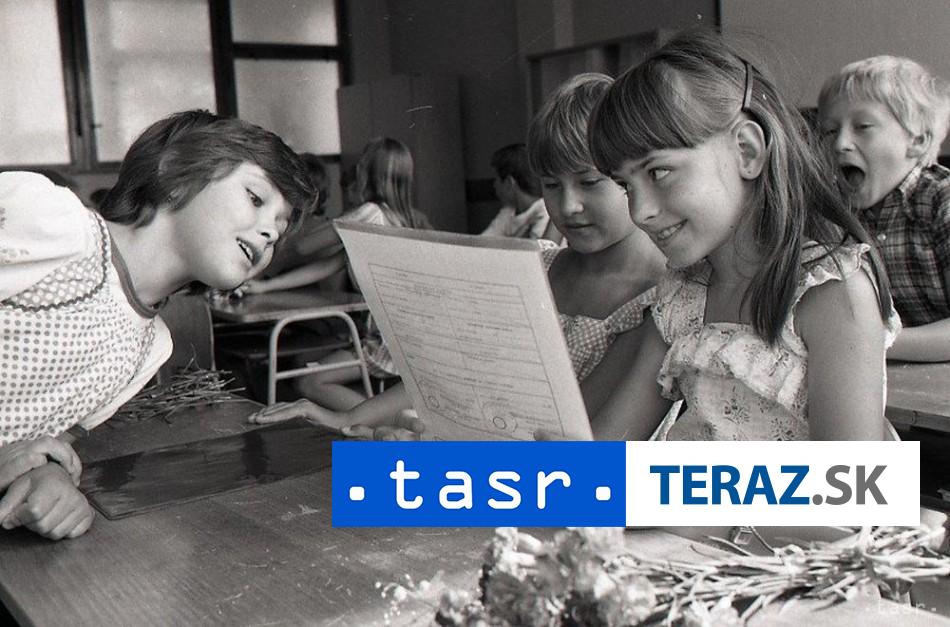
Slovak Students Begin Summer Holidays as School Year Ends

Slovakia's summer holidays officially began as students across the country received their end-of-year report cards. A total of 749,091 pupils from primary, secondary, and special needs schools received their final grades, according to the Ministry of Education. Some schools concluded classes as early as Friday, ahead of the official end of the school year.

|
Society

Slovak Education Expert Calls for Shift Toward Formative Assessment in Schools

School report cards are not disappearing from Slovak classrooms, but what they measure needs to change, according to education expert J. Machaj. Machaj argues that Slovak schools should make far greater use of formative assessment — an ongoing approach to evaluating students that focuses on detailed, constructive feedback rather than simply assigning a grade. Meaningful feedback, he contends, tells students, parents, and teachers significantly more about a child's progress and understanding than a numerical or letter grade alone. The call reflects a broader debate in Slovak education about modernizing how student performance is evaluated, with critics of the current system arguing that traditional grading can obscure rather than illuminate a student's actual learning development.

|
Society

Women Speak Out on Unwanted Advances at Beach Resorts

A growing conversation among women highlights a recurring problem at summer beach destinations: unwanted pressure or advances from men seeking to take encounters from the beach directly to hotel rooms. The issue, which many women say has long been underreported or discussed only in private, is gaining wider attention as more speak openly about their experiences during summer holidays. The pattern reflects broader concerns about harassment in tourist and leisure environments, where social boundaries can be more easily blurred and women may feel less safe or supported than in everyday settings.

|
Society

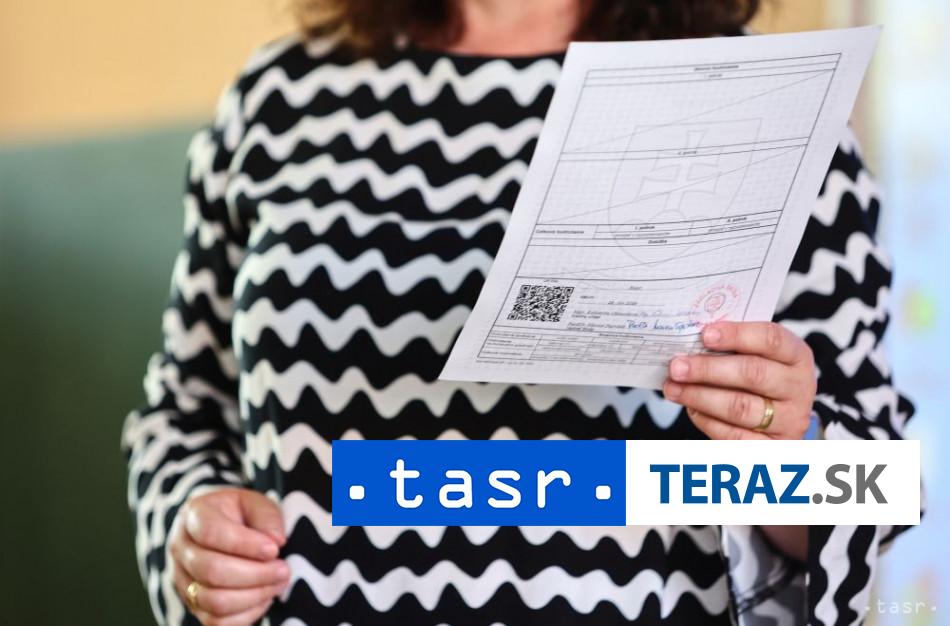
Slovak School Report Cards: A History of Evolving Forms and Languages

The school report card, a familiar fixture of student life in Slovakia, has undergone significant changes over the centuries before arriving at its current standardized form. In earlier periods, when Latin was the language of instruction and administration across the region, the document was known as the "Testimonium scholasticum" — literally meaning "school testimony" — reflecting the formal, ecclesiastical roots of organized education. Over time, as vernacular languages replaced Latin and educational systems modernized, the format and appearance of report cards gradually evolved, though a unified, standardized form took a long time to establish.

|
Society

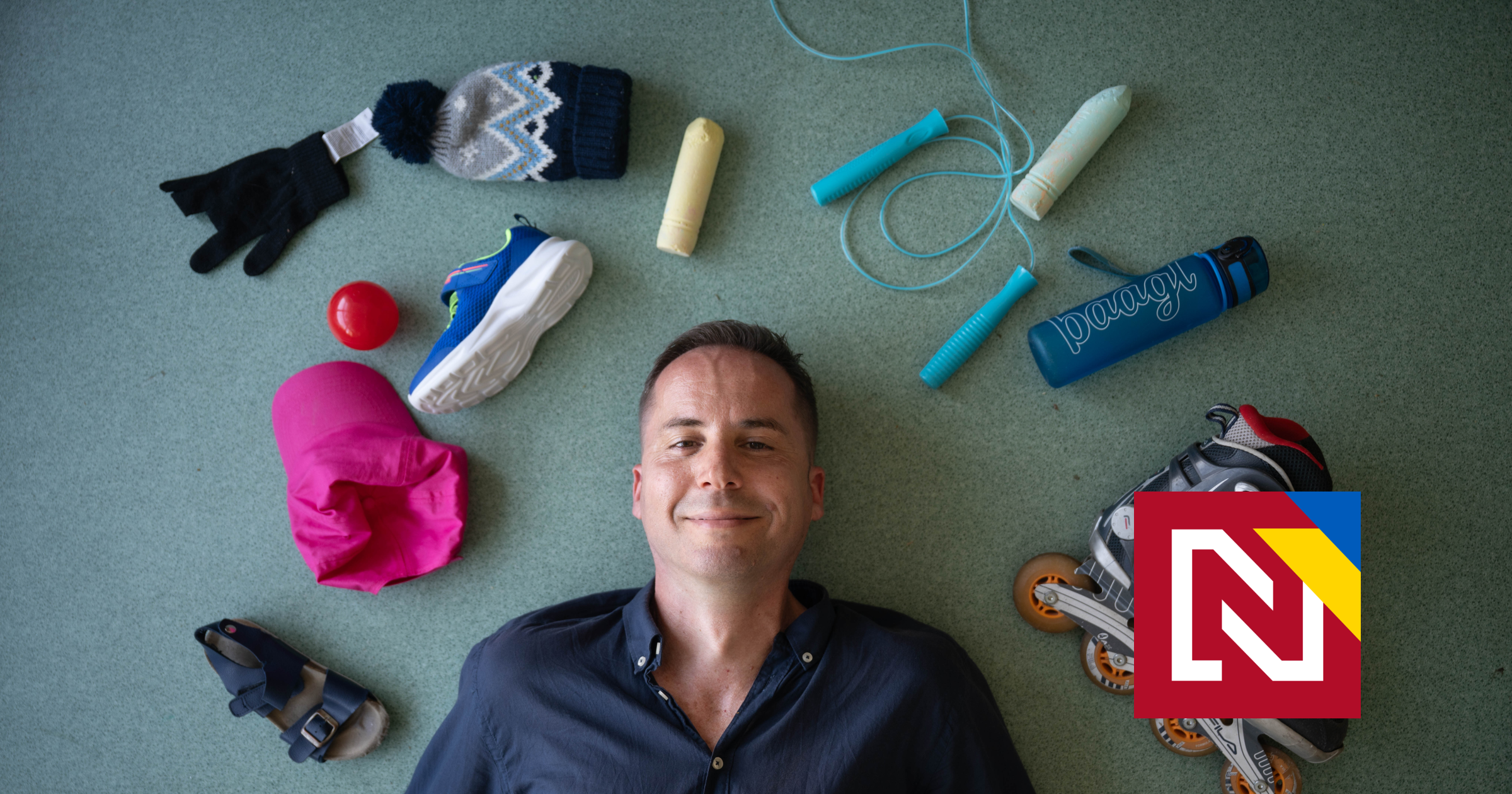
Slovak School Janitor Turns Lost-and-Found Into Hit With Parents Through Witty Captions

A school janitor in Slovakia has turned a routine administrative task into a viral sensation among parents by adding humorous commentary to lost-and-found postings on the school's digital platform. Ondrej Németh, a janitor tasked with photographing and uploading lost and forgotten items — ranging from T-shirts and gym uniforms to sneakers and unidentifiable objects — to the school communication app EduPage, quickly grew bored of the repetitive work. To keep himself entertained, he began adding witty captions to the photos of lost items, transforming the mundane lost-and-found section into a widely enjoyed feature for the school's parent community. One of his postings jokingly referenced even finding the long-lost aviator Amelia Earhart, a humorous nod to a forgotten item's mysterious origins. The creative approach has made the lost-and-found section something parents actively look forward to checking.

|
Society

Scientists Criticize Slovak Public Broadcaster for Reinstating Controversial Doctor

The return of Igor Bukovský to STVR, Slovakia's public broadcaster, has drawn sharp criticism from the country's scientific community. The science advocacy platform Žijem vedu (I Live Science) condemned the decision, arguing that STVR is acting in direct contradiction to its legal mandate, which requires the broadcaster to provide verified, balanced, and socially beneficial information. Critics contend that Bukovský's popularity should not override standards of medical ethics in a public broadcasting environment. Bukovský is a controversial Slovak doctor who has previously attracted scrutiny over his medical views and public statements. STVR, funded by public money and bound by public service obligations, is required by law to uphold informational accuracy and responsibility — standards that critics argue are being compromised by platforming figures whose positions conflict with mainstream medical consensus. The controversy highlights growing tensions in Slovakia between public institutions and the scientific community over the spread of misleading health information through official media channels.

|
Society

Nine People Drown in Slovakia in a Single Weekend as Heat Wave Drives Crowds to Water

Nine people drowned in Slovakia over a single weekend as a Europe-wide heat wave prompted large numbers of people to seek relief in rivers, lakes, and reservoirs. Similar spikes in drowning deaths were reported across the continent, including in France and Poland. Michal Baran, head of a rescue training center, warned that most drowning incidents in high temperatures are caused by cold-water shock — a sudden physiological response when a heated body enters cold water — rather than a lack of swimming ability. He cautioned that even strong swimmers can be caught off guard, and urged people to use swimming buoys, avoid alcohol before entering the water, and remain calm rather than panic if they get into difficulty. Overestimating one's own physical condition and swimming ability, he said, remains the leading factor behind water fatalities during summer heat spells.

|
Society

Air Conditioning Beats Sleeping Downstairs All Summer, Study Suggests

A commentary in Slovak daily SME argues that air conditioning is a more practical solution to summer heat than the common Slovak habit of moving to ground-floor rooms during hot months. The piece draws a contrast with British building regulations, which it notes place strict restrictions on many home modifications, highlighting differences in how European countries approach residential comfort and heat management. The article reflects a broader conversation in Slovakia and across Europe about adapting to increasingly hot summers, as rising temperatures driven by climate change make cooling solutions a growing priority for households.

|