Dávka - Your daily dose of Slovak news
Last refreshed: 28/07/2026 17:43 · 79 articles added
Stories are refreshed at 05:30, 10:30, 15:30, and 21:30 UTC.

Society

View all2909 stories
Society

Premium Coffee Can Be Cheaper at Home When Bought Online

Consumers looking to enjoy premium coffee at home can save money and get a fresher product by purchasing it online rather than in traditional retail stores. Buying directly from roasters or specialist online retailers cuts out middlemen, reducing the final price while also ensuring the coffee is more recently roasted — a key factor in flavor quality. As coffee culture continues to grow in Slovakia, online purchasing is emerging as a practical alternative for those seeking higher-end beans without the premium price tag typically found on store shelves.
|
Society

Slovakia Improves Distribution of Teaching Assistants but Thousands of Positions Remain Unfilled

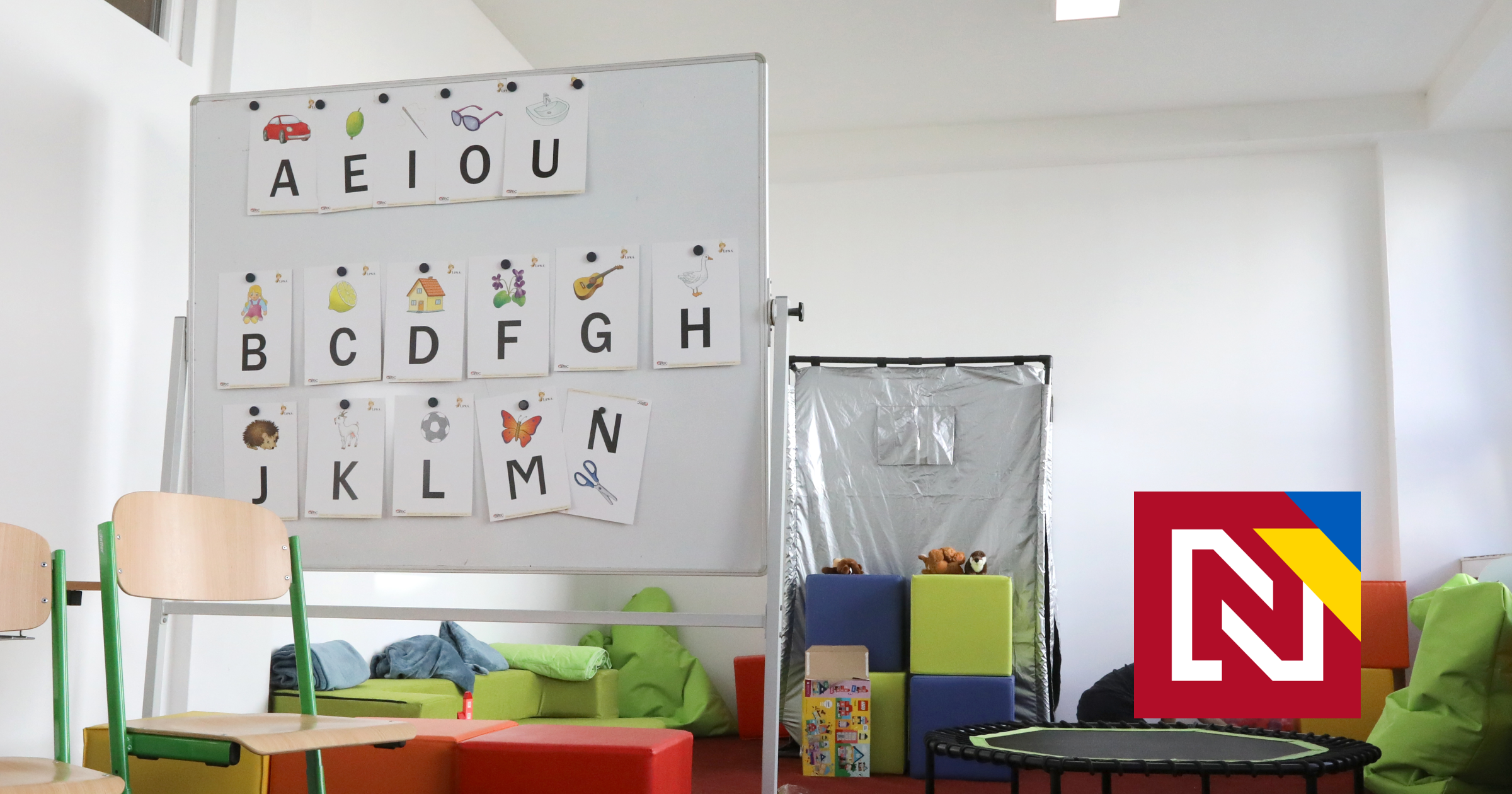
Slovakia's Ministry of Education has improved the way teaching assistants are allocated to schools, but the country still faces a shortage of thousands of such positions, according to analysis by the Centre for Educational Analysis, an independent research organization focused on improving school quality through data. The improvement comes as Slovak schools are increasingly integrating children with disabilities and special needs into mainstream classrooms — a shift that places greater demands on support staff. Teaching assistants play a critical role in this model, helping ensure that each child receives education tailored to their individual needs. Despite the ministry's revised allocation process, the number of assistants available remains far below what schools require to adequately support this growing population of pupils. The shortfall highlights a broader tension in Slovak education policy: while the system is moving toward greater inclusion of children with disabilities, the staffing infrastructure needed to support that shift has not kept pace. The gap between the number of assistants currently deployed and the thousands still needed poses a significant challenge to the quality and effectiveness of inclusive education across the country.

|
Society

Slovak State Cultural Institutions to Offer Discounts and Benefits to Blood Donors

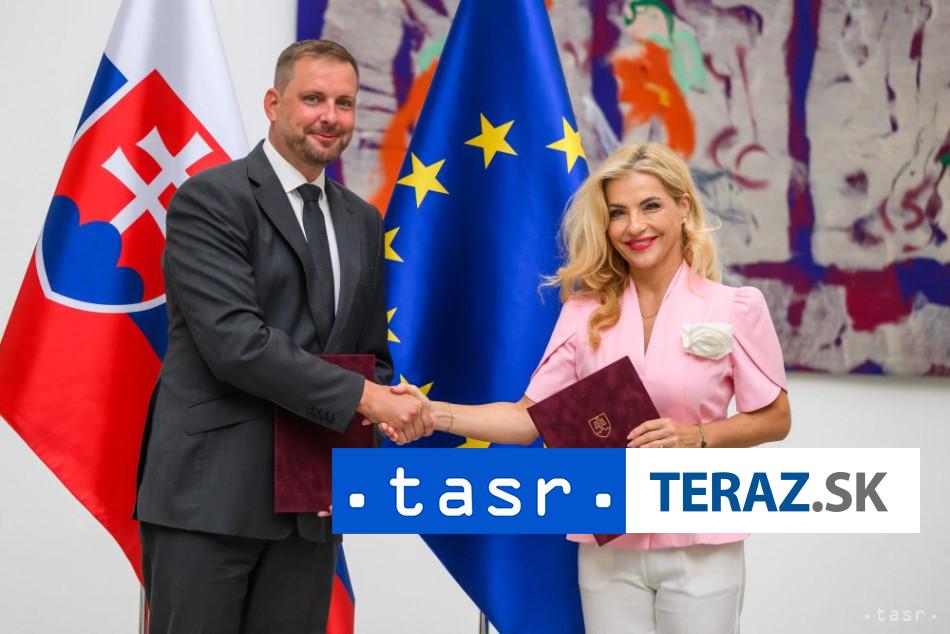
Slovakia's state-run cultural institutions will begin offering discounts and special benefits to blood donors, the country's health ministry announced. The initiative is designed to recognize and reward citizens who voluntarily donate blood, with participating institutions providing reduced admission or other perks to donors. Health Minister Zuzana Dolinková's ministry backed the scheme, with Minister Kamil Šaško describing it as 'a symbol of respect and appreciation' for those who give blood. The program represents a broader effort to encourage voluntary blood donation in Slovakia, where, as in many European countries, maintaining adequate blood supplies is a persistent public health concern. By enlisting cultural venues — such as museums, galleries, and theaters — as partners, authorities hope to incentivize more citizens to donate regularly.

|
Society

Tesco Recalls Two Batches of Infant Water Over Test Results

Supermarket chain Tesco is pulling two batches of Lucka-brand infant water from its shelves in Slovakia following product testing results that raised concerns about the product's safety. The recall affects Lucka-branded water specifically marketed for use by infants. Customers who have purchased the affected batches are advised to stop using the product. Product recalls of this nature are typically initiated when testing reveals contamination or a failure to meet required quality and safety standards for sensitive consumer groups such as newborns and young children.

|
Society

Survey: 87% of Slovaks Support Regulating Children's Access to Social Media

A large majority of Slovaks back stricter controls on children's use of social media platforms, according to a new survey showing 87% support for such regulation. The proposal comes from Hlas-SD, a center-left party in Slovakia's ruling coalition, which has put forward legislation that would ban children under the age of 16 from accessing social media entirely. For users between 16 and 18 years old, platforms would be required to automatically enable a so-called 'protected mode,' limiting their exposure to potentially harmful content. The move reflects growing concern across Europe about the mental health and safety risks that unrestricted social media use poses to minors, and Slovakia would join a number of countries considering or implementing similar age-based restrictions.

|
Society

Fire in Štúrovo Causes Three Million Euros in Damages

A major fire broke out in the center of Štúrovo, a town in southern Slovakia near the Hungarian border, causing an estimated three million euros in damages. Firefighters were still working to contain the blaze at the time of reporting. The extent of the destruction and the cause of the fire were not immediately disclosed.

|
Society

Slovak Police Search for Young Man Who Disappeared After Returning from Work in Netherlands

Slovak police are searching for a young man from Žilina, a city in northwestern Slovakia, who has gone missing after telling a friend he was on his way home from the Netherlands, where he had been working. The man last made contact through social media, after which he was not seen at his home and has not been heard from since. Police have launched a missing persons investigation.

|
Society

Appeal to Offer Water to Delivery Drivers in Heatwave Divides Slovak Public

A simple request asking residents to offer water to delivery couriers during hot weather sparked a surprisingly divided public reaction in the Slovak village of Ivanka, near Bratislava. Local residents were encouraged to help delivery workers, who spend long hours outdoors and in vehicles during summer heat waves, by offering them water at the door. While many praised the gesture as a show of basic human decency, the appeal also drew criticism and controversy online, with responses ranging from warm support to sharp opposition — a reaction that caught many observers off guard given the straightforward humanitarian nature of the request.

|
Society

Slovakia's Deadly Weekend on the Water Prompts Safety Warning from Rescue Expert

More than ten people drowned across Slovakia over a single weekend, prompting urgent public safety warnings from water rescue professionals. Rescue worker Nikola Gregušová highlighted the dangers of swimming in open water, emphasizing that drowning is often silent and invisible — contrary to the dramatic scenes many people expect. She explained how bystanders can identify a person in distress and how to provide assistance without putting themselves at risk. Gregušová also warned against jumping into unfamiliar bodies of water, describing it as an extreme gamble that frequently ends in tragedy. The cluster of drowning deaths in such a short period has raised broader concerns about water safety awareness in Slovakia, particularly as summer swimming season reaches its peak.

|
Society

Drunk Driver Caught with More Than 3 Promille on D1 Motorway

A driver was stopped on the D1 motorway in Slovakia overnight after a breathalyzer test revealed a blood alcohol level exceeding 3 promille — more than six times the legal limit of 0.5 promille. Police apprehended the driver during a nighttime check, and the individual now faces up to one year in prison for the offense. Driving under extreme intoxication is a criminal offense in Slovakia, with penalties increasing significantly based on the level of alcohol detected.

|
Society

Prešov Public Transport Switches to Summer Schedule from July 1

Public transport in Prešov, a city in northeastern Slovakia, will shift to a reduced summer timetable beginning July 1. Several bus routes will be suspended entirely while others will operate with reduced frequency for the duration of the summer holiday period, affecting daily commuters and residents across the city.

|
Society

Slovak Healthcare Workers Ill-Equipped to Treat Patients with Autism, Families Say

Slovak families caring for children and adults with autism are speaking out about repeated traumatic experiences in medical settings, where healthcare workers frequently lack the training needed to treat patients with autism spectrum disorder safely and sensitively. In one account, a nine-year-old boy named Ivo was brought by his mother, Jarmila Hodálová, to an ear, nose, and throat clinic, where the doctor immediately forced two fingers into the child's throat without warning or preparation — prompting the boy to bite the doctor's hand. In another case, a dentist restrained a patient named Branislav using straps, while a woman named Soňa experienced such severe stress during a medical encounter that her fingers turned blue. These incidents reflect a broader systemic problem in Slovakia's healthcare system, where medical professionals receive little or no specialized training on how to communicate with, prepare, or physically examine patients with autism — a neurological condition that can make unexpected touch, sudden instructions, and unfamiliar environments acutely distressing. Advocacy groups and affected families argue that without mandatory training protocols and adapted clinical procedures, people with autism will continue to face unnecessary suffering and barriers to basic medical care.

|
Society

Slovak Schools Hand Out End-of-Year Report Cards as Academic Year Closes

The Slovak school year is drawing to a close, with nearly 750,000 students receiving their end-of-year report cards. A total of 749,091 pupils across primary, secondary, and special needs schools are getting their final grades. While most schools mark the occasion on the same day, some institutions are distributing report cards on Monday, a variation that was not mandated by the Ministry of Education but decided at the school level.

|
Society

The 'Third Parent': What Life Is Like as a Stepparent in Slovakia

When Adam met Lenka, she already had two young children from a previous marriage. In his thirties and without children of his own, he suddenly found himself navigating an unfamiliar role — that of a stepparent. Within six months of meeting, the couple moved in together. Lenka's two-year-old daughter and four-year-old son were being raised under a shared custody arrangement with her former husband, and Adam's life changed dramatically almost overnight. The experience of stepparenting — sometimes called being a 'third parent' — presents a distinct set of emotional and relational challenges. Unlike biological parents, stepparents must build bonds with children who already have two parents, often without the reciprocal affection that comes naturally in biological family units. Adam describes a relationship marked by genuine care but without the physical closeness or verbal expressions of love typical between a parent and child. As blended families become increasingly common in Slovakia following rising divorce rates, the emotional, legal, and social dynamics facing stepparents remain largely unaddressed in public discourse. Questions of identity, boundaries, and belonging sit at the heart of these arrangements — for both the adults and the children involved.

|
Society

Reader Advice Column: Dealing With a Partner's Rejecting Children After Two Years Together

A Slovak reader seeks relationship advice after two years of living with her divorced partner, whose teenage children — aged 14 and 17 — continue to reject her despite her efforts to respect their boundaries and avoid replacing their mother. The woman describes the relationship with her partner as strong and forward-looking, but says the children's ongoing hostility remains the sole major obstacle to their shared future. She asks whether to keep trying to build a connection or accept the situation as it is.

|
Society

Reader Seeks Advice on Stepfamily Tensions After Two Years of Cohabitation

A woman living with her divorced partner for nearly two years writes to an advice column describing persistent rejection from his two teenage children, aged 14 and 17. Despite her efforts to respect the children's relationship with both parents and avoid stepping into a maternal role, the children have continued to refuse accepting her presence. She asks whether to keep trying to build a relationship with them or accept the situation as it is.

|
Society

Slovak-Czech Philanthropists Donate 1.5 Billion Crowns to Self-Sustaining Family Foundation

A Czech couple, Katarína and Ondřej Vlček, have built one of Central Europe's most significant private philanthropic foundations after contributing 1.5 billion Czech crowns (approximately €60 million) of their own wealth to fund charitable work on a self-sustaining basis. The foundation began with a project called Zlatá rybka — Slovak for 'Golden Fish' — which focused on fulfilling the wishes of seriously ill children, similar in spirit to international wish-granting organizations. The couple later transformed their charitable efforts into a fully endowed family foundation, structured so that investment returns from the donated capital fund ongoing philanthropic activities without requiring external donations. The story is featured in a podcast series called Bod k dobru (Toward Good), which profiles philanthropists and aims to break down social stigma surrounding the concept of philanthropy in Slovak and Czech society. The foundation's model, in which a large endowment generates income to sustain charitable giving indefinitely, draws comparisons to the structure of the Nobel Prize fund, which has similarly operated on returns from Alfred Nobel's original bequest since 1901.

|
Society

Six Tips for Safe Long-Distance Summer Highway Driving

With summer holiday travel season underway, road safety experts are urging drivers to plan rest stops carefully on long motorway journeys. Heavy eyelids, hungry passengers, and the hypnotic monotony of motorway driving are a combination that should not be underestimated, safety advisors warn. A well-planned break can make the difference between arriving at a destination safely and comfortably — or not at all. Recommendations include scheduling regular stops, eating light meals, staying hydrated, and avoiding driving during peak fatigue hours.

|
Society

Christians Mark Feast of Saints Peter and Paul

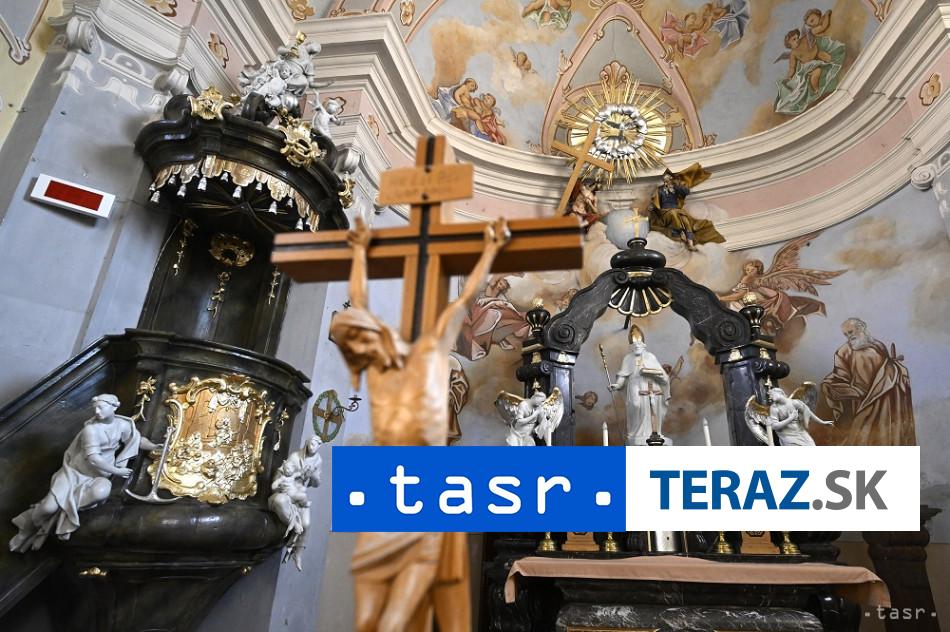
Christians across Slovakia are celebrating the feast day of Saints Peter and Paul, two of the most prominent apostles in Christian tradition. Catholic churches throughout the country are holding special masses dedicated to their memory, honoring their roles in the founding and spread of early Christianity.

|