Dávka - Your daily dose of Slovak news
Last refreshed: 27/07/2026 17:42 · 75 articles added
Stories are refreshed at 05:30, 10:30, 15:30, and 21:30 UTC.

International Politics

View all3270 stories
International Politics

EU Opens Talks With Taliban in Brussels Over Deportation of Afghan Migrants

The European Commission hosted a Taliban delegation in Brussels to negotiate the deportation of Afghan nationals who do not have the right to remain in European Union countries, a move that has drawn sharp criticism from human rights organizations. The meeting marks a significant and controversial shift in EU policy toward Afghanistan. Since the Taliban seized control of Afghanistan in August 2021, the militant Islamist movement has not been recognized as a legitimate government by any EU member state. Despite this, the European Commission — the EU's executive body responsible for implementing bloc-wide policy — opened direct talks with Taliban representatives in pursuit of agreements that would allow member states to return Afghan migrants and asylum seekers whose applications have been rejected. Human rights activists reacted with strong opposition to the discussions, arguing that returning Afghans to Taliban-controlled Afghanistan puts them at serious risk of persecution, particularly women, journalists, former government workers, and members of minority groups. Since retaking power, the Taliban has imposed severe restrictions on women's rights, banned girls from secondary and higher education, and carried out reported reprisals against those associated with the previous Western-backed government. Critics warn that any deportation deal struck with the Taliban would effectively legitimize the regime while endangering the lives of those returned.
|
International Politics

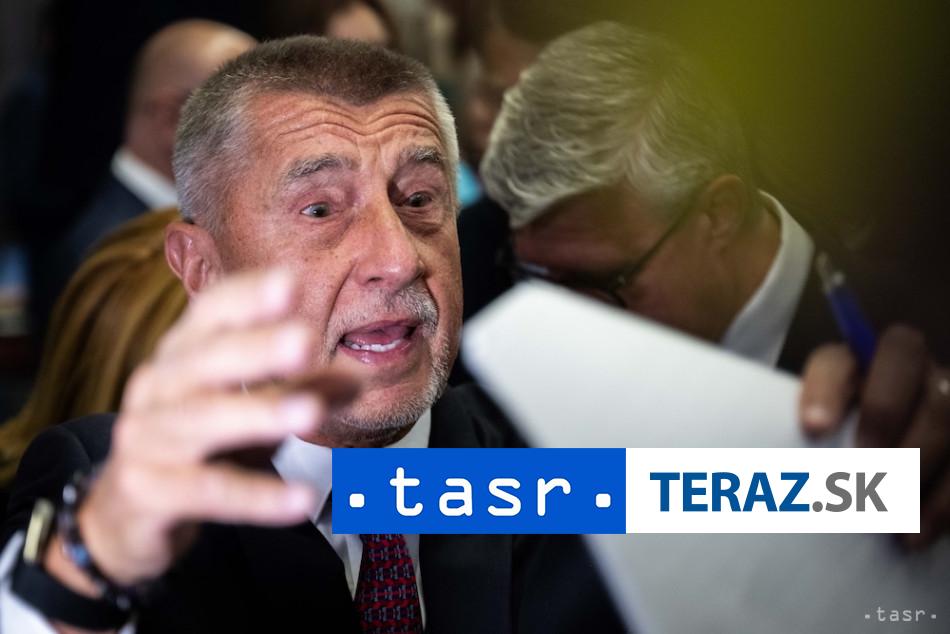
Czech PM Babiš to Lead NATO Summit Delegation After Dispute with President

The Czech government has resolved a months-long standoff with President Petr Pavel by deciding that Prime Minister Andrej Babiš will lead the Czech delegation to the NATO summit in Ankara in July. The delegation will also include the ministers of defense and foreign affairs. Babiš, whose ANO party leads the Czech coalition government, commented on the dispute — which had escalated to a formal legal complaint — saying he had expected the president to rise above the conflict. In Czech constitutional practice, foreign representation has traditionally been a shared competence between the president and the government, and disputes over who leads delegations to major international summits have been a recurring source of tension between the two offices. The Ankara summit will bring together leaders from all 32 NATO member states, making the question of who speaks for the Czech Republic a matter of some diplomatic significance.

|
International Politics

Czech PM Babiš Credits Slovak Foreign Minister Magyar for Reviving V4 Group Contacts

Czech Prime Minister Andrej Babiš said the Visegrád Four regional grouping may be returning to active cooperation, crediting Slovak Foreign Minister Juraj Magyar with helping to intensify contacts among the member states. The Visegrád Four, known as V4, is a political and cultural alliance of four Central European countries — Slovakia, the Czech Republic, Poland, and Hungary — that coordinates on EU policy and regional issues. The group has faced internal tensions in recent years, partly due to differing positions on the war in Ukraine and relations with Russia. Babiš noted that leaders of the V4 countries had already met informally last week in Brussels on the sidelines of a European Council summit. He added that he hopes Poland will also play an active role in the platform going forward, suggesting Polish engagement has been uncertain.

|
International Politics

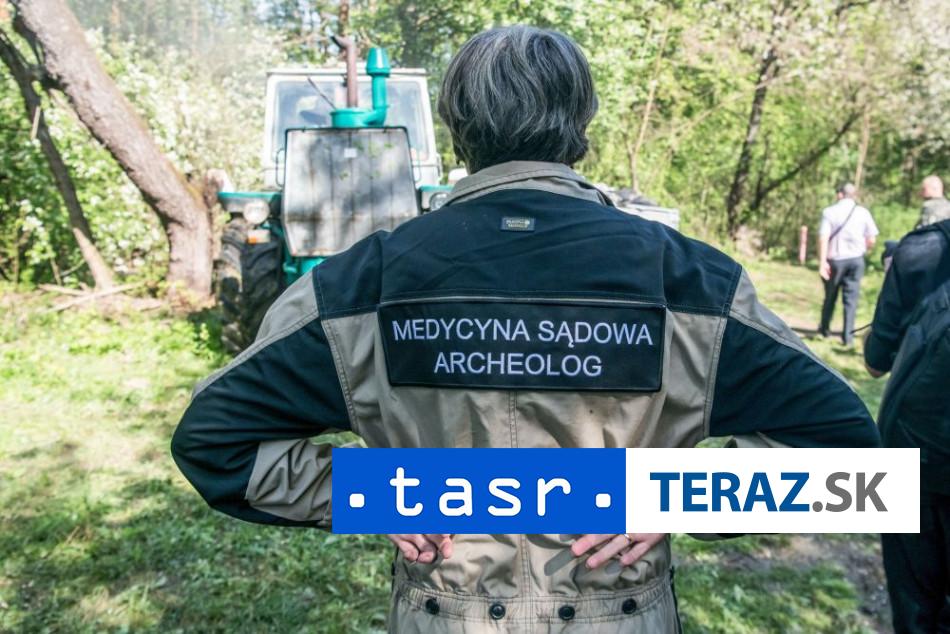
Hungarian Nurse Arrested for Collecting Human Remains, Including Graves Exhumed in Slovakia

Hungarian police have arrested a nurse from Budapest who allegedly spent years collecting human body parts taken from hospitals and graves in both Hungary and Slovakia. The suspect, a healthcare worker, is accused of exhuming human remains from cemeteries across the border in Slovakia as well as obtaining body parts from medical facilities in Hungary. The case has drawn significant attention due to its disturbing nature and its cross-border dimensions, implicating sites on Slovak territory. Slovak and Hungarian authorities are expected to cooperate as the investigation continues.

|
International Politics

Hungary's Magyar Says Shared History Outweighs Tensions with Slovakia at Central European Summit

Hungarian opposition leader Péter Magyar declared that despite ongoing disagreements between Hungary and Slovakia, the two countries' shared historical ties remain too significant to be overshadowed by current disputes. Magyar made the remarks at a summit held in Gödöllő, a town near Budapest in Hungary. Magyar, who leads the Tisza party — the main opposition force challenging Prime Minister Viktor Orbán's long-ruling Fidesz government — emphasized that Hungary's core interest lies in fostering coordinated action among Central European nations. He specifically highlighted the need for joint efforts on strategic investments, the development of north-south infrastructure corridors, and strengthening the overall competitiveness of the Central European region. The summit underscores ongoing efforts to build regional cooperation in Central Europe at a time when relations between Budapest and Bratislava have been strained, partly due to differing positions on the war in Ukraine and Hungary's controversial foreign policy stance within the European Union.

|
International Politics

Hungary's Magyar Acknowledges Disputes with Slovakia but Vows to Revive V4 Cooperation

Hungarian Prime Minister Péter Magyar said ahead of a Visegrád Group summit that his goal is to pull Central European cooperation out of what he described as a historic low reached under his predecessor Viktor Orbán. The Visegrád Group, known as V4, is a regional alliance of four Central European nations — Hungary, Slovakia, Poland, and the Czech Republic — that coordinates on political, economic, and cultural matters. Magyar openly acknowledged ongoing disagreements with Slovakia over the treatment of the ethnic Hungarian minority living in southern Slovakia, a long-standing source of tension between the two neighboring countries. However, he stressed that shared history, geography, and common interests ultimately bind the two countries together and should form the basis for renewed cooperation. Magyar, who defeated longtime strongman Viktor Orbán in recent Hungarian elections, has signaled a broader shift in Hungarian foreign policy, including a move away from Orbán's adversarial stance toward EU institutions and regional partners. The summit represents an early test of whether Magyar can restore trust and momentum within the V4 framework, which had been weakened during the Orbán era by Hungary's isolation within the European Union over rule-of-law disputes.

|
International Politics

Visegrád Four Leaders to Hold First Official Summit in Two Years

The prime ministers of the four Central European nations that make up the Visegrád Group — Slovakia, Hungary, Czech Republic, and Poland — will meet in Hungary on Tuesday for their first official summit in two years. Hungary's new Prime Minister Péter Magyar will host the gathering in Budapest and the nearby town of Gödöllő, welcoming Slovakia's Robert Fico, Czech Republic's Andrej Babiš, and Poland's Donald Tusk. The aim of the meeting is to restore the political weight of the grouping within the European Union. The Visegrád Four, or V4, is a regional alliance formed in 1991 to coordinate policy and promote cooperation among the four neighboring Central European states. The bloc has at times been a significant voice in EU affairs, though political differences among its members — particularly on issues such as migration, rule of law, and the war in Ukraine — have strained cohesion in recent years, contributing to the two-year gap in formal summits.

|
International Politics

Zelensky Cancels Last-Minute Meeting with Polish President Over Military Unit Naming Dispute

Ukrainian President Volodymyr Zelensky abruptly cancelled a planned in-person meeting with Polish President Karol Nawrocki last week, citing a diplomatic dispute over the naming of a Ukrainian military unit. According to Rafal Leskiewicz, the spokesman for the Polish president, Kyiv withdrew from the previously agreed meeting after Warsaw refused to back down from its firm stance on Ukraine's recent renaming of one of its military units. The cancellation highlights underlying tensions between the two neighboring countries, which are otherwise close allies — Poland has been one of Ukraine's strongest supporters since Russia's full-scale invasion in February 2022, providing military aid, weapons, and refuge to millions of Ukrainian civilians. The naming dispute appears to touch on sensitive historical grievances between Poland and Ukraine, which have periodically strained bilateral relations even amid wartime solidarity. No new date for the meeting has been announced.

|
International Politics

Former Slovak Diplomat Warns of Serbian-Russian 'Hybrid War' Against Montenegro

Former Slovak diplomat František Lipka, who led the international commission overseeing Montenegro's 2006 independence referendum, has warned that Serbia and Russia are jointly conducting a hybrid war against Montenegro, drawing a direct parallel between Serbia's concept of a 'Serbian world' and Vladimir Putin's ideological framework of a 'Russian world' — a doctrine used to justify Russian interference in neighboring states. Lipka, a seasoned diplomat and Slavic languages scholar who has translated nearly 30 books from South Slavic literatures, served as Slovakia's ambassador to Yugoslavia, France, and Belgium. Twenty years ago, in May 2006, he chaired the commission responsible for organizing Montenegro's independence referendum, a pivotal moment in the Western Balkans at a time when the risk of civil conflict — as had occurred in Croatia and Bosnia and Herzegovina — loomed large. Both blocs in the referendum, the pro-independence camp and the pro-union side, were deeply divided. The warning carries broader geopolitical significance. The concept of a 'Russian world' has been used by the Kremlin to assert cultural and political influence over Russian-speaking populations in neighboring countries, and critics argue Serbia's analogous 'Serbian world' doctrine similarly seeks to extend Belgrade's influence over Serb communities across the Western Balkans, including in Montenegro, Bosnia, and Kosovo. Montenegro, which joined NATO in 2017, has faced sustained political pressure and destabilization efforts linked to pro-Serbian and pro-Russian factions operating within the country.

|
International Politics

Slovakia and Romania Lead Push to Reduce EU Protections for Brown Bears

A group of European Union member states has formally called on Brussels to lower the protected status of brown bears and ease hunting restrictions, citing a sharp rise in bear populations and increasing attacks on people and livestock. The appeal was made in a joint letter initiated by Slovakia and Romania and backed by the Czech Republic, Finland, and Croatia. The signatories argue that growing bear numbers have led to a surge in dangerous encounters with humans and damage to farm animals, making the current level of legal protection unsustainable. Brown bears are currently listed under the EU's Habitats Directive, which grants them strict protection and severely limits culling or hunting. Calls to revise these rules have grown louder in recent years across Central and Eastern Europe, where bear populations have expanded significantly. The letter represents a coordinated diplomatic push to persuade the European Commission, the EU's executive body, to amend the rules governing bear management across the bloc.

|
International Politics

Belgium Issues Visas to Taliban Delegation for EU Migration Talks in Brussels

Belgium has granted visas to a Taliban delegation set to travel to Brussels for discussions with European Union officials on migration. The Taliban representatives were expected to arrive in the Belgian capital on Tuesday, according to sources familiar with the preparations cited by the Euractiv news portal. The meeting marks a rare instance of direct engagement between EU institutions and the Taliban, the Islamist movement that seized control of Afghanistan in 2021 following the withdrawal of U.S. and NATO forces. Migration is a central concern for EU member states, as Afghanistan remains one of the top countries of origin for asylum seekers arriving in Europe. Brussels has sought to address irregular migration flows partly by engaging with origin and transit countries, even where formal diplomatic recognition is absent. The decision to issue visas to Taliban officials is likely to draw scrutiny from human rights advocates, given the Taliban government's severe restrictions on civil liberties — particularly its near-total ban on women's education and public life. The EU does not formally recognize the Taliban as the legitimate government of Afghanistan, making the Brussels visit a sensitive diplomatic undertaking with significant implications for how Europe manages its relationship with Kabul.

|
International Politics

ECB Chief Says Eurozone Inflation Under Control After US-Iran Memorandum

European Central Bank President Christine Lagarde assured lawmakers that inflation in the eurozone is under control, citing a significant drop in prices following the signing of a memorandum of understanding between the United States and Iran. Speaking before the European Parliament, the legislative body of the European Union, Lagarde pointed to the US-Iran agreement as a key factor behind easing price pressures across the currency bloc. The signing of the memorandum between Tehran and Washington has had broader economic implications, contributing to shifts in energy and commodity markets that have helped bring inflation down across the 20-nation eurozone.

|
International Politics

Ukraine Has Not Restricted Exhumations of Volhynia Massacre Victims, Polish Official Says

Ukraine has not placed any restrictions on the exhumation of Polish victims of the Volhynia Massacre, a Polish official has confirmed, with no signs that Kyiv intends to reimpose such limits. The statement came from Adamski, a Polish official involved in Polish-Ukrainian historical reconciliation efforts, who indicated that the exhumation process — allowing Poland to recover and identify the remains of victims killed in one of World War II's most painful episodes — is continuing without obstruction from Ukrainian authorities. The Volhynia Massacre, carried out primarily in 1943–1944 in what is now western Ukraine, saw the Ukrainian Insurgent Army (UPA) kill an estimated 50,000 to 100,000 ethnic Poles in the Volhynia and Eastern Galicia regions. The atrocity remains one of the most sensitive historical issues between Poland and Ukraine, with Poland having long pressed for full acknowledgment, access to burial sites, and the right to exhume and repatriate the remains of victims. Ukraine had previously imposed restrictions on such exhumations, which had strained bilateral relations. The issue carries particular geopolitical weight given the ongoing war in Ukraine and the critical role Poland plays as one of Kyiv's most important allies and a key transit hub for Western military aid. Any deterioration in Polish-Ukrainian relations over historical disputes could complicate broader European solidarity with Ukraine, making continued cooperation on the exhumation question diplomatically significant.

|
International Politics

Czech President Pavel Barred from NATO Summit as Government Sends Babiš Instead

Czech President Petr Pavel will not attend the upcoming NATO summit in Ankara, Turkey, after the Czech government decided to send Prime Minister Andrej Babiš to lead the delegation instead. Babiš will be accompanied by the ministers of defense and foreign affairs. The decision highlights a significant political rift within the Czech Republic between the president and the government. Pavel, a former NATO general and vocal supporter of Ukraine, has been at odds with Babiš, whose government has taken a more cautious stance on several foreign policy issues. In most parliamentary democracies, heads of government rather than heads of state lead delegations to international summits, but the move is seen as a pointed snub given Pavel's military background and strong ties to the Atlantic alliance. The Ankara summit, scheduled for July, is considered a key meeting for the alliance, with major issues including continued support for Ukraine and defense spending commitments expected to dominate the agenda. The exclusion of President Pavel — one of NATO's most prominent advocates among European heads of state — from the summit is likely to fuel ongoing tensions between the Czech presidency and the Babiš-led cabinet.

|
International Politics

Croatia to Expand LNG Terminal Pipeline Capacity on Krk Island

Croatia plans to significantly boost the pipeline infrastructure connected to its liquefied natural gas (LNG) terminal on the island of Krk, increasing its capacity to handle up to 6.1 billion cubic meters of gas per year. The terminal, located at Omišalj on Krk island in the northern Adriatic, serves as a key energy hub for Central and Eastern Europe, allowing the region to import LNG from global markets — including from the United States and the Middle East — as an alternative to Russian pipeline gas. The expansion of pipeline connections from the terminal would allow greater volumes of gas to flow inland to countries including Slovakia, Austria, Hungary, and Slovenia. The move is part of broader European Union efforts to diversify energy supplies and reduce dependence on Russian natural gas following Russia's invasion of Ukraine in 2022, which prompted the EU to accelerate the development of alternative import infrastructure. For landlocked Slovakia, which relies heavily on gas imports, increased capacity at the Krk terminal represents a meaningful step toward greater energy security.

|
International Politics

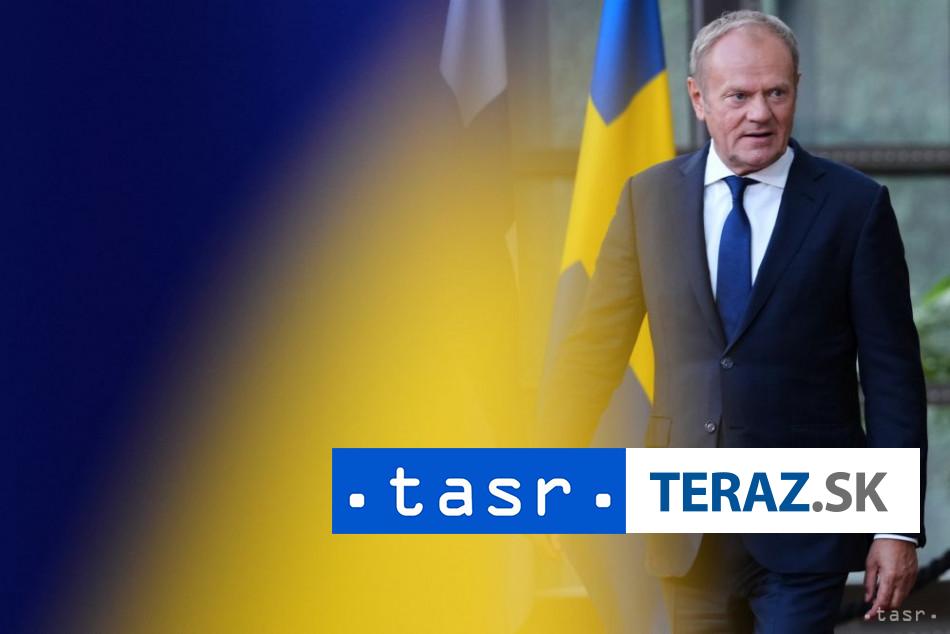
Poland's Tusk Calls Polish-Ukrainian Political Conflict a Mistake After Nawrocki Strips Zelensky of Top Honor

Polish Prime Minister Donald Tusk has declared that the ongoing conflict between Polish and Ukrainian politicians is a mistake, as tensions between the two neighboring countries escalated sharply. The dispute came to a head when Poland's newly elected President Karol Nawrocki formally stripped Ukrainian President Volodymyr Zelensky of the Order of the White Eagle, Poland's highest state honor. The move marked a significant diplomatic rupture between two countries that have otherwise been close allies since Russia's full-scale invasion of Ukraine in 2022, with Poland serving as one of Ukraine's most important supporters in Europe. The public clash between Nawrocki, a conservative nationalist who won Poland's presidential election in 2025, and Zelensky reflects a broader tension that has periodically strained Polish-Ukrainian relations, including disputes over historical memory, grain imports, and the treatment of Ukrainian migrants in Poland. Tusk, whose centrist coalition government is frequently at odds with Nawrocki on domestic and foreign policy matters, distanced himself from the presidential decision, signaling that Poland's government remains committed to supporting Ukraine despite the diplomatic friction.

|
International Politics

Panama Backs Slovakia's Bid for UN Security Council Seat

Slovakia has secured Panama's support for its candidacy to the United Nations Security Council, with the two countries formalizing the endorsement by signing a memorandum of understanding. The Security Council is the UN's most powerful body, responsible for matters of international peace and security, and non-permanent seats on it are highly sought after by member states. Slovakia is campaigning for one of the rotating non-permanent seats, which are filled through elections among UN member states grouped by regional bloc. Panama's backing represents a diplomatic win for Bratislava as it works to build the broad international support needed to secure election to the council.

|
International Politics

Visegrád Four Cooperation Resumed, Hungary's PM Magyar Says

The prime ministers of the four Visegrád Group countries met on the sidelines of a European Council summit in Brussels on Thursday, with Hungarian Prime Minister Péter Magyar declaring that cooperation within the bloc had been renewed. The Visegrád Group, commonly known as V4, is a political and cultural alliance of four Central European EU member states — Slovakia, Hungary, Poland, and the Czech Republic — that coordinates on regional policy, EU affairs, and shared interests. The grouping had faced strains in recent years due to political differences among its members, particularly over issues such as the war in Ukraine and relations with Russia. The meeting on the margins of the EU leaders' summit signals a potential realignment among the four countries, though the scope and depth of any renewed cooperation remains to be seen.

|
International Politics

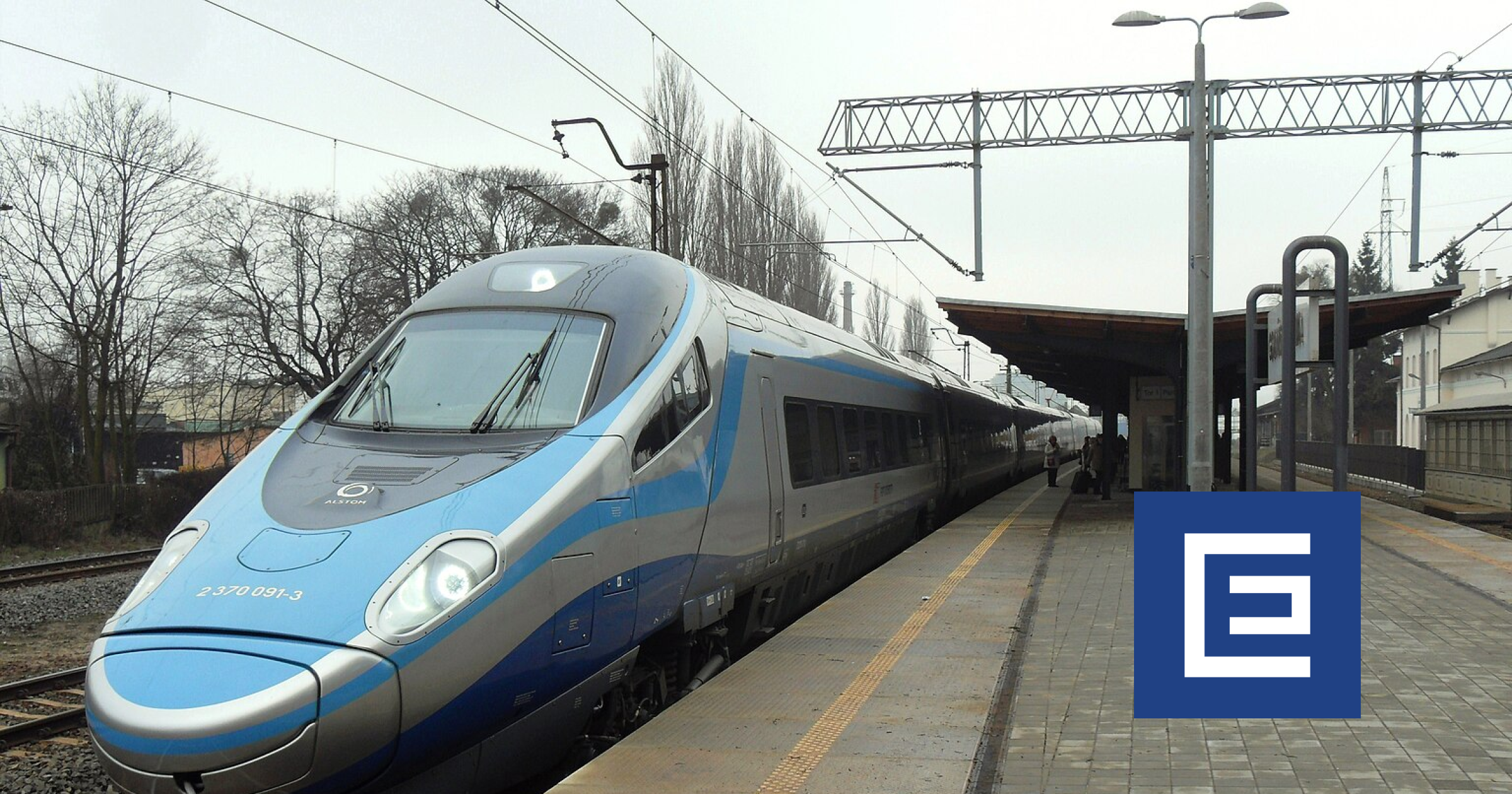
Poland Plans Massive Rail Expansion, Leaving Slovakia Behind on Cross-Border Connectivity

Poland has unveiled an ambitious rail infrastructure program that highlights the growing gap between the two neighboring countries' approaches to railway development. Poland's Ministry of Infrastructure announced its Integrated Rail Network plan this week, outlining the construction of 4,700 kilometers of new rail lines by 2050, including approximately 2,700 kilometers of high-speed rail and the modernization of around 5,600 kilometers of existing track. Some 1,000 kilometers of new lines are set to open by 2035. The scale of Poland's planned investment dwarfs Slovakia's own rail development ambitions. Slovakia, which shares a northern border with Poland, has long struggled with underinvestment in its railway network, and the Polish announcement throws that contrast into sharp relief. Critics have pointed out that Slovakia has failed to keep pace with infrastructure development occurring just across its border. Railway connectivity between Central European neighbors is increasingly seen as vital for economic integration, regional mobility, and reducing dependence on road transport. Slovakia's slow progress on cross-border and domestic rail modernization raises concerns about the country's long-term competitiveness and its ability to attract investment and ease passenger travel within the broader region.

|
International Politics

Fico and Babiš Push Visegrád Pact That Serves Their Interests, Not Their Nations'

Slovak Prime Minister Robert Fico and Czech former prime minister Andrej Babiš are promoting a revived Visegrád alignment that critics argue serves the political interests of its populist leaders rather than the broader national interests of their countries. The Visegrád Group — an informal alliance of four Central European nations, Slovakia, the Czech Republic, Poland, and Hungary, formed after the fall of communism to coordinate regional cooperation and European integration — has increasingly become a vehicle for leaders with nationalist and Eurosceptic leanings to coordinate political messaging against mainstream EU positions. The push comes amid tensions between the Fico government and Hungarian opposition politician Péter Magyar, who has emerged as a significant challenger to Hungarian Prime Minister Viktor Orbán and has drawn attention across the region. Magyar's rise has complicated the political landscape for populist leaders who have cultivated close ties with Orbán's government in Budapest. Critics argue that the Visegrád pact being promoted by Fico and Babiš prioritizes the political survival of its proponents over genuine regional cooperation. Fico, leader of the left-nationalist Smer-SD party and Slovakia's dominant political figure, has steered Slovak foreign policy in a direction broadly sympathetic to Hungary's illiberal governance model. Babiš, leader of the ANO movement in the Czech Republic, shares a similar populist profile. The alignment between the two leaders raises concerns among pro-EU voices in both countries that the Visegrád framework is being instrumentalized for domestic political purposes ahead of forthcoming electoral contests.

|