Dávka - Your daily dose of Slovak news
Last refreshed: 28/07/2026 05:39 · 38 articles added
Stories are refreshed at 05:30, 10:30, 15:30, and 21:30 UTC.

International Politics

View all3273 stories
International Politics

Visegrád Four Cooperation Resumed, Hungary's PM Magyar Says

The prime ministers of the four Visegrád Group countries met on the sidelines of a European Council summit in Brussels on Thursday, with Hungarian Prime Minister Péter Magyar declaring that cooperation within the bloc had been renewed. The Visegrád Group, commonly known as V4, is a political and cultural alliance of four Central European EU member states — Slovakia, Hungary, Poland, and the Czech Republic — that coordinates on regional policy, EU affairs, and shared interests. The grouping had faced strains in recent years due to political differences among its members, particularly over issues such as the war in Ukraine and relations with Russia. The meeting on the margins of the EU leaders' summit signals a potential realignment among the four countries, though the scope and depth of any renewed cooperation remains to be seen.
|
International Politics

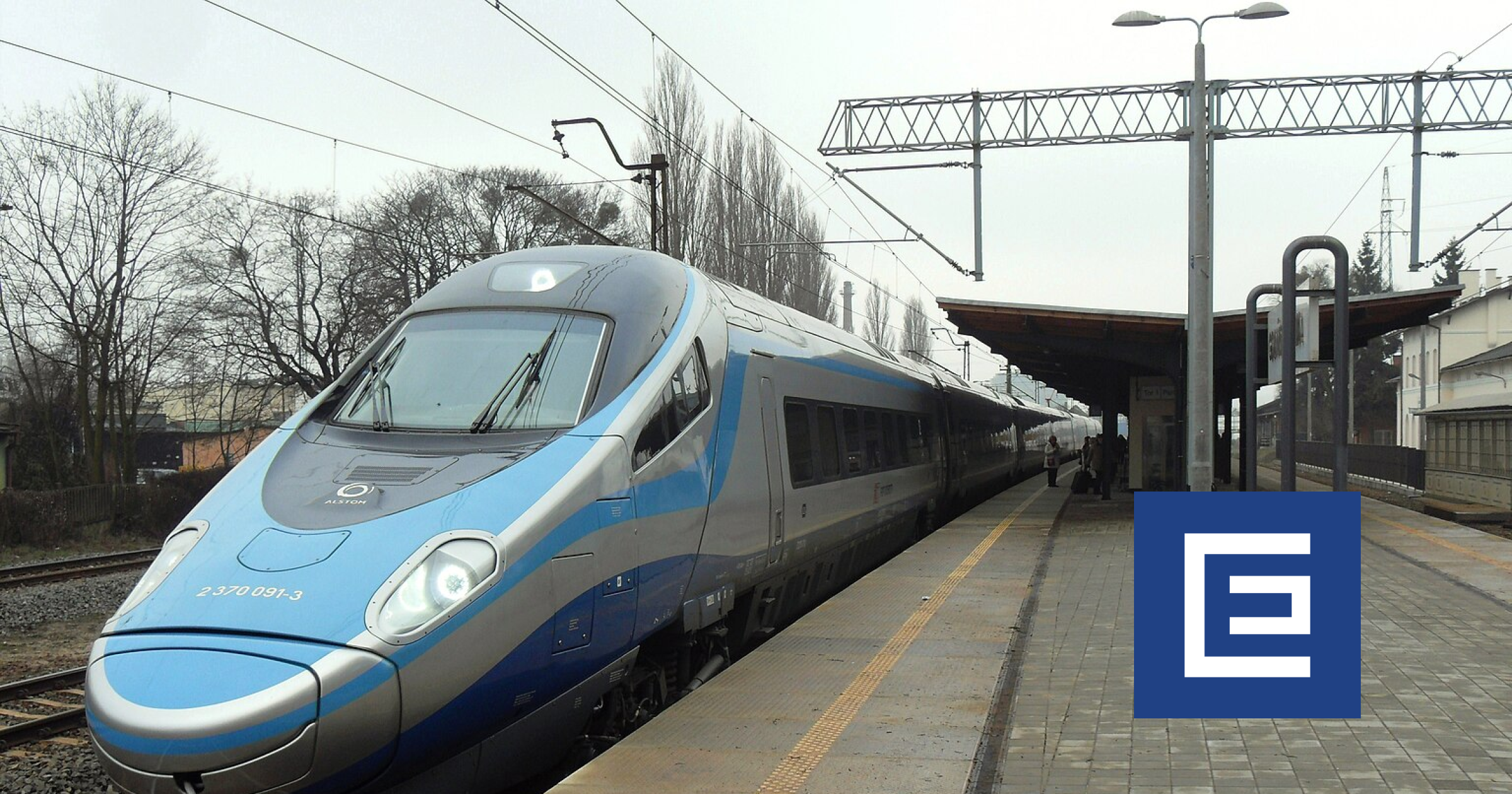
Poland Plans Massive Rail Expansion, Leaving Slovakia Behind on Cross-Border Connectivity

Poland has unveiled an ambitious rail infrastructure program that highlights the growing gap between the two neighboring countries' approaches to railway development. Poland's Ministry of Infrastructure announced its Integrated Rail Network plan this week, outlining the construction of 4,700 kilometers of new rail lines by 2050, including approximately 2,700 kilometers of high-speed rail and the modernization of around 5,600 kilometers of existing track. Some 1,000 kilometers of new lines are set to open by 2035. The scale of Poland's planned investment dwarfs Slovakia's own rail development ambitions. Slovakia, which shares a northern border with Poland, has long struggled with underinvestment in its railway network, and the Polish announcement throws that contrast into sharp relief. Critics have pointed out that Slovakia has failed to keep pace with infrastructure development occurring just across its border. Railway connectivity between Central European neighbors is increasingly seen as vital for economic integration, regional mobility, and reducing dependence on road transport. Slovakia's slow progress on cross-border and domestic rail modernization raises concerns about the country's long-term competitiveness and its ability to attract investment and ease passenger travel within the broader region.

|
International Politics

Fico and Babiš Push Visegrád Pact That Serves Their Interests, Not Their Nations'

Slovak Prime Minister Robert Fico and Czech former prime minister Andrej Babiš are promoting a revived Visegrád alignment that critics argue serves the political interests of its populist leaders rather than the broader national interests of their countries. The Visegrád Group — an informal alliance of four Central European nations, Slovakia, the Czech Republic, Poland, and Hungary, formed after the fall of communism to coordinate regional cooperation and European integration — has increasingly become a vehicle for leaders with nationalist and Eurosceptic leanings to coordinate political messaging against mainstream EU positions. The push comes amid tensions between the Fico government and Hungarian opposition politician Péter Magyar, who has emerged as a significant challenger to Hungarian Prime Minister Viktor Orbán and has drawn attention across the region. Magyar's rise has complicated the political landscape for populist leaders who have cultivated close ties with Orbán's government in Budapest. Critics argue that the Visegrád pact being promoted by Fico and Babiš prioritizes the political survival of its proponents over genuine regional cooperation. Fico, leader of the left-nationalist Smer-SD party and Slovakia's dominant political figure, has steered Slovak foreign policy in a direction broadly sympathetic to Hungary's illiberal governance model. Babiš, leader of the ANO movement in the Czech Republic, shares a similar populist profile. The alignment between the two leaders raises concerns among pro-EU voices in both countries that the Visegrád framework is being instrumentalized for domestic political purposes ahead of forthcoming electoral contests.

|
International Politics

Slovakia's Interests Poorly Served by Visegrád Alignment With Fico and Babiš, Analyst Warns

A commentary published in the Slovak daily SME argues that the current direction of the Visegrád Group — the regional alliance of Slovakia, the Czech Republic, Hungary, and Poland — does not serve Slovak national interests. The piece centers on the political dynamics between Slovak Prime Minister Robert Fico, Hungarian opposition leader Péter Magyar, and former Czech Prime Minister Andrej Babiš, suggesting that the alignment forming around these figures within the Visegrád framework is misaligned with what Slovakia actually needs from regional cooperation. The Visegrád Group, often referred to as V4, was established in 1991 to coordinate political and economic cooperation among Central European countries as they transitioned from communist rule and sought European integration. While it has historically served as a platform for shared regional interests within the EU, critics argue it has increasingly become a vehicle for populist and sovereigntist politics, particularly under the influence of Hungary's Viktor Orbán. Fico, who leads the left-nationalist Smer-SD party and returned to power in Slovakia in 2023, has drawn closer to Orbán's political orbit, raising concerns among pro-European voices in Slovakia. Babiš, leader of the Czech ANO movement, similarly represents a populist strand of Central European politics. The commentary reflects a broader debate within Slovakia about whether the country's partnership with Hungary and like-minded governments advances or undermines its standing in the European Union and its long-term strategic interests.

|
International Politics

Zelensky Returns Poland's Highest State Honor Amid Historical Dispute Over WWII-Era Massacre Perpetrators

Ukrainian President Volodymyr Zelensky has returned Poland's highest state honor, the Order of the White Eagle, to Polish President Karol Nawrocki, deepening a diplomatic rift between the two wartime allies. The Ukrainian side sent back the decoration — awarded to Zelensky in 2023 — on Saturday in response to Polish objections over Ukraine's recent glorification of fighters from the Ukrainian Insurgent Army, known by its Ukrainian acronym UPA. The dispute was triggered after members of the UPA were declared heroes by Ukrainian authorities in May, a move Poland firmly rejected due to the group's historical role in the massacre of tens of thousands of Polish civilians during World War II. The UPA, a Ukrainian nationalist paramilitary force active primarily in the 1940s, is credited by some Ukrainians as a symbol of resistance against Soviet and Nazi occupation, but is regarded in Poland as responsible for ethnic cleansing of Poles in the Volhynia region — one of the most sensitive historical grievances between the two nations. The return of the decoration marks a significant cooling in relations between Poland and Ukraine, two countries that have otherwise maintained close ties since Russia's full-scale invasion of Ukraine in 2022, with Poland serving as one of Kyiv's most important political and logistical supporters.

|
International Politics

UN Human Rights Commissioner Raises Alarm Over New EU Migration Rules

The United Nations High Commissioner for Human Rights, Volker Türk, has expressed concern over newly adopted European Union migration regulations, warning that they may conflict with established international law. Türk stressed that international legal standards are unambiguous when it comes to deportations and the forced return of migrants, implying that some provisions of the new EU rules could place member states in violation of their international obligations. The EU has in recent years moved to tighten its migration and asylum framework, facing pressure from member governments — including Slovakia — to reduce irregular arrivals and accelerate returns of those denied asylum. Human rights bodies have repeatedly cautioned that stricter enforcement measures must not come at the expense of protections guaranteed under international refugee and human rights law, including the principle of non-refoulement, which prohibits returning individuals to countries where they face serious harm.

|
International Politics

Slovak FM: Poland Should Have a Seat at the Table in Ukraine Peace Talks

European leaders failed to reach a consensus this week on whether to open contacts with Russia, as debate over Ukraine peace negotiations continues to divide the European Union. Slovak Foreign Minister Juraj Siroski called for Poland to be included in any future talks concerning Ukraine, arguing that Warsaw deserves a place at the negotiating table given its direct stake in the conflict's outcome. The remarks came on the sidelines of a European Council summit — the EU's top decision-making body, composed of heads of state and government — where the question of potential engagement with Moscow proved deeply contentious. Poland, which shares a border with both Ukraine and the Russian enclave of Kaliningrad, has been one of the most vocal advocates for strong Western support for Ukraine and has significantly expanded its own military capacity since Russia's full-scale invasion in February 2022. The lack of European unity on how to approach Russia underscores the broader diplomatic tensions within the bloc as the war in Ukraine continues into its fourth year.

|
International Politics

Ukraine's Presidential Office Chief Budanov to Return Polish State Honor

Kyrylo Budanov, the head of Ukraine's presidential office, announced he will return a state decoration awarded by Poland, joining a broader Ukrainian response to a recent decision by Polish President Karol Nawrocki. The move follows Nawrocki's decision that prompted Ukrainian officials to renounce their Polish honors in protest. Nawrocki, who took office as Poland's president in May 2025, made a ruling or statement that Ukrainian officials deemed offensive or politically objectionable, triggering the symbolic diplomatic gesture. The returns of state decorations reflect underlying tensions between Ukraine and Poland — two countries that are otherwise close allies, with Poland being one of Ukraine's strongest supporters since Russia's full-scale invasion began in February 2022. Such public renunciations of honors are rare and signal a notable strain in bilateral relations at a sensitive time for Ukraine as it continues to fight the ongoing war with Russia.

|
International Politics

Slovak Foreign Minister Travels to Panama for Bilateral Talks

Slovak Foreign Minister Juraj Blanár is undertaking an official working visit to Panama, where he will hold talks with his Panamanian counterpart, Foreign Minister Javier Martínez-Acha Vásquez. The meeting is part of a structured diplomatic program aimed at developing bilateral relations between the two countries. Blanár serves as Slovakia's top diplomat under the government of Prime Minister Robert Fico, whose Smer-SD party leads the ruling coalition in Bratislava.

|
International Politics

Polish President Strips Zelensky of Poland's Highest Honor Over Ukrainian Nationalist Decree

Polish President Karol Nawrocki has decided to revoke Ukrainian President Volodymyr Zelensky's Order of the White Eagle, Poland's highest state decoration, in a significant diplomatic rift between the two neighboring wartime allies. The decision follows Zelensky's signing of a decree in May officially recognizing the Ukrainian Insurgent Army — known by its Ukrainian acronym UPA — as 'heroes' of Ukraine. In response to Nawrocki's move, Ukraine's Foreign Minister announced he would return his own Polish state decoration as a gesture of protest. The UPA is a deeply divisive historical organization: while celebrated by many Ukrainians as fighters for national independence, it is widely condemned in Poland for carrying out large-scale massacres of Polish civilians in Volhynia and Eastern Galicia during World War II, in which tens of thousands of Poles were killed. The episode marks a serious strain in Polish-Ukrainian relations at a time when both countries have been closely aligned over Russia's ongoing invasion of Ukraine, with Poland serving as one of Kyiv's most important supporters and transit hubs for military aid.

|
International Politics

Macron Criticizes EU Plans for Migrant Return Centers

French President Emmanuel Macron has come out against proposals to establish return centers for irregular migrants within the European Union, with Paris signaling it will oppose efforts to fund such facilities using the EU's shared budget. The centers, which would be used to hold and process migrants for deportation, have been proposed as part of broader EU efforts to tighten border controls and manage irregular migration. Macron's stance puts France at odds with proponents of the measure within the bloc, adding a significant voice of opposition to what has become one of the EU's most contentious policy debates. Migration policy has sharply divided EU member states in recent years, with some governments — particularly in Central and Eastern Europe — pushing for stricter enforcement, while others have raised concerns about legal and humanitarian standards.

|
International Politics

Hungarian Opposition Leader Magyar Says V4 Cooperation Benefits All Members

Péter Magyar, leader of Hungary's main opposition party Tisza, has argued that cooperation within the Visegrád Four (V4) grouping serves the interests of all member states. Magyar noted that the V4 — an alliance of four Central European nations comprising Hungary, Slovakia, the Czech Republic, and Poland — was once an influential bloc within the European Union. The grouping was historically effective at coordinating positions on EU policy, but its cohesion has weakened in recent years as member states have diverged on key issues, including responses to the war in Ukraine and relations with Russia. Magyar, who has emerged as the leading challenger to Hungarian Prime Minister Viktor Orbán ahead of upcoming elections, has positioned himself as a pro-European alternative, and his remarks suggest he would seek to revitalize regional cooperation if elected. His comments are significant for Slovakia, which under Prime Minister Robert Fico has also moved closer to Orbán's political positions, raising questions about the future direction of Central European regional politics.

|
International Politics

EU to Vote on New Passenger Rights Rules to Strengthen Claims Against Airlines

The European Parliament is set to vote in July on new rules that would make it easier for air passengers to claim compensation from airlines for flight cancellations and significant delays. Under the proposed legislation, passengers would have stronger protections when flights are cancelled shortly before departure or delayed by several hours — situations that currently leave many travelers with limited recourse. The new rules aim to address long-standing complaints about airlines making the compensation process difficult and time-consuming. The European Parliament, the directly elected legislative body of the European Union, has the power to adopt or reject the proposed regulation, which would apply across all EU member states including Slovakia.

|
International Politics

Irish PM Condemns Israel's Decision to Cut Contact with EU Foreign Policy Chief Kallas

Israel's decision to sever communication with the European Union's top diplomat has drawn sharp condemnation from European leaders at a summit in Brussels. Irish Prime Minister Micheál Martin publicly denounced the move as "absolutely unacceptable" during the second day of a European Council meeting, voicing strong support for Kaja Kallas, the EU's High Representative for Foreign Affairs and Security Policy. The dispute was triggered by Israeli Foreign Minister Gideon Saar's announcement that Israel would cut off all contact with Kallas. The European Council, the body that brings together the heads of government of EU member states, was holding its regular summit in Brussels when the controversy erupted. Kaja Kallas, the former Prime Minister of Estonia, took over as the EU's foreign policy chief in late 2024. The High Representative role makes her the principal diplomatic voice of the European Union on the world stage, meaning Israel's refusal to engage with her effectively amounts to a diplomatic boycott of EU foreign policy leadership. The move reflects deepening tensions between Israel and the European Union over the conflict in Gaza, with several EU member states having taken positions critical of Israeli military operations.

|
International Politics

EU Leaders Head Into Budget Showdown as Frugal Nations and Cohesion Allies Clash

European Union leaders are meeting in Brussels for a two-day summit where negotiations over the EU's long-term budget for 2028–2034 are among the central items on the agenda. The talks are expected to pit so-called 'frugal' member states — typically wealthier northern and western European countries that push for tighter EU spending — against 'cohesion' allies, which are generally less wealthy central and eastern European nations that rely heavily on EU structural and development funds to close economic gaps with richer members. Slovakia, as a country that has historically been a significant recipient of EU cohesion funding, has a direct stake in the outcome of these negotiations. The long-term EU budget, known as the Multiannual Financial Framework, sets the overall spending limits and priorities for the bloc over a seven-year period and shapes how much money flows to member states for infrastructure, agriculture, regional development, and other programmes.

|
International Politics

EU Council President Costa's Russia Contacts Draw Criticism at Summit

European Council President António Costa has drawn sharp criticism from EU leaders over his contacts with Russia, with German Chancellor Friedrich Merz making clear at a summit that Costa represents the European Union but is not a mediator between the bloc and Moscow. The rebuke signals growing unease among member states about the boundaries of Costa's diplomatic role at a time when the EU maintains a unified position of support for Ukraine and pressure on Russia over its ongoing invasion. Costa, who took office as European Council President in December 2024, chairs summits of EU heads of state and government and is meant to represent the bloc's collective positions externally — a role distinct from that of a peace broker or independent negotiator. The episode highlights internal EU tensions over how senior officials engage with Russia, as the bloc continues to navigate the delicate balance between keeping diplomatic channels open and maintaining a firm stance against Moscow.

|
International Politics

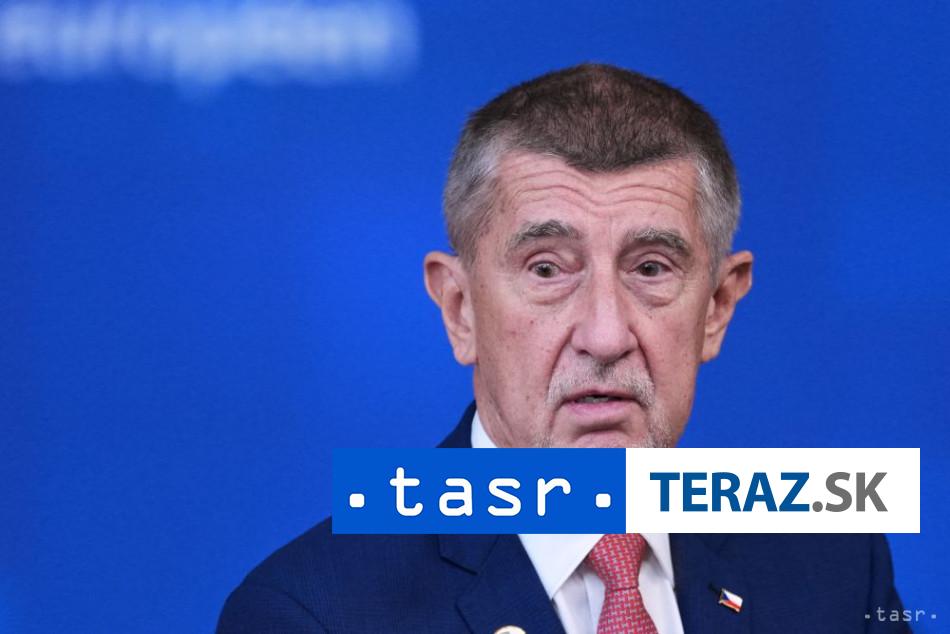
Czech PM Babiš: Ukraine Debate at Summit Was Long, With No Result

Czech Prime Minister Andrej Babiš described discussions about Ukraine at a recent European summit as lengthy but ultimately inconclusive. Babiš, whose ANO party leads the Czech government and whose Eurosceptic and pro-dialogue stance on the Ukraine conflict has drawn attention, noted that he had a firsthand perspective on the talks, as his seat at the summit table is next to French President Emmanuel Macron. The comment underscores ongoing divisions among European Union leaders over how to handle the war in Ukraine, with no clear consensus emerging from the gathering.

|
International Politics

Slovakia Among 19 EU States Calling for Migrant Deportation Centers

Slovakia has joined 18 other European Union member states in signing a letter to the European Council calling for the establishment of deportation centers for migrants. The joint letter, submitted to the EU's top decision-making body, urges the creation of facilities to hold and process migrants pending their removal from European territory. The move reflects growing pressure from a bloc of EU governments — spanning both eastern and western Europe — to take a harder line on irregular migration and accelerate the return of those denied the right to remain. Slovakia, governed by Prime Minister Robert Fico's Smer-SD party, a left-nationalist government that has consistently championed strict migration controls, is among the leading voices in the EU pushing for tougher enforcement measures. The proposal marks a significant escalation in the EU's internal debate over migration policy, as member states remain divided between those favoring stronger border controls and deportation mechanisms and those prioritizing humanitarian protections for asylum seekers.

|
International Politics

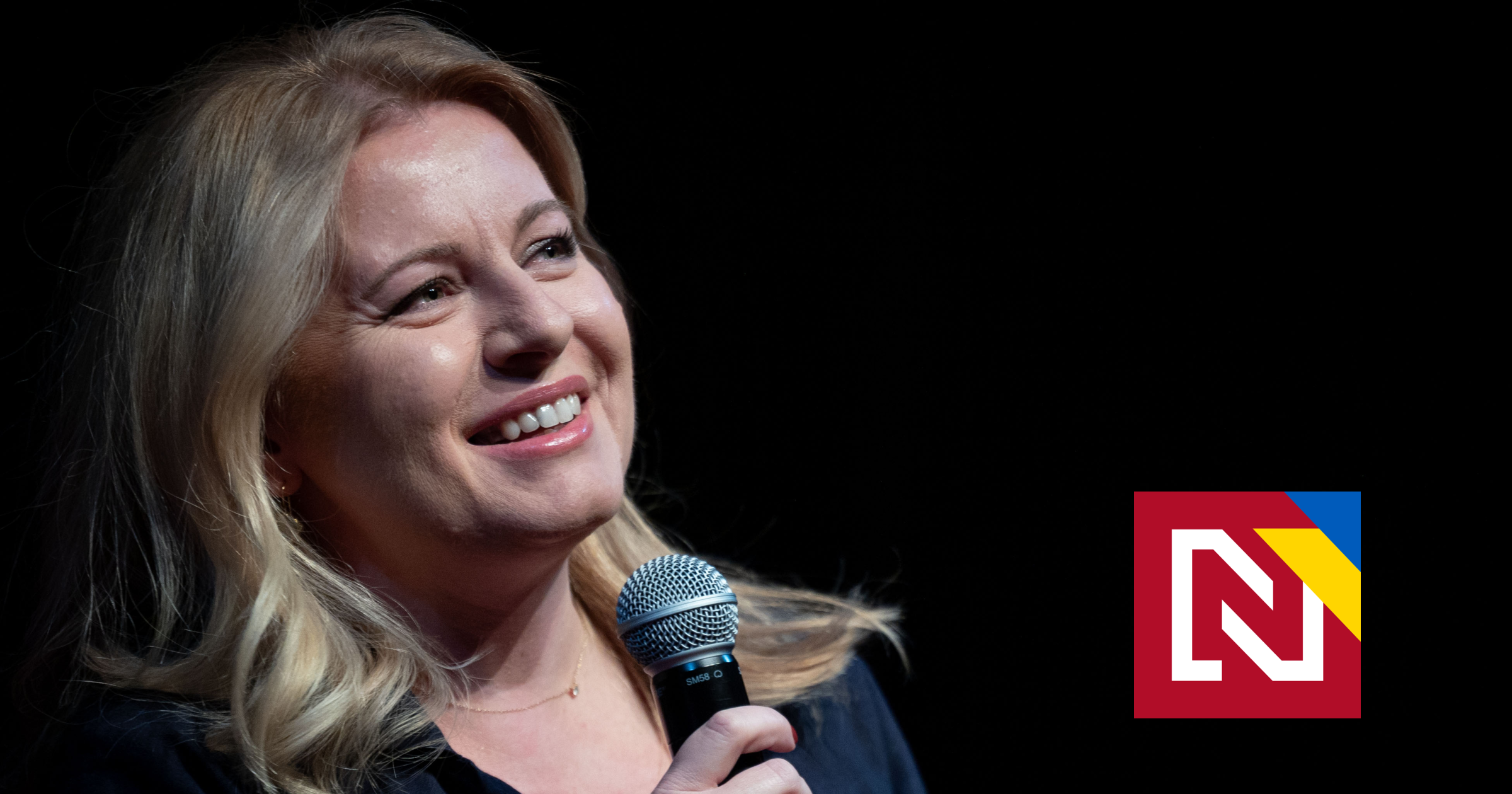
Former Slovak President Čaputová Receives Honorary Doctorate in Florence, Calls for Values in Difficult Times

Former Slovak President Zuzana Čaputová received an honorary doctorate from the European University Institute in Florence, using the occasion to deliver a speech on the importance of upholding democratic values under pressure. "Service to values is not a matter of circumstances. It is a matter of principle," Čaputová said in her address at the prestigious pan-European academic institution. She added that difficult times test values — and reveal them — and that power exposes who we truly are. Čaputová, a liberal pro-European figure who served as Slovakia's president from 2019 to 2024, was widely seen as a counterbalance to the government of Prime Minister Robert Fico, whose Smer-SD party has pursued a more nationalist and Russia-friendly course. Though she left office last year, she remains an influential voice in Slovak public life and a symbol of the country's pro-Western civic movement.

|
International Politics

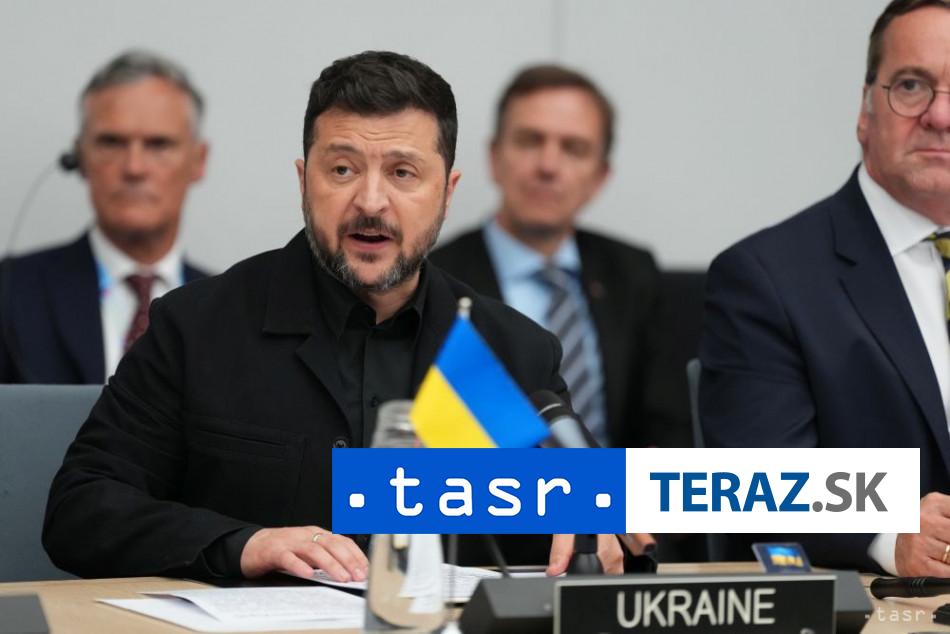
Zelensky Calls for Fast-Track EU Membership for Ukraine at Summit

Ukrainian President Volodymyr Zelensky argued at a European summit that accelerating Ukraine's accession to the European Union is essential to securing Europe's future. Zelensky stated that every democratic nation in Europe deserves EU membership, framing Ukraine's bid for fast-track entry as both a matter of principle and a strategic necessity for the continent's stability. Ukraine applied for EU membership shortly after Russia's full-scale invasion in February 2022 and was granted candidate status later that year, though full accession negotiations remain ongoing and face significant hurdles, including required reforms in areas such as rule of law and anti-corruption measures. Zelensky's remarks underscore Kyiv's push to keep European integration firmly on the political agenda amid the continuing war with Russia.

|