Dávka - Your daily dose of Slovak news
Last refreshed: 27/07/2026 17:42 · 75 articles added
Stories are refreshed at 05:30, 10:30, 15:30, and 21:30 UTC.

International Politics

View all3270 stories
International Politics

Slovakia and Ukraine Agree to Hold Bilateral Talks in Lviv

Slovakia and Ukraine have agreed to hold further bilateral talks in the western Ukrainian city of Lviv, following a meeting between their respective government leaders. Slovak Prime Minister Robert Fico, leader of the left-nationalist Smer-SD party, and Ukrainian Prime Minister Yuliia Svyrydenko reached the agreement on the sidelines of a Ukraine reconstruction conference held Thursday in Gdańsk, Poland. The planned Lviv meeting marks a notable diplomatic development given the strained state of Slovak-Ukrainian relations. Fico has been one of the most vocal critics among European Union leaders of continued military aid to Ukraine, repeatedly calling for a negotiated end to the war with Russia and opposing arms deliveries to Kyiv. Despite this, Slovakia and Ukraine have maintained diplomatic contact, particularly over economic and energy issues following a dispute over Russian gas transit through Ukrainian territory.

|
International Politics

Slovak and Hungarian Leaders Agree to Form Working Group on Beneš Decrees

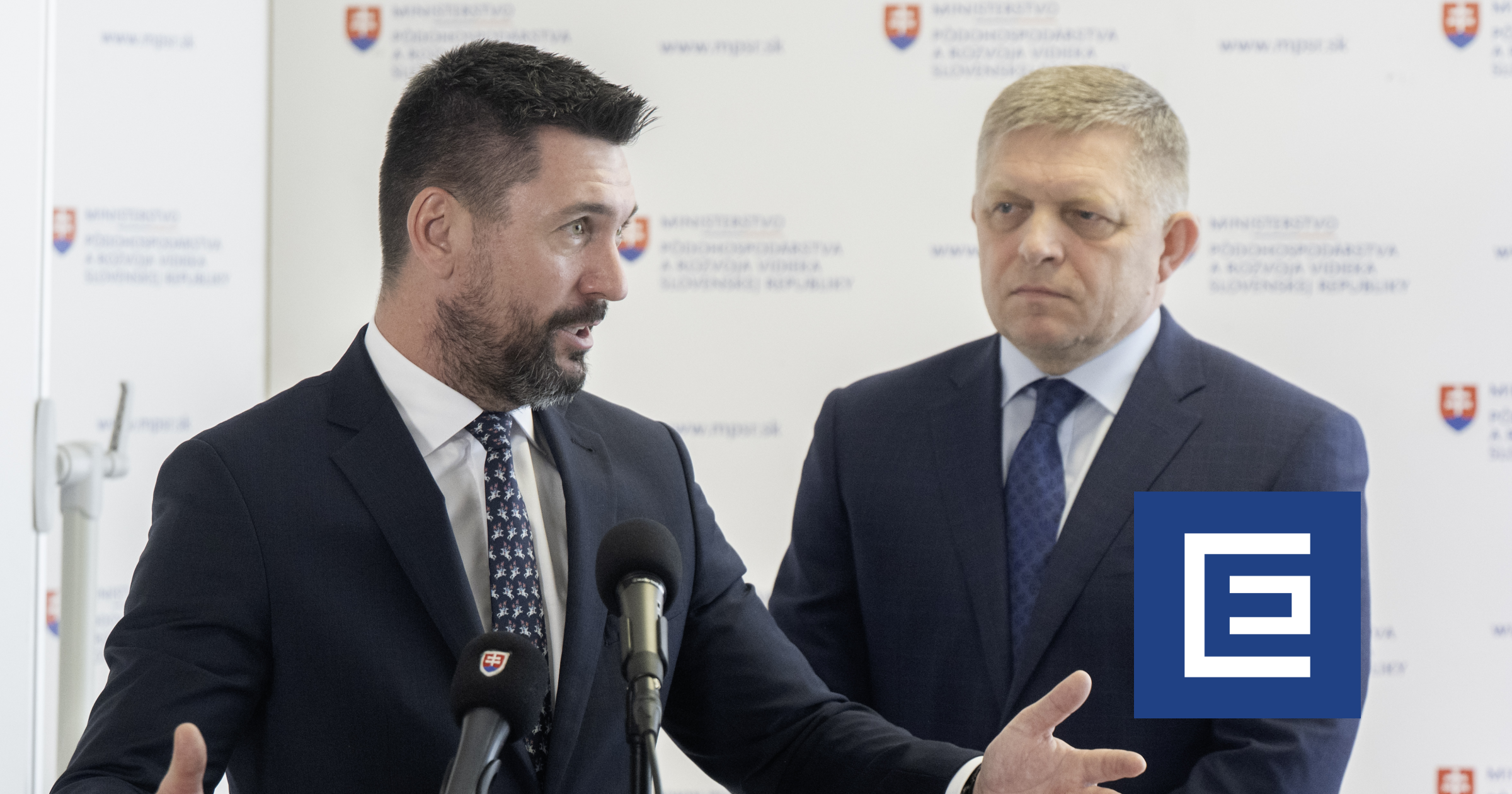
Slovak Prime Minister Robert Fico and Hungarian Prime Minister Viktor Orbán's ally Peter Magyar have agreed to establish a working group to address the Beneš decrees, a long-standing and sensitive historical issue between Slovakia and Hungary. The two sides also agreed to hold bilateral meetings on the matter. The Beneš decrees were a series of laws issued by Czechoslovak President Edvard Beneš after World War II that resulted in the expulsion of ethnic Germans and Hungarians from Czechoslovakia and the confiscation of their property. The decrees remain a point of contention between Slovakia and Hungary, with Budapest periodically demanding their annulment or revision, while Slovak governments have consistently defended them as a settled matter of post-war history and law. The agreement to form a working group signals a diplomatic effort to manage the dispute through structured dialogue rather than public confrontation. The move could have broader implications for Slovak-Hungarian relations, which have been complicated by competing nationalist narratives and the presence of a significant ethnic Hungarian minority in southern Slovakia.

|
International Politics

NATO Summit in Ankara to Announce Tens of Billions in Defense Contracts

NATO leaders gathering in Ankara are set to announce defense contracts worth tens of billions of dollars, as the alliance reaffirms its commitment to collective defense. Heads of state and government attending the summit are also expected to pledge 70 billion euros in military support for Ukraine, underlining the alliance's continued backing for Kyiv amid the ongoing war with Russia. NATO, the transatlantic military alliance of 32 member states, has been significantly increasing defense spending and arms deliveries to Ukraine since Russia's full-scale invasion in February 2022. The Ankara summit represents a further consolidation of that effort, with the scale of announced contracts signaling a long-term buildup of alliance military capacity.

|
International Politics

Several Turkish Media Outlets Denied Accreditation for NATO Summit in Ankara

Several Turkish media outlets have been denied press accreditation for the upcoming NATO summit in Ankara, Turkey. NATO spokeswoman said the alliance relies on recommendations from the summit's host country when making accreditation decisions, meaning Turkey itself effectively determined which of its domestic media organizations would be granted access to cover the event. The decision raises questions about press freedom at a major international security gathering, as the summit host holds significant influence over which journalists can report from the event. Turkey, a NATO member since 1952, has faced longstanding criticism from press freedom organizations over its treatment of journalists and independent media.

|
International Politics

Visegrád Four to Present United Position at NATO Summit in Ankara

The four Central European nations of the Visegrád Group — Slovakia, Hungary, Poland, and the Czech Republic — have agreed to attend this year's NATO summit in Ankara with a common joint position, following a meeting of their defense ministers in Budapest. Slovak Defense Minister Robert Kaliňák announced the agreement after discussions that also covered drone technology and ways to strengthen regional military cooperation and the defense industry. The Visegrád Group, known as V4, is a long-standing political and cultural alliance formed in 1991 to coordinate cooperation among the four neighboring post-communist states in Central Europe. While the group has at times been divided on key issues — particularly regarding the war in Ukraine, where Hungary has taken a notably different stance from Poland and the Czech Republic — Hungarian Defense Minister Romulus Ruszin-Szendi described the Budapest meeting as a major step forward, saying it demonstrated that defense cooperation within the V4 'is alive again.' The NATO summit in Ankara, Turkey, is set to be a significant gathering for the alliance, with defense spending, military readiness, and the ongoing conflict in Ukraine expected to dominate the agenda. A coordinated V4 position could amplify the group's collective influence within the broader 32-member alliance.

|
International Politics

Slovak and Spanish Foreign Ministers to Meet in Bratislava

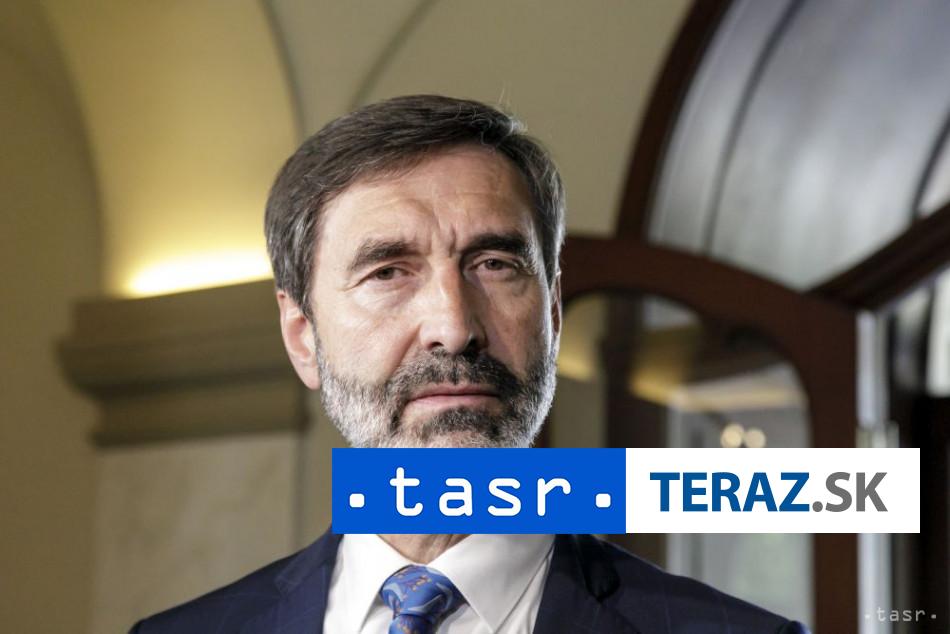
Slovak Foreign Minister Juraj Blanár will meet his Spanish counterpart in Bratislava on Monday for talks aimed at strengthening bilateral relations between the two countries. The discussions are expected to cover economic cooperation as well as security and defense ties. The meeting reflects ongoing efforts by Slovakia, a member of both the European Union and NATO, to deepen partnerships with fellow EU member states.

|
International Politics

Slovakia Defies EU Request to Strip Agricultural Payment Agency of Permanent Accreditation

Slovakia has allowed a two-month deadline to pass without revoking the permanent accreditation of its Agricultural Payment Agency (PPA), ignoring expectations set by the European Commission. The European Commission had urged Slovakia's Ministry of Agriculture to replace the PPA's permanent license with a temporary one — a step typically taken when serious irregularities are identified in how EU agricultural subsidies are managed. Instead, Agriculture Minister Richard Takáč sent Brussels a remediation plan outlining corrective measures for the agency, which the Commission is now analyzing. The PPA is the state body responsible for distributing EU agricultural subsidies in Slovakia. The Commission's concerns center on the agency's management of these funds, and the withdrawal of permanent accreditation would have represented a serious formal sanction, signaling deep institutional problems. Slovakia's decision not to comply with the Commission's expectations raises questions about the country's willingness to reform the agency and could have financial consequences, as the EU has the authority to suspend or reduce payments to member states whose accredited bodies fail to meet required standards. The standoff adds to ongoing tensions between the Slovak government, led by Prime Minister Robert Fico's Smer-SD party, and European Union institutions. Whether Brussels will accept the submitted remediation plan as a sufficient substitute for the accreditation downgrade remains to be seen, but the Commission's response is expected to have significant implications for Slovakia's access to EU agricultural funds.

|
International Politics

Slovakia Offers Aid to Venezuela After Devastating Earthquake

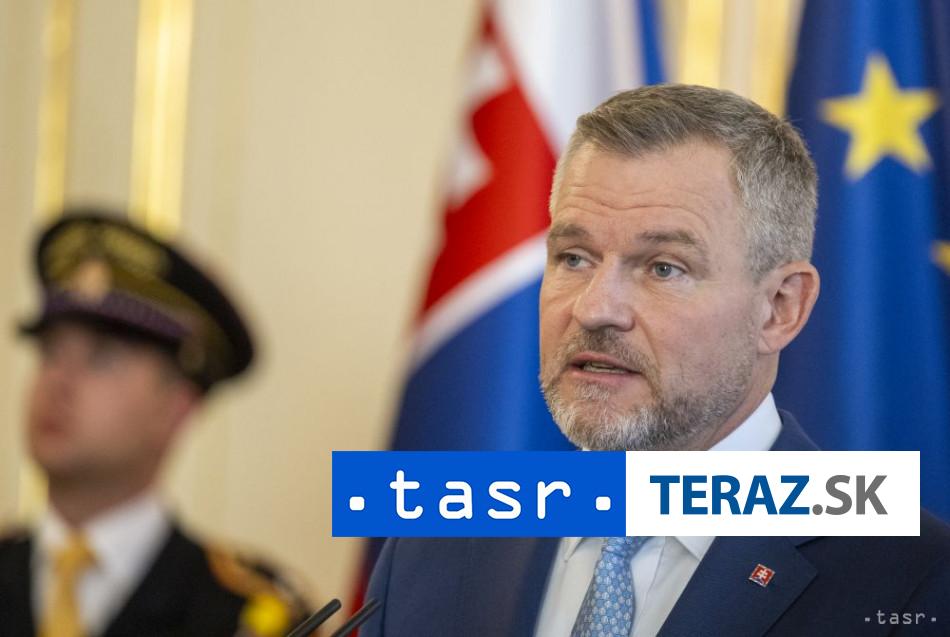
Slovakia has expressed readiness to provide assistance to Venezuela following a powerful earthquake that struck the South American country. Slovak President Peter Pellegrini extended condolences to the Venezuelan people, saying the country's thoughts were with the victims and their families. Among the aid options under consideration is the deployment of Slovak firefighters to help with rescue and recovery efforts. Pellegrini, who serves as Slovakia's head of state, conveyed the offer through an official statement expressing the country's willingness to assist in the aftermath of the disaster.

|
International Politics

Trump Lashes Out at NATO Allies Over Lack of Support for U.S. Military Action Against Iran

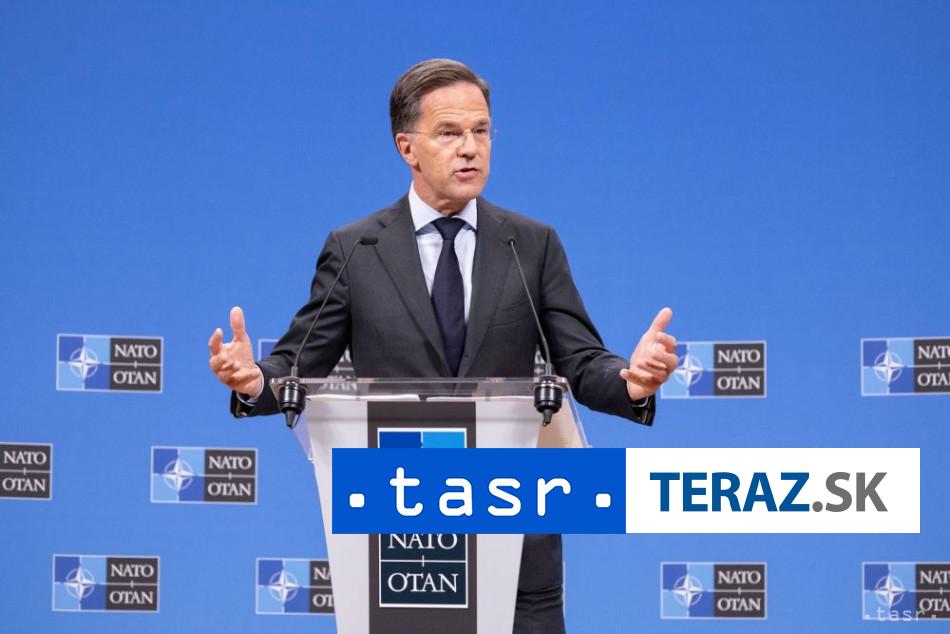
U.S. President Donald Trump publicly rebuked NATO allies at the White House, criticizing them for failing to join or support American military operations against Iran. Trump's remarks reflected growing frustration within his administration over what he views as insufficient backing from European partners during a period of heightened U.S.-Iran tensions. NATO Secretary General Mark Rutte, responding to the criticism, defended the alliance and sought to reassure Washington that Europe had stood alongside the United States. NATO, the transatlantic military alliance founded in 1949, operates on the principle of collective defense, though member states retain independent decisions on direct military participation in conflicts. Trump's outburst highlights deepening strains between Washington and its European allies over burden-sharing and foreign policy alignment — a recurring tension that has intensified since Trump returned to office. The dispute raises fresh questions about the cohesion of the Western alliance at a time when it is already navigating disagreements over the war in Ukraine and defense spending commitments.

|
International Politics

Former Dutch Defense Minister Kajsa Ollongren Named Head of EU Diplomatic Service

Kajsa Ollongren, a former Dutch defense minister, has been appointed to lead the European External Action Service (EEAS), the European Union's diplomatic corps, based in Brussels. Ollongren takes the helm of the EU's foreign affairs apparatus at a time of significant pressure for major institutional reform within the service. The EEAS, established in 2010, coordinates the EU's foreign policy and diplomatic relations across the globe, functioning similarly to a foreign ministry for the bloc. Her appointment comes as the organization faces calls to modernize and strengthen its role amid an increasingly complex geopolitical environment, including the ongoing war in Ukraine and shifting transatlantic relations.

|
International Politics

V4 Leaders Meet in Hungary Without Orbán as Magyar Hosts Regional Summit

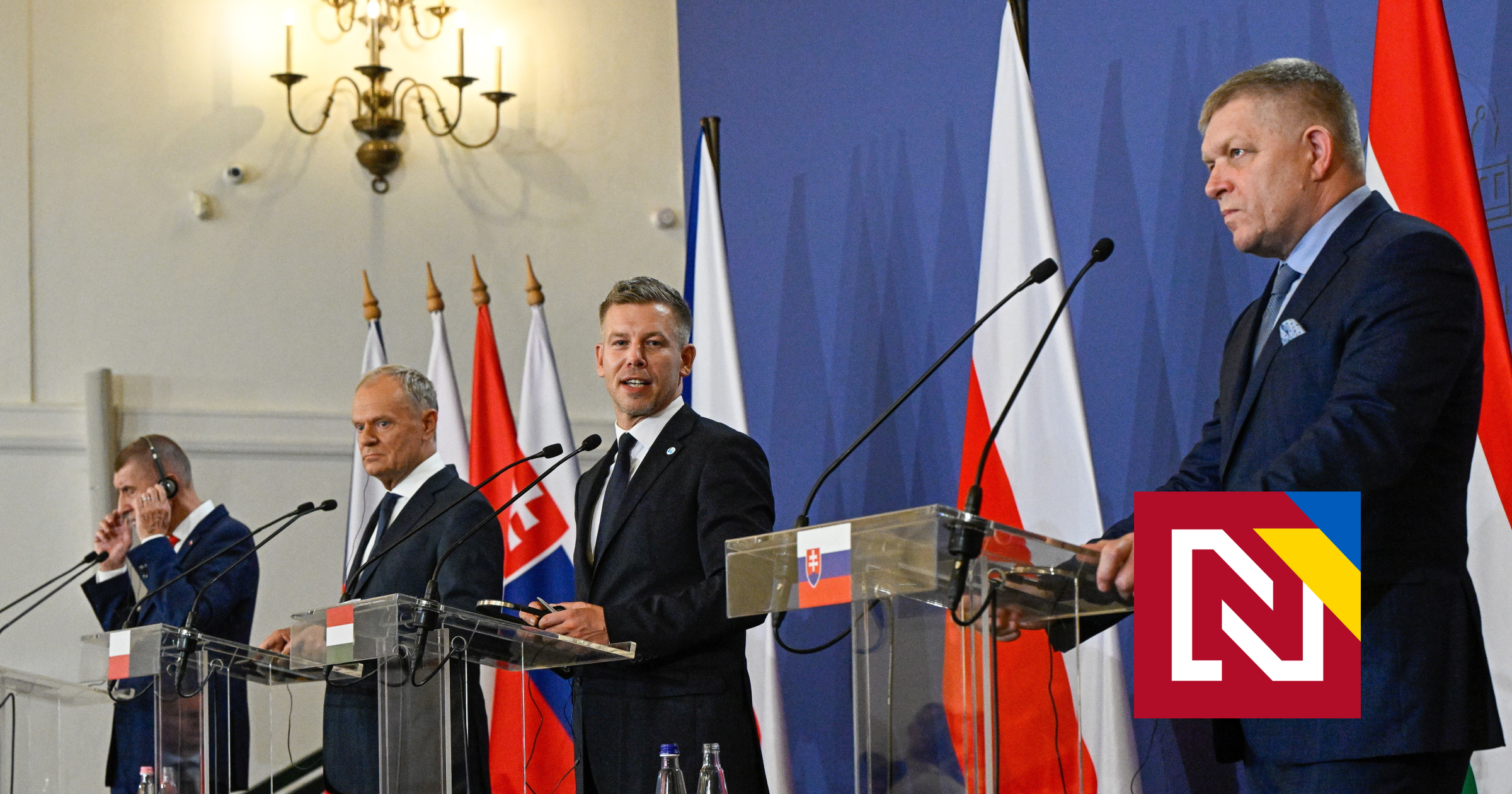
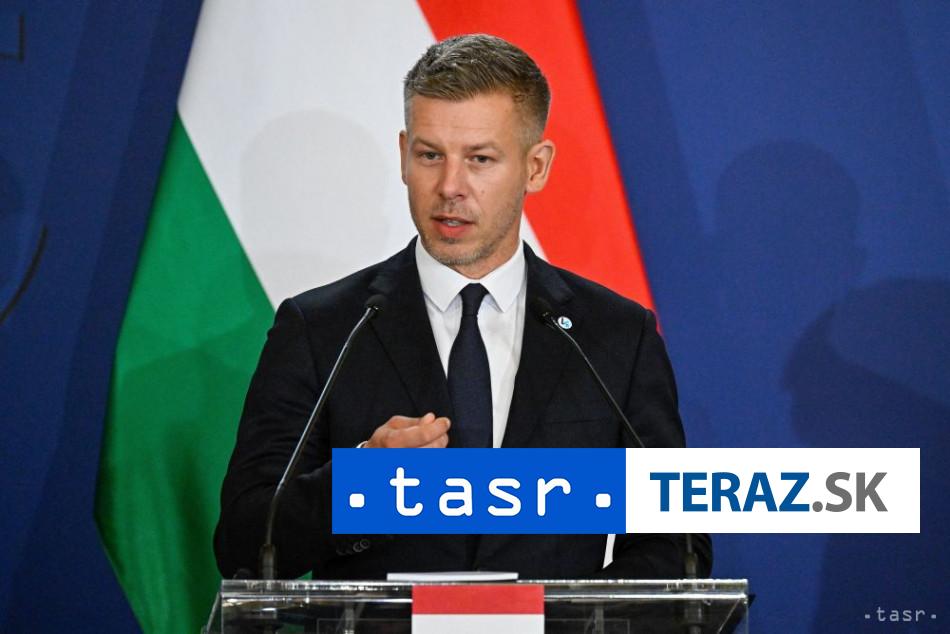
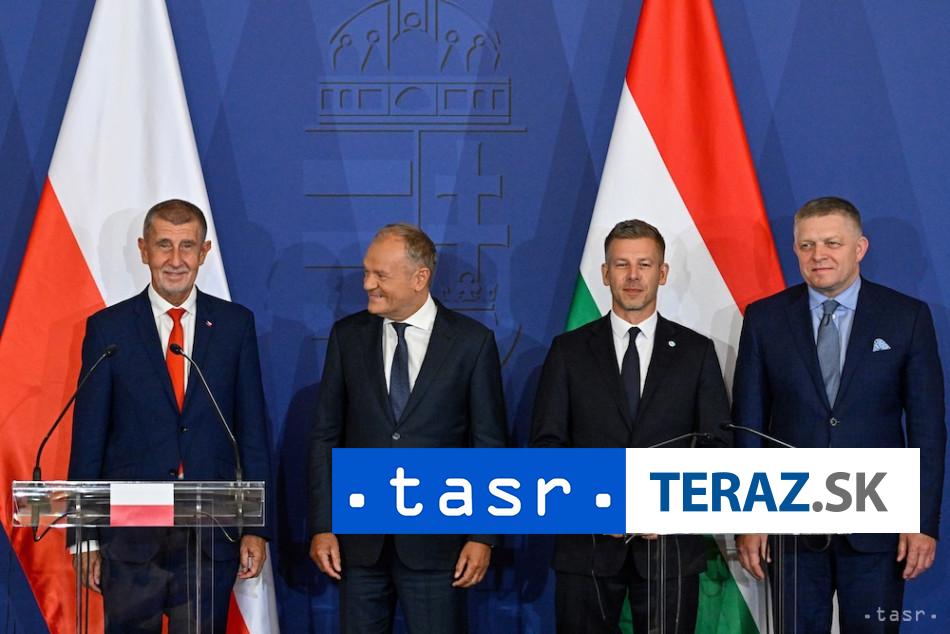
The leaders of the four Visegrad Group nations gathered in Gödöllő, Hungary, for a regional summit hosted by Hungary's new Prime Minister Péter Magyar — notably without former Hungarian leader Viktor Orbán, whose long tenure had defined the bloc's recent direction. Magyar brought together Slovak Prime Minister Robert Fico, Polish Prime Minister Donald Tusk, and Czech Prime Minister Andrej Babiš at the historic Grassalkovich estate, signaling a potential reset in the regional alliance's tone and dynamics. The Visegrad Group, commonly known as V4, is a political and cultural alliance of four Central European EU member states — Slovakia, Hungary, Poland, and the Czech Republic — formed in 1991 to coordinate policy on issues of shared regional interest, including EU affairs, security, and economic cooperation. Under Orbán, Hungary had often clashed with Brussels and with its V4 partners, particularly Poland, over rule-of-law issues and Hungary's closer ties to Russia. Magyar's ascent to power marked a sharp shift in Hungarian politics away from Orbán's nationalist, EU-skeptic stance. Notably, the summit appeared to ease recent tensions between Magyar and Fico — Slovakia's prime minister, who leads the left-nationalist Smer-SD party and has adopted positions broadly sympathetic to Hungary's former government line on issues such as Ukraine and EU policy. The meeting suggests that despite ideological differences among the four leaders, practical regional cooperation within the V4 framework may be reviving after a period of internal friction.

|
International Politics

Fico and Magyar Set Aside Beneš Decrees Dispute as V4 Leaders Seek United Front Against Brussels

The leaders of the Visegrád Four group — Slovakia, Hungary, Poland, and the Czech Republic — have signaled a renewed push for unity after years of internal disputes, with Slovak Prime Minister Robert Fico and Hungarian Prime Minister Viktor Orbán's ally Peter Magyar agreeing to set aside the long-running controversy over the Beneš Decrees in favor of coordinated pressure on the European Union. The apparent rapprochement marks a notable shift for the V4, a regional bloc formed in 1991 to coordinate Central European interests within European structures. In recent years the group has been fractured by diverging foreign policy positions, particularly over the war in Ukraine, with Poland and the Czech Republic strongly supporting Kyiv while Hungary and, to a lesser extent, Slovakia under Fico have taken more ambivalent stances. The Beneš Decrees — post-World War II edicts issued by Czechoslovak President Edvard Beneš that authorized the expulsion of ethnic Hungarians and Germans — have historically been a source of friction between Slovakia and Hungary. Political analysts caution that one successful summit is unlikely to be sufficient to restore the V4 to meaningful cohesion. The group's divisions run deep, and whether the renewed rhetoric of cooperation translates into a sustained and effective bloc capable of influencing EU policy remains an open question. The V4 has historically wielded significant collective leverage in Brussels on issues such as migration and rule-of-law conditionality, but that influence has diminished as internal disagreements have grown.

|
International Politics

Europe's Wealthy Back Push to Cut EU Red Tape, Survey Finds

A large majority of European millionaires believe the European Union must reduce its bureaucratic burden, according to a new survey. Some 86 percent of high-net-worth individuals polled said the EU should streamline its regulatory framework, reflecting growing frustration among business elites with administrative overload. The findings come as the EU faces mounting pressure to boost its global competitiveness, particularly in light of economic challenges posed by rivals such as the United States and China. Critics of current EU policy argue that excessive regulation stifles innovation and investment, while supporters of stronger oversight warn that deregulation could undermine worker protections and environmental standards. The survey adds a data point to an ongoing debate within EU institutions about how to balance economic dynamism with the bloc's broader social and regulatory goals.

|
International Politics

Visegrád Group Struggles to Find Common Ground as Russia Policy Divides Members

The Visegrád Group, a regional alliance of four Central European nations — Slovakia, Hungary, the Czech Republic, and Poland — is facing renewed internal tensions over how to approach the question of Russia, with disagreements on the war in Ukraine and broader security policy straining cooperation among its members. The group, founded in 1991 to coordinate political, economic, and cultural cooperation among former communist states in Central Europe, has historically served as a platform for shared regional interests within the European Union and NATO. However, the alliance has become increasingly fractured since Russia's full-scale invasion of Ukraine in 2022, with Slovakia and Hungary — both led by governments seen as more conciliatory toward Moscow — diverging sharply from Poland and the Czech Republic, which have been among Ukraine's strongest supporters. The divide reflects a broader tension within the EU and NATO between member states willing to engage diplomatically with Russia and those calling for a harder line. For the Visegrád format, which operates by consensus, this rift has made meaningful joint statements and coordinated positions increasingly difficult to achieve. The alliance's ability to function as a coherent bloc within European institutions depends on its members being able to agree on fundamental geopolitical questions — a prospect that currently appears distant.

|
International Politics

V4 Alliance at Risk if Slovakia Refuses to Distance Itself from Moscow

The Visegrád Four regional alliance — grouping Slovakia, Czech Republic, Poland, and Hungary — risks being reduced to little more than a forum for business discussions if Slovak Prime Minister Robert Fico continues to maintain close ties with Moscow, political analysts warn. Fico, who leads the ruling Smer-SD party and has positioned himself as a skeptic of Western military support for Ukraine, has increasingly diverged from the positions of Poland and Czech Republic, which have been among the most vocal supporters of Ukraine within Central Europe. The V4, founded in 1991 to coordinate political and economic cooperation among four former Eastern Bloc countries, has been strained by Slovakia's and Hungary's more conciliatory stance toward Russia. Critics argue that without a shared security and foreign policy vision, the grouping loses its strategic significance and becomes, at best, a platform for investment talks rather than a meaningful geopolitical force.

|
International Politics

Slovak Deputy PM Magyar: Competitive Economy is Foundation of Europe's Success

Slovak Deputy Prime Minister for European Affairs, Peter Magyar, has called for a stronger focus on economic competitiveness as the cornerstone of Europe's future success. Speaking at an international forum, Magyar emphasized that European countries must deepen cooperation in key growth areas including digitalization, artificial intelligence, research and development, cybersecurity, and innovation. The remarks reflect a broader push within the European Union to strengthen its technological and economic base amid growing global competition, particularly from the United States and China.

|
International Politics

V4 Summit Revived as Hungary-Slovakia High-Speed Rail Takes Centre Stage

Hungarian Foreign Minister Péter Magyar declared the Visegrád Four grouping 'back' following a regional summit, where plans for a high-speed rail link between Budapest and Bratislava dominated discussions and overshadowed longstanding historical tensions over the Beneš decrees. The Visegrád Four, or V4, is a political and cultural alliance of four Central European EU member states — Slovakia, Hungary, Czech Republic, and Poland — formed in 1991 to coordinate on regional integration and shared policy goals. The grouping had faced internal strain in recent years due to diverging positions on issues including the war in Ukraine and EU migration policy. Czech Prime Minister Andrej Babiš, a prominent populist figure who previously served as Czech premier, described the region as 'the future of Europe' at the gathering. The Beneš decrees — postwar legislation issued by Czechoslovak President Edvard Beneš that led to the expulsion of ethnic Germans and Hungarians from Czechoslovakia after World War II — have long been a source of diplomatic friction between Slovakia and Hungary. However, that issue was pushed aside at the summit, with attention focusing instead on the proposed high-speed railway connection between the Hungarian and Slovak capitals, a major infrastructure project seen as a symbol of deeper regional integration and economic cooperation.

|
International Politics

Fico Heads to V4 Summit, Pledging to Avoid Divisive Issues

Slovak Prime Minister Robert Fico attended a summit of the Visegrad Four (V4) group, pledging that Slovakia would not raise topics that divide the four-nation bloc. The V4 is a regional alliance of four Central European countries — Slovakia, Hungary, Poland, and the Czech Republic — that coordinates on political and economic matters within the European Union. Fico, whose Smer-SD party leads a government often at odds with EU mainstream positions, signaled a conciliatory approach aimed at preserving unity within the grouping despite known differences on issues such as migration and the war in Ukraine.

|
International Politics

Hungary Blocks EU Letter Supporting Ukraine and Moldova Accession Talks

Hungary has blocked a joint European Union letter related to the EU accession negotiations of Ukraine and Moldova, potentially slowing both countries' bids to join the bloc. The move prevents the EU from sending a unified message in support of the accession process, which involves the opening of negotiating "clusters" — thematic groups of policy areas that candidate countries must align with EU standards before membership can be granted. Budapest's veto is a significant setback for Ukraine in particular, which has set an ambitious goal of rapidly opening all negotiating clusters as part of its accelerated path toward EU membership — a process that gained momentum after Russia's full-scale invasion in 2022 prompted the EU to grant Ukraine candidate status. Moldova, a small Eastern European nation that also received candidate status at the same time, faces similar delays as a result of Hungary's obstruction. Hungary, led by Prime Minister Viktor Orbán, has repeatedly clashed with EU partners over support for Ukraine, frequently blocking or delaying collective EU action. Orbán's government maintains close ties with Moscow and has positioned itself as a skeptic of Western military and political support for Kyiv. Within the EU, decisions on foreign policy and enlargement matters often require unanimity among member states, giving any single country the power to obstruct collective action — a mechanism Budapest has used on multiple occasions to stall Ukraine-related measures.

|
International Politics

Slovak Foreign Minister Becomes First Slovak Official to Attend Organization of American States Meeting

Slovak Foreign Minister Juraj Blanár made history as the first Slovak government minister to attend a session of the Organization of American States (OAS), the intergovernmental body representing 35 member states across the Americas. Speaking at the meeting in Panama, Blanár emphasized the importance of international cooperation and dialogue. The OAS, founded in 1948 and headquartered in Washington D.C., serves as the primary political forum for countries in the Western Hemisphere. Slovakia's participation signals a push by the government of Prime Minister Robert Fico to broaden its diplomatic engagement beyond its traditional European and transatlantic partnerships, even as Fico's administration has faced criticism from Western allies over its foreign policy positions, including its stance on the war in Ukraine.

|