Dávka - Your daily dose of Slovak news
Last refreshed: 28/07/2026 05:39 · 38 articles added
Stories are refreshed at 05:30, 10:30, 15:30, and 21:30 UTC.

International Politics

View all3273 stories
International Politics

EU Leaders Unanimously Agree to Extend Russia Sanctions for Another Year

European Union leaders have unanimously agreed to extend economic sanctions against Russia for a further 12 months, in a show of unity over the war in Ukraine. The agreement, reached at an EU summit, marks the first time all member states have jointly endorsed a conclusions document on Ukraine since March 2025, when Hungarian Prime Minister Viktor Orbán refused to sign a similar statement. Hungary, led by Orbán whose government has maintained closer ties with Moscow than most EU partners, had been a persistent obstacle to unanimous EU positions on Ukraine. The renewed consensus signals a temporary bridging of divisions within the bloc over how to respond to Russia's ongoing invasion of Ukraine. EU sanctions against Russia, which cover sectors including energy, finance, and trade, must be renewed periodically and require the agreement of all 27 member states to remain in force.

|
International Politics

EU Plans Major Passenger Rights Overhaul for Air Travel, Drawing Sharp Criticism from Ryanair

The European Union is preparing significant changes to air passenger rights rules, including clearer conditions for travelers when flights are canceled. The reforms are designed to give passengers more transparent information and stronger protections when airlines cancel or disrupt their journeys. Budget carrier Ryanair, one of Europe's largest low-cost airlines and a major operator of routes to and from Slovakia, has responded with sharp criticism, dismissing the proposed changes as nonsensical. The Irish airline, known for its outspoken management and frequent clashes with regulators, argues the new rules are unnecessary or counterproductive. The EU's push to reform air passenger rights comes as millions of Europeans rely on budget carriers for travel across the continent. Current EU rules, established under Regulation EC 261/2004, already entitle passengers to compensation and assistance in cases of cancellations and long delays, but the bloc argues the framework needs modernizing to close loopholes and improve enforcement. The outcome of the reform could directly affect the rights of Slovak travelers, who frequently use low-cost airlines for both domestic European and international flights.

|
International Politics

Ukraine and Moldova Open New Chapter in EU Accession Talks

Ukraine and Moldova have opened a new chapter in their formal negotiations to join the European Union, marking a significant step forward in both countries' bids for membership. EU accession talks are structured around a series of policy chapters covering areas such as rule of law, trade, and governance, with each new chapter representing progress toward eventual membership. Ukraine applied for EU candidate status shortly after Russia's full-scale invasion in February 2022 and was granted candidate status later that year, making its accession process a high-profile and politically charged undertaking. Moldova, a small landlocked country bordering Ukraine and Romania, received candidate status at the same time. The advancement of both countries' negotiations comes after Hungary — which holds the EU's rotating presidency and whose government under Prime Minister Viktor Orbán has been broadly sympathetic toward Moscow — had previously blocked or delayed steps in the accession process. Hungary's apparent removal of that obstacle allowed the talks to move forward.

|
International Politics

Czech President Says U.S. Military Presence in Europe Vital for Both Sides

Czech President Petr Pavel has emphasized that the continued presence of American troops in Europe is essential for both the United States and European nations. Pavel made the remarks following a meeting with the U.S. ambassador to the Czech Republic. The statement comes amid ongoing debate within NATO and across Europe about the future of American military engagement on the continent, particularly following signals from Washington about potentially reducing its European commitments. Pavel, a former NATO Military Committee chairman and retired Czech general with extensive alliance experience, has been a consistent advocate for strong transatlantic defense ties since taking office in 2023. The Czech Republic is a NATO member and hosts a significant number of alliance-related military activities. Pavel's comments underscore the anxiety felt across Central and Eastern Europe — regions that border or lie close to the ongoing war in Ukraine — about any potential withdrawal or reduction of U.S. forces, which form the backbone of NATO's collective defense posture.

|
International Politics

Portugal to Deploy Domestically Developed Combat Drones to Slovakia in NATO Operation

Portugal is deploying its first domestically developed combat drones to Slovakia as part of its NATO commitments, marking a significant milestone for the Portuguese defense industry. The Portuguese army will field two drone systems to strengthen reconnaissance and surveillance capabilities within the alliance's forces stationed in Slovakia. The drones are prototypes developed through a research and development project by Portuguese company Beyond Vision in cooperation with the Portuguese military. Slovakia hosts a NATO battlegroup — one of several multinational military formations established across Eastern Europe following Russia's invasion of Ukraine in 2022, designed to deter potential aggression. The deployment represents a key operational test for the Portuguese-made systems, giving the army its first opportunity to evaluate the drones under real-world battlefield conditions within a live NATO mission.

|
International Politics

Slovakia to Supply Anti-Drone Equipment to Romania Following Black Sea Attack

Slovakia and Portugal have offered to provide Romania with anti-drone equipment following a drone attack in the Romanian city of Galați in May, Romanian Prime Minister confirmed. The move is aimed at bolstering Romania's air defenses as the country strengthens its protection on NATO's eastern flank. Romania, which shares a border with Ukraine, has faced increasing security concerns as Russian drone attacks targeting Ukrainian infrastructure have occasionally resulted in debris crossing into Romanian territory. The offer from Bratislava reflects broader NATO efforts among member states to reinforce the alliance's eastern border countries, which have been on heightened alert since Russia's full-scale invasion of Ukraine in 2022.

|
International Politics

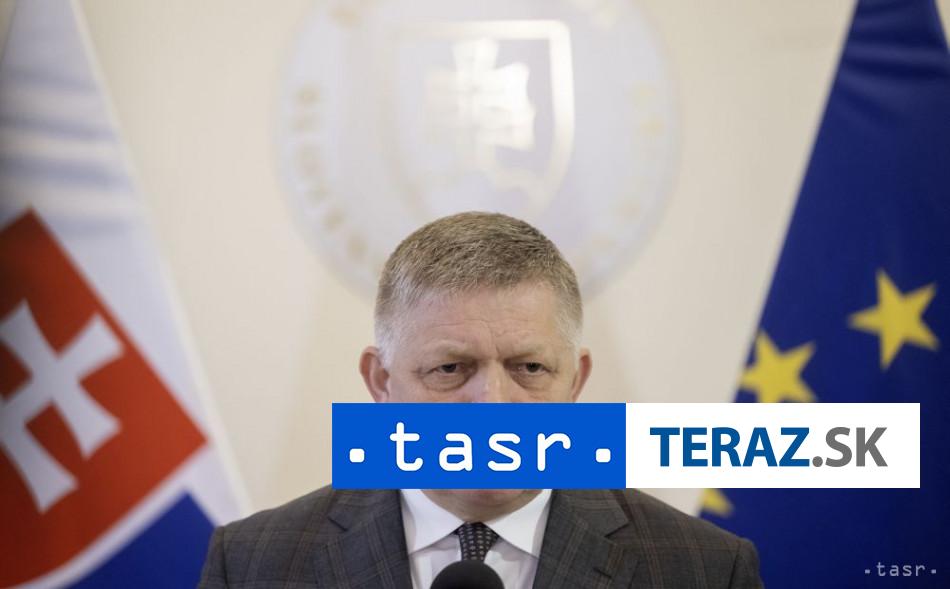
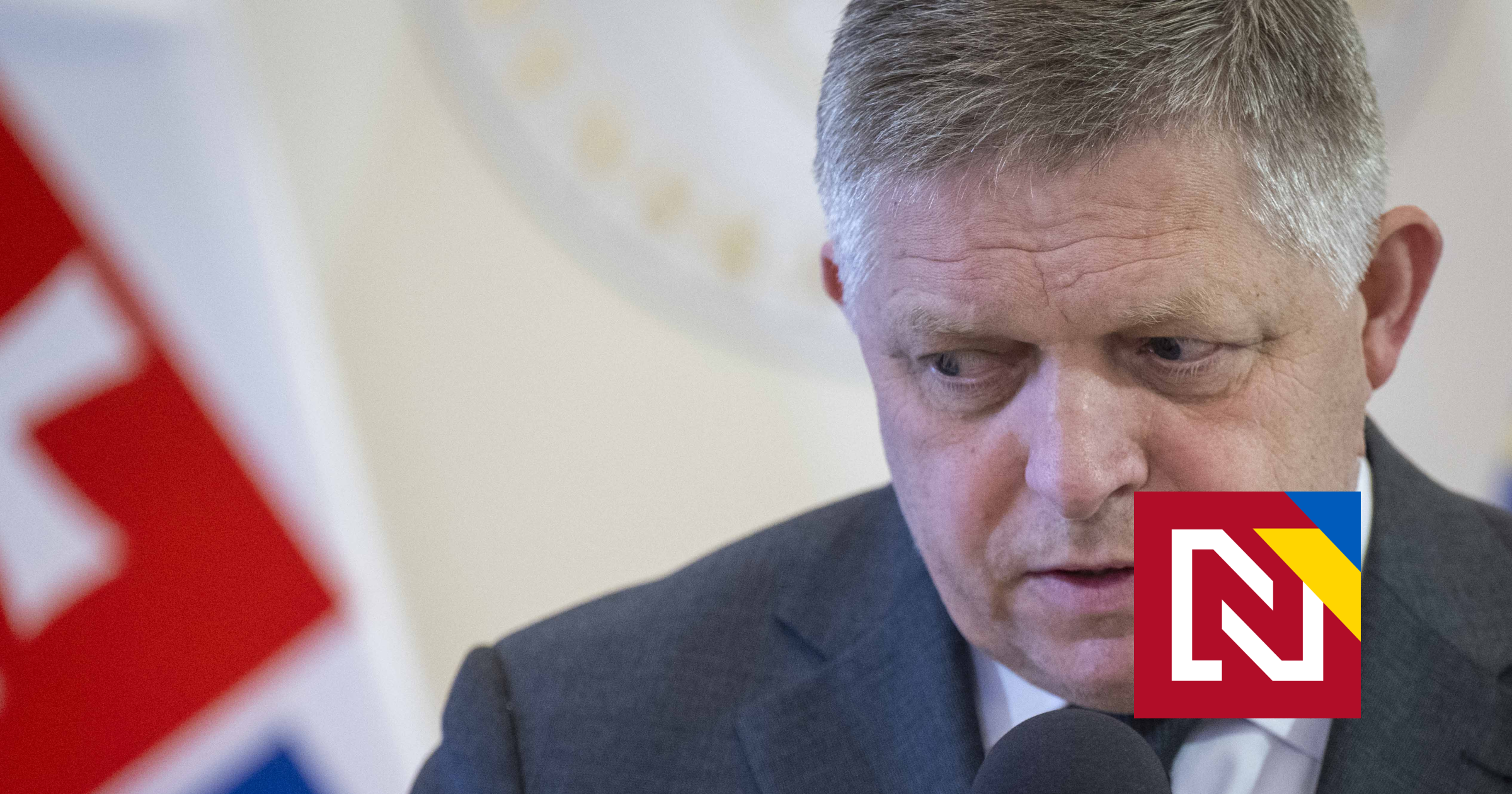
Fico Says Dialogue With Zelensky Continues Despite Differing Views

Slovak Prime Minister Robert Fico says dialogue with Ukrainian President Volodymyr Zelensky is ongoing, even as the two leaders hold differing positions on key issues. Fico, who leads Smer-SD, the dominant party in Slovakia's ruling coalition and known for its skeptical stance toward Western military support for Ukraine, expressed appreciation for the mutual dialogue with Zelensky. The relationship between the two leaders has been strained in recent months, with Fico opposing continued military aid to Ukraine and advocating for a negotiated end to the conflict — positions that have put him at odds not only with Kyiv but also with many of Slovakia's European Union partners. Despite these tensions, Fico indicated that communication between the two sides remains open.

|
International Politics

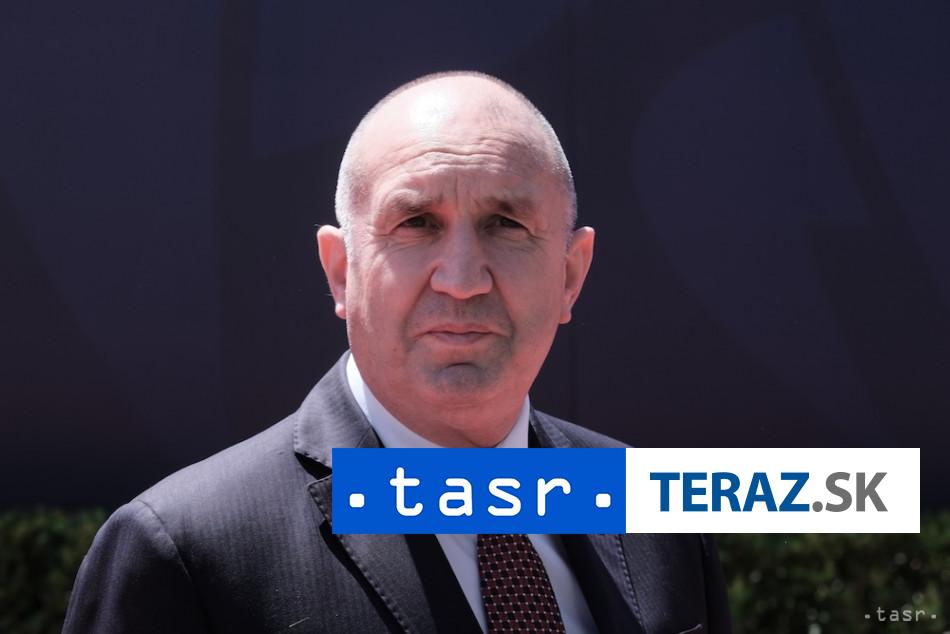
Bulgaria to Block Latest EU Sanctions Package Against Russia

Bulgaria has announced it will block the European Union's 21st package of sanctions against Russia, which the European Commission unveiled last week. The latest package would include measures targeting Russian Patriarch Kirill, the head of the Russian Orthodox Church, who has been a vocal supporter of Russia's war in Ukraine. EU sanctions packages require unanimous approval from all member states, meaning a single country's veto is sufficient to block their adoption. Bulgaria, which has a significant cultural and religious connection to the Russian Orthodox Church, has previously expressed reservations about measures targeting religious figures. The move complicates EU efforts to maintain a united front in its economic and political pressure campaign against Moscow over the ongoing war in Ukraine.

|
International Politics

Slovak Opposition Leader Magyar Meets EU Parliament Chief, Agrees on Ending Rule-of-Law Proceedings Against Hungary

Péter Magyar, leader of the Slovak-Hungarian opposition movement and member of the European Parliament, met with European Parliament President Roberta Metsola and agreed that the long-running rule-of-law proceedings against Hungary should be brought to a close. The proceedings, known as the Article 7 procedure, were launched in September 2018 over concerns that Hungary under Prime Minister Viktor Orbán had undermined democratic institutions, judicial independence, and fundamental rights — violations the European Union considers breaches of its founding principles. Article 7 of the EU Treaty is the bloc's most serious mechanism for addressing member states that systematically deviate from the rule of law, and can theoretically result in the suspension of a country's voting rights within the EU. However, the procedure has been widely criticized as ineffective, as it requires unanimous agreement among member states to impose sanctions — a threshold that has proven politically impossible to reach. Magyar, whose Tisza party has emerged as the main opposition force to Orbán's Fidesz government in Hungary, has positioned himself as a pro-European reformer seeking to steer Hungary back toward closer alignment with EU norms. His agreement with Metsola signals a possible shift in European Parliament strategy regarding Hungary's standing within the bloc.

|
International Politics

EU and Hungary Move Toward Resolution of Rule-of-Law Dispute Ahead of Autumn Deadline

The European Union and Hungary are pushing to resolve a long-running dispute over democratic standards, with a goal of concluding proceedings against Budapest under Article 7 of the EU Treaty before autumn. Hungarian opposition politician Péter Magyar announced the target timeline following a meeting with Roberta Metsola, the President of the European Parliament. Article 7 is a formal EU mechanism that can be triggered against a member state suspected of seriously breaching the bloc's core values — such as the rule of law, democracy, and fundamental rights. In Hungary's case, the procedure was launched in 2018 over concerns about judicial independence, media freedom, and the treatment of minorities under Prime Minister Viktor Orbán's government. A resolution of the Article 7 process could also be tied to the unblocking of EU cohesion funds that have been frozen over Hungary's failure to meet governance conditions set by Brussels. The development is significant both for Hungary's standing within the EU and for the broader question of how the bloc enforces democratic standards among its members.

|
International Politics

U.S. Greenlights Next Phase of Talks on Permanent Military Base in Poland

The United States has signaled approval for Poland to advance negotiations toward establishing a permanent American military base on Polish soil. Warsaw has begun preparatory work on the project as talks with the Pentagon enter what officials describe as a key new phase. Poland has long sought a permanent U.S. military presence on its territory, viewing it as a critical security guarantee given its proximity to Russia and Belarus. Currently, the U.S. maintains a rotational — rather than permanent — troop presence in Poland under NATO arrangements. A permanent base would represent a significant upgrade in bilateral defense commitments and a deeper entrenchment of American military infrastructure in Central Europe. The development comes amid ongoing concerns in Eastern Europe about Russian military aggression, following Moscow's full-scale invasion of Ukraine in 2022. Poland has substantially increased its defense spending in recent years and has emerged as one of NATO's most vocal advocates for stronger allied presence along the alliance's eastern flank. A permanent U.S. base would mark a landmark shift in the regional security architecture.

|
International Politics

Slovakia Signs Contract to Participate in Belgrade's Expo 2027

Slovakia has signed a participation contract for Expo 2027, the upcoming World Exposition to be held in Belgrade, Serbia. The global event is expected to draw 139 countries, making it one of the largest international exhibitions in recent years. World Expos are large-scale international gatherings organized under the Bureau International des Expositions, where participating nations build pavilions to showcase their culture, innovation, and national identity to millions of visitors.

|
International Politics

Wilders Insists Patriots for Europe Remains Strong Despite Orbán's Setback

Dutch far-right politician Geert Wilders has defended the Patriots for Europe parliamentary group in the European Parliament, insisting it remains a powerful force despite a significant blow to its profile. The group, which brings together nationalist and eurosceptic parties from across the EU, now has only one representative on the European Council — the EU's top decision-making body composed of member state heads of government — following a political defeat for Hungarian Prime Minister Viktor Orbán, who had been one of the group's most prominent figures. Orbán, whose Fidesz party anchors the Patriots for Europe bloc, lost influence within the European Council after failing to secure a key position or build a blocking majority, leaving the group with diminished representation at the EU's highest level. Patriots for Europe, formed in 2024, had positioned itself as a major challenger to the EU's mainstream political establishment, making Orbán's setback a symbolic as well as a practical weakening of the group's ambitions to shape European policy from within.

|
International Politics

Europe Could Host Production of American Missiles as Moscow Talks Collapse

Diplomatic efforts involving Moscow have broken down, raising discussions among Western allies about expanding military production capabilities on European soil, including the potential manufacture of American-made missiles within Europe. The proposal reflects growing concern among NATO member states about the need to strengthen the continent's defense industrial base and reduce dependence on transatlantic supply chains. The idea of producing U.S. weapons systems in Europe marks a significant shift in defense procurement thinking, driven by the prolonged war in Ukraine and the pressure it has placed on existing ammunition and weapons stockpiles. Such a move would represent a deepening of military-industrial cooperation between the United States and its European partners at a time when the future of American security commitments to the continent remains a subject of political debate on both sides of the Atlantic.

|
International Politics

Slovakia and Germany Strengthen Partnership at Bilateral Forum, Pellegrini Says

Slovak President Peter Pellegrini has praised the Slovak-German Forum as a platform that strengthens European unity, speaking at the event's opening ceremony. Pellegrini highlighted the forum's value in bringing together representatives from politics, industry, finance, and trade unions from both countries. The Slovak-German Forum serves as a structured bilateral dialogue mechanism between the two nations, fostering cooperation across key sectors of public and economic life. Germany is one of Slovakia's most important trading partners and a major investor in the country's economy, particularly in the automotive and manufacturing sectors, making high-level bilateral engagement significant for Slovakia's economic outlook and its standing within the European Union.

|
International Politics

Fico Reverses Course on Ukraine at EU Summit After Two Previous Rejections

Slovak Prime Minister Robert Fico has reversed his position and agreed to support EU summit conclusions on Ukraine, after twice blocking them in previous meetings. The shift comes notably in the absence of Hungarian Prime Minister Viktor Orbán, who has similarly opposed EU support for Ukraine and with whom Fico has often aligned on the issue. Fico is also set to meet Péter Magyar, the new Hungarian prime minister, as well as Ukrainian President Volodymyr Zelensky on the sidelines of the summit. Fico, leader of the left-nationalist Smer-SD party, has been a prominent critic of Western military support for Ukraine since returning to power in 2023, frequently clashing with EU partners over the bloc's approach to the war. His earlier refusals to endorse joint EU conclusions on Ukraine had strained Slovakia's relations with its European allies and raised questions about the country's commitment to EU consensus on foreign policy. The reversal marks a significant, if potentially temporary, shift in Slovakia's stance within the European Union. Orbán's Hungary has been the most persistent holdout among EU member states on Ukraine-related decisions, and Fico's willingness to support the conclusions in Orbán's absence suggests the two leaders' alignment may be more situational than fixed. The meeting with Zelensky would be a notable diplomatic moment, given the tense state of Slovak-Ukrainian relations under Fico's government.

|
International Politics

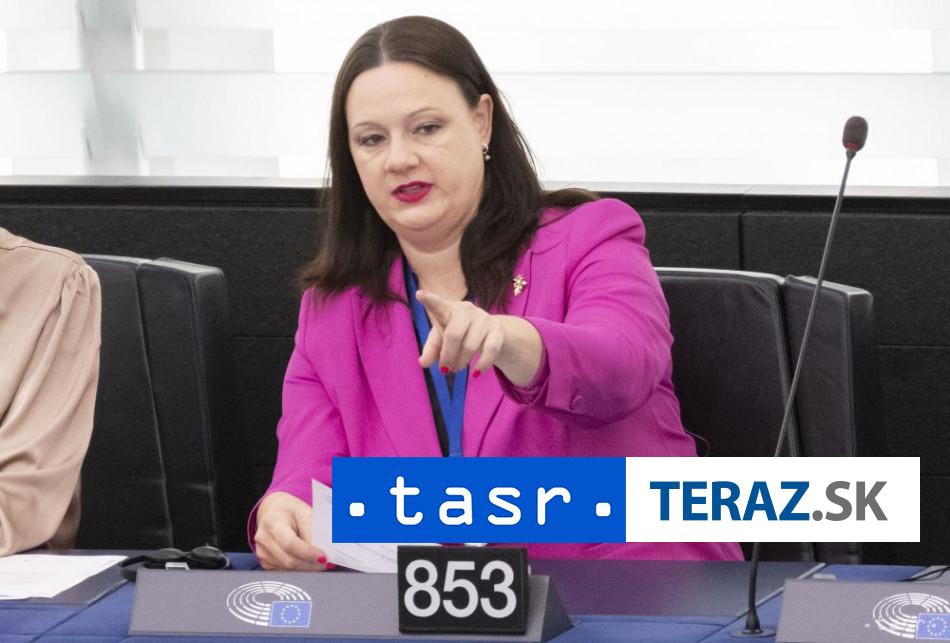
European Parliament Fails to Adopt Position on Updated Tobacco Taxation Rules

The European Parliament has failed to adopt a common position on proposed updates to tobacco taxation rules across the European Union. The vote concerned a broad range of nicotine products — not just traditional cigarettes — including chewing tobacco and other nicotine-containing goods, as well as efforts to harmonize taxation rules across EU member states. Slovak MEP Katarína Roth Neveďalová, a member of Smer-SD — the ruling left-wing nationalist party led by Prime Minister Robert Fico — clarified that the proposal went beyond conventional tobacco products to encompass the wider nicotine market. The failure to agree on a unified position means that EU-wide standardization of how these products are taxed remains unresolved, leaving member states with divergent national frameworks in place. Harmonized tobacco taxation is considered important for reducing regulatory loopholes, preventing tax avoidance, and discouraging consumption across the bloc.

|
International Politics

Pentagon Plans Major Review of U.S. Military Presence in Europe

The Pentagon has announced it will conduct a comprehensive review of American military forces stationed in Europe over the coming months, signaling potential significant changes to the U.S. security commitment to the continent. Defense Secretary Pete Hegseth indicated the review could lead to a restructuring of how and where U.S. troops are deployed across Europe, without specifying which bases or countries might be affected. Alongside the review, the Pentagon is intensifying pressure on NATO allies to increase their defense spending and assume greater responsibility for their own security — a longstanding demand that has gained renewed urgency under the Trump administration. The announcement carries significant implications for European security architecture at a time when the continent is already grappling with the ongoing war in Ukraine. A reduction or repositioning of U.S. forces could prompt European NATO members, including Slovakia, to accelerate efforts to build up their own military capabilities.

|
International Politics

EU Defence Industry Faces Serious Challenges, European Commissioner Warns

Europe's defence industry is facing significant problems, a European Commissioner has warned, even as cooperation on space exploration continues to function well. The warning highlights growing concerns about the European Union's capacity to produce and sustain military equipment at the scale demanded by current security challenges, particularly in the wake of Russia's war in Ukraine, which has placed unprecedented strain on European defence supply chains and production capacity. While the space sector has been cited as a relative success story for pan-European industrial cooperation, the defence manufacturing sector has struggled to keep pace with rising demand.

|
International Politics

U.S. Defense Secretary Praises NATO Members' Progress on Defense Spending, Warns Some Must 'Do More'

U.S. Defense Secretary Pete Hegseth praised NATO member states for their progress in meeting defense spending commitments, while warning that some allies still need to "do more" to fulfill their obligations to the alliance. NATO requires its 32 member countries to spend at least 2% of their gross domestic product on defense — a benchmark that many European members struggled to meet for years but have been increasing efforts to reach following Russia's full-scale invasion of Ukraine in 2022. The remarks reflect ongoing pressure from Washington on European allies to shoulder a greater share of collective defense costs, a position that has been a consistent theme of U.S. foreign policy across multiple administrations but has intensified under the current political climate in Washington.

|