Dávka - Your daily dose of Slovak news
Last refreshed: 06/06/2026 15:39 · 51 articles added
Stories are refreshed at 05:30, 10:30, 15:30, and 21:30 UTC.

International Politics

View all2857 stories
International Politics

Russian Foreign Minister Lavrov Calls for US Diplomat Evacuation from Kyiv

Russian Foreign Minister Sergey Lavrov contacted US Secretary of State Marco Rubio by telephone to urge the evacuation of American diplomatic personnel from Kyiv. The call came after Russia's foreign ministry issued warnings on Monday that it was preparing new strikes targeting decision-making centers, command posts, and military-industrial facilities in the Ukrainian capital. The diplomatic contact represents an escalation in tensions as Russia signals its intention to intensify attacks on key infrastructure and government facilities in Kyiv.

|
International Politics

Serbia Negotiates with China on Nuclear Energy and Microchips as Vučić Promises Technological Leap

Serbian President Aleksandar Vučić is conducting negotiations in Beijing with Chinese officials over potential investments in nuclear energy, microchips, and artificial intelligence technologies. The discussions could result in new Chinese investment projects in Serbia's southern regions within a month. Vučić has characterized the talks as part of an effort to achieve a technological breakthrough for Serbia, as the Balkan nation continues to strengthen its economic ties with China despite EU concerns over such partnerships.

|
International Politics

Cuba Criticizes EU's Kallas for 'Double Standards' on Country's Crisis

Cuba has criticized Kaja Kallas, the European Union's foreign policy chief, over her statements regarding the crisis in the Caribbean nation. Cuban authorities accused Kallas of applying double standards in her remarks about the situation in Cuba. The criticism comes as the EU continues to maintain a critical stance toward Cuba's government under its Common Position policy, which conditions normalized relations on improvements in human rights and democratic governance. Kallas, who took office as the EU's High Representative for Foreign Affairs and Security Policy in December 2024, has maintained the bloc's firm position on human rights issues globally.

|
International Politics

Slovak Foreign Minister to Meet African Ambassadors for Africa Day

Slovak Foreign Minister Juraj Blanár will receive African ambassadors in Bratislava to mark Africa Day. The minister plans to discuss strengthening political ties, trade and investment relations, and development cooperation with the diplomatic representatives. The meeting reflects Slovakia's efforts to enhance engagement with African nations across multiple areas of cooperation.

|
International Politics

Russian Central Bank Files Lawsuit Against EU Over Frozen Assets

Russia's central bank has filed a lawsuit at the European Union's General Court challenging the bloc's decision to freeze Russian assets indefinitely. The legal action was submitted in March, targeting an EU decision made in December that extended the asset freeze without a specified end date. The case represents Russia's formal legal challenge to EU sanctions measures that have locked Russian financial assets held within European jurisdiction. The General Court, based in Luxembourg, serves as the EU's main judicial body for hearing cases brought by individuals and entities against EU institutions and their decisions.

|
International Politics

France Extradites Russian Magnate to Lithuania in Major Banking Collapse Case

France has extradited Russian businessman Vladimir Antonov to Lithuania, where he faces trial in connection with the collapse of Snoras Bank. Antonov, a former owner of English football club Portsmouth, had been evading prosecution for fifteen years before his capture. The banking collapse case involves estimated damages of at least 478 million euros. Snoras Bank was one of Lithuania's largest private banks before its dramatic failure, and Antonov's extradition marks a significant development in one of the Baltic country's most prominent financial crime cases.

|
International Politics

Czech Government Tightens Rules for Foreigners and Ukrainians with Temporary Protection

The Czech government has approved stricter regulations governing asylum procedures and temporary protection status for Ukrainian refugees. The security-focused legislation aims to prevent benefit tourism and impose harsher penalties for illegal migration. The measures represent a tightening of immigration policies as European Union countries grapple with ongoing refugee flows from the war in Ukraine, which began in February 2022 when Russia launched its full-scale invasion. The new rules will affect both general asylum seekers and Ukrainians who have been granted special temporary protection status under EU directives, allowing them to live and work in member states without going through standard asylum procedures.

|
International Politics

Czech PM Babiš dismisses protesters as government pushes public broadcasting fee changes

Czech Prime Minister Andrej Babiš dismissed ongoing protests against his government's media policies, claiming he does not understand why people are demonstrating. The controversy centers on government proposals to change how public broadcasting is funded, with the administration arguing it wants to relieve the public of paying fees for public media services. Babiš's comments suggest a disconnect between the government and citizens who view the changes as a threat to media independence. The protests reflect broader concerns about press freedom in the Czech Republic under Babiš's leadership.

|
International Politics

Czech Prime Minister Dismisses Slovak Media Law Protests as Coalition Plans Pre-Christmas Vote

Czech Prime Minister Andrej Babiš dismissed protests against Slovakia's controversial media law amendment, claiming he does not understand the demonstrations and stating his only goal is to eliminate public broadcasting fees. Babiš said he wants the public to stop paying television and radio license fees, downplaying the significance of the opposition to the legislation. The ruling coalition plans to decide on the media law before Christmas, despite ongoing public resistance to the proposed changes.

|
International Politics

Estonian Defense Minister Says NATO's 2% Spending Target Insufficient to Deter Russia

Estonia's Defense Minister Hanno Pevkur stated that NATO's two percent GDP defense spending target is inadequate to deter Russia effectively. Speaking about alliance preparedness, Pevkur emphasized that Estonia knows which NATO allies would provide rapid assistance during a crisis, even without formal procedures. His comments reflect growing concerns among Baltic states about regional security and the need for stronger deterrence measures against Russian aggression. Estonia, which borders Russia and has been a vocal advocate for increased defense spending across the alliance, has consistently exceeded the NATO spending benchmark since Russia's annexation of Crimea in 2014.

|
International Politics

Russia warns of further attacks, calls for foreigners to leave Kyiv

Russia has issued a warning calling on foreign nationals and diplomats to immediately evacuate Kyiv, the Ukrainian capital. Moscow indicated it plans to launch additional strikes targeting government buildings and military installations across Ukraine. The warning suggests an escalation in Russia's military campaign against Ukraine, with Russian forces signaling their intention to intensify attacks on strategic targets in the country's seat of government and other locations.

|
International Politics

Hungarian analyst declares Orbán politically dead after electoral setback

Hungarian Prime Minister Viktor Orbán is experiencing political death and his words have lost relevance, according to Balázs Böcskei, director of the Hungarian think tank Idea. The analyst claims that Fidesz, Orbán's ruling party, currently lacks any politician capable of revitalizing the organization. The assessment follows what many observers describe as a significant political shift in Hungary on April 12, with some characterizing it as a regime change, ideological collapse, or changing of the guard. Böcskei suggests there is no single explanation for the developments that have undermined Orbán's previously dominant position in Hungarian politics.

|
International Politics

Trump Links Iran Peace Deal to Expansion of Abraham Accords to More Countries

U.S. President-elect Donald Trump has tied any potential peace agreement with Iran to the expansion of the Abraham Accords to additional countries. Trump is pressing Saudi Arabia, Qatar, and Pakistan to normalize relations with Israel as part of his broader Middle East strategy. The Abraham Accords, signed in 2020 during Trump's first presidency, established diplomatic relations between Israel and several Arab nations including the United Arab Emirates, Bahrain, Sudan, and Morocco. Trump's approach suggests he plans to use the normalization agreements as leverage in negotiations with Iran, linking regional peace efforts to broader diplomatic recognition of Israel by Muslim-majority nations.

|
International Politics

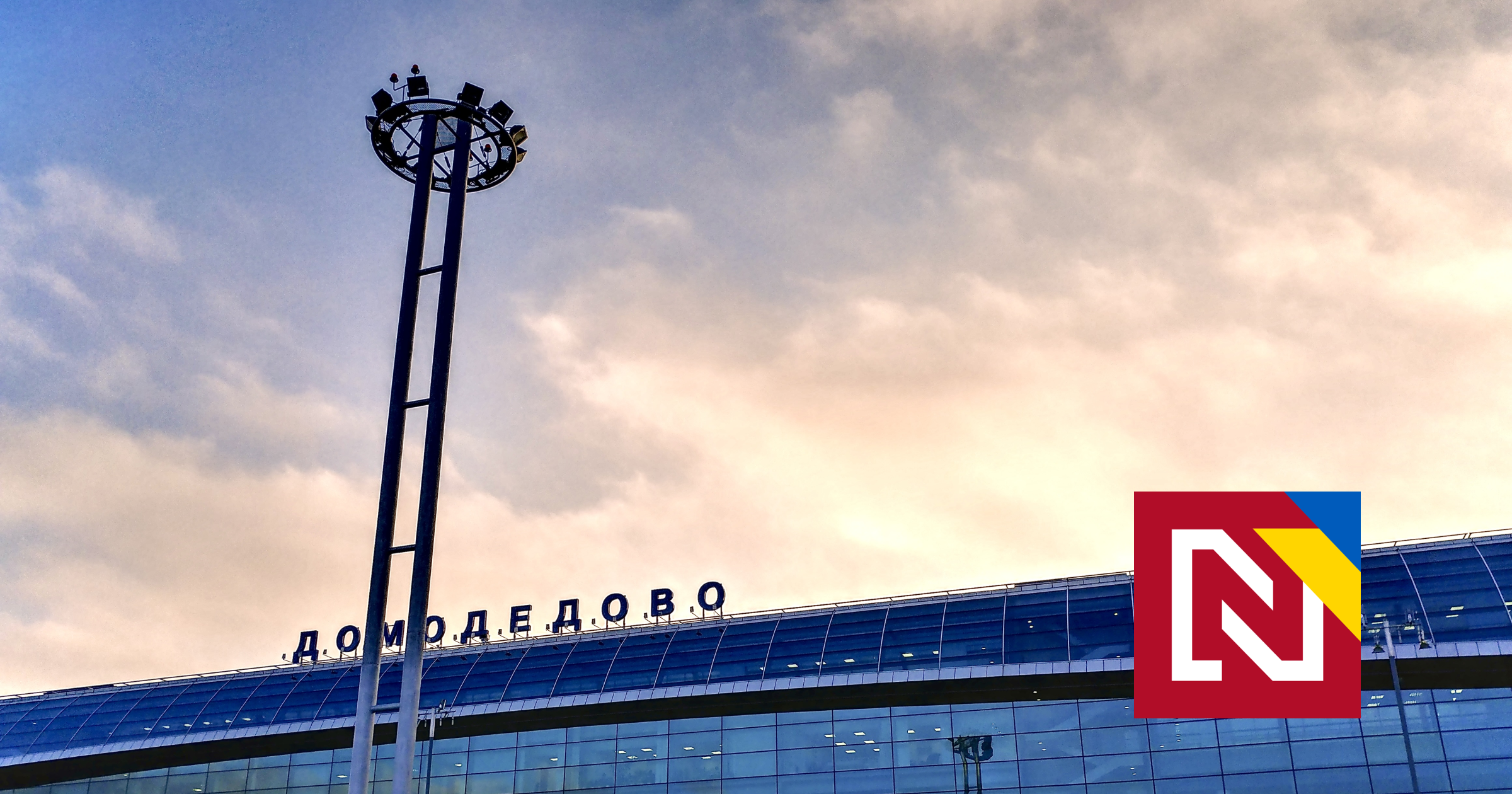
Head of Russian Orthodox Church in Czech Republic Detained with White Powder on Highway

Czech police detained Metropolitan Hilarion, the head of the Russian Orthodox Church in the Czech Republic, on a highway near Prague after discovering white powder in his vehicle. The arrest occurred as Hilarion was traveling from Karlovy Vary, where he irregularly serves at the Church of the Apostles Peter and Paul. Czech media outlet Deník N has previously reported on Metropolitan Hilarion's alleged connections to Russia's FSB intelligence service, accusations of abusing his assistant, and his involvement in discussions with Hungary's Orbán government regarding anti-Russian sanctions. The Russian Orthodox Church has maintained close ties to the Kremlin, and religious leaders from Russian Orthodox communities abroad have faced increased scrutiny since Russia's invasion of Ukraine in 2022.

|
International Politics

Russia's Oreshnik Missile Attack Disappoints Pro-War Supporters, Fails to Meet Expectations

Russia conducted another missile attack using its Oreshnik hypersonic weapon, but the strike has left pro-war Russian supporters disappointed and angry with the limited results. The Oreshnik missile was only a small component of a larger air assault, during which Russian forces employed different tactics that allowed them to penetrate Ukrainian air defenses more effectively than in previous attacks. Russia claimed the strike was retaliation for a Ukrainian attack on a dormitory in Starobilsk, though Ukrainian and Russian versions of that incident differ significantly. Pro-war Russian voices have expressed frustration with the expensive weapon's deployment, complaining that despite using costly military hardware, the visible results did not justify the expenditure.

|
International Politics

U.S. Secretary of State Marco Rubio to Visit Armenia for New Bilateral Agreements

U.S. Secretary of State Marco Rubio will travel to Armenia to sign a series of new bilateral agreements with his Armenian counterpart Ararat Mirzojan in Yerevan. The visit comes at a time when Armenia is distancing itself from Russia and seeking closer ties with Western nations. Armenia, a former Soviet republic in the Caucasus region, has traditionally maintained close security and economic ties with Moscow but has been reassessing its foreign policy orientation following regional tensions and conflicts.

|
International Politics

Trump Administration Pushes for Liberalization of Relations with Belarus

The Donald Trump administration is advocating for improved relations between Europe and Belarus, hoping to reduce Minsk's dependence on Russia. The push for liberalized ties comes amid broader geopolitical efforts to weaken Russia's influence in the region. The development follows recent diplomatic changes, though the specific details of the journalist release that appears to have catalyzed this shift were not elaborated in available reports.

|
International Politics

Belarusian Opposition Leader Visits Kyiv to Show Solidarity with Ukraine

Sviatlana Tsikhanouskaya, the leader of Belarus's opposition movement, arrived in Kyiv for a solidarity visit with Ukraine. The opposition leader is scheduled to meet with Ukrainian President Volodymyr Zelensky and other senior officials during her stay. The visit represents a gesture of solidarity between Belarus's democratic opposition and Ukraine amid the ongoing war with Russia. Tsikhanouskaya has been living in exile since challenging Belarusian President Alexander Lukashenko in the disputed 2020 presidential election, which sparked massive protests that were violently suppressed by authorities.

|
International Politics

Slovak Commentary Discusses Long-term Strategy for Defeating Putin

A Slovak media outlet published an analysis arguing that democracies need a long-term and patient strategy to counter Vladimir Putin's influence, spanning from Ukraine to domestic political spheres. The commentary suggests that the challenge extends beyond the immediate conflict in Ukraine to broader questions about how democratic nations can effectively respond to authoritarian threats in their own political systems.

|
International Politics

Russian Soldiers' Motivations Shift from Propaganda to Money as War Continues

Russian soldiers fighting in Ukraine have increasingly abandoned ideological motivations in favor of financial incentives as the war has progressed, according to new reporting. The case of Alexej Alexejevič Ťumencev, a 34-year-old man known by the nickname "Gamer," illustrates this trend. His mother is currently searching for him after last receiving a message through a fellow soldier on January 14. Ťumencev voluntarily signed a contract with the Russian army and went to fight against a country he knew little about, apparently motivated by financial rather than ideological reasons. The shift reflects broader changes in how Russian forces are recruited and what drives individual soldiers to serve, with propaganda proving less effective than monetary compensation in sustaining military participation in the prolonged conflict.

|