Dávka - Your daily dose of Slovak news
Last refreshed: 28/07/2026 05:39 · 38 articles added
Stories are refreshed at 05:30, 10:30, 15:30, and 21:30 UTC.

International Politics

View all3273 stories
International Politics

Fico to Meet Magyar and Zelensky Ahead of European Council Summit

Slovak Prime Minister Robert Fico is set to meet with opposition leader Péter Magyar and Ukrainian President Volodymyr Zelensky before the upcoming European Council summit, where EU heads of state and government gather to set the bloc's political direction. Fico plans to propose the establishment of a direct communication channel between Russia and Ukraine at the summit, positioning Slovakia as a potential mediator in the ongoing war. The planned meeting with Zelensky is notable given the strained relations between the two leaders — Fico has been a vocal critic of continued Western military support for Ukraine and has maintained dialogue with Moscow, drawing sharp criticism from EU partners and domestic opponents. Péter Magyar leads Progresívne Slovensko-aligned opposition forces and has emerged as one of the most prominent critics of Fico's pro-Kremlin foreign policy stance. The back-to-back meetings underscore the deepening divide within Slovakia over the country's approach to the war in Ukraine, with Fico seeking to carve out a distinctive diplomatic role while facing significant pressure at home and abroad.

|
International Politics

EU Leaders to Gather for Summit on Enlargement and Competitiveness

European Union heads of state and government are set to meet at a summit where the bloc's enlargement and economic competitiveness will headline the agenda. Leaders will discuss the potential expansion of the EU to include new member states, a process that has gained renewed momentum in recent years as several countries in the Western Balkans and Eastern Europe pursue accession. Economic policy and the EU's competitive standing in the global economy will also be on the table, with leaders expected to address these issues during a working dinner. Slovakia will be represented at the summit by Prime Minister Robert Fico, the leader of the ruling Smer-SD party, a social-democratic and nationally conservative political force that has steered Slovak foreign policy in a direction at times at odds with the EU mainstream, particularly on issues related to Ukraine and sanctions against Russia.

|
International Politics

Slovakia Reopens Embassy in Ethiopia Under New Ambassador Rastislav Križan

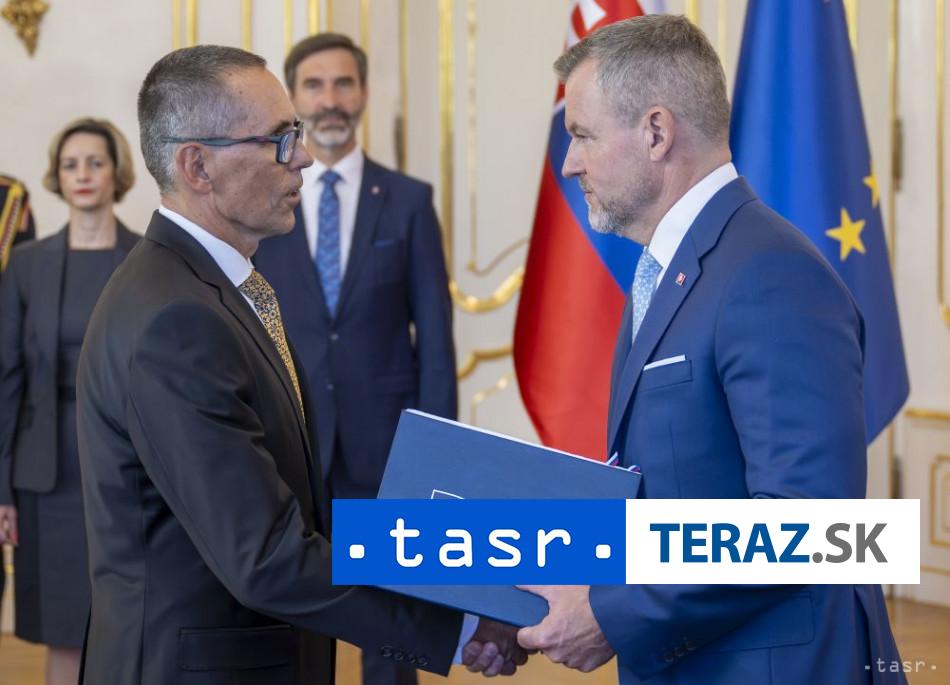
Slovakia has reopened its embassy in Ethiopia, appointing veteran diplomat Rastislav Križan to lead the mission. Križan brings more than two decades of experience in Slovak diplomacy to the role. Before his posting to Addis Ababa, he headed the disarmament and counter-terrorism department at Slovakia's Ministry of Foreign and European Affairs. The reopening of the embassy signals Slovakia's renewed diplomatic engagement with the Horn of Africa region.

|
International Politics

Slovak and Hungarian Leaders to Meet in Brussels as Visegrád Group Reunites

Slovak Prime Minister Robert Fico is set to meet Hungarian Prime Minister Péter Magyar in Brussels, where the two leaders will hold bilateral talks alongside a broader gathering of the Visegrád Four (V4) group. The full V4 summit will mark the first in-person meeting of all four member states' leaders in several years. The Visegrád Four is a regional alliance comprising Slovakia, Hungary, Czech Republic, and Poland, formed to coordinate political, economic, and cultural cooperation among Central European nations. The group, which once held significant collective influence within the European Union, has met less frequently in recent years amid political divergences between member states. The meeting carries notable significance given the changed political landscape in Hungary. Péter Magyar, a reform-oriented opposition figure who swept to power challenging the long-dominant right-wing populist government of Viktor Orbán, now leads Hungary as prime minister. His government represents a sharp ideological departure from the Orbán era, during which Fico and Orbán had maintained close political ties. How the two leaders navigate their relationship — Fico leads Smer-SD, a left-leaning nationalist party currently in government in Slovakia — will be closely watched as it could reshape the V4's internal dynamics and its collective posture within the EU.

|
International Politics

Who Speaks for Europe? Brussels Wrestles With Rivalry Between Kallas and Von der Leyen

A dispute over who represents the European Union on the world stage has emerged in Brussels, as France and Germany question how European diplomacy is functioning. At the center of the tension is an apparent rivalry between Kaja Kallas, the EU's foreign policy chief, and European Commission President Ursula von der Leyen. Kallas, a former Estonian prime minister, serves as the EU's High Representative for Foreign Affairs and Security Policy — the bloc's top diplomat — while von der Leyen leads the European Commission, the EU's executive arm. The two roles have long carried overlapping responsibilities in representing the EU internationally, but the friction between the two figures has drawn criticism from the bloc's two largest member states. France and Germany, traditionally seen as the engine of European integration, are raising concerns that the lack of a clear chain of command is undermining the coherence and effectiveness of EU foreign policy at a time when the bloc faces significant geopolitical challenges.

|
International Politics

Hungarian PM Orbán to Meet Fico and Join V4 Summit Alongside Brussels EU Council

Hungarian Prime Minister Viktor Orbán faces a busy diplomatic schedule coinciding with a European Union summit in Brussels, including a bilateral meeting with Slovak Prime Minister Robert Fico and a gathering of the Visegrád Four (V4) group. The EU summit, attended by heads of state and government, is scheduled as a two-day event, with the leaders' meeting taking place at its opening. The V4, a regional alliance comprising Slovakia, Hungary, the Czech Republic, and Poland, regularly coordinates positions on EU policy matters. The meeting between Orbán and Fico reflects the close political alignment between the two leaders, both of whom have taken positions at odds with mainstream EU stances on issues including the war in Ukraine and relations with Russia.

|
International Politics

EU Committee of the Regions President Visits Bratislava Amid Debate Over Post-2027 EU Budget

The President of the European Committee of the Regions, Kata Tüttő, visited the Bratislava Self-Governing Region as European Union institutions intensify discussions over the shape of the next long-term EU budget, known as the Multiannual Financial Framework, which will cover the period after 2027. Tüttő's visit centered on the role of regional governments in shaping EU policy, with her central message being that Europe must not forget its regions. The European Committee of the Regions is an EU advisory body that represents local and regional authorities across member states, giving them a formal voice in EU legislative and budgetary processes. The Bratislava Self-Governing Region is the administrative authority governing the greater Bratislava area. The timing of the visit is significant, as negotiations over the post-2027 Multiannual Financial Framework — the EU's overarching spending plan, typically set for seven-year periods — will determine how much funding flows to regions across the bloc for areas such as infrastructure, cohesion, and development. Regional bodies across the EU have been pressing to ensure that local governments retain meaningful influence and adequate financial support in the next budgetary cycle.

|
International Politics

Slovak Politicians Film Shopping Trip Videos in Belarus While Journalist Who Won Sakharov Prize Was Imprisoned There

Slovak politicians have drawn sharp criticism after filming promotional videos inside shops during a visit to Belarus, a country led by authoritarian president Alexander Lukashenko. The trip has provoked outrage given Belarus's record of political repression, including the imprisonment of journalists and activists. Among those who suffered under the Lukashenko regime is a journalist who was awarded the Sakharov Prize — the European Parliament's top human rights honor — recognition given precisely because of the persecution he endured. Critics have highlighted the stark contradiction between Slovak officials engaging in what appeared to be a lighthearted commercial visit to Minsk and the well-documented human rights abuses carried out by the Belarusian state, including the jailing of journalists whom Lukashenko's government declared should not exist. The visit has reignited debate in Slovakia about the current government's foreign policy orientation and its willingness to engage with regimes condemned by the European Union, of which Slovakia is a member state.

|
International Politics

NATO Chief Says U.S. Cuts Do Not Signal Withdrawal from Allies

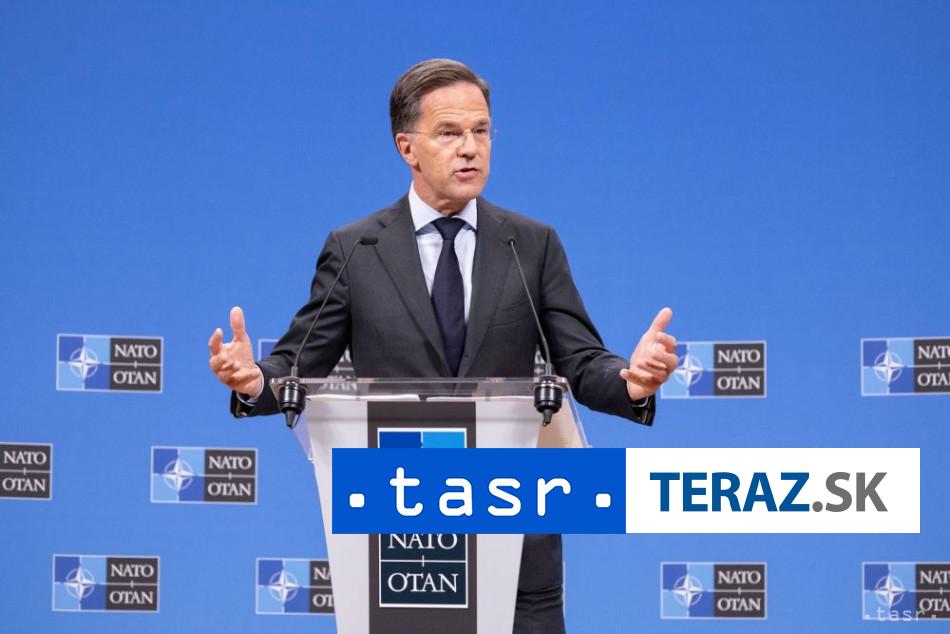
NATO Secretary General Mark Rutte has said that the United States is not turning away from its allies despite reducing some of its military contributions, pushing back against concerns that Washington may be stepping back from its commitments to the alliance. Rutte stated that the U.S. expects NATO member states to rapidly increase the number of manned aircraft, drones, and ships they contribute to the alliance's collective defense plans. The remarks come amid growing unease among European NATO members about the reliability of American security guarantees under President Donald Trump, who has repeatedly pressured European allies to take on greater responsibility for their own defense. NATO, the transatlantic military alliance of 32 member states, has been urging members to meet or exceed the target of spending at least 2% of their GDP on defense — a benchmark many European countries have historically fallen short of. Rutte's comments signal that Washington's scaling back of certain assets is intended to spur greater European burden-sharing rather than represent a strategic retreat from the continent.

|
International Politics

Commentary: A Temporary Coalition Against the Russian Threat

A Slovak commentary piece argues that the broad coalition of countries united against Russian aggression is fundamentally a temporary arrangement driven by shared existential threat rather than shared values. Once the immediate danger subsides, the piece warns, deep ideological and political disagreements among allied nations are likely to resurface, potentially fracturing the unity that has defined the Western response to the conflict.

|
International Politics

German Chancellor Merz Calls E5 Summit in Berlin

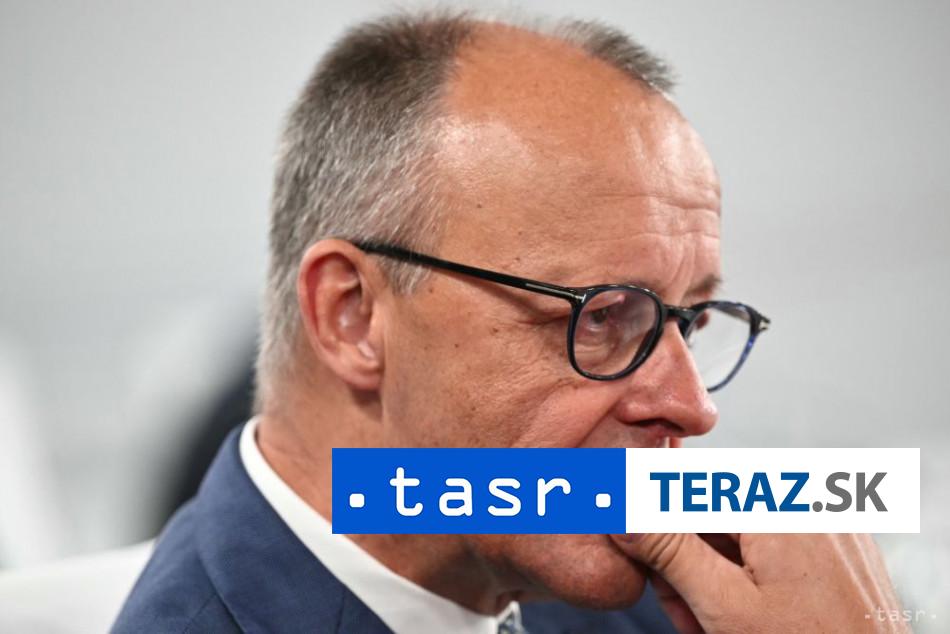
German Chancellor Friedrich Merz has convened an E5 summit in Berlin, bringing together the leaders of Europe's five largest economies. The meeting is intended to build on a series of high-level diplomatic gatherings taking place this week, following a G7 summit held in the French spa town of Évian-les-Bains and an EU leaders' summit in Brussels scheduled for Thursday and Friday. The E5 format, which groups Germany, France, the United Kingdom, Italy, and Poland, has emerged as an informal coordinating body among Europe's major powers at a time of heightened geopolitical pressure on the continent.

|
International Politics

EU and US Should Partner on AI, G7 Summit Opens Debate

European Commission President Ursula von der Leyen has called for a strong transatlantic partnership between Europe and the United States on artificial intelligence, using a G7 summit as a platform to launch broader discussions on cooperation in the field. The appeal comes amid rising tensions following moves by U.S. AI company Anthropic to block access to its advanced AI models for non-American users, a development that has highlighted growing concerns in Europe about unequal access to cutting-edge American AI technology. The G7, a forum of the world's seven leading industrialized democracies, has increasingly become a venue for debate on how to govern and share emerging technologies across allied nations. Von der Leyen's push for closer AI collaboration reflects the EU's broader ambition to remain competitive in the global AI race while avoiding technological dependence on a single partner, a concern that has grown as American and Chinese AI firms accelerate development of powerful new systems.

|
International Politics

NATO Chief Rutte Criticizes Members That Failed to Meet 2% Defense Spending Target Last Year

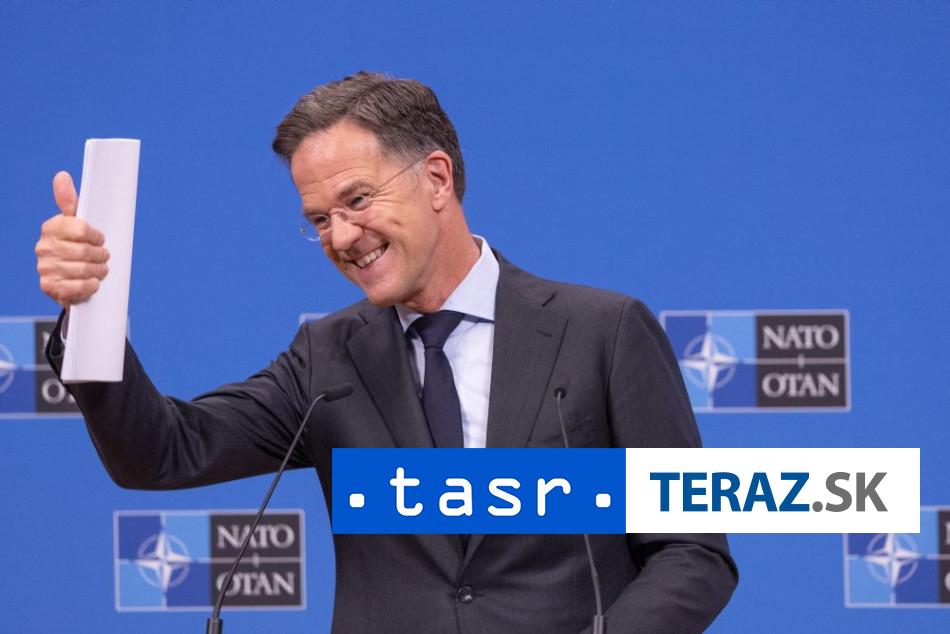
NATO Secretary General Mark Rutte has criticized alliance members that failed to spend at least 2% of their gross domestic product on defense in 2024. Rutte acknowledged, however, that NATO is receiving reports from all member countries indicating they are accelerating their defense investments. The 2% of GDP threshold has long been NATO's benchmark for member contributions to collective defense, and pressure to meet or exceed it has intensified following Russia's full-scale invasion of Ukraine in 2022. Several European NATO members, including Slovakia, have historically struggled to reach the target, though the broader trend across the alliance is toward increased military spending.

|
International Politics

European Parliament Reviews Western Balkans Progress Toward EU Membership

The European Parliament has assessed the progress of five Western Balkan nations on their paths toward European Union membership, highlighting both advances and persistent shortcomings. MEPs noted that while the candidate countries have made some strides in aligning with EU standards, significant deficiencies remain that could slow their integration prospects. The Western Balkans region — comprising countries including Serbia, Montenegro, Albania, North Macedonia, and Bosnia and Herzegovina — has long been on a path toward EU accession, a process that requires extensive reforms in areas such as rule of law, democratic governance, and economic alignment with EU norms. The European Parliament's periodic evaluations serve as important benchmarks in this process, signaling to both candidate countries and EU member states where reform efforts are succeeding and where further work is needed.

|
International Politics

European NATO Members Race to Boost Defense Spending, Some Eyeing 5% of GDP

Defense spending across Europe is accelerating rapidly, with several NATO member states setting ambitious new targets that go well beyond the alliance's existing benchmarks. NATO Secretary General Mark Rutte described the increase in defense expenditure as "stunning," as member countries respond to heightened security concerns following Russia's ongoing war in Ukraine. NATO has long maintained a target of spending at least 2% of gross domestic product on defense — a benchmark that has been a persistent source of tension within the alliance, particularly with the United States pressing European members to contribute more. Some NATO members are now pushing targets as high as 5% of GDP, a level that would represent an extraordinary commitment of national resources to military spending. Albania, the Czech Republic, and Slovenia failed to meet the existing 2% threshold last year, but all three countries have pledged to correct course and reach or exceed the target. The surge in European defense spending reflects growing recognition among alliance members that the continent must take greater responsibility for its own security, especially amid uncertainty over long-term U.S. commitment to European defense.

|
International Politics

Slovakia to Borrow Up to €2.3 Billion from EU Defence Financing Instrument

Slovakia's government has approved a loan agreement worth up to €2.317 billion from the European Union's SAFE financing instrument, earmarked for strengthening the country's defence and security capabilities. The cabinet approved the proposal on Wednesday, put forward by the Finance Ministry, to sign the loan contract with the European Commission. The SAFE instrument — Security Action for Europe — is an EU-level financial tool designed to help member states rapidly scale up defence spending and procurement, partly in response to the security challenges posed by Russia's war in Ukraine. The move represents one of the largest single defence financing commitments in Slovakia's history, and signals a significant shift in the country's approach to military investment, which has historically lagged behind NATO spending targets. The funds are expected to be used to modernise and expand Slovak defence capacities.

|
International Politics

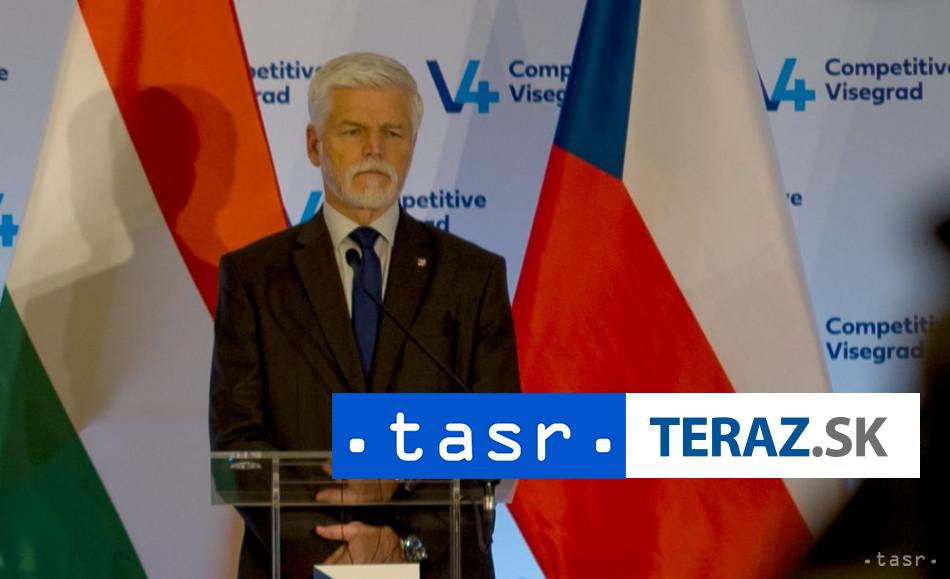
Czech President Pavel Criticizes Slovakia's Public Media Funding Change

Czech President Petr Pavel has voiced opposition to Slovakia's decision to change the funding model for its public media. Pavel said he does not understand why the Slovak government chose to take such a step. Slovakia recently moved to overhaul how its public broadcasters — RTVS, the country's public radio and television service — are financed, shifting away from a system of household licence fees toward direct state budget funding. Critics, including media freedom advocates and opposition politicians, have warned that the change gives the government greater influence over public broadcasters by making them financially dependent on the state. The reform has drawn concern both domestically and internationally, with observers arguing it poses a threat to editorial independence. Pavel's comments add a notable voice to that chorus, reflecting broader unease in Central Europe about the trajectory of media freedom in Slovakia under Prime Minister Robert Fico's government, which returned to power in 2023 on a platform critical of what it described as biased media coverage.

|
International Politics

EU Should Return to Its Roots as a Peace Project, Slovak Commentary Argues

The European Union must recommit to its founding identity as a peace project, while adapting that concept to modern realities — including the capacity to defend itself against external threats. The argument reflects a broader debate within Europe about how the bloc should respond to growing security challenges, particularly in the wake of Russia's war in Ukraine. Originally conceived after World War II as a framework to prevent conflict between European nations through economic integration and cooperation, the EU now faces pressure to develop meaningful collective defense capabilities. For Slovakia, a member of both the EU and NATO, the question carries particular weight as the country navigates tensions between its pro-Russian government — led by Prime Minister Robert Fico of the social-democratic Smer-SD party — and its obligations to Western alliances.

|
International Politics

EU and United Kingdom to Hold Joint Summit in July

The European Union and the United Kingdom will hold a joint summit in July, marking a significant step in efforts to reset relations between Britain and the bloc following Brexit. British Prime Minister Keir Starmer has spoken of a commitment to place Britain "at the heart of Europe," signaling a warmer approach toward the EU than that of his predecessors. The summit is expected to address areas of mutual interest including trade, security, and defense cooperation. The UK formally left the European Union in 2020, and relations have at times been strained over the terms of the post-Brexit trade and governance arrangements.

|
International Politics

EU to Ban Vegetarian Products From Using Meat Terms Like 'Steak' or 'Burger'

The European Union is moving to prohibit plant-based food products from being labeled with names traditionally associated with meat, such as "steak," "burger," or "sausage." Under the new rules, meat is formally defined as the edible parts of animals, a definition that also excludes lab-grown products cultivated from animal cells. The change means manufacturers of vegetarian and vegan alternatives will be required to use different terminology on their packaging across EU member states, including Slovakia. The regulation is part of a broader EU effort to standardize food labeling and reduce potential consumer confusion between conventional meat products and plant-based or laboratory-produced substitutes. Supporters argue the move protects both consumers and traditional livestock farmers, while critics in the plant-based food industry contend that familiar meat-related terms help consumers understand what kind of product they are buying.

|