Dávka - Your daily dose of Slovak news
Last refreshed: 28/07/2026 05:39 · 38 articles added
Stories are refreshed at 05:30, 10:30, 15:30, and 21:30 UTC.

International Politics

View all3273 stories
International Politics

Slovakia Opens First Embassy in Tanzania Amid Opposition Accusations of Arms Industry Ties

Slovakia has opened its first embassy in Tanzania, a move that has drawn sharp criticism from opposition politicians who allege the decision is driven by the interests of the country's defense industry rather than diplomatic priorities. Defense Minister Robert Kaliňák, a senior figure in Smer-SD, the ruling left-nationalist party led by Prime Minister Robert Fico, acknowledged the new embassy could open commercial opportunities for Slovakia, including in the defense sector. The timing of the opening has raised eyebrows: Tanzania recently held elections that were marred by deadly violence, with opposition groups claiming hundreds of people were killed in connection with the vote. Slovakia's opposition parties have seized on the embassy opening as evidence that the Fico government is willing to engage with authoritarian regimes for economic gain, particularly to benefit Slovak arms manufacturers. Slovakia has a significant defense industry inherited from the communist era and has been an active arms exporter. Critics argue that establishing a diplomatic presence in Tanzania so soon after the contested and violent elections sends a damaging signal about Slovakia's commitment to democratic values and human rights. Kaliňák has not denied the commercial dimension of the move, but has framed it as a legitimate pursuit of business opportunities for Slovak companies.

|
International Politics

Far-Right Ideas Become Mainstream as Europe Shifts Toward 'Fortress' Migration Policies

Ideas once confined to the fringes of European politics — strict border controls, mass deportations, and the concept of a 'Fortress Europe' — are rapidly entering the mainstream of EU policy debate. Positions that were until recently associated exclusively with far-right and extremist movements are now being adopted or seriously discussed by established centrist and conservative governments across the European Union. The shift reflects a broader rightward drift in European politics driven by successive migration crises, the electoral rise of nationalist parties, and growing public pressure on governments to curb irregular immigration. Critics warn that normalizing such rhetoric risks eroding the EU's foundational commitments to human rights, asylum protections, and the rule of law, while proponents argue the measures are a necessary and pragmatic response to real security and demographic pressures. The trend has significant implications for EU cohesion, as member states increasingly pursue unilateral border policies that strain the bloc's common frameworks on migration and asylum.

|
International Politics

Hungarian Parliament Debates Constitutional Amendment to Limit Prime Minister Terms to Eight Years

Hungary's parliament is discussing a constitutional amendment that would impose an eight-year limit on the prime minister's term in office. The proposal comes as Viktor Orbán's ruling Fidesz party faces separate criticism over allegations of secretly planning a migration camp near the Austrian border. Orbán has served as Hungary's prime minister since 2010, making him one of Europe's longest-serving leaders. The term limit proposal represents a significant potential change to Hungary's political system, though it remains unclear whether the amendment would apply retroactively to Orbán's current tenure or only to future prime ministers.

|
International Politics

Data Leak Reveals Russian Shadow Fleet Protection by Mercenaries and Spies

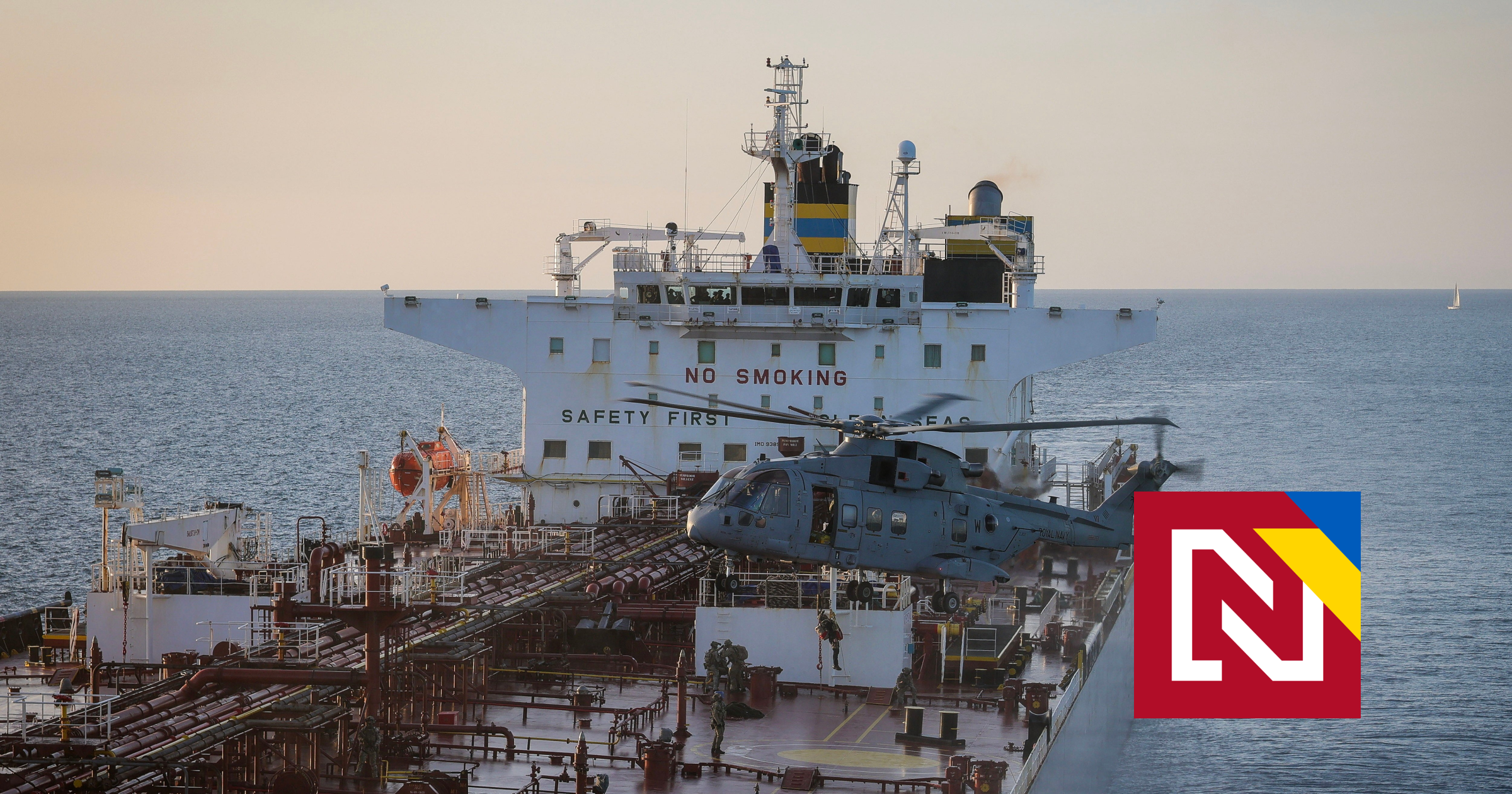
A major data leak involving at least 700 Russian oil tankers has revealed new details about how Moscow protects its shadow fleet used to circumvent European Union sanctions. The leaked information, obtained by the Dossier Center NGO, investigative platform Follow the Money, and several German media outlets, shows the extent of Russia's efforts to maintain oil exports through Baltic and North Sea routes despite Western restrictions. The documents provide the first detailed look at the security measures Russia employs to protect these vessels, including the use of mercenaries and intelligence operatives. Russia established this shadow fleet of tankers following EU sanctions imposed after its invasion of Ukraine, allowing the country to continue exporting oil while avoiding direct oversight by European authorities. The revelations highlight an ongoing "silent war" in northern European waters as Russia seeks to maintain its energy revenues while European nations attempt to enforce sanctions designed to limit Moscow's ability to fund its military operations.

|
International Politics

Vatican Cardinal Says Papal Visit to North Korea Depends on Pyongyang's Will

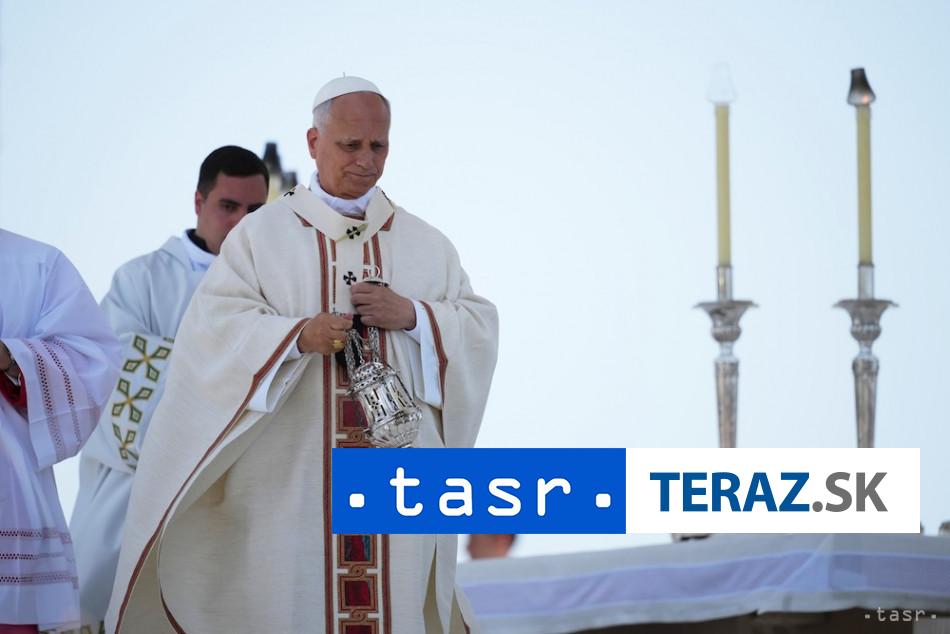
Cardinal Lazzaro You Heung-sik told journalists that any potential papal visit to North Korea would depend on the willingness of the Pyongyang government. The South Korean cardinal made the remarks on Saturday while celebrating a solemn mass at the Basilica of Saint Paul Outside the Walls in Rome, attended by South Korean President Yoon Suk Yeol. The comments highlight the Vatican's ongoing diplomatic efforts regarding the Korean Peninsula, where Pope Francis has previously expressed interest in visiting North Korea if invited, though no formal invitation has materialized from the isolated communist state.

|
International Politics

Slovak Deputy Prime Minister Raši to Hold Official Talks in Prague

Slovak Deputy Prime Minister Tomáš Raši is conducting an official visit to Prague, where he will hold bilateral talks with Czech officials. The program focuses primarily on bilateral meetings between the two neighboring countries. Raši, who serves as deputy prime minister in Slovakia's ruling coalition government, will engage in discussions aimed at strengthening diplomatic and economic ties between Slovakia and the Czech Republic, two nations that share extensive historical connections as former parts of Czechoslovakia until their peaceful separation in 1993.

|
International Politics

Czech Government Abolishes Broadcasting License Fees, Switches to Direct State Funding for Public Media

The Czech government has approved a fundamental change in how public service media is funded, replacing traditional broadcasting license fees with direct subsidies from the state budget. The reform, implemented under Prime Minister Andrej Babiš's administration, represents a significant shift in the financing model for Czech public television and radio services. The change moves away from the previous system where citizens paid mandatory fees to support public broadcasting, instead making the state directly responsible for funding these services through budget allocations. This funding model shift could have implications for the independence of public media, as it creates a more direct financial relationship between the government and public broadcasters.

|
International Politics

EU Budget Negotiations Begin with Proposed Cuts to Defense and Innovation Funding

The European Union has begun initial discussions on its future budget, with early proposals indicating reduced overall funding and potential cuts to defense and innovation programs. The preliminary negotiations suggest member states are struggling to reach consensus on the bloc's financial priorities for the coming years. Separately, EU officials have reached agreement on insurance mechanisms to protect against price increases related to emissions trading permits, though broader fiscal coordination remains elusive. The budget discussions represent the first round of what are expected to be lengthy negotiations as the EU grapples with competing demands for funding across various policy areas while managing economic pressures from climate transition costs.

|
International Politics

EU Expands Sanctions Against Russia Targeting War Economy and Propaganda Network

The European Union has expanded its sanctions list by adding dozens of individuals and companies that support Russia's war effort. The new measures target Russian propaganda operations, shadow fleet vessels used to evade oil sanctions, and human rights violations within Russia. The sanctions package represents the EU's continued effort to undermine Russia's war economy and isolate Moscow internationally as the conflict in Ukraine continues.

|
International Politics

Fuel Crisis Hits Russian-Occupied Territory as Ukraine War Enters Day 1,572

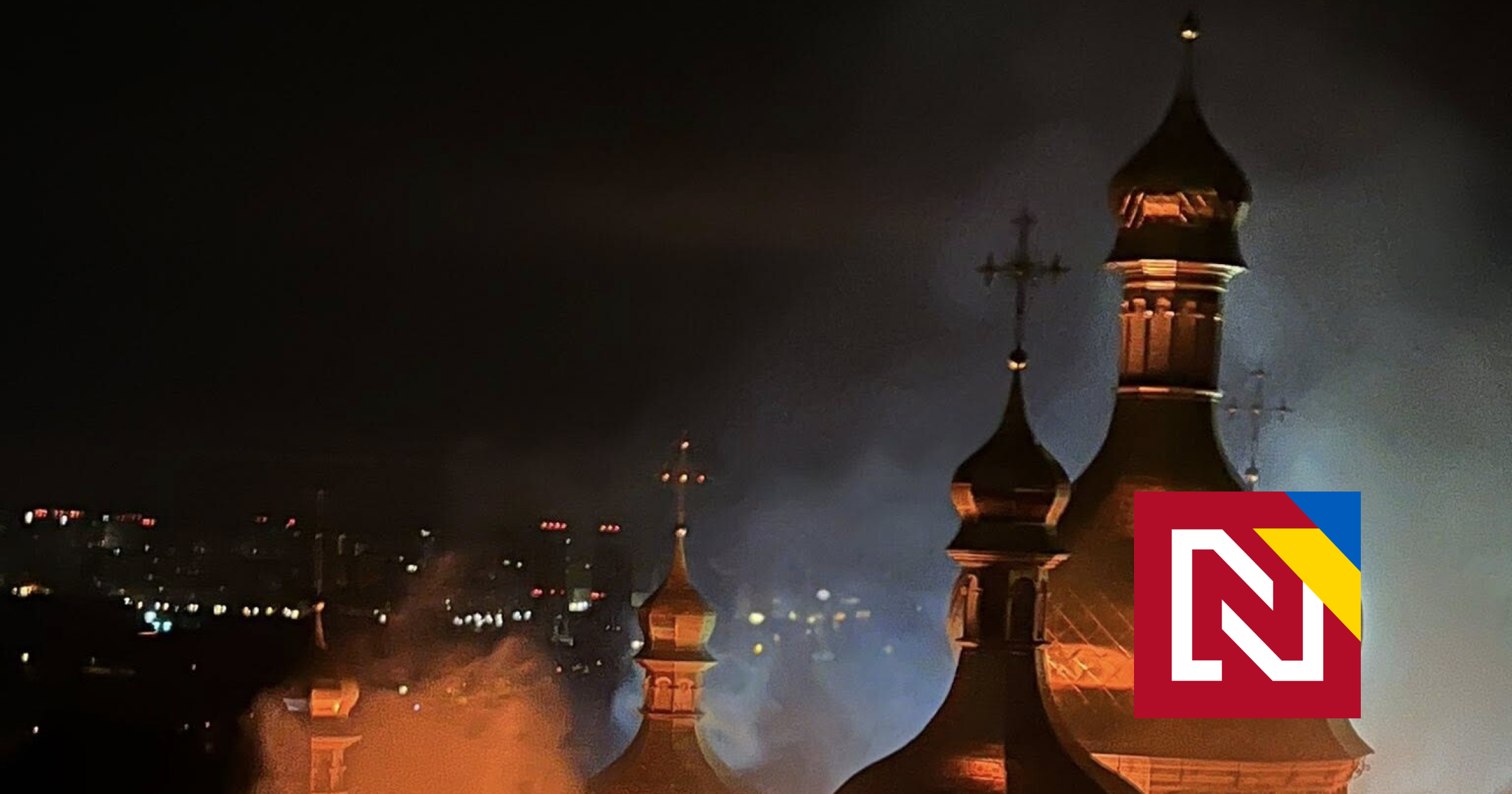
Russian forces are experiencing severe fuel shortages across approximately 200 kilometers of occupied territory, with soldiers being turned away empty-handed from gas stations, according to reports from Z-channels and local residents. The fuel crisis comes as drone strikes continue to target bridges in the region, and residents reported black rain falling from the sky. In Kyiv, a Russian airstrike set fire to one of the world's most important Orthodox churches. Ukrainian forces continue operations with former Slovak MiG aircraft, with the 114th Brigade showcasing new capabilities in ongoing combat operations.

|
International Politics

Iran May Continue Strait of Hormuz Restrictions Despite Potential US Deal

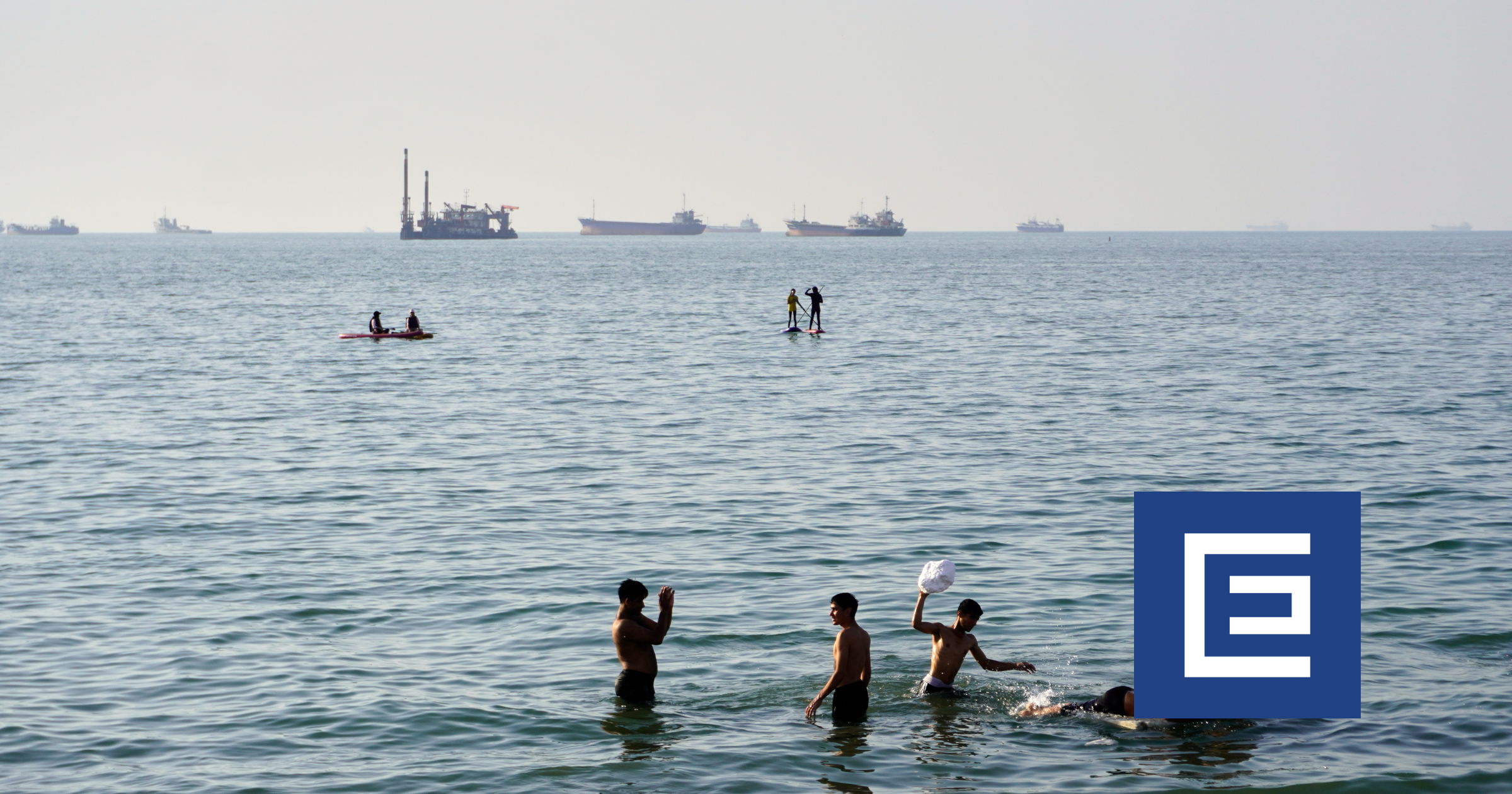
Iran may maintain its ability to collect tolls and impose restrictions on the Strait of Hormuz even after reaching a potential agreement with the United States, raising questions about President Trump's promises to fully reopen the strategic waterway. Experts warn that the situation may never fully return to pre-war conditions, as Iran could continue using the threat of blocking the strait as leverage in future negotiations. The timing and conditions under which the Hormuz Strait might reopen remain unclear, despite diplomatic efforts between Washington and Tehran. The strait serves as a critical chokepoint for global oil shipments, with Iran having demonstrated its willingness to use control over the waterway as a geopolitical tool.

|
International Politics

Switzerland Says No Request Received to Host US-Iran Agreement Signing

Switzerland has expressed surprise over reports that it would host the signing of an agreement between the United States and Iran, saying it has received no official request for such a ceremony. The confusion emerged after Pakistan's Prime Minister announced on Sunday that a deal had been reached between the US and Iran, with the signing ceremony reportedly planned to take place in Switzerland. However, according to Swiss officials cited by The Times of Israel, Geneva has not received any formal request to host the signing event. The discrepancy highlights uncertainty surrounding the reported agreement and its implementation details.

|
International Politics

Fire Engulfs Ukraine's Oldest Orthodox Monastery, Drawing International Condemnation of Russia

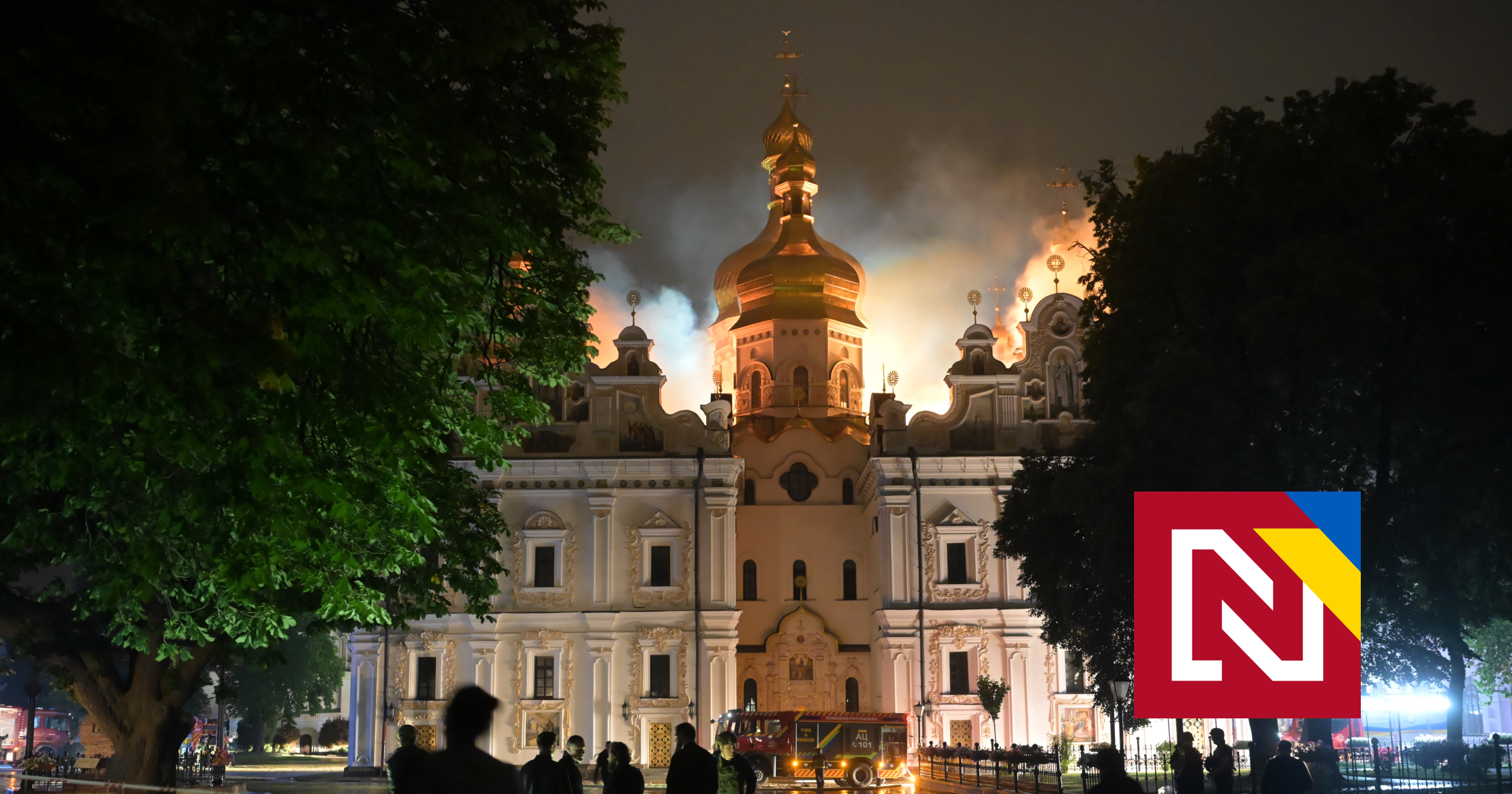
A fire has damaged the Kyiv Pechersk Lavra, Ukraine's oldest Orthodox monastery and one of the most important Orthodox sites in Eastern Europe. The monastery complex, founded by monk Anthony in caves above the Dnieper River banks in Kyiv, predates Moscow by nearly a century and is considered the religious heart of Ukraine. The incident has prompted international reactions condemning Russia, with observers noting that "nothing is sacred to Russia." The Kyiv Pechersk Lavra holds immense historical and spiritual significance as a founding center of Orthodox Christianity in the region, established long before the first written mention of Moscow appeared in historical records.

|
International Politics

Two Candidates Compete for Slovak Judge Position at EU Court of Justice

Two candidates are vying to represent Slovakia as a judge on the European Union's Court of Justice. Andrea Moravčíková and Miroslav Gavalec have submitted their applications for the prestigious position. The Court of Justice is the EU's highest judicial authority, responsible for ensuring that European law is interpreted and applied consistently across all member states. Each EU member country nominates one judge to serve on the court, which plays a crucial role in resolving legal disputes between member states and EU institutions, as well as providing authoritative interpretations of European law that bind national courts.

|
International Politics

EU States Approve Canadian Companies' Participation in SAFE Procurement Initiative

The European Union Council has approved the participation of Canadian companies in the SAFE procurement instrument, marking a significant expansion of the defense cooperation framework. Canada becomes the first non-European country to join SAFE, a strategic initiative designed to facilitate joint defense procurement among participating nations. The decision represents a deepening of transatlantic defense ties and could pave the way for enhanced military-industrial cooperation between the EU and its North American allies.

|
International Politics

Slovakia and India Sign Memorandums During Indian Prime Minister's Bratislava Visit

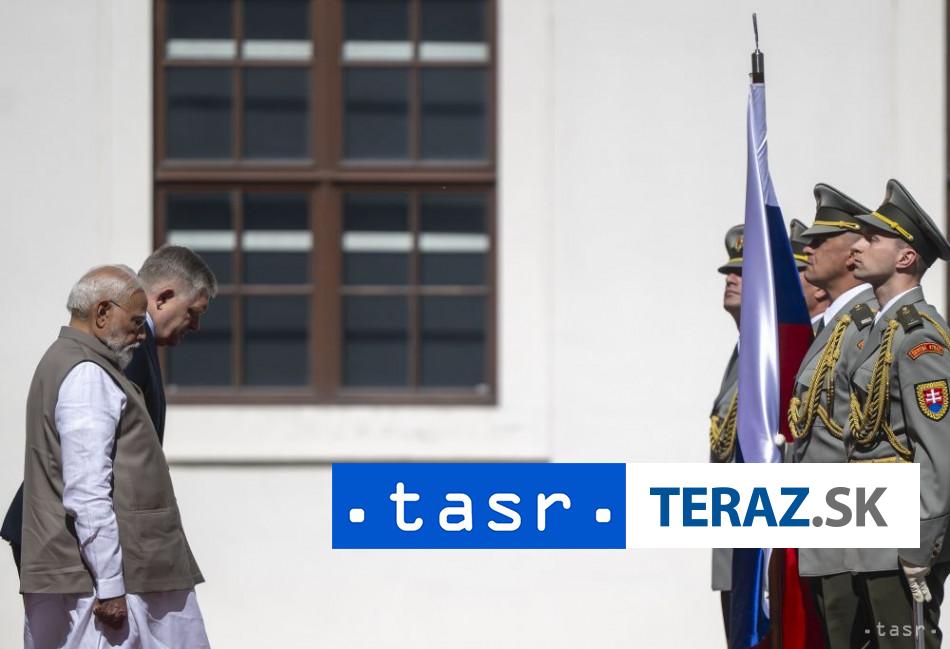
Slovak ministers and state secretaries signed multiple memorandums of understanding with their Indian counterparts during Indian Prime Minister Narendra Modi's official visit to Bratislava. The agreements were exchanged as part of the diplomatic meetings between the two countries. Modi's visit represents a significant diplomatic engagement between Slovakia, a Central European EU member state, and India, one of the world's largest economies and most populous nations. Such high-level visits typically aim to strengthen bilateral relations in areas including trade, investment, technology cooperation, and cultural exchanges.

|
International Politics

Russia Blames Patriot Missile for Damage to Kyiv's Historic Orthodox Monastery

Moscow has attributed damage to the Kyiv-Pechersk Lavra, one of Ukraine's most important Orthodox Christian sites, to a Ukrainian Patriot missile system. The claim comes amid renewed Russian missile strikes that hit the Ukrainian capital Kyiv as well as the cities of Dnipro and Kharkiv. Ukrainian President Volodymyr Zelenskyy has responded by calling for increased deliveries of air defense systems from Western allies. The Kyiv-Pechersk Lavra, a thousand-year-old monastery complex and UNESCO World Heritage site, holds deep religious and cultural significance as the birthplace of Eastern Orthodox Christianity in the region.

|
International Politics

Slovak Aid Worker in Kyiv Reflects on Personal Loss Amid Ukrainian Suffering

A Slovak humanitarian worker based in Kyiv has written about experiencing personal grief while surrounded by the immense suffering caused by Russia's war in Ukraine. The woman, whose grandmother recently died at age 91, described how her own pain feels diminished when compared to the widespread trauma she witnesses daily in the Ukrainian capital. Writing in Slovak media, she reflected on the psychological challenge of processing personal loss while working amid a war zone where death and destruction have become routine. Her grandmother had lived a long and difficult life but spent her final years peacefully with loved ones, a stark contrast to the sudden and violent losses many Ukrainians face.

|
International Politics

Taiwan Launches Web Platform to Collect Intelligence Information on China

Taiwan has established a new website targeting Chinese citizens and encouraging them to collaborate in providing intelligence data about Beijing. The platform represents Taiwan's latest effort to gather information about its larger neighbor amid ongoing tensions across the Taiwan Strait. The initiative appears designed to recruit sources within mainland China who could provide insights into Beijing's activities and policies.

|
International Politics

Israel Continues Strikes on Southern Lebanon Despite US-Iran Framework Agreement

Israel continued artillery and drone attacks on southern Lebanon despite a framework agreement between the United States and Iran aimed at ending the war. The ongoing strikes have left residents afraid to return to their homes in the region. The attacks persist even as diplomatic efforts between Washington and Tehran have produced an agreement designed to halt the conflict.

|