Dávka - Your daily dose of Slovak news
Last refreshed: 27/07/2026 17:42 · 75 articles added
Stories are refreshed at 05:30, 10:30, 15:30, and 21:30 UTC.

Economy

View all1892 stories
Economy

Slovakia's Sugar Tax Draws Criticism as Diet Drinks Cost as Much as Sugary Ones

Slovakia's newly introduced sugar tax is drawing scrutiny after consumers noticed that sugar-free soft drinks now cost as much as their sugary counterparts — a pricing anomaly that critics say undermines the logic of the levy. The tax, designed to discourage consumption of sugary beverages by making them more expensive, appears to have prompted beverage makers and retailers to raise prices broadly across product lines, including drinks that contain no added sugar and should theoretically be unaffected. Kofola, a popular Central European cola-style drink with a strong following in Slovakia, has emerged as a prominent example: its sugar-free version now carries the same retail price as the sweetened original, despite not being subject to the tax. Analysts and consumers argue that overall drink prices have risen significantly more than the tax itself would justify, suggesting that producers may be using the levy as cover for wider price increases. The sugar tax is part of a broader Slovak government effort to curb unhealthy consumption habits and raise public health standards, but the unintended pricing effects are fueling debate about whether the measure is achieving its stated goals or simply adding to the cost of living.

|
Economy

Over €3 Million Investment Headed to Struggling Eastern Slovak Valley

A investment of more than three million euros is set to flow into a so-called 'hunger valley' in eastern Slovakia, a region historically marked by high unemployment and economic underdevelopment. The project is expected to create dozens of new jobs in an area that has long struggled with poverty and a lack of economic opportunity. Eastern Slovakia, particularly its rural interior, has traditionally lagged behind the more developed west of the country, and targeted investments in such regions are seen as critical to reducing regional inequality within the country.

|
Economy

ORLEN Opens Its 100th Fuel Station in Slovakia

Polish energy giant ORLEN has reached a significant milestone in Slovakia, opening its 100th fuel station in the country. The expansion marks a major step in the company's long-term strategy to grow its retail fuel network in the Slovak market, offering customers what it describes as quality fuels, modern services, and improved travel comfort. ORLEN, one of Central Europe's largest energy companies, has been steadily expanding its branded station network across Slovakia as part of broader regional growth ambitions.

|
Economy

Slovakia Launches Unified Transport Ticketing Platform for Trains and Buses

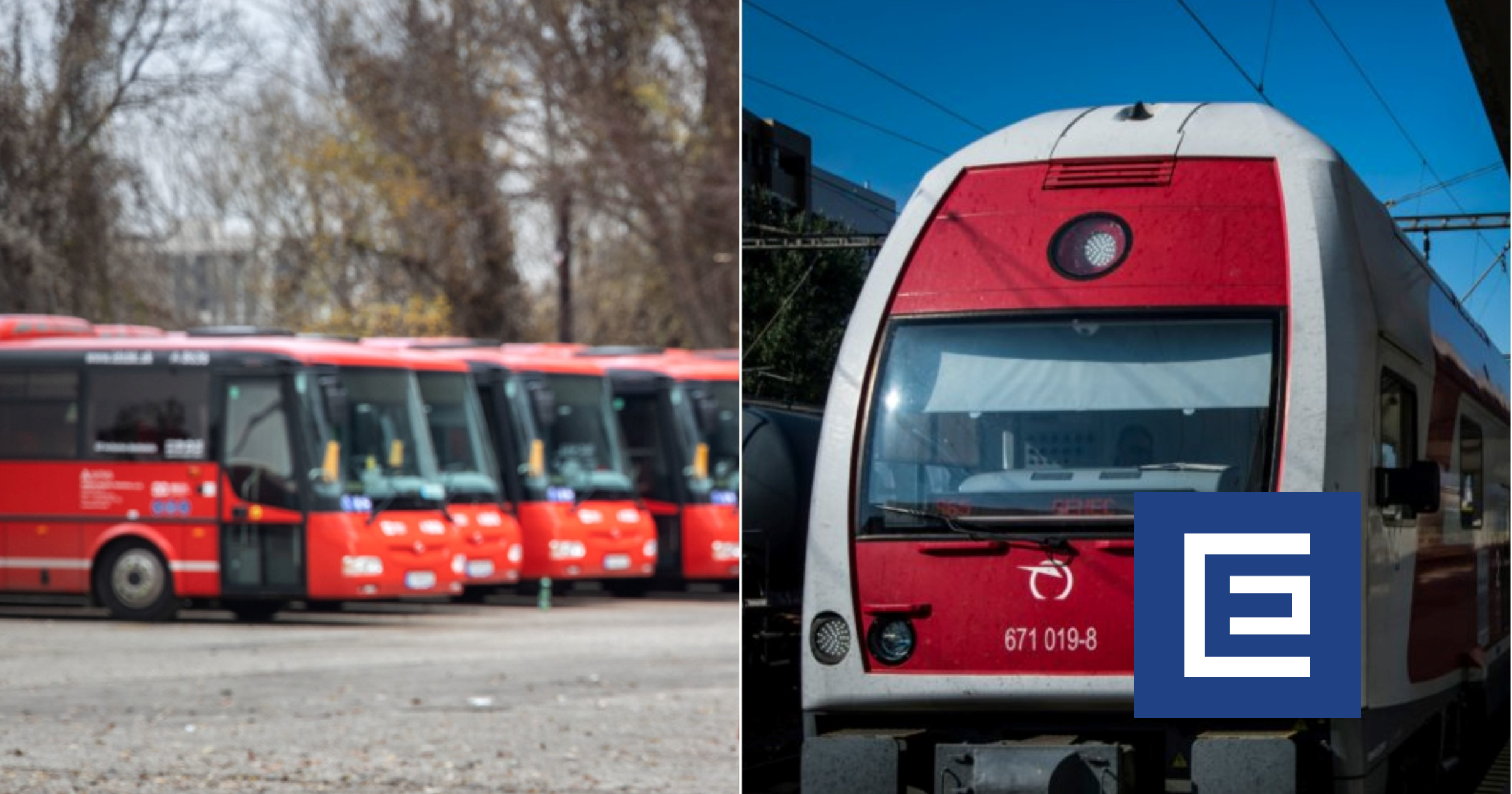
Slovakia is rolling out a long-promised integrated ticketing system that will allow passengers to travel across trains and buses using a single ticket. The Ministry of Transport launched the platform, named Cyril, on Wednesday — a project valued at more than 20 million euros excluding VAT. The system is designed to simplify public transport journeys by enabling seamless transfers between different modes of transport under one ticket purchase. The rollout will be gradual, with features becoming available in phases. A dedicated mobile app is not yet available for download, meaning passengers will initially access the service through other means as the platform is built out incrementally. Slovakia's public transport network has historically operated with fragmented ticketing systems across different carriers and regions, making multi-modal journeys cumbersome for passengers. The Cyril platform represents the government's attempt to modernize and unify the experience, bringing Slovakia closer to integrated transport models already in place in several other European Union countries. The phased approach reflects both the technical complexity of connecting different transport operators and the scale of the investment involved.

|
Economy

Slovak Government Energy Aid to Revive Struggling Aluminum Smelters

Slovakia's government has approved increased financial support for energy-intensive industries, a move expected to revive two major aluminum production facilities currently operating at minimal capacity due to high energy costs. OFZ, an aluminum smelter in the Orava region of northern Slovakia, is running only one of its seven furnaces because of soaring energy prices. While the company welcomes the new government assistance, it says a return to higher production levels will be gradual and is not expected to begin in earnest until next year. The aid will also benefit Slovalco, a larger aluminum smelter in the central Slovak town of Žiar nad Hronom, which faces similar energy-related constraints. The government's decision raises the annual rebate on emissions allowance payments — a cost that heavily burdens energy-intensive manufacturers — to 140 million euros per year. This compensation mechanism, which returns a portion of the fees companies pay under the EU's carbon emissions trading system, is intended to keep Slovak heavy industry competitive. The measure is seen as significant for the broader domestic energy-intensive industrial sector, which has struggled to remain viable amid persistently high electricity and energy prices across Europe.

|
Economy

Gold Hovers Near Seven-Month Low as Bond Yields Rise and Fed Signals Weigh on Markets

Gold prices are staging only a modest recovery after a sharp drop on Tuesday, trading at around $4,010 per ounce and remaining close to a seven-month low. Investors are closely watching rising bond yields and signals from the U.S. Federal Reserve, both of which tend to weigh on gold by making yield-bearing assets more attractive by comparison. The cautious market mood has left traders hesitant to push prices significantly higher in the near term.

|
Economy

Budget Laptops Becoming Extinct as Electronics Prices Continue to Rise

The market for affordable laptops is disappearing, with manufacturers increasingly finding it unprofitable to produce low-cost devices. As component costs, supply chain pressures, and shifting consumer expectations drive up production expenses, entry-level notebooks are being phased out by major electronics makers. Consumers looking for budget options face a shrinking selection, with analysts warning that the floor price for laptops is set to rise further in the coming period. The trend reflects a broader transformation in the electronics market, where the economics of mass-producing cheap devices no longer adds up for manufacturers.

|
Economy

Slovak Exporters Warn That Neglecting Renewable Energy Could Hurt Competitiveness

Slovak exporters are raising concerns that failure to invest in renewable energy sources could undermine the country's economic competitiveness in international markets. Business representatives argue that energy policy must be built on the principle of diversification — spreading energy production across multiple sources rather than relying on any single one. The warning reflects growing pressure on Slovakia to align its energy strategy with broader European Union green energy goals, as major trading partners increasingly factor carbon footprints and sustainable energy use into supply chain and procurement decisions. Companies that export to EU and global markets risk losing contracts or facing higher costs if Slovakia's energy mix falls behind those of competing economies that are more aggressively adopting renewables.

|
Economy

Bitcoin Falls Below $60,000 After Its Worst Month Since 2022

Bitcoin has dropped below $60,000, capping what analysts describe as the cryptocurrency's worst monthly performance since June 2022. The decline marks a significant reversal for the digital asset, which had previously attracted renewed investor interest following the approval of Bitcoin exchange-traded funds in the United States earlier this year. Bitcoin is the world's largest cryptocurrency by market value and is closely watched as a barometer of broader sentiment toward digital assets and speculative investments.

|
Economy

Prominent Slovak Lawyer Stands to Lose Major Agricultural Investment as Key Firm Enters Bankruptcy

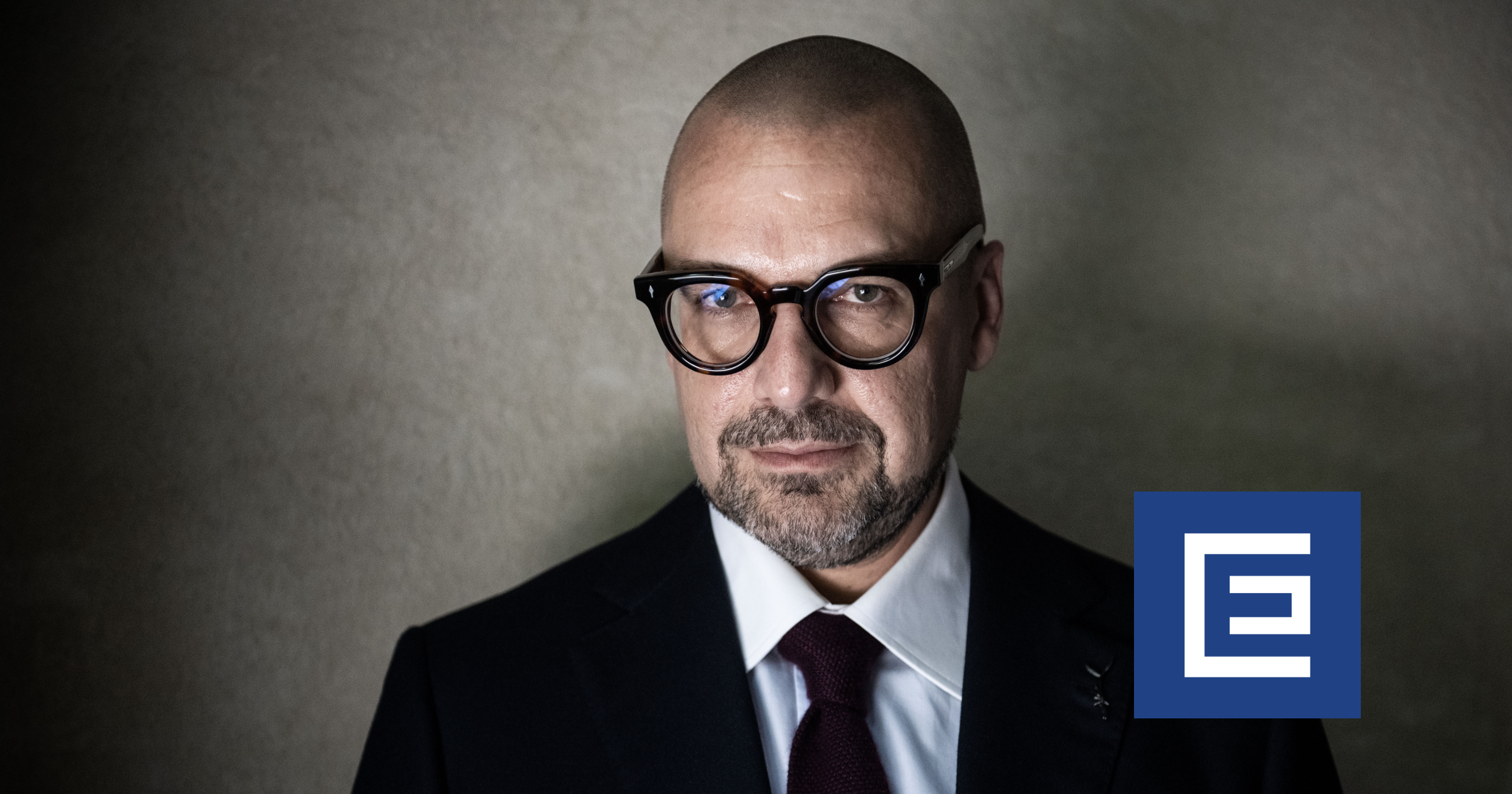
Daniel Krátký, a high-profile Slovak lawyer known for his aggressive legal tactics, is facing the loss of significant agricultural investments after the company through which he holds his stake in a major farming conglomerate was declared bankrupt. Krátký holds his interest in a large agricultural group through a key holding firm that has now entered insolvency proceedings. His business partner, Ján Nosko, is seeking to buy out Krátký's shares through the bankruptcy process — a move Krátký is contesting. Krátký objects both to the price being offered for his stake and to the bankruptcy proceedings themselves, arguing that the court should first have allowed the company to pursue a restructuring process rather than moving directly to full insolvency. The dispute highlights a deepening personal and legal conflict between the two business partners. Bankruptcy proceedings in Slovakia typically allow creditors and interested parties to acquire assets at court-supervised valuations, which can result in prices below market value — a likely source of Krátký's objection. His challenge to the process on procedural grounds, specifically that restructuring should have been considered first, suggests he intends to mount a legal fight to protect his agricultural holdings.

|
Economy

Microsoft Paid Over $28 Billion in Taxes Last Fiscal Year

Microsoft paid more than $28 billion in taxes globally during its last fiscal year, the U.S. technology giant has disclosed. Of that total, $6.3 billion went to European Union member states. The figures highlight the scale of tax contributions by major American tech companies operating across international markets, a subject of ongoing scrutiny from European regulators and governments seeking to ensure large multinationals pay their fair share of taxes in the jurisdictions where they generate revenue.

|
Economy

Slovak State Arms Maker Behind Zuzana Howitzer Returns to Growth

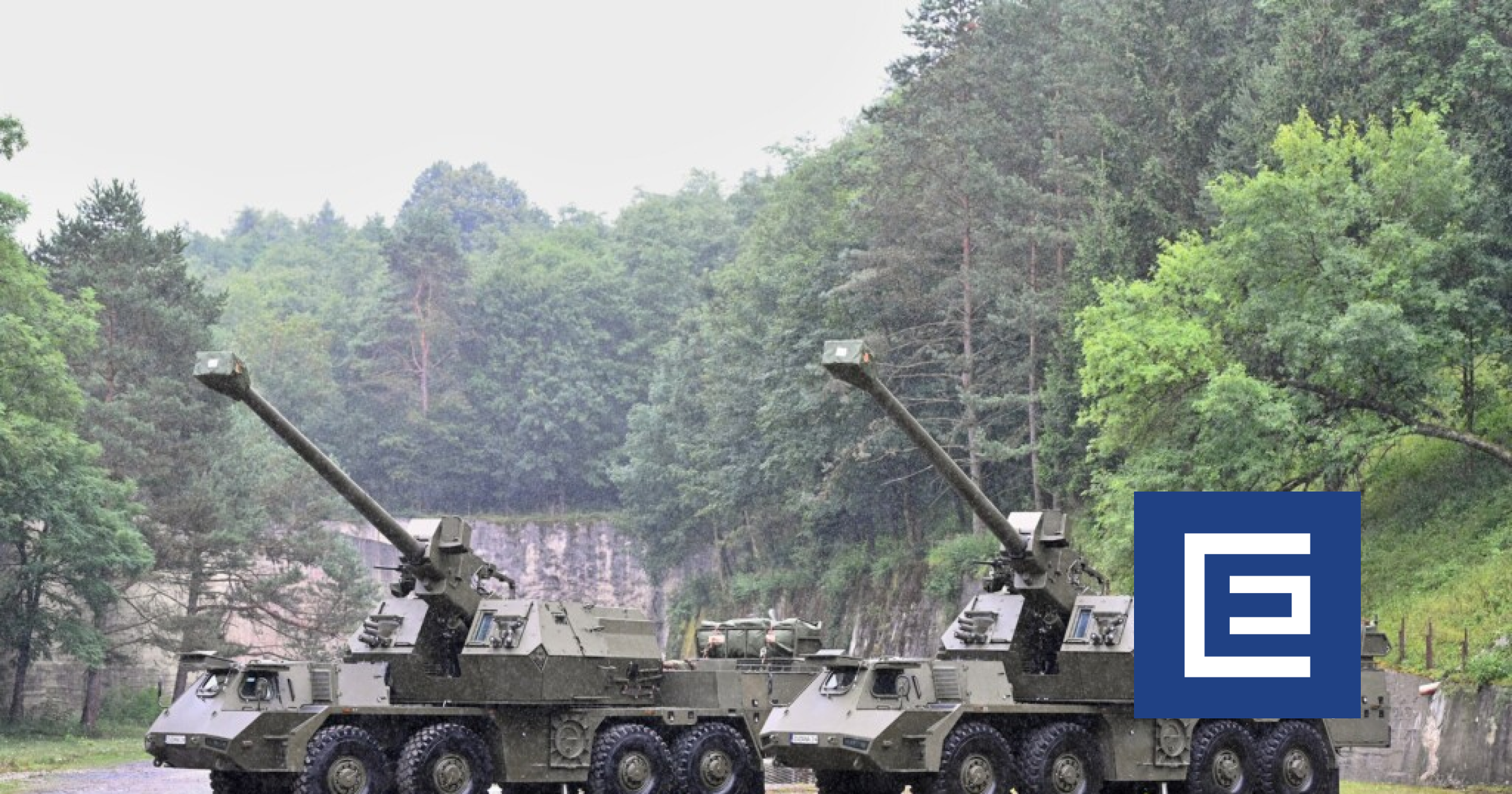
Konštrukta – Defence, Slovakia's largest state-owned arms manufacturer and maker of the Zuzana self-propelled howitzer, returned to growth last year after two consecutive years of declining revenues, posting a profit of nearly 7 million euros. The recovery was driven largely by accelerated production of Zuzana howitzers destined for Ukraine, which has received the weapons as part of international military aid. The company also secured major contracts for Slovakia's own armed forces as well as Scandinavian defense firms, positioning it for continued growth in the coming years. Despite the rebound, Konštrukta – Defence remains significantly smaller than private Czech arms group Czechoslovak Group, owned by businessman Michal Strnad, which dominates the Central European defense manufacturing sector. The contrast highlights the gap between state-run and privately held defense firms in the region at a time when European governments are sharply increasing defense spending in response to Russia's war in Ukraine.

|
Economy

Slovakia's Economic Outlook Dims as Climate Pressures and Industrial Risks Mount

Slovakia's ruling coalition is facing growing challenges to its economic narrative as a combination of record heat, drought, and potential industrial setbacks threaten key arguments it has used to defend its economic record. Government politicians have typically pointed to two indicators to justify their economic policies: busy parking lots at shopping centers — a sign of consumer activity — and low unemployment rates. A second line of defense has blamed the European Union, its Green Deal environmental policy framework, and Germany for broader economic difficulties. However, both arguments are coming under strain. Record-breaking temperatures and drought conditions are putting environmental concerns into sharp relief, while reports suggest that production of the Porsche Cayenne SUV — manufactured at the Volkswagen plant in Bratislava, one of Slovakia's most significant industrial employers — may be at risk of being relocated away from the Slovak capital. The Volkswagen Bratislava plant is a cornerstone of Slovakia's automotive-dependent economy, and any reduction in its output would have significant consequences for employment and growth. With these familiar defenses weakening, the coalition appears to be shifting its messaging toward a longer-term horizon, signaling that meaningful economic improvement should not be expected until 2027 — effectively pushing the recovery narrative beyond the 2026 timeframe previously implied.

|
Economy

Slovak Academy of Sciences Warns of No 'Magic Sector' to Save Economy, Sees Strength in Energy

Slovakia has no single industry capable of rescuing its economy on its own, but the country holds particular strengths in the energy sector, according to a senior researcher involved in drafting a major long-term national strategy. The assessment comes from Radvanský of the Slovak Academy of Sciences (SAV), the country's principal public research institution, who contributed to a document called Vízia Slovenska 2040 — Vision of Slovakia 2040 — a strategic planning initiative developed by hundreds of experts to map out the country's economic and social direction over the next decade and a half. The researcher emphasized that the real challenge now is ensuring the document does not end up forgotten in a drawer, warning that translating expert analysis into concrete government policy has historically proven difficult in Slovakia. The Vision of Slovakia 2040 project represents one of the most comprehensive national planning exercises undertaken in the country in recent years, aiming to identify competitive advantages and structural weaknesses across key sectors of the Slovak economy.

|
Economy

Slovak Academy of Sciences Unveils Vision 2040 Plan, Warns Against Unrealistic Economic Expectations

Slovakia has no single "miracle sector" capable of transforming its economy on its own, according to researchers behind a long-term national development strategy called Vision Slovakia 2040. The plan, developed by hundreds of experts coordinated through the Slovak Academy of Sciences — the country's leading state research institution — identifies energy as one of Slovakia's genuine areas of strength, while cautioning against overblown expectations about any one industry driving national prosperity. The Vision 2040 document is intended to serve as a strategic roadmap for the country's economic and social development over the next decade and a half, covering areas such as innovation, infrastructure, and competitiveness. Researchers involved in its creation stressed that the plan's value depends entirely on whether policymakers actually implement its recommendations, warning that allowing such a comprehensive strategy document to go unused would be a serious missed opportunity for the country.

|
Economy

Volkswagen Slovakia Threatens to Pull Porsche Cayenne Production, Delivering Sharp Warning to Slovak Government

Volkswagen's large assembly plant in Bratislava — the biggest manufacturing facility in Slovakia — is facing the most serious threat in its history, with the German automaker considering moving production of the Porsche Cayenne away from the Slovak capital. The Cayenne, a premium SUV whose production in Bratislava helped launch the country's high-end vehicle manufacturing sector a quarter century ago, is now the plant's single most important product in terms of both quality and output volume. Losing the model would represent a severe blow to the factory and to Slovakia's broader industrial economy. The development is being interpreted as a final warning to the Slovak government over its economic policies. Slovakia's ruling coalition, led by Prime Minister Robert Fico's Smer-SD party, has pursued a range of tax and social contribution increases in recent years to address budget deficits — measures that businesses say are raising the cost of doing business in the country. Volkswagen's signal that it may shift Cayenne production elsewhere suggests that major international investors are losing confidence in Slovakia's competitiveness as a manufacturing base. The automotive sector is the backbone of Slovakia's economy, with the country producing more cars per capita than any other nation in the world. Volkswagen's Bratislava plant is a cornerstone of that sector. Any reduction in its operations would carry significant consequences not only for direct employees but for the wider network of suppliers and service industries that depend on it, making this warning one of the most consequential economic signals the Slovak government has received in recent years.

|
Economy

SpaceX Joins Major Investment Index, Reaching Slovak Pension Savers Indirectly

SpaceX, the private rocket and aerospace company founded by Elon Musk, has been added to indexes managed by MSCI, a leading global financial index provider — a move that indirectly connects the company to Slovak retirement savings. Because many passive investment funds, known as ETFs (exchange-traded funds), automatically mirror the composition of MSCI indexes, SpaceX's inclusion means that Slovak savers participating in the country's second pension pillar will now have indirect exposure to the company. Slovakia's second pillar is a mandatory private pension savings scheme in which workers contribute a portion of their wages into investment accounts managed by private pension fund administrators. These funds typically invest in globally diversified portfolios that track major indexes. As SpaceX becomes part of those indexes, it becomes a small component of the retirement savings of hundreds of thousands of Slovak workers — without any active decision on their part.

|
Economy

U.S. Stock Markets Open Higher

U.S. stock markets opened trading with gains at the start of the new week, following a turbulent end to the previous week when chipmaker stocks came under renewed selling pressure. Shares of semiconductor manufacturers — companies that produce the microchips powering everything from smartphones to artificial intelligence systems — had declined in the final sessions of last week, raising concerns among investors. The rebound at Monday's open offered some relief after that weakness.

|
Economy

Slovakia's Fourth Mochovce Reactor to Reach Full Capacity by Year-End After Decade-Long Delays

Slovakia's fourth nuclear reactor at the Mochovce power plant will not reach full operational capacity until the end of 2025, following construction delays that stretched more than a decade beyond the original schedule. The reactor, one of two new units added to the existing Mochovce facility in western Slovakia, is currently in the process of being brought online. The total cost of constructing both new reactors — Units 3 and 4 — has exceeded six billion euros, far surpassing initial estimates. Mochovce is Slovakia's second nuclear power plant, operated by Slovenské elektrárne, the country's dominant electricity producer. The expansion project, which began in the mid-2000s, was originally expected to be completed within a few years but encountered repeated technical, financial, and regulatory setbacks that pushed delivery well into the 2020s. Unit 3 was connected to the grid ahead of Unit 4, which is still completing its ramp-up phase. The completion of both reactors is considered significant for Slovakia's energy strategy, as nuclear power provides the majority of the country's electricity generation. Fully operational, the two new units are expected to significantly boost domestic electricity output, reducing dependence on imports and supporting Slovakia's long-term energy security goals.

|
Economy

Slovak Economy Expected to Pick Up Growth Pace, Finance Ministry Forecasts

Slovakia's economy is projected to accelerate its growth rate, according to a new forecast released by the country's Finance Ministry. While the anticipated pace falls short of the stronger expansion Slovakia experienced in previous years, the outlook compares favorably against the broader European context, where many economies continue to struggle with sluggish growth. Slovakia, a eurozone member and export-driven economy heavily reliant on the automotive and manufacturing sectors, has faced headwinds in recent years from weak demand in key trading partners, particularly Germany. The ministry's projection offers a cautiously optimistic signal for the country's economic trajectory, suggesting a gradual recovery without a return to the high-growth dynamics of the pre-pandemic era.

|