Dávka - Your daily dose of Slovak news
Last refreshed: 27/07/2026 17:42 · 75 articles added
Stories are refreshed at 05:30, 10:30, 15:30, and 21:30 UTC.

Economy

View all1892 stories
Economy

Maker of Iconic Slovak Horalky Wafers Swings to Loss After Irish Takeover

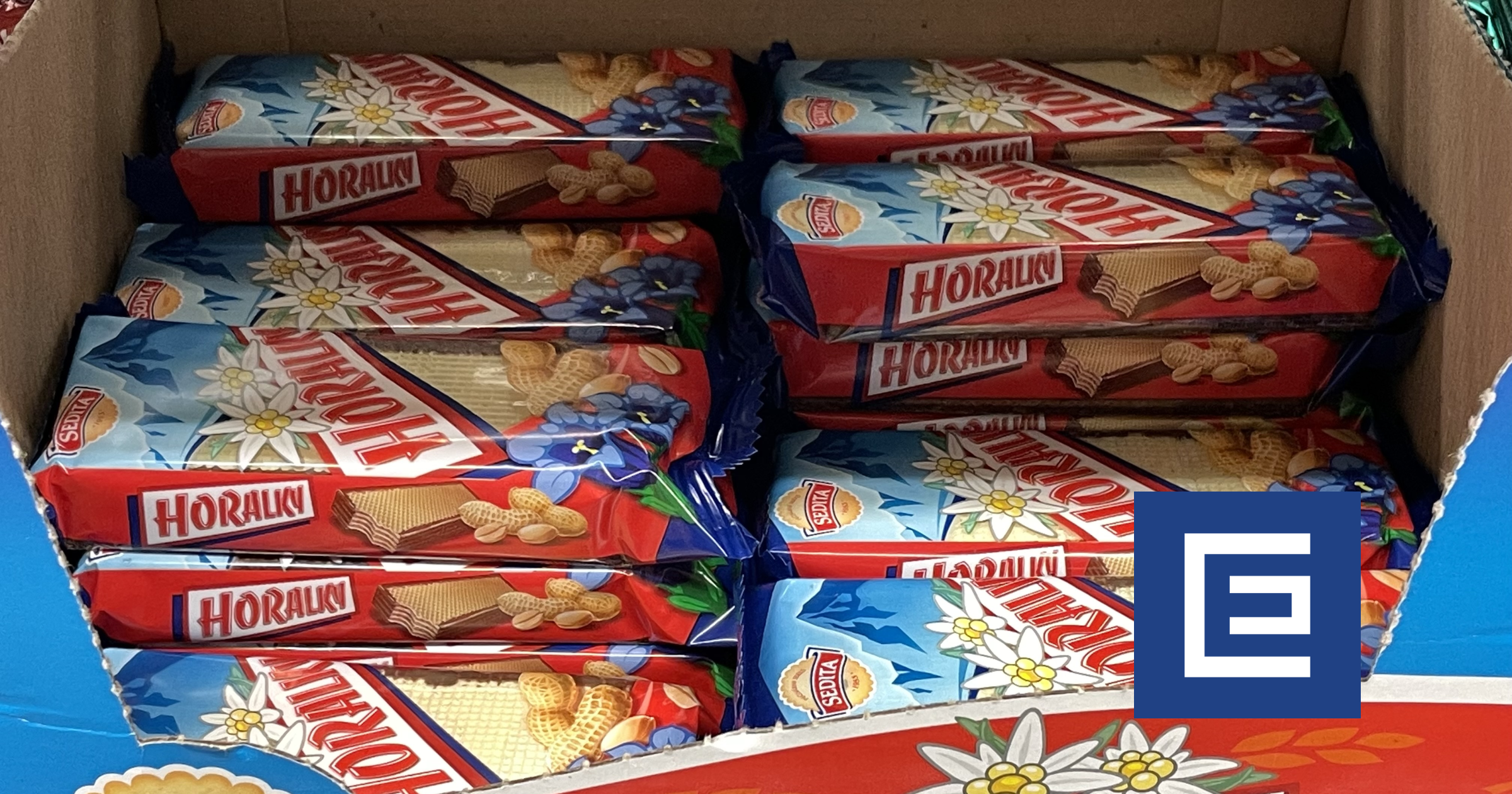
The Slovak confectionery company behind Horalky — one of Central Europe's most recognizable chocolate-coated wafer snacks — posted a loss of half a million euros in 2024, reversing years of strong profitability following its acquisition by Irish food group Valeo Foods. The company, I.D.C. Holding, operating under its Sedita brand, had accumulated combined profits of approximately 50 million euros between 2022 and 2024 while under previous ownership. After Valeo Foods, an Irish snack and food conglomerate, took control, rising production costs began outpacing revenues, and results from financial operations also deteriorated, pushing the business into the red last year. Despite the financial setback, the company is considered to retain strong long-term potential. Analysts point to its modern production facilities and well-established market position across Central Europe as reasons for optimism. Horalky wafers, produced in Slovakia for decades, enjoy broad brand recognition and consumer loyalty throughout the region, giving the business a solid commercial foundation even as it works through the financial pressures that followed the ownership change.
|
Economy

Nippon Steel's Košice Plant Chief Rebukes Slovak Environment Minister Over Business Climate

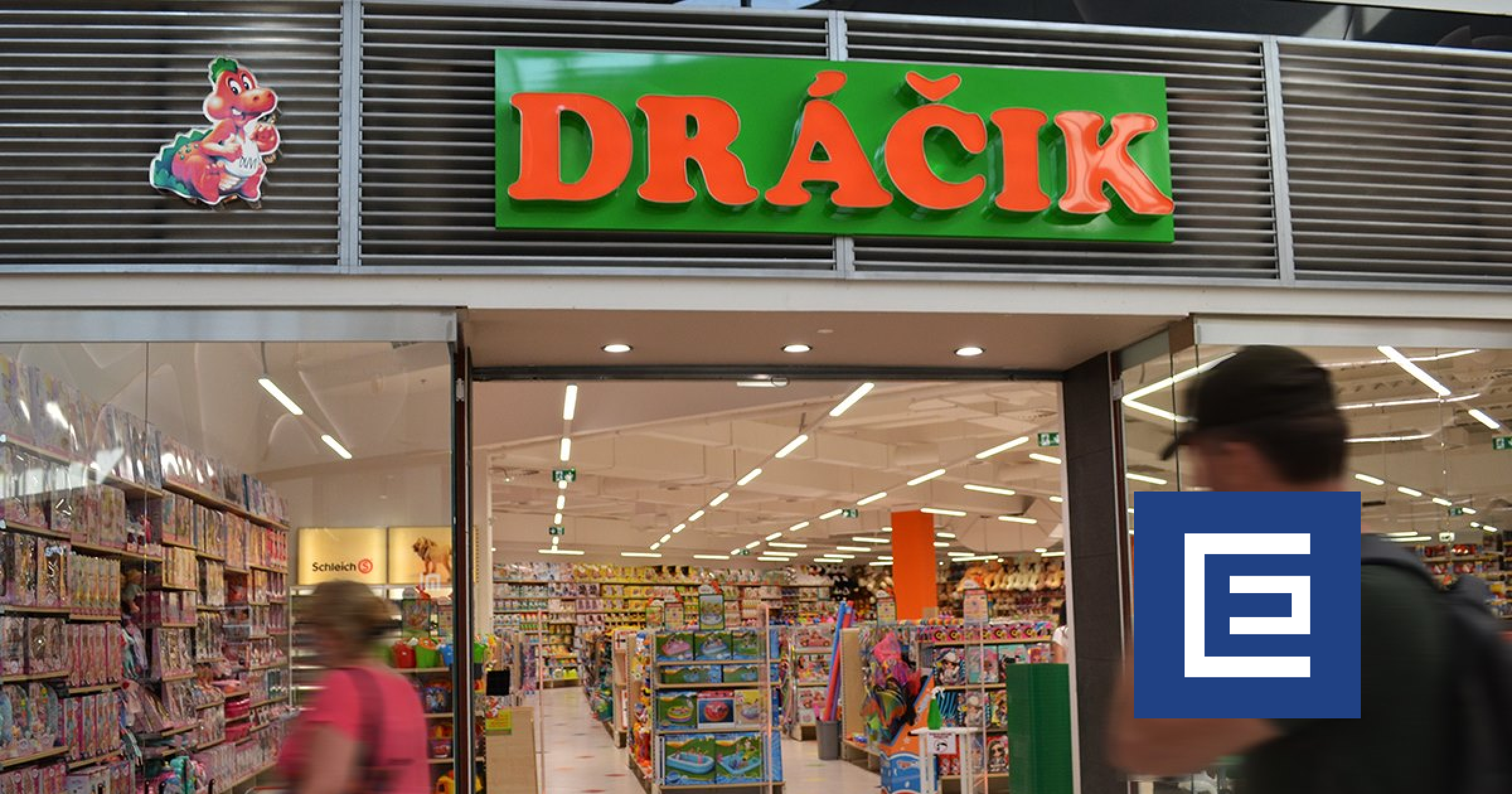
The president of Slovakia's largest steelworks has publicly criticized the country's environment minister, sending a sharp message to the Slovak government over what he described as unhelpful rhetoric toward business. James Bruno, who heads the Košice steel plant owned by Japanese industrial giant Nippon Steel and employs more than 7,500 workers, said he was deeply disappointed by recent public statements made by Environment Minister Tomáš Taraba. Bruno urged Taraba to stop behaving inappropriately toward business and instead focus on finding real solutions to keep key Slovak industrial facilities operational. The Košice steelworks is one of Slovakia's most significant industrial employers, making the dispute between its leadership and a senior government minister a matter of considerable economic and political weight. The broader business roundup also noted declining profits at Slovnaft, the major Slovak oil refinery, and at the controversial toy retailer Dráčik, while a defense manufacturer in Tisovec recorded profit for the first time.

|
Economy

Home Sales Rose Across Most EU Member States in 2024

Residential property sales increased across most European Union member states last year, according to EU-wide data. The figures cover houses and apartments sold throughout the bloc, reflecting a broader recovery in European real estate markets. Slovakia was not included in the ranking.

|
Economy

Start-Up Costs: How Small Businesses Can Cut Expenses by Over 60 Percent

Launching a new business comes with an overwhelming number of tasks and financial pressures, and for early-stage entrepreneurs in Slovakia, every euro in the budget carries significant weight. Financial advisors highlight that many small business owners overlook hidden recurring costs — often described as 'silent money eaters' — that quietly drain company budgets. Experts suggest that by identifying and addressing these often mundane operational expenses, businesses can reduce certain cost categories by more than 60 percent, providing crucial relief during the critical early stages of a company's development.

|
Economy

Slovakia's Mochovce Nuclear Plant Completes Fuel Loading in Fourth Reactor

Slovakia's Mochovce nuclear power plant has completed the loading of nuclear fuel into the reactor of its fourth unit, marking a significant milestone in the facility's expansion. All 349 fuel assemblies have been inserted into the reactor, moving the long-delayed project a step closer to becoming operational. Mochovce, located in western Slovakia, is operated by Slovenské elektrárne, the country's dominant electricity producer. The plant's third unit, which took decades to complete amid repeated delays and cost overruns, began commercial operation in recent years, and the fourth unit has been under construction alongside it. Completion of fuel loading is a key technical prerequisite before a reactor can proceed toward start-up testing and eventual power generation. The expansion of Mochovce is central to Slovakia's long-term energy strategy, as the country relies heavily on nuclear power for its electricity supply and seeks to reduce dependence on fossil fuels.

|
Economy

Goldman Sachs Leads EMEA Mergers and Acquisitions in First Half of Year

Goldman Sachs dominated merger and acquisition activity across the Europe, Middle East, and Africa (EMEA) region in the first half of the year, according to market data. The total value of mergers and acquisitions in the region reached $676 billion during the period, underscoring the continued strength of deal-making activity despite broader global economic uncertainties. Goldman Sachs, one of the world's largest investment banks, ranked first among financial advisers facilitating such transactions across the region.

|
Economy

Two Czech Billionaires in Talks to Buy Stake in Italian Tire Giant Pirelli

Two Czech billionaires are in talks to acquire a significant shareholding in Pirelli, the iconic Italian tire manufacturer, from Chinese chemical conglomerate Sinochem. Czech arms and defense industry tycoon Michal Strnad and energy billionaire Pavel Tykač have reportedly entered negotiations with Sinochem, which currently holds a controlling stake in the Milan-based company. A successful deal would significantly reshape the ownership structure and balance of power within one of the world's most recognized tire brands. Pirelli, founded in 1872 and listed on the Milan Stock Exchange, has been under Chinese ownership influence since Sinochem acquired its controlling interest in 2015, a move that drew considerable attention from European regulators concerned about Chinese influence over strategic industrial assets. The potential entry of Central European investors could shift that dynamic, reducing Chinese dominance in the company at a time when Western governments are increasingly scrutinizing foreign ownership of key industrial firms.

|
Economy

Continental Sells ContiTech Rubber and Plastics Division for €4 Billion

German automotive supplier Continental is selling its ContiTech rubber and plastics division in a deal valued at approximately €4 billion. The transaction is expected to generate net cash proceeds of around €3.1 billion for the company. ContiTech, which produces rubber and plastic components for a range of industries including automotive, is one of Continental's major business units. The sale is part of a broader restructuring trend among large European industrial groups seeking to streamline operations and focus on core activities amid ongoing pressure from the transition to electric vehicles and shifting global demand.

|
Economy

Latvian Company Balticovo Completes Acquisition of Slovak Egg Producer Babičkin Dvor

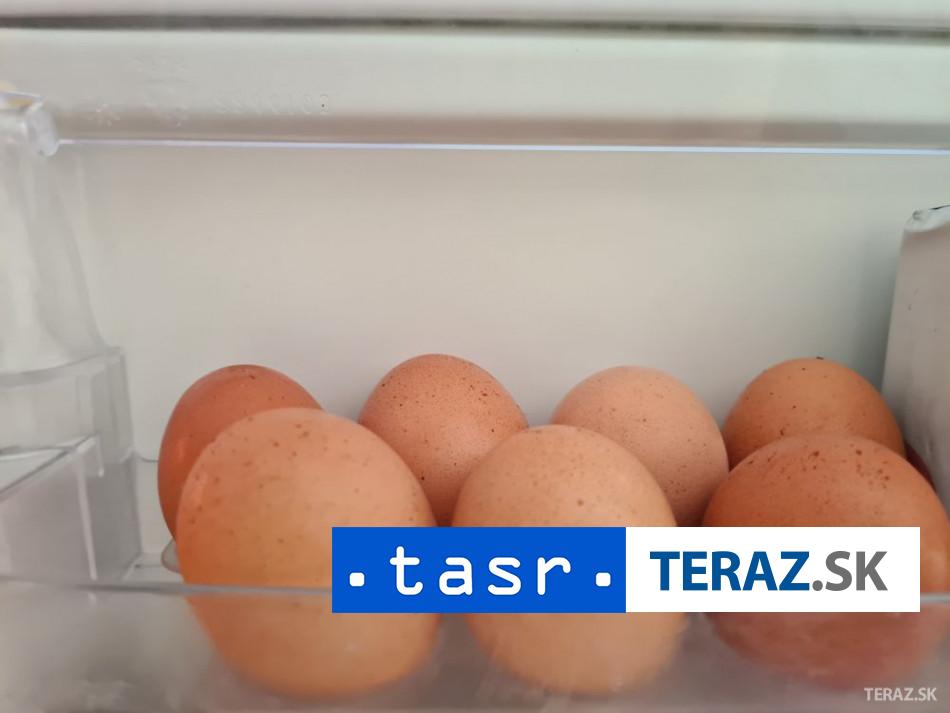
Latvian egg producer Balticovo has completed its acquisition of Slovak poultry company Babičkin Dvor, expanding its presence in Central European agricultural markets. Babičkin Dvor operates eight farms in the region surrounding Veľký Krtíš, a town in southern Slovakia, and supplies more than 110 million eggs annually to retail chains. The acquisition positions Balticovo, one of the Baltic states' leading egg producers, as a significant player in the Slovak and broader Central European food supply sector.

|
Economy

Three Slovak Banks Raise Mortgage Rates as Borrowing Costs Set to Climb Further

Three Slovak banks have already raised their mortgage interest rates, with analysts warning that further increases are likely. Only one lender has bucked the trend by offering a significant temporary reduction, but the move is seen as short-lived. Mortgage rates in Slovakia have been under upward pressure as the broader European interest rate environment tightens, making home loans more expensive for borrowers. The development is significant for Slovak households, as rising mortgage costs could dampen demand in the country's housing market and increase the financial burden on existing variable-rate borrowers. Experts expect rates to continue climbing in the near term, leaving prospective homeowners with a narrowing window to secure cheaper financing.

|
Economy

Slovak Shoppers Adapt to New EU Tariffs on Chinese Online Retailers

Slovak consumers are changing their shopping habits on Chinese e-commerce platforms such as Temu, Shein, and AliExpress following new European Union customs rules that took effect July 1, rather than abandoning the platforms altogether. Under the new EU regulations, a flat-rate tariff now applies to packages imported from China, ending a previous exemption that allowed low-value goods to enter the bloc duty-free. The change has made the purchase of cheap individual items — often just a few cents or euros — significantly less attractive, as customs charges can now exceed the value of the goods themselves. Rather than stop shopping on these platforms, Slovak users are sharing advice on social media on how to minimize the impact of the new tariffs, for example by ordering multiple units of the same product in a single purchase to spread the cost of the duty across more items. The shift reflects a broader adjustment across the European Union, where regulators have faced growing pressure to create a level playing field between domestic retailers — who must comply with EU product safety and tax standards — and Chinese online marketplaces that previously benefited from the low-value import exemption.

|
Economy

Eastern Slovakia Regions Secure Access to €28 Billion EU Investment Fund

The regions of eastern Slovakia have secured guaranteed access to EastInvest, a €28 billion European Union investment instrument, following diplomatic outreach by regional authorities. The Prešov Self-Governing Region (PSK) and the Košice Self-Governing Region (KSK) — the two administrative regions that together make up eastern Slovakia — initiated talks in Brussels to ensure the area's inclusion in the fund. EastInvest is an EU financial mechanism designed to channel large-scale investment into underdeveloped or strategically important parts of Europe. Eastern Slovakia has historically lagged behind the country's more prosperous western regions in terms of economic development and infrastructure, making access to major EU funding instruments a key political and economic priority for local authorities. Securing a guaranteed stake in the €28 billion fund represents a significant step toward narrowing that regional development gap and attracting investment to one of the European Union's less affluent areas.

|
Economy

Laundry Perfume Brand Giovani Tops Popularity Charts Again

Slovak laundry care brand Giovani has reclaimed its position as the most popular laundry perfume on the market, reflecting a broader shift in consumer preferences away from traditional fabric softeners toward premium fragrance products. Many consumers have long been disappointed by conventional fabric softeners that promise lasting freshness but fail to deliver, with scents fading quickly after washing. The laundry care market is undergoing a significant transformation, with premium perfumed laundry products increasingly replacing standard softeners as shoppers seek longer-lasting and more sophisticated fragrances for their clothes and linens.

|
Economy

Google Hit with Record Fine Over Anti-Competitive Product Promotion

Google has been handed a record fine for aggressively pushing its own products over competitors in search results, the latest major antitrust action against the U.S. tech giant. The penalty is part of a broader global regulatory push to curb the market dominance of large technology platforms, which critics argue use their scale to unfairly disadvantage rivals. Despite geopolitical turbulence — including economic disruption caused by tensions between Iran and the United States — global stock markets posted solid gains in the first half of the year. South Korean, Japanese, and Taiwanese indices led worldwide growth, while the technology-heavy Nasdaq 100 rose 18 percent and the broader U.S. S&P 500 index gained 10 percent. Europe's Stoxx 600 index also recorded a respectable 7 percent increase, defying expectations of a more severe economic slowdown.

|
Economy

European Stock Markets Hit Record Highs as Defense Stocks Surge

European stock markets climbed to record levels, with defense sector shares among the strongest performers. Shares in Rheinmetall, the German arms and defense manufacturing giant, rose by six percent, reflecting growing investor appetite for defense stocks amid continued elevated security spending across Europe. The gains pushed major European indices to all-time highs, underscoring a broader market rally driven in part by increased defense budgets among NATO member states responding to ongoing geopolitical tensions.

|
Economy

Slovak State Rail Freight Company Approves Mass Layoffs

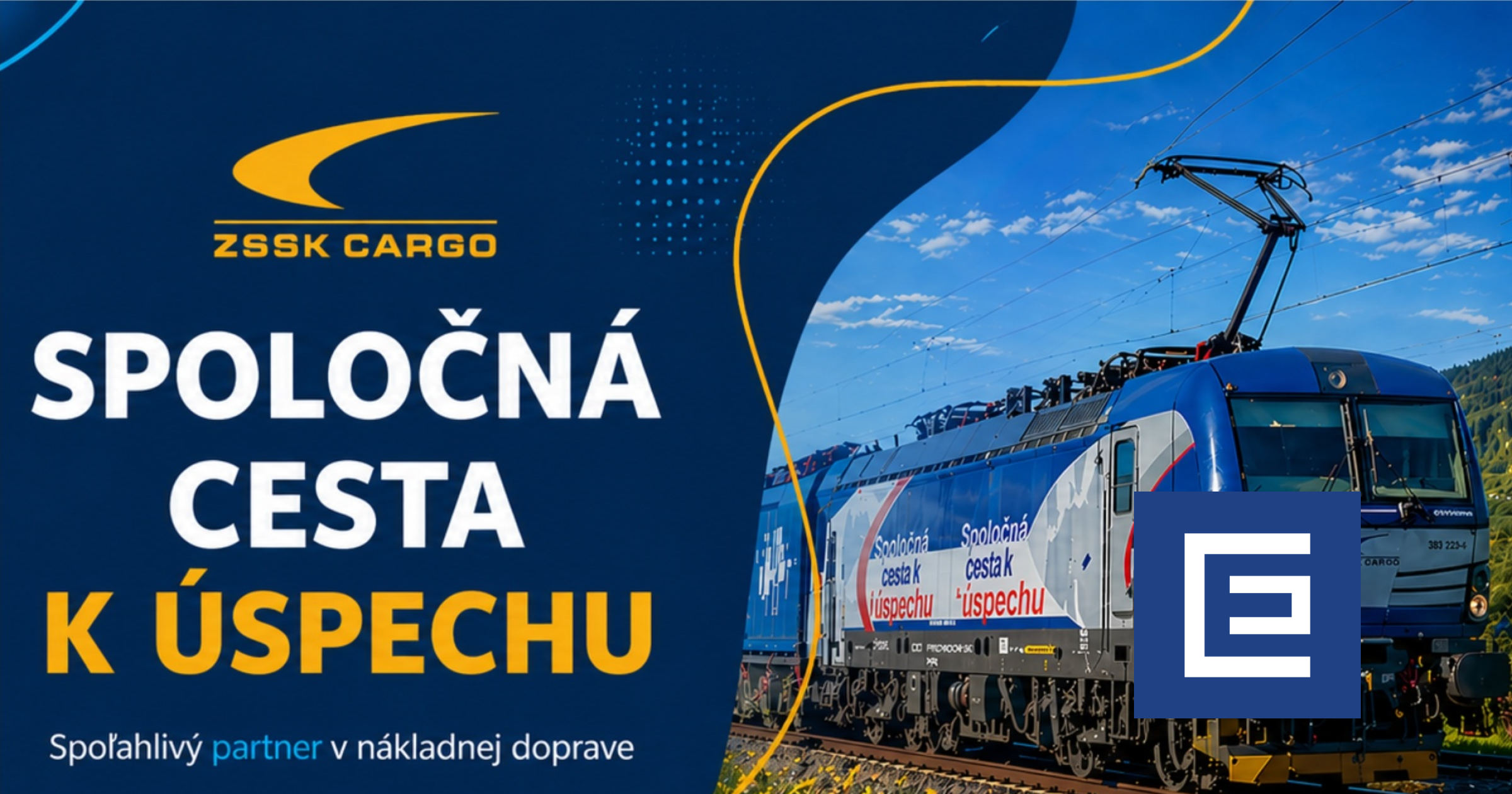
Slovakia's state-owned rail freight company, Cargo, has approved a plan that could result in the elimination of hundreds of jobs. Management signed off on the mass layoff proposal, which would cut a significant number of positions across the company. Some locomotive drivers currently employed in freight operations could potentially transfer to ZSSK, the separate state-owned passenger rail operator, rather than face outright dismissal. The move reflects ongoing financial pressures facing the freight rail sector, where state-owned operators across Europe have struggled with declining volumes and rising operational costs. The scale of the planned cuts underscores broader challenges within Slovakia's publicly owned transport infrastructure.

|
Economy

Slovak June Bankruptcies Hit Year High, Firms Owe €5.7 Million in Unpaid Taxes

A record 28 companies in Slovakia entered bankruptcy proceedings in June — the highest monthly figure so far in 2025 — while one additional firm was granted court approval for a restructuring process aimed at avoiding insolvency. The companies that collapsed in June collectively owe nearly €5.7 million in unpaid taxes and social contributions to the state, the highest monthly total since November of last year. The largest single debtor among the June bankruptcies is Medint SK, a Bratislava-based wholesale company, which owes close to €1.6 million in tax arrears alone. Another notable case involves a company linked to a figure identified as Tony Tesla, alongside other debtors including a Hungarian national who had been living without a permanent address in Slovakia. One firm carries a tax liability of €4.6 million, making it among the most significant individual cases of the month.

|
Economy

Slovakia's Rail Network More Heavily Used Than Poland's, Expert Says

Slovakia and Poland have taken markedly different approaches to developing their railway networks, with Slovakia's rail lines carrying significantly higher traffic loads than those of its northern neighbor, according to a transport expert. While both countries inherited Soviet-era infrastructure and have faced similar pressures to modernize, Slovakia has pursued a development path that has resulted in greater utilization of its existing tracks. Poland has invested heavily in expanding and upgrading its rail network in recent decades, in large part driven by European Union funding, yet the density of actual rail usage per line remains lower than in Slovakia. The comparison highlights ongoing debates in Central Europe about how best to allocate infrastructure investment — whether to build new capacity or maximize efficiency on existing corridors. For Slovakia, a landlocked country of around 5.5 million people where rail remains an important mode of both passenger and freight transport, the findings suggest the current network is under considerable strain, raising questions about the need for further investment and modernization to meet growing demand.

|
Economy

Slovak Companies Optimistic About Fleet Growth in 2024

Slovak businesses are expressing confidence in growth and plan to expand their corporate vehicle fleets, according to a new industry survey. Approximately 48 percent of companies surveyed manage fleets of between 100 and 999 vehicles, indicating that mid-to-large scale fleet operations are the dominant model among Slovak firms. The findings suggest that despite broader economic uncertainties affecting Europe, Slovak companies remain bullish on operational expansion, with fleet size serving as a key indicator of business activity and workforce mobility in the country's corporate sector.

|
Economy

Slovak Travel Agency Solvex Dropped by Partner Over 'Unserious Practices'

A Slovak travel agency has found itself at the center of a commercial dispute after a major partner pulled its tours from sale. The Karibik agency, a travel retailer operating in Slovakia, removed all holiday packages offered by tour operator Solvex from its listings, citing what it described as 'unserious practices' by the company. Solvex's owner has denied the allegations, rejecting the characterization of the company's business conduct. The dispute raises concerns for customers who may have booked or be considering holidays through Solvex, as the removal of its packages from a major retail partner could signal broader reliability issues with the operator. Travel agencies in Slovakia are required to hold financial guarantees to protect customers in the event of insolvency, though it remains unclear whether the dispute involves any risk to existing bookings.

|