Dávka - Your daily dose of Slovak news
Last refreshed: 19/06/2026 10:40 · 66 articles added
Stories are refreshed at 05:30, 10:30, 15:30, and 21:30 UTC.

Economy

View all1633 stories
Economy

Bolt drivers announce nationwide protest over working conditions

Drivers for the ride-hailing company Bolt have announced a nationwide protest across Slovakia, demanding improved working conditions and better pay. The drivers are seeking changes to their employment terms with the Estonian-based transportation platform, which operates in multiple Slovak cities. Bolt is one of the main ride-hailing services in Slovakia, competing with traditional taxi services and other app-based transportation companies in the country's urban centers.

|
Economy

New Budget Airlines Launch Regular Service Between Bratislava and Warsaw

Budget airlines have launched new regular flight connections between Bratislava and Warsaw, offering passengers a total of twelve flights per week between the two capital cities. The new service provides faster travel connections between Slovakia's capital and Poland's largest city, expanding air travel options in the region. The launch of these routes represents an increase in low-cost carrier operations connecting Central European capitals, giving travelers more affordable alternatives to ground transportation between the neighboring countries.

|
Economy

First Flight Departs Warsaw on New Air Route to Bratislava

The inaugural flight of a new air connection between Warsaw and Bratislava departed from the Polish capital, marking the launch of expanded service between the two cities. Budget airlines WizzAir and Ryanair will operate a combined 12 flights per week on the route starting Sunday. The new service strengthens air connectivity between Slovakia's capital and one of Central Europe's major aviation hubs, providing travelers with more frequent options for business and leisure travel between the neighboring countries.

|
Economy

Rising Costs End Food Price Decline in Slovakia

Slovakia's period of declining food prices has come to an end as increased production and distribution costs begin to affect consumer prices. The shift reflects broader inflationary pressures hitting various sectors of the economy. Construction materials have experienced particularly sharp price increases, rising by as much as 6.5 percent, indicating that cost pressures are spreading beyond the food sector to affect building and infrastructure projects across the country.

|
Economy

Slovak Online Market Continues to Resist Major International Shopping Platforms

Slovakia's e-commerce landscape remains dominated by independent online stores rather than major international shopping platforms. The Slovak online retail market has shown resilience against the expansion of global e-commerce giants, with domestic and independent e-shops maintaining their leading position in the country's digital commerce sector. This trend distinguishes Slovakia from other markets where large multinational platforms have captured significant market share, suggesting that local online retailers have successfully adapted to consumer preferences and maintained competitive advantages in their home market.

|
Economy

Independent e-shops continue to dominate over online marketplaces in Slovakia and Czech Republic

Independent online stores maintain their dominance over marketplace platforms in Slovakia and the Czech Republic, according to recent analysis. Customer behavior patterns represent a key factor preventing marketplace platforms from achieving the market dominance they have established in other European markets. The preference for standalone e-commerce sites reflects distinct shopping habits in the Central European region, where consumers continue to favor direct relationships with individual retailers rather than consolidated marketplace experiences offered by platforms like Amazon or Allegro.

|
Economy

Average Slovak Pension Insufficient for Most Citizens as Income Drops by Nearly Half Upon Retirement

Slovak workers face a dramatic reduction in income upon retirement, with those earning the average wage seeing their monthly income drop from approximately 1,300 euros to 703 euros when they begin receiving state pensions. This represents a decline of nearly half of their working income, highlighting concerns about the adequacy of Slovakia's pension system. The significant gap between working wages and retirement benefits suggests that most Slovaks will struggle to maintain their standard of living after leaving the workforce, raising questions about the sustainability and sufficiency of the country's social security framework for an aging population.

|
Economy

Slovak Tax Authority to Accept Tax Returns from Mobile Units

Slovakia's Financial Administration will begin accepting tax returns through mobile tax offices starting Monday. The service will be available in Bratislava's Petržalka district and in Košice, expanding access to tax filing services for residents in these areas. The mobile units represent an effort to make tax administration more accessible to citizens who may have difficulty reaching traditional tax office locations.

|
Economy

Slovak Dairy Farms Recover from Foot-and-Mouth Disease Outbreak

Dairy farms in the Slovak villages of Medveďov and Ňárad are returning to normal operations after recovering from a foot-and-mouth disease outbreak that occurred last year. The livestock herds have been rebuilt and milk production is expected to increase starting this summer. Foot-and-mouth disease is a highly contagious viral infection affecting cattle and other cloven-hoofed animals that can devastate agricultural operations, requiring the culling of infected herds and strict quarantine measures to prevent spread.

|
Economy

R4 Highway Construction Near Prešov Advances with Bridge and Tunnel Work

Construction of the R4 highway near Prešov in eastern Slovakia is progressing, with bridge construction and tunnel work dominating this year's activities. The project, known as the Northern Bypass of Prešov, aims to speed up traffic flow and reduce congestion in the city. Prešov, Slovakia's third-largest city and the administrative center of eastern Slovakia, has long struggled with traffic passing through its center, making the bypass a key infrastructure priority for the region.

|
Economy

Raiffeisen Bank acquires Romanian Garanti Bank for 591 million euros

Austrian banking group Raiffeisen Bank International has agreed to purchase Romanian bank Garanti for 591 million euros. The acquisition will make the Austrian company the third-largest bank in Romania's financial market. Raiffeisen Bank International, headquartered in Vienna, operates across Central and Eastern Europe and has been expanding its presence in the region through strategic acquisitions and organic growth.

|
Economy

German Stock Market Giants See Third Consecutive Year of Revenue Decline

Germany's largest publicly traded companies experienced falling revenues for the third straight year in 2023, continuing a troubling trend for Europe's biggest economy. The decline was particularly pronounced in Asian markets, where revenues dropped by nine percent, while North American operations saw a four percent decrease. The sustained revenue decline among major German corporations reflects broader challenges facing the country's export-dependent economy, including weakened global demand, supply chain disruptions, and increased competition in key international markets.

|
Economy

Prešov Region Collects Investment Priorities for New Programming Period

The Prešov Self-Governing Region is gathering investment priorities for an upcoming programming period, working in partnership with municipalities and companies. The regional government, which oversees the northeastern area of Slovakia including major cities like Prešov and Košice, is consulting with local stakeholders to identify key development projects and funding needs. This process typically precedes the allocation of European Union structural funds and national resources for regional development programs that support infrastructure, economic growth, and social projects across the region.

|
Economy

Revenue of Germany's Largest Listed Companies Declined in 2024

Germany's largest publicly traded companies saw their revenues fall by 0.6% in 2024, according to a new study by consulting firm EY. The decline accelerated in the fourth quarter, with revenues dropping 3.3% compared to the same period in the previous year. The data reflects the challenges facing major German corporations amid broader economic headwinds affecting Europe's largest economy.

|
Economy

Medusa Restaurant Group Reports Revenue of Over 63 Million Euros in 2023

Slovak restaurant group Medusa exceeded 63 million euros in revenue last year, marking an 11 percent increase compared to the previous year. The company operates multiple restaurant chains and food service establishments across Slovakia, representing one of the country's largest hospitality businesses. The revenue growth reflects continued expansion in Slovakia's restaurant and food service sector despite broader economic challenges.

|
Economy

Slovak Companies Face Skills Gap in Critical Thinking and AI Literacy

Slovak businesses are struggling with a shortage of workers who possess critical thinking skills and artificial intelligence literacy, according to industry assessments. These capabilities are considered essential for maintaining competitiveness in the modern economy. The skills gap reflects broader challenges facing Slovak companies as they adapt to technological changes and digital transformation requirements in an increasingly AI-driven business environment.

|
Economy

Poland Attracts Foreign Entrepreneurs with Nearly 5% Rise in New Company Registrations

Poland registered nearly five percent more new companies than in the previous year, demonstrating the country's growing appeal to foreign entrepreneurs looking to establish businesses. The increase in company registrations signals Poland's strengthening position as an attractive destination for international business investment and startup activity.

|
Economy

Slovakia Can Build Energy Mix Around Nuclear Power, Expert Says

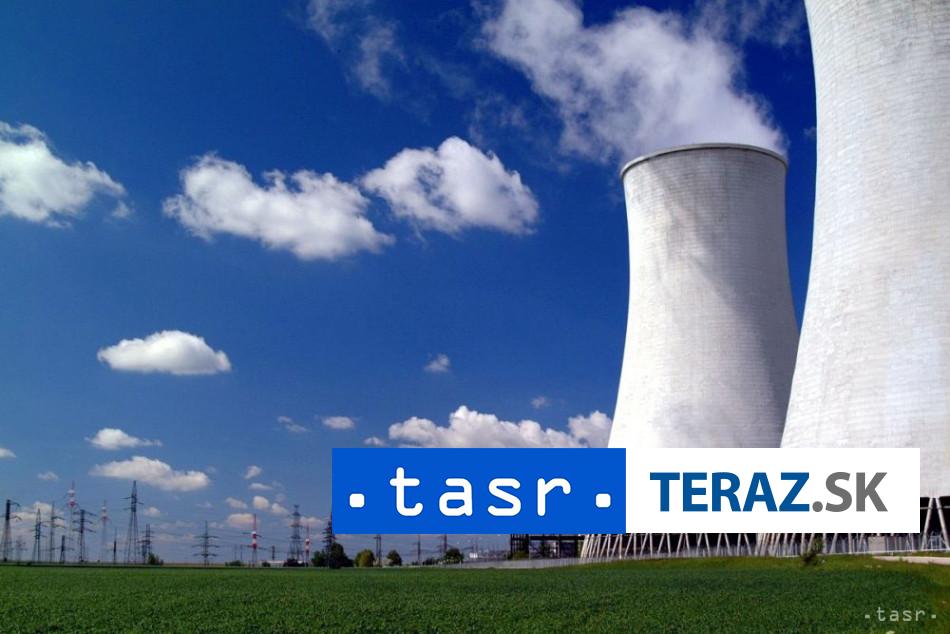
Slovakia has the potential to structure its energy portfolio around nuclear power sources, according to energy experts. However, nuclear energy faces significant challenges due to high initial investment costs required for construction and development. The assessment comes as European nations reassess their energy strategies following recent geopolitical developments and climate commitments. Slovakia currently operates nuclear facilities and has been evaluating options for expanding its nuclear capacity as part of its long-term energy security planning.

|
Economy

Demographic Crisis Transforms Central European E-commerce Market

Central Europe is experiencing a notable shift in online shopping patterns as the region's demographic crisis reduces demand for baby products. E-commerce retailers across the region are reporting decreased sales of baby strollers and other newborn items, reflecting the broader trend of declining birth rates that has affected countries throughout Central Europe. This demographic transformation is forcing online retailers to adapt their product offerings and marketing strategies as traditional family-oriented consumer categories shrink, highlighting how population trends are directly impacting regional commerce patterns.

|
Economy

Nuclear Energy Can Provide Sufficient Electricity at Reasonable Price, Slovak Officials Say

Slovak energy officials have challenged common misconceptions about nuclear power costs, stating that nuclear energy can provide adequate electricity supply at reasonable prices. They specifically addressed what they called a myth that nuclear sources are significantly more expensive than renewable energy sources. The statement comes as Slovakia continues to rely heavily on nuclear power for its electricity generation, with nuclear plants providing a substantial portion of the country's energy needs. Slovakia operates two nuclear power plants and has been defending nuclear energy as a viable alternative to renewable sources amid ongoing European energy policy debates.

|