Dávka - Your daily dose of Slovak news
Last refreshed: 07/06/2026 21:40 · 36 articles added
Stories are refreshed at 05:30, 10:30, 15:30, and 21:30 UTC.

Economy

View all1469 stories
Economy

Expensive Aviation Fuel to Drive Up Holiday Prices

Rising aviation fuel costs are set to increase vacation prices for Slovak travelers, as fuel expenses represent a major component of airline operating costs. The average price of aviation fuel in Europe has surged by 132 percent compared to the previous year, creating significant pressure on airline budgets. This dramatic increase in fuel costs is expected to be passed on to consumers through higher ticket prices, making international travel more expensive for Slovak holidaymakers during the upcoming travel season.

|
Economy

Slovak sock retailer Dedoles faces lawsuit over unpaid licensing fees for cartoon characters

Dedoles, a popular Slovak sock and underwear retailer, is being sued by a licensing agency for failing to pay fees for the rights to use cartoon characters on its products. The agency has run out of patience with the company's non-payment and has taken legal action. Dedoles became well-known for selling socks featuring popular animated characters, but the dispute centers on unpaid licensing fees that would allow the company to legally use these copyrighted designs on their merchandise.

|
Economy

CreditCall: High-level harassment telemarketing comes to an end

CreditCall announced that telemarketing practices involving high levels of harassment are ending. The company stated that a successful communication strategy must be built on three key areas, though the specific details of these areas were not elaborated in the available information.

|
Economy

Slovak Businessman Makes Quarter Billion Euro Profit in Major Deal

Slovak entrepreneur Pavol Jakubec has completed what is being described as a landmark business transaction, generating profits of approximately 250 million euros. The deal represents the biggest transaction of Jakubec's career, marking a significant milestone for the prominent businessman. Details about the specific nature of the transaction or the sectors involved have not been disclosed, but the substantial profit margin suggests it involved major assets or strategic business operations.

|
Economy

Former Finance Minister Warns Current Oil Crisis Largest in World History

The current oil crisis represents the largest disruption to global oil trade in world history, according to former Slovak Finance Minister Ivan Mikloš, citing data from the International Energy Agency. The crisis has created a daily shortage compared to February 2022 levels that exceeds the previous record set during the 1979 oil crisis following Iran's Islamic Revolution, which removed 5.6 million barrels per day from global markets. Mikloš, who served as finance minister in previous Slovak governments, has outlined policy recommendations for how governments should respond to the energy disruption, though the specific details of his proposals were not provided in the available source material.

|
Economy

Many Slovak Businesses Delaying Introduction of Cashless Payment Systems

Many Slovak entrepreneurs are hesitating to implement cashless payment systems, according to findings from Global Payments, a financial services company. The delays suggest that despite growing consumer preference for digital payments, business adoption of electronic payment infrastructure remains sluggish in Slovakia. This reluctance could impact businesses' competitiveness as cashless transactions become increasingly standard in retail and service sectors across Europe.

|
Economy

Five Most Influential Women in Slovak Business Highlighted

A selection of Slovakia's most influential businesswomen has been highlighted in a positive news roundup. The feature identifies five prominent female leaders who have made significant impacts in the Slovak business sector. The recognition comes as part of efforts to showcase positive developments and successful figures in Slovakia's economic landscape.

|
Economy

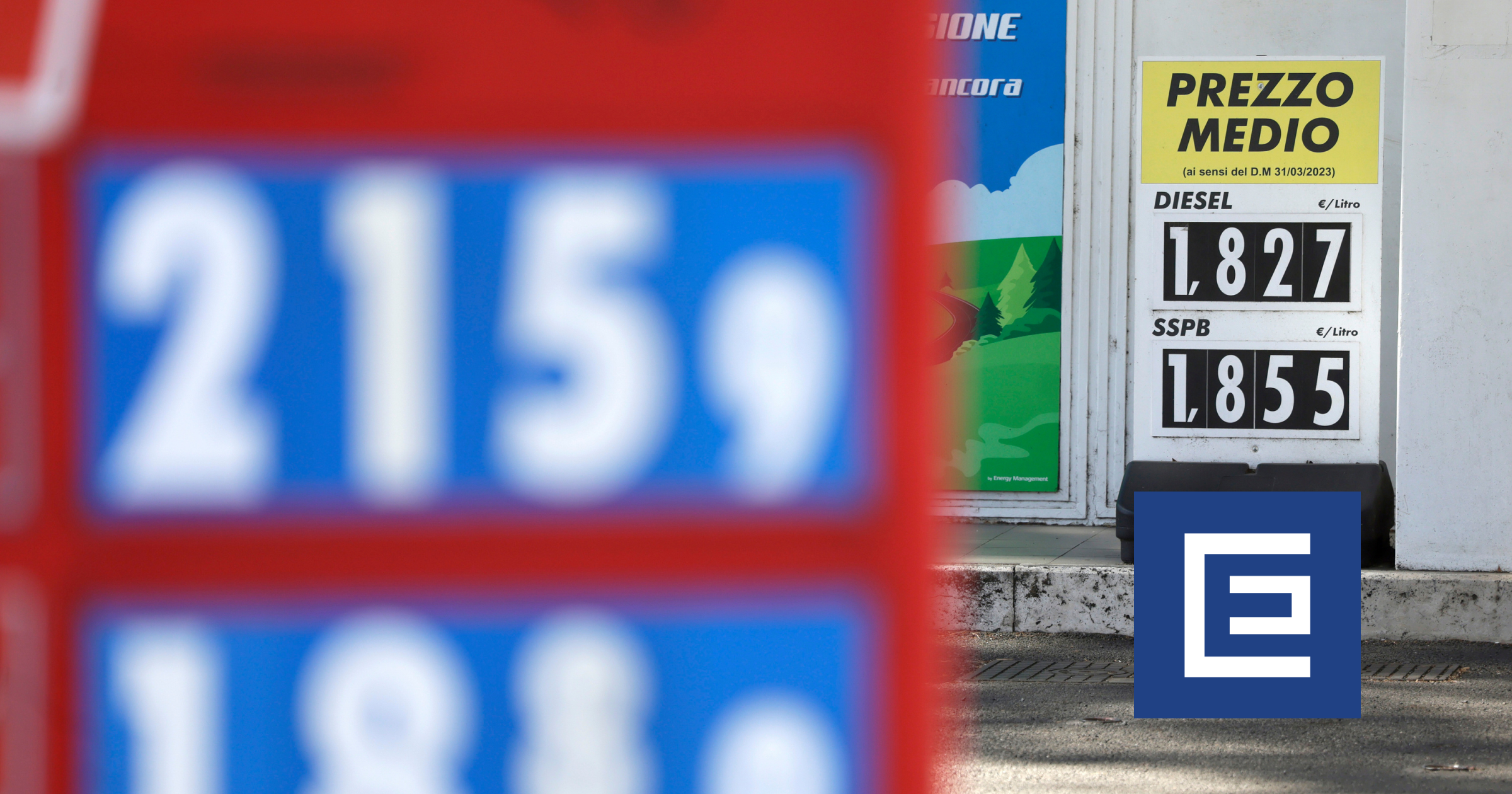
Diesel Price for Foreign Vehicles Drops to €2.003 Per Liter from Friday

The regulated price of diesel fuel for foreign vehicles in Slovakia will decrease to €2.003 per liter starting Friday, down from €2.063 per liter that was in effect for the past week. The price adjustment reflects Slovakia's system of regulated fuel pricing for vehicles registered outside the country, which differs from standard domestic fuel prices and is typically adjusted weekly based on market conditions.

|
Economy

German gasoline prices rose sharply compared to EU neighbors

Gasoline prices in Germany increased by approximately 11 cents between March 30 and April 6, rising more significantly than in neighboring European Union countries. The price surge in Europe's largest economy contrasts with more modest fuel cost increases seen elsewhere in the EU during the same period, highlighting regional variations in energy markets across the bloc.

|
Economy

Slovakia cancels tender for Málinec-Látky power plant project

Slovakia has canceled a tender for the Málinec-Látky power plant project and will launch a new procurement process for project documentation. The project has encountered setbacks and has not yet completed the environmental impact assessment (EIA) process, which evaluates potential environmental effects of major development projects. The state will reissue the tender for contractors to prepare the necessary documentation for the power plant development.

|
Economy

Slovak Competition Authority Chief Says Penta Group Filed Criminal Complaints Against Office

Juraj Beňa, chairman of Slovakia's Competition Authority, revealed that the Penta financial group has filed criminal complaints against his office, calling it a "red line." Beňa emphasized that his institution alone decides on conducting raids and stressed the authority's significant powers, including the ability to confiscate mobile phones and computers and impose fines reaching tens of millions of euros. The Competition Authority is Slovakia's antitrust regulator responsible for ensuring fair market competition and investigating potential monopolistic practices. Penta is one of Slovakia's largest investment groups with interests across multiple sectors including healthcare, media, and real estate, making any conflict with the competition watchdog potentially significant for the country's business environment.

|
Economy

Slovak Stores Flood Market with Cheap Pork as Local Producers Sound Alarm

Retail chains across Slovakia are selling pork at extremely low prices, prompting concern from domestic meat producers. While Slovak consumers can purchase cheap meat, much of it does not originate from Slovakia. Local producers warn that the influx of inexpensive imported pork is creating unfair competition and threatening the viability of Slovak meat production. The price disparity has created a challenging market environment for domestic farmers and processors who must compete with foreign suppliers offering significantly lower prices.

|
Economy

Slovakia Living Beyond Its Means, Major Social Spending Cuts Needed for Budget Consolidation, Economist Warns

Slovakia is living significantly beyond its economic means and the current government's fiscal consolidation approach is unsustainable because it stifles economic growth, according to Martin Šuster, an economist with the Council for Budget Responsibility. Šuster argues that the government's consolidation packages are choking the economy, which needs a restart that cannot be achieved through minor tax relief or contribution reductions alone. He contends that bringing public finances under control requires fundamental cuts to social spending, not just the elimination of thirteenth pensions. The Council for Budget Responsibility is Slovakia's independent fiscal watchdog that monitors government spending and debt sustainability. Šuster's warning comes as Slovakia grapples with high public debt and budget deficits, raising concerns about whether the country can avoid following Greece's path of severe fiscal crisis that required international bailouts over a decade ago.

|
Economy

German stocks rise on US-Iran ceasefire hopes, DAX gains ground

German stock markets posted gains as investor optimism grew over potential ceasefire developments between the United States and Iran. The DAX index rose on expectations that reduced tensions between Washington and Tehran could stabilize global markets. However, future market performance will depend on the progress of ongoing negotiations between the two nations, as investors remain cautious about the durability of any diplomatic breakthrough.

|
Economy

ECB Better Positioned to Handle Current Energy Crisis Than Previous Ones, Analysts Say

The European Central Bank is in a stronger position to combat emerging inflationary pressures from the current energy crisis compared to previous similar situations, according to analysts. The ECB, which serves as the central bank for the eurozone countries including Slovakia, has enhanced tools and experience to manage the economic challenges posed by energy price volatility. This assessment comes as energy markets face renewed pressures that could drive up inflation across the European Union.

|
Economy

Samsung to Close Slovak TV Manufacturing Plant Despite €60 Million Profit

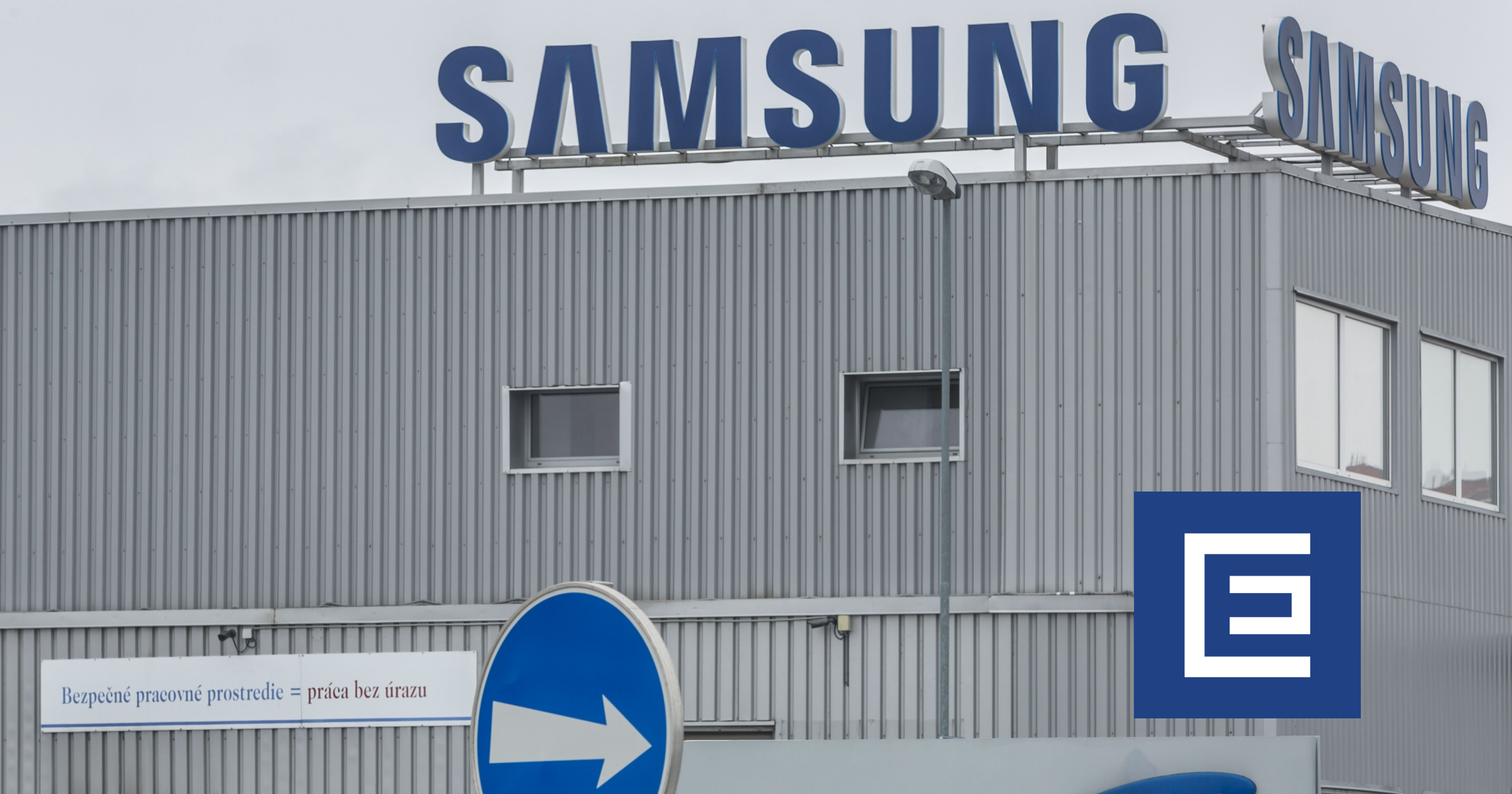
Samsung will shut down its television manufacturing plant in Galanta, Slovakia, despite the facility generating a net profit of 60 million euros last year. The South Korean electronics giant's Slovak operation saw only a modest decline in profits of 2 million euros compared to the previous year, while revenues actually increased slightly. The closure represents one of Slovakia's largest industrial losses in recent years, with 800 core employees set to lose their jobs and suppliers in the region already beginning to shut down their operations. The decision comes as a surprise given the plant's continued profitability, highlighting the challenges facing Slovakia's manufacturing sector even when facilities remain financially viable.

|
Economy

Slovak Banks Introduce Fees for Physical Cards to Push Digital Adoption

Slovak banks are implementing special fees for plastic payment cards as they pressure customers to transition to digital alternatives. The new charges represent a strategic shift by financial institutions to reduce physical card costs and encourage the use of mobile payment solutions and digital banking services.

|
Economy

European Companies Plan to Increase Electric Vehicle Purchases

European businesses are planning to significantly expand their electric vehicle fleets, according to a new survey of corporate vehicle policies. The study examined company car fleets across multiple European countries and found that diesel vehicles currently dominate at 37 percent of corporate fleets, followed by gasoline vehicles at 32 percent. The research indicates a shift in corporate transportation strategies as companies prepare to transition away from traditional combustion engines toward electric alternatives. This planned increase in electric vehicle adoption by businesses represents a significant development in Europe's broader transition to sustainable transportation, as corporate fleets typically represent a substantial portion of total vehicle sales and could accelerate the overall market adoption of electric vehicles.

|
Economy

Slovak retail sales drop for fourth consecutive month as government austerity measures bite

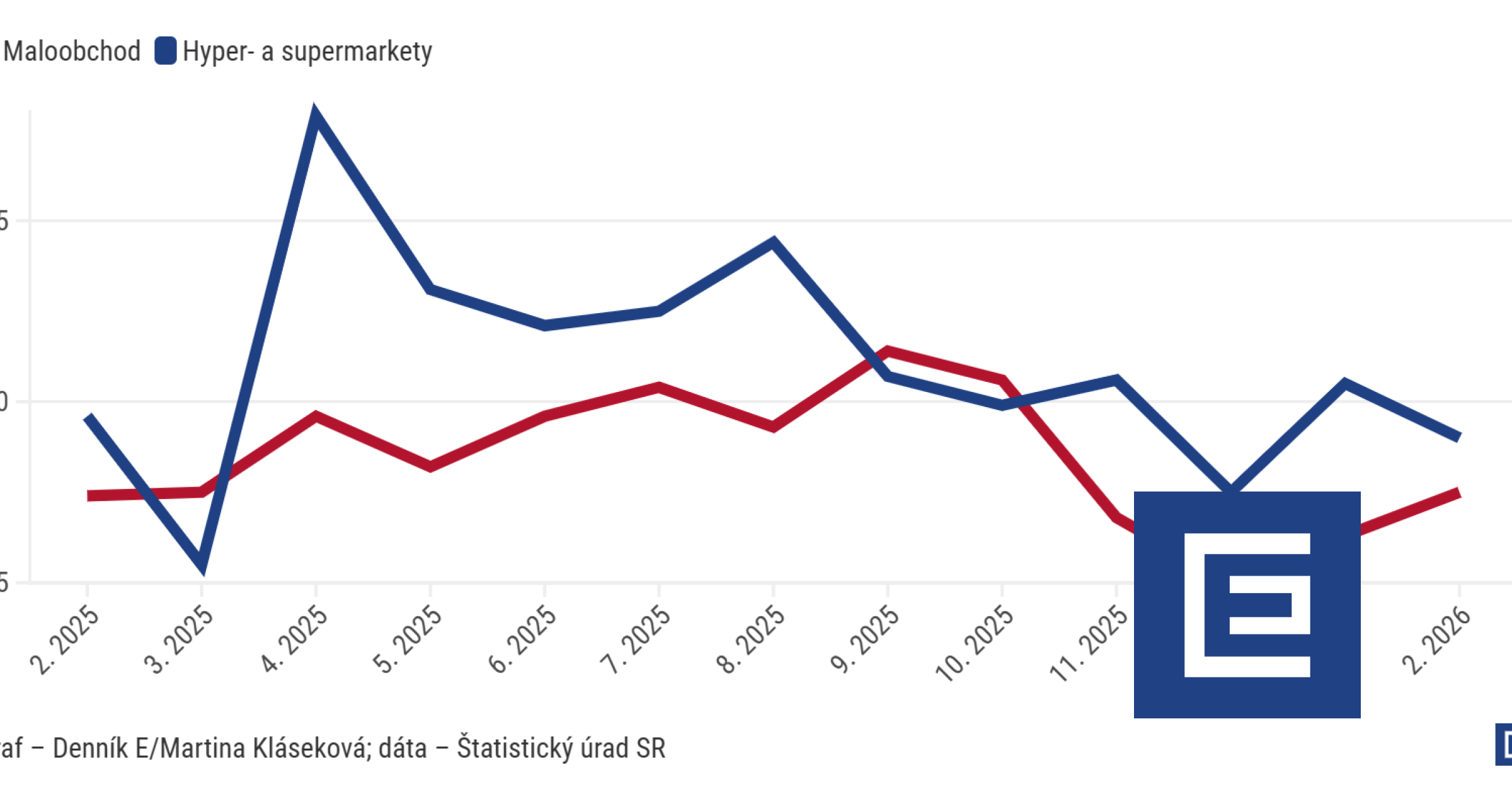
Retail sales in Slovakia fell 2.5 percent year-on-year in February, marking the fourth consecutive monthly decline as consumers reduced spending amid economic uncertainty. The drop occurred even before the outbreak of conflict in the Middle East, with Slovaks already shopping cautiously due to domestic economic pressures. February marked the first month when the third wave of government fiscal consolidation measures fully impacted workers' paychecks, further dampening consumer spending. Slovakia's government has implemented a series of austerity measures aimed at reducing the budget deficit, including tax increases and spending cuts that have reduced disposable income for many households. Rising inflation combined with sluggish wage growth is expected to keep consumer spending subdued for the remainder of the year, posing challenges for retailers and the broader Slovak economy.

|