Dávka - Your daily dose of Slovak news
Last refreshed: 07/06/2026 21:40 · 36 articles added
Stories are refreshed at 05:30, 10:30, 15:30, and 21:30 UTC.

Economy

View all1469 stories
Economy

Slovakia Has Only 15 Registered Energy Communities Despite Growing Interest

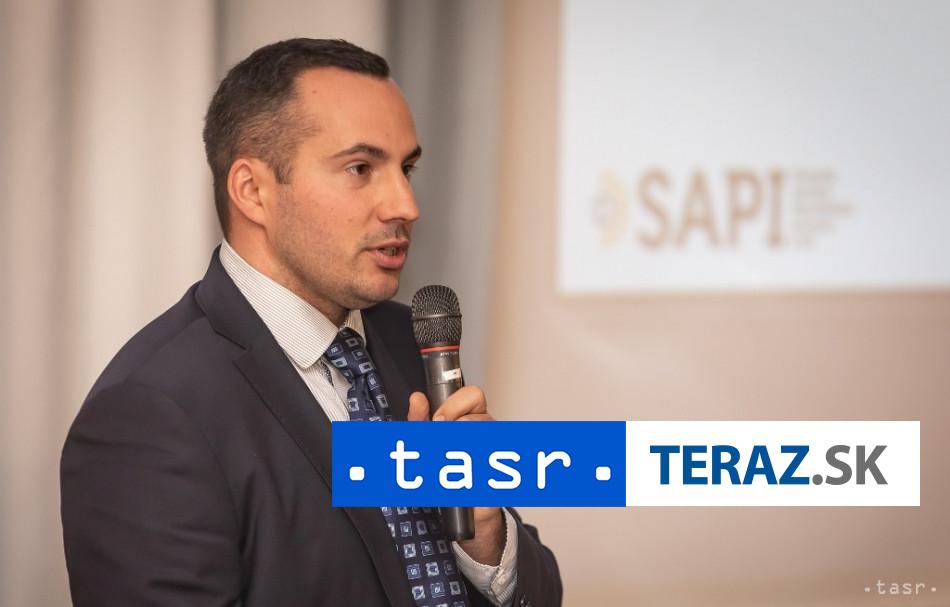
Slovakia currently has just 15 registered energy communities, according to the Slovak Association for Sustainable Energy (SAPI). The development of energy communities in the country is being hampered by a lack of information, though interest in forming these cooperative energy initiatives continues to grow despite existing obstacles. Energy communities allow groups of citizens, businesses, or local authorities to collectively generate, consume, and manage renewable energy within their local area.

|
Economy

Analysts warn Iran war could push Slovak inflation to 6 percent

Analysts from Intesa Sanpaolo bank have warned that a potential war involving Iran could drive Slovakia's inflation rate to 6 percent. The financial experts developed three possible scenarios for how such a conflict might unfold, with their middle scenario predicting the war would end by May. The analysis highlights how geopolitical conflicts in the Middle East could significantly impact Slovakia's economy through higher energy and commodity prices, despite the country's distance from the region.

|
Economy

Hotel Branč building in Senice city center sold at auction for €563,400

The Hotel Branč building in the center of Senice was sold at public auction for €563,400. The sale comes after the original administrator was removed from the official registry of administrators in 2021. The auction represents the resolution of what appears to have been a troubled asset management situation in the western Slovak town.

|
Economy

Airbus Aircraft Deliveries Drop 16 Percent in First Quarter

European aircraft manufacturer Airbus delivered 60 aircraft to customers in March, contributing to a 16 percent decline in total deliveries during the first quarter of the year compared to the same period in 2023. The delivery figures reflect ongoing challenges in the global aviation manufacturing sector, which has faced supply chain disruptions and production constraints in recent years.

|
Economy

Abandoned Trebišov Meat Processing Plant to Be Transformed into 380-Unit Housing Complex

A long-abandoned meat processing plant in Trebišov, eastern Slovakia, will be converted into a residential complex with nearly 380 apartments. The facility, which has been deteriorating for over 25 years, is being redeveloped by a businesswoman from the confectionery industry who plans to collaborate with additional investors. The sprawling meat processing complex was constructed during the communist era and began operations in 1988, but functioned for only a few years before quickly collapsing following Slovakia's transition to a market economy. The six-hectare site represents one of the largest industrial redevelopment projects in the region, transforming a symbol of post-communist economic decline into modern housing infrastructure.

|
Economy

MOL Group Shareholders Approve Dividends as 2025 Profits Drop 11 Percent

The General Assembly of MOL Group approved dividend payments following the company's 2025 financial results. The Hungarian energy company, which operates refineries and fuel stations across Central Europe including Slovakia, reported pre-tax profits of $1.3 billion (€1.11 billion) for 2025, representing an 11 percent decline compared to the previous year. MOL Group is a major player in Slovakia's energy sector, operating the Slovnaft refinery in Bratislava and hundreds of fuel stations across the country.

|
Economy

Slovak Sock Company Faces Lawsuit Over Dancing Hamster Campaign

Slovak clothing company Dedoles faces legal action from creative agency Somebody&Somebody over the unauthorized use of the dancing hamster concept that made the brand famous. The advertising agency claims it created the original dancing hamster campaign but that Dedoles' license to use the concept has expired. The two companies have been unable to reach agreement on a new licensing deal, with disputes centering on the increased price for renewing the license. Dedoles became widely known in Slovakia through its marketing campaign featuring dancing hamsters promoting socks and underwear, but the same creative concept that built the brand's recognition now threatens to land the company in court over intellectual property rights.

|
Economy

Employers Oppose Government Plan to Strengthen Trade Union Protections

Slovak employers have rejected a government proposal to strengthen legal protections for trade union representatives, calling it an inappropriate intervention in labor relations. The Labor Minister presented the draft amendment to the Labor Code on Thursday, which would enhance safeguards for union officials against workplace discrimination or dismissal. The proposal has sparked opposition from business groups who argue the changes would create unbalanced labor relations and potentially harm workplace flexibility. Slovakia's Labor Code governs employment relationships and workers' rights, with trade unions playing a significant role in collective bargaining and worker representation across various industries.

|
Economy

Frost Has Not Yet Damaged Crops, But Fruit Growers Remain on Alert

Slovak fruit growers report that recent cold temperatures have not yet caused damage to their crops, though they remain vigilant as weather conditions continue to pose risks. The coming days are expected to be particularly critical for agricultural producers, who are monitoring their orchards and fields closely for signs of frost damage that could affect this year's harvest.

|
Economy

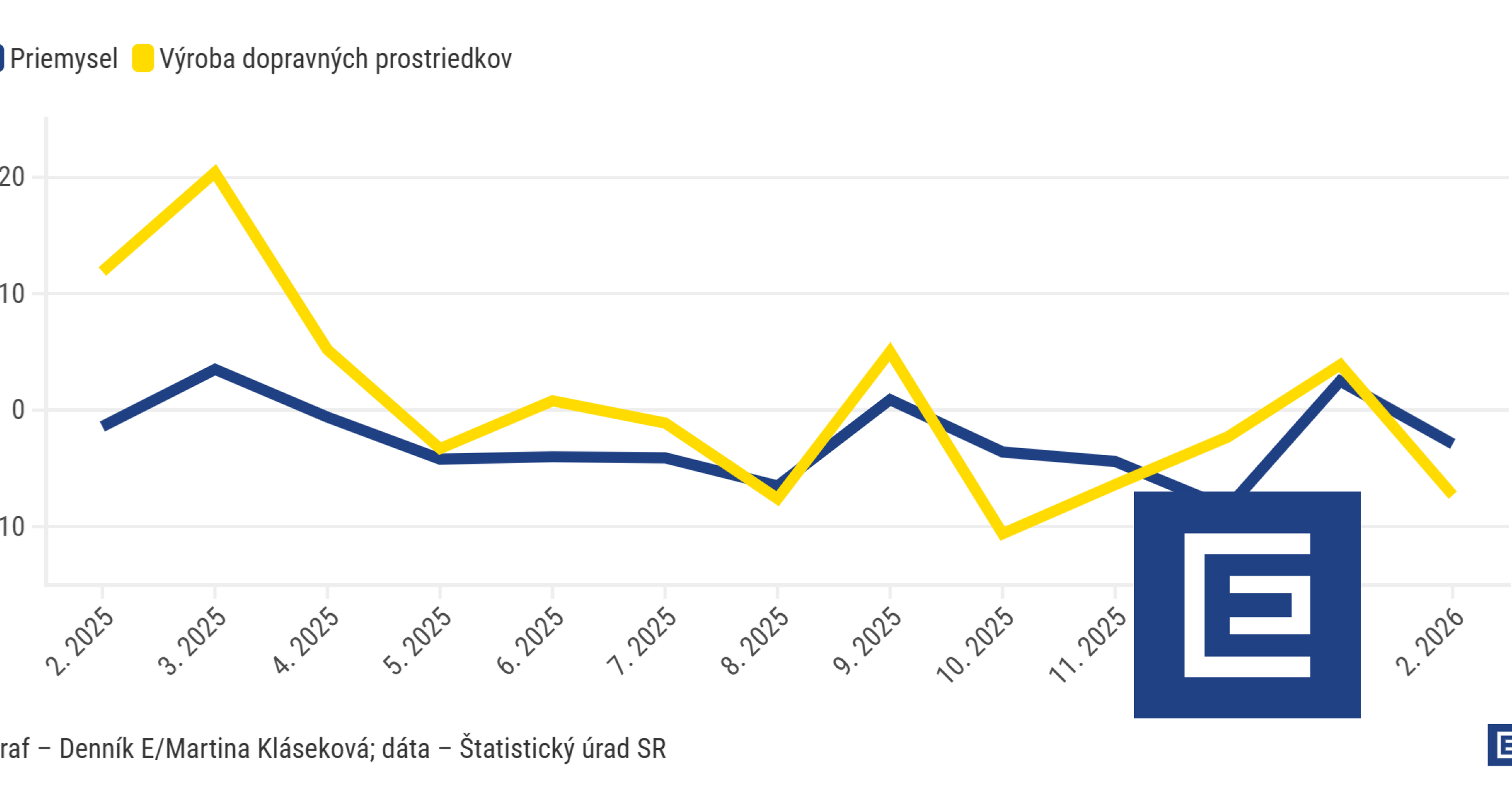
Slovak Industrial Output Falls 2.9% in February as Druzhba Pipeline Disruption Hits Production

Slovakia's industrial production declined 2.9 percent year-on-year in February, ending a brief recovery following January's growth. The automotive sector and petrochemicals recorded the steepest declines, while chemical manufacturing, food production, and furniture sectors showed unexpected growth. Two exceptional factors drove the overall decline: a disruption to the Druzhba oil pipeline, which supplies Russian crude oil to Central European refineries including those in Slovakia, and unfavorable year-on-year comparisons due to strong performance in February 2023. The pipeline outage particularly affected Slovakia's petroleum refining capacity, contributing to the negative industrial output figures.

|
Economy

Private Label Products Offer Quality Without Breaking Budget, Slovak Retailers Say

Slovak consumers are increasingly turning to private label products as a way to save money without compromising on quality, according to retail industry analysis. Many shoppers are reconsidering their spending habits amid economic pressures, carefully weighing purchases while standing in grocery store aisles. The solution to maintaining quality while reducing costs lies in store-brand products, which offer comparable quality to name brands at lower prices.

|
Economy

Major Slovak Fashion E-commerce Company Factcool Declares Bankruptcy After Failed Debt Restructuring

FC ecom, the company operating the major fashion e-commerce platform Factcool, has filed for bankruptcy after failing to complete a debt restructuring process. The Trenčín-based company, which previously employed 160 people and generated annual revenues exceeding 80 million euros, had been operating across nine countries before its financial collapse. Despite creditors approving a recovery plan just before Christmas, the online clothing and footwear retailer was unable to successfully restructure its debts. The company had been attempting to resolve its financial difficulties since spring of last year, but ultimately could not avoid bankruptcy proceedings.

|
Economy

Czech unemployment falls to 5% in March

Unemployment in the Czech Republic declined to 5% in March, with 372,338 people registered as job seekers at the end of the month. The decrease continues the country's trend of maintaining relatively low unemployment rates in the post-pandemic period. The Czech Republic, Slovakia's western neighbor and former partner in Czechoslovakia, has generally maintained stronger labor market conditions than many other Central European countries in recent years.

|
Economy

Preparatory work advances for Carpathian tunnel as drilling to begin soon

Construction preparations for the Carpathian tunnel project are moving forward with drilling operations set to commence in the near future. The initial geological surveys will span three years, followed by an extensive 12-year period of hydrogeological monitoring to assess water table impacts and environmental conditions. The Carpathian tunnel represents a major infrastructure project aimed at improving transportation connections through Slovakia's mountainous terrain, though the lengthy preparatory timeline underscores the technical complexity of boring through the Carpathian mountain range.

|
Economy

Porsche Deliveries Drop More Than 10% in First Quarter

Porsche reported a decline of more than 10% in customer deliveries during the first quarter, with the downturn primarily driven by weaker sales in the Chinese market. The German luxury automaker's performance reflects broader challenges facing premium car manufacturers in one of their most important global markets.

|
Economy

Slovak Banks Raise Mortgage Interest Rates as Middle East Conflict Adds Economic Uncertainty

Slovak banks have begun increasing mortgage interest rates, ending a period of gradual declines in borrowing costs for homebuyers. The rate increases come as the ongoing conflict in the Middle East adds to global economic uncertainty, creating unfavorable conditions for Slovak mortgage holders. The development marks a reversal of the previous trend where mortgage rates had been steadily falling, providing relief to borrowers in Slovakia's housing market.

|
Economy

Slovak Post Reduces Annual Losses from 12 Million to 2 Million Euros as Mail Volume and Customers Decline

Slovakia's state-owned postal service significantly reduced its annual losses from 12 million euros to just under 2 million euros, despite facing declining mail volumes and a shrinking customer base. The company, which operates as the country's primary postal service provider, has been struggling with the ongoing digitalization trend that has reduced traditional letter mail demand. To adapt to changing market conditions, Slovak Post has diversified its operations by partnering with competitors to utilize their parcel locker networks, reflecting the growing importance of package delivery services in the postal industry. The dramatic improvement in financial performance suggests the state enterprise has implemented cost-cutting measures and operational reforms to address the structural challenges facing traditional postal services across Europe.

|
Economy

Slovak Medical Device Maker Chirana Medical Falls Into Heavy Losses After Pandemic Boom

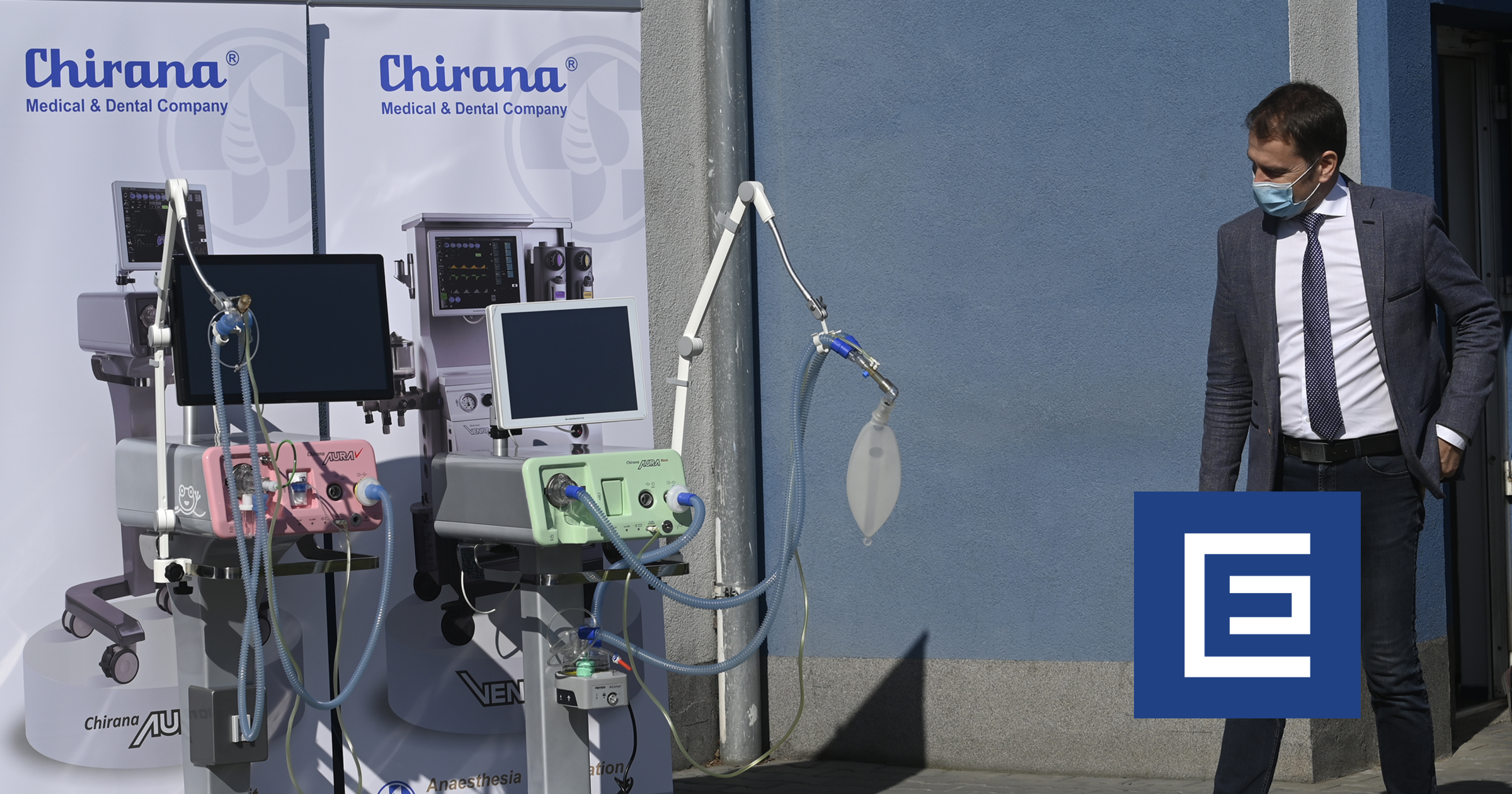
Chirana Medical, a Slovak medical equipment manufacturer based in Stará Turá, has plunged into nearly one million euros in losses after experiencing the country's highest profit surge during the coronavirus pandemic. The company, which produces respiratory equipment and other medical devices, saw unprecedented gains in 2020 as demand for ventilators and medical equipment soared during the health crisis. However, its fortunes have since reversed dramatically, with profits falling sharply in subsequent years and the company significantly reducing its workforce. Before the pandemic, Chirana Medical typically earned only tens of thousands or at most hundreds of thousands of euros annually, making its COVID-era success particularly striking. The company's current financial difficulties reflect the broader challenges facing businesses that benefited from temporary pandemic-driven demand but have struggled to maintain growth as markets normalized.

|
Economy

Energy Analyst Warns Fuel and Transport Subsidies Don't Address Slovakia's Core Energy Problem

Subsidizing public transport or capping fuel prices represents only a short-term solution that fails to address the fundamental problem of fossil fuel consumption, according to energy analyst Tatiana Mindeková from the British institute Ember. Speaking on the eNkonomika podcast, Mindeková, who focuses on climate policy and decarbonization issues, argued that the real solution lies in electrification and transitioning to alternative energy sources that can provide long-term benefits for Europe. The comments come as European nations, including Slovakia, grapple with energy costs and seek ways to reduce their dependence on fossil fuels while managing economic pressures on consumers.

|
Economy

Stock Markets Return to Pessimism Despite Initial Ceasefire Optimism

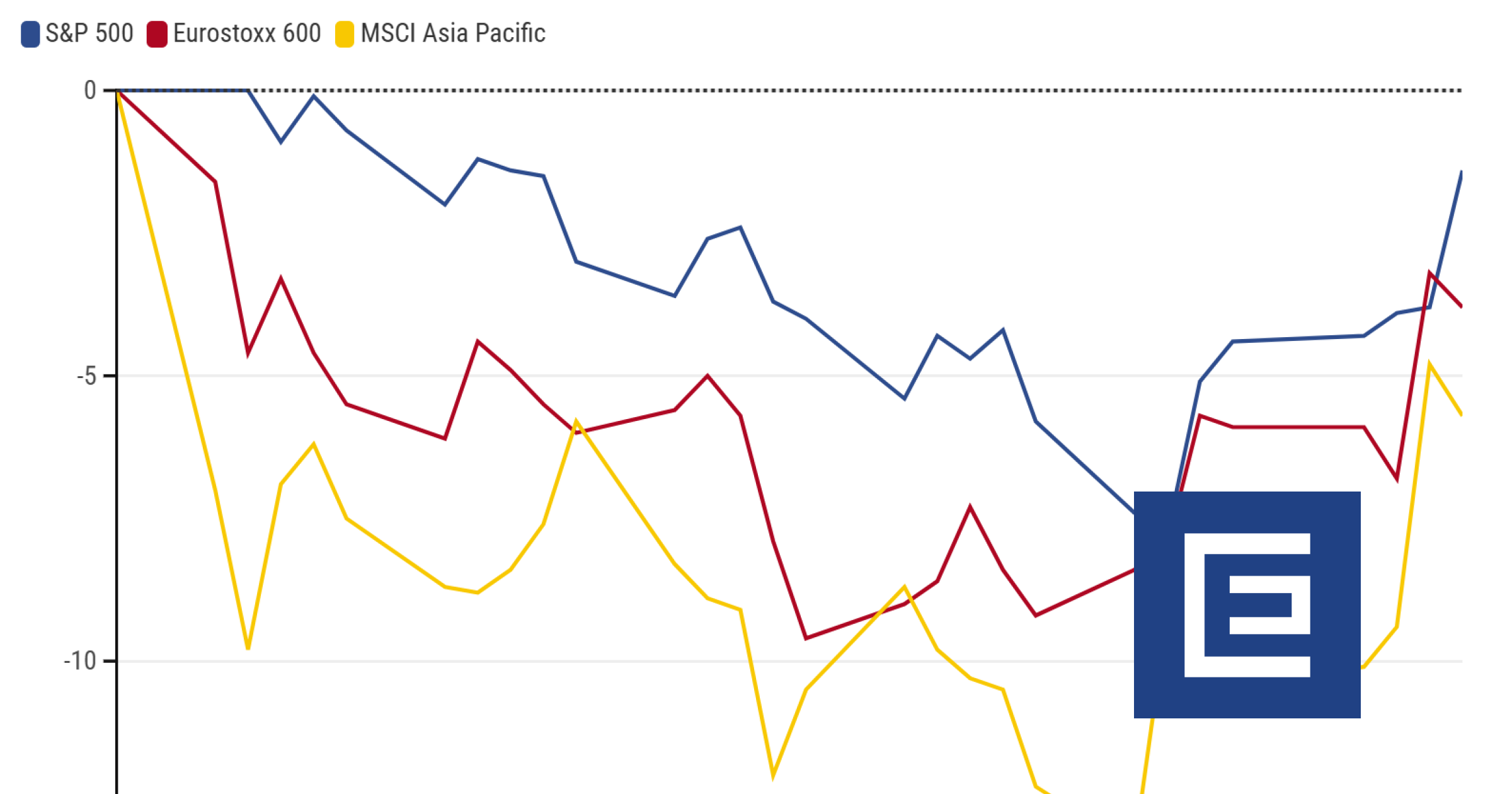
Global stock markets have returned to negative territory after brief optimism following a ceasefire agreement between Iran and the United States. European, American, and Asian stock indices are declining as investors remain nervous about ongoing conflicts despite the truce. Israel continues attacks on Lebanon while Tehran claims some ceasefire conditions have been violated, creating uncertainty in financial markets. The Strait of Hormuz remains effectively closed, preventing significant drops in oil and gas prices that investors had hoped would follow the diplomatic breakthrough.

|