Dávka - Your daily dose of Slovak news
Last refreshed: 07/06/2026 21:40 · 36 articles added
Stories are refreshed at 05:30, 10:30, 15:30, and 21:30 UTC.

Economy

View all1469 stories
Economy

Rising Interest Rates Challenge Slovak Property Investment Model

Slovak property investors face mounting financial pressure as banks across the country raise interest rates in response to Middle Eastern conflicts and global economic uncertainty. The increases threaten the profitability of rental property investments that many Slovak households have financed through mortgages. As higher borrowing costs translate into larger monthly payments, the previously attractive model of buying apartments for rental income is losing its appeal. The combination of weaker economic growth and higher inflation stemming from geopolitical tensions is forcing property investors to reconsider strategies that relied on low-cost financing and steady rental returns.

|
Economy

Slovak Real Wages Expected to Stagnate for Two Years Due to Energy-Driven Inflation

Slovak workers face a two-year period of stagnant real wages as rising energy prices drive inflation higher, according to economic analysts. The energy cost increases are putting upward pressure on overall price levels, effectively eroding purchasing power even as nominal wages may continue to rise. This economic outlook suggests Slovak households will experience little to no improvement in their standard of living through at least the next two years, as wage growth fails to keep pace with inflation driven primarily by energy sector costs.

|
Economy

Bardejov Region Records Most Successful Easter Since Pandemic

The Bardejov region in eastern Slovakia experienced its most successful Easter tourism season since the COVID-19 pandemic, with demand for accommodation reaching peak levels. The area, which includes the UNESCO World Heritage town of Bardejov and surrounding destinations, saw a significant rebound in visitor numbers during the Easter holiday period. The strong performance indicates a recovery in domestic and regional tourism following years of pandemic-related restrictions that had severely impacted the hospitality sector across Slovakia.

|
Economy

Slovak Government's Growth Measures Remain Unpublished Despite Repeated Mentions

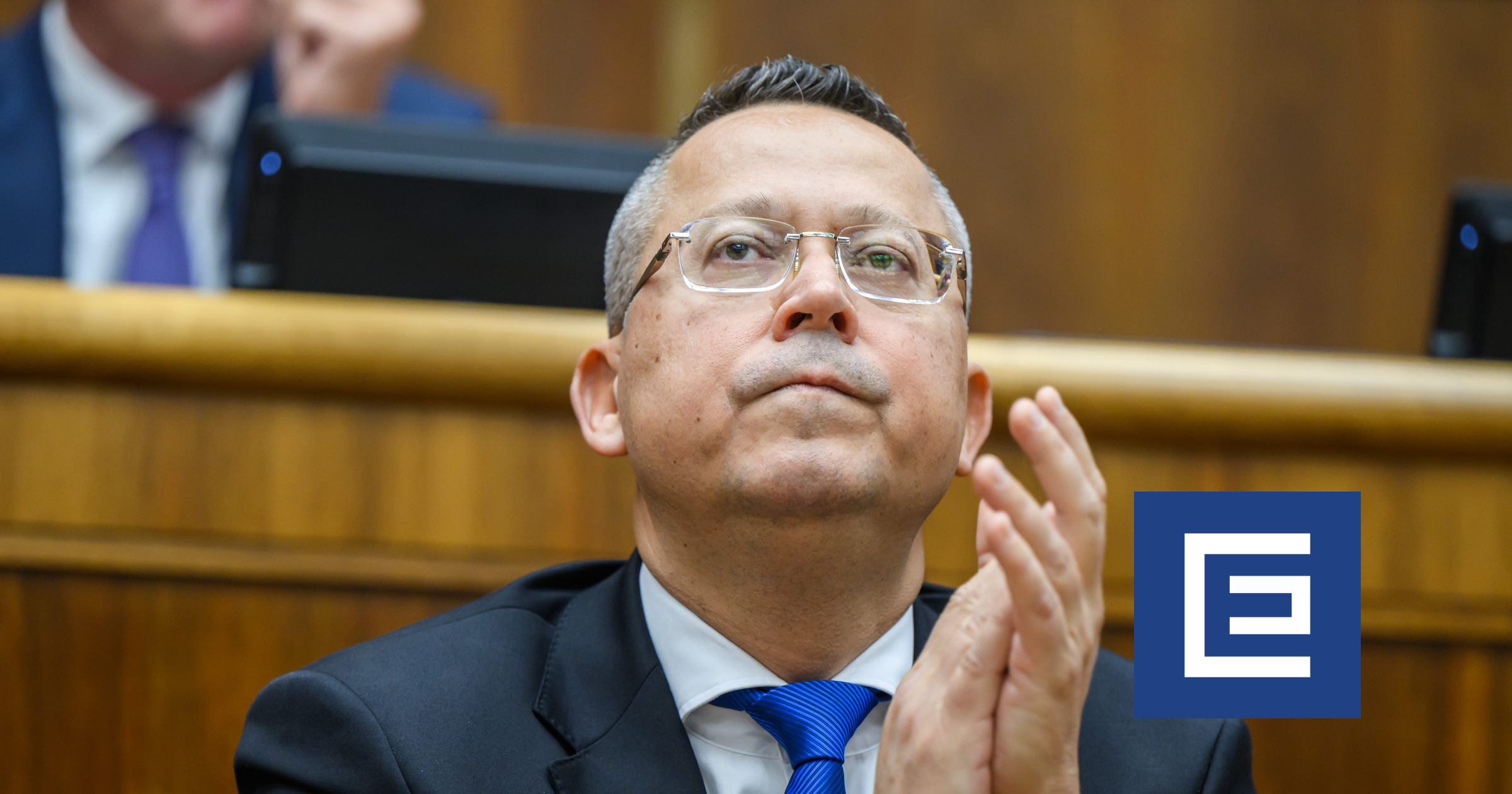
The Slovak government's promised economic growth measures, which have been repeatedly mentioned by Prime Minister Robert Fico, have still not been made public. Following a government meeting, Deputy Prime Minister Robert Kaliňák stated that there is still time to present the measures, which are reportedly being prepared by Finance Minister Ladislav Kamenický. The measures have become a recurring talking point for Fico, the leader of the ruling Smer-SD party, but the public has yet to see the specific details of what the government plans to implement to stimulate economic growth.

|
Economy

Slovakia Maintains Oil Emergency Status While Lifting Diesel Export Ban

Slovakia's government lifted its ban on diesel fuel exports while maintaining the country's oil emergency status, Prime Minister announced Sunday. The Slovnaft refinery returned borrowed crude oil to state strategic reserves over the weekend, allowing for the partial easing of emergency restrictions. The oil emergency status remains in place as Slovakia continues to manage supply challenges, but the return of oil reserves to government stockpiles enabled authorities to permit diesel exports to resume. The move balances domestic energy security concerns with the need to maintain normal commercial operations for Slovakia's refining sector.

|
Economy

Polystyrene Consumption Rises in Slovakia, Driven by Construction Sector Demand

Polystyrene consumption in Slovakia has increased, with the construction industry serving as the primary driver of growth. The material has proven particularly important for building applications, reflecting ongoing activity in the Slovak construction sector. Industry associations expect demand for insulation materials to remain stable in the near term, suggesting continued steady consumption of polystyrene and related products. The increase highlights the material's role in Slovakia's construction industry, where it is commonly used for thermal insulation in residential and commercial building projects.

|
Economy

European Gas Prices Drop 17% as US-Iran Ceasefire Opens Strait of Hormuz

European natural gas prices in futures trading fell 17% on Wednesday following news of a temporary ceasefire between the United States and Iran. The two-week truce agreement came shortly before the expiration of an ultimatum issued by U.S. President Donald Trump and includes the reopening of the strategically vital Strait of Hormuz. The Strait of Hormuz is a critical shipping route through which approximately 20% of the world's oil and significant quantities of liquefied natural gas pass, making it essential for global energy supplies. Any disruption to shipping through the strait typically causes energy prices to spike due to supply concerns, while its reopening has the opposite effect on markets.

|
Economy

Slovak Post Adapts Operations as Letter Volume Drops and Package Delivery Surges

Slovakia's postal service is undergoing a significant operational transformation as traditional mail services decline while package delivery grows rapidly. The volume of letters and money orders handled by Slovak Post has fallen by millions of pieces annually, while fewer customers visit post office branches each year. The company is responding to this digital transformation by reallocating capacity and resources toward services that customers actively use today. Slovak Post, the country's state-owned postal operator, says these adjustments are necessary to maintain economic sustainability and ensure continued availability of postal services amid changing consumer habits driven by digitalization.

|
Economy

Tax Debtors in Bratislava Use Single Address to Avoid Tens of Millions in Payments

Tax authorities in Slovakia have discovered that numerous tax debtors owing tens of millions of euros are using a single address in Rača, a district of Bratislava, to evade their obligations. The phenomenon represents a systematic attempt by non-payers to obscure their true locations and avoid collection efforts by registering fictitious addresses at the same location in the capital's northern district.

|
Economy

Temporary Ceasefire Causes Sharp Drop in Oil Prices, Future Development Uncertain

Oil prices have dropped sharply following the announcement of a temporary ceasefire, though market analysts warn that future price movements remain highly uncertain. The ceasefire, which appears to be a limited agreement rather than a comprehensive peace deal, has provided immediate relief to global energy markets that had been experiencing volatility due to ongoing conflict. However, the temporary nature of the agreement suggests that oil price stability may be short-lived, with traders and investors remaining cautious about long-term market conditions.

|
Economy

Slovak Government Admits Economic Policy Mistakes as Growth Stalls Near Zero

Slovakia's government has acknowledged policy errors after three waves of fiscal consolidation measures led by Finance Minister Ladislav Kamenický resulted in economic growth stalling near zero percent. The ruling coalition, led by the social-democratic Smer-SD party, had previously denied problems with their economic approach but now admits the state can no longer extract more resources from businesses and citizens through additional fiscal measures. The consolidation policies, designed to reduce the budget deficit, appear to have severely dampened economic activity and are forcing the government to urgently develop new strategies to revive the country's economic engine.

|
Economy

German DAX Index Falls One Percent on Tuesday

Germany's DAX stock index declined by one percent during Tuesday trading. The market movement came as former U.S. President Donald Trump escalated his rhetoric against Iran over the Easter holiday period, threatening to "unleash hell" if the country does not comply with his ultimatum. The German market decline reflected broader investor concerns about potential geopolitical tensions in the Middle East affecting global financial markets.

|
Economy

Slovak Consultant Explains Psychology Behind Consumer Choices Like Medium Coffee and Large Menu Selections

Michal Plevka, who leads the consulting division of Mindworx, a Slovak company that advises businesses on using psychology in sales, has explained common consumer behavior patterns from the customer's perspective. Plevka described the "decoy effect" principle, using cinema concessions as an example: when small nachos cost three euros, medium costs six euros and fifty cents, and large costs seven euros, salespeople often suggest the large option by highlighting the minimal price difference. This pricing strategy deliberately makes the largest option appear to offer the best value, influencing customers to spend more than they initially intended. The consultation work focuses on helping Slovak businesses understand and apply psychological principles to improve their sales effectiveness.

|
Economy

German diesel prices break record, crossing 2.50 euros per liter for first time

Diesel prices at German gas stations reached a historic milestone on Tuesday, surpassing 2.50 euros per liter for the first time ever. The average price breakthrough represents a new record high for the fuel in Europe's largest economy. Germany's diesel price levels are closely watched across Central Europe, as the country serves as a major economic partner and neighboring market for countries like Slovakia, with fuel price trends often influencing regional energy costs.

|
Economy

Slovak Banks Prepared for Current Risks Despite Growing Financial Uncertainty

Slovakia's banking sector is adequately prepared to handle current risks, according to the National Bank of Slovakia. The central bank noted that while Slovak financial institutions maintain sufficient resilience, the broader financial sector has become increasingly unpredictable. The National Bank of Slovakia, which serves as the country's central bank and financial sector regulator, monitors banking stability and systemic risks as part of its mandate to maintain financial system stability. The assessment comes amid broader concerns about volatility in global financial markets and economic uncertainty affecting banking sectors across Europe.

|
Economy

Slovakia's Budget Deficit Likely Smaller Than Expected at 4.6 Percent in 2024

Slovakia's public finance deficit for 2024 was likely lower than previously estimated, reaching approximately 4.6 percent of GDP according to the National Bank of Slovakia (NBS). The central bank's preliminary assessment suggests the country's public administration performed better than initially projected, with state transport companies and several state-purpose funds contributing to the improved figures. However, the Council for Budget Responsibility, Slovakia's fiscal watchdog, cautioned that much of the savings are only temporary in nature. The council emphasized that despite the better-than-expected results, Slovakia still requires further fiscal consolidation measures to address its long-term budget challenges and meet European Union deficit targets.

|
Economy

State Company MH Invest Denies €85 Million Investment in Battery Factory Construction

MH Invest, a state-owned company, has denied reports claiming it would invest 85 million euros in the construction of a battery factory. The company emphasized that it serves as a partner rather than an investor in such projects. MH Invest clarified that its role does not involve investing in the construction of buildings and facilities needed for the development of transmission or distribution systems. The denial comes amid apparent misinformation about the company's involvement in major industrial development projects in Slovakia.

|
Economy

Experts conduct hydrogeological survey at Sobrance spa to assess potential for modernization

Hydrogeological experts are currently conducting tests at the Sobrance spa facility in eastern Slovakia to evaluate the capacity and quality of underground water sources. The hydrodynamic testing will determine whether the neglected thermal springs can support the transformation of what locals call "Slovakia's Karlovy Vary" into a modern therapeutic spa resort. The Sobrance spa, which has been compared to the famous Czech spa town due to its natural thermal waters, has remained underdeveloped despite its potential for health tourism. The test results will be crucial in deciding whether the facility can be upgraded to meet contemporary spa and wellness standards.

|
Economy

Commerzbank Maintains Independence Stance Against UniCredit

German bank Commerzbank rejected any potential merger with Italian banking group UniCredit on Tuesday, stating that no mutually acceptable solution currently exists. The bank emphasized its commitment to maintaining independence in light of recent statements from UniCredit. The rejection comes amid ongoing speculation about potential consolidation in the European banking sector, where cross-border mergers have become increasingly common as financial institutions seek to strengthen their market positions and achieve greater economies of scale.

|
Economy

Bratislava Airport Lounge Charges 26 Euros While Vienna Offers Free Access Under New Identity

Bratislava Airport's lounge has undergone a rebranding and implemented stricter access conditions, now charging visitors 26 euros for entry. The change contrasts sharply with Vienna's airport lounge, which continues to offer free access to travelers. The new identity represents a shift toward premium paid services at Slovakia's main international airport, located just an hour's drive from Vienna's airport, which serves as a major regional hub for Central Europe.

|