Dávka - Your daily dose of Slovak news
Last refreshed: 27/06/2026 05:38 · 21 articles added
Stories are refreshed at 05:30, 10:30, 15:30, and 21:30 UTC.

Domestic Politics

View all2768 stories
Domestic Politics

Slovak Intelligence Service Faces Record Rate of Wiretap Request Rejections by Judges

Slovakia's domestic intelligence agency is facing an unprecedented wave of rejections from judges overseeing its surveillance requests, raising questions about the quality and legal basis of its applications. Judges at the Bratislava Regional Court, which is responsible for reviewing and approving wiretapping requests submitted by the Slovak Information Service (SIS) — the country's primary civilian intelligence agency — are turning down applications at a record rate. A judge from the Bratislava Regional Court has publicly commented on the issue, suggesting the problem likely lies in how the SIS is constructing and justifying its requests. Under Slovak law, the intelligence service must obtain judicial approval before conducting electronic surveillance, a safeguard designed to protect civil liberties and prevent abuse of state surveillance powers. The high rejection rate could signal either stricter judicial scrutiny of intelligence activities or systematic shortcomings in how SIS prepares its legal filings. The development is significant given the politically sensitive role SIS plays in Slovakia, where concerns about the independence and oversight of security services have been a recurring issue in public debate.

|
Domestic Politics

Smer Co-Founder Says Party Has Become an Oligarchy Under Fico

Boris Zala, one of the founding members of Slovakia's ruling Smer party, has issued a sharp public condemnation of the movement he helped create, declaring that the party has transformed into an instrument serving oligarchic interests rather than the public good. In a video podcast interview, Zala argued that Smer's leadership — including Prime Minister Robert Fico — has become so intertwined with oligarchic networks that the party can no longer be distinguished from them. He described government ministers as little more than caretakers with no genuine vision for the country's future, and accused Fico of being personally hostile to democratic norms. "Slovakia must rid itself of this government as soon as possible," Zala said. Smer, which stands for "Direction" in Slovak, was founded in 1999 and went on to dominate Slovak politics for much of the past two decades, positioning itself as a left-of-center, social-democratic force — what its founders called a "third way" between traditional left and right. Fico led the party through multiple terms as prime minister before returning to power after the 2023 parliamentary elections. Critics, including now some of its own founders, argue the party has drifted far from its original principles. Zala's remarks carry symbolic weight coming on the 20th anniversary of Smer's first time in government, and reflect a growing internal reckoning over the party's ideological and ethical direction under Fico's continued leadership.

|
Domestic Politics

Slovak Far-Right Politician Ján Slota Escapes Punishment in Long-Running Legal Case

A legal case involving Ján Slota, a former Slovak far-right politician once known for inflammatory nationalist rhetoric, has concluded without anyone being held criminally responsible. The case centered on an act that was confirmed to have taken place, yet the proceedings ended without a conviction or punishment for any individual involved. Slota, who led the Slovak National Party (SNS) for many years and served as mayor of Žilina as well as a member of parliament, was a controversial figure in Slovak politics known for provocative public statements targeting minorities and neighboring countries. His political career spanned decades, during which SNS participated in governing coalitions despite widespread criticism from civil society and European institutions. The outcome has drawn attention as an example of how high-profile cases in Slovakia can conclude without legal accountability, even when wrongdoing is established. Critics have long pointed to institutional weaknesses in the Slovak justice system that allow politically connected individuals to avoid consequences, a concern that has fueled public debate about the rule of law in the country.

|
Domestic Politics

Slovak Morning Briefing: Key Stories of the Day

Slovakia's top news includes a failed attempt by Interior Minister Matúš Šutaj Eštok to assist Norbert Imrecze, a former tax official embroiled in legal proceedings, as well as inspectors issuing sharp criticism over conditions within the office of Justice Minister Boris Tomáš. Šutaj Eštok, who leads the Hlas-SD party — a centrist social-democratic party and part of the ruling coalition led by Prime Minister Robert Fico — reportedly attempted to intervene on behalf of Imrecze, though the effort did not succeed. Separately, inspectors raised concerns about institutional conditions under Tomáš, adding further pressure on the coalition government.

|
Domestic Politics

Slovak Weekly Digest: 35 Years Since Soviet Withdrawal, Russian Influence Remains a Concern

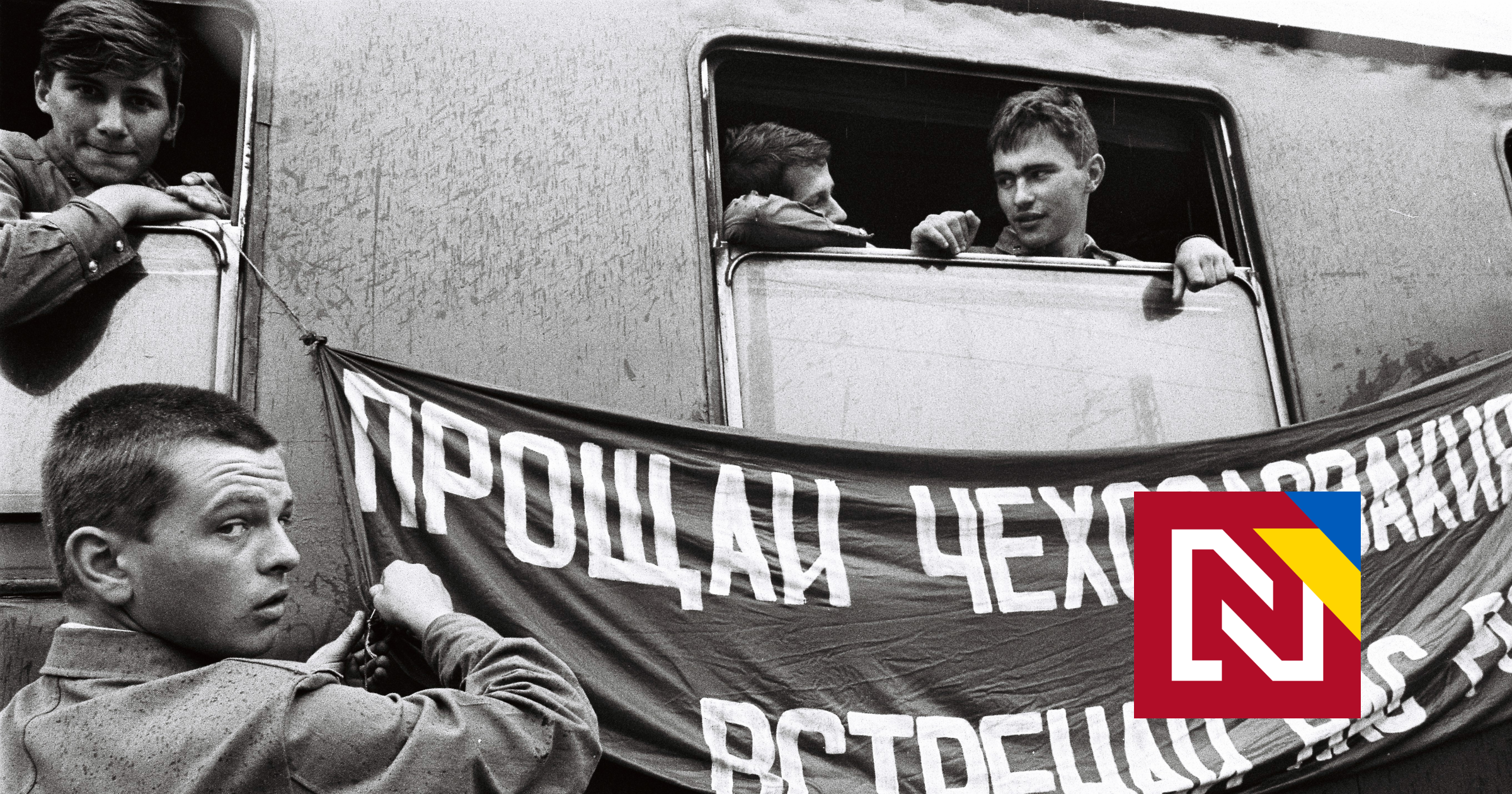
Slovakia marked the 35th anniversary of the withdrawal of Soviet occupation forces, a milestone that carries renewed significance amid ongoing concerns about Russian political influence in Central Europe. The weekly news digest highlights three notable themes from Slovak public life: the importance of remembering the end of Soviet occupation, debate over politically charged rhetoric about social welfare recipients, and a rapid institutional response following media reporting on workplace bullying.

|
Domestic Politics

Loyalists Desert Slovak Party Over Unpopular Candidate Endorsement

A Slovak political party is losing the support of longtime loyalists after backing a candidate who has proven deeply unpopular among its base. The defections signal growing internal tensions within the party, as members who had previously stood firmly behind the organization are now distancing themselves in protest over the leadership's choice of endorsed candidate. The dispute highlights a broader pattern in Slovak politics where candidate selection can fracture party unity, particularly when grassroots members feel their preferences are being overridden by party leadership.

|
Domestic Politics

Slovak Ruling Coalition Survives Confidence Vote but Fractures Emerge Ahead of Budget Battle

Slovakia's ruling coalition has limped into the summer recess intact following a confidence vote in parliament, but signs of internal division are growing as parties shift focus to an upcoming budget showdown. Weekend political talk shows revealed a coalition that, while formally holding together, is increasingly fragmented, with each member party now appearing to prioritize its own interests over collective government objectives. The coalition, led by Prime Minister Robert Fico's Smer-SD party, faces the politically sensitive task of drafting a national budget in the coming months — a process that typically exposes tensions between coalition partners over spending priorities, social transfers, and fiscal discipline. The budget negotiations are expected to dominate Slovak politics through the autumn, with analysts noting that each coalition party is already staking out distinct positions, suggesting difficult internal bargaining ahead.

|
Domestic Politics

Police Bust Drug Dealing Gang in Eastern Slovakia, Ukrainian Leader Faces Life Sentence

Slovak police have dismantled a drug trafficking gang operating in eastern Slovakia, with the group's alleged Ukrainian leader facing the possibility of a life sentence. A court heard five separate detention requests as authorities moved to hold suspects in custody following the operation. Details of the case were presented before a judge who ruled on five proposals for pre-trial detention, a standard legal procedure in Slovakia used to keep suspects imprisoned while an investigation proceeds. The gang's alleged ringleader, a Ukrainian national, faces the most serious charges, which under Slovak law can carry a life sentence for large-scale drug trafficking. Drug trafficking involving organized criminal networks with foreign connections has been an ongoing concern for Slovak law enforcement, particularly in the eastern regions of the country, which border Ukraine. Slovak police have intensified operations against drug distribution networks in recent years as part of broader efforts to combat organized crime.

|
Domestic Politics

Slovak Coalition Partner Urges Fico to Condition Zelensky Talks on Bandera Issue

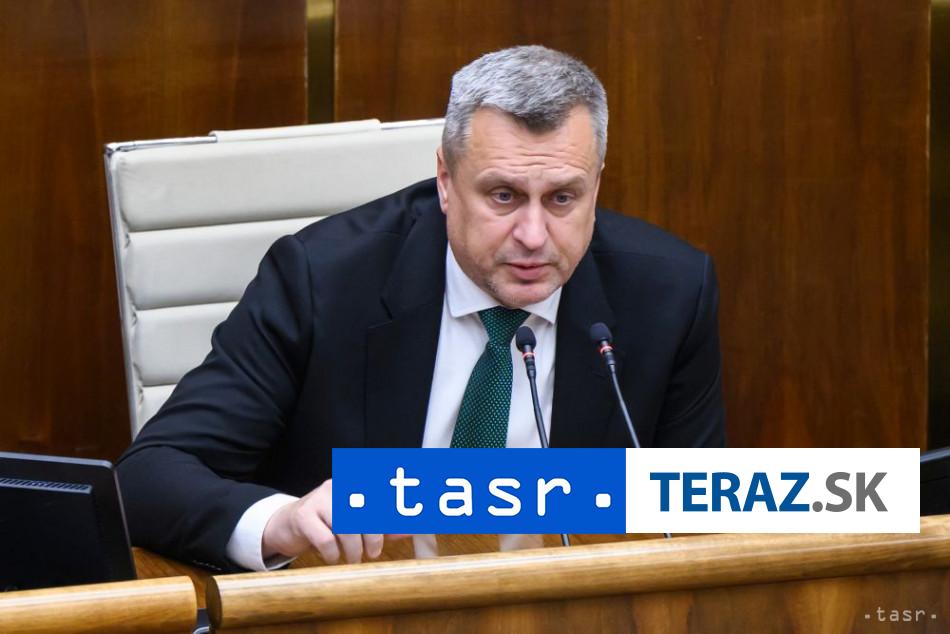
Andrej Danko, leader of the Slovak National Party (SNS) and a junior partner in Prime Minister Robert Fico's ruling coalition, has called on Fico to refrain from holding talks with Ukrainian President Volodymyr Zelensky until Ukraine addresses the issue of the glorification of Stepan Bandera. Bandera was a Ukrainian nationalist leader from the World War II era whose followers, known as Banderites, are accused of carrying out massacres of Polish and Jewish civilians. His legacy remains deeply controversial in Central and Eastern Europe. Danko pointed to the stance of Polish President Karol Nawrocki, who he said sent a clear signal that the glorification of individuals associated with massacres of the Polish population is unacceptable. The call reflects ongoing tensions within Slovak political circles over the country's approach to the war in Ukraine, with Fico's government maintaining a notably more skeptical position toward Kyiv than most EU member states. By invoking the Bandera controversy — a sensitive historical issue that has also strained Polish-Ukrainian relations — Danko is seeking to attach conditions to any diplomatic engagement between Bratislava and Kyiv.

|
Domestic Politics

NBS Employee Contradicts Defense in Party Scandal Linked to Central Bank Official's Partner

An employee of the National Bank of Slovakia (NBS), the country's central bank, has contradicted the official explanation offered in defense of a private party held on NBS premises. The case centers on a gathering connected to the partner of a senior NBS official, with the employee's account undermining claims that such use of the bank's facilities was routine or accessible to all staff. The National Bank of Slovakia itself has declined to comment on the matter, leaving questions unanswered about whether proper procedures were followed in granting access to the building for a private event. The case raises concerns about the use of public institutions' resources for personal purposes, and about transparency within one of Slovakia's most important financial institutions.

|
Domestic Politics

Opposition Needs More Time to Prepare Than Coalition, Commentator Argues

Slovak political commentator and former finance minister Ivan Mikloš has argued in an opinion piece that the opposition in Slovakia appears to need significantly more time to prepare for elections than the ruling coalition. The column, titled 'Twenty Years in Chujavy,' reflects on the state of Slovak opposition politics and its readiness to challenge the current government led by Prime Minister Robert Fico's Smer-SD party, a left-nationalist movement that returned to power in 2023. Mikloš, a prominent economist and reformist politician associated with center-right politics, has long been a critic of Fico's governments. The commentary suggests the opposition remains organizationally and strategically behind the coalition as the political landscape heads toward future electoral contests.

|
Domestic Politics

Commentary: Slovak Opposition Faces Uphill Battle Ahead of Elections

A commentary published in the Slovak daily SME, written by former finance minister Ivan Mikloš, argues that Slovakia's opposition parties appear less prepared for upcoming elections than the ruling coalition. Mikloš, a prominent economist and reform-minded political figure associated with Slovakia's post-communist transition, suggests the opposition has failed to make effective use of the time available to build a competitive electoral platform. The piece reflects broader concerns among critics of the current government — led by Prime Minister Robert Fico's Smer-SD party, a left-nationalist grouping — that the fragmented opposition has struggled to present a credible alternative to voters.

|
Domestic Politics

Slovakia's Debt Brake Mechanism Seen as Outdated and In Need of Reform

Slovakia's debt brake, a constitutional mechanism designed to automatically trigger fiscal austerity measures when public debt exceeds certain thresholds, is increasingly viewed by economists and policy analysts as outdated and ineffective — compared by critics to a steam engine in a modern economy. The mechanism, introduced over a decade ago to impose fiscal discipline on Slovak governments, is seen as too rigid and poorly calibrated to respond to contemporary economic challenges such as post-pandemic recovery spending, energy crises, and rising social expenditures. Analysts argue that meaningful reform of the debt brake requires broad political consensus, including buy-in from the country's most influential — and often opposing — political figures: Prime Minister Robert Fico, whose Smer-SD party leads the current ruling coalition, and former Prime Minister Igor Matovič, a volatile opposition figure and founder of the OĽaNO movement. The debate highlights a deeper tension in Slovak fiscal policy between the need for budgetary flexibility and the constitutional constraints intended to prevent governments from accumulating unsustainable debt. Any reform of the constitutional debt brake would require a supermajority in the National Council, Slovakia's parliament, making cross-party negotiation not just advisable but legally necessary.

|
Domestic Politics

Slovak Nationalist Party to Field Its Own Candidates in Regional Governor Races

The Slovak National Party (SNS), a member of Prime Minister Robert Fico's ruling coalition, has nominated its own candidate for the regional governor election in Žilina, a region in northwestern Slovakia. The party also plans to field a candidate in the Prešov region in the country's north. The SNS candidate for the Žilina governorship is Lučanský. Regional governor elections in Slovakia determine the heads of the country's self-governing regions, which oversee local infrastructure, education, and social services. By running its own candidates rather than backing coalition partners, SNS is signaling an independent electoral strategy ahead of the regional votes.

|
Domestic Politics

Slovak Disinformation Roundup: Blaha's Exit from Academy of Sciences and Alleged Political Deals

Slovakia's disinformation monitoring outlet Dezinfomaják has published its 83rd edition, examining recent developments on the Slovak disinformation scene. Among the topics covered is the circumstances surrounding Ľuboš Blaha's departure from the Slovak Academy of Sciences (SAV), the country's leading public research institution, as well as reports of possible political agreements involving a figure referred to as 'Mimi.' Blaha is a prominent politician from Smer-SD, the ruling left-nationalist party led by Prime Minister Robert Fico, who has been a controversial figure known for spreading pro-Russian narratives and conspiracy theories. His connection to the Academy of Sciences had previously drawn criticism from the academic community. The Dezinfomaják newsletter, which tracks disinformation trends and actors in Slovakia, regularly highlights links between political figures and the spread of misleading information.

|
Domestic Politics

Slovak Nationalist Leader Mocks President's Military Training, Takes Aim at Prime Minister

Andrej Danko, leader of the Slovak National Party (SNS), publicly ridiculed President Peter Pellegrini over his participation in military training exercises, pointing out that Pellegrini did not serve in the military when he was young. Danko's remarks were directed at both the president and Prime Minister Robert Fico, signaling tensions within and around Slovakia's ruling coalition. The SNS is a nationalist party currently allied with Fico's Smer-SD in government. Danko's criticism of Pellegrini carries a pointed edge: the president, as head of state and commander-in-chief of the armed forces, participating in military training while having no prior military service record is, in Danko's view, grounds for ridicule. The jab at both the president and the prime minister suggests growing friction among figures who have largely operated in the same political sphere, and may reflect broader power struggles within Slovakia's right-wing and nationalist political landscape.

|
Domestic Politics

Government and Opposition Clash Over Public Sector Pay as Budget Pressures Mount

A dispute has broken out between Slovakia's ruling coalition and the opposition over whether the state can afford to pay civil servants, amid growing concerns about the country's fiscal situation. The liberal opposition party SaS (Freedom and Solidarity) has claimed the government lacks funds to cover public sector salaries, while Economy Minister Denisa Saková pushed back, accusing the opposition of wanting to cut pay for doctors and teachers. Saková, a member of the ruling Hlas-SD party, argued that government ministries are already cutting their own operational costs rather than reducing front-line public service wages. Slovakia has been under significant budget pressure in recent years, with the government facing a large fiscal deficit and pressure from the European Union to consolidate public finances. The dispute highlights the tension between fiscal consolidation demands and the protection of public sector wages, a politically sensitive issue ahead of potential future elections. SaS, which sits in opposition after leaving a previous coalition government, has repeatedly criticized the current administration's handling of state finances.

|
Domestic Politics

Police Investigate Interior Ministry's 'In Your Own Skin' Public Event

Slovak police are investigating a public event organized by the Interior Ministry after a criminal complaint was filed against it. The complaint, related to an event titled 'Na vlastnej koži' ('In Your Own Skin'), was handed over by a supervising prosecutor to an investigator on June 1, according to Gabriela Kováčová of the Regional Prosecutor's Office in Bratislava. The event in question was organized by the ministry under Interior Minister Matúš Šutaj Eštok, a senior figure in the ruling Hlas-SD party. The transfer of the case from prosecutor to investigator signals a formal escalation of the inquiry, meaning police will now examine whether any criminal conduct occurred in connection with the event's organization or content.

|
Domestic Politics

Portrait of Iveta Radičová: Slovakia's Former Prime Minister Revisited

A new profile of Iveta Radičová — the politician often credited with reshaping Slovakia's democratic landscape — offers a candid, myth-free account of her life and legacy. Radičová, a sociologist by training, served as Slovakia's first and only female prime minister from 2010 to 2012, leading a centre-right coalition government that came to power following years of dominance by Robert Fico's Smer-SD party. Her tenure was marked by efforts to strengthen the rule of law and restore institutional credibility, though her government collapsed after losing a confidence vote tied to the eurozone bailout fund. The portrait aims to present her as a human figure rather than a political symbol, stripping away both idealization and caricature to examine the woman behind one of Slovakia's most distinctive political careers.

|
Domestic Politics

Slovak Government's Constitutional Breach Over Budget Law Should Not Be Rewarded With Confidence Vote, Analysts Say

Slovakia's parliament faces criticism for potentially granting a confidence vote to a government that legal experts say deliberately violated the country's constitution. The controversy centers on the government's handling of a constitutional law on budgetary responsibility — a legal framework designed to enforce fiscal discipline and limit public debt. Critics argue the government intentionally breached its constitutional obligations under this law, a move they describe as a serious undermining of the rule of law. Legal analysts note the gravity of the violation by pointing to a stark comparison: if Slovakia's president were to breach the constitution with the same degree of apparent intent, that act would constitute grounds for criminal prosecution under Slovak law. The fact that parliament is instead considering a confidence vote — effectively rewarding rather than penalizing the government's conduct — has drawn sharp condemnation from legal commentators and opposition figures. Slovakia is governed by a coalition led by Smer-SD, the left-nationalist party of Prime Minister Robert Fico, which has faced sustained criticism from domestic and European institutions over its record on the rule of law and democratic standards since returning to power in 2023.

|