Dávka - Your daily dose of Slovak news
Last refreshed: 27/06/2026 05:38 · 21 articles added
Stories are refreshed at 05:30, 10:30, 15:30, and 21:30 UTC.

Domestic Politics

View all2768 stories
Domestic Politics

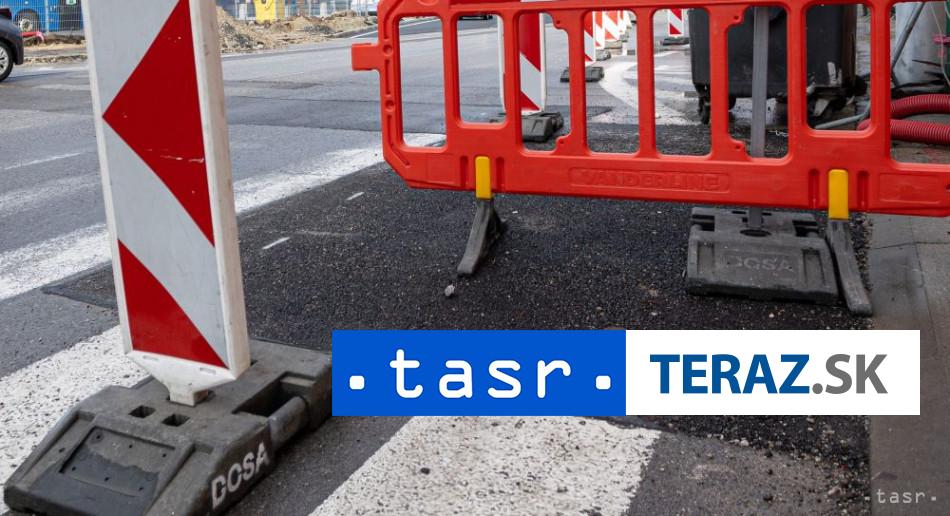
Trnava Region Plans Road Reconstruction Between Šamorín and Hamuliakovo

The Trnava Self-Governing Region (TTSK), one of Slovakia's eight regional administrative units, is preparing a reconstruction of a road section connecting the towns of Šamorín and Hamuliakovo in southwestern Slovakia. The regional authority announced the planned works through its communications office, though specific details on the timeline and budget for the project were not immediately disclosed.

|
Domestic Politics

Slovak PM Fico to Meet Students in Košice Ahead of Government Session

Slovak Prime Minister Robert Fico is set to hold another meeting with students before a scheduled government session in Košice. The city's mayor reportedly encouraged students to ask assertive questions during the encounter — but not impertinent ones. Fico, who leads Smer-SD, the dominant party in Slovakia's ruling coalition and known for its nationalist, pro-sovereignty stance, has previously held similar student discussions as part of efforts to engage younger audiences. The distinction drawn by the mayor between "assertive" and "disrespectful" questioning drew attention, suggesting some sensitivity around the nature of student engagement with the prime minister.

|
Domestic Politics

Slovakia's Public Procurement Office Launches Multiple Reviews of Interior Ministry Contracts

Slovakia's Public Procurement Office, the state body responsible for overseeing government tendering and contracting processes, is conducting multiple reviews of contracts awarded by the Ministry of Interior. The office has opened two formal control proceedings and is simultaneously handling complaints, objections, and a series of court disputes related to Interior Ministry tenders. The Interior Ministry, which oversees police, border security, and civil administration, is one of the largest public spenders in Slovakia, making its procurement practices a matter of significant public interest. The concentration of multiple simultaneous reviews and legal challenges suggests broader concerns about how contracts at the ministry have been awarded, though the outcomes of the proceedings have yet to be determined.

|
Domestic Politics

Slovak Commentator Verbally Attacked at Bratislava Market in Incident Spreading Online

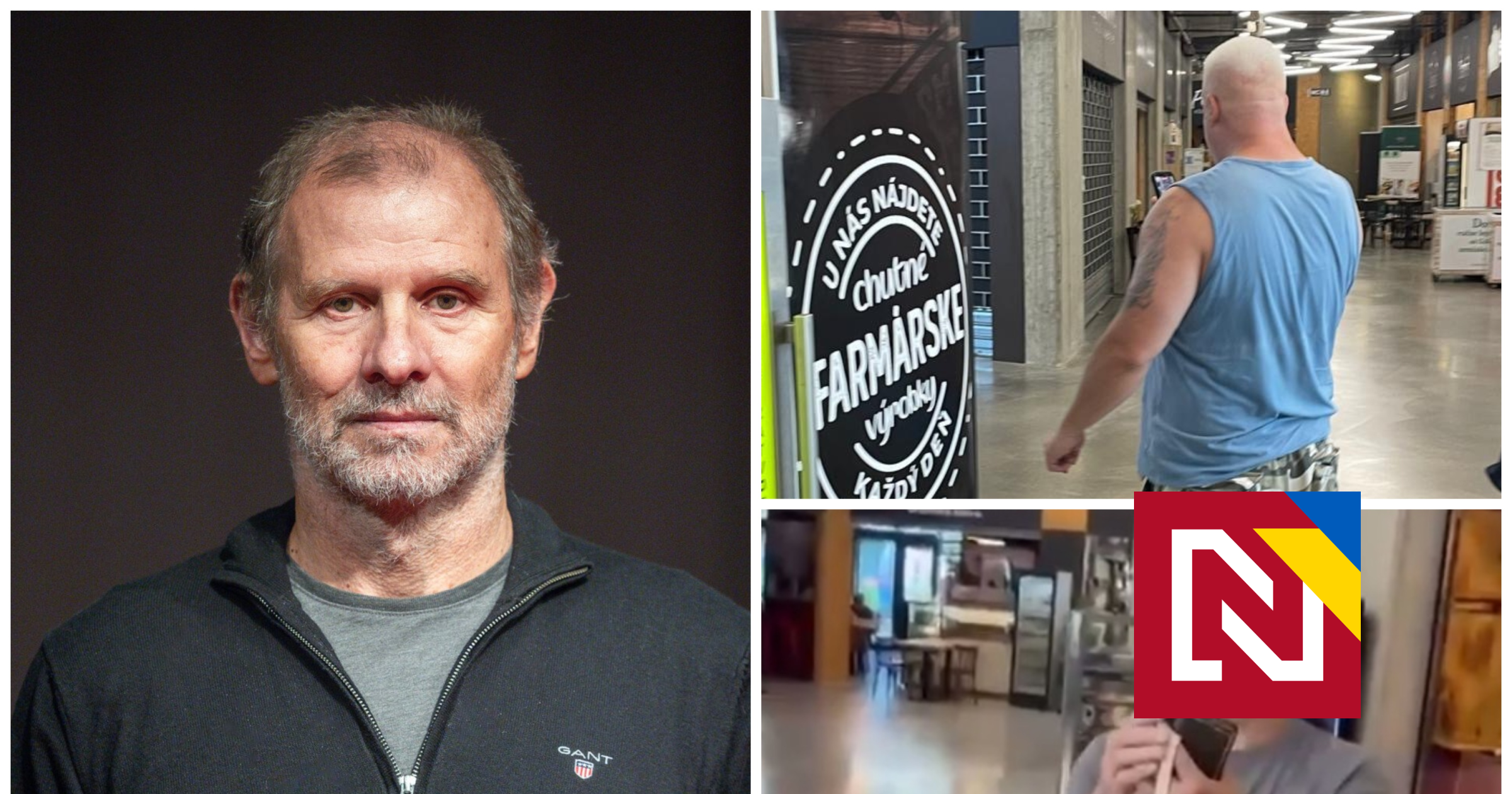
A prominent Slovak journalist and commentator was subjected to a vulgar verbal attack at a Bratislava market last Friday, with video of the incident subsequently spreading across pro-Kremlin disinformation channels online. Martin M. Šimečka, a commentator for the independent Slovak outlet Denník N, was confronted by an unidentified heavyset man wearing a blue tank top and camouflage shorts at the Fresh Market in Bratislava. The man launched a stream of profane abuse directed at Šimečka, apparently targeting him over his political views, and also directed insults at Šimečka's family. The attacker filmed the entire incident on his mobile phone. The video was then circulated widely on the internet, particularly on Slovak disinformation and pro-government propaganda platforms, where it was met with approval. Denník N is one of Slovakia's leading independent investigative newspapers and has been a frequent target of hostility from supporters of the ruling government of Prime Minister Robert Fico, whose Smer-SD party has repeatedly clashed with independent media. The incident highlights growing tensions around press freedom and the safety of journalists in Slovakia, where the murder of investigative reporter Ján Kuciak in 2018 remains a defining moment in the country's recent history.

|
Domestic Politics

Political Analyst Warns Fico's Junior Coalition Partners Risk Being Wiped Out

Slovakia's ruling coalition faces a critical test as the government budget process approaches, with a political analyst warning that the smaller coalition parties risk electoral destruction by remaining allied with the dominant Smer-SD party. Political scientist Jozef Lenč cautioned that junior coalition partners Hlas and SNS are treading a historically dangerous path. Speaking in a video podcast, Lenč noted that every party that has previously partnered with Smer-SD — the left-wing nationalist party led by Prime Minister Robert Fico — and stayed in coalition until the end ultimately suffered severe electoral consequences or disappeared from parliament entirely. The current ruling coalition comprises three parties: Smer-SD, which holds the dominant position; Hlas (Voice), a center-left party founded by former Smer members who split from Fico in 2020; and SNS (Slovak National Party), a right-wing nationalist party. Lenč argued that remaining in coalition until it suits only Smer is the key factor that has historically led to the political elimination of smaller partners. The budget, which the coalition must negotiate and pass, is expected to be a major flashpoint that will test whether Hlas and SNS can assert their own political identities or will continue to operate in Smer's shadow — a dynamic that analysts warn could erode their voter bases ahead of future elections.

|
Domestic Politics

Moody's Rating Assessment Reflects Economic Reality Ignored by Slovakia's Ruling Coalition, Opposition Says

Slovakia's opposition Christian democratic movement KDH (Christian Democratic Movement) has criticized the ruling coalition after the international credit rating agency Moody's issued an assessment of Slovakia's economic situation. KDH argued the Moody's report serves as a mirror for coalition lawmakers, who the party says have been ignoring the country's fiscal and economic realities. KDH is a center-right opposition party in Slovakia's National Council, the country's parliament. The ruling coalition, led by Prime Minister Robert Fico's Smer-SD party, has faced ongoing criticism over its fiscal policies and budget management. Moody's, one of the world's three major credit rating agencies, regularly evaluates countries' creditworthiness and economic stability, and its assessments carry significant weight for investor confidence and borrowing costs. KDH's comments suggest the agency's findings align with opposition warnings about the direction of Slovak economic policy, though the coalition has not yet publicly responded to the criticism.

|
Domestic Politics

Police Dismantle Drug Network in Major Operation, Ten Arrested

Slovak police dismantled a drug trafficking network and detained ten suspects in a large-scale operation codenamed URUS. The operation deployed 170 officers to carry out the coordinated crackdown, which targeted an organized criminal group involved in drug distribution.

|
Domestic Politics

Slovak MP Škurlová Announces Bid for Mayor of Vranov nad Topľou

A sitting member of Slovakia's national parliament is seeking to become mayor of a northeastern Slovak town. Marta Škurlová has announced her candidacy for mayor of Vranov nad Topľou, a town of roughly 20,000 residents in the Prešov region of eastern Slovakia, arguing that the town is in need of change. Škurlová is basing her campaign on three priority areas for the municipality, though the specific details of those priorities were not disclosed. Local mayoral elections in Slovakia are held alongside regional government elections, with the next scheduled cycle due in 2026.

|
Domestic Politics

Prešov Region to Expand Its Council After Political Parties Reach Agreement

Slovakia's Prešov self-governing region will increase the number of seats in its regional council following an agreement among local political leaders. The decision came after representatives from multiple parties — including figures associated with KDH (Christian Democratic Movement) and the Slovak National Party (SNS), as well as Hlas-SD — reached a compromise, with Hlas-SD, the center-left party led by Prime Minister Robert Fico's former ally Peter Pellegrini, successfully pushing through its preferred outcome on the expanded composition. Regional councils in Slovakia are elected bodies that oversee local governance, budgets, and public services at the county level. The Prešov region, located in northeastern Slovakia, is one of the country's most populous counties, and adjusting the number of council mandates can affect the balance of political representation within the region. The expanded council is expected to reflect the region's demographic weight more accurately ahead of upcoming regional elections.

|
Domestic Politics

Nearly 8,000 Sign Petition Against Slovak Law Criminalizing Criticism of Postwar Beneš Decrees

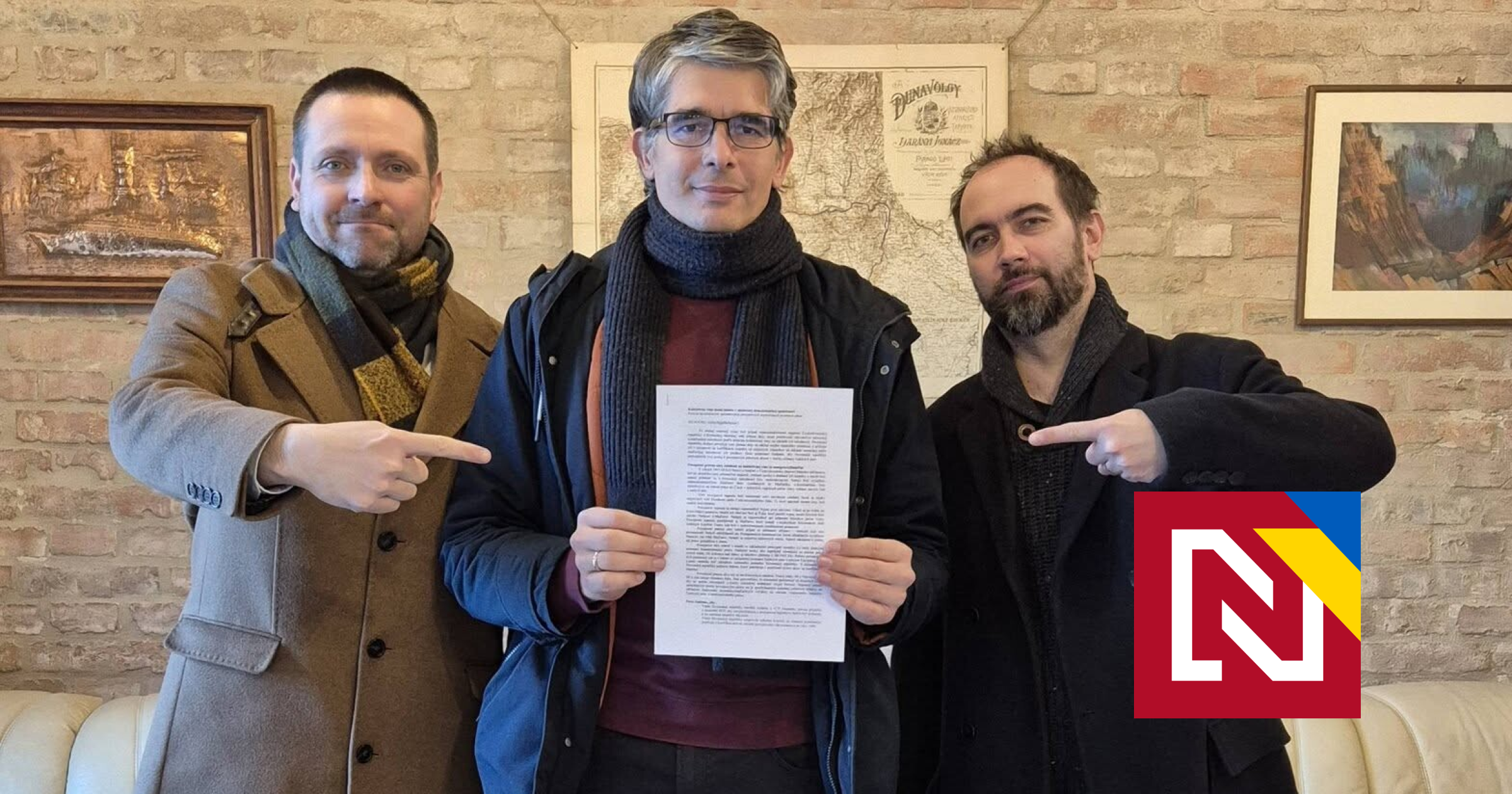
A petition calling for an end to ongoing property confiscations carried out under the Beneš decrees and for redress of injustices from the 1940s has gathered nearly 8,000 signatures in Slovakia. The petition was initiated by lawyer János Fiala-Butora, Hungarian Alliance politician Örs Orosz, and activist Attila Stubendek, and was addressed to the Slovak president, parliament, and government. The petition was launched in direct response to parliament's approval of an amendment to the Criminal Code that makes it a criminal offense to question the Beneš decrees. The Beneš decrees were a series of postwar measures issued by Czechoslovak President Edvard Beneš after World War II that, among other consequences, authorized the mass confiscation of property from ethnic Germans and Hungarians living in Czechoslovakia. Decades later, some of those confiscations remain legally contested. Fiala-Butora argued that if property rights can still be challenged or undermined 80 years after the fact, it fundamentally erodes legal certainty — a core principle of rule-of-law states. The Hungarian Alliance is a Slovak political party representing the country's ethnic Hungarian minority, which has historically been among those most affected by the decrees. The criminalization of questioning the decrees has raised concerns among legal experts and minority advocates about freedom of expression and the ability to seek historical redress through legal or political channels.

|
Domestic Politics

Key Witness Describes Journalist Surveillance and Kočner's Instructions in Court Testimony

Peter Tóth, a former private investigator, testified in court about the surveillance of journalists and statements made by Marian Kočner, a controversial Slovak businessman at the center of one of the country's most significant criminal cases. Tóth told the court that Kočner had ordered the monitoring of journalists, providing testimony that sheds further light on the alleged orchestration of intimidation against members of the press. Kočner is best known internationally as the man charged in connection with the 2018 murder of investigative journalist Ján Kuciak and his fiancée Martina Kušnírová — an assassination that triggered mass protests across Slovakia and led to the resignation of the then-prime minister. While Kočner was ultimately acquitted of ordering the murders, he was convicted on separate fraud charges. Ongoing legal proceedings continue to examine the full scope of his alleged criminal activities, including the surveillance and harassment of journalists who investigated him. Tóth's testimony is significant because it provides a direct account from someone who was involved in operations linked to Kočner. The surveillance of journalists represents a serious press freedom concern and remains a sensitive issue in Slovakia, where the Kuciak murder fundamentally shook public trust in institutions and accelerated demands for accountability from both politicians and powerful business figures.

|
Domestic Politics

Independent Candidate Matej Lančarič Challenges Incumbent Governor in Trnava Region

Manager, entrepreneur, and civic activist Matej Lančarič has announced his candidacy for the position of regional governor in the Trnava Region, entering the 2026 regional elections as an independent candidate and leader of the civic initiative Za lepší Trnavský kraj (For a Better Trnava Region). Lančarič will face the incumbent governor Jozef Viskupič, who is seeking to retain the post he has held in one of western Slovakia's eight self-governing regions. Regional governor elections in Slovakia, scheduled for 2026, will determine the leadership of the country's regional administrations, which oversee areas including transport, education, and regional development. Viskupič, a politician associated with the opposition liberal-conservative movement, now faces a challenger running on a civic platform outside traditional party structures.

|
Domestic Politics

Slovakia's Social Affairs Ministry Moves to Crack Down on Truancy and Fraudulent Foster Care

Slovakia's Ministry of Labour and Social Affairs has drafted new legislation aimed at tackling persistent school truancy and the fraudulent use of foster care arrangements. The proposed law would also address social benefit entitlements for foreign nationals living in Slovakia. Minister Erik Tomáš, who heads the ministry, had already signalled planned changes to how truancy is penalised back in April. The draft legislation now moves toward the formal legislative process. The measures reflect growing government concern over children missing school without justification and over cases where foster care placements may be arranged not for child welfare purposes but to unlawfully access state social payments. Slovakia's social benefits system, like those across the EU, faces pressure to prevent abuse while ensuring support reaches genuinely vulnerable families.

|
Domestic Politics

Prešov Regional Assembly Votes to Increase Number of Deputies

The regional assembly of Prešov, a self-governing region in northeastern Slovakia, has approved an increase in the number of seats in its representative body. The original proposal put before the assembly had called for 55 mandates and included plans to merge the electoral districts of Medzilaborce and Stropkov, two smaller towns in the region. The final approved arrangement adjusts the composition of the regional legislature, which is responsible for overseeing local governance, budgeting, and regional development in one of Slovakia's largest administrative regions by area. Changes to the number of deputies and the boundaries of electoral districts directly affect political representation at the regional level, determining how communities across the Prešov region are represented in local decision-making.

|
Domestic Politics

Slovak Agriculture Minister's Legal Work Linked to Bratislava Mayor's Daughter, Raising Conflict of Interest Questions

Slovakia's Agriculture Minister Richard Takáč has been using the daughter of Bratislava Mayor Matúš Vallo as his legal representative, a relationship that has drawn scrutiny given overlapping political and business interests. The lawyer's family business, the Altmayer guesthouse, previously encountered problems related to agricultural subsidies administered by the Agricultural Paying Agency (PPA) — the very body that falls under the minister's oversight. The PPA, Slovakia's state agency responsible for distributing EU and national agricultural subsidies, has become a focal point of controversy during the current fourth government of Prime Minister Robert Fico, which took office in 2023. An analysis of legal contracts awarded by the PPA identified it as the single largest client among the top 15 law firms receiving state business under the Fico administration, raising broader questions about the allocation of public funds and the role of personal connections in securing government-linked legal work. The story highlights the intertwining of political relationships and public institutions in Slovakia, where critics have long argued that government contracting and subsidy distribution are vulnerable to favoritism. Matúš Vallo, the Mayor of Bratislava, leads a centrist civic movement and is generally considered part of the liberal opposition camp, making the cross-political nature of the legal arrangement particularly notable. The findings add to ongoing public debate about transparency and conflict-of-interest standards within Slovak state institutions.

|
Domestic Politics

Slovak Official Accused of Pocketing Government Fee Payments for Years

A government office worker in Slovakia has been accused of stealing money from official administrative fees over a period of several years, allegedly exploiting a simple but effective method to avoid detection. The employee is suspected of retaining cash payments made by members of the public for official services whenever customers left without taking their payment receipts — whether by choice or simply forgetting them. Without an issued receipt, the transaction left no paper trail, allowing the alleged theft to continue undetected for years. The scheme only came to light after an anonymous tip was submitted to authorities. Investigators are now examining the full extent of the losses, which are believed to span multiple years of activity at the office.

|
Domestic Politics

Slovak Justice Ministry Official Oversees Bankruptcy Trustees While Registered as One Herself

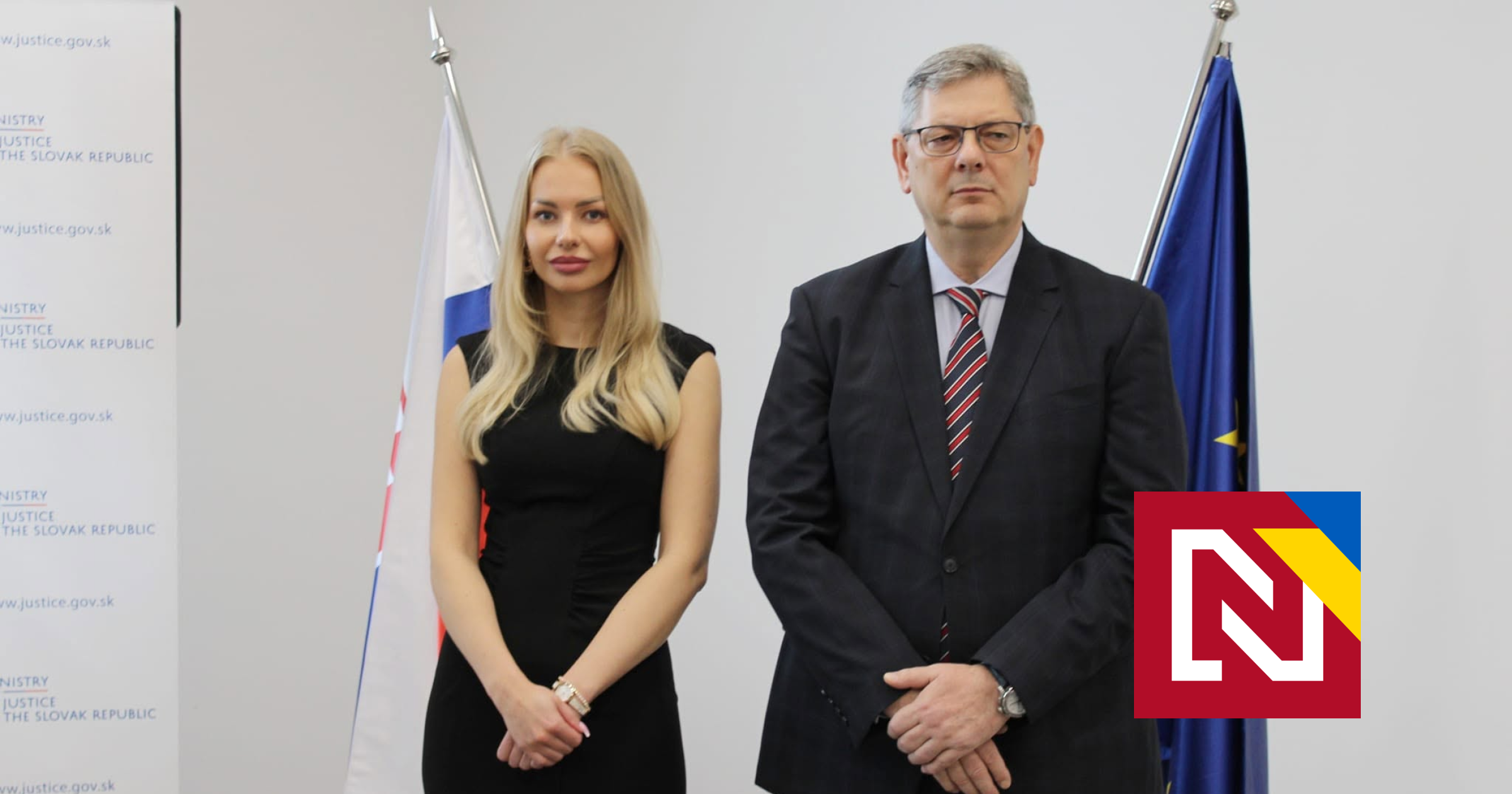
A senior official at Slovakia's Ministry of Justice who heads the division responsible for overseeing bankruptcy trustees has herself been registered as a bankruptcy trustee — raising concerns about a conflict of interest. Vanesa Štrbjanová was added to the official list of bankruptcy trustees on May 4, while simultaneously leading the ministry's supervision section, the body responsible for monitoring and regulating those same trustees. Rather than stepping back from one of the roles, Štrbjanová resolved the apparent conflict by transferring oversight responsibilities to a subordinate. Bankruptcy trustees are court-appointed administrators who manage the assets of insolvent companies and individuals, and the ministry's supervision section holds authority over their conduct and licensing. The arrangement raises questions about the integrity of regulatory oversight in Slovakia's insolvency system, as the official ultimately responsible for the framework governing trustees now stands to benefit from the profession she is charged with regulating.

|
Domestic Politics

Slovak Minister to Unveil Anti-Truancy Legislation as European Leaders Head to Trnava

Slovakia's Education Minister Erik Tomáš is set to present new legislation aimed at tackling school truancy, while the western Slovak city of Trnava prepares to host European leaders including representatives of the SEDEC commission — the European Committee of the Regions' body dealing with social policy, education, employment, research, and culture. The convergence of these two events highlights ongoing efforts by Slovak authorities to address educational challenges domestically, while also engaging with EU-level governance structures. The SEDEC commission brings together regional and local elected representatives from across European Union member states to shape EU policy on social and educational matters. Details of the anti-truancy bill, including specific measures or penalties it may introduce, were not immediately available, but the legislation is expected to address a persistent concern in Slovak schools regarding chronic absenteeism among students.

|
Domestic Politics

Analysis: Fico Launches Political Offensive Against Coalition Allies

Slovak Prime Minister Robert Fico has signaled a broad political offensive targeting members of his own ruling coalition, according to commentary from political journalist Peter Bárdy. The move follows a pattern well established in Slovak politics, where Fico — leader of Smer-SD, the dominant left-nationalist party in the three-party governing coalition — uses internal pressure to consolidate control and discipline coalition partners. Slovakia's current government, formed after the September 2023 elections, includes Smer-SD alongside the center-left Hlas-SD and the nationalist Slovak National Party (SNS). Internal tensions within the coalition have surfaced repeatedly since the government took office, with Fico's assertive leadership style frequently testing the loyalty of his partners. Political analysts have noted that such intra-coalition power plays are characteristic of Fico's governing approach, used to reinforce his dominance and pre-empt potential dissent before it can crystallize into open opposition.

|
Domestic Politics

Prosecutor Who Charged Interior Minister Kaliňák Now Under Investigation Herself

The Slovak prosecutor who formally charged Interior Minister Robert Kaliňák is now herself the subject of a criminal investigation, in a development that has drawn sharp criticism from legal observers and opposition figures. The supervising prosecutor, who had been overseeing the case against Kaliňák, refused to continue working on the matter after receiving what she described as instructions from above — directives she considered improper interference in the prosecution. Her refusal to comply with those orders appears to have triggered the investigation now targeting her. Robert Kaliňák is a senior figure in Smer-SD, the ruling left-nationalist party led by Prime Minister Robert Fico. Kaliňák has served multiple terms as interior minister and is one of the most powerful figures in the current government. His prosecution represented a significant legal challenge to the ruling coalition. The case against him has been politically contentious, with the government repeatedly questioning the independence and motives of prosecutors handling politically sensitive investigations. The sequence of events — a prosecutor charges a senior government minister, receives orders from superiors she deems inappropriate, refuses to follow them, and is then placed under investigation herself — raises serious concerns about the independence of Slovakia's prosecution service. Critics warn the case illustrates a pattern of institutional pressure being used to shield government officials from criminal accountability, at a time when Slovakia's democratic institutions are already under international scrutiny.

|