Dávka - Your daily dose of Slovak news
Last refreshed: 26/06/2026 21:40 · 42 articles added
Stories are refreshed at 05:30, 10:30, 15:30, and 21:30 UTC.

Domestic Politics

View all2766 stories
Domestic Politics

Key Witness Confirms Authenticity of Kočner's Prison Notes at Trial

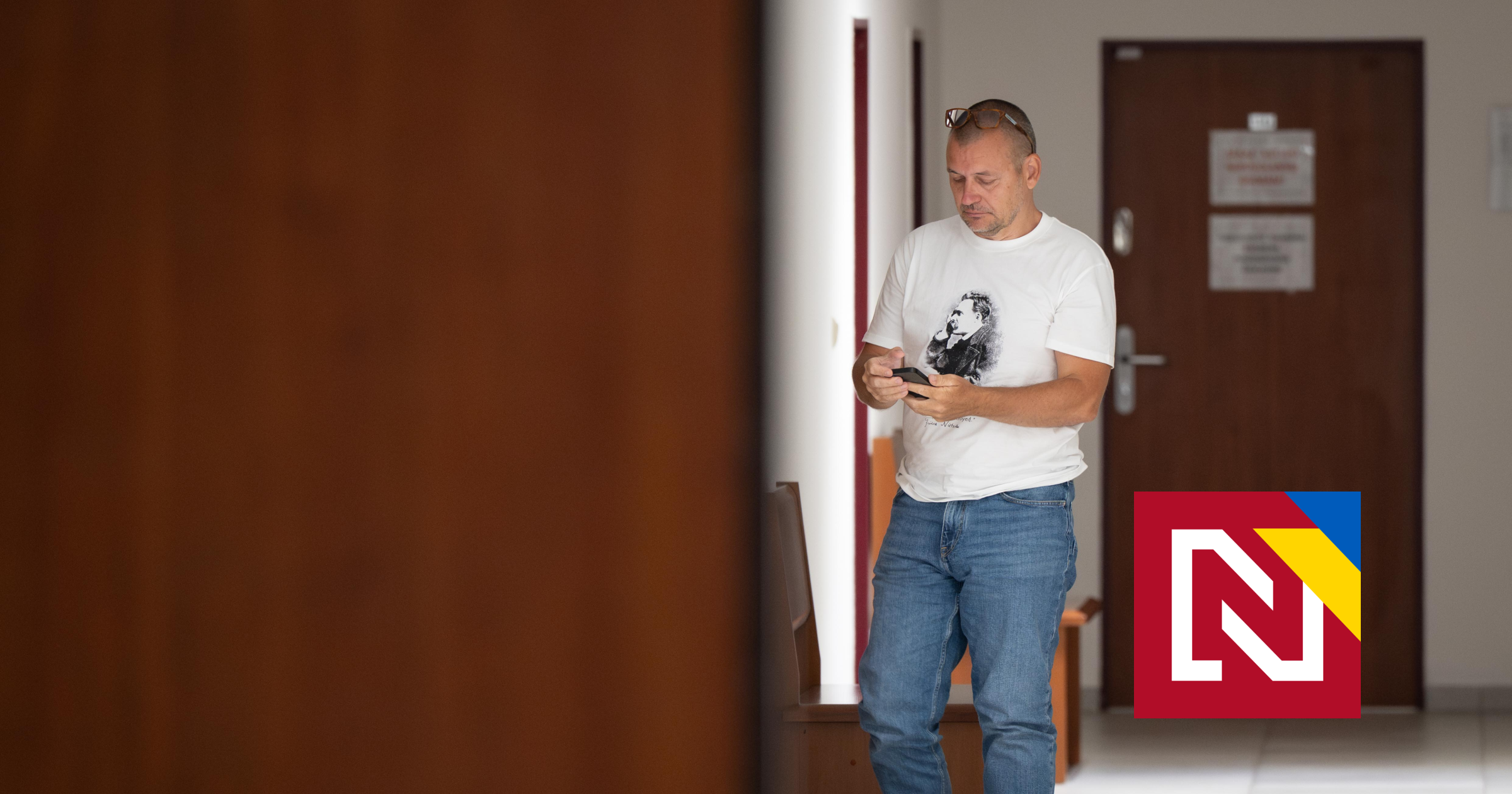
A key witness testified before Slovakia's Specialized Criminal Court, confirming that smuggled notes written by prominent businessman and convicted fraudster Marián Kočner while in pretrial detention were authentic. The witness, identified as Tóth, also spoke about an alleged intervention connected to the case. Marián Kočner is one of Slovakia's most notorious figures, previously convicted of forgery and widely known as the prime suspect in ordering the 2018 assassination of investigative journalist Ján Kuciak and his fiancée Martina Kušnírová — a murder that triggered mass protests and a political crisis in Slovakia. The so-called 'motáky' — handwritten notes secretly passed out of prison — have been central to multiple legal proceedings, as prosecutors allege they contain instructions and communications that shed light on Kočner's alleged criminal network and influence over public officials. The Specialized Criminal Court, Slovakia's tribunal dedicated to serious corruption and organized crime cases, has been examining the notes as part of ongoing proceedings. Tóth's testimony affirming their authenticity is a significant development, potentially strengthening the evidentiary foundation for prosecutors pursuing cases linked to Kočner's alleged interference with state institutions.

|
Domestic Politics

Slovak MP Huliak Apologizes to Conservationist and Pays €7,500 in Damages

Slovak parliamentarian Rudolf Huliak has issued a formal apology to environmental conservationist Juraj Hletkо for making false statements about him, and paid €7,500 in non-material damages. Huliak, a member of the Slovak National Party (SNS), a nationalist party that forms part of the ruling coalition led by Prime Minister Robert Fico, was required to make the apology and financial payment as a result of the dispute over the untrue claims. The case highlights ongoing tensions between Slovak lawmakers and environmental advocates, a particularly sensitive issue in Slovakia where conservation policies — especially regarding protected areas and wildlife — have frequently clashed with political and economic interests.

|
Domestic Politics

Slovakia Sees Rising Number of Whistleblowers, But Case Reviews Remain Slow

The number of whistleblowers coming forward in Slovakia is increasing each year, but the process of reviewing their complaints remains lengthy, according to the Office for the Protection of Whistleblowers, an independent state authority responsible for safeguarding people who report wrongdoing. The office's chairwoman noted that cases brought by whistleblowers frequently expose failures within state institutions, suggesting systemic problems that go beyond individual misconduct. While the upward trend in reports reflects growing awareness of whistleblower protections, the slow pace of investigations raises concerns about the office's capacity to handle the growing caseload effectively and provide timely protection to those who come forward.

|
Domestic Politics

Slovak News Outlet Hlavné Správy Operates as Propaganda Factory, Data Shows

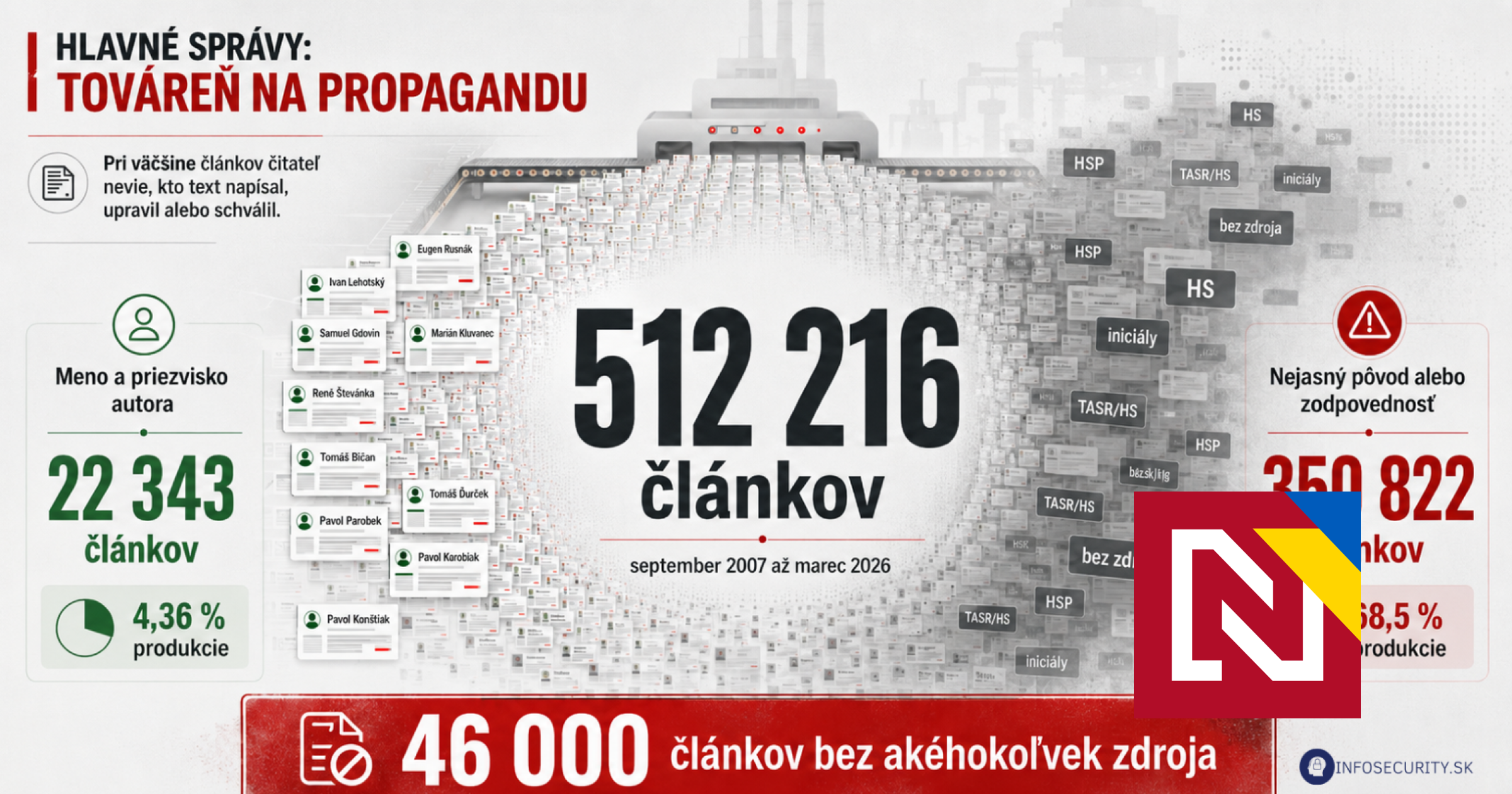
Nearly two decades of data suggest that Hlavné Správy, a Slovak online news outlet run by Róbert Sopko, operates less like a conventional news organization and more like an industrial-scale content distribution system, according to an investigation by the Slovak newspaper Denník N. Hlavné Správy — whose name translates as 'Main News' — has long been a prominent presence in Slovakia's online media landscape, but has drawn repeated criticism from media analysts and journalists for publishing content that blurs the line between news reporting and political propaganda. The Denník N analysis examined the outlet's behavior over nearly 20 years, finding patterns inconsistent with standard editorial practices of a legitimate newsroom. The findings matter in the context of Slovakia's broader media environment, where disinformation and pro-Kremlin narratives have gained significant traction in recent years. Slovakia ranks among the European Union countries most susceptible to foreign information manipulation, and outlets that amplify politically motivated content play a significant role in shaping public opinion. Denník N is one of Slovakia's leading independent investigative newspapers and has previously published multiple investigations into disinformation networks operating in the country.

|
Domestic Politics

Slovaks Grade Their Ministers — Most Would Fail at School

A new public opinion survey asked Slovak citizens to grade all 15 members of the current cabinet using a school-style rating system, and the results were largely unflattering for the government. Tourism and Sports Minister Rudolf Huliak received the lowest rating of any minister, making him the most poorly regarded member of Prime Minister Robert Fico's coalition government. The majority of ministers received scores that, on Slovakia's standard grading scale of 1 (best) to 5 (worst), would be considered failing marks — meaning most cabinet members would not pass if the ratings were treated as school grades. Rudolf Huliak, a politician affiliated with the Slovak National Party (SNS), a nationalist party that forms part of the ruling coalition alongside Fico's Smer-SD, has been a controversial figure since taking office. Public approval ratings of individual ministers serve as an important indicator of government popularity and can influence both internal coalition dynamics and broader electoral sentiment ahead of future elections.

|
Domestic Politics

Slovak Culture Minister Fires Back at Actress Over Festival Funding Criticism

Slovak Culture Minister Martina Šimkovičová has responded sharply to criticism from actress Eva Pavlíková, who publicly raised concerns about a financial crisis facing the Divadelná Nitra theatre festival and challenged the ministry's spending priorities. Pavlíková had drawn attention to the funding difficulties faced by Divadelná Nitra, one of Slovakia's prominent international theatre festivals, suggesting that the ministry's decisions were jeopardizing the event. Šimkovičová, a minister affiliated with the Slovak National Party (SNS), a member of the ruling coalition led by Prime Minister Robert Fico's Smer-SD party, pushed back directly against the actress's remarks. The exchange reflects ongoing tensions between Slovakia's cultural community and the current government over arts funding decisions, with artists and cultural figures increasingly voicing concern that the ministry's priorities are undermining established cultural institutions.

|
Domestic Politics

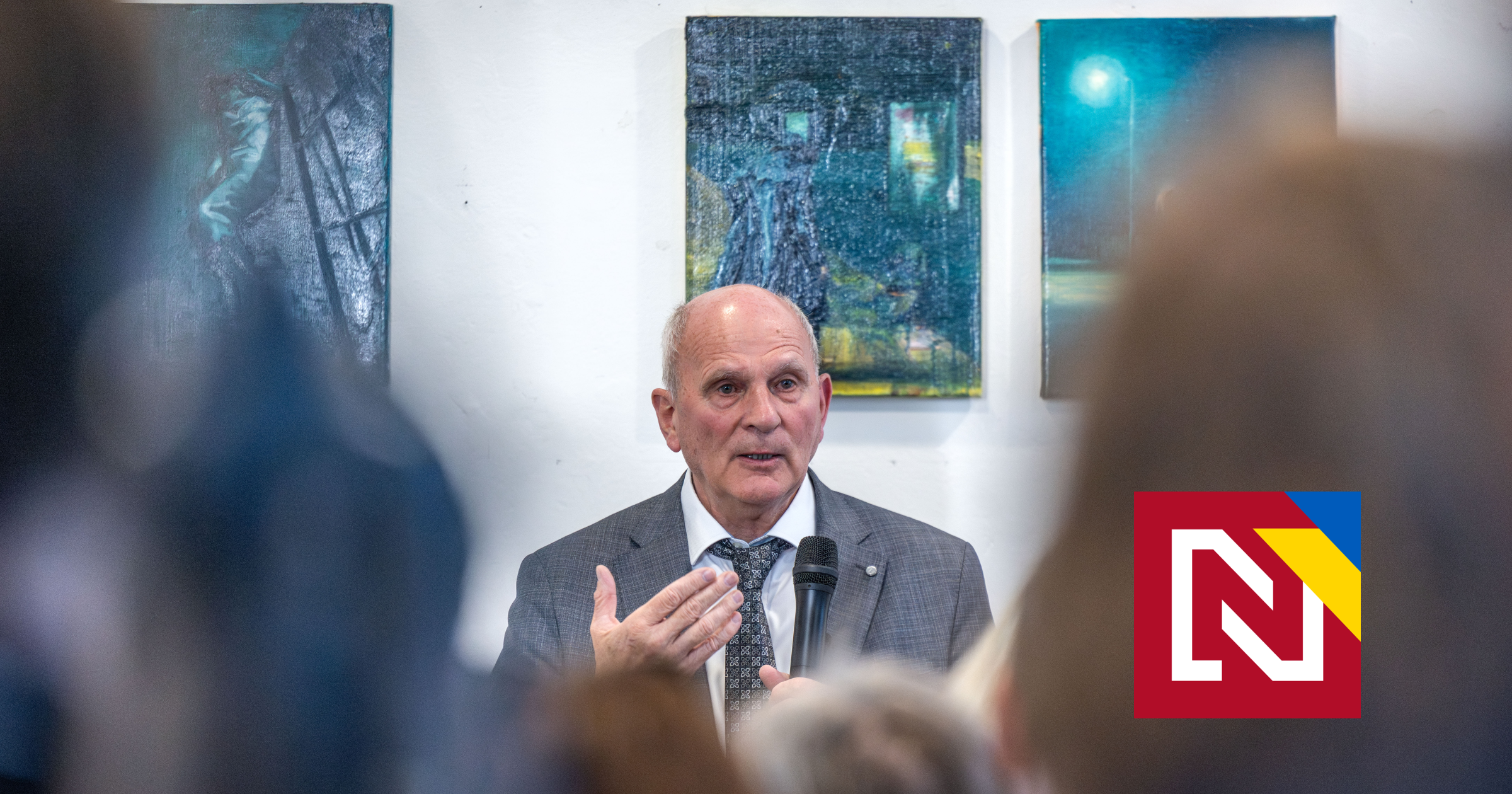
Slovak Politician and Former Dissident Mikloško Opens Up on Faith, Church, and Politics

František Mikloško, a former anti-communist dissident and current member of the Slovak National Council — Slovakia's parliament — representing the Christian Democratic Movement (KDH), has spoken candidly about his personal faith, his relationship with the Catholic Church, and how his beliefs influence his political decisions. In an interview, Mikloško, who became a prominent figure during Slovakia's resistance to communist rule, addressed questions on sensitive social issues including abortion and same-sex partnerships, telling his interviewer: 'I know what it meant for me under communism to meet non-believers. They were dissidents.' Mikloško emphasized a tolerant approach to others' life choices, stating he does not wish to tell other people how to live. The KDH, a centre-right party rooted in Christian democratic values, sits in the opposition in the current Slovak parliament. Mikloško's reflections highlight the ongoing tension within Slovak conservative politics between personal religious conviction and the role of faith in shaping public policy on social issues.

|
Domestic Politics

Record Number of Slovak Government Officials Set to Run in Local Elections

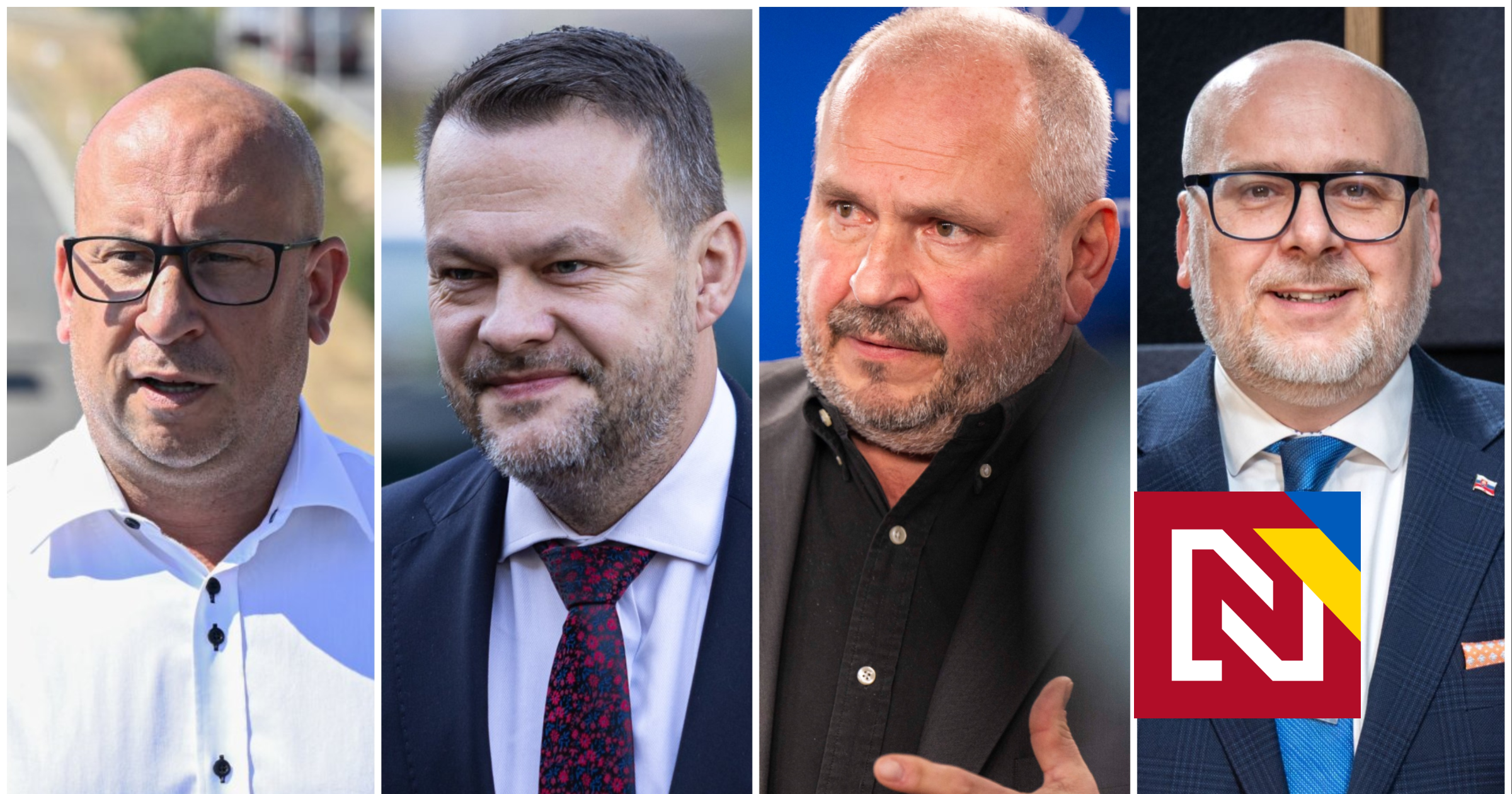
An unusually high number of senior Slovak government figures are preparing to leave their national posts to contest regional and municipal offices in this year's local elections. At least two serving ministers and two state secretaries — senior deputies to ministers — plan to run for top positions in local government, a sharp increase compared to the last combined elections in 2022, when only one state secretary made such a move. Several members of parliament are also expected to join the campaign trail at the local level. The summer parliamentary and government recess is expected to give these officials the opportunity to launch their regional campaigns. Local and regional elections in Slovakia, which determine who governs cities, towns, and self-governing regions, are seen as an important test of party strength outside the national arena. The wave of departures from central government to the regions is being interpreted as a sign of growing political interest in local power bases, particularly as national figures seek more secure or influential positions ahead of future electoral cycles.

|
Domestic Politics

Slovak Opposition Faces Strategic Debate Ahead of Referendum on Anti-Corruption Bodies

Slovakia's democratic opposition is navigating a strategic dilemma over an upcoming referendum concerning the restoration of two key anti-corruption institutions disbanded by the current government: the National Criminal Agency (NAKY), the country's specialized police unit for serious crime, and the Special Prosecutor's Office, which handled major corruption and organized crime cases. Both were abolished under Prime Minister Robert Fico's government, which returned to power in 2023. A commentary argues that opposition-leaning voters who turn out for the referendum would not simply be voting to restore these institutions, but would effectively be endorsing how those bodies operated during the 2020–2023 period — a time that remains politically contentious and divisive. The piece suggests that democratic forces should be less focused on responding to Fico's political framing and instead concentrate on crafting a more persuasive, grounded message for ordinary voters.

|
Domestic Politics

Slovak Government to Unveil Plans for Bratislava's Main Train Station and Traffic Law Reforms

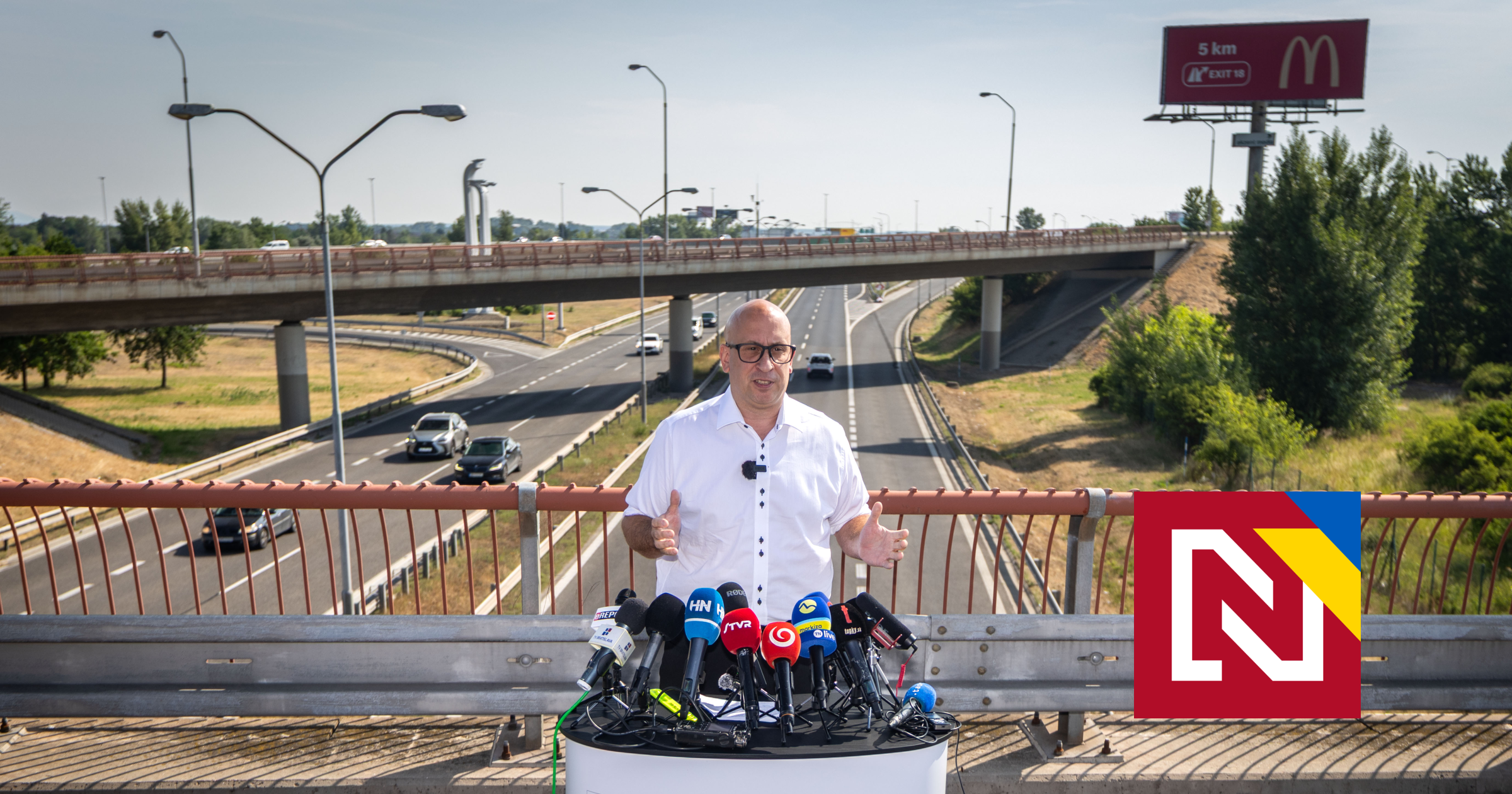
Slovakia's government is set to announce several policy developments, including plans for the future of Bratislava's central train station and a summer economic forecast from the National Bank of Slovakia. The Interior Ministry, together with the national Police Corps, will present proposed legislative changes to road traffic rules and amendments to the law governing minor offences. Transport Minister Ráž is expected to reveal the government's intentions regarding the Main Station, a key transport hub in the capital whose long-term renovation and development has been a subject of public debate.

|
Domestic Politics

Analyst Warns of Emerging Power Structure Within Slovak Security Forces

A pattern is emerging within Slovakia's security and law enforcement agencies that analysts warn could become a significant source of controversy in the future. Unlike past scandals that relied on testimony from cooperating witnesses, the current alignments within the security forces are documented through official records, making the situation potentially easier to scrutinize. Several names within the security apparatus have been flagged as particularly notable in this context. The development raises concerns about political influence over institutions that are meant to operate independently, a long-standing tension in Slovak public life that has repeatedly surfaced during the tenure of the current government led by Prime Minister Robert Fico's Smer-SD party.

|
Domestic Politics

Slovak MEP Radačovský Exits Parliament Amid Controversy Over Russian Election Monitoring

Michal Radačovský, a Slovak member of the European Parliament, marked his final day in the Slovak National Council — Slovakia's parliament — under scrutiny over his alleged involvement in legitimizing manipulated Russian elections. Radačovský appears in a report by the European Platform for Democratic Elections (EPDE), which identifies him among so-called "fake observers" — politicians and figures from European countries who traveled to Russia to observe elections and lend them an air of legitimacy, despite those votes being widely condemned as neither free nor fair. On his last day as a sitting parliamentarian, Radačovský was also reported to have helped his son submit an application to join Smer-SD, the ruling populist-nationalist party led by Prime Minister Robert Fico, which has been known for its pro-Russian sympathies and skepticism toward Western institutions. The EPDE report highlights a broader pattern of European politicians lending credibility to Russian electoral processes that independent monitors and Western governments have dismissed as staged. Radačovský's inclusion in such a report raises questions about the conduct of Slovak elected officials and their ties to Moscow at a time when Slovakia's foreign policy orientation — particularly under the Fico government — has drawn significant attention from European partners.

|
Domestic Politics

Morning Briefing: Key Testimony Against Kočner, Arms Factory Withholds Wages

Two significant stories dominated Slovak news. In a high-profile criminal case, a key witness named Tóth provided important testimony against Marian Kočner, a controversial Slovak businessman who has been at the center of major criminal proceedings in Slovakia, most notably linked to the 2018 murder of investigative journalist Ján Kuciak and his fiancée Martina Kušnírová — a case that shocked Slovakia and triggered mass public protests. Separately, a Slovak arms manufacturing company failed to pay wages to its employees, raising concerns about labor conditions and financial management in the defense industry sector.

|
Domestic Politics

Witness Implicates Kočner and Zsuzsová in Kuciak Murder at Trial

Key witness Peter Tóth renewed his testimony in the trial over the 2018 murder of investigative journalist Ján Kuciak, again naming businessman Marian Kočner and his associate Alena Zsuzsová as co-conspirators in the killing. During proceedings, the presiding judge was forced to warn Kočner to maintain composure in the courtroom, telling him to keep a "stone face" as Tóth delivered his account. Tóth, who previously worked alongside Kočner on operations to discredit and undermine several Slovak journalists, testified that both Kočner and Zsuzsová bear responsibility as co-perpetrators in the premeditated murder of Kuciak and his fiancée Martina Kušnírová. The couple was shot dead at their home in the village of Veľká Mača in February 2018 in what became one of the most shocking political crimes in Slovak history. The murder of Kuciak, who had been investigating alleged ties between Italian organized crime, Slovak businesspeople, and politicians close to the then-ruling Smer-SD party, triggered mass street protests across Slovakia and ultimately led to the resignation of Prime Minister Robert Fico. Marian Kočner, a controversial and well-connected Slovak businessman, was previously acquitted of ordering the murder by the Supreme Court, but legal proceedings have continued. The case has had profound and lasting consequences for Slovak politics, press freedom, and public trust in state institutions.

|
Domestic Politics

Daily News Roundup: New Findings in Olympic Athlete's Death and UK Premier Starmer

Slovak news outlet Aktuality highlighted several major stories on Wednesday, including new developments in the investigation into the tragic death of Slovak Olympic athlete Denisa Hurban Baránková, as well as international coverage of British Prime Minister Keir Starmer. The day's news also featured a controversy involving the Slovak intelligence service and allegations related to illegal wiretapping.

|
Domestic Politics

Independent Newcomer Backed by Five Parties Runs for Mayor of Michalovce

An independent candidate is seeking to become mayor of Michalovce, a city in eastern Slovakia, with the backing of five political parties. The candidate, described as a political newcomer, has positioned himself as a centrist figure, stating that Michalovce is neither a left-wing nor a right-wing city. The cross-party support signals an attempt to appeal broadly to voters across the political spectrum ahead of local elections.

|
Domestic Politics

Smer-Backed Candidate Eyes Bratislava Mayoral Race

Slovakia's ruling populist party Smer-SD is backing an independent candidate in a bid to gain political influence over Bratislava, the country's capital. The candidate, named Ráž, is running as an independent but with the support of Smer-SD, the party led by Prime Minister Robert Fico that dominates the current coalition government. Bratislava has traditionally leaned toward liberal and opposition-aligned politics, making a Smer-backed victory in the city a significant political objective for the ruling party. The newsfilter digest also references a dispute over public funding — suggesting an effort to redirect financial resources away from political opponents — as well as a case involving a woman who authorities failed to protect, pointing to ongoing concerns about the state's capacity to safeguard vulnerable individuals. The convergence of these issues reflects broader tensions in Slovak society between the ruling coalition and opposition-aligned civic and urban communities.

|
Domestic Politics

Key Witness Testimony in Kuciak Murder Trial to Continue Tuesday

Testimony from witness Peter Tóth in the trial linked to the 2018 murder of investigative journalist Ján Kuciak will continue on Tuesday, with proceedings stretching beyond a single court session. The defense attorney representing Marián Kočner — the businessman accused of ordering Kuciak's killing — argued that the witness is making "convulsive" efforts to incriminate his client. Ján Kuciak was a Slovak investigative journalist shot dead in February 2018 along with his fiancée Martina Kušnírová at their home near Bratislava. The case shocked Slovakia and triggered some of the largest public protests since the fall of communism, ultimately leading to the resignation of then-Prime Minister Robert Fico. Marián Kočner, a controversial Slovak oligarch, was charged with ordering the murder. Peter Tóth, a former private investigator, has been a significant figure in the case, and his testimony is considered important to establishing the chain of events surrounding the assassination.

|
Domestic Politics

Trnava Region Plans Road Reconstruction Between Šamorín and Hamuliakovo

The Trnava Self-Governing Region (TTSK), one of Slovakia's eight regional administrative units, is preparing a reconstruction of a road section connecting the towns of Šamorín and Hamuliakovo in southwestern Slovakia. The regional authority announced the planned works through its communications office, though specific details on the timeline and budget for the project were not immediately disclosed.

|
Domestic Politics

Slovak PM Fico to Meet Students in Košice Ahead of Government Session

Slovak Prime Minister Robert Fico is set to hold another meeting with students before a scheduled government session in Košice. The city's mayor reportedly encouraged students to ask assertive questions during the encounter — but not impertinent ones. Fico, who leads Smer-SD, the dominant party in Slovakia's ruling coalition and known for its nationalist, pro-sovereignty stance, has previously held similar student discussions as part of efforts to engage younger audiences. The distinction drawn by the mayor between "assertive" and "disrespectful" questioning drew attention, suggesting some sensitivity around the nature of student engagement with the prime minister.

|