Dávka - Your daily dose of Slovak news
Last refreshed: 26/06/2026 21:40 · 42 articles added
Stories are refreshed at 05:30, 10:30, 15:30, and 21:30 UTC.

Domestic Politics

View all2766 stories
Domestic Politics

Fico Under Fire for Response to Teacher's Murder and Political Patronage Allegations

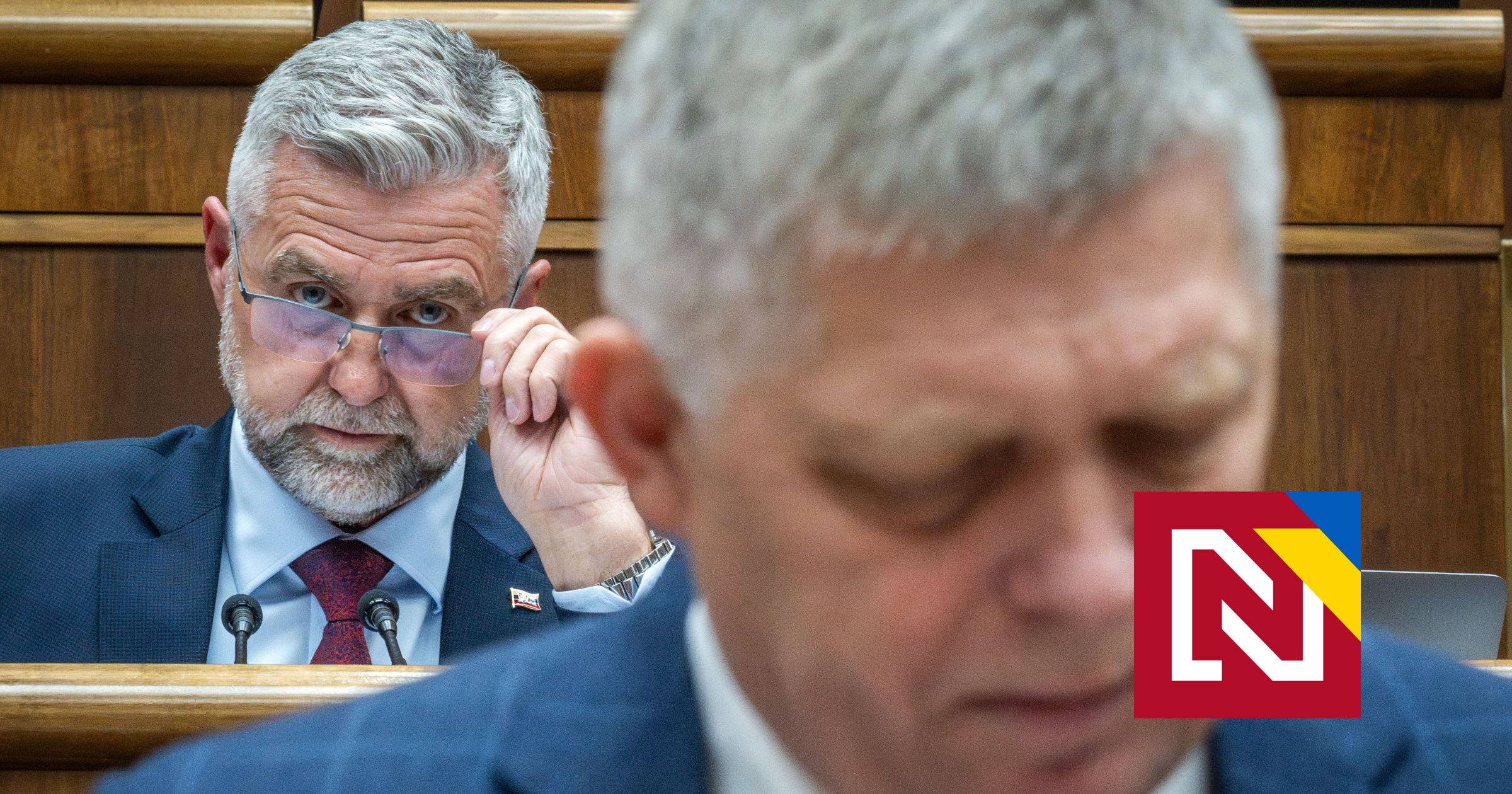
Slovak Prime Minister Robert Fico is facing criticism on multiple fronts this week, including his response to the murder of an abused teacher in the eastern Slovak town of Gelnica, a sudden attack on British Prime Minister Keir Starmer, and new allegations of rewarding political loyalists linked to a dam project. Fico, who leads the populist-nationalist Smer-SD party and has governed Slovakia since 2023, drew sharp public condemnation for failing to respond appropriately to the killing of a teacher in Gelnica, a small town in eastern Slovakia, who had reportedly been a victim of domestic abuse. Critics say the prime minister's reaction was dismissive given the gravity of the case. Separately, Fico made an unprompted public jab at British Prime Minister Keir Starmer, a move observers have linked to broader geopolitical positioning, as Fico has repeatedly distanced Slovakia from Western consensus on issues including the war in Ukraine. The third controversy involves allegations that individuals loyal to the ruling coalition are being rewarded with posts or contracts connected to a dam construction project, raising concerns about political patronage and the misuse of public infrastructure spending. The clustering of these controversies reflects growing pressure on Fico's government, which has been a persistent source of political tension both domestically and within the European Union, where Slovak officials have clashed repeatedly with partners over foreign policy and rule-of-law concerns.

|
Domestic Politics

Slovak PM Fico Draws Criticism Over Response to Teacher's Murder

Slovak Prime Minister Robert Fico has come under fire for his response to the killing of a female teacher in Gelnica, a town in eastern Slovakia, with critics accusing him of treating the case with inappropriate levity. The murder, which reportedly involved a victim who had suffered prolonged abuse, has sparked public outrage — not only over the crime itself but over the tone struck by Fico, leader of the ruling Smer-SD party, in addressing it. Separately, Fico made a pointed public attack on British Prime Minister Keir Starmer, a move observers say is likely tied to broader geopolitical positioning, as Fico has increasingly aligned himself with pro-Russian and Eurosceptic positions since returning to power in 2023. Fico has repeatedly clashed with Western European leaders over issues including support for Ukraine. Meanwhile, reports emerged that lawmakers connected to the government are being rewarded in connection with the Ružín reservoir project — suggesting that political loyalty is being compensated through project-linked benefits, raising fresh concerns about patronage practices within Slovakia's ruling coalition.

|
Domestic Politics

Daily Digest: Hospital Hygiene Questions, Ministers Graded, Culture Dispute

A range of issues dominated Slovak news on Wednesday, including questions surrounding a death at Antolská hospital in Bratislava, a performance assessment of government ministers, a dispute in the cultural sector, and new details emerging about the circumstances of a tragedy that followed a recent storm. The hospital story raised concerns about hygiene standards at the facility, while the ministerial report card offered a public evaluation of cabinet members' performance. The storm-related tragedy, the details of which are still coming to light, underscored the deadly consequences of severe weather events that have affected Slovakia in recent weeks.

|
Domestic Politics

Slovak National Party Weighs Candidates to Fill Vacancy Left by Bratislava Mayor's Parliamentary Seat

Slovakia's Slovak National Party (SNS), a member of the ruling coalition, is deliberating over who should fill a parliamentary seat vacated by Zdenka Čambal, who was nominated to serve as mayor of Bratislava. Regional leaders within the nationalist party have entered the competition for the open mandate, signaling internal jockeying for influence within the party's ranks. SNS is a Slovak nationalist party led by Andrej Danko that forms part of the current governing coalition alongside Prime Minister Robert Fico's Smer-SD party. When a sitting member of parliament takes on another public office — in this case a mayoral role — their legislative seat becomes available and must be filled, typically by the next candidate on the party's electoral list. The fact that senior regional figures are now actively competing for the seat suggests the vacancy carries significant political weight within the party's internal hierarchy. The outcome of this nomination process will have limited direct impact on the coalition's parliamentary majority, but it reflects the ongoing internal dynamics and power balances within SNS as the party navigates its role in government.

|
Domestic Politics

Slovak Opposition Urged to Challenge Ruling Party's Dominance Among Senior Voters

Slovakia's ruling Smer-SD party has long cultivated strong support among the country's elderly population, and opposition parties are being urged to mount a serious challenge for that demographic. Smer-SD, the left-nationalist party led by former Prime Minister Robert Fico, has built its electoral base in part through targeted messaging and social policy promises aimed at pensioners — one of Slovakia's most reliable voting blocs. Opposition parties, political analysts argue, need to combine genuine empathy for the concerns of older citizens with concrete, credible policy proposals if they hope to erode Smer's grip on senior voters. The appeal is significant: seniors vote in higher numbers than younger demographics, making them a decisive factor in Slovak elections. Without a coherent strategy to reach this group, opposition parties risk ceding a structurally important segment of the electorate to the ruling party indefinitely.

|
Domestic Politics

Slovak Government Accused of Bribing Villages That Agreed to Host Controversial Power Plant

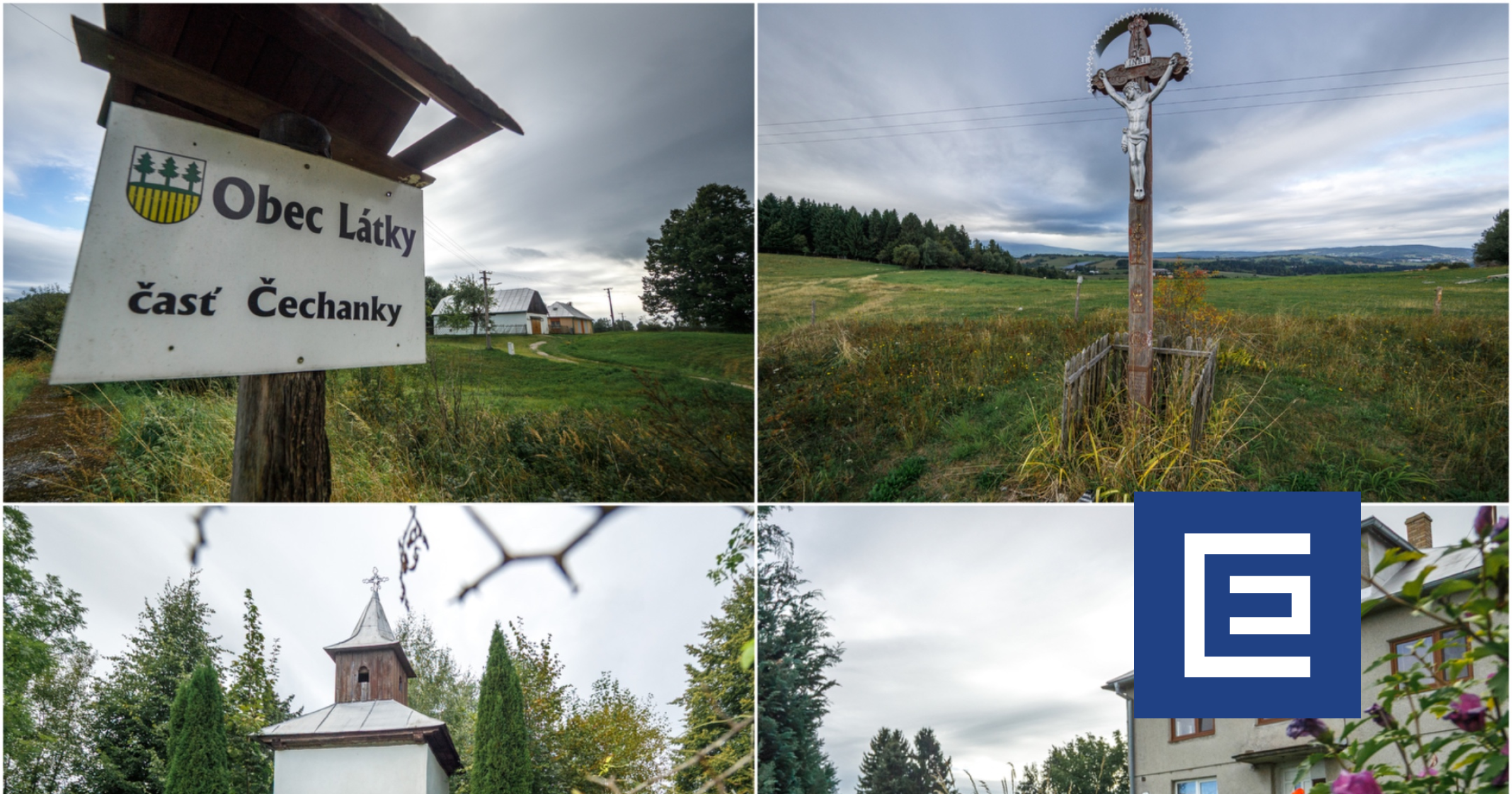
Two Slovak villages that consented to host a planned pumped-storage hydroelectric power plant have received large cash grants from a state company, prompting accusations of voter bribery ahead of local elections. The villages of Látky and Málinec, where the Málinec power plant is planned, each received €166,000 from Vodohospodárska výstavba, a state water infrastructure company that falls under the Environment Ministry, headed by minister Tomáš Taraba. Taraba, a politician from the far-right Slovak National Party (SNS), which is part of the ruling coalition led by Prime Minister Robert Fico, said the funds were intended for sewage systems and other local infrastructure. However, critics point to vague contract language that does not clearly specify how the money must be spent, raising suspicions that the payments are designed to secure political goodwill rather than meet genuine public needs. Local residents and political opponents have gone further, calling the grants outright corruption. The Málinec pumped-storage power plant is a major and contested energy project that would use two reservoirs at different elevations to store and generate electricity. Communities in the area have been divided over the development, making the timing and targeting of the state grants particularly sensitive. The lack of transparency in the contracts and the proximity to elections have intensified calls for an independent investigation into whether the payments constitute an improper use of public funds to influence community consent.

|
Domestic Politics

Prosecutor Blocks Police Inspection Attempt to Access Phones of Officers Linked to Former Anti-Corruption Unit

A Slovak prosecutor has halted an attempt by the Internal Affairs Inspection — the body responsible for investigating misconduct within the Slovak police — to examine the mobile phones of officers associated with the former National Criminal Agency (NAKA) unit loyal to ex-chief Ján Čurilla. The prosecutor rejected the request, ruling it amounted to a fishing expedition for evidence rather than a targeted, legally justified investigation. The application was also found to rely on unverified information, further undermining its legal basis. The move is significant in the context of Slovakia's deeply polarized law enforcement landscape. Since the government of Prime Minister Robert Fico returned to power in 2023, there has been an ongoing effort to dismantle or restructure units and personnel associated with high-profile anti-corruption investigations conducted under the previous administration. Officers linked to Čurilla — a controversial figure who headed key investigative operations — have been at the center of competing legal and institutional pressures, with some facing scrutiny while others allege politically motivated persecution. The Internal Affairs Inspection's failed attempt to access the phones suggests that at least some prosecutorial oversight mechanisms are pushing back against broad or poorly substantiated surveillance requests.

|
Domestic Politics

Slovak Culture Minister Meets Arts Representatives to Discuss Cultural Policy

Slovak Culture Minister Martina Šimkovičová held talks with representatives of the arts and cultural community to discuss the direction of state cultural policy. The meeting was aimed at creating space for open dialogue on current challenges facing the cultural sector, the ministry's priorities, and how those priorities are being fulfilled. Šimkovičová, a member of the Slovak National Party (SNS), a far-right party within Slovakia's ruling coalition led by Prime Minister Robert Fico, has been a controversial figure since taking office, having clashed repeatedly with cultural institutions and artists over her management of the ministry. The meeting signals an attempt to ease tensions between the ministry and the broader cultural community, though the depth of any resulting policy changes remains to be seen.

|
Domestic Politics

Slovakia Sets Local and Regional Elections for October 24 as Official Campaign Begins

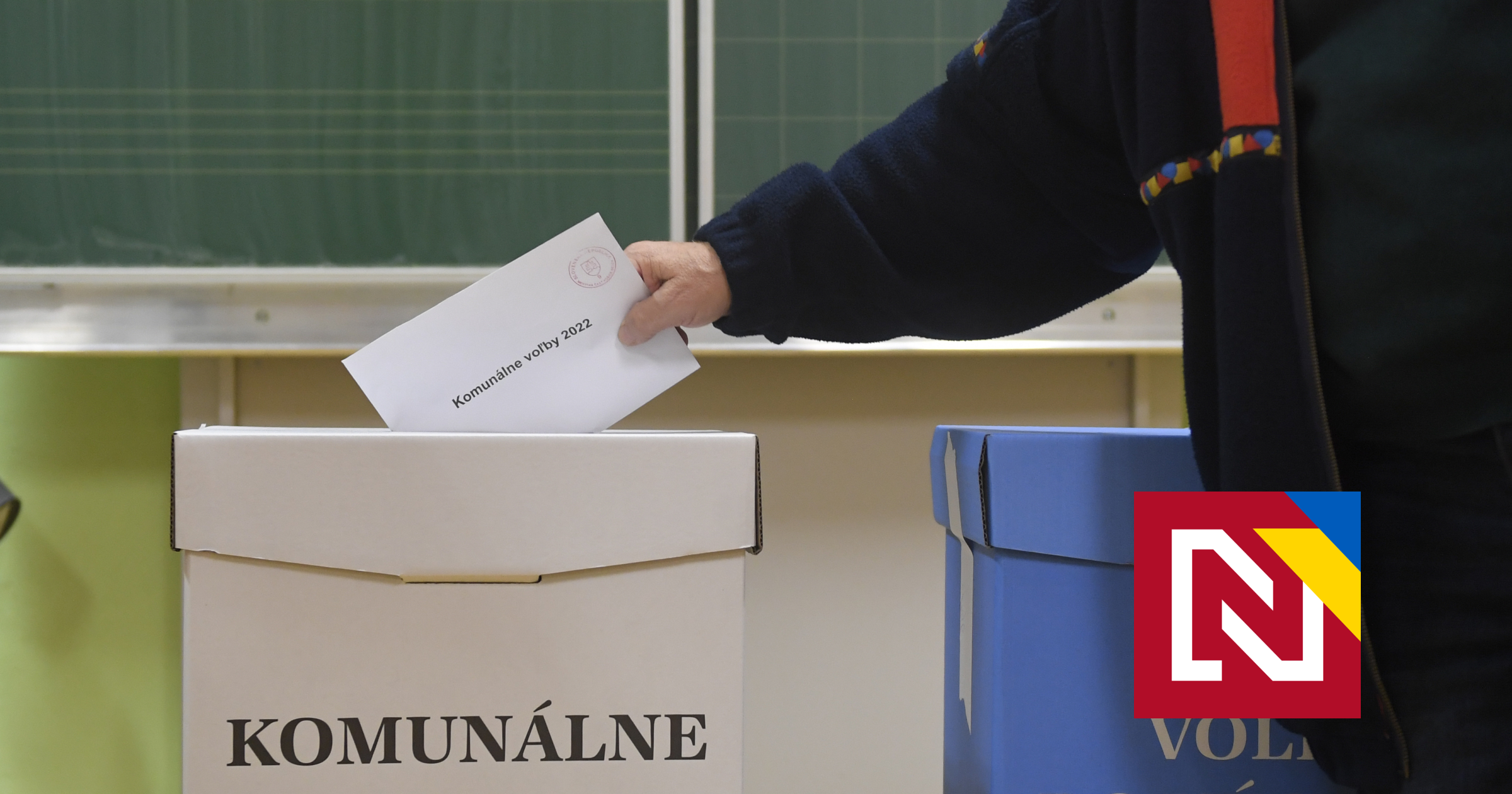
Slovakia's local and regional elections are officially scheduled for October 24, 2025, with the formal campaign period now underway. The date confirmation comes after months of political controversy over whether the ruling coalition intended to delay the vote. Speculation had emerged that the government planned to postpone the elections — which determine mayors, municipal councillors, and regional governors — until 2027, pushing them past the next parliamentary elections. One theory suggested that Richard Raši, a member of Hlas (Voice-SD), the center-left party of Prime Minister Robert Fico's coalition partner, could use his position as parliament speaker to prevent the elections from being called in time, effectively forcing a delay. Hlas is one of three parties in Slovakia's ruling coalition alongside Smer-SD, the dominant social-democratic party led by Fico, and the Slovak National Party. The concerns about postponement reflected broader anxieties about democratic backsliding in Slovakia, where the ruling coalition has faced sustained criticism from the opposition and civil society. With the election date now confirmed and campaigning officially begun, those fears have not materialized, and voters will head to the polls this autumn to elect local and regional representatives across the country.

|
Domestic Politics

Fico Dismisses Slovakia's Debt Concerns, But Economists Warn of Growing Risks

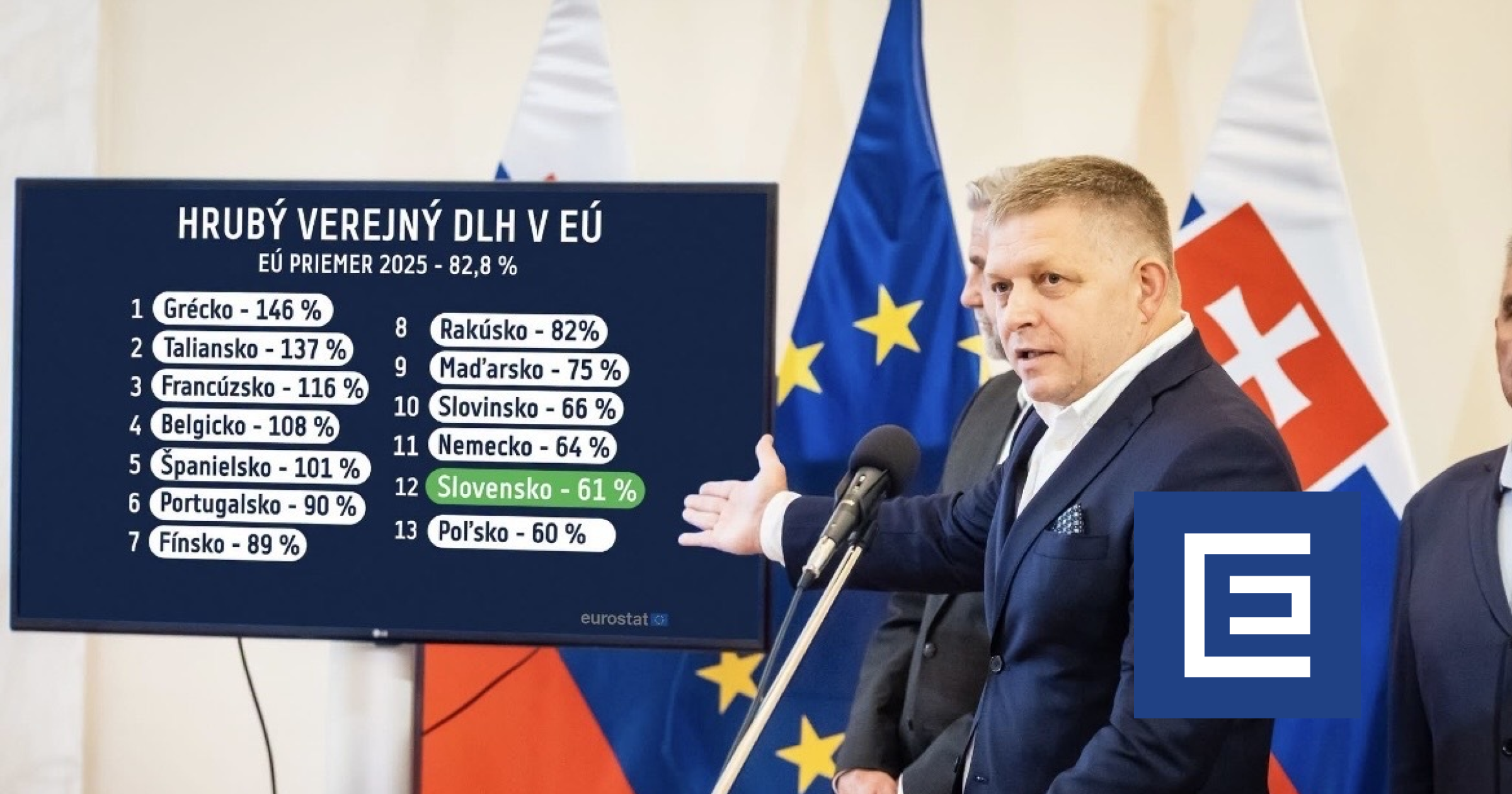
Slovak Prime Minister Robert Fico has claimed the country's public debt poses no serious concern, pointing to figures that remain below the European Union and eurozone averages. However, independent fiscal experts are pushing back on that assessment, warning that the gap between Slovakia's debt level and the higher eurozone average is narrowing — and that underlying structural pressures make the situation more precarious than the prime minister suggests. Slovakia's Budget Council, an independent fiscal watchdog body responsible for monitoring the country's public finances, has cautioned that rising debt combined with an ageing population significantly increases the risk of a sovereign debt crisis. While Fico argues that a below-average debt level is evidence of sound financial management, the Budget Council's analysis suggests the trajectory — not just the current snapshot — is what matters. The disagreement reflects a broader tension in Slovak economic policy under Fico's government, a left-nationalist administration led by his Smer-SD party, which returned to power in 2023. Critics have accused the government of prioritising short-term spending over long-term fiscal sustainability. Economists warn that demographic trends, including a shrinking and ageing workforce, will place increasing pressure on pension and healthcare systems, potentially accelerating debt growth even if current levels appear manageable by European standards.

|
Domestic Politics

Man Faces Life Sentence After Fatally Stabbing Wife Who Threatened to Call Police

A man in Slovakia has been remanded in custody after allegedly stabbing his wife to death when she threatened to call the police on him. A court placed him in both preventive and flight-risk detention, meaning judges determined he poses a continued danger to society and may attempt to flee before trial. If convicted, the man faces a life sentence. Slovak law allows for life imprisonment in cases of premeditated or particularly brutal murder.

|
Domestic Politics

Bardejov Mayor Helped Stage Fico's Student Meeting to Avoid Critical Questions

The mayor of Bardejov, a town in northeastern Slovakia, helped orchestrate a carefully controlled meeting between Prime Minister Robert Fico and local students, allegedly ensuring no uncomfortable questions would be asked. Mayor Boris Hanuščák reportedly contacted school principals asking them to send students who would not ask Fico any critical questions. The incident raises concerns about the stage-management of public appearances by Fico, who leads Smer-SD, the ruling populist-nationalist party. Such orchestrated events draw scrutiny over whether the prime minister is being shielded from genuine public scrutiny, particularly among young people. The use of local officials to filter audiences for government leaders is widely seen as undermining authentic civic engagement and free expression.

|
Domestic Politics

Man Who Verbally Attacked Slovak Journalist Identified as Former Police Officer Tried for Murder Involvement

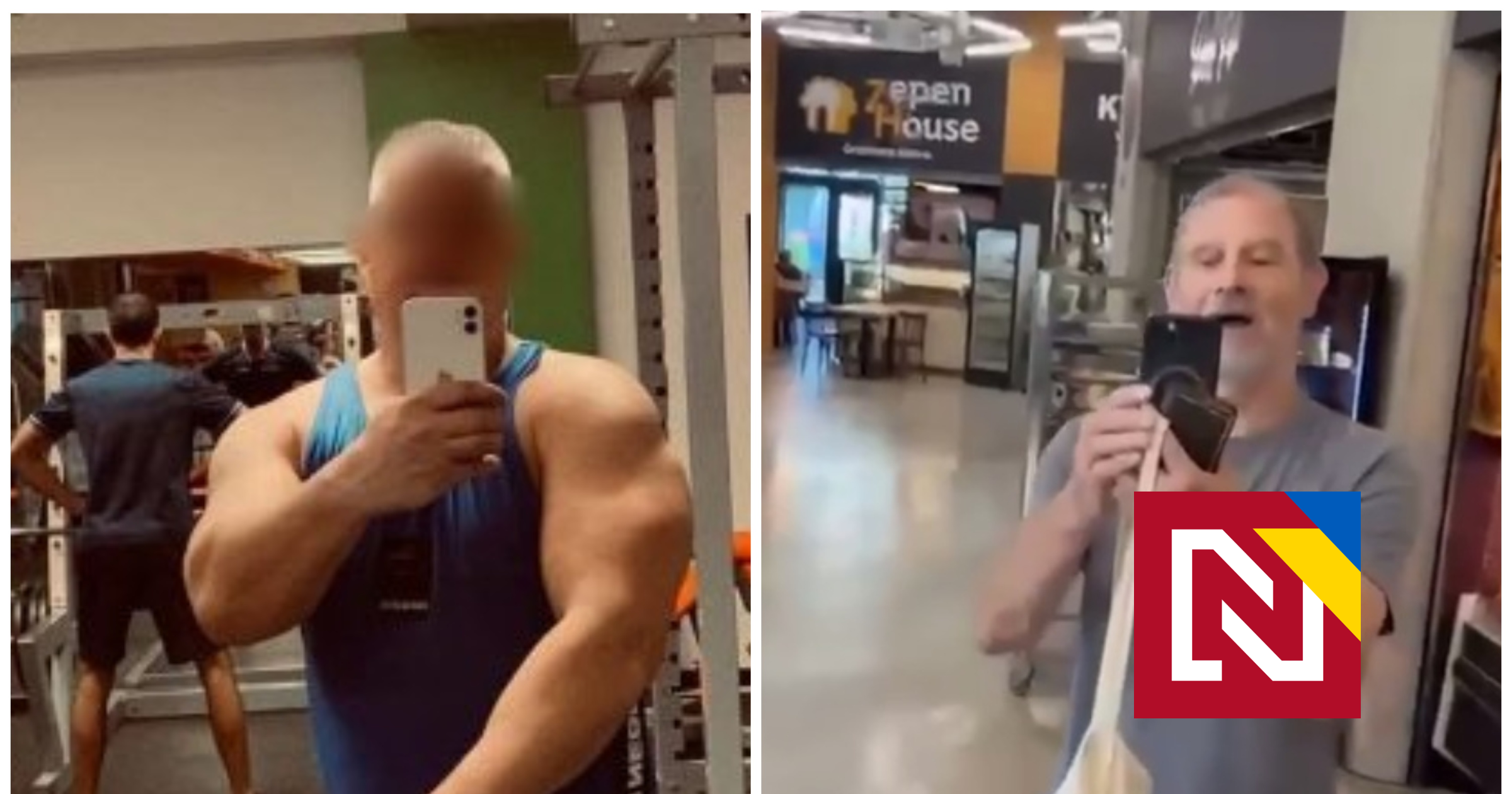
The man who launched a vulgar verbal attack last Friday on Martin M. Šimečka, a political commentator for the Slovak independent daily Denník N, has been identified as a former police officer who was previously tried for participation in a murder. Multiple readers recognized the man, identified as Martin Č., a heavyset man in his fifties, from a photograph Šimečka published after the incident, with a tattoo on his arm also helping to confirm his identity. The man presents himself on social media through gym workout photos. Šimečka, a prominent commentator and son of former Slovak President Milan Šimečka, is a well-known critical voice in Slovak public life. The incident raises concerns about the safety of journalists and public intellectuals in Slovakia, where tensions between pro-government supporters and independent media have been running high under the government of Prime Minister Robert Fico, whose Smer-SD party has repeatedly branded critical journalists as enemies of the state.

|
Domestic Politics

Slovak Police Arrest Another Suspect in Major Drug Trafficking Operation 'Urus'

Slovak police have detained another member of a criminal organization as part of Operation Urus, a large-scale law enforcement action targeting a gang suspected of extensive drug trafficking with international links. The suspect was stopped and arrested while traveling by car. Operation Urus is an ongoing, wide-ranging police operation directed against the criminal group, which is accused of serious drug-related offenses extending beyond Slovakia's borders. The arrest marks the latest development in what authorities describe as a major effort to dismantle the organization.

|
Domestic Politics

Slovak President Signs Municipal Law Amendment Affecting Košice and Funeral Benefits

Slovak President Peter Pellegrini has signed an amendment to the law on municipal governance, bringing changes to local administration rules and increasing financial support for funeral costs. The amendment removes a reference to the fixed length of municipal council election terms from the law on municipal governance. It also modifies a separate law specifically governing the city of Košice, Slovakia's second-largest city, which operates under its own distinct legal framework. As part of the broader legislative package, the funeral contribution benefit — a state payment made to help cover burial costs — will increase from the current 200 euros to 250 euros.

|
Domestic Politics

Three Venezuelan Nationals Charged in Slovak ATM Fraud Case

Slovak police have charged three Venezuelan citizens in connection with unauthorized cash withdrawals from ATMs. The three individuals are currently being held in pre-trial detention as the case proceeds. ATM fraud of this kind typically involves the use of skimming devices or cloned bank cards to illegally access victims' accounts and withdraw funds.

|
Domestic Politics

Trial of Former Slovak Police Wiretapping Chief Resumes With Surprise Witness

The trial of a former head of Slovakia's police wiretapping unit, known by the nickname 'Dodo,' has restarted, with the first witness appearance already producing a surprise. The witness, a former member of a criminal gang known as the 'Sýkorci,' was brought into the courtroom under police escort, suggesting he is either in custody or under protective measures. The Sýkorci were a Slovak criminal organization whose members have featured in several high-profile criminal and corruption cases in Slovakia in recent years. The case against the former wiretapping chief touches on the sensitive intersection of law enforcement and organized crime — a recurring theme in Slovak politics since a series of major corruption scandals came to light following the 2018 murder of investigative journalist Ján Kuciak and his fiancée, which exposed alleged ties between state institutions and criminal networks. The resumption of this trial is significant because it involves a senior police official responsible for surveillance operations — a position with access to highly sensitive intelligence. Cases linking law enforcement insiders to criminal gangs have been a central element of ongoing efforts to reform Slovakia's police and judicial institutions.

|
Domestic Politics

SNS Leader Danko Confuses Negotiation with Argumentation in Coalition Politics

Andrej Danko, leader of the Slovak National Party (SNS), a junior partner in Slovakia's ruling coalition, has drawn criticism for conflating political negotiation with substantive argumentation — a distinction observers say is fundamental to effective governance. Danko, who has long been a prominent and often controversial figure in Slovak politics, appeared to treat the act of pushing for a position as equivalent to making a reasoned case for it, a misstep that analysts say undermines his credibility as a coalition partner. SNS is a nationalist party that has historically oscillated between government and opposition roles, and currently holds seats in the coalition led by Prime Minister Robert Fico's Smer-SD party. The critique highlights broader concerns about the quality of political discourse within Slovakia's ruling coalition, where coalition partners must balance self-promotion with constructive policymaking.

|
Domestic Politics

Fico Claims Slovakia's Public Debt Is 'Very Solid,' Points to Below-EU-Average Figures

Slovak Prime Minister Robert Fico has described the country's public finances as being in strong shape, citing public debt levels that he says fall below the European Union average. Fico argued that the figures confirm Slovakia faces no fiscal problem, framing the data as evidence of sound financial management under his government. The remarks come amid ongoing scrutiny of Slovakia's fiscal position. The European Commission and international observers have previously raised concerns about Slovakia's budget deficit, which in recent years has been among the higher ones in the EU relative to the size of the economy. Fico, who leads Smer-SD, the ruling left-nationalist party that returned to power in 2023, has repeatedly pushed back against such assessments, arguing that external criticism of Slovakia's finances is overstated. While public debt as a share of GDP can indeed be below the EU average, economists and EU institutions have drawn a distinction between stock of debt and the pace at which new deficits are being added — a nuance that critics say Fico's framing glosses over. Slovakia is currently under EU fiscal surveillance procedures due to its elevated deficit levels.

|
Domestic Politics

Labor Inspectors Warn Slovak Minister: Act or We Will Protect Ourselves

Labor inspectors in Slovakia have sent an official open letter to Labor Minister Rastislav Tomáš, warning that they will take self-protective action if the minister fails to respond to their concerns. The letter, the full text of which has been published, signals a significant breakdown in relations between the ministry's leadership and the inspection body tasked with enforcing workplace safety and labor law compliance across the country. Labor inspectors serve a critical role in Slovakia's workforce protection system, and their public challenge to a sitting minister is an unusual escalation that highlights internal tensions within the labor oversight sector. The inspectors' threat to "protect themselves" suggests they may pursue collective or legal action if their grievances — the specific nature of which were outlined in the letter — go unaddressed by Minister Tomáš.

|