Dávka - Your daily dose of Slovak news
Last refreshed: 26/06/2026 21:40 · 42 articles added
Stories are refreshed at 05:30, 10:30, 15:30, and 21:30 UTC.

Domestic Politics

View all2766 stories
Domestic Politics

Slovak Morning Briefing: Korčok Admits Fault After Accident, Former Smer MP's Lucrative Business Deal

Two stories dominated Slovak news: Presidential candidate and former diplomat Ivan Korčok admitted fault immediately after being involved in a road accident, while a former member of parliament from the ruling Smer-SD party — the left-wing nationalist party led by Prime Minister Robert Fico — concluded what has been described as a highly lucrative business deal, raising questions about political connections and private gain.

|
Domestic Politics

Commentary: Can Slovak PM Fico Break Free from His Pro-Orbán Image in Europe?

A key question hanging over Slovak politics heading into the new year is whether Prime Minister Robert Fico can repair his damaged standing among European Union partners, following his controversial alignment with Hungarian Prime Minister Viktor Orbán. Fico, who leads Smer-SD — the ruling left-nationalist party that returned to power in 2023 — has drawn sharp criticism from EU allies for echoing Orbán's eurosceptic and pro-Moscow positions, straining Slovakia's relationships within the bloc. Political commentator Peter Weiss argues that while some shift in Fico's behaviour may be underway, the coming year will be the true test of whether any change is genuine or merely tactical. Fico built close ties with Orbán, whose Fidesz party has repeatedly clashed with EU institutions over democratic backsliding and rule-of-law concerns, making the Slovak prime minister a polarising figure in Brussels. Whether Fico can distance himself from that association — and restore credibility with European partners — remains deeply uncertain.

|
Domestic Politics

New Trial in Kuciak Murder Case Centers on Surveillance Team That Tracked Journalist Before Killing

The third criminal trial of the alleged masterminds behind the 2018 murder of Slovak investigative journalist Ján Kuciak is focusing on precise operational details, as testimony from a key witness reveals how a surveillance team was directed to monitor Kuciak in the period before his death. Peter Tóth, a central witness in the case who continued working with the accused even at the time of the murder, testified that Marian Kočner — a controversial Slovak businessman and the primary suspect in ordering the killing — directed a covert surveillance unit to focus its activities on Kuciak. Critically, Tóth testified that the surveillance team's operations were terminated on the very day Kuciak was murdered, February 21, 2018. Kuciak was a young investigative reporter for the news website Aktuality.sk who had been reporting on high-level corruption and alleged links between Slovak politicians and Italian organized crime. He was shot dead at his home in the village of Veľká Mača, along with his fiancée Martina Kušnírová. The killings triggered the largest public protests in Slovakia since the fall of communism and ultimately led to the resignation of then-Prime Minister Robert Fico. Kočner was acquitted in earlier trials, but prosecutors have pursued further proceedings. This third trial hinges heavily on witness testimony and circumstantial evidence linking the surveillance activities directly to the planning and execution of the assassination.

|
Domestic Politics

Public Hearing on Wind Energy Plan Ends Early Over Security Concerns

A public consultation on Slovakia's proposed strategic wind energy document ended abruptly in Bratislava on Wednesday, with organizers citing security risks as the reason for the early termination. The hearing was convened to allow public input on a framework document that would guide the development of wind energy parks across Slovakia. Such consultations are a standard part of the environmental and strategic planning process in Slovakia, giving citizens and stakeholders an opportunity to comment on major energy or infrastructure proposals before they advance through the approval process. The premature end to the proceedings raises questions about the conduct of future consultations on wind energy development, a sector that has faced significant public controversy in Slovakia, where opposition to wind farms has been vocal in many regions. No further details were immediately available regarding the specific nature of the security concerns cited by organizers.

|
Domestic Politics

Slovak Suspect Wanted for Planned Acid Attack Arrested in Hungary

A Slovak man wanted by authorities on suspicion of planning an acid attack has been arrested in Hungary. The suspect had been evading capture by using multiple false identities. Slovak and Hungarian law enforcement cooperated to locate and detain the individual, who was subsequently returned to face charges in Slovakia. Acid attacks, which involve throwing corrosive substances at victims to cause severe injury, are treated as serious violent crimes under Slovak law.

|
Domestic Politics

Slovakia Daily Digest: V4 Rapprochement, Korčok Accident, and Taraba Gift Controversy

Several notable developments unfolded in Slovak public life, touching on regional diplomacy, a political figure's road accident, and ethical questions surrounding a government minister. The Visegrád Four (V4) — a regional alliance comprising Slovakia, Czech Republic, Poland, and Hungary that has been marked by internal tensions in recent years — showed signs of renewed cohesion. Former Slovak presidential candidate Ivan Korčok, a pro-European liberal politician and ex-foreign minister, was involved in a car accident. Separately, Juraj Taraba, a minister in the current government led by Prime Minister Robert Fico, faced public scrutiny over gifts he received, raising questions about ethical standards and potential conflicts of interest among members of the ruling administration. Questions also emerged about a new regulatory obligation being imposed on Slovak business owners, adding to concerns in the entrepreneurial community.

|
Domestic Politics

Slovak Interior Minister Defends €3,000 Payments to Cocaine-Convicted Musician in Anti-Drug Campaign

Slovak Interior Minister Matúš Šutaj Eštok has acknowledged that rapper René Ready (known as René Rendy) was paid nearly €3,000 per performance as part of the Interior Ministry's anti-drug awareness roadshow — a campaign that has drawn criticism on multiple fronts. The touring event, which concluded its final stop in Bratislava, centers on a specially outfitted anti-drug truck costing €750,000, procured through an expedited public tender process that experts have questioned. Adding to the controversy, René Rendy was previously charged with cocaine trafficking, raising concerns about the appropriateness of his selection as the campaign's public face. The roadshow, organized by the Interior Ministry — the government department responsible for law enforcement and public order — was intended to educate the public, particularly young people, about the dangers of drug use. Critics have challenged both the financial decisions behind the campaign and the credibility of its messaging, given the musician's past legal troubles. Šutaj Eštok, a member of Hlas-SD, a center-left party that forms part of Prime Minister Robert Fico's ruling coalition, has defended the initiative despite the mounting scrutiny.

|
Domestic Politics

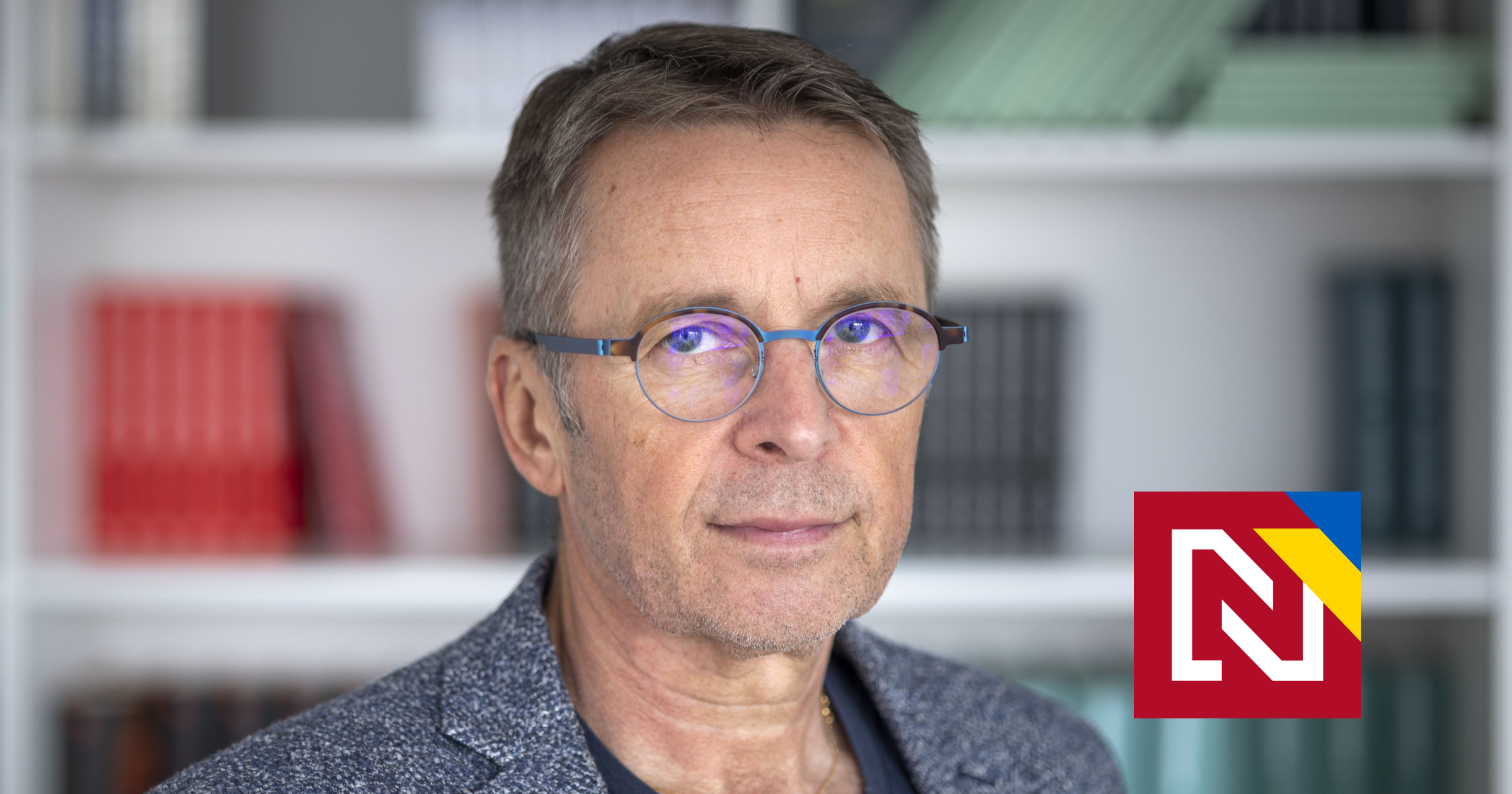
Former Slovak Finance Minister Mikloš: Fico's Insistence That Slovakia Is Thriving Is 'Desperation'

Ivan Mikloš, a prominent Slovak economist and former finance minister, has sharply criticized Prime Minister Robert Fico's repeated public messaging that Slovakia is doing well, describing it as an act of political desperation. In a wide-ranging interview, the 66-year-old Mikloš — who previously served as an adviser to former Slovak President Zuzana Čaputová and to Ukrainian politicians — reflected on two decades since Fico's rise to power and what it has meant for Slovakia. He questioned whether the center-right governments of the past, particularly those led by the Slovak Democratic and Christian Union (SDKÚ), could have done anything differently to prevent Fico from consolidating such lasting political dominance. Robert Fico, leader of the left-nationalist Smer-SD party and currently serving as prime minister for the third time, has held press conferences in recent months promoting the message that Slovakia is in a strong position economically and socially. Mikloš pushed back on this narrative, suggesting the messaging reflects political anxiety rather than genuine confidence. Fico's governments have been a defining and polarizing feature of Slovak politics since the mid-2000s, with critics accusing his administrations of democratic backsliding and conflicts with EU partners, particularly over rule-of-law concerns.

|
Domestic Politics

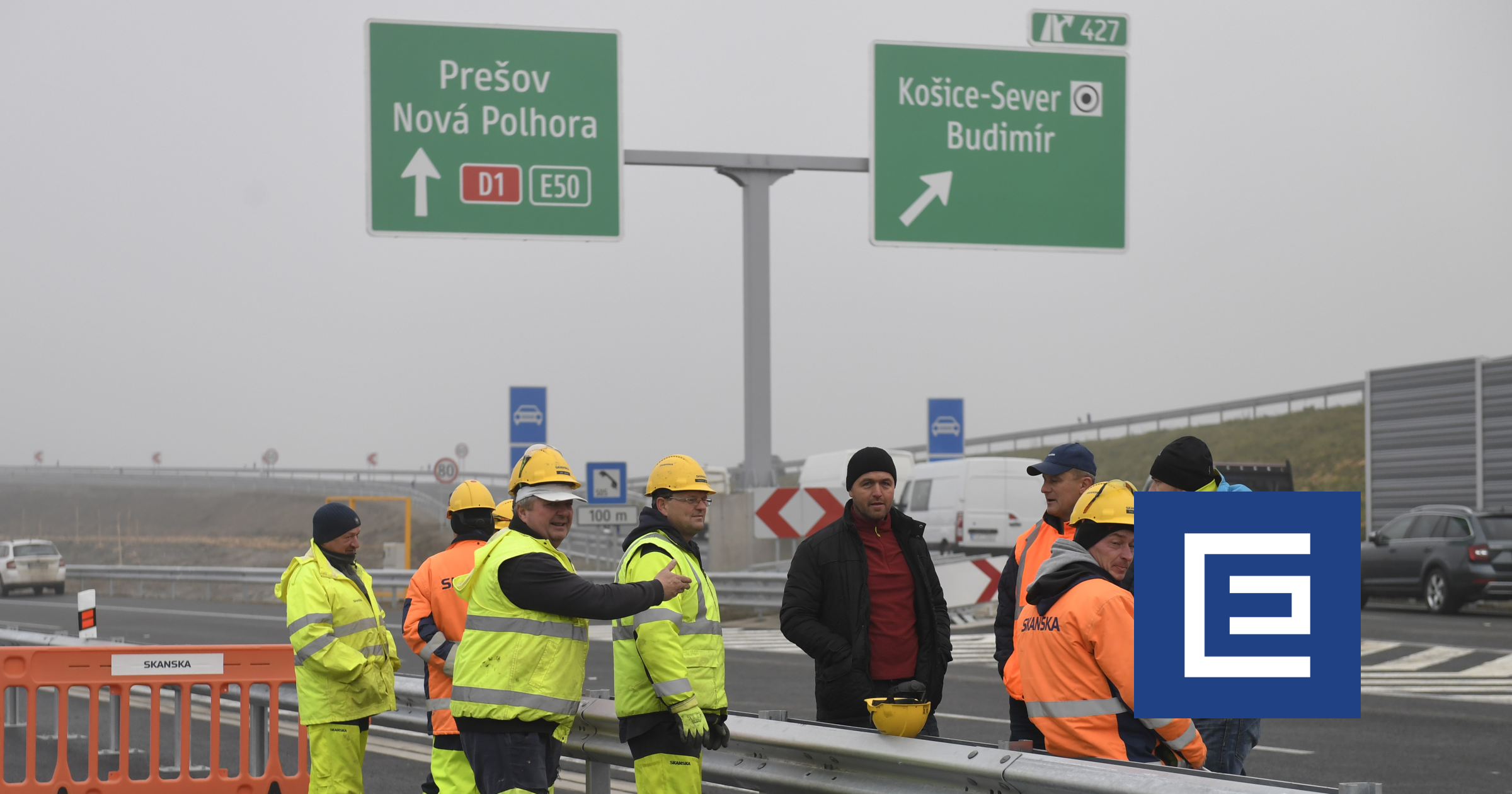
Slovak Opposition Parties Stake Out Economic Positions Ahead of 2026 Elections

With parliamentary elections roughly a year away, Slovakia's opposition parties are working to differentiate themselves through distinct economic promises, though significant divisions remain between them on key policy issues. The liberal Freedom and Solidarity party, known by its Slovak acronym SaS, has made the construction of a motorway to the Zemplín region in eastern Slovakia a central demand — declaring it a prerequisite for joining any future coalition government. The Zemplín area, one of Slovakia's more economically underdeveloped regions, currently lacks direct motorway access, and SaS argues the connection is essential for regional development. Transport Minister Jozef Ráž pushed back on suggestions the project is stalled, insisting preparations are on track and that construction is expected to begin after 2030. Slovakia holds its next parliamentary elections in 2026, and opposition parties — currently out of government following the 2023 election victory of Robert Fico's Smer-SD party — are beginning to define the platforms on which they hope to challenge the ruling coalition. While the opposition broadly agrees on several major economic priorities, the Zemplín motorway dispute illustrates the fault lines that could complicate efforts to form a unified alternative government. SaS's firm conditions signal the party's intent to negotiate from a position of strength in any future coalition talks.

|
Domestic Politics

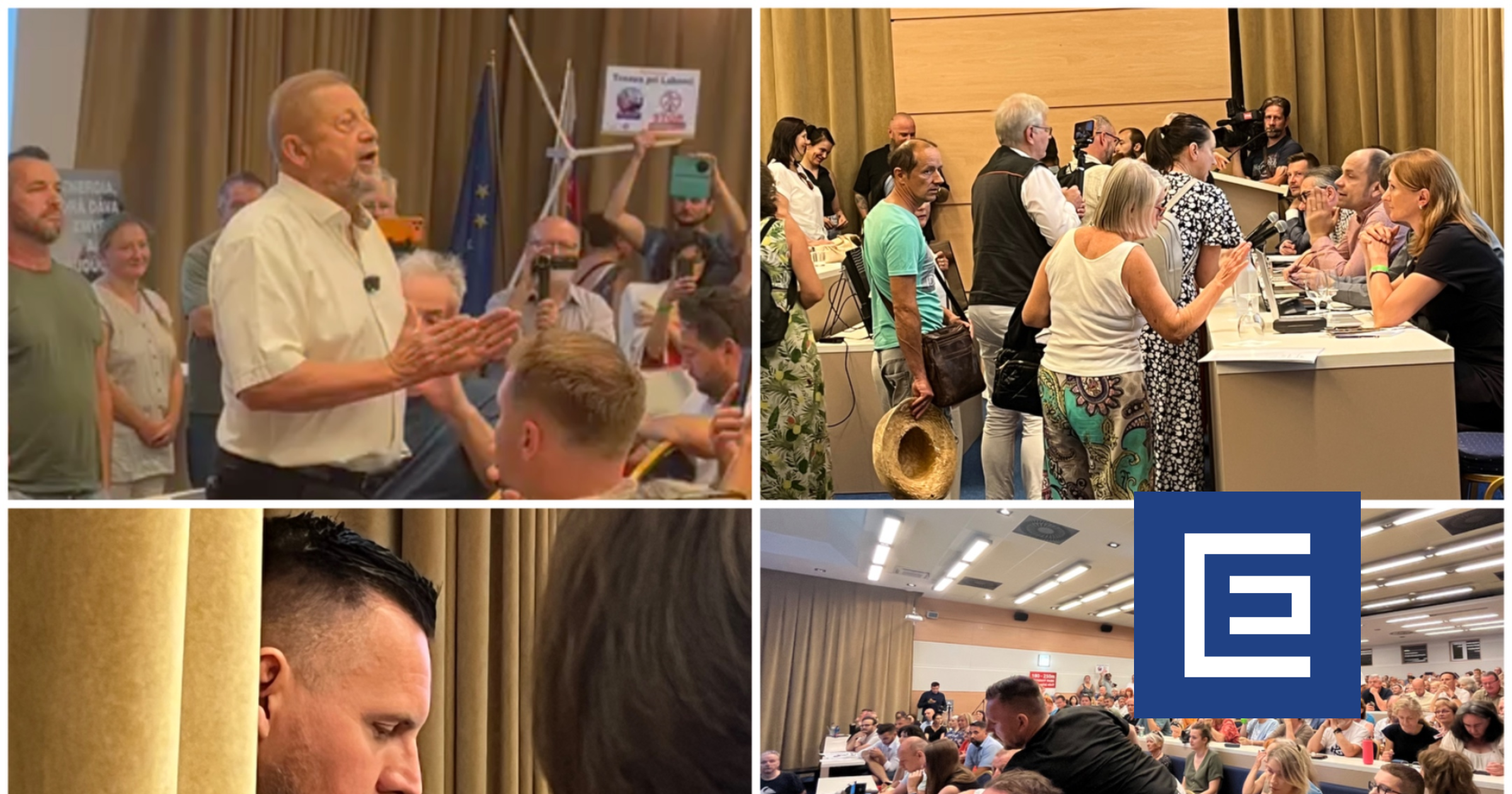
Slovak Wind Farm Public Hearing Collapses Into Chaos as Protesters Shut Down Officials

A public consultation on wind energy development in Slovakia descended into disorder on Wednesday when hundreds of angry opponents drowned out government officials and forced the meeting to end early on security grounds. Slovakia's Ministry of Economy had organized the event at the Hotel Tatra in Bratislava to discuss proposed zones designated for the construction of wind farms — part of the government's broader energy planning process. Attendance was large and hostile, with critics of the wind energy plans packing the venue. Officials were unable to take the floor as the crowd repeatedly interrupted proceedings. After approximately one hour, organizers called off the consultation, citing safety concerns. Among those present were Štefan Harabin, a polarizing former Supreme Court president and politician associated with hard-right nationalist and anti-establishment positions, and Ľuboš Bombic, a prominent anti-wind energy activist. Their presence underscored the extent to which opposition to wind farm development in Slovakia has taken on a politically charged character, drawing together figures from the fringes of Slovak public life. Wind energy expansion has become a contentious issue in Slovakia, with critics raising concerns about the visual and environmental impact of turbines on rural landscapes, even as the European Union pushes member states to accelerate the transition to renewable energy sources.

|
Domestic Politics

Bull Breeder with Ties to Slovak National Party Acquired Lucrative State Land

A cattle breeder with connections to the Slovak National Party (SNS), a far-right party that is part of Slovakia's ruling coalition, gained access to valuable agricultural land, raising questions about political favoritism in the allocation of state property. The man is linked to SNS through a former roommate of party leader Andrej Danko, with the connection also extending to shared billboard advertising interests. Despite acquiring access to the lucrative plots, the individual has publicly stated he does not wish to own property and has expressed fears about a potential war with Russia — remarks that appear at odds with his business activities. SNS, led by Danko, has been a junior partner in the government of Prime Minister Robert Fico since 2023. The case adds to ongoing scrutiny of how state land and resources are distributed in Slovakia, with critics pointing to a pattern of politically connected individuals benefiting from public assets.

|
Domestic Politics

Slovak Constitutional Court Ruling on Bratislava Elections Sends Warning to Municipalities Nationwide

A Constitutional Court ruling that struck down electoral rules in Bratislava as unconstitutional will have significant consequences for local governments across Slovakia, the head of the country's main municipal association has warned. Jozef Božik, chairman of the Association of Towns and Villages of Slovakia (ZMOS), the organization representing local governments nationwide, cautioned that cities and municipalities must strictly respect the principle of equal weight of votes across electoral districts. Failure to do so, he warned, could result in elections being annulled. The Constitutional Court of Slovakia — the country's highest authority on constitutional matters — found that voting rules used in Bratislava, the capital, violated the constitutional principle of electoral equality, meaning that votes cast in some districts carried more or less weight than those in others. The ruling sets a binding precedent that local governments throughout Slovakia must now follow when drawing up their own electoral arrangements. Officials who ignore the principle of equal vote weight risk having their elections challenged and potentially overturned, adding pressure on municipalities to review and revise their electoral district structures ahead of future votes.

|
Domestic Politics

Police Seek Pre-Trial Detention for Four Suspects in Drug Case 'Urus'

Slovak police investigators have charged nine people with drug-related offenses as part of a criminal operation known as 'Urus,' and are seeking pre-trial detention for four of the suspects. The case, named after the large-breed cattle — a naming convention sometimes used in Slovak police operations — targets individuals suspected of involvement in drug trafficking or related criminal activity. Prosecutors will now decide whether the four individuals pose sufficient flight risk or danger to warrant being held in custody while the investigation proceeds. Pre-trial detention in Slovakia requires judicial approval and is typically requested when investigators believe suspects may flee, tamper with evidence, or continue criminal activity.

|
Domestic Politics

Police Unable to Locate Key Suspect in 'Funeral' Corruption Case

Slovak police attempted to detain the central figure in a corruption investigation known as the 'Funeral' case but were unable to locate him on Slovak territory. The suspect, whose identity has not been publicly disclosed, could not be found when officers moved to make the arrest, raising concerns that he may have left the country. The 'Funeral' case is an ongoing criminal investigation into suspected corruption or organized criminal activity, the details of which Slovak authorities have kept largely under wraps. Investigators indicated that additional suspects may face charges as the probe continues to develop, suggesting the case involves a broader network of individuals. The failure to detain the primary suspect complicates the investigation and may prompt authorities to seek a European or international arrest warrant if the individual is believed to be abroad. Slovak law enforcement has not publicly confirmed the suspect's whereabouts or whether formal extradition proceedings are being considered.

|
Domestic Politics

Trial of Former Slovak Police Chief Hears Testimony From Two Witnesses

Two witnesses testified in the ongoing criminal trial of Peter K., the former head of Slovakia's national police force. One witness, a former member of the Oblúk investigative team, told the court that he participated in the detention of a suspect identified as Csaba D. during an operation conducted under the Oblúk project. He also testified that Diana Santusová, who led the Oblúk investigative team, was present at the scene during the operation. Oblúk was a specialized police unit tasked with investigating serious crimes, and its activities have become the subject of legal scrutiny amid broader investigations into alleged abuses of power within Slovak law enforcement. The case against the former police chief is part of a wider wave of prosecutions targeting senior figures in the Slovak security and justice sectors that followed a change in government.

|
Domestic Politics

Slovak Police Bust International Drug Ring, Arrest 13 in 'Operation Urus'

Slovak elite police have dismantled a major international criminal organization responsible for smuggling large quantities of illegal drugs, arresting 13 people in an operation codenamed Urus. Officers from ÚBOK — Slovakia's specialized anti-organized crime unit — carried out the arrests over a weekend and the days that followed, detaining 13 suspects in total. Nine of those arrested have already been formally charged with founding a criminal organization and drug trafficking. The operation targeted a network that had been moving significant volumes of banned substances across borders. Drug trafficking investigations of this scale are handled by ÚBOK, a dedicated unit within the Slovak Police Corps tasked with combating organized crime and other serious criminal activity. Successful dismantling of an international smuggling ring of this size represents a significant blow to cross-border drug distribution networks operating in or through Slovakia.

|
Domestic Politics

Slovak Municipalities Await Debt Crisis Solution as Finance Ministry Approval Seen as Stopgap

A temporary ministerial stamp of approval from Slovakia's Finance Ministry may be all that stands between many Slovak municipalities and financial collapse, according to the head of a major local government association. Ján Božik, who leads ZMOS (the Association of Towns and Villages of Slovakia, the country's main lobbying body for local governments), warned that a proper long-term solution to the so-called debt brake — a mechanism that restricts borrowing by municipalities that exceed certain debt thresholds — and the broader question of local government financing will have to wait until a new government takes office. The debt brake, designed to prevent excessive municipal borrowing, has become a growing crisis point as rising costs and insufficient state transfers squeeze local budgets across Slovakia. Božik's comments highlight a deepening concern among Slovak municipalities that structural reforms to how local governments are funded remain politically unresolved, leaving hundreds of towns and villages in precarious financial positions with no durable fix in sight.

|
Domestic Politics

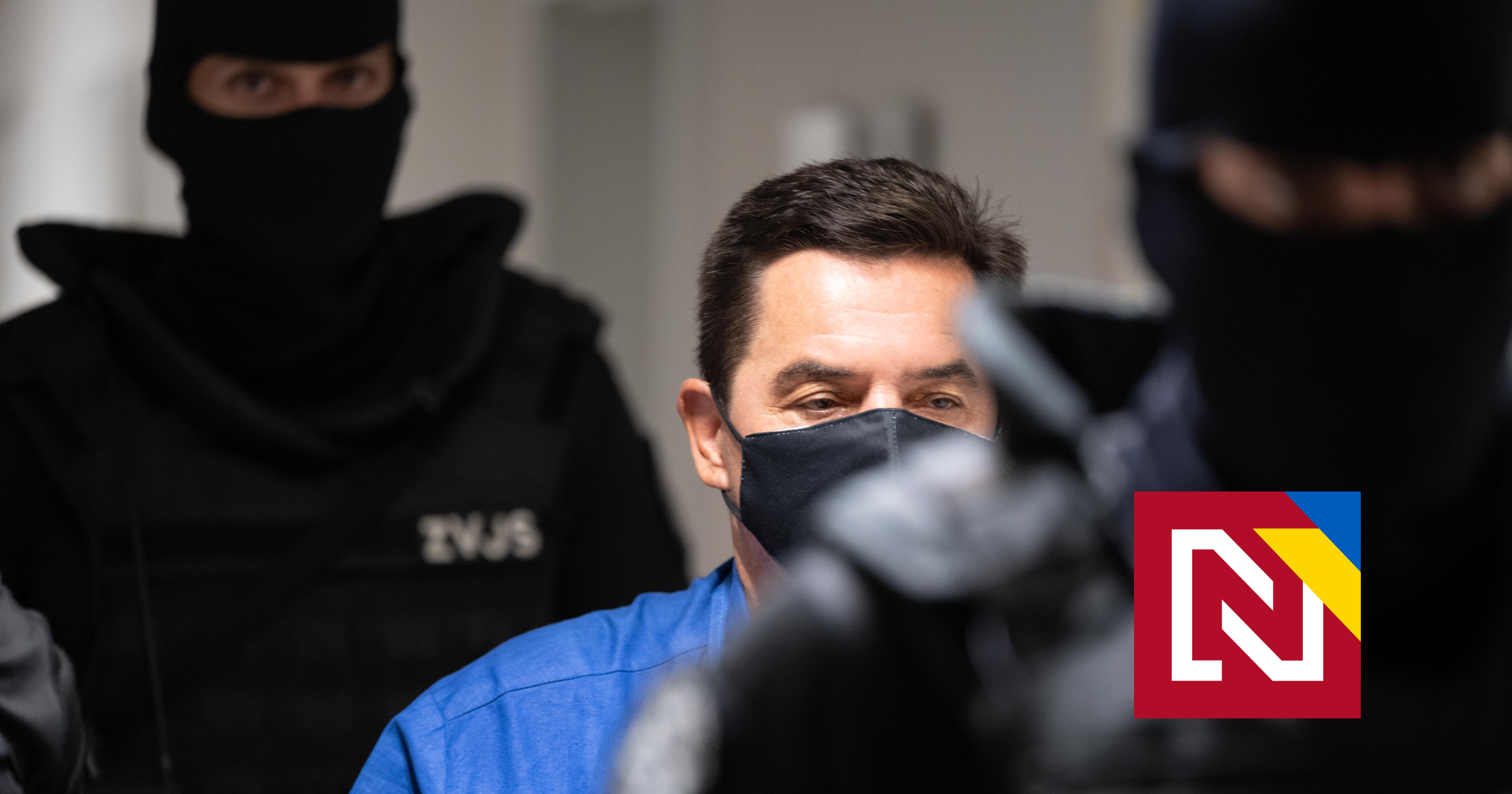
Convicted Informant Confirms Leaking Police Intelligence in Exchange for Bribes

A convicted member of a corruption network has confirmed that he leaked sensitive information from Slovakia's elite police unit in exchange for bribes. The accused, Jozef Rehák, was a senior official within NAKA — the National Criminal Agency, Slovakia's equivalent of an FBI-style investigative unit that handles serious organized crime and corruption cases. Rehák's confirmation of the allegations represents a significant development in a case that strikes at the integrity of the country's top law enforcement body. The leaking of internal police intelligence is particularly damaging in Slovakia, where concerns about the infiltration of state institutions by organized crime networks have long been a matter of public and political debate. The case underscores ongoing efforts by prosecutors to hold accountable those within the security services who may have compromised investigations for personal gain.

|
Domestic Politics

Slovak Government Holds Away Session in Levoča, Distributes €2.5 Million for Local Projects

The Slovak government held an away cabinet session — a periodic practice where the full cabinet convenes outside Bratislava to engage with local communities — during which it distributed €2.5 million in funding for municipal projects across the region. Among the projects approved was funding for a lift to assist mobility-impaired pilgrims at the Pilgrimage House on Mariánska hora, a prominent Catholic pilgrimage site in the eastern Slovak town of Levoča. The session was not without controversy. Protesters gathered near the event, but their demonstration was obscured from view when a van was positioned to block them from sight. Prime Minister Robert Fico, a leader of Smer-SD, the ruling left-nationalist party, waved to supporters who had come to greet him, underscoring the political theater that often accompanies such away sessions, which critics argue serve as government publicity exercises in addition to their administrative purpose. Away cabinet sessions have become a recurring feature of Fico's governing style, allowing the administration to visibly engage with local concerns while announcing targeted regional spending. The decision to fund accessibility improvements at Mariánska hora — one of Slovakia's most visited religious sites, drawing tens of thousands of pilgrims annually — reflects the government's attempts to appeal to Catholic communities in traditionally conservative eastern Slovakia.

|
Domestic Politics

Former Secret Agent Testifies Against Kočner, Claims He Uses Hypnotic Gaze in Court

Peter Tóth, a former Slovak secret service agent turned key witness, took the stand in court to testify against his one-time close associate Marian Kočner, revealing when and why he stopped trusting the controversial businessman — while also complaining that Kočner was attempting to intimidate him by staring him down during proceedings. Tóth disclosed specific details he claims will help convict Kočner, describing a breakdown in their relationship that he says exposed the true nature of the man he once considered a friend. During testimony, Tóth told the court that Kočner was 'hypnotizing him with his gaze,' a complaint that highlighted the tense atmosphere inside the courtroom. Marian Kočner is one of Slovakia's most notorious figures, a businessman and media mogul who was acquitted in 2020 of ordering the 2018 murder of investigative journalist Ján Kuciak and his fiancée Martina Kušnírová — a case that shocked the country and triggered mass protests leading to the resignation of then-Prime Minister Robert Fico. Kočner faces separate criminal proceedings on other charges. Peter Tóth, who previously worked for the Slovak Intelligence Service (SIS), has publicly acknowledged a past close relationship with Kočner and is now cooperating with prosecutors, making his testimony a potentially significant element in the ongoing legal proceedings against the businessman.

|