Dávka - Your daily dose of Slovak news
Last refreshed: 27/06/2026 15:41 · 46 articles added
Stories are refreshed at 05:30, 10:30, 15:30, and 21:30 UTC.

Domestic Politics

View all2777 stories
Domestic Politics

Judicial Council Examines Whether PM's Adviser Should Have Intervened Over 'Demented Judge' Remark

Slovakia's Judicial Council, the body responsible for overseeing the conduct of judges and the judiciary, has taken up the question of whether a senior government adviser should have stepped in after a public figure referred to a judge as 'demented.' The remark was made by Filip Sulík, and the council examined whether Richard Lindtner — an adviser to Prime Minister Robert Fico — bore any responsibility to respond or intervene when the comment was made. The case highlights ongoing tensions between Slovakia's political sphere and its judicial institutions, a sensitive issue in a country where the independence of the courts has been a recurring point of controversy. The Judicial Council serves as the constitutional guardian of judicial independence in Slovakia, with the authority to address conduct it considers threatening to the integrity or dignity of the judiciary.

|
Domestic Politics

Fico's Party Official's Son Got Transpetrol Role Before Formal Hiring Process Launched

The son of a senior Smer official was placed in a position at Transpetrol, Slovakia's state-controlled oil pipeline company, before a formal competitive hiring process was opened for the role — raising questions about nepotism and preferential treatment within state enterprises. Peter Hambálek, identified as another son connected to Smer-SD, the ruling left-nationalist party led by Prime Minister Robert Fico, follows a pattern of relatives of party figures securing posts at state-linked companies. The individual in question is the son of a Smer official named Richter. Transpetrol manages Slovakia's strategic oil pipeline infrastructure and, as a state-influenced company, its appointments are subject to public scrutiny. The case adds to broader concerns about the use of state enterprises as patronage vehicles by the ruling coalition, a recurring issue in Slovak politics that critics argue undermines transparency and fair competition in public institutions.

|
Domestic Politics

Smer Official's Son Secured Role at State Oil Company Before Job Was Publicly Advertised

The son of a senior official from Smer-SD, Slovakia's ruling social-democratic party, was appointed to a position at Transpetrol, the state-owned oil pipeline company, before a formal competitive hiring process was announced — raising concerns about nepotism and preferential treatment in state-owned enterprises. Peter Hambálek, identified as another son connected to Smer, is also named in connection with the case. Transpetrol manages Slovakia's strategic oil pipeline infrastructure and, as a state company, is expected to follow transparent recruitment procedures. The pattern of relatives of ruling party figures obtaining positions at state firms has been a recurring source of controversy in Slovak politics, drawing criticism from opposition groups and anti-corruption advocates who argue it undermines merit-based hiring in the public sector.

|
Domestic Politics

Young Female Officer Arrested for Laundering Money from ATM Heists in Operation HAMLET

A 25-year-old police officer from Bratislava has been arrested on suspicion of laundering money stolen from ATM bombings, in a case that took a dramatic turn when investigators linked her to the crimes. The officer was detained as part of Operation HAMLET, a law enforcement action targeting a criminal network responsible for bombing and robbing cash machines in Slovakia, including an ATM explosion in the village of Dolné Saliby. The arrest of an active police officer in connection with the case marks a significant development, raising concerns about insider involvement in organized crime targeting the country's banking infrastructure. Authorities have not yet disclosed further details about the extent of her alleged role or whether additional suspects are being sought.

|
Domestic Politics

Slovak Policewoman Arrested for Allegedly Laundering Money Stolen from ATM Bombings

A 25-year-old police officer from Bratislava has been arrested on suspicion of laundering money linked to a series of ATM bombings, in a significant development in an ongoing criminal investigation. The officer was detained as part of Operation HAMLET, a law enforcement action targeting individuals connected to the theft of funds from exploded cash machines, including an ATM attack in the village of Dolné Saliby in southwestern Slovakia. Investigators suspect the young officer used her position to help conceal the proceeds of the crimes. The case represents a serious breach of trust within the Slovak police force, as a serving officer now stands accused of facilitating organized criminal activity. ATM bombings — in which criminals use explosives to destroy cash machines and steal their contents — have been a recurring security concern in Slovakia and across Central Europe in recent years.

|
Domestic Politics

Slovak Party Proposes Social Media Ban for Children Under 16

Hlas-SD, one of the three parties in Slovakia's ruling coalition, has proposed banning children under the age of 16 from using social media platforms. The proposal drew immediate criticism from KDH (Christian Democratic Movement), an opposition center-right party, which accused Hlas-SD of political posturing rather than taking meaningful action. KDH called on Hlas-SD to stop copying the issue for political gain and instead move forward with concrete legislative steps. The debate reflects a broader European trend of governments grappling with how to regulate minors' access to social media, amid growing concerns about the mental health and safety of young users online.

|
Domestic Politics

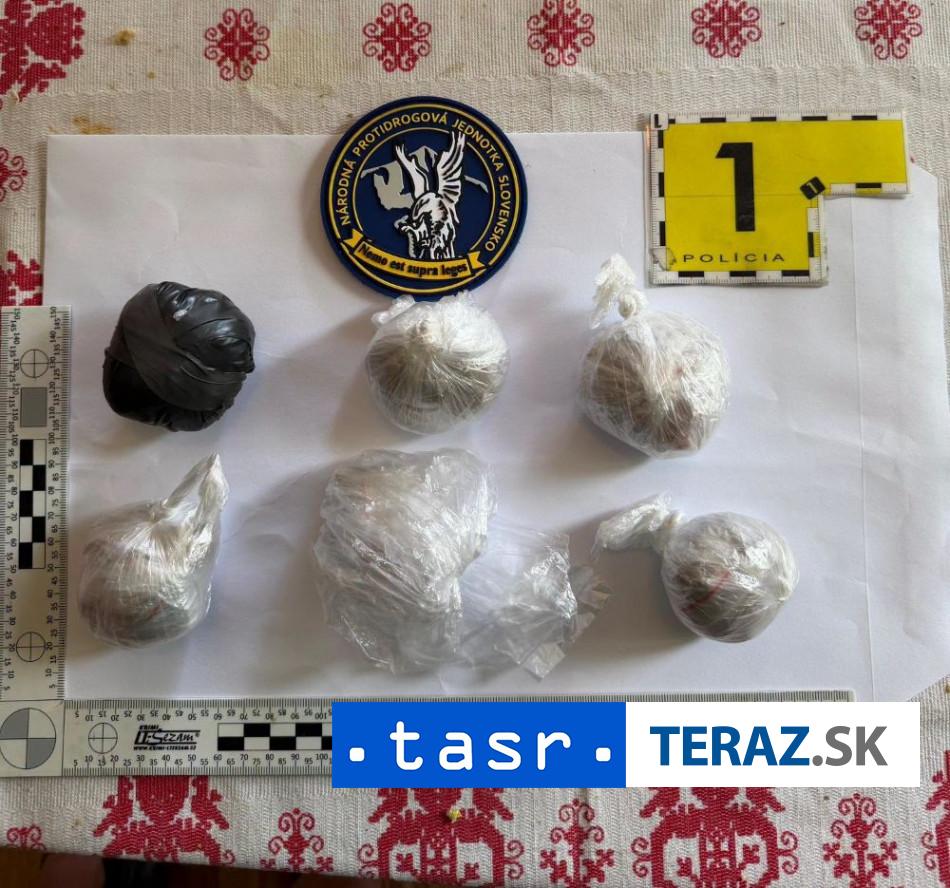
Four People Charged in Drug Trafficking Operation 'Doktor'

Slovak investigators have charged four individuals in connection with a drug trafficking operation codenamed 'Doktor.' The suspects face charges of unauthorized production and trafficking of narcotic and psychotropic substances committed as co-perpetrators — meaning all four are alleged to have participated jointly in the criminal activity. Under Slovak law, crimes involving illegal drug production and distribution carried out by multiple individuals acting together typically carry more severe penalties than individual offenses, reflecting the organized nature of such activity.

|
Domestic Politics

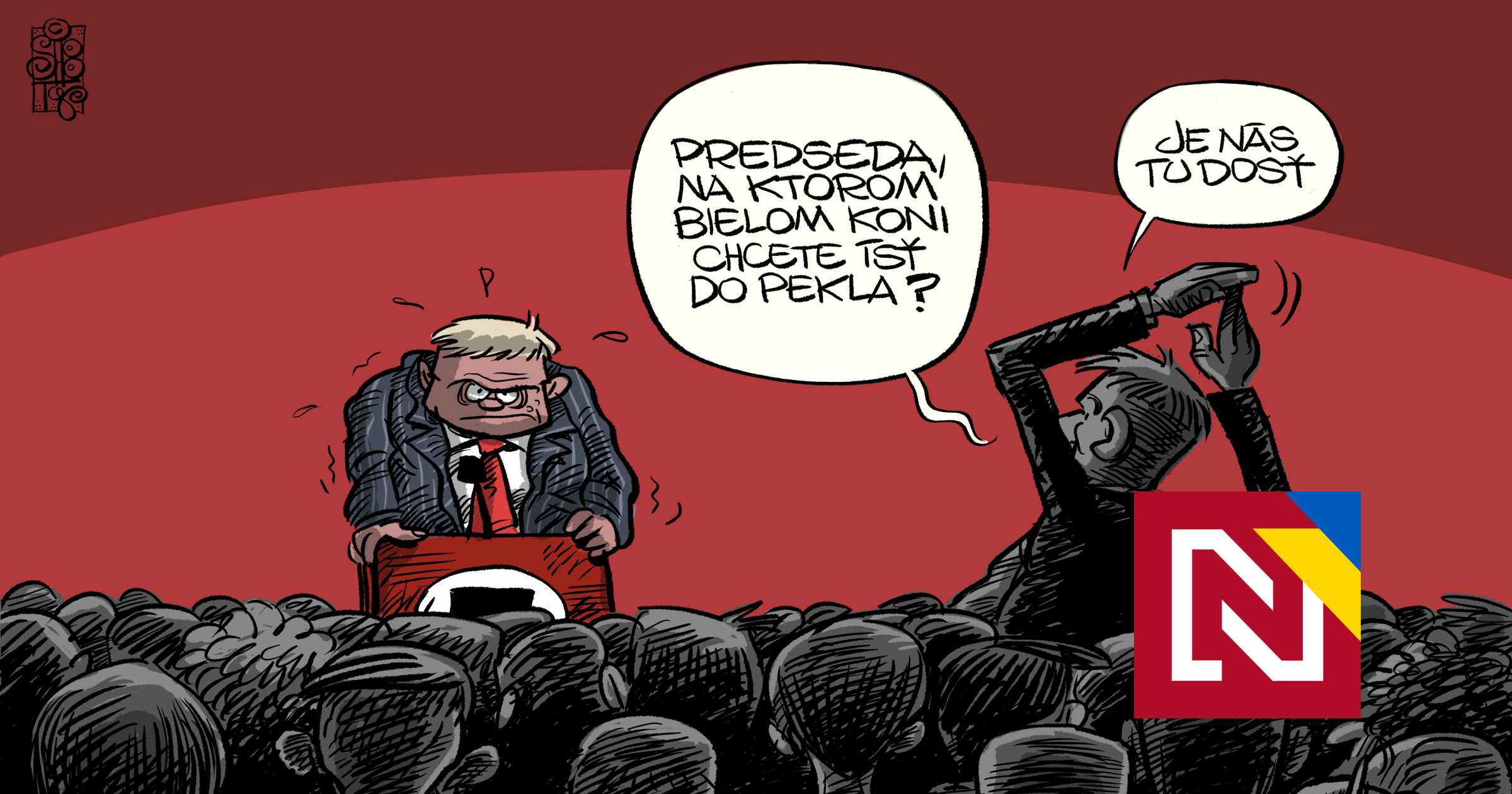
Fico Responds to Audit Controversy With Threats, Not Apologies

Slovak Prime Minister Robert Fico has responded to criticism over alleged favoritism in government dealings not with an apology, but with what observers are describing as a threat. The episode centers on accusations of nepotism — preferential treatment for political allies — while subjecting others to scrutiny through audits and oversight mechanisms. Fico, who leads Smer-SD, the dominant party in Slovakia's ruling coalition and a party with a long record of controversy over governance standards, has consistently responded to public pressure with confrontation rather than concession. The reaction follows a pattern critics say is characteristic of his political style: dismissing accountability demands while using institutional tools selectively against opponents. The development adds to ongoing tensions over rule of law and transparency in Slovakia, issues that have drawn repeated concern from the European Union.

|
Domestic Politics

Slovak Government to Debate Automatic Teacher Pay Rises This Year

The Slovak government is set to discuss a proposed automatic salary mechanism for teachers before the end of this year, though the measure will not take effect as early as some had hoped. Health Minister Ivan Drucker, who is also handling aspects of the education portfolio, ruled out the law coming into force in January 2027, pushing back the expected timeline for implementation. The proposed "salary automaticity" system would link teacher pay increases to a fixed formula, removing the need for annual budget negotiations and ensuring educators receive regular wage growth. Slovak teachers have long complained of low salaries compared to other professions requiring university degrees, and the teaching sector has seen repeated strike threats and union pressure on successive governments to address the pay gap. While the government's commitment to debating the legislation this year signals some movement on the issue, the exclusion of a January 2027 start date leaves the timeline uncertain. Teachers' unions and opposition parties are likely to scrutinize the government's next steps closely, as pay reform in education has been a persistent and politically sensitive issue in Slovakia.

|
Domestic Politics

Slovak Deputy PM Raši Floats Early Election Referendum Idea, Opposition Dismisses It

Slovak Deputy Prime Minister Richard Raši has raised the possibility of holding a referendum on calling early parliamentary elections, a proposal that political observers and opposition parties regard as not a serious legislative initiative. Raši, a senior figure in the ruling Smer-SD coalition — the social-democratic party led by Prime Minister Robert Fico — appears unlikely to pursue the idea in earnest, given that opposition parties would have little incentive to support a mechanism that could be used to the ruling coalition's political advantage. In Slovakia, referendums on early elections have historically been a difficult and rarely successful avenue for political change, requiring broad public and institutional support to succeed. The proposal is seen more as a political signal than a genuine policy push, and opposition representatives have shown no indication they intend to engage with it.

|
Domestic Politics

Legal Expert Flags Gaps in Slovak Party Financing Rules, Spotlights Smer's Practices

A legal expert from Transparency International Slovakia has raised concerns about systemic loopholes in Slovak political party financing laws, with particular focus on the practices of Smer-SD, the ruling populist party led by Prime Minister Robert Fico. Ján Ivančík, speaking in a video podcast, drew a distinction between lawful and potentially unlawful uses of party funds channeled through affiliated agencies. While a party may legally transfer money to its own agency to purchase advertising materials such as pens or broadcast spots, funneling funds through such an agency as a financial conduit to support the agency's broader commercial operations crosses a legal line, Ivančík explained. Slovak law governs party financing strictly, requiring that funds be used directly for political activity rather than to subsidize affiliated business ventures. Transparency International Slovakia, a branch of the global anti-corruption watchdog, has long monitored the financing of Slovak political parties. The concerns raised highlight wider questions about oversight and enforcement of campaign finance rules in Slovakia, where critics argue that regulatory gaps allow ruling parties to blur the boundary between political spending and commercial activity.

|
Domestic Politics

Slovak Trade Unions Call for More Active State Role in Social Insurance System

Slovak trade unions are pressing the government to take a more proactive approach to the country's social insurance system, arguing that a modern and sustainable framework is needed to keep workers in good health and financial security. Union leaders say the current system falls short of adequately supporting employees and retirees, and are calling on the state to pursue reforms that would make social protection more resilient and effective over the long term. Social insurance in Slovakia covers pensions, sickness benefits, and unemployment support, and is administered through the Social Insurance Agency. Trade unions, which represent workers across various sectors, have repeatedly clashed with successive governments over the adequacy of benefits and the financial sustainability of the system amid an aging population and shifting labor market conditions.

|
Domestic Politics

Critics Accuse Fico Government of Funneling State Funds to Political Allies

Slovak Prime Minister Robert Fico's government is facing sharp criticism over allegations that public money is being channeled to politically connected individuals and organizations based on personal ties rather than merit or transparent competition. While no specific double-invoicing fraud has been formally proven, the pattern of state contracts and subsidies flowing to allies of the ruling Smer-SD party — Fico's left-nationalist movement, which returned to power in 2023 — has drawn condemnation from journalists and opposition figures who describe the practice as systemic favoritism at the expense of Slovak taxpayers. Critics argue that the network of beneficiaries functions as a state-funded patronage system, enriching loyalists without clear public benefit. The allegations add to broader concerns about democratic backsliding and the weakening of anti-corruption oversight under the current government, which has moved to restructure or limit several independent institutions since taking office.

|
Domestic Politics

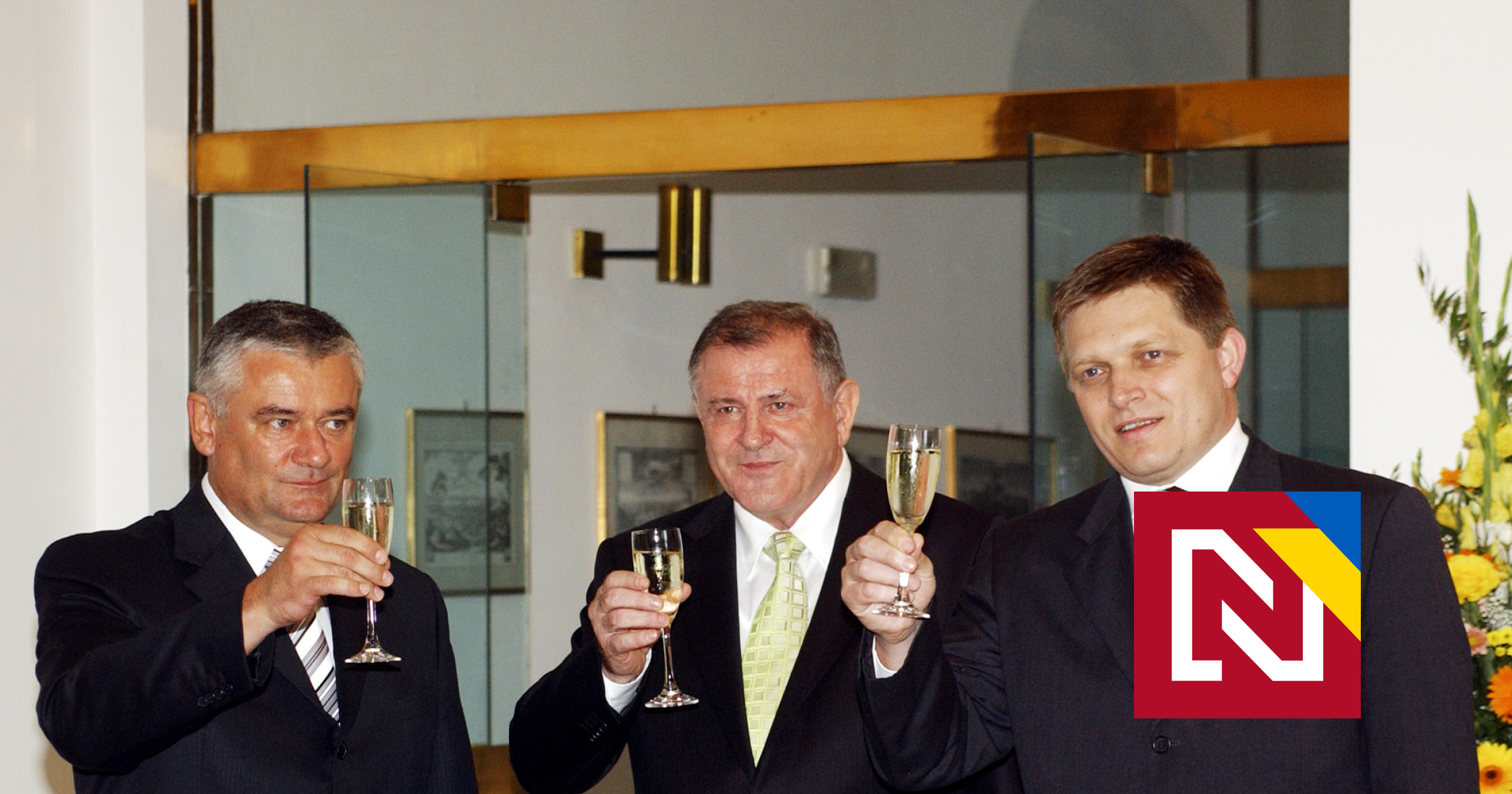
Twenty Years On: How Robert Fico First Rose to Power in Slovakia

Twenty years ago this week, on June 17, 2006, Slovak voters handed Robert Fico his first general election victory, launching a political career that has since made him one of Central Europe's most enduring and controversial leaders. Fico, then 41 years old, led his party Smer — a left-wing populist movement he had founded seven years earlier — to a parliamentary majority, ending the era of two-term Prime Minister Mikuláš Dzurinda. Dzurinda's center-right governments had overseen Slovakia's entry into both NATO and the European Union in 2004, but growing public frustration with economic inequality and perceived government arrogance created an opening that Fico, a skilled populist campaigner, was able to exploit. Fico had already sought power in the 2002 elections but fell short; by 2006, his mix of social welfare promises and sharp criticism of the ruling establishment proved decisive. The anniversary comes as Fico, now in his fourth stint as prime minister, remains a deeply polarizing figure — celebrated by supporters for defending Slovak sovereignty and criticized by opponents and Western partners for his pro-Kremlin tilt and attacks on democratic institutions. His first election victory in 2006 is now widely seen as a pivotal turning point in modern Slovak political history.

|
Domestic Politics

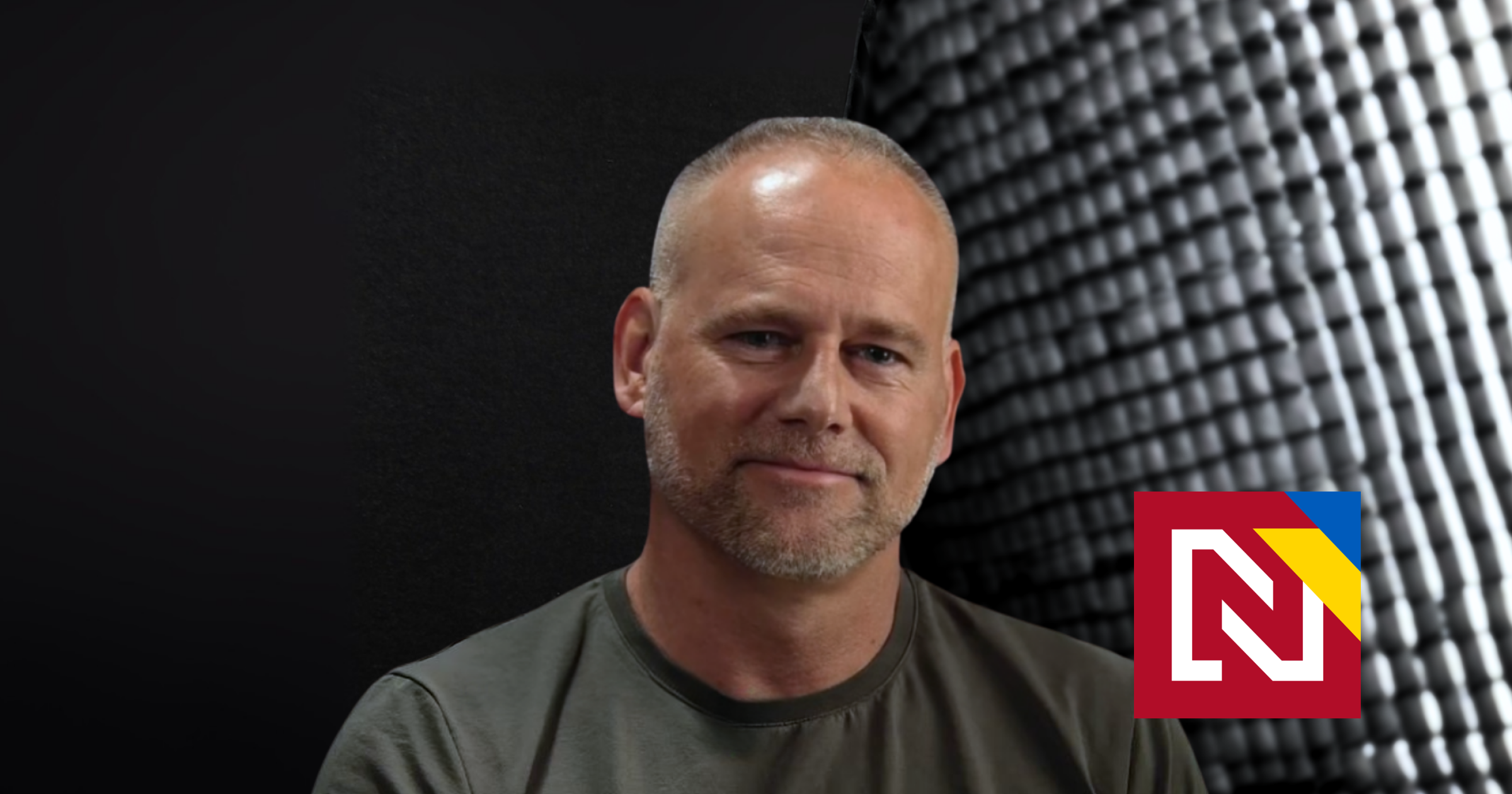
Slovak TV Host Pavel Bruchala Says Culture Minister Blocked Him on Social Media

Television presenter and traveler Pavel Bruchala revealed that Culture Minister Martina Šimkovičová blocked him on social media after he reached out to arrange a meeting. The 48-year-old host, who previously worked for major Slovak television networks Markíza and Joj, gained attention in August 2024 when he published a viral video critically commenting on Šimkovičová's performance in office. Bruchala, who has since left both television stations, discussed the incident in a recent interview where he also addressed his departure from mainstream television and his background in acting studies.

|
Domestic Politics

Coalition Party Hlas-SD May Submit Own Proposal for Early Election Referendum

Hlas-SD, a member of Slovakia's ruling coalition, indicated it may submit its own constitutional amendment proposal regarding referendums on early elections if current amendment efforts fail. The party's position comes as Slovakia debates enshrining the right to hold referendums on early elections in the constitution. Any constitutional change requires at least 90 votes in the National Council, Slovakia's 150-seat parliament, meaning the ruling coalition would need opposition support to pass such measures. Hlas-SD's willingness to potentially break ranks with its coalition partners reflects ongoing political tensions over electoral procedures and democratic mechanisms in Slovakia.

Domestic Politics

Smer-SD Fields New Generation of Candidates in Recent Political Development

Smer-SD, Slovakia's ruling social-democratic party, has deployed what observers describe as a new generation of political figures in recent political activities. The move represents a significant shift in the party's strategic approach, introducing fresh faces to represent the party's interests. This generational change within Smer-SD, which has dominated Slovak politics for much of the past two decades, signals a potential transformation in the party's leadership structure and public representation.

|
Domestic Politics

Slovak President Says Same-Sex Marriage Debate Has Become Harmful Ideological Dispute

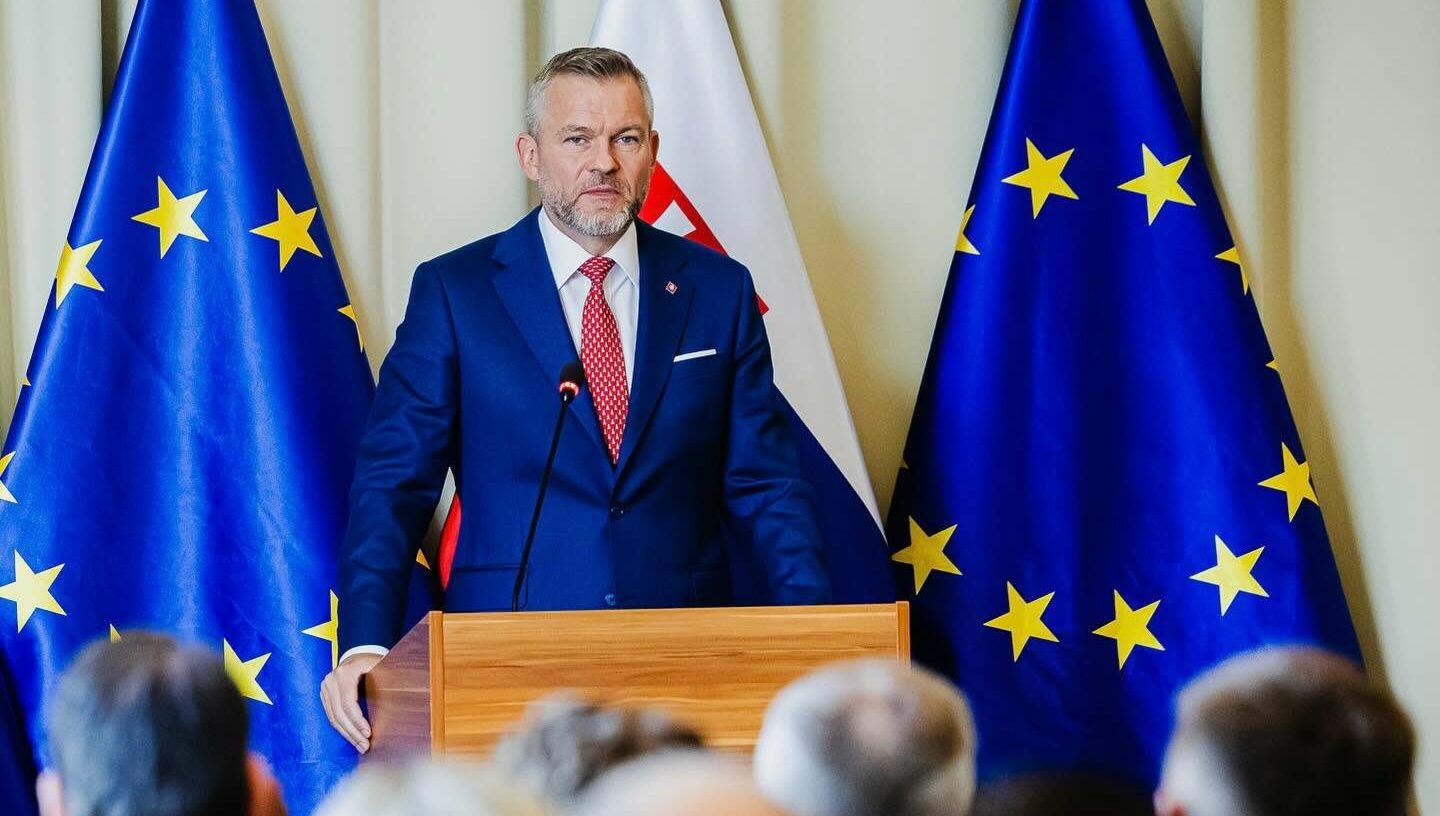
Slovak President Peter Pellegrini criticized the current debate over recognizing same-sex marriages, arguing it has devolved into an ideological dispute that harms rather than helps the people it affects. The president said politicians should focus on solving concrete life situations facing these couples instead of provoking conflicts. The issue has resurfaced in Slovakia following a recent ruling by the European Court of Justice and actions by the European Commission. Slovakia, a conservative Catholic-majority country, does not recognize same-sex marriage, though civil unions were legalized in 2023 amid significant political controversy.

|
Domestic Politics

Slovakia Described as Flourishing Land Held Back by Government Policies

A commentary in Slovak media has characterized Slovakia as a nation with strong potential that has been damaged and slowed by the policies of governments led by Robert Fico. The analysis suggests that while the country itself remains vibrant and capable of growth, its political leadership has created obstacles to progress. Robert Fico, leader of the social-democratic Smer-SD party, has served multiple terms as prime minister and currently heads Slovakia's ruling coalition government. The assessment reflects ongoing debates about the direction of Slovak domestic policy and governance under Fico's leadership, with critics arguing that his administration's approach has hindered the country's development despite its underlying strengths and resources.

|
Domestic Politics

Son of Former Minister Earns €15,000 Monthly at State Oil Company

Juraj Richter, son of former minister Ján Richter, earns €180,000 annually in a senior position at Transpetrol, Slovakia's state-owned oil pipeline operator, according to salary data. The monthly salary of €15,000 places him among several children of prominent politicians from the ruling Smer-SD party who hold lucrative positions in state-owned enterprises. The appointments highlight ongoing concerns about nepotism in Slovakia's public sector, where family members of senior politicians from the social-democratic Smer party have secured high-paying government jobs. Ján Richter previously served as a minister in Robert Fico's government, and his son's appointment at the strategic energy company continues a pattern that includes other political offspring like Michal Fico and Pavol Gašpar in similar state positions.

|