
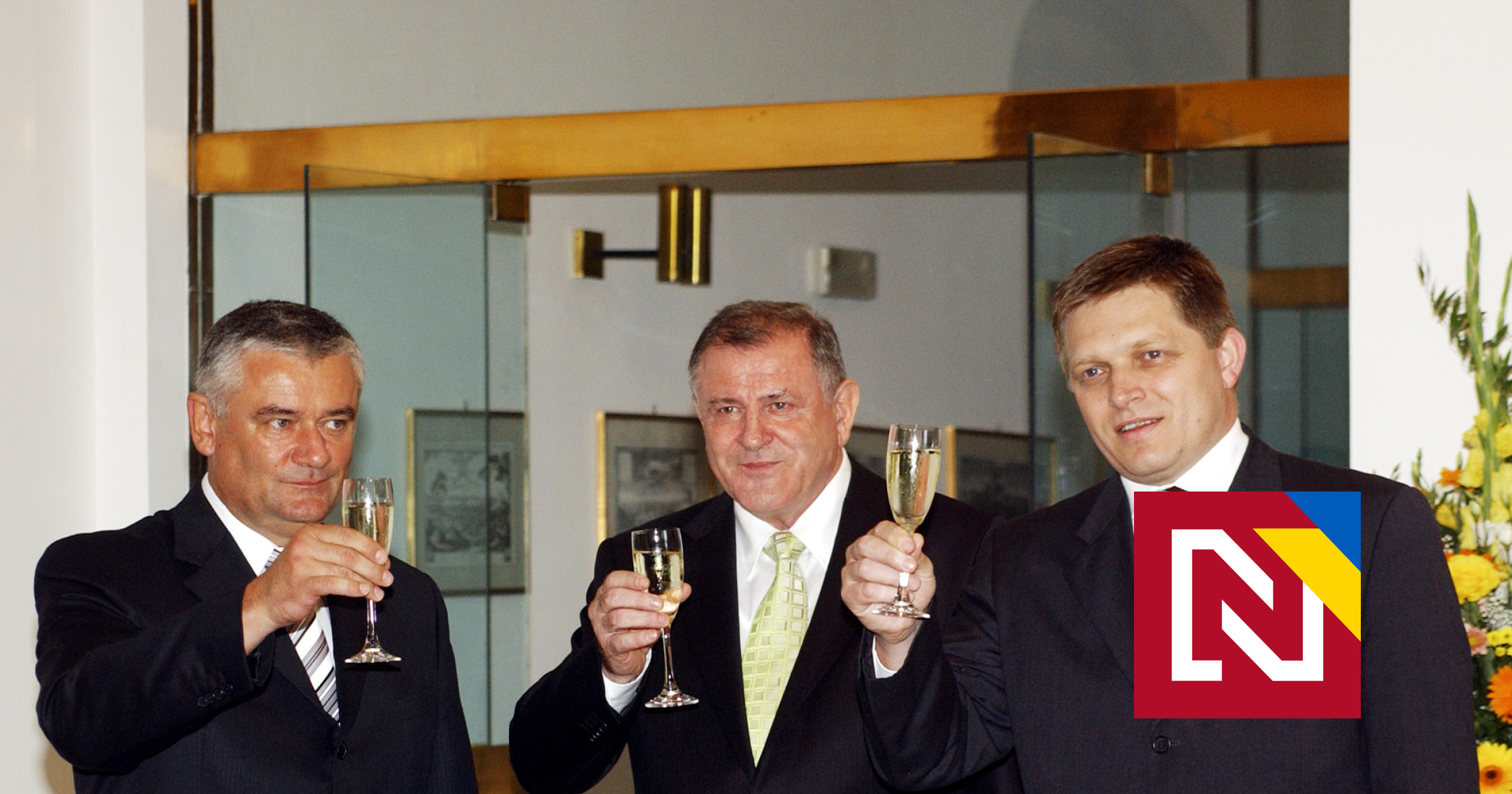
Twenty Years On: How Robert Fico First Rose to Power in Slovakia
Twenty years ago this week, on June 17, 2006, Slovak voters handed Robert Fico his first general election victory, launching a political career that has since made him one of Central Europe's most enduring and controversial leaders. Fico, then 41 years old, led his party Smer — a left-wing populist movement he had founded seven years earlier — to a parliamentary majority, ending the era of two-term Prime Minister Mikuláš Dzurinda. Dzurinda's center-right governments had overseen Slovakia's entry into both NATO and the European Union in 2004, but growing public frustration with economic inequality and perceived government arrogance created an opening that Fico, a skilled populist campaigner, was able to exploit. Fico had already sought power in the 2002 elections but fell short; by 2006, his mix of social welfare promises and sharp criticism of the ruling establishment proved decisive. The anniversary comes as Fico, now in his fourth stint as prime minister, remains a deeply polarizing figure — celebrated by supporters for defending Slovak sovereignty and criticized by opponents and Western partners for his pro-Kremlin tilt and attacks on democratic institutions. His first election victory in 2006 is now widely seen as a pivotal turning point in modern Slovak political history.