Dávka - Your daily dose of Slovak news
Last refreshed: 27/06/2026 10:37 · 44 articles added
Stories are refreshed at 05:30, 10:30, 15:30, and 21:30 UTC.

Domestic Politics

View all2774 stories
Domestic Politics

Fico's Political Maneuver Risks Constitutional Breach and Higher Bankruptcy Danger, Analysts Warn

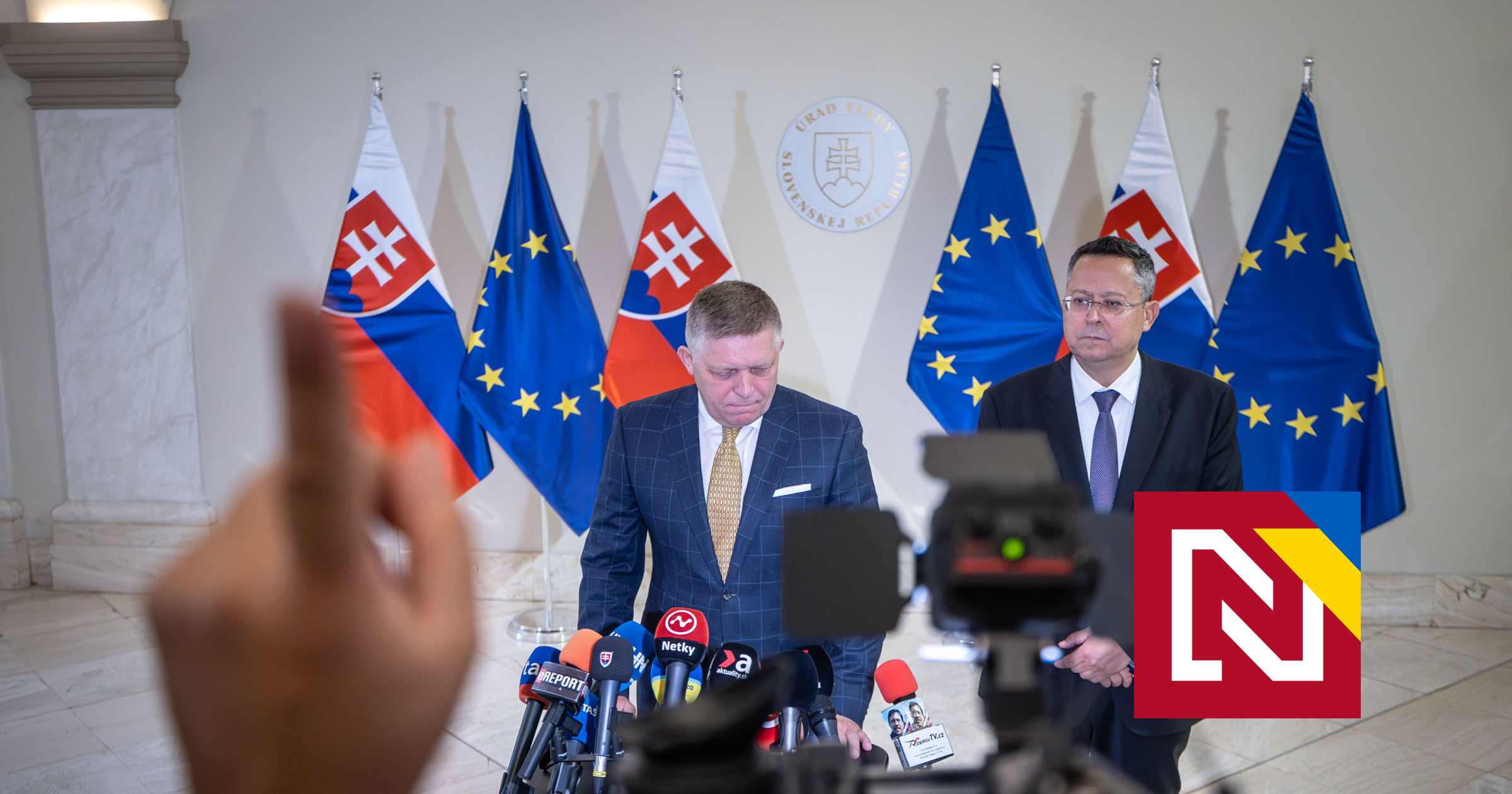
Slovak Prime Minister Robert Fico is engaged in a political strategy that analysts warn could result in the violation of a constitutional law while simultaneously raising the country's risk of fiscal insolvency. The maneuver, described by commentators as a calculated game, centers not on a formal parliamentary confidence vote in the government — a standard democratic mechanism by which a government tests its majority support — but on a separate political tactic whose ultimate consequences could undermine constitutional safeguards. Fico, leader of Smer-SD, the ruling left-nationalist party that returned to power in 2023, has a track record of pushing institutional boundaries, and the current situation is being characterized as one of his most legally consequential moves yet. The development comes amid broader concerns about Slovakia's public finances, with the country already under European Union scrutiny for excessive deficit spending. Critics argue that the political uncertainty generated by Fico's approach compounds the economic risks facing the country, potentially increasing borrowing costs and shaking investor confidence. Separately, commentary suggests growing tensions with Moscow, indicating a possible shift in the dynamic of Fico's previously conciliatory posture toward Russia.

|
Domestic Politics

Slovak Commentator: Trump May Undo His Own Executive Order If He Reads It

Slovak political commentator Schutz offered his weekly assessment of current affairs, arguing that U.S. President Donald Trump's recent executive memorandum contains internal contradictions significant enough that Trump himself might rescind it upon closer reading. The commentary also criticized Slovakia's Constitutional Court — the country's highest authority on constitutional matters — for moving too slowly on cases requiring urgent attention.

|
Domestic Politics

Building Linked to 'Očistec' Corruption Scandal Put Up for Sale, Deal Ends in Court

A building in Slovakia that gained notoriety for housing a conference room featured in the Očistec corruption investigation has been put up for sale, with the transaction subsequently becoming the subject of legal proceedings. The Očistec operation — a major Slovak police investigation into alleged corruption and abuse of power involving public officials — brought the building to public attention after the distinctive boardroom appeared in materials related to the case. The conference room has since remained empty, while the property is noted for its exceptional views. The sale of the building collapsed into a court dispute, the details of which reflect the broader legal and financial complications that frequently surround assets connected to high-profile corruption cases in Slovakia.

|
Domestic Politics

Fico Survives Political and Legal Scrutiny, Remains in Power

Slovak Prime Minister Robert Fico has weathered attempts to remove him from power and continues to govern, defying comparisons to high-profile political downfalls. The reference to Al Capone — the notorious American gangster ultimately brought down not by violent crime charges but by tax evasion — suggests that efforts to unseat Fico through indirect legal or political means have failed to produce results. Fico, who leads Smer-SD, a left-nationalist ruling party, returned to the premiership in 2023 after surviving an assassination attempt in May 2024. He has faced sustained pressure from the opposition, civil society, and parts of the Slovak judiciary, but has so far maintained his grip on government. The outcome underscores the difficulty opposition forces face in dislodging an experienced political operator who has dominated Slovak politics for nearly two decades, and raises questions about the effectiveness of institutional checks on executive power in Slovakia.

|
Domestic Politics

Fico Survives Confidence Vote, But Budget Battle Looms as Greater Threat

Slovak Prime Minister Robert Fico has survived a parliamentary confidence vote, but analysts and opposition figures argue the real test of his government lies ahead — in the form of a balanced budget requirement. Fico, leader of Smer-SD, the ruling left-nationalist party, has long clashed with constitutional constraints, and observers suggest that struggle is far from over. During debate surrounding the vote, Fico made a reference to Native Americans, while Michal Šimečka, leader of the center-liberal opposition party Progresívne Slovensko, invoked the image of a seagull — exchanges that underscored the sharp rhetorical divide between the coalition and opposition in Slovakia's National Council, the country's parliament. While surviving a no-confidence motion gives Fico's government a short-term political lifeline, pressure to bring the state budget into balance — a legal and constitutional obligation — presents a more daunting and immediate challenge. Slovakia has struggled with elevated public deficits, and failure to meet fiscal targets could trigger further confrontations with EU fiscal rules as well as domestic constitutional mechanisms.

|
Domestic Politics

Fico Government Wins Confidence Vote After Seven Months of Constitutional Delay

Slovakia's government led by Prime Minister Robert Fico secured a parliamentary confidence vote after delaying the constitutionally required procedure for seven months. The vote passed with 78 coalition lawmakers in favor, ending a prolonged standoff that had drawn legal scrutiny. The government was compelled to seek the confidence vote by a ruling from Slovakia's Constitutional Court, which interpreted the country's fiscal responsibility law as requiring the government to face parliament under such circumstances. The session in the National Council, Slovakia's parliament, was marked by heated exchanges, shouting, mutual accusations between coalition and opposition lawmakers, and significant delays before the vote was finally held. Fico's Smer party, a left-nationalist movement that leads a three-party ruling coalition, had avoided the vote since the fiscal responsibility mechanism was triggered. Following the successful vote, coalition representatives signaled they intend to amend the fiscal responsibility law to remove the obligation that forced them to appear before parliament in the first place. Critics are likely to view that move as an attempt to weaken constitutional accountability mechanisms. The episode highlights ongoing tensions between Slovakia's ruling coalition and opposition forces over democratic norms and institutional obligations.

|
Domestic Politics

Slovak MP Sued by Police Officers Over Facebook Comments Skips Court Hearing

Michal Bartek, a member of parliament representing Hlas-SD, failed to appear at a court hearing in a defamation case brought against him by police officers connected to the so-called Čurilla investigation. The officers sued Bartek over statements he made in a Facebook video in November 2025, in which he claimed they had selected a specific judge to rule on their lawsuit against Interior Minister Matúš Šutaj Eštok. The presiding judge remarked that the matter could have been resolved simply if Bartek had posted an apology on Facebook. Hlas-SD is a centre-left party and a member of Slovakia's ruling coalition, led by Prime Minister Robert Fico. The Čurilla case is a long-running corruption investigation involving allegations of ties between police officials, politicians, and financial interests. The dispute highlights ongoing tensions between politicians and law enforcement figures in Slovakia, where the relationship between the government and police leadership has been a source of repeated controversy.

|
Domestic Politics

Opposition Party Plans Criminal Complaint Over Alleged Misuse of Public Funds in Women's Health Sector

An opposition party in Slovakia has announced plans to file a criminal complaint over suspected misuse of public funds in a matter related to women's health. The announcement adds to a series of concerns raised by opposition politicians about the handling of public resources in sensitive areas of healthcare. No further details about the specific nature of the alleged irregularities or the parties accused were immediately available, but the move signals growing political pressure over government spending accountability in the healthcare sector.

|
Domestic Politics

Former Police Official Bartek Skips Court Hearing in Case Brought by Curillovcovia Officers

A former Slovak police official known as Bartek failed to appear at a court hearing in a civil case in which police officers — members of a unit informally known as "curillovcovia" — are seeking 84,000 euros from him. His legal representative attended in his absence and sought to walk back earlier remarks he had made suggesting the judge in the case had been "arranged" or improperly influenced, comments that had drawn significant attention. The curillovcovia were members of an elite National Criminal Agency (NAKA) investigative unit that had pursued high-profile corruption and organized crime cases under former NAKA director Peter Čurilla, after whom the group is colloquially named. The unit became highly controversial in Slovakia's polarized political environment, with the current government of Prime Minister Robert Fico — whose Smer-SD party was itself a target of some of their investigations — moving to dismantle the unit and pursue legal action against several of its members. The case reflects the ongoing institutional and judicial fallout from the deep divisions between the Fico government and the law enforcement figures who had previously pursued cases against its allies.

|
Domestic Politics

MP Marcinková Plans to Formally Join Opposition Party SaS After Years of Cooperation

Slovak parliamentarian Marcinková has announced she intends to formally join the liberal opposition party Freedom and Solidarity (SaS) — a move that comes after years of close cooperation with the party without official membership. Marcinková made the remarks in an appearance on the political talk show Aréna, where she also indicated she is prepared to wait out the current government's term, suggesting she would again watch a prime ministerial inauguration from the embankment — a metaphor implying she expects the opposition to remain out of power for now. SaS is one of Slovakia's main center-right opposition parties, currently outside the ruling coalition led by Prime Minister Robert Fico's Smer-SD. The party has been a vocal critic of the Fico government's direction on issues ranging from rule of law to foreign policy.

|
Domestic Politics

Slovak Weekly Recap: Truth, Love, and Subsidies

A weekly commentary column reflecting on the key developments of the past week in Slovakia touches on themes of truth, love, and government subsidies, with a passing reference to the Czech Republic achieving a notable milestone. The piece offers a reflective look at the week's events through an editorial lens, though specific policy or political details were not elaborated upon in the available source material.

|
Domestic Politics

Slovak Appeals Court Acquits Oldest Kufa Brother in Criminal Case

A Slovak appeals court has acquitted the oldest of the Kuffa brothers, overturning a lower court's verdict and finding him not guilty. The case drew additional attention as the victim in the matter died before the final verdict was delivered. During the appellate proceedings, an expert witness was heard via video link. The Kuffa brothers are a well-known Slovak family, prominent in public and religious life, with several members having been involved in various public controversies. The appeals court's decision is final at this stage of the process, representing a significant legal outcome for the family.

|
Domestic Politics

Opposition Party Raises Alarm Over Additional Costs at Prešov Hospital Construction Site

Slovakia's opposition Progressive Slovakia (PS) movement has criticized what it describes as unnecessary additional expenditure linked to the ongoing construction of a new hospital in Prešov, a city in eastern Slovakia. The disputed costs amount to nearly 700,000 euros excluding VAT, reportedly for cleaning up the construction site following the departure of a previous contractor. PS lawmaker Tomáš Valášek raised concerns that the actual supplier contract was signed exclusively with a company called Invest, while questioning whether other firms listed as subcontractors had genuinely agreed to participate in the project. The party says it has serious doubts about the legitimacy of the subcontracting arrangements. The Prešov hospital construction project has drawn scrutiny over financial management and procurement practices. Progressive Slovakia, a liberal pro-European opposition party, has been vocal in challenging the government's handling of major public infrastructure spending. The latest allegations add to broader concerns about transparency and cost overruns in publicly funded construction projects in Slovakia.

|
Domestic Politics

Slovakia's Public Procurement Office Finds Violations in Interior Ministry Radar Contract

Slovakia's Public Procurement Office (ÚVO), the state body responsible for overseeing government contracts and ensuring fair competition in public tenders, has identified multiple violations in a contract awarded by the Interior Ministry for automated speed radars. Among the irregularities cited, the office found that the ministry granted an unreasonably short extension to the deadline for submitting bids — a move that can disadvantage potential suppliers and undermine open competition in the procurement process. The findings raise questions about the transparency and legality of how the contract was handled, and ÚVO is expected to follow up on the identified breaches. Procurement violations in Slovakia can result in financial penalties, contract cancellations, or referrals to other oversight authorities depending on the severity of the breach.

|
Domestic Politics

Slovak Regional Leaders Push to Exempt Local Governments from Debt Brake Penalties

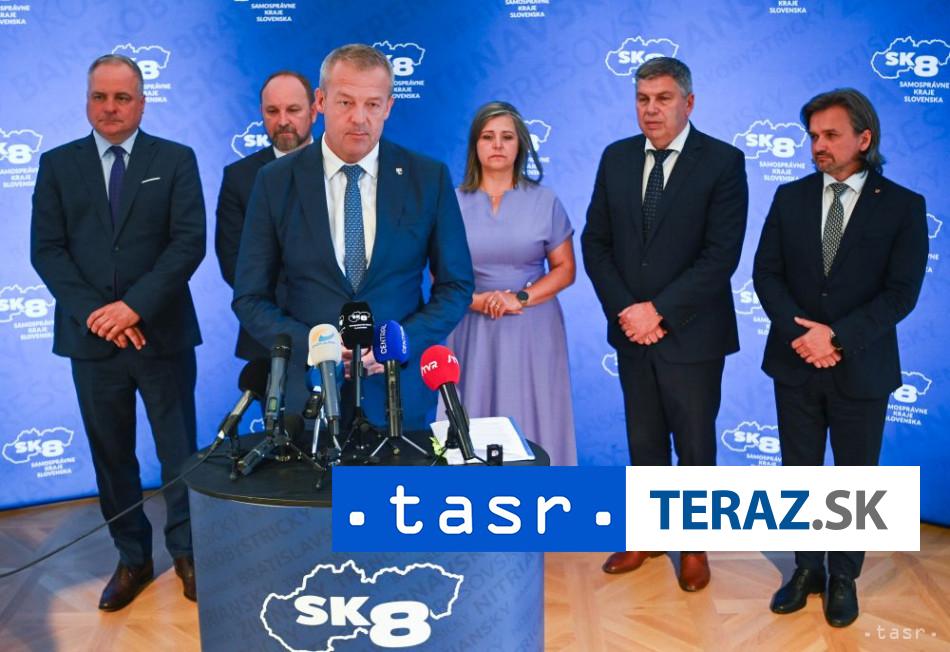
A coalition of Slovakia's eight regional governments, known as SK8, is calling for local and regional authorities to be excluded from the country's debt brake penalty mechanism. SK8, the association representing all eight of Slovakia's self-governing regions, argues that local governments do not belong — and should not belong — within the scope of the debt brake's sanctions system. The debt brake is a constitutional fiscal rule designed to automatically trigger spending restrictions and penalties when Slovakia's public debt exceeds certain thresholds relative to GDP. SK8's position is that regional and municipal governments operate under separate budgetary frameworks and should not face punitive measures tied to the central government's fiscal performance, making the case for a structural reform that would shield self-governing bodies from penalties they view as misapplied to their level of administration.

|
Domestic Politics

Slovak Parliament Votes Confidence in Fico Government Amid Tense Session

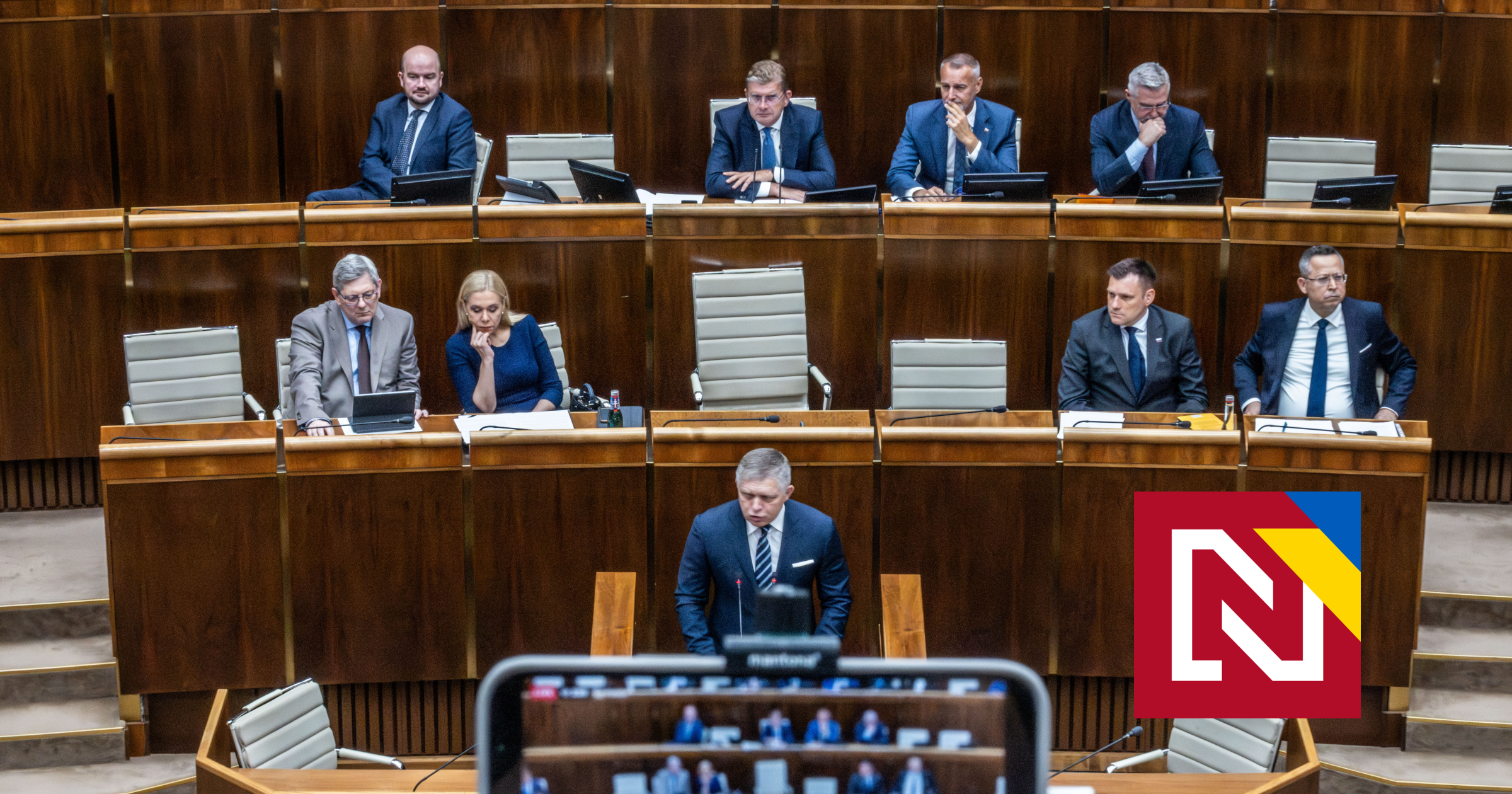
Slovakia's parliament held a confidence vote in Prime Minister Robert Fico's government before the summer recess, in a session marked by political tension and sharp exchanges. Fico, who leads Smer-SD, the ruling left-nationalist party, was required to appear before the National Council — Slovakia's parliament — to face the vote. The session was notable for moments of levity mixed with political friction, including jokes about "crystal balls" and a reportedly hasty exit by some lawmakers from the chamber floor. Confidence votes are a standard constitutional mechanism by which a government demonstrates it retains the support of a parliamentary majority. Fico's government, which came to power in late 2023, has faced persistent criticism from opposition parties over its domestic and foreign policy direction, including its more conciliatory stance toward Russia compared to most EU member states.

|
Domestic Politics

Slovak Town of Sliač to Sue Over Highway Plans in Spa Protection Zone

The town of Sliač, in central Slovakia, is preparing legal action against plans to route a major expressway through the protected zone surrounding its historic spa. Town councillors have taken the first formal step toward filing a lawsuit, joining forces with local activists who oppose the project. The dispute centers on the planned R2 expressway, a key road infrastructure project in Slovakia, which according to critics would pass through the protected buffer zone of the Sliač spa — a thermal spa resort with a long therapeutic tradition. Such protected zones are established under Slovak law to safeguard the natural mineral water sources and the environment essential to spa operations, meaning construction of a major road through the area could threaten both the spa's ecological integrity and its legal status. The decision by the town council to pursue litigation alongside civic activists signals growing local resistance to the expressway's current planned route. If the lawsuit proceeds, it could delay or force a redesign of that section of the R2, a road intended to improve east-west connectivity across central Slovakia. The case is likely to pit infrastructure development priorities against environmental and heritage protection concerns.

|
Domestic Politics

Opinion: Slovak Society Compared to Doomed Crew of Moby Dick's Pequod

A Slovak commentary draws a literary parallel between Herman Melville's classic novel Moby Dick and the current state of Slovak society and politics. In the analogy, Slovakia's leaders are cast as Captain Ahab — the obsessive, irrational commander who ignores all warnings in single-minded pursuit of his goal — while ordinary taxpaying citizens are compared to Starbuck, the ship's rational first mate who pleads in vain for a return to reason and safety. The commentary suggests that, like the ill-fated crew of the Pequod, Slovak society is being steered toward disaster by leaders unwilling or unable to heed calls for moderation and common sense, even as the country shows signs of serious trouble. The piece reflects broader public anxiety in Slovakia about the direction of the government led by Prime Minister Robert Fico, whose administration has pursued policies that critics argue isolate the country within the European Union and undermine democratic institutions.

|
Domestic Politics

Expert Witness Testifies About Phone Evidence in Samuel Murder Trial

A forensic expert took the stand in a Slovak criminal trial to testify about the contents of a mobile phone belonging to a person named Samuel, examining the device's history for extremist content and messages related to killing. The court also heard witness testimonies as part of ongoing proceedings in the case. The examination of digital evidence — including searches for extremist material and violent messaging on the phone — suggests prosecutors are building a case around the suspect's state of mind or ideological motivations. Slovak courts routinely rely on certified forensic experts, known as znalci, to analyze digital devices and present findings to judges and juries as part of criminal proceedings.

|
Domestic Politics

Slovak Parliament Delays Review of 2024 Prosecutor-General's Annual Report

Slovakia's parliament has again postponed consideration of the Prosecutor-General's annual report for 2024, a development that Prosecutor-General Maroš Žilinka has described as unfortunate. The agenda item was moved once more and is now scheduled for a parliamentary session beginning September 15. The annual report of the Prosecutor-General is a formal accountability mechanism through which the head of Slovakia's prosecution service presents the office's work to the National Council, Slovakia's parliament. Žilinka, who has served as Prosecutor-General since 2020 and has been a controversial figure frequently at odds with both opposition politicians and, at times, elements of the judiciary, indicated his concern over the repeated delays in having the report reviewed. The postponement is notable because parliamentary scrutiny of the prosecution service is a key element of institutional oversight. Repeated deferrals can signal political friction between the legislature and the prosecution office, or reflect broader scheduling and coalition management difficulties within parliament. The rescheduled session on September 15 will now be the next opportunity for lawmakers to formally address the report.

|