Dávka - Your daily dose of Slovak news
Last refreshed: 04/07/2026 05:38 · 33 articles added
Stories are refreshed at 05:30, 10:30, 15:30, and 21:30 UTC.

Domestic Politics

View all2890 stories
Domestic Politics

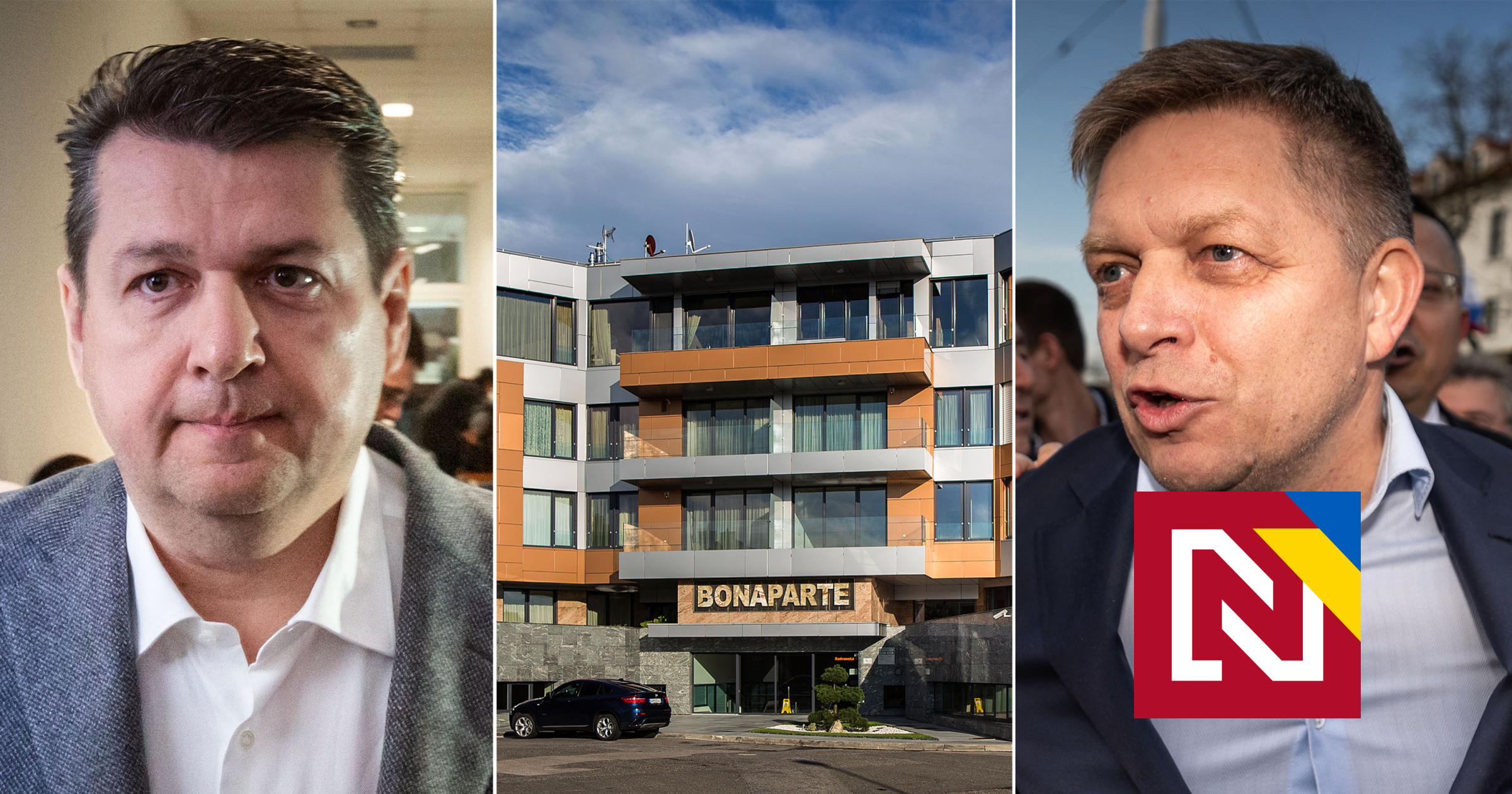
Slovak Court Acquits Former Smer-Linked Figure Despite Prosecutor's Prison Request

A Slovak court acquitted Ladislav Bašternák in the Bonaparte case despite prosecutors seeking a prison sentence. Bašternák became a symbol of governance under Smer-SD, Slovakia's ruling social-democratic party, where he was known as "our man" within political circles. During the trial, testimony highlighted numerous traffic violations he had committed. The Bonaparte case represents one of several corruption investigations that have targeted figures associated with Smer-SD's political network during its time in power.

|
Domestic Politics

Progressive Slovakia Welcomes Concessions on National Park Zoning but Demands Revised Proposal

Progressive Slovakia (PS) has welcomed certain concessions in the government's proposal for national park zoning while calling for further revisions to the draft legislation. MP Stohlová noted that the proposal restores appropriate protection levels for some nature reserves. However, the opposition party highlighted that the worst situation remains in the Poloniny National Park region. PS has demanded that Environment Minister Tomáš Taraba, who represents the nationalist Slovak National Party in the ruling coalition, rework the entire proposal to address remaining concerns about environmental protection standards.

|
Domestic Politics

Slovak Legal Review: Constitutional Questions on AI Protection and Military Drones

Slovak legal experts examined two significant constitutional and regulatory questions this week. The first concerns establishing frameworks for protecting citizens from artificial intelligence technologies, addressing who should bear responsibility for AI oversight and regulation. The second focuses on constitutional requirements for Slovakia's military, particularly regarding the integration of drone technology into the country's defense capabilities. These discussions reflect broader European debates about balancing technological advancement with legal protections and military modernization within existing constitutional frameworks.

|
Domestic Politics

Slovakia Announces Major Legal Changes to Combat Synthetic Drugs

Slovak Interior Minister Matúš Šutaj Eštok announced significant amendments to legislation aimed at strengthening the fight against synthetic drugs. The minister described the planned legal changes as a fundamental development in the country's approach to combating the growing synthetic drug problem. Slovakia has been grappling with increasing challenges from synthetic substances, which often circumvent existing drug laws by using slightly modified chemical compounds that are not yet specifically prohibited. The announcement comes as European Union countries face mounting pressure to adapt their legal frameworks to keep pace with rapidly evolving synthetic drug markets.

|
Domestic Politics

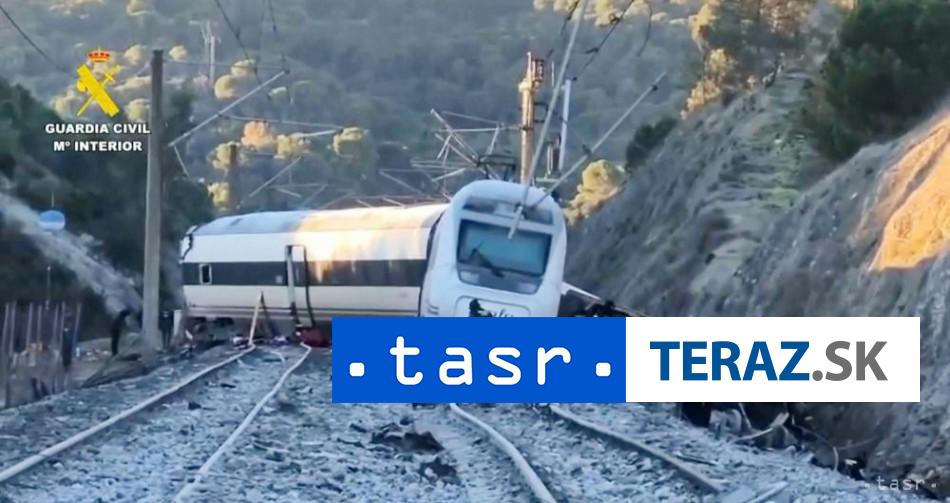
European Prosecutor's Office investigates suspected fraud in Slovak railway maintenance near Adamuž

The European Public Prosecutor's Office (EPPO) is investigating suspected fraud involving railway maintenance work near the Slovak village of Adamuž. The case concerns the alleged misuse of European Union funds designated for maintenance work in the vicinity of kilometer 318.7 on a rail line. EPPO, the EU's independent prosecution authority established in 2017 to investigate crimes affecting the bloc's financial interests, handles cases involving fraud with EU funds exceeding €10,000. The investigation reflects ongoing scrutiny of how EU infrastructure funding is managed in Slovakia, where concerns about proper oversight of European development funds have been raised in recent years.

|
Domestic Politics

Prosecutor Seeks Five and Half Year Prison Sentence for Businessman Bašternák in Bonaparte Tax Case

A prosecutor has requested a five and half year unconditional prison sentence for businessman Bašternák in the Bonaparte case, where he faces charges for illegally claiming VAT refunds. The case involves allegations that Bašternák improperly obtained value-added tax returns from the state treasury through fraudulent means. The Bonaparte investigation represents one of several high-profile tax fraud cases that have emerged in Slovakia in recent years, as authorities have intensified efforts to combat sophisticated schemes designed to defraud the public finances through manipulated VAT claims.

|
Domestic Politics

Slovak President Grants Clemency to Convicted Mother of Three Children

Slovak President Peter Pellegrini granted clemency to a woman who had been sentenced to unconditional imprisonment, marking only the second individual pardon issued since he took office. The recipient of the presidential mercy is a mother of three children who was facing a prison sentence. Presidential clemency in Slovakia allows the head of state to commute sentences, reduce penalties, or grant full pardons in exceptional circumstances, typically reserved for cases involving humanitarian considerations or where continued imprisonment would cause disproportionate hardship.

|
Domestic Politics

Slovak Prime Minister Faces Criticism Over Alleged Interview Claims

Slovak Prime Minister Robert Fico is facing criticism over claims regarding a controversial interview. Critics are questioning Fico's assertion that specific citizens requested the interview, with opposition voices describing the situation as cynical. The controversy centers on an interview that critics claim never actually took place, raising questions about the prime minister's credibility and transparency with the public.

|
Domestic Politics

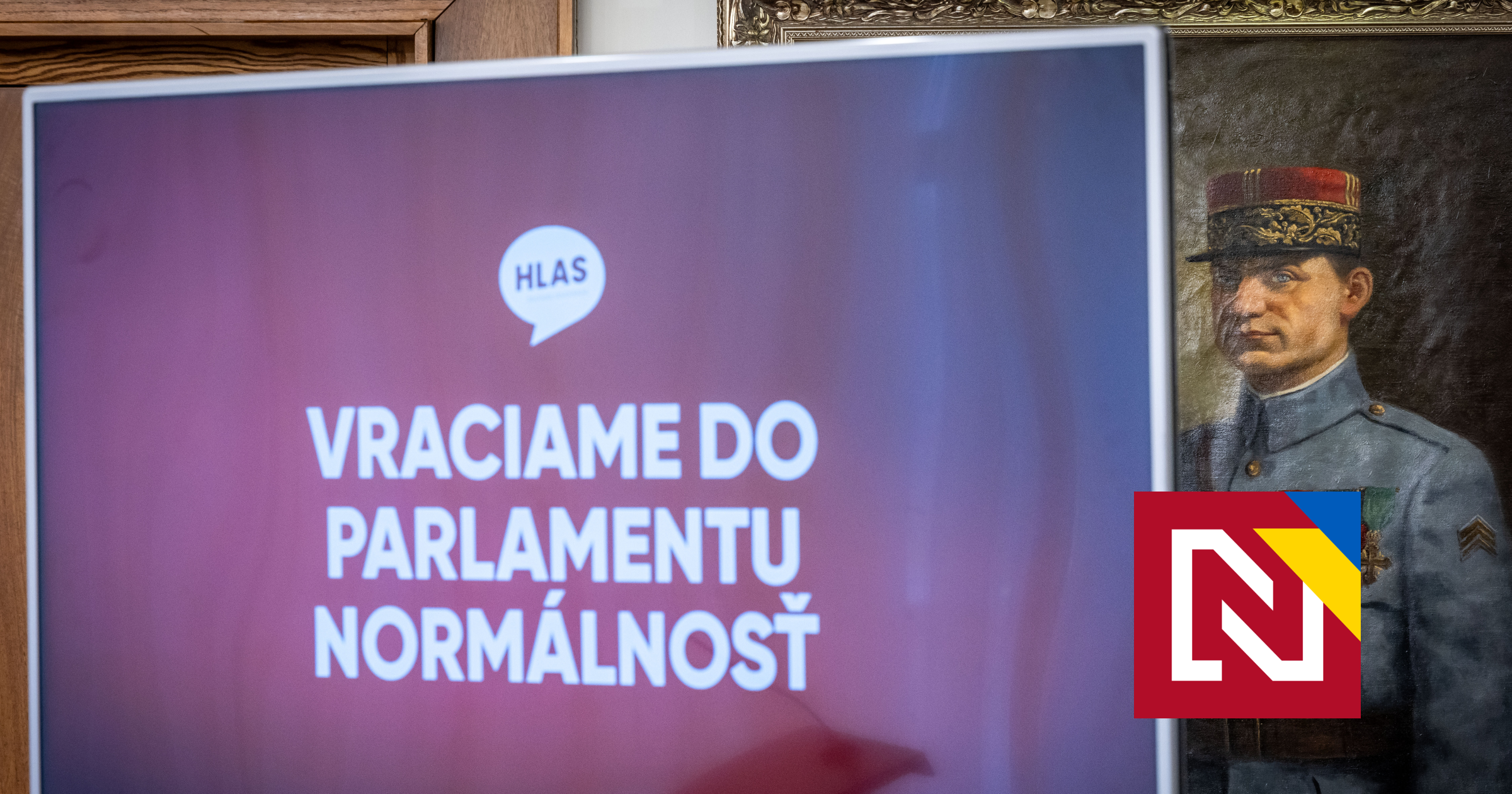
Slovak Parliament Faces Terminal Dysfunction, Critics Warn

Slovakia's parliament is in a state of terminal dysfunction that is creating conditions for a broader crisis of the rule of law, according to political observers. The National Council, Slovakia's unicameral parliament, is reportedly fostering an environment that threatens the gradual breakdown of legal institutions and democratic governance. Critics warn that the parliament's current state poses risks to the country's functioning both domestically and in its international relations. Slovakia's National Council serves as the country's primary legislative body and plays a crucial role in maintaining democratic checks and balances within the government system.

|
Domestic Politics

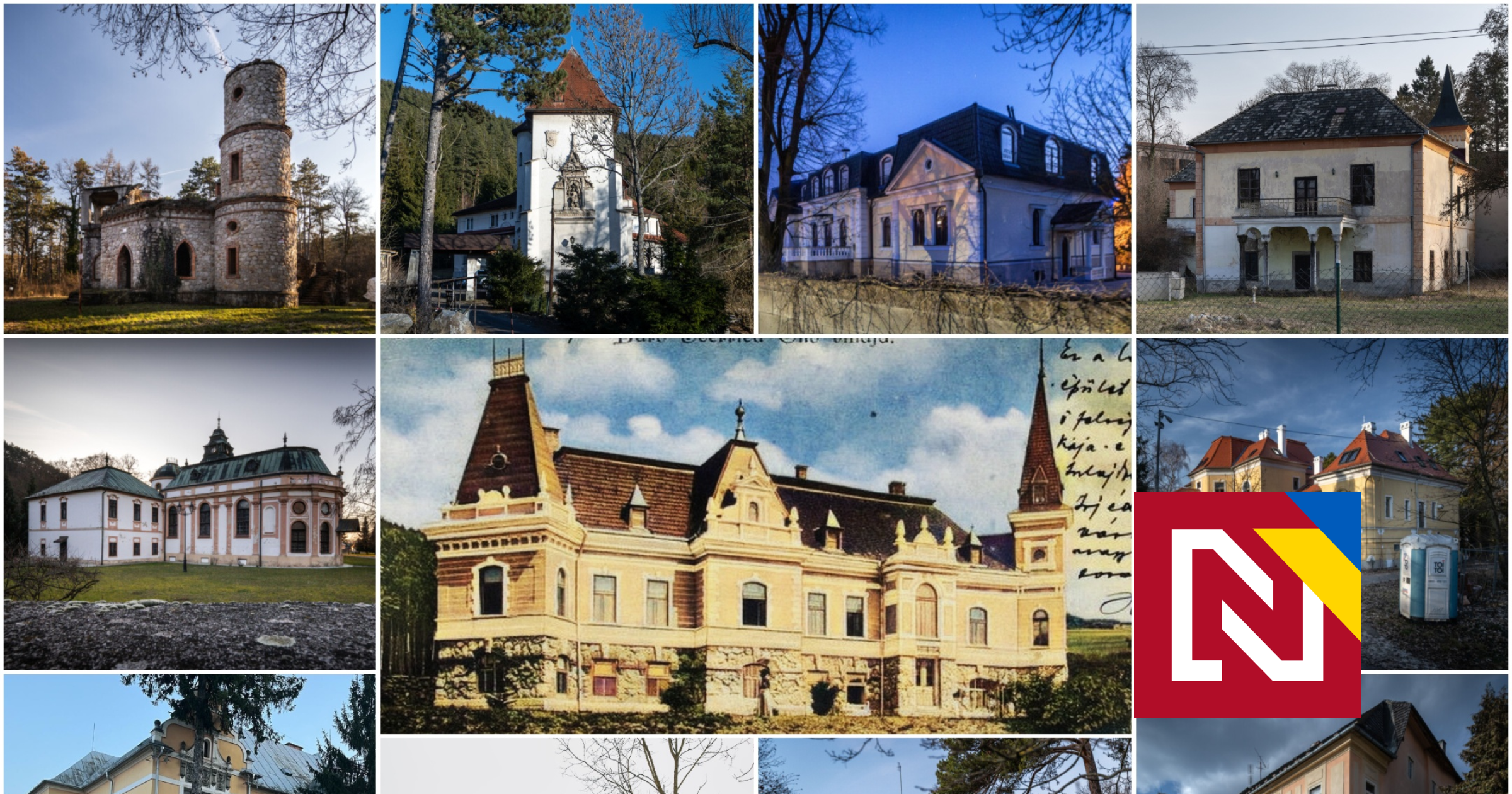
Firm with ties to Pellegrini ally builds empire of historic castles purchased from Slovak state

A company called Silver Farm has purchased two castles from the Slovak state and assembled a collection of 12 historic monuments, investigation reveals. The firm's background leads to businessman Adrian Polóny, a childhood friend of Deputy Prime Minister Peter Pellegrini who was previously backed by the ruling Smer party for a regional governor position. Polóny also has connections to former Prime Minister Robert Fico and controversial former police chief Norbert Bödör. The Silver Farm company operates from what appears to be a dilapidated building, raising questions about how it acquired the resources to purchase multiple historic properties from state ownership. The discovery highlights potential concerns about transparency in the sale of state-owned cultural heritage sites to private entities with political connections.

|
Domestic Politics

Slovak Family Support System Fails Those Who Need It Most, Opposition MP Claims

Opposition lawmaker Simona Petrík from Progressive Slovakia has criticized the country's family support system, arguing that families with greater needs receive proportionally less state assistance. Petrík stated that family support policies have been catastrophically handled by both former Prime Minister Igor Matovič and current Prime Minister Robert Fico. Progressive Slovakia is a liberal opposition party that has been critical of both the current ruling coalition led by Fico's Smer-SD party and the previous government led by Matovič's OĽaNO movement. The criticism highlights ongoing debates about Slovakia's social welfare system and its effectiveness in supporting families with varying financial needs.

|
Domestic Politics

Fico Launches Communication Campaign to Hold Coalition Together

Slovak Prime Minister Robert Fico has initiated a communication operation aimed at maintaining unity within his governing coalition. The move comes amid apparent tensions or challenges facing the coalition government. Fico leads a coalition that returned to power in 2023, bringing together his social-democratic Smer-SD party with other political parties. The communication effort suggests the prime minister is working to address internal disagreements or public pressures that could threaten the stability of his government.

|
Domestic Politics

Opposition Party Reveals Suspicious Land Deals Linked to Deputy Speaker Ferenčák

The Democrats party has uncovered what they describe as suspicious land purchases by a company connected to Deputy Parliamentary Speaker Dušan Ferenčák in areas where zoning plans were subsequently changed. The opposition party detailed how the company acquired property in locations that later saw territorial planning modifications, significantly increasing their value. One meadow in the Pradiareň area reportedly increased in value to over one million euros following the zoning changes. The Democrats, a liberal opposition party in Slovakia's parliament, presented the findings as part of their scrutiny of potential conflicts of interest involving government officials and land development deals.

|
Domestic Politics

Opposition Democrats Expose Land Deals by Company Linked to Coalition Official

Slovakia's opposition Democrats party has revealed what it describes as suspicious land purchases by a company connected to Tibor Ferenčák, a high-ranking official in the ruling coalition. The party alleges the firm acquired properties in areas where zoning plans were subsequently changed, dramatically increasing their value. One meadow in the Pradiareň locality saw its value rise to over one million euros following the zoning modifications. The Democrats, who are part of Slovakia's parliamentary opposition, have highlighted these transactions as potentially problematic, suggesting they may represent conflicts of interest or insider knowledge of planned development changes. The allegations come as Slovakia's government faces ongoing scrutiny over transparency and potential corruption in public administration and land use planning decisions.

|
Domestic Politics

Slovakia Introduces Dual Fuel Pricing System Starting Monday

Slovakia will implement a dual pricing system for diesel fuel starting Monday, charging drivers with foreign license plates 1.826 euros per liter while maintaining lower prices for domestic vehicles. The measure represents the government's emergency fuel policy coming into effect, with filling limits also being introduced at gas stations. Despite the impending changes, gas station workers reported that nothing had changed yet as of Thursday, with operations continuing as normal. The policy aims to address fuel supply concerns but creates a two-tiered pricing structure based on vehicle registration.

|
Domestic Politics

Fico and Haščák Reconcile After Years of Public Disputes

Slovak Prime Minister Robert Fico and businessman Jaroslav Haščák have apparently reconciled after years of public disputes, with past conflicts now described as forgotten. Fico, who leads the ruling social-democratic Smer-SD party, had previously been involved in public disagreements with Haščák, one of Slovakia's most prominent businessmen who has faced corruption allegations in the past. The reconciliation between the two figures represents a significant shift in their relationship, though the specific circumstances that led to their rapprochement remain unclear. The development could have implications for Slovak business and political circles, given Haščák's influence in the construction and energy sectors and Fico's position as head of government.

|
Domestic Politics

Fico Leverages Blocking Position as Slovakia Stalls Aid Decisions

Slovak Prime Minister Robert Fico is exploiting his government's ability to block assistance measures, creating what observers describe as a new low point in political maneuvering. The situation has revealed underlying tensions during what appears to be an energy crisis, with questions emerging about loyalties and allegiances among political actors. The developments highlight the current government's willingness to use obstructionist tactics to advance its political agenda, drawing criticism for prioritizing partisan interests over broader policy cooperation.

|
Domestic Politics

Slovak Parliament Ends Session Day with Christian Democrat Proposal on Recovery Events

The Slovak parliament concluded its session day Thursday with consideration of a proposal from the Christian Democratic Movement (KDH) regarding recovery events. The National Council, Slovakia's parliament, will resume proceedings on Friday. The Christian Democratic Movement is an opposition party that advocates for conservative social policies and Christian values in Slovak politics.

|
Domestic Politics

Slovak Mayor Acquired Land His Council Previously Designated for Development

A Slovak mayor has acquired land parcels that his own municipal council previously rezoned as building plots, raising questions about potential conflicts of interest. The Democrats party called on the mayor to publicly disclose the purchase price of the land transaction, but he refused to reveal the financial details. The case highlights concerns about transparency in local government land dealings, particularly when elected officials personally benefit from zoning decisions made by bodies they lead.

|
Domestic Politics

Slovak Commentary: Analysis of Prime Minister Fico's Statements and Policies

A Slovak political commentary has criticized Prime Minister Robert Fico's recent statements and policy positions, drawing comparisons to Hungary's political situation. The analysis suggests skepticism toward the prime minister's public pronouncements and policies. The commentary appears to reference Hungary as a cautionary example, though specific details of the comparison were not elaborated in the available summary.

|