Dávka - Your daily dose of Slovak news
Last refreshed: 04/07/2026 05:38 · 33 articles added
Stories are refreshed at 05:30, 10:30, 15:30, and 21:30 UTC.

Domestic Politics

View all2890 stories
Domestic Politics

Investigation Reveals Secret Codes and Lost Evidence in Kuciak Murder Case Against Alleged Mastermind

Slovak prosecutors are building their case against Marian Kočner, the businessman charged with ordering the assassination of investigative journalist Ján Kuciak, using circumstantial evidence including secret codes and encrypted communications. The investigation faces significant challenges as contract killings typically leave no direct paper trail, with masterminds avoiding official transactions or bank transfers that could link them to the crime. Kuciak and his fiancée Martina Kušnírová were shot dead at their home in February 2018, a murder that shocked Slovakia and led to mass protests. The case has exposed potential evidence that was squandered during the investigation, highlighting the complex nature of proving conspiracy in high-profile assassination cases where the alleged orchestrator operates through intermediaries and coded communications to avoid detection.

|
Domestic Politics

Third Criminal Trial Against Kočner to Resume Monday in Tax Fraud Cases

The third criminal trial against businessman Marián Kočner is scheduled to continue Monday, focusing on charges related to the Donovaly and Báč cases. The prosecution alleges that Kočner improperly claimed excessive VAT refunds in these business dealings. This represents another chapter in the ongoing legal proceedings against the controversial figure, who has been at the center of multiple high-profile criminal cases in Slovakia. Kočner, a businessman with alleged ties to organized crime, has been linked to various corruption scandals and was previously convicted in connection with the 2018 murder of investigative journalist Ján Kuciak and his fiancée Martina Kušnírová.

|
Domestic Politics

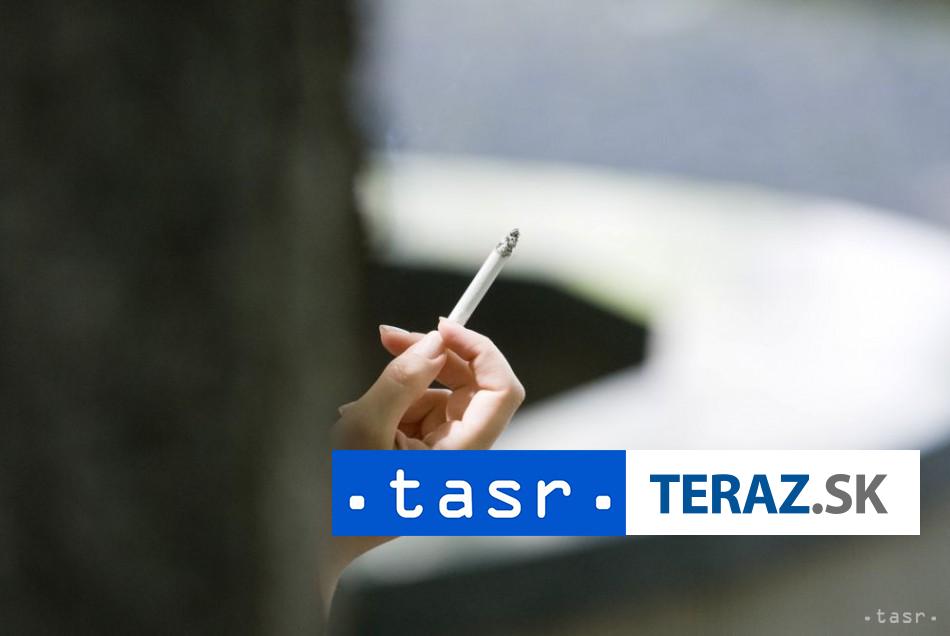
Slovak Waste Company Suspends Local Government Contracts Due to Legislative Issues

SPAK-EKO, a Slovak waste management company, has halted the signing of new agreements with local governments due to legislative complications. The decision comes as European countries are taking varied approaches to publicly funding the cleaning of cigarette filters from public spaces, with different nations implementing diverse financing models for this environmental issue.

|
Domestic Politics

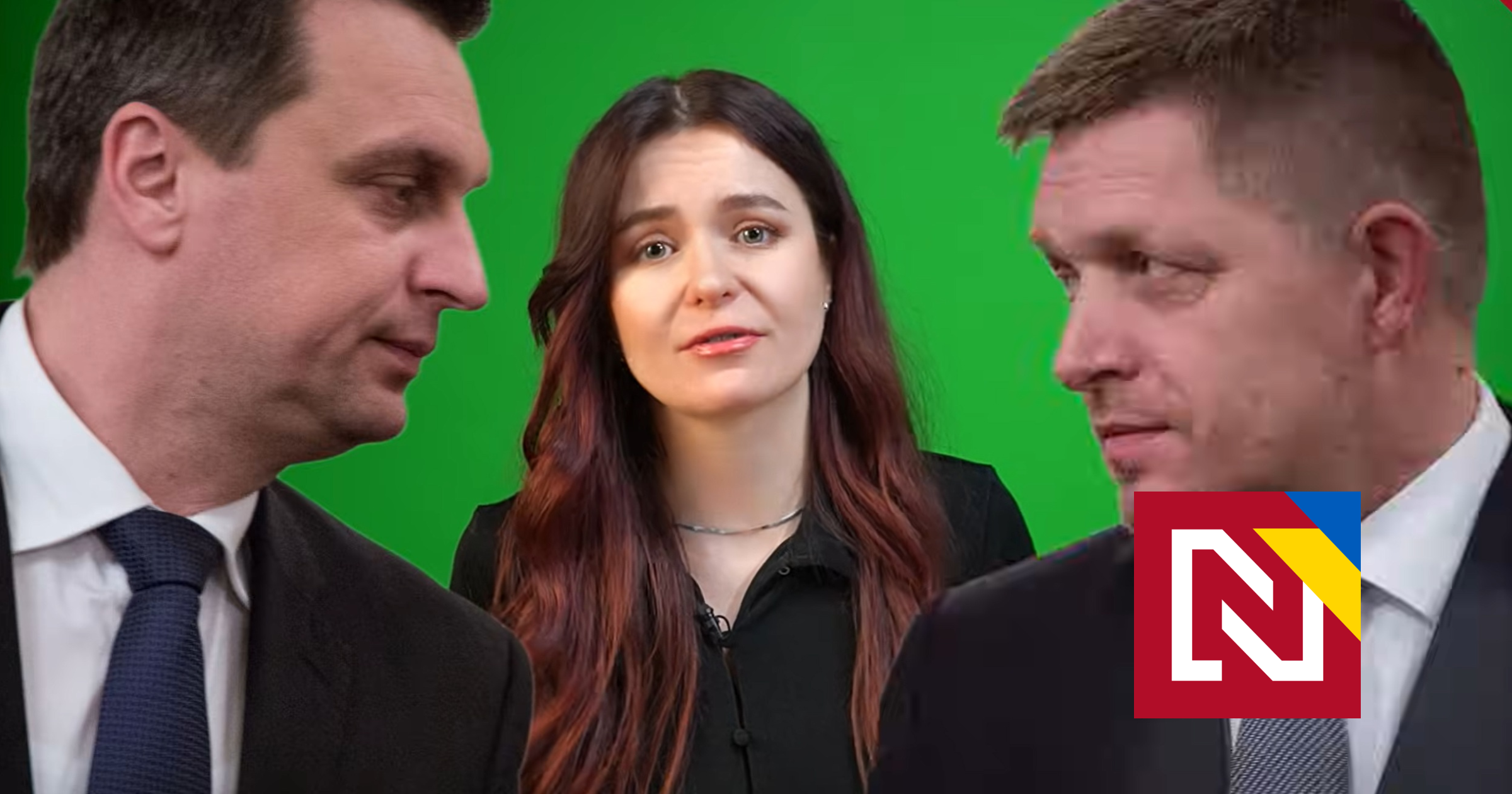
Slovak Prime Minister Fico Acknowledges He Won't Fulfill Campaign Promises

Slovak Prime Minister Robert Fico has admitted that he will not fulfill his campaign promises, according to a political analysis by Slovak news outlet Denník N. The admission represents a significant shift from the pledges made by Fico's Smer-SD party, which returned to power as part of a ruling coalition following parliamentary elections in September 2023. Fico, who has served as prime minister in multiple terms since 2006, leads the social-democratic Smer-SD party that campaigned on populist promises including opposition to military aid for Ukraine and criticism of European Union policies. The acknowledgment of unfulfilled promises could impact public trust in the government and potentially affect the stability of the ruling coalition, which also includes the nationalist Slovak National Party and the populist Hlas party.

|
Domestic Politics

Slovak PM Fico Accused of Using Peace Rhetoric to Deflect from Corruption Issues

Slovak Prime Minister Robert Fico has been accused by political commentators of preparing a strategy to deflect attention from corruption scandals by emphasizing peace and foreign policy issues. The criticism emerged during discussions about fuel prices, where Fico attacked opposition politicians over energy security concerns, calling them "monsters" seeking political points, then "children," and finally "liars" for claiming fuel prices are lower in neighboring countries. Political analysts suggest this rhetoric represents a broader pattern where Fico frames domestic critics as threats to peace and stability. The comments reflect ongoing tensions between Slovakia's ruling Smer-SD party, led by Fico, and opposition parties over economic policy and governance issues. Observers worry this approach could be used to minimize the importance of corruption investigations by portraying them as distractions from more pressing international concerns.

|
Domestic Politics

Supplementary Municipal Elections Take Place in 15 Slovak Communities

Supplementary municipal elections are being held in 15 communities across Slovakia, where voters are selecting mayors or local council members. These elections are typically organized when regular municipal positions become vacant due to resignations, deaths, or other circumstances that require new representatives to be chosen outside the standard electoral cycle. The elections allow residents in these communities to fill vacant local government positions and ensure continued municipal governance.

|
Domestic Politics

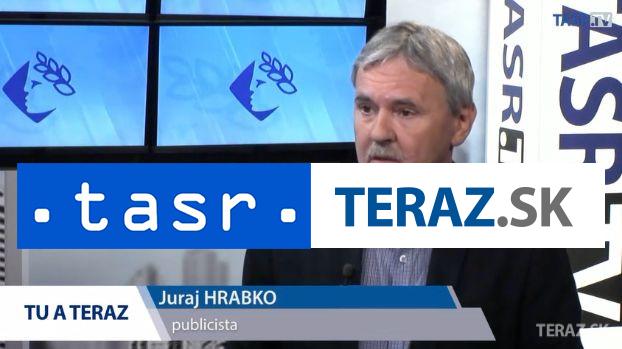
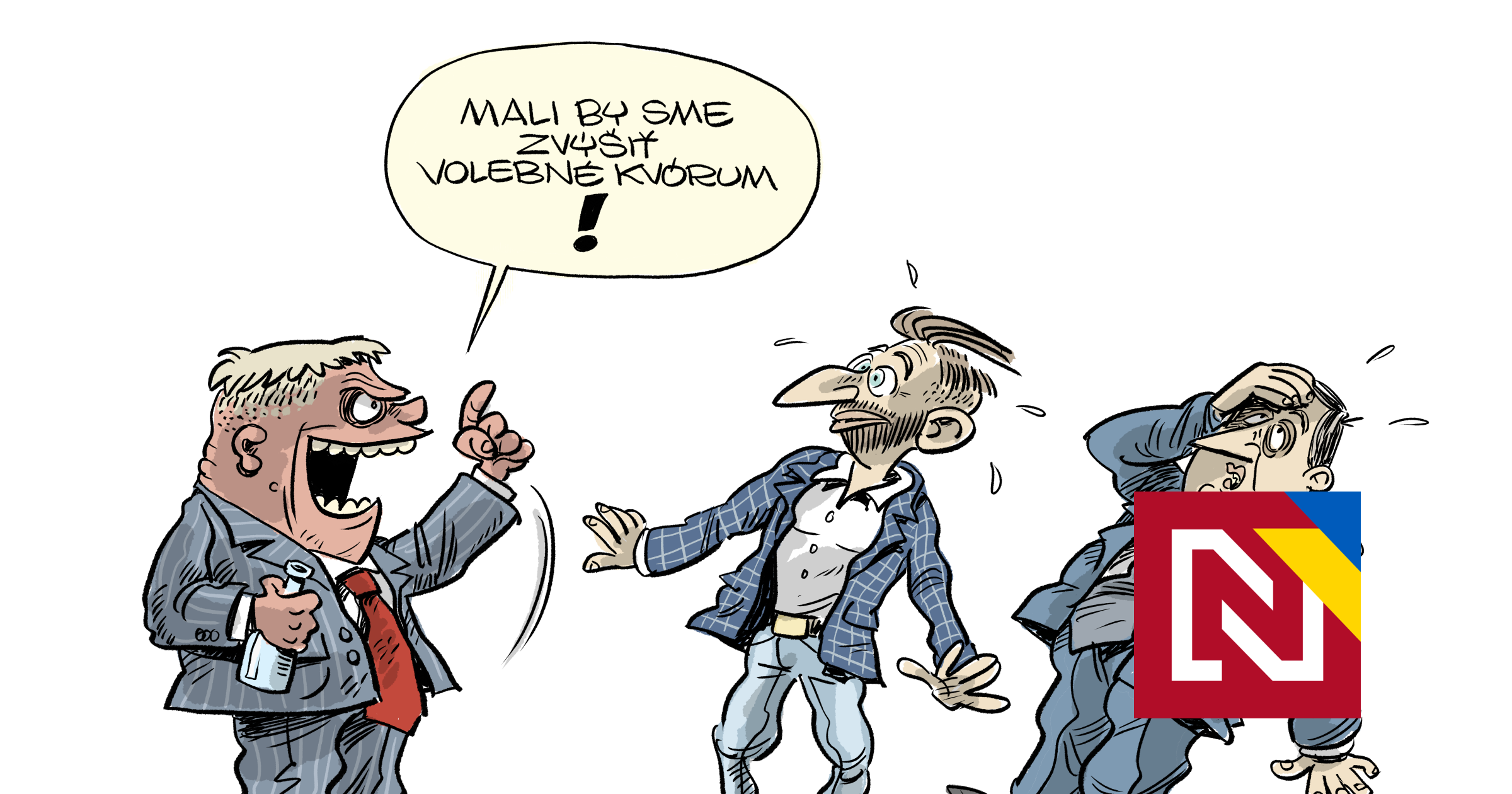
Slovak Official Dismisses Electoral Threshold Increase as 'Trial Balloon'

A Slovak official has dismissed proposals to raise the electoral threshold as unrealistic and merely a "trial balloon," according to statements made by Hrabko. Instead, the official pointed to more concrete proposals currently under consideration, including a planned bill to eliminate postal voting and discussions about increasing electoral deposits required from candidates. These electoral reform discussions come as Slovakia continues to debate changes to its voting system and election procedures.

|
Domestic Politics

Culture Minister Accused of Retaliating Against Arts Sector as Environmental Concerns Rise Over Ski Resort Development

Culture Minister Martina Šimkovičová faces accusations of taking revenge against the entire cultural sector, according to Slovak media reports. The allegations suggest systematic retaliation within the ministry's oversight of cultural institutions. Meanwhile, environmental concerns have emerged over TMR's construction of a ski slope, with critics arguing the project is causing significant damage to natural areas. The development has sparked debate about balancing tourism infrastructure with environmental protection in Slovakia's mountainous regions.

|
Domestic Politics

Slovak Court Acquits Bašternák in Bonaparte Case as PM Fico Responds to Media Investigation

A Slovak court acquitted businessman Bašternák in the Bonaparte corruption case, marking a significant development in one of the country's high-profile legal proceedings. The ruling comes amid heightened tensions between Prime Minister Robert Fico and investigative media, with Fico responding to recent reporting about a mysterious company and its properties. The Prime Minister's reaction suggests the investigation touched on sensitive political or business connections. Meanwhile, political observers are warning that Hungary's Viktor Orbán's continued hold on power could have negative implications for Slovakia, reflecting ongoing concerns about democratic backsliding in the Central European region.

|
Domestic Politics

Slovak President Defends Salary Increase Amid Opposition Criticism Over Government Spending

Slovak President Peter Pellegrini defended an automatic salary increase for top constitutional officials after facing criticism from the opposition. The opposition Slovensko movement condemned the automatic pay raises for the president, prime minister, and ministers as outrageous during a period when the government is implementing budget cuts. Pellegrini argued that his actual salary would be lower than reported and provided calculations to support his claim. The dispute over executive compensation has overshadowed broader discussions about public finance savings, highlighting tensions between the ruling coalition's austerity measures and perceived government spending on official salaries.

|
Domestic Politics

Slovak Government to Hold First Two-Day Regional Meeting in Nitra Region

The Slovak government will hold its first two-day regional meeting outside Bratislava in the Nitra region, marking an expanded format for such sessions. The cabinet plans to focus on five districts considered crucial for the country's economy during the extended meeting. Regional government meetings allow ministers to address local concerns and showcase policy implementation outside the capital, though this represents the first time such a session will span two days rather than the traditional single-day format.

|
Domestic Politics

Police Launch 22 Criminal Investigations into Drug Vending Machines

Slovak police have launched 22 criminal investigations targeting vending machines suspected of selling drugs and psychoactive substances. The investigations span multiple locations across the country, including incidents in Banská Bystrica and Poprad in eastern Slovakia. In one case from early March in Banská Bystrica, police seized a vending machine during a search operation after finding suspected psychoactive substances inside. The investigations represent a coordinated response to what appears to be an emerging method of illegal drug distribution through automated dispensing machines.

|
Domestic Politics

Opposition-flagged company did not receive state subsidy, minister confirms

Economy Minister Tomáš Drucker announced that a company previously highlighted by opposition parties did not receive government funding after additional screening procedures. Following supplementary controls and project reviews, 33 companies ultimately received subsidies, with several originally successful applicants failing to secure funding in the final allocation. The announcement comes amid ongoing scrutiny of the government's subsidy distribution process by opposition lawmakers who have raised concerns about potential irregularities in state funding decisions.

|
Domestic Politics

Fico Warns Euro Would Be Dangerous for Most Slovaks, Claims Currency Protects Against Expensive Loans

Slovak Prime Minister Robert Fico warned that the euro currency would be dangerous for the majority of Slovaks, while simultaneously arguing that it protects the country from expensive borrowing. Fico made these seemingly contradictory statements as he discussed Slovakia's eurozone membership. The euro adoption represents the last visible benefit of economic reforms implemented by former Prime Minister Mikuláš Dzurinda's government in the early 2000s. Dzurinda, who led center-right coalitions from 1998-2006, oversaw major economic liberalization policies that helped Slovakia qualify for EU and NATO membership, with euro adoption in 2009 being among the lasting achievements of that reform period.

|
Domestic Politics

Police Launch New Investigation Against Opposition Leader's Mother

Slovak police have initiated new criminal proceedings against Marta Šimečková, the mother of an opposition leader. The development marks a progression in an ongoing investigation, though Šimečková expressed surprise that authorities have not yet questioned her despite the advancing case. The investigation involves the mother of a prominent opposition figure, though specific details about the charges or nature of the criminal proceedings have not been disclosed.

|
Domestic Politics

Fico Warns of Election Interference as Critics Note His History of Achieving Political Goals

Slovak Prime Minister Robert Fico has issued warnings about potential interference in upcoming elections. Political analysts are urging the public to take Fico's statements seriously, noting that he and his associates demonstrated in 2021 that they had relatively precise knowledge of what they wanted to achieve politically. According to observers, Fico's team successfully implemented at least 80% of their political plan from that period. The warning comes as Slovakia prepares for future electoral contests, with Fico's Smer-SD party currently leading the ruling coalition government that returned to power in 2023 after defeating the previous liberal government.

|
Domestic Politics

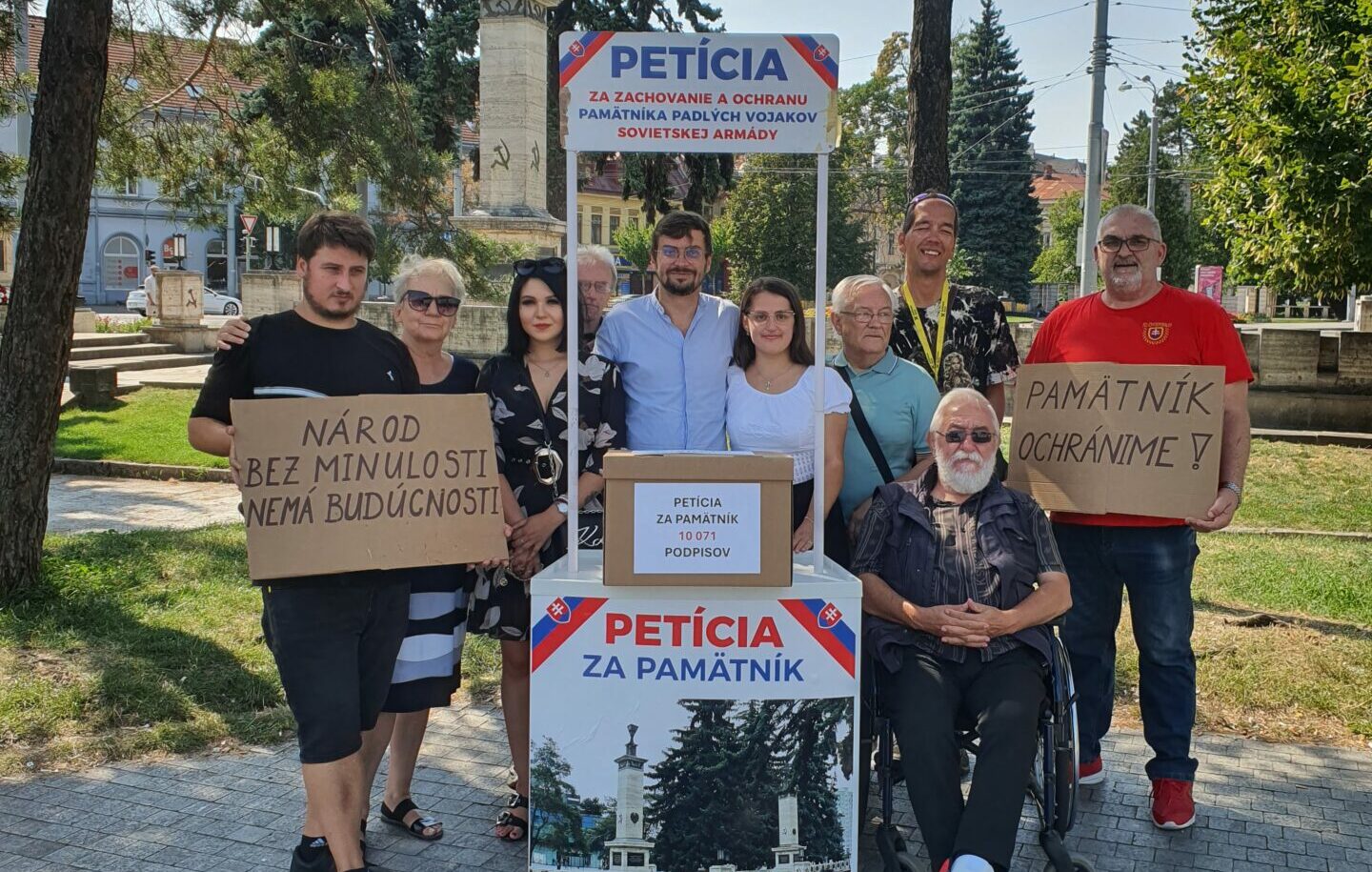
Petition supporters welcome new law strengthening protection of Soviet monuments in Košice

Activists who campaigned to protect Košice's Soviet Army Memorial and preserve the name of Liberation Square welcomed new legislation passed by Slovakia's parliament on Tuesday that increases criminal penalties for damaging monuments to victory over fascism. The petition drive, led by Alexander Riabov, collected over 10,000 physical signatures in 50 days last year calling for enhanced protection of the Soviet memorial. The National Council, Slovakia's parliament, approved the law on March 17, strengthening legal protections for World War II victory monuments. The debate over Soviet-era monuments has been contentious across Central Europe since the fall of communism, with some viewing them as symbols of liberation from Nazi occupation while others see them as reminders of subsequent Soviet domination.

|
Domestic Politics

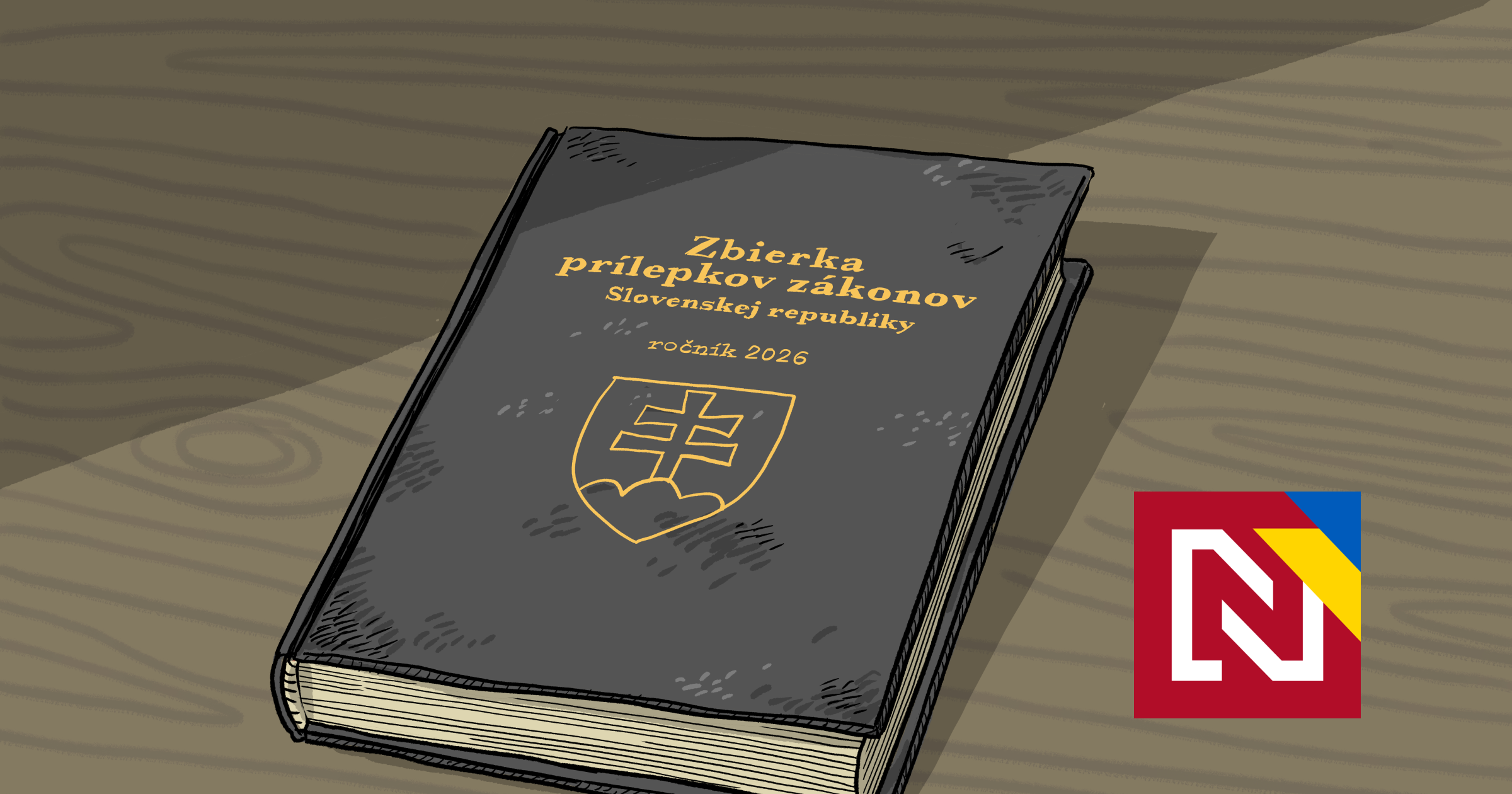
Slovak Government Abandons Failed Law Through Amendment to Cemetery Legislation

The Slovak government has quietly withdrawn a controversial failed piece of legislation by attaching it as an amendment to unrelated cemetery law. The move represents an unusual parliamentary maneuver to bury unsuccessful policy without formal withdrawal. Political commentators identified this development as a significant political misstep of the week, highlighting the government's handling of legislative failures. The tactic of using amendments to cemetery legislation to dispose of unrelated failed laws has drawn criticism for its lack of transparency in the legislative process.

|
Domestic Politics

Slovak Parliament Suspends Session, Key Votes Postponed Until After Easter

Slovakia's parliament suspended its extraordinary March session with dozens of agenda items left unvoted upon. The National Council, Slovakia's parliament, ended the special session without completing its legislative agenda, leaving numerous proposals in limbo. Lawmakers are scheduled to reconvene in April following the Easter holiday to vote on the outstanding measures. The suspension means that whatever legislative priorities the government or opposition parties had hoped to advance during the March session will face delays of several weeks.

|