Dávka - Your daily dose of Slovak news
Last refreshed: 02/07/2026 05:41 · 47 articles added
Stories are refreshed at 05:30, 10:30, 15:30, and 21:30 UTC.

Domestic Politics

View all2854 stories
Domestic Politics

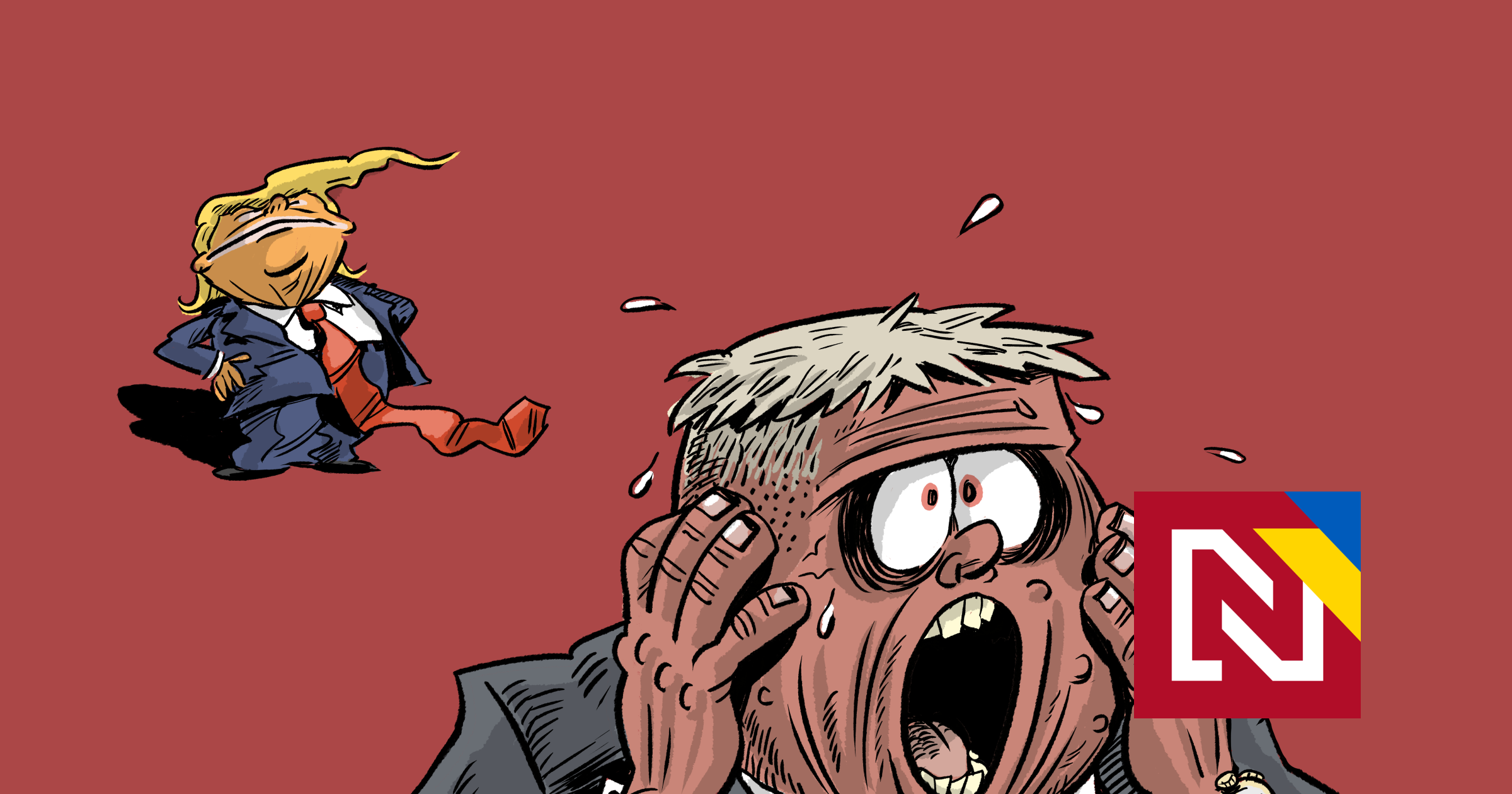
Slovakia Faces Months of Extreme Turbulence Amid Deteriorating Conditions

Slovakia has only a few months remaining before facing extreme turbulence, according to current assessments of the country's trajectory. The situation has been compounded by what observers describe as the catastrophic state Prime Minister Robert Fico has brought the country to. The warning suggests that Slovakia's political and economic stability may be approaching a critical breaking point, though specific details about the nature of the anticipated turbulence were not provided. Fico, who leads the ruling Smer-SD social-democratic party, returned to power in October 2023 after his coalition won parliamentary elections.

|
Domestic Politics

Constitutional Court accepts complaint over gag order against former theater director

Slovakia's Constitutional Court has accepted in full scope a complaint challenging a court order that prohibits the former director of the Slovak National Theatre from publicly discussing Culture Minister Martina Šimkovičová. The gag order has prevented ex-SND chief Matej Drlička from speaking about the minister since December. The Constitutional Court's decision to hear the case signals potential constitutional concerns about restrictions on freedom of expression in what appears to be a dispute between the former theater director and the culture minister.

|
Domestic Politics

Slovak Opposition Warns Against Prime Minister's Peace Rhetoric Echoing Putin

A Slovak commentator has criticized Prime Minister Robert Fico's approach to discussing peace, arguing that his rhetoric mirrors language commonly used by Russian President Vladimir Putin. The commentary specifically warned against using Slavín, a prominent World War II memorial in Bratislava, as a venue where Slovakia's independence could be compromised. Fico leads Smer-SD, the ruling social-democratic party in Slovakia's coalition government, and has previously expressed views on the Ukraine conflict that have drawn criticism from opposition parties and some EU partners who view his positions as too accommodating to Russian interests.

|
Domestic Politics

Slovakia's Prime Minister Fico Warns of New World Order at Slavín Memorial

Slovak Prime Minister Robert Fico delivered remarks at Slavín memorial in Bratislava, warning about a "new world order" and reciting poetry about peace. The event also drew attendance from Tomáš Bombic, who remained in the background during the proceedings. Slavín serves as Slovakia's main memorial to Soviet soldiers who died liberating Bratislava during World War II and is a traditional site for official commemorative events. Fico, who leads the ruling Smer-SD party, has frequently used such occasions to articulate his government's foreign policy positions, particularly regarding European security and Slovakia's relationship with major powers.

|
Domestic Politics

Slovak Coalition Shows Confusion Over Trump Policy Direction

Slovakia's ruling coalition has displayed uncertainty and mixed messaging regarding policy directions following Donald Trump's return to the presidency. The government appears divided on key strategic decisions, with officials presenting contradictory statements about future policy approaches. Interior Minister Matúš Šutaj Eštok has faced criticism for errors in his public communications. Questions have also emerged about the effectiveness of Slovakia's Office for the Protection of Whistleblowers, with critics questioning the institution's purpose and functionality.

|
Domestic Politics

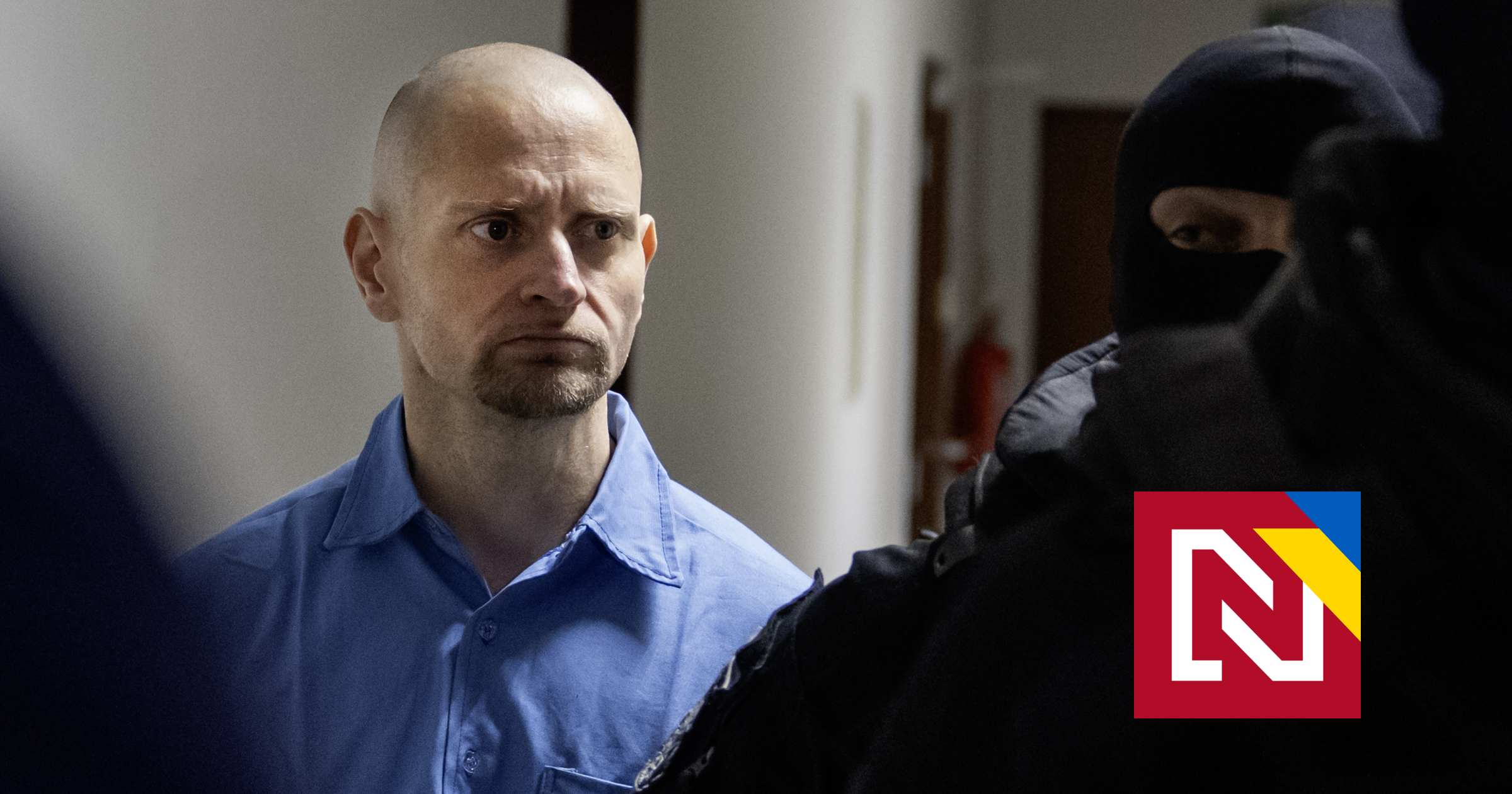
Kuciak Murder Trial: Killer Refuses to Testify in Latest Court Proceedings

Miroslav Marček, the convicted killer of investigative journalist Ján Kuciak and his fiancée Martina Kušnírová, refused to testify in ongoing court proceedings. Six years ago, Marček's testimony provided detailed accounts of what occurred in the couple's home during the February 2018 murders. However, his current silence prevented the court from reading his previous testimony, marking a significant change in his cooperation with judicial proceedings. The case continues to center around efforts by businessman Marián Kočner, who allegedly ordered the killings, though attempts to use surveillance photographs of Kuciak in his defense strategy have reportedly failed. The 2018 murders of Kuciak, who was investigating corruption and organized crime, and Kušnírová shocked Slovakia and triggered massive protests that led to the resignation of the prime minister and sparked major political changes in the country.

|
Domestic Politics

Cross-ministerial group prepares legislation on youth radicalization

A cross-ministerial working group is developing new legislation to address the radicalization of young people in Slovakia. Education Minister Tomáš Drucker from Hlas-SD, a junior partner in the ruling coalition, highlighted insufficient cooperation between various components of the system as a key challenge. The minister's comments suggest the government is seeking to strengthen coordination between different institutions - likely including education, security, and social services - to better prevent and respond to youth radicalization. The legislative initiative reflects growing concerns about extremist influences on young people and the need for a more integrated approach to addressing the issue.

|
Domestic Politics

Former Minister Jan Budaj's Criminal Charges Cancelled for Second Time

The General Prosecutor's Office has cancelled criminal charges against former minister Jan Budaj for the second time. Budaj, who previously served as environment minister in the government of Igor Matovič, had been re-charged by police in June 2025. The decision to cancel the charges has not yet been officially delivered to Budaj himself. The case now returns to investigators, who must again review the matter and make a new decision on whether to proceed with charges. This marks the second occasion that prosecutorial authorities have overturned police charges against the former minister, though the specific nature of the allegations against Budaj has not been disclosed.

|
Domestic Politics

Trial in Kuciak Murder Case Faces Delays as Key Witness Loses Voice

The high-profile trial in the murder case of investigative journalist Ján Kuciak has encountered complications after key witness Tomáš Marček lost his voice and appeared to have lost significant weight. The court proceedings, which are crucial to establishing the facts surrounding the 2018 killing that shocked Slovakia, are expected to continue with testimony from witness Szabó, followed by Andruskó. The case involves the assassination of Kuciak, an investigative journalist who was killed alongside his fiancée Martina Kušnírová at their home, a crime that triggered massive protests and ultimately led to the resignation of the government. The trial has drawn intense public attention as it seeks to uncover the full truth behind the murders that exposed deep-seated corruption and organized crime connections in Slovak politics.

|
Domestic Politics

Opposition Party Proposes Fuel Vouchers as Government Criticized Over Rising Energy Costs

Progressive Slovakia (PS), the main opposition party, has proposed a package of energy measures including fuel vouchers to help citizens cope with rising fuel costs. Party leader Michal Šimečka criticized the Slovak government for inaction on fuel prices, claiming that governments across the European Union are taking steps to address the issue while Slovakia's ruling coalition remains passive. The opposition's proposal represents an attempt to pressure the government to provide financial relief to consumers facing higher energy costs.

|
Domestic Politics

Slovak MP Hajko Quits Parliament, Criticizes Christian Democrats' Direction

Slovak MP Hajko announced his departure from the National Council, Slovakia's parliament, citing dissatisfaction with the direction of his party, the Christian Democratic Movement (KDH). Hajko criticized KDH for abandoning its focus on addressing everyday problems faced by citizens and expressed regret about the party's current trajectory. He referenced what he called a "sea of populism" and mentioned a "Greek scenario," while also discussing who should lead the movement. The departing lawmaker also expressed frustration that the opposition had failed to "clean up" Prime Minister Robert Fico, suggesting the opposition parties have been ineffective in challenging the current government. KDH is a center-right Christian democratic party that has traditionally been part of Slovakia's opposition, advocating for conservative social values and European integration.

|
Domestic Politics

Prosecutor Drops Perjury Charges Against Key Witness in Slovak Police Scandal

A prosecutor has dropped perjury charges against Peter Petrov, a key witness in the high-profile case involving two former operatives from the National Criminal Agency (NAKA), Slovakia's elite police unit. The development represents another twist in the controversial case that has drawn significant public attention. The case centers on allegations involving the two former NAKA operatives, though the specific nature of their charges remains unclear. Petrov's testimony appears to have been crucial to the proceedings, making the dismissal of charges against him potentially significant for the overall investigation.

|
Domestic Politics

MP Jozef Hajko to Leave Parliament, Eastern Slovak Gabriel Paľa to Take His Seat

Jozef Hajko will step down from his parliamentary seat, with Gabriel Paľa from eastern Slovakia set to replace him. The movement has confirmed it respects Hajko's decision to leave the National Council, Slovakia's parliament. The departure represents a routine personnel change within the parliamentary delegation, though the specific reasons for Hajko's resignation were not disclosed.

|
Domestic Politics

Slovak Opposition Party Rejects Government's Public Transport Price Cuts, Demands Lower Fuel Taxes Instead

The opposition Freedom and Solidarity party (SaS) has rejected Prime Minister Robert Fico's plan to reduce prices for trains and buses, instead calling for cheaper fuel through tax cuts. SaS is demanding lower excise taxes on fuel and reduced value-added tax on gasoline and diesel. The disagreement highlights different approaches to addressing transportation costs in Slovakia, with the ruling government focusing on public transport subsidies while the liberal opposition party advocates for broader fuel tax reductions that would benefit all drivers.

|
Domestic Politics

Slovak Government Plans New Coordination Body for State Building Management

The Slovak government has announced plans to establish a coordination body responsible for managing state administration buildings across the country. The new organization will oversee strategic planning, management, and methodological guidance for the efficient use of government-owned properties. The move appears aimed at improving the coordination and cost-effectiveness of how Slovakia's various state institutions utilize their real estate assets, though specific details about the body's structure, budget, or timeline for implementation have not been disclosed.

|
Domestic Politics

Slovak Coalition Council Addresses Oil Crisis and Parliamentary Strategy

Slovakia's ruling coalition parties met to discuss the country's ongoing oil supply crisis and coordinate their strategy ahead of a crucial April parliamentary session. The Coalition Council, which comprises representatives from all governing parties, reached agreement on a unified approach and outlined next steps for addressing both issues. The government office declined to provide detailed information about the specific decisions made during the meeting. The discussions come as Slovakia faces energy supply challenges and prepares for what appears to be a significant upcoming session of the National Council, the country's parliament.

|
Domestic Politics

Convicted murderer Marček appears emaciated at court hearing, remains silent

Miroslav Marček appeared in a visibly weakened and emaciated condition when escorted to court, where he refused to comment on the charges against him. The convicted killer spoke only two sentences before the judicial panel during the hearing. Marček was one of the key figures in the 2018 murder of investigative journalist Ján Kuciak and his fiancée Martina Kušnírová, a case that exposed high-level corruption and triggered mass protests that eventually brought down the government. The double murder shocked Slovakia and became a watershed moment in the country's fight against corruption and organized crime.

|
Domestic Politics

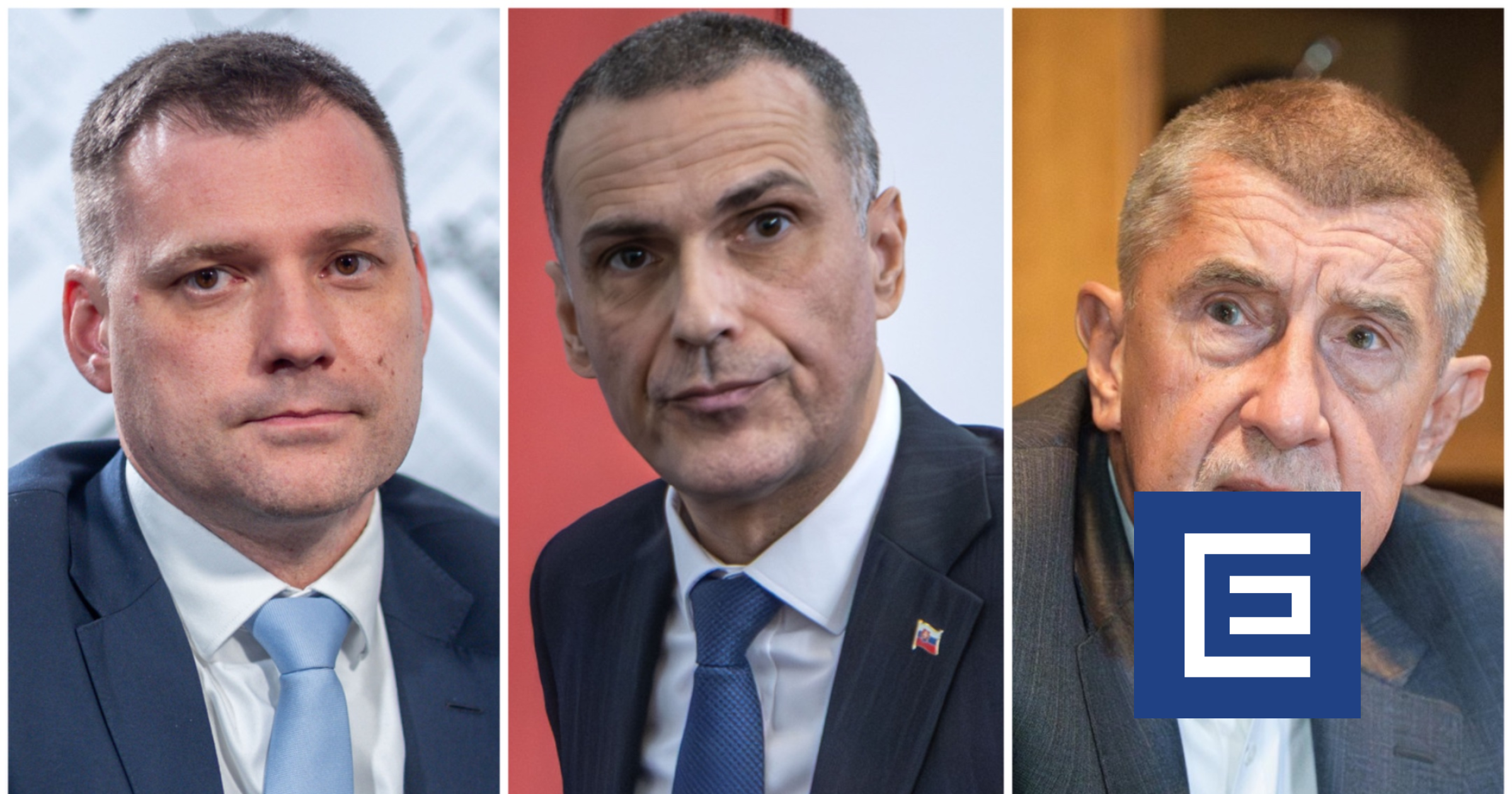
Prosecutor General's Office Claims Legal Violations in Istrochem Environmental Case

Slovakia's Prosecutor General's Office has filed a protest claiming legal violations occurred in the Istrochem environmental liability case, a development that could potentially reverse the case's outcome. The case involves a multi-million euro environmental burden linked to Czech Prime Minister and businessman Andrej Babiš, who was reportedly close to resolving his biggest business problem in Slovakia. Environment Minister Tomáš Taraba, nominated by the Slovak National Party (SNS), was allegedly prepared to assist Babiš in addressing this environmental liability. The prosecutor's office sent its explanation in copy to Taraba, suggesting official involvement in the matter. The Istrochem case represents one of Slovakia's most significant environmental liability issues, with potential implications for both Slovak environmental policy and the business interests of the Czech leader.

|
Domestic Politics

Slovak MP Ján Ferenčák Claims Political Persecution Over Criminal Investigation

Slovak Member of Parliament Ján Ferenčák has been summoned for questioning by the Office for Combating Organized Crime in connection with two separate cases. Ferenčák, who serves in the National Council, Slovakia's parliament, maintains that the criminal proceedings against him constitute political persecution rather than legitimate law enforcement action. The Office for Combating Organized Crime is a specialized unit that investigates serious criminal matters including organized crime and high-level corruption cases.

|
Domestic Politics

KDH Lawmaker Hajko Resigns Parliamentary Seat Over Policy Disagreements

Jozef Hajko, a member of parliament for the Christian Democratic Movement (KDH), announced he is resigning his parliamentary mandate due to his inability to advance his policy priorities within the party. Hajko cited disagreements with the direction KDH is taking as the reason for his departure from parliament, though he will remain a member of the movement. KDH is a center-right Christian conservative party that currently sits in opposition to the ruling coalition led by Robert Fico's Smer-SD party. The resignation reduces the opposition's representation in the National Council, Slovakia's parliament, though the specific policy disputes that prompted Hajko's decision were not detailed in his announcement.

|