Dávka - Your daily dose of Slovak news
Last refreshed: 02/07/2026 05:41 · 47 articles added
Stories are refreshed at 05:30, 10:30, 15:30, and 21:30 UTC.

Domestic Politics

View all2854 stories
Domestic Politics

Slovak Government Criticized for Raising Officials' Salaries While Citizens Face Economic Hardship

Political scientist Radoslav Štefančík has criticized the Slovak government for increasing officials' salaries while imposing economic burdens on citizens and local governments. Štefančík described the administration as living in a "golden bathtub" while ordinary people struggle with the economic crisis. The political analyst argued that politicians should lead by example rather than governing like monarchs, particularly when asking citizens to make sacrifices. He characterized the government's approach as creating a poor impression, with officials acting as if they are untouchable while the rest of the country suffers from economic difficulties.

|
Domestic Politics

Kováčik iPhone Case Ends at Questionable Court Amid Tug-of-War

A controversial legal case involving former Special Prosecutor Dušan Kováčik's iPhone has concluded at a court of disputed legitimacy, with critics describing the proceedings as involving behind-the-scenes manipulation. The case stems from a broader dispute with the Slovak Football Association (SFZ) over 17 million euros, which has ostensibly quieted but continues to develop. Kováčik previously served as head of the Special Prosecutor's Office, which handles major corruption and organized crime cases in Slovakia, before being convicted of corruption charges himself. The iPhone case appears connected to evidence-gathering efforts in ongoing investigations, though the specific court's legitimacy has been questioned by legal observers who suggest the proceedings involve inappropriate influence or procedural irregularities.

|
Domestic Politics

Slovak PM Fico Acknowledges Hospital Crisis Ahead of Elections as Police, EU Scrutinize Government Actions

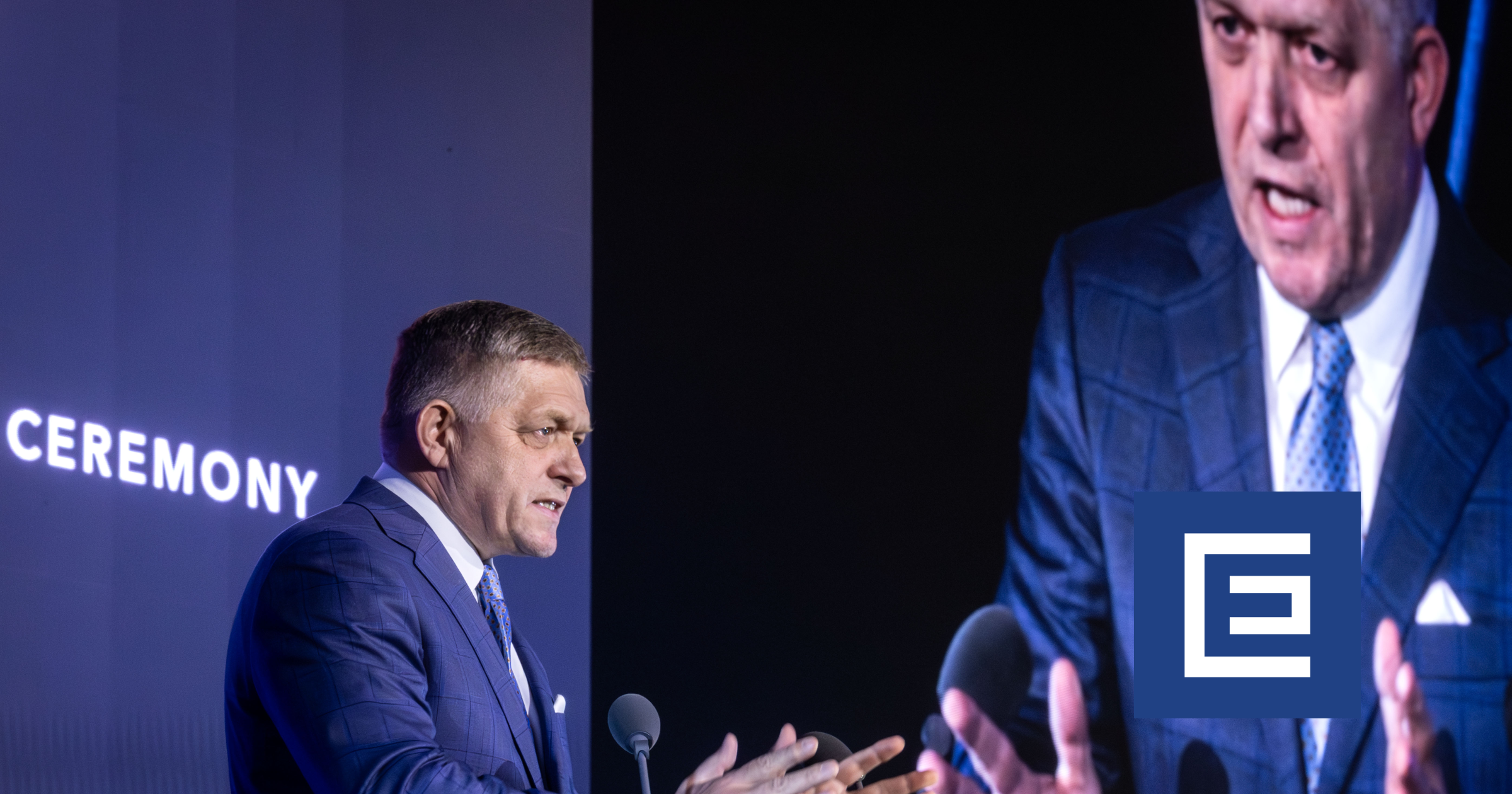
Slovak Prime Minister Robert Fico acknowledged in 2026 that the state of the country's hospitals is shocking, potentially signaling recognition of challenges facing his government ahead of upcoming elections. Meanwhile, police have already rejected claims of election interference working against Fico's interests. Separately, the European Commission has launched an investigation into what has been characterized as a takeover of Slovakia's public broadcaster. Fico leads Smer-SD, the ruling social-democratic party that has faced mounting criticism over various policy issues and institutional changes since returning to power.

|
Domestic Politics

Fico Acknowledges Shocking State of Hospitals as Election Campaign Issues Mount

Slovak Prime Minister Robert Fico acknowledged in 2026 that the state of the country's hospitals is shocking, marking a significant admission ahead of upcoming elections. Meanwhile, police have already encountered allegations of election interference working against Fico's interests, suggesting early signs of campaign-related tensions. Separately, the European Commission is investigating what has been characterized as a 'hijacking' of public broadcasting, adding to mounting scrutiny of media control in Slovakia. These developments indicate growing pressure on Fico's government as the electoral period approaches, with healthcare crisis acknowledgment, election integrity concerns, and EU oversight of media freedom emerging as key issues.

|
Domestic Politics

Nitra Regional Governor Could Bridge Coalition Talks Between Hlas and Republika Parties

Milan Becík, the regional governor of Nitra, has emerged as a potential mediator in coalition negotiations between the Hlas party and the far-right Republika party. Republika has confirmed that discussions about joint cooperation are underway. The development suggests possible shifts in Slovakia's political landscape, as Hlas, a social-democratic party that split from the ruling Smer-SD party in 2020, explores partnerships with Republika, a nationalist party led by Milan Uhrík that entered parliament in the 2023 elections. Becík's role as a bridge between the two parties could prove significant for future coalition arrangements, though the ideological distance between the centrist Hlas and the far-right Republika represents a notable political realignment.

|
Domestic Politics

Slovakia's PM Withdraws Train Fare Reduction Proposal, Experts Question Effectiveness

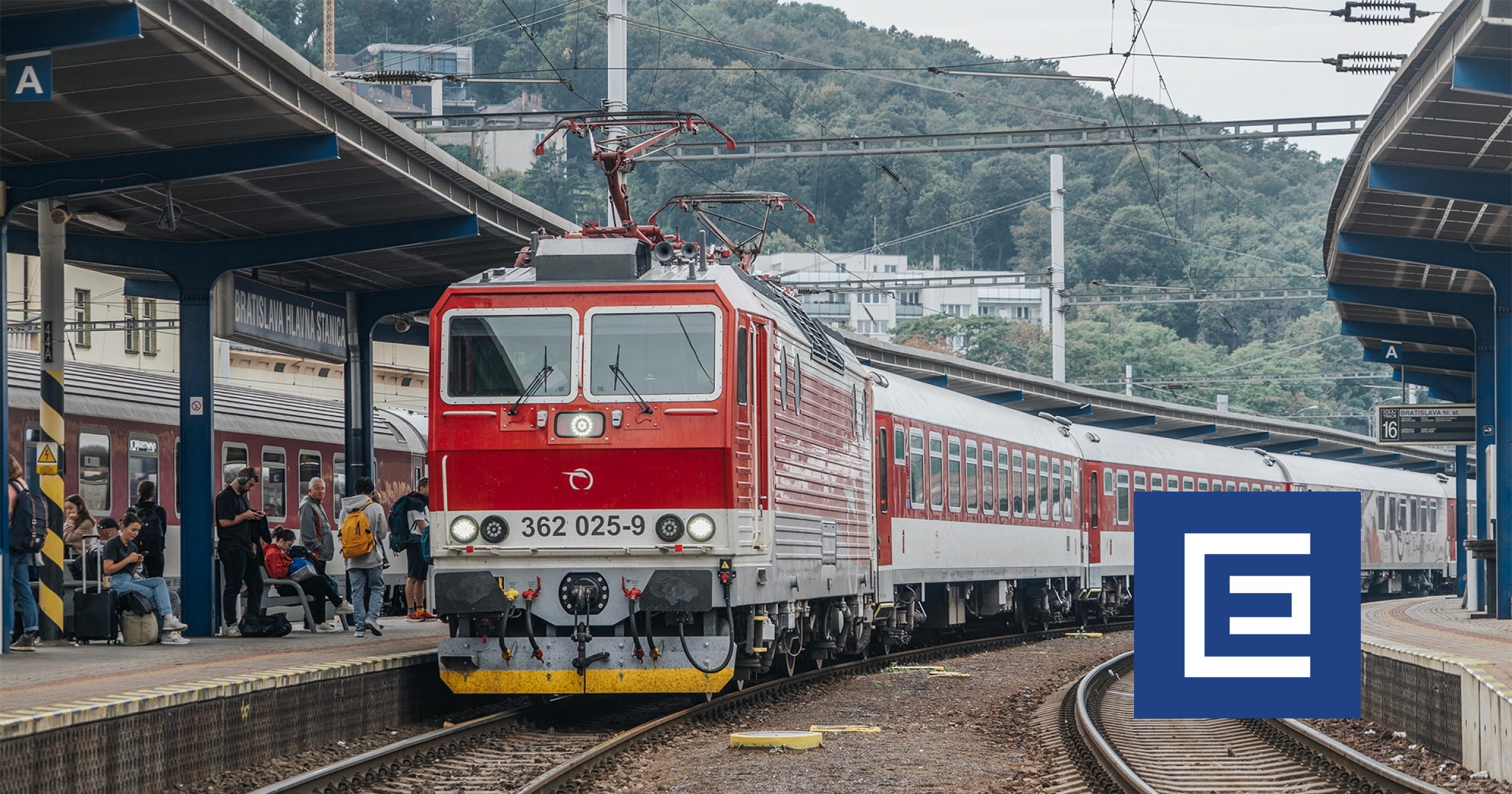
Prime Minister Robert Fico withdrew a proposal to temporarily reduce train ticket prices from Wednesday's government meeting, despite initially presenting it as a way to encourage people to switch from cars to public transport. The plan aimed to create pressure for shifting people from personal car travel to mass transit. However, transportation experts argue that fare reductions alone will not attract passengers to trains, emphasizing that improved service reliability would be more effective in boosting ridership. The withdrawal suggests the government may be reconsidering its approach to promoting public transportation usage amid ongoing discussions about the country's transport infrastructure and environmental goals.

|
Domestic Politics

Slovak Politicians Participate in National Security Attack Simulation

Slovak political leaders from both the ruling coalition and opposition participated in a national security simulation exercise involving a hypothetical attack on Slovakia. The exercise was hosted by President Peter Pellegrini at the presidential palace. Proposals for constitutional changes and declaring a "state of threat" were reportedly dropped from consideration during the discussions. Both coalition and opposition representatives described the meeting as constructive, suggesting a rare moment of cross-party cooperation on national security matters. The simulation exercise reflects Slovakia's efforts to strengthen its crisis preparedness and response capabilities amid regional security concerns in Central Europe.

|
Domestic Politics

Slovakia's Media Regulator Opens Proceedings Against Public Broadcaster Over Impartiality Concerns

The Council for Media Services has initiated proceedings against STVR, Slovakia's public radio and television broadcaster, for allegedly failing to ensure impartiality in its programming. The action stems from an episode of the talk show "Odpovede s Ankou Žitnou" (Answers with Anka Žitná) that featured Culture Minister Martina Šimkovičová as a guest. The Council for Media Services serves as Slovakia's media regulatory authority, responsible for overseeing compliance with broadcasting standards including requirements for balanced and impartial coverage by public media outlets. Public broadcasters in Slovakia are legally required to maintain political neutrality and provide balanced coverage of different viewpoints.

|
Domestic Politics

Healthcare Audit Reveals High Doctor Salaries and Afternoon Surgery Gaps, Prompts Constitutional Law Proposal

A healthcare audit conducted by Health Minister Kamil Šaško has revealed findings that reportedly shocked Prime Minister Robert Fico, showing that hospitals employ large numbers of doctors who receive substantial salaries while afternoon surgical procedures remain limited. The audit findings have prompted Fico to propose creating a constitutional law specifically governing hospitals. Šaško serves as health minister in Fico's coalition government, which returned to power after winning parliamentary elections in 2023. The proposed constitutional law would establish stronger legal foundations for hospital operations and healthcare management, though specific details of the audit's findings and the proposed legislation have not been disclosed.

|
Domestic Politics

Opposition Says New State of Emergency Not Currently Needed After Presidential Meeting

Slovak opposition parties stated that introducing a new state of emergency is not currently necessary following discussions with the president. Defense Minister Robert Kaliňák expressed support for a joint proposal to improve the effectiveness of the country's armed forces. The meeting comes amid ongoing political discussions about emergency powers and defense capabilities in Slovakia, where the government coalition led by Smer-SD has been exploring various security measures. The opposition's position suggests disagreement with the ruling parties over the need for enhanced emergency authorities at this time.

|
Domestic Politics

Slovak Opposition Leaders Face Criticism Over Unfulfilled Campaign Promises

Opposition politicians Jana Saková and Michal Kamenický are facing criticism for promoting empty campaign promises, according to a commentary that compared their political strategy to serving processed meat when lacking proper ingredients. The criticism appears to target their approach of making unrealistic pledges to voters without having concrete plans or resources to deliver on them.

|
Domestic Politics

Slovak PM Fico Accused of Buying Votes with Transport Discounts Ahead of Elections

Slovak Prime Minister Robert Fico has returned to promising cheaper public transport fares after 12 years, drawing criticism that he is attempting to buy votes ahead of upcoming elections. Richard Rybníček, president of the Union of Slovak Towns, accused Fico of using transport discounts to purchase public support, stating that "people are not stupid, they know that Robert Fico is buying them with discounts on trains and buses." Rybníček noted that Fico is already in election campaign mode, making this the second warning from social partners about the government's pre-election influence. Earlier, Rastislav Machunka, another social partner representative, similarly criticized the ruling government for taking steps a year and a half before elections that could sway the campaign. The criticism reflects growing concerns about the government's use of populist measures to secure electoral advantage.

|
Domestic Politics

Slovak PM Contradicts Environment Minister's Statements About Battery Plant Project

Prime Minister Robert Fico has contradicted statements by Environment Minister Tomáš Taraba regarding a planned battery manufacturing plant in Šurany, creating confusion over a major industrial investment. Taraba, nominated by the Slovak National Party (SNS), claimed the battery plant project would not proceed, while Fico insisted the project would continue as planned. The conflicting statements have alarmed industry representatives and the investor, who had planned to begin production in 2027. Industry officials described Taraba's comments as incomprehensible, warning they could jeopardize the key investment project. The disagreement highlights tensions within Slovakia's ruling coalition, with observers suggesting Taraba's statements may be linked to his political positioning and efforts to appeal to voters of extremist parties.

|
Domestic Politics

Former Constitutional Court Chief Calls on Slovak Judges to Make 'Political' Calculations in Justice System

A former president of Slovakia's Constitutional Court has issued a public appeal to judges, urging them to make "political" calculations in their judicial decisions and become "the most dangerous people in Slovak justice." The commentary comes in response to the recent release of Daniel Bombic, who was freed from detention this week by the Supreme Court. The Supreme Court's senate apparently took into account a suspended prison sentence of four years and found no criminal facts that would justify continued detention. The former Constitutional Court chief, who also previously headed the judicial council that oversees court administration, framed his appeal as a response to current developments in the Slovak justice system.

|
Domestic Politics

Slovak Opposition Considers New Political Formation Following Recent Protests

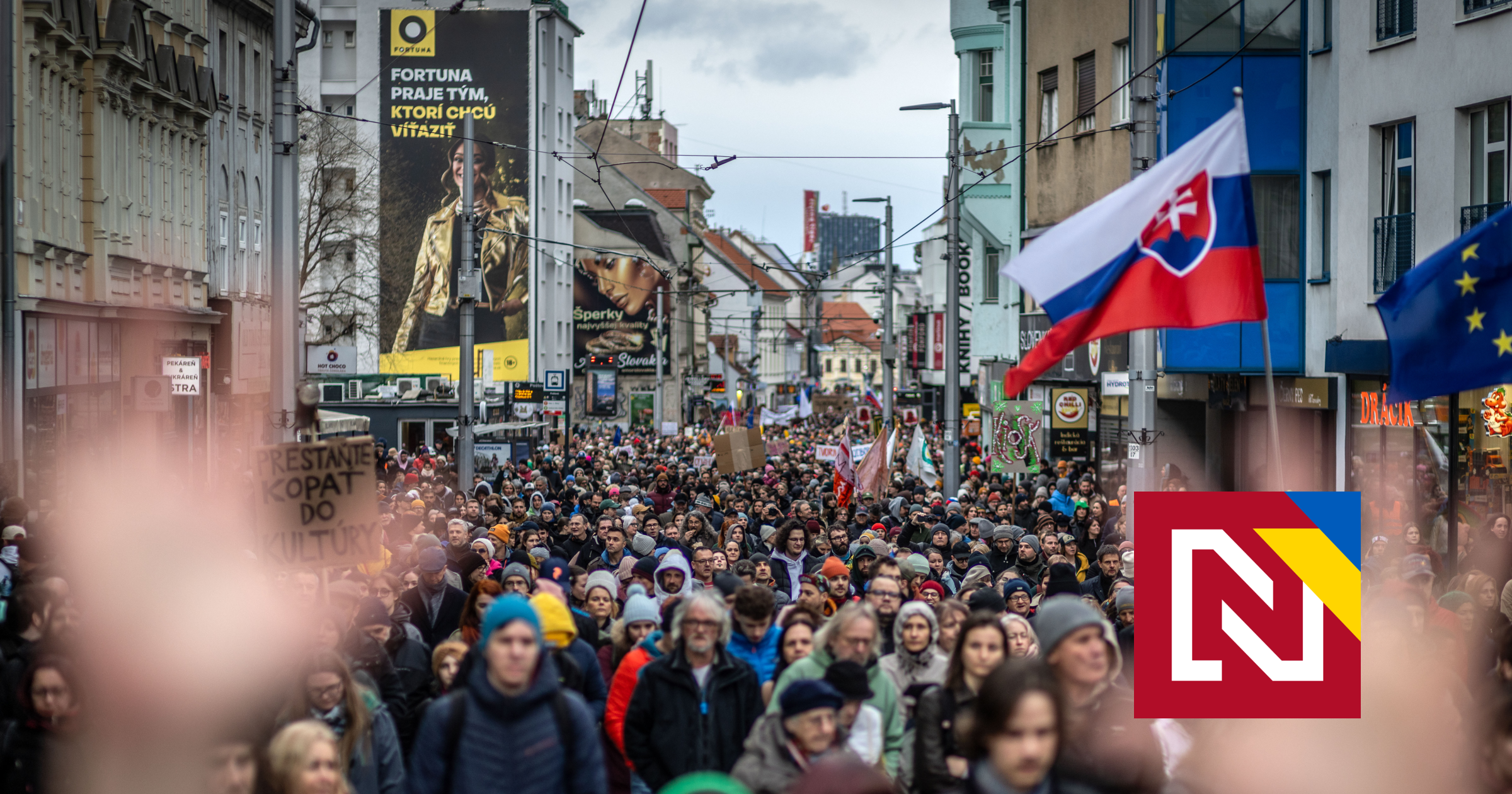
Slovak opposition figures are exploring options for new political cooperation following recent protest movements, with discussions centering on either forming a broad coalition for what organizers call "civilizational rescue" or creating an entirely new political party emerging from street demonstrations. The deliberations reflect growing political tensions in Slovakia amid what observers describe as a period of extreme politicization but limited concrete political outcomes. The potential new formation would aim to channel public dissatisfaction expressed during recent protests into organized political opposition to the current government led by Robert Fico's Smer-SD party.

|
Domestic Politics

Slovak Official Demoted from Director to Temporary Worker After Media Scrutiny

A Slovak government official who held a director-level position was demoted to temporary worker status after media outlets began investigating the case. The official had been serving in seventeen different director roles simultaneously before the demotion occurred following increased media attention. The case highlights issues within Slovakia's public administration regarding the concentration of multiple high-level positions under single individuals and the apparent response to public scrutiny of such arrangements.

|
Domestic Politics

Erik Tomáš Strengthens Trade Unions as Colleague Also Eyes Labor Leader Position

Erik Tomáš, a member of the ruling Hlas party, is working to strengthen Slovakia's trade union movement while making it more difficult to dismiss union leaders from their positions. A colleague from Hlas has also expressed interest in pursuing the top trade union leadership role. The developments come as Slovakia's labor movement undergoes potential leadership changes, with political figures from the governing coalition showing increased involvement in union affairs.

|
Domestic Politics

Survey shows ethnic Hungarians in Slovakia would prefer Orban over Magyar

A new poll reveals that ethnic Hungarians living in Slovakia would choose Hungarian Prime Minister Viktor Orban over Michal Magyar, head of the opposition Progressive Slovakia party, according to survey results. The findings show Magyar enjoys support primarily among opposition voters. The survey highlights the complex political loyalties of Slovakia's Hungarian minority, who represent about 8.5% of the country's population and are concentrated mainly in southern regions bordering Hungary. The results suggest that ethnic ties and Orban's influence may outweigh domestic Slovak political preferences among this demographic, potentially reflecting broader regional dynamics where Orban's Fidesz party maintains strong support among Hungarian communities across Central Europe.

|
Domestic Politics

SaS MP Jana Bittó Cigániková Praises Boris Kollár's Change, Won't Leave Party

Jana Bittó Cigániková, a member of parliament for the liberal Freedom and Solidarity party (SaS), said she will not leave her party despite internal tensions and praised Boris Kollár for changing his political stance. Cigániková, speaking about the current political landscape, acknowledged that both Republika and Smer-SD sometimes make valid points, particularly when they align with her party colleague Richard Sulík's positions. She expressed a markedly different view of Kollár, the speaker of parliament and leader of We Are Family, compared to her past criticism, saying he has learned from his mistakes and now speaks differently than he acted when his party was part of the previous ruling coalition. While acknowledging that Kollár's transformation might be opportunistic, Cigániková said this does not concern her. She also suggested that SaS should actively court voters from the far-right Republika party as part of its political strategy.

|
Domestic Politics

Police Find No Evidence for Fico's Claims of British Election Interference

Slovak police have concluded an eight-month investigation without finding evidence to support claims by Prime Minister Robert Fico that Britain interfered in Slovakia's 2023 parliamentary elections. Last summer, Fico's Smer-SD party, which leads Slovakia's ruling coalition, alleged that the United Kingdom attempted to influence the elections against their interests. The investigation by elite police units has now been closed after failing to substantiate these accusations. The claims were part of broader allegations made by the social-democratic Smer party during and after the electoral campaign that brought Fico back to power for his fourth term as prime minister.

|