Dávka - Your daily dose of Slovak news
Last refreshed: 02/07/2026 05:41 · 47 articles added
Stories are refreshed at 05:30, 10:30, 15:30, and 21:30 UTC.

Domestic Politics

View all2854 stories
Domestic Politics

Slovak Government to Create Digital Transformation Council and Approve New Liability Law

The Slovak government is preparing to establish a Council for Digital Transformation and Artificial Intelligence, designed to set the country's strategic direction in modern technology development. The cabinet is also expected to approve a new law on liability for damages and appoint three new members to the board of the Slovak Competition Authority. The digital transformation council represents Slovakia's effort to formalize its approach to emerging technologies and artificial intelligence policy at the governmental level.
|
Domestic Politics

Kuciak Murder Case to Continue with Testimony from Convicted Killer Marček

The high-profile murder case of investigative journalist Ján Kuciak is set to continue with testimony from Miroslav Marček, one of the convicted killers. Marček is currently serving a 25-year prison sentence for the murders of Kuciak and his fiancée Martina Kušnírová. The 2018 double murder shocked Slovakia and triggered massive anti-corruption protests that ultimately led to the resignation of then-Prime Minister Robert Fico and his government. Kuciak had been investigating alleged ties between Slovak politicians and the Italian 'Ndrangheta mafia at the time of his killing. The case has remained one of the most significant criminal proceedings in modern Slovak history, with ongoing legal proceedings involving other suspects connected to the murders.

|
Domestic Politics

Slovakia's Public Broadcaster Under Fire for Pro-Government Bias in Discussion Programs

Slovakia's Media Services Council has warned the public broadcaster STVR about political bias in its discussion programs, which have become dominated by representatives from the ruling Smer-SD party. The regulatory body raised concerns that the state-funded television network is being used for public relations purposes rather than providing balanced coverage. STVR is Slovakia's public service broadcaster, funded by taxpayers and required by law to maintain editorial independence and provide impartial coverage of political affairs. The Media Services Council serves as the country's broadcasting regulator, monitoring compliance with media laws and standards. The warning highlights ongoing tensions over media independence in Slovakia, where critics have raised concerns about political influence over public broadcasting since the current government took office.

|
Domestic Politics

Interior Minister Approved Terrace Renovation at PM Fico's Official Residence

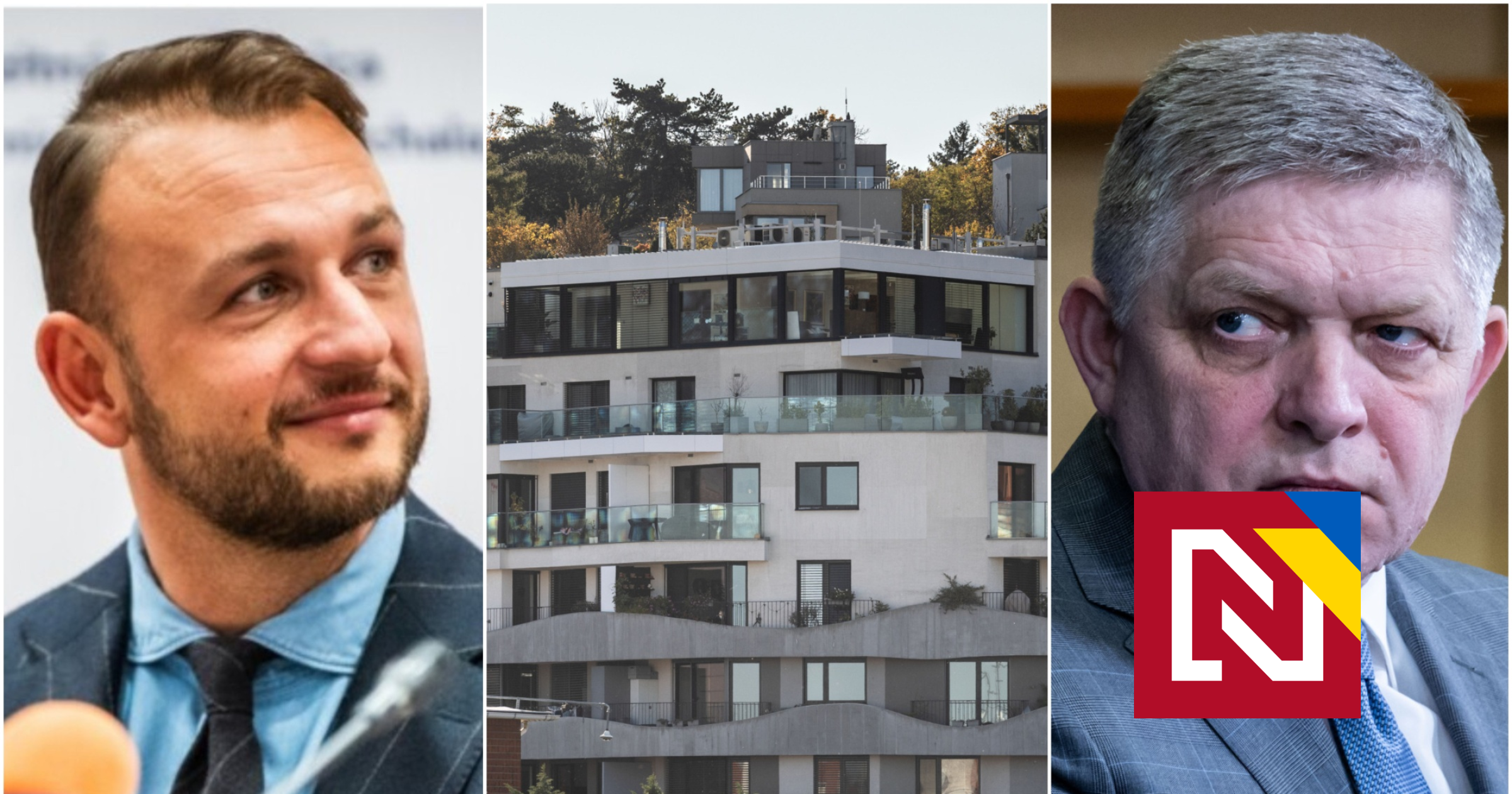
The Interior Ministry's building authority has approved a renovation of the terrace at the Sokolská residence beneath Slavín Hill, significantly expanding Prime Minister Robert Fico's apartment interior. Fico quietly enclosed approximately half of the terrace—around 95 square meters—with roofing and windows, effectively increasing his living space. The apartment originally measured about 125 square meters before the renovation. The ministry has not disclosed whether the state paid for the construction work. Fico, who leads the ruling social-democratic Smer party, resides at the official government residence located in Bratislava's prestigious Slavín area. The renovation effectively converted outdoor terrace space into enclosed interior rooms, substantially expanding the prime minister's personal quarters at the state-owned property.

|
Domestic Politics

Slovak Interior Ministry to Provide Audi Q7 SUVs for Constitutional Officials and Diplomatic Security

Slovakia's Interior Ministry will provide Audi Q7 SUV vehicles for security details protecting constitutional officials and diplomatic missions. The ministry's decision came as a response to criticism from the opposition Freedom and Solidarity party (SaS), a liberal party that is part of Slovakia's parliamentary opposition. The move addresses security transportation needs for high-level government officials and foreign diplomatic personnel operating in Slovakia, though the specific details of the procurement and the nature of SaS's concerns were not elaborated.

|
Domestic Politics

Progressive Slovakia Calls Current Single-Parent Support System Disconnected from Reality

Progressive Slovakia has criticized the country's existing system of support for single-parent families, calling it inadequate and out of touch with current needs. The opposition party is advocating for reforms including the introduction of housing allowances and clearer legal definitions of single-parent households. Progressive Slovakia, a liberal party that sits in opposition to the current ruling coalition, argues that the proposed changes would better address the economic challenges faced by single parents in Slovakia's current housing and economic environment.

|
Domestic Politics

Fico Seeks to Privatize Peace Through Constitutional Amendment

Slovak Prime Minister Robert Fico is pursuing what critics describe as a clever constitutional maneuver through a proposed "constitutional protection of peace" amendment. The initiative appears designed to give Fico's government exclusive control over defining and protecting peace policy, potentially limiting opposition criticism of the government's controversial foreign policy positions, particularly regarding the war in Ukraine. Fico, whose Smer-SD party leads the ruling coalition, has faced domestic and international criticism for his pro-Russian stance and opposition to military aid for Ukraine. The proposed constitutional change would represent a significant shift in how Slovakia approaches foreign policy debates, potentially insulating the government from parliamentary and public scrutiny on matters it deems related to peace and security.

|
Domestic Politics

Dispute Over Support for Single Parents Divides Government and Opposition

A disagreement has emerged between Slovakia's government and opposition over a support program for single parents. While the opposition criticizes the initiative as bureaucratic, the Ministry of Labor, Social Affairs and Family defends it as a systemic solution. Labor Minister Erik Tomáš stated that there is extraordinary interest in the 'Support for Single Parents' project. The dispute reflects broader tensions over social policy approaches, with the ruling coalition promoting what it views as comprehensive reforms while opposition parties question the implementation methods and administrative burden on families.

|
Domestic Politics

Slovak Polling Agency Warns New Transparency Rules Could Stifle Media Freedom

A leading Slovak polling agency has raised concerns about proposed legislation from the ruling Slovak National Party (SNS) that would impose new transparency requirements on political polling organizations. Jakub Hankovský from Ipsos Slovakia warned the proposal emerges during a period of heightened political hostility toward polling agencies and questioned whether the true intent is transparency or creating a "whip" to control polling companies. The legislation would grant the Statistical Office, a state institution rather than an independent body, authority to conduct inspections and impose sanctions on polling agencies. Hankovský expressed concern this could lead to increased self-censorship among both media outlets and polling organizations, fearful of potential penalties or government oversight. The debate reflects broader tensions in Slovakia over media independence and the role of polling in democratic discourse, with critics viewing the measure as potentially undermining press freedom under the guise of promoting transparency.

|
Domestic Politics

Slovak PM Fico Promises Cheaper Train and Bus Travel

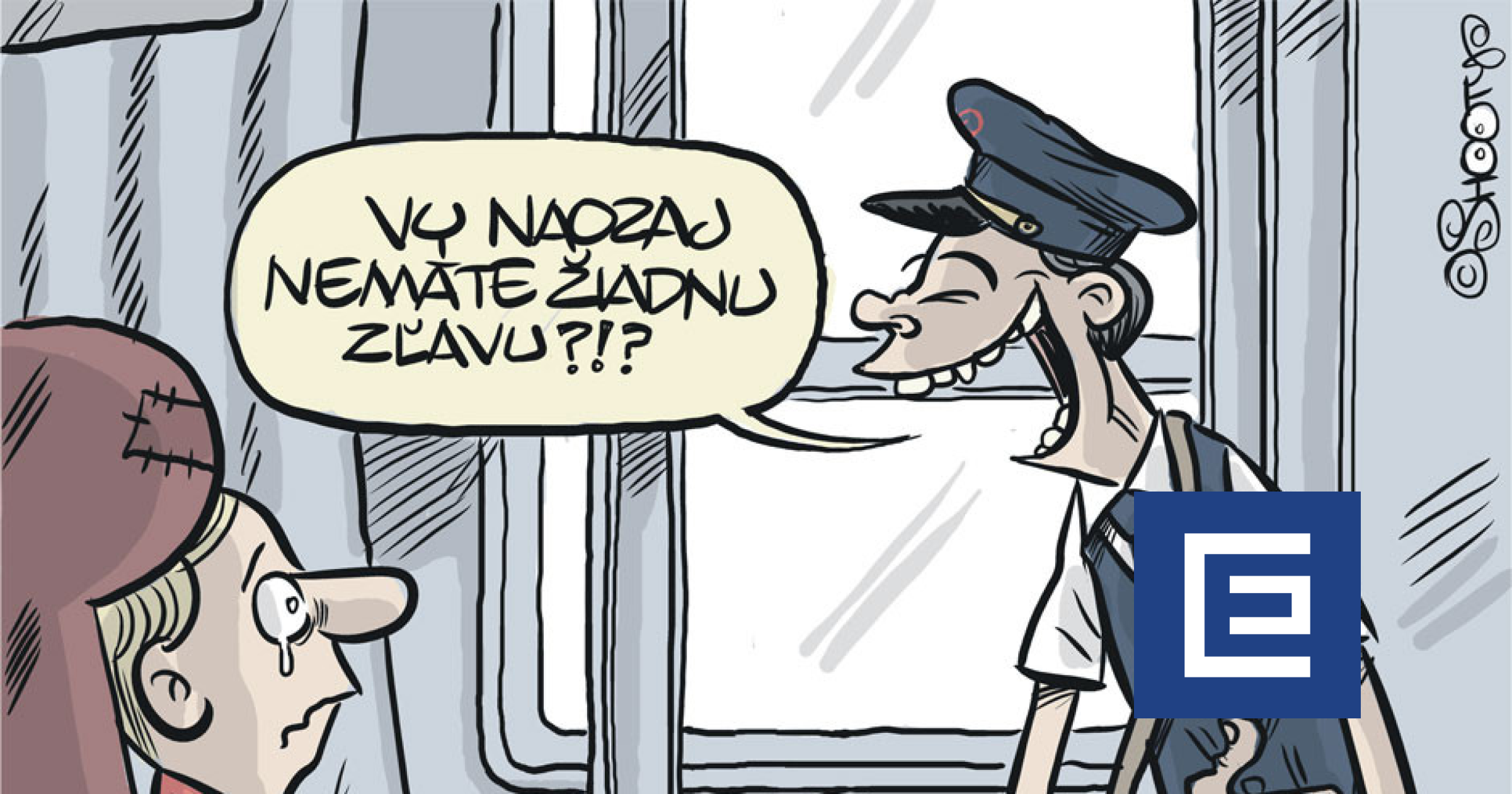
Prime Minister Robert Fico has announced plans to reduce the cost of train and bus travel in Slovakia. The promise recalls Fico's 2014 post-election pledge to introduce free rail travel for students and seniors, one of the most significant developments in Slovak railway history. At that time, Fico's announcement caught the management of state railway company ZSSK completely off guard, with executives learning about the policy from a press conference at a Smer-SD party meeting in Bratislava. Railway officials had initially hoped Fico would limit free travel to seniors only, according to accounts from that period. Smer-SD is Slovakia's ruling social-democratic party that has dominated the country's politics for much of the past two decades under Fico's leadership.

|
Domestic Politics

Trenčín Mayor Criticizes Government Control Over Culture and Media

Richard Rybníček, the mayor of Trenčín who has served since 2010, criticized the current government's approach to cultural and media institutions, stating that "culture could not be directed by communists or fascists, nor can it be done by these red Ludaks." The 56-year-old mayor, who announced he will not seek re-election in upcoming local elections, has extensive media experience, having helped launch television station JOJ in the early 2000s, served as its director in 2002, and later as general director of Slovak Television from 2003 to 2006. Rybníček's comments appear to reference the ruling Smer-SD party, led by Robert Fico, which critics often link to the historical Ľudová strana (People's Party) that collaborated with Nazi Germany during World War II. His remarks come amid ongoing tensions over government influence on public media and cultural institutions in Slovakia, reflecting broader concerns about press freedom and cultural independence under the current administration.

|
Domestic Politics

Opposition Party Criticizes Government's Battery Factory Preparations Near Šurany

The opposition Freedom and Solidarity party (SaS) has criticized the government's handling of preparations for a battery factory planned near Šurany, calling the process chaotic and demanding transparent information from Prime Minister Robert Fico. The liberal party acknowledged that Slovakia needs a battery manufacturing facility but expressed concerns about how the current project is being managed. SaS leaders called on Fico to provide truthful information about the state of the investment project. SaS is a liberal opposition party in Slovakia's parliament, while Fico leads the ruling Smer-SD party. The battery factory project represents a significant industrial investment for Slovakia, which has positioned itself as a major automotive manufacturing hub in Central Europe. Battery production facilities have become increasingly important as the automotive industry transitions toward electric vehicles.

|
Domestic Politics

Slovak Court Orders Release of Extremist Bombic from Custody

A Slovak court has ordered the release from custody of an extremist known as Bombic, who is expected to be freed today. The individual was sentenced to prison one month ago, though the specific charges and sentence details were not disclosed. The court's decision to release Bombic comes despite his recent conviction, suggesting either completion of his sentence, a change in custody conditions, or successful appeal proceedings.

|
Domestic Politics

Assassination Attempt Suspect to Face Trial Again Before Slovakia's Supreme Court

Juraj Cintula, the man charged with attempting to assassinate Slovak Prime Minister Robert Fico, is scheduled to appear before the Supreme Court again according to the court's hearing schedule. The Supreme Court, Slovakia's highest judicial authority, has listed the case for upcoming proceedings. Cintula was arrested in May 2024 after shooting Prime Minister Fico multiple times in the town of Handlová following a government meeting, leaving the premier critically injured and requiring emergency surgery. The attack shocked Slovakia and led to heightened security measures around government officials.

|
Domestic Politics

Slovak Freedom Under Threat 35 Years After Velvet Revolution

A Slovak commentary warns that the country is failing to meet the fundamental conditions necessary to preserve the democratic freedoms won during the November 1989 Velvet Revolution. The analysis suggests that Slovakia is not properly fulfilling any of the three key requirements needed to safeguard liberty, raising concerns about the erosion of democratic values and institutions. The reference to a "sword forged in November 1989 being broken again" alludes to the fragility of the democratic gains achieved during the peaceful overthrow of communist rule in Czechoslovakia. The Velvet Revolution marked the end of four decades of communist governance and established the foundation for Slovakia's eventual independence and democratic development.

|
Domestic Politics

Slovak Culture Minister Replaces Experienced Directors with Loyalists in Ministry Overhaul

Slovak Culture Minister Martina Šimkovičová has launched a series of unexpected dismissals of experienced cultural institution directors, replacing them with nominees who have party political backgrounds. The dismissals have been conducted without clear explanations, creating conflicts and financial risks within the country's cultural sector. The personnel changes represent a significant shift in how Slovakia's cultural institutions are managed, with critics describing the moves as politically motivated purges. Šimkovičová, who serves in the government led by Prime Minister Robert Fico's Smer-SD party, has been systematically installing what observers characterize as loyalists in key cultural leadership positions. The overhaul is transforming the landscape of Slovak culture and raising concerns about the politicization of arts and cultural institutions that were previously managed by professionals with extensive experience in the sector.

|
Domestic Politics

Slovak PM Fico Accuses Opposition of Waging 'Hidden Civil War' Against Government

Slovak Prime Minister Robert Fico has accused the opposition of conducting a "hidden civil war" against his government and failing to provide support during difficult times. The criticism appears to be directed at opposition parties, including Progressive Slovakia led by Michal Šimečka, as Fico faces mounting political pressure. The commentary notes the irony in Fico's complaints, pointing out that he himself provided little constructive opposition support during the COVID-19 crisis when his Smer-SD party was out of power. Fico, who leads a coalition government that returned to power in 2023, has increasingly relied on constitutional arguments to defend his administration's positions amid various domestic and international challenges.

|
Domestic Politics

Slovak PM Fico's Salary Surpasses President Pellegrini's Following Statistical Adjustment

Prime Minister Robert Fico now earns more than President Peter Pellegrini after Slovakia's Statistical Office released average wage data for the previous year in early March. The salaries of Slovak politicians are calculated based on multiples of the country's average wage, meaning political compensation automatically adjusts when new wage statistics are published. This statistical adjustment has resulted in Fico's prime ministerial salary exceeding that of the president, marking a shift in the relative compensation of the country's top political offices.

|
Domestic Politics

Three Ukrainian men detained attempting illegal border crossing into Slovakia

Slovak authorities detained three Ukrainian men attempting to illegally cross the border from Ukraine into Slovakia. The men were apprehended approximately 400 meters from the international border. The incident highlights ongoing challenges with unauthorized border crossings along Slovakia's eastern frontier with Ukraine, which has seen increased migration pressure since Russia's invasion of Ukraine in February 2022.

|
Domestic Politics

Fico Advisor Expresses Satisfaction While Healthcare Minister's Policies May Weaken Hospitals During Crisis

An advisor to Prime Minister Robert Fico has expressed satisfaction with current developments, while concerns are mounting that Health Minister Kamil Šaško's policies could potentially weaken hospitals during a period of healthcare crisis. The developments come as Slovakia's healthcare system faces ongoing challenges, with political tensions surrounding the government's approach to managing the sector. Fico, leader of the ruling Smer-SD party, has maintained his government's position through his advisors, while Šaško, who oversees the health portfolio, faces criticism over policies that critics argue could undermine hospital capacity at a critical time.

|