Dávka - Your daily dose of Slovak news
Last refreshed: 28/07/2026 05:39 · 38 articles added
Stories are refreshed at 05:30, 10:30, 15:30, and 21:30 UTC.

Society

View all2901 stories
Society

Slovak Mountain Hut Staff Required to Sign Media Silence Clauses in New Contracts

Staff at Slovak mountain chalets and huts are being required to sign new employment contracts containing so-called media clauses, which prohibit them from speaking publicly or to journalists about their workplace. The clauses extend beyond management and senior employees, now binding general personnel — including seasonal and support staff — to silence on matters relating to their employer. The practice raises concerns about freedom of expression in the workplace, as ordinary workers are legally restricted from discussing their working conditions or raising concerns publicly. Media clauses, which have become increasingly common in Slovak employment contracts, are typically used to prevent employees from sharing information that could be damaging to an organization's reputation, but critics argue their broad application to lower-level staff goes beyond legitimate business confidentiality and may suppress legitimate whistleblowing.

|
Society

Social Media Overtakes Traditional News Outlets as Primary Information Source for the First Time

For the first time in history, social media platforms and video-sharing sites have surpassed traditional media outlets as the most common source of news for people — a milestone that highlights a growing paradox in how modern audiences consume information. While users increasingly turn to platforms such as Facebook, YouTube, and TikTok for their daily news fix, studies consistently show that trust in content found on social media remains significantly lower than trust in established journalistic outlets. People are reading and watching news-style content on platforms they fundamentally distrust, while traditional media — newspapers, television, and radio — retain higher credibility ratings but are losing audiences at a steady pace. The shift carries significant implications for public discourse and democratic societies, as algorithmically driven platforms prioritize engagement over accuracy, creating fertile ground for misinformation to spread alongside legitimate reporting. Media experts warn that the divergence between where people get their news and what they consider reliable represents one of the defining challenges of the current information age.

|
Society

Slovak Filmmaker Brings War-Displaced Ukrainian Children Nature and Tech Education in the Carpathians

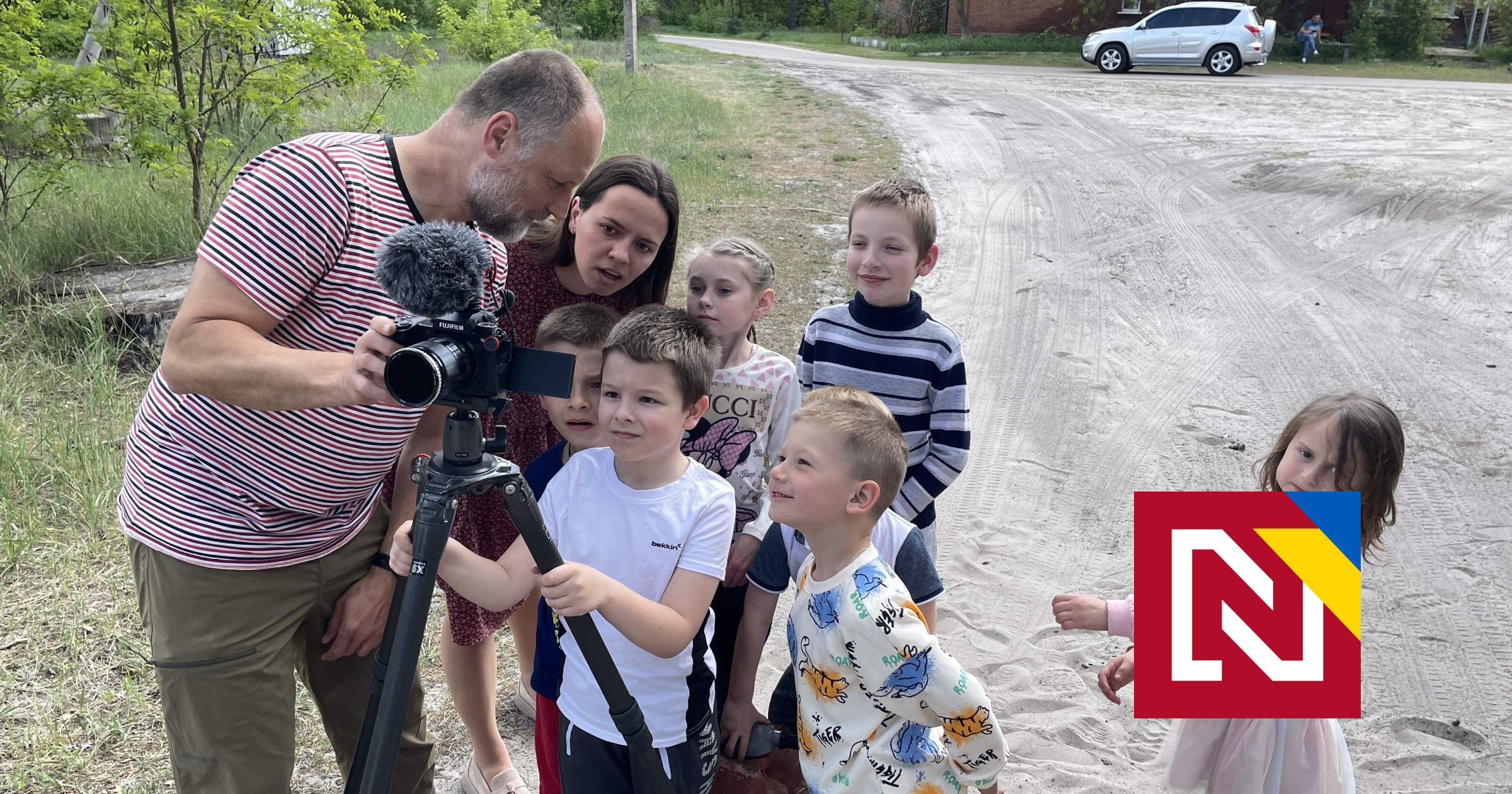
Slovak documentary filmmaker Pekarčík has organized an educational program for Ukrainian children who have been sheltering in bunkers during the war, bringing them to the Carpathian mountains for hands-on learning experiences. The program brings together an unusual mix of educators, including a marine biologist, an expert on frogs and snakes, and a war veteran who lost both legs and now walks on titanium prosthetics — nicknamed 'the Terminator' — who teaches the children coding and programming skills. The initiative aims to provide both educational enrichment and a respite from the trauma of wartime life for children who have spent significant time in underground shelters amid the ongoing conflict in Ukraine.

|
Society

Hundreds of Slovak Patients Left Waiting for MRI Scans Amid Insurance-Provider Dispute

Hundreds of patients in Slovakia are facing delays in accessing MRI scans after becoming caught in a commercial dispute between Dôvera, one of the country's three health insurance companies, and Pro Diagnostic Group (PDG), a private medical imaging provider. The two parties are locked in a disagreement over payment rates for MRI examinations. As a result, PDG facilities are not accepting patients covered by Dôvera insurance for MRI procedures, leaving those patients unable to access timely diagnostic care. MRI — magnetic resonance imaging — is a critical diagnostic tool used to detect a wide range of conditions, including neurological disorders, tumors, and joint injuries, meaning delays can have serious consequences for patient health. Slovakia operates a mandatory public health insurance system in which citizens must be enrolled with one of three licensed insurers: the state-run Všeobecná zdravotná poisťovňa (VšZP) and two private companies, Dôvera and Union. Insurers contract with healthcare providers to deliver services to their members, and when those contracts break down or fall into dispute, patients can find themselves without access to care. The standoff between Dôvera and PDG highlights a broader tension in the Slovak healthcare system between cost-control pressures on insurers and the financial demands of private medical providers.

|
Society

Former Hut Keeper Speaks Out on Power Struggles Within Slovak Mountaineering Club

A former mountain hut keeper identified as Michalka has publicly accused the Club of Slovak Tourists (KST), Slovakia's main hiking and mountaineering organization, of being controlled by a small inner circle. According to Michalka, all major decisions within the organization are effectively made by around 20 people, describing the situation as a 'major political game.' Michalka, who has since departed from the organization, says he now has plans to pursue opportunities in Austria.

|
Society

Former Treasurer Alleges Political Manipulation in Slovak Tourist Club

The former treasurer of a Slovak hiking and tourism club has spoken out about what he describes as political maneuvering within the organization. Michalka, the ex-treasurer, claims that a small inner circle of approximately 20 people effectively controls all major decisions within the club, alleging that a larger political game is being played behind the scenes. Michalka says he now has plans to relocate to Austria, suggesting his departure follows a falling-out with the organization's leadership. The allegations point to concerns about transparency and democratic governance within what is nominally a recreational and civic association.

|
Society

Slovak Gen Z Reluctant to Fight for the State but Willing to Defend Their Home

Young Slovaks belonging to Generation Z — those born roughly between the late 1990s and early 2010s — show a notable distinction in their attitudes toward military service and national defense: they are largely unwilling to fight on behalf of the state as an institution, but express a genuine willingness to defend their homes and communities if threatened. Growing up during a period marked by multiple crises and with war visible on their screens — most recently Russia's full-scale invasion of Ukraine, which borders Slovakia — this generation has developed a complex and conditional relationship with the concept of national defense. Unlike previous generations shaped by compulsory military service, which Slovakia abolished in 2006, Gen Z has no direct personal experience with the armed forces. Their sense of loyalty and duty appears tied more to personal and local ties than to abstract national or state identity. The distinction matters politically and institutionally at a time when European governments, including Slovakia's, are debating how to strengthen defense capacity and whether to reintroduce any form of mandatory military training amid heightened security concerns on the continent.

|
Society

Slovak National Museum Denies Plans to Close Ruthenian Culture Museum in Prešov

The Slovak National Museum (SNM) has rejected claims that the Museum of Ruthenian Culture in Prešov is being shut down, saying the controversy stems from a planned relocation of the museum's premises rather than any closure. The clarification came in response to criticism from SaS (Freedom and Solidarity), a liberal opposition party, which had raised alarms over the museum's future. The Museum of Ruthenian Culture documents the history and traditions of the Ruthenian minority, one of Slovakia's recognized ethnic communities concentrated primarily in the eastern regions of the country. The SNM, which oversees national museum institutions across Slovakia, says discussions are ongoing about moving the museum to different facilities, not eliminating it. The dispute highlights ongoing sensitivities around the preservation of minority cultural institutions in Slovakia.

|
Society

Man Sentenced to Ten Years for Armed Robberies Targeting Children

A man in Slovakia has been sentenced to ten years in prison after being convicted of robbing children at gunpoint in three separate incidents. The perpetrator approached young victims and demanded money under threat of a weapon. He was identified and convicted based on testimony from his victims as well as footage from security cameras that captured the attacks. The case highlights growing concerns about violent crime targeting vulnerable individuals, and the sentence reflects the serious view Slovak courts take toward armed robbery, particularly when minors are the victims.

|
Society

Former Slovak President Kiska Injured in Cycling Accident

Andrej Kiska, who served as Slovakia's president from 2014 to 2019, has been injured in a bicycle accident near his hometown of Poprad, a city in northern Slovakia. The former head of state is expected to require several weeks of medical treatment to recover from the injuries sustained in the incident. Kiska, a businessman-turned-politician who was the first Slovak president without ties to the communist era, left public office in 2019 and later founded the centrist opposition party Za ľudí (For the People), though he subsequently stepped back from active political involvement.

|
Society

Slovak Village Declares Emergency Over Drinking Water Shortage

The village of Víťaz in eastern Slovakia has declared a state of emergency due to a critical shortage of drinking water, with conservation currently the only available solution. Local authorities issued the emergency declaration as water supplies fell to levels insufficient to meet residents' basic needs. A state of emergency in Slovakia allows local governments to impose restrictions and mobilize resources beyond normal administrative capacity. The shortage highlights a growing challenge facing small rural communities in the region, where aging water infrastructure and seasonal dry spells can leave residents vulnerable to supply disruptions. For now, officials are urging residents to significantly reduce water consumption while longer-term solutions are explored.

|
Society

Municipal Officer Saves Life of Two-Year-Old Boy in Eastern Slovakia

A municipal police officer saved the life of a two-year-old boy in Mašličkovo, a village in eastern Slovakia, after the child stopped breathing and had a dangerously high fever. The officer responded to the emergency and intervened before medical services could arrive, providing critical assistance that kept the child alive. Municipal police in Slovakia serve as a local law enforcement and public safety force operating under town or city authority, and while their duties are typically routine, officers are trained to respond to medical emergencies. The incident has drawn public attention to the vital role local officers can play in life-threatening situations in smaller communities where response times for ambulances may be longer.

|
Society

Eight Minors Found Drunk as Slovak Police Launch Summer Holiday Safety Checks

Slovak police launched a series of checks targeting young people at the start of the summer school holidays, inspecting a total of 71 individuals. Of those checked, eight minors were found to be under the influence of alcohol. The operation reflects a recurring concern among Slovak authorities about underage drinking during the summer break, when young people have more unsupervised free time. Police typically increase patrols and checks on youth at the beginning of the holiday season as a preventive measure.

|
Society

Slovak Domestic Violence Victims Face System That Fails to Protect Them, Experts Warn

Women who are victims of domestic violence in Slovakia are being let down by a protection system that exists on paper but fails in practice, experts on domestic violence prevention have warned. Rather than receiving immediate support, women seeking help are frequently required to justify their decisions — including explaining why they continued to live with their abuser — placing an additional burden on those already in vulnerable situations. According to specialists in the field, the mechanisms needed to protect victims of domestic violence have long been established and are well understood, but Slovak authorities have consistently failed to implement them effectively. The gap between policy and practice means that women navigating the system often encounter institutional skepticism instead of assistance, undermining the purpose of protections that are theoretically in place. Domestic violence remains a significant social issue across Central Europe, and Slovakia has faced repeated criticism from advocacy groups for insufficient enforcement of victim protection measures and underfunded support services.

|
Society

Slovak-American Student Prompts U.S. University to Purchase Slovak Flag

A U.S. university purchased a Slovak flag on account of one of its students, whose great-grandparents had emigrated from Slovakia before she was born. The story is part of a collection of positive human-interest news from Slovakia, highlighting the enduring ties between the Slovak diaspora and their ancestral homeland across generations.

|
Society

Slovak Hospitals in Crisis as Staff Collapse and Equipment Shortages Mount

Slovak hospitals are facing a deepening crisis marked by staff exhaustion and critical shortages of medical equipment, with the state offering little response. Reports of a surgical nurse collapsing on the job and hospitals resorting to public fundraising drives to obtain ventilators — basic life-support machines essential for intensive care — have highlighted the severity of conditions in the country's healthcare system. The situation reflects long-standing underfunding and workforce strain in Slovak public hospitals, where medical staff have for years warned of burnout and inadequate resources. Despite the alarming conditions, the government has yet to announce concrete measures to address the emergency, drawing sharp criticism from healthcare workers and observers who say the state is failing its hospitals at a critical moment.

|
Society

Slovak Psychologist Warns of Long-Term Effects of Childhood Emotional Neglect

Slovak psychologist Martin Miler has highlighted the lasting psychological impact of a phenomenon known as 'parentification' — a dynamic in which children take on emotional or practical adult responsibilities within their families, often because parents are unable to meet the child's emotional needs. According to Miler, children raised in such environments, sometimes described as 'glass children' whose fragility or needs go unseen, frequently grow into adults who struggle to recognize or assert their own needs. The pattern, Miler explains, shapes both self-image and personal relationships well into adulthood, as individuals who were conditioned to prioritize others' emotions over their own continue to do so. Awareness of these dynamics is growing in Slovak psychological and public discourse as mental health professionals increasingly encourage people to examine the emotional patterns established in childhood.

|
Society

Dead Body of Young Man Found in Abandoned Car in Prešov

Police in Prešov, a city in northeastern Slovakia, discovered the body of a young man inside a parked car that had been left unattended for several days. Authorities have launched a criminal investigation into the death. No further details about the victim's identity or the circumstances of his death have been released.

|
Society

Slovak Village of Bajč Opens Eight New Rental Apartments for Residents

Residents of Bajč, a small village in southwestern Slovakia, received the keys to eight newly built rental apartments on Wednesday. The handover marks the completion of a public housing project intended to expand local residential options. Mayor František Bachorec highlighted the significance of the project for the village's continued development, noting that access to affordable rental housing is an important factor in sustaining and growing small rural communities.

|
Society

Slovak University of Technology Honours Top Student Athletes

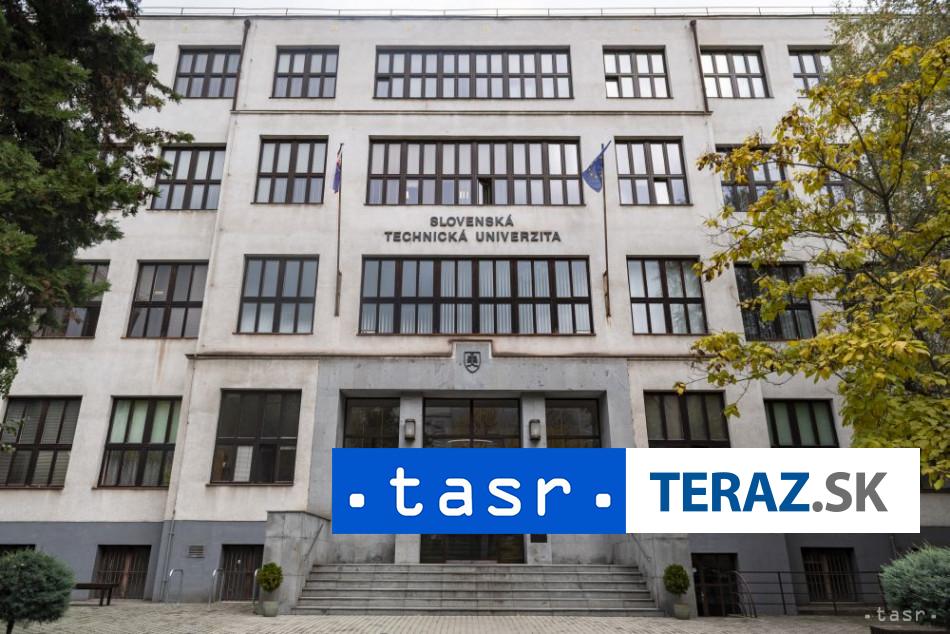
The Slovak University of Technology (STU) in Bratislava has recognised its most accomplished student athletes for outstanding performances at national and international competitions. The university's Sports Council submitted nominations for students who achieved exceptional results in their respective disciplines. STU, one of Slovakia's leading technical universities, presents these awards to encourage and acknowledge students who successfully balance academic commitments with high-level competitive sport.

|