Dávka - Your daily dose of Slovak news
Last refreshed: 28/07/2026 17:43 · 79 articles added
Stories are refreshed at 05:30, 10:30, 15:30, and 21:30 UTC.

Economy

View all1897 stories
Economy

Greek Economic Recovery Outpaces Slovakia with Better Public Finances

Greece has achieved significantly stronger economic growth compared to Slovakia, with the country's public finances now in considerably better condition than those of Slovakia. The Mediterranean nation, which underwent severe austerity measures and economic restructuring following its debt crisis in the 2010s, has managed to stabilize its economy and avoid the decline in wages and pensions that many had predicted. Greece's economic turnaround stands in contrast to Slovakia's current fiscal challenges, highlighting the effectiveness of the structural reforms implemented during the country's bailout period.

|
Economy

Environmental Groups Challenge Tender Criteria for Slovakia's Major Tar Pit Cleanup Project

The Environmental Sanitation Association (Envisan), which represents remediation companies, has raised concerns about the tender conditions for cleaning up tar pits in Predajná, a project valued at over 54 million euros excluding VAT. The association warns that the competition criteria are designed for specific purposes and are professionally unbalanced, failing to adequately exclude companies without real experience in environmental contamination remediation. The main issues identified include an overly economic approach to evaluating company turnover and unrealistic requirements for reference projects. Envisan argues these flawed criteria could allow inexperienced firms to participate in what is a complex environmental cleanup operation requiring specialized expertise.

|
Economy

Slovak Government Approves Economic Growth Package Despite Expert Skepticism

The Slovak government approved a package of measures aimed at supporting economic growth, though experts warn the initiatives will not deliver higher growth rates and primarily serve to reduce bureaucracy. Prime Minister Robert Fico, leader of the ruling social-democratic Smer-SD party, used the announcement to engage in political messaging, claiming his government is fulfilling campaign promises and should not be treated as a "punching bag." Fico also made indirect threats toward businesses and trade unions that have expressed dissatisfaction with the government's economic policies, suggesting there could be consequences for continued criticism.

|
Economy

Gold Prices Continue Decline at Start of Week

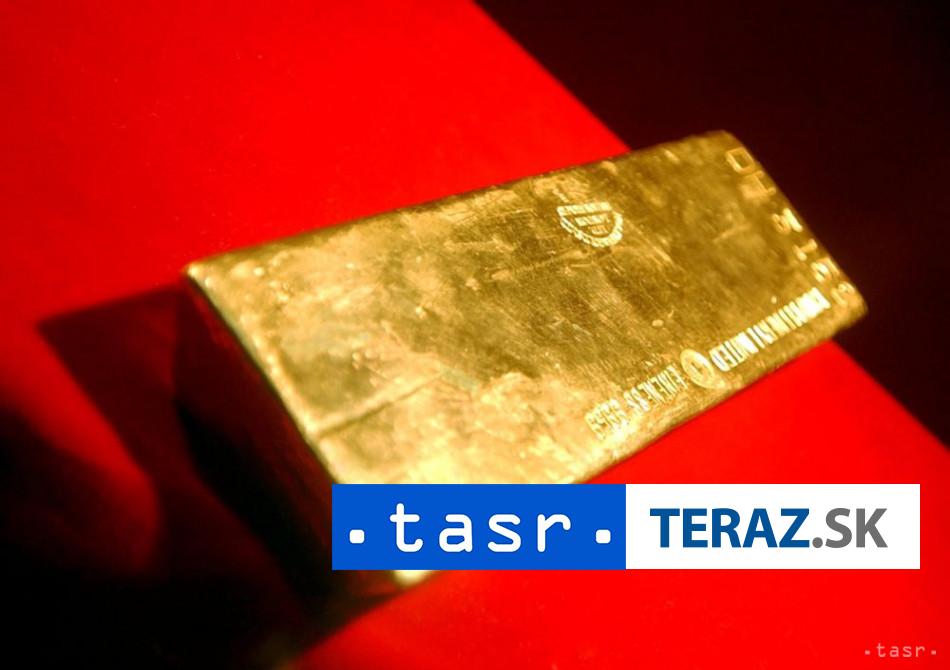
Gold prices extended their decline at the beginning of this week, continuing a downward trend in precious metals markets. Other precious metals also saw price decreases during the same period. The ongoing decline reflects broader market conditions affecting commodity prices, with investors responding to various economic factors influencing demand for safe-haven assets like gold and other precious metals.

|
Economy

Slovakia to introduce flat customs duty on packages from non-EU countries starting July 2026

Slovakia will implement a flat customs duty on packages arriving from countries outside the European Union beginning July 1, 2026. The new measure represents a response to the sharp increase in low-cost shipments from third countries. The policy change will affect all packages coming from non-EU nations, establishing uniform customs charges regardless of the specific contents or origin within those countries.

|
Economy

Slovakia's EU Funds Management Rated 'C' Grade by State Audit Office

Slovakia would receive a grade of C for its management of European Union funds, according to the National Audit Office (NKÚ), the country's supreme audit institution. The audit office identified significant problems with how the country utilizes EU funding, citing widespread waste and inefficient use of resources. The effectiveness of EU fund investments is being undermined by excessive bureaucracy, weak oversight mechanisms, insufficient coordination between government agencies, and inadequate fraud prevention measures. Slovakia has been a major recipient of EU structural and investment funds since joining the European Union in 2004, with billions of euros allocated to support infrastructure development, economic modernization, and social programs across the country.

|
Economy

Personal Bankruptcies in Slovakia Drop 9% in May to 587 Cases

Slovakia recorded 587 personal bankruptcies in May, representing a 9 percent decrease compared to the same month last year. Men continued to account for a significantly higher proportion of bankruptcy cases than women. The decline suggests an improving trend in personal financial stability, though bankruptcy remains a significant issue affecting hundreds of Slovaks monthly as individuals struggle with unmanageable debt burdens.

|
Economy

Slovakia Following 'Greek Path' of Economic Decline, Warns Analyst

Slovakia is following the same economic trajectory as Greece during its debt crisis, with investors fleeing, skilled workers emigrating, and political leadership disconnected from reality, according to analyst Ivan Bošňák. The country faces years of suffering and decline as it must undergo economic impoverishment from its currently relatively comfortable position. Bošňák warns that Slovakia lacks a critical mass of voters who understand the desperate state of the economy, while citizens have developed an "entitlement mentality" of living at the expense of future generations. The analyst argues that the country needs to reform its expensive social and pension systems and restart economic growth, but voters appear resigned to the so-called "Greek path" of gradual economic deterioration.

|
Economy

Bratislava Airport to Launch Most Charter Flights to Antalya, Hurghada and Monastir

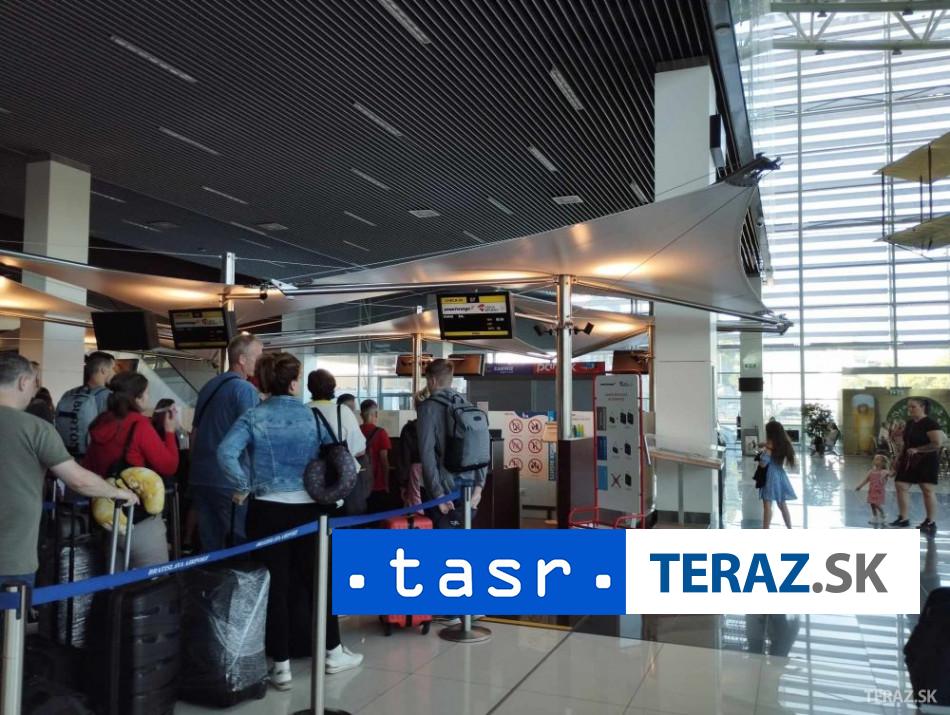
Bratislava's M. R. Štefánik Airport will operate its highest number of charter flights to three popular Mediterranean and North African destinations: Antalya in Turkey, Hurghada in Egypt, and Monastir in Tunisia. The airport has also announced new charter routes for the upcoming season, including flights to Ibiza, the Spanish coastal city of Castellón, Egypt's Red Sea resort of Sharm el-Sheikh, and Marrakech in Morocco for Moroccan tour packages. These developments reflect the continued recovery and expansion of Slovakia's tourism sector following the pandemic, with charter flights serving as a key component of package holiday travel from the country's main international airport.

|
Economy

OPEC+ Alliance to Increase Oil Production by 188,000 Barrels Daily in July

The OPEC+ oil alliance announced plans to increase production by 188,000 barrels per day in July, marking a symbolic boost to global oil output. However, energy analysts expect the modest increase will have little impact on oil prices, which remain elevated due to ongoing conflicts in the Middle East. The production adjustment represents a small fraction of global oil demand and comes as geopolitical tensions continue to support higher crude prices despite the additional supply coming to market.

|
Economy

Slovakia Has Enough Jobs, But Many Job Seekers Find Them Unsuitable

Slovakia's labor market is experiencing significant changes as employers and job candidates struggle to adapt to evolving conditions. While the country has sufficient job opportunities available, many job seekers are finding that the available positions do not meet their expectations or requirements. The mismatch between what employers offer and what workers seek reflects broader shifts in the labor market, where both companies and candidates are having difficulty adjusting to new market realities. This disconnect highlights ongoing challenges in Slovakia's employment sector as traditional job market dynamics continue to evolve.

|
Economy

Corporate Loan Growth Slows in Slovakia

Corporate loan growth has decelerated in Slovakia, according to recent banking data. The National Bank of Slovakia, the country's central bank and monetary authority, characterized this slowdown as consistent with current economic developments. The reduced pace of business lending reflects broader economic conditions affecting corporate investment and expansion plans across the Slovak economy.

|
Economy

Slovak mining company spends over 14 million euros in state aid on mine closures

Hornonitrianske bane, a Slovak mining company, has spent more than 14 million euros in state subsidies on closing down mining operations. The extensive closure work was carried out at facilities in Handlová and Nováky, two towns in the Trenčín region of western Slovakia. The mine closures are part of Slovakia's broader transition away from coal mining as the country shifts toward renewable energy sources and complies with European Union environmental policies. The state funding reflects the significant costs involved in safely decommissioning mining infrastructure and addressing environmental remediation at former extraction sites.

|
Economy

Gold Weakens on Friday, Silver and Other Precious Metals Post Sharp Declines

Gold prices weakened on Friday as precious metals across the board experienced significant losses. Silver led the decline with a sharp 8.19% drop to $67.833 per ounce, while platinum fell 6.18% to $1,780.43. Palladium also posted substantial losses, declining 6.46% to $1,226 per ounce. The broad-based selloff affected all major precious metals, with silver experiencing the steepest percentage decline among the group.

|
Economy

Oil Prices Fall More Than 2% on Friday

Oil prices declined sharply on Friday, with the July contract for West Texas Intermediate (WTI) crude losing $2.50 per barrel, a drop of 2.69 percent. The benchmark American crude oil closed at $90.54 per barrel, equivalent to approximately 77.78 euros. WTI is one of the main global oil price benchmarks, alongside Brent crude, and is widely used to track energy market movements that affect global economic conditions.

|
Economy

Slovak Tax Amnesty for Companies Available Until End of June

Slovakia is offering companies a tax amnesty that remains available until the end of June, allowing businesses to avoid penalties and late payment interest charges. The amnesty covers fines and interest on overdue tax payments that are due by September 30, 2025. The program provides companies with an opportunity to settle outstanding tax obligations without facing the financial penalties typically imposed for late payments, potentially helping businesses reduce their tax burden and regularize their fiscal status with Slovak authorities.

|
Economy

Global Economy Faces 'Ticking Time Bomb' as Experts Warn of Potential US Financial Crisis

Financial experts have warned that the global economy is sitting on a "ticking time bomb" as America faces mounting fiscal pressures that could lead to economic collapse. The analysis suggests the United States is heading toward a dangerous financial trap that requires immediate intervention from Washington to prevent a potential sovereign debt crisis. Without decisive action to apply the "handbrake" on current fiscal policies, financial markets may lose patience with the world's largest economy, potentially triggering a scenario where the US could face bankruptcy. The warning highlights growing concerns about America's fiscal sustainability and its implications for global economic stability.

|
Economy

Slovakia Launches Registry to End Improvisation in Construction Sector

Slovakia has launched a specialized portal at vyhradenestavby.sk featuring a registry of certified companies authorized to construct restricted buildings, with 31 companies currently listed. The portal was established by ZSPS, the Association of Construction Entrepreneurs of Slovakia, as part of efforts to professionalize the construction industry and eliminate improvised practices. The certification system represents a significant step toward standardizing construction management and ensuring qualified companies handle specialized building projects in Slovakia's construction sector.

|
Economy

University Graduates Enter Slovak Job Market as Workplace Expectations Clash with Reality

Slovakia's newest university graduates are entering the job market with workplace expectations that often conflict with traditional employment practices. Generation Z workers, those born between 1997 and 2012, are finding that the conventional command-performance-reward employment model does not align with their professional preferences and values. The disconnect highlights evolving workplace dynamics as younger employees seek different approaches to career development and job satisfaction than previous generations. This generational shift presents challenges for Slovak employers who must adapt their management styles and workplace cultures to attract and retain young talent in an increasingly competitive labor market.

|
Economy

Most Used Cars in Slovakia Come from Germany, Majority Have Tampered Odometers

Used cars imported to Slovakia come primarily from Germany, but the majority arrive with tampered odometers showing false mileage readings. The high demand for second-hand vehicles in the Slovak market creates opportunities for problematic practices among importers and dealers. This widespread odometer fraud means Slovak consumers often pay inflated prices for vehicles that have actually traveled significantly more kilometers than displayed, affecting both the vehicle's value and potential reliability issues.

|