Dávka - Your daily dose of Slovak news
Last refreshed: 28/06/2026 21:39 · 34 articles added
Stories are refreshed at 05:30, 10:30, 15:30, and 21:30 UTC.

Domestic Politics

View all2796 stories
Domestic Politics

SNS Leader Faces Criticism Following Another Controversial Incident

Andrej Danko, leader of the Slovak National Party (SNS), has drawn fresh criticism following what observers describe as another embarrassing public incident. The SNS, a nationalist party that is part of Slovakia's ruling coalition alongside the social-democratic Smer-SD party and the populist Hlas party, has frequently found itself at the center of controversies under Danko's leadership. The latest incident adds to a pattern of controversial behavior that has marked Danko's political career and continued to generate negative attention for the coalition partner.

|
Domestic Politics

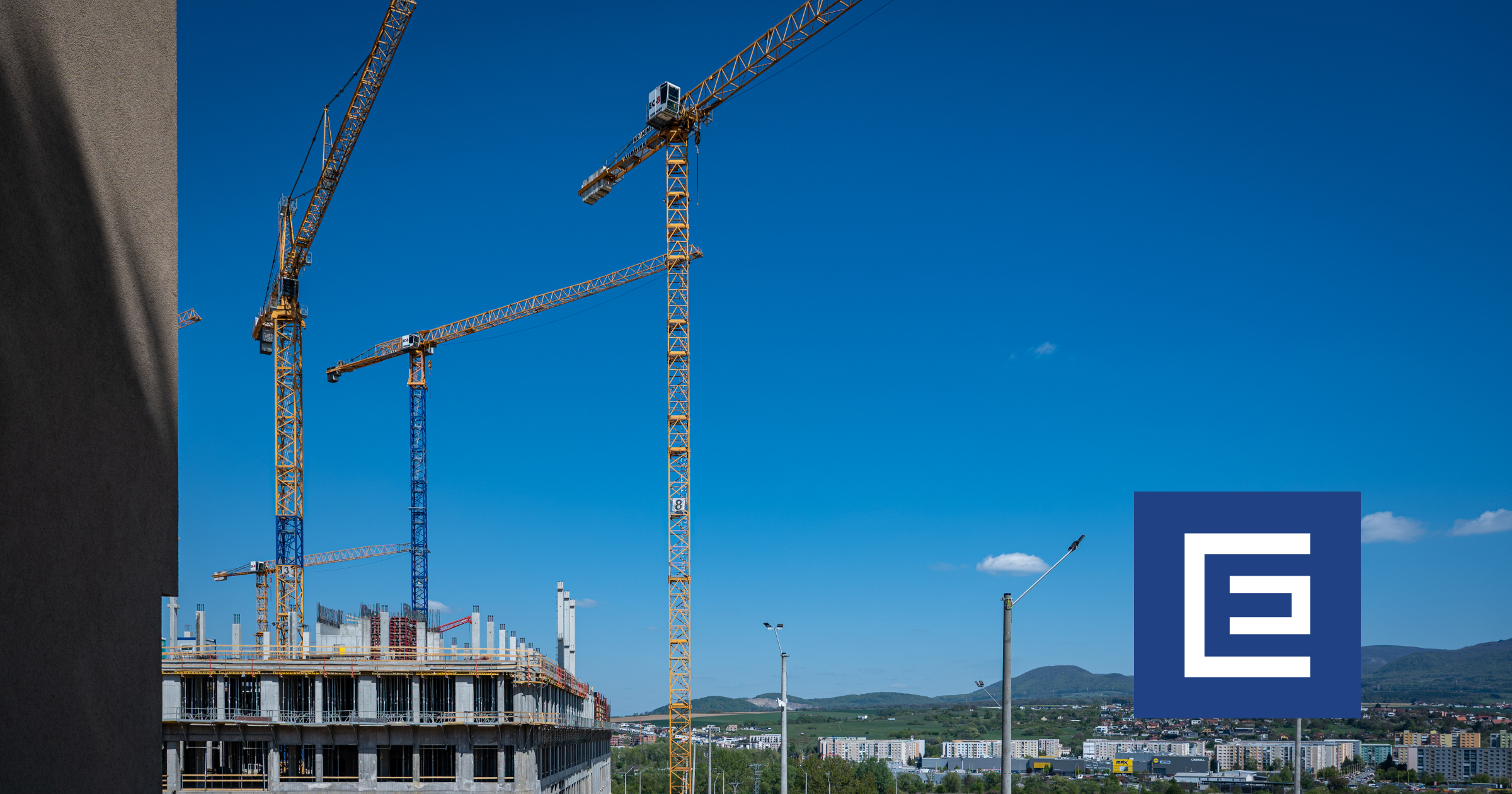
Prešov Military Hospital Construction Faces Broader Issues Beyond Concrete Quality Problems

A military hospital construction project in Prešov is facing more serious problems than just concrete quality issues that have been publicly discussed, according to a new analysis. The project has raised concerns across four key areas: overall costs, public procurement processes, construction supervision, and required building permits. Defense Minister Robert Kaliňák and Prime Minister Robert Fico have downplayed the problems, with Kaliňák frequently arguing that information about the hospital cannot be disclosed because it is classified as a military facility. The Prešov military hospital represents a significant infrastructure investment, but the scope of irregularities appears to extend well beyond the concrete quality issues that initially drew public attention to the project.

|
Domestic Politics

Pro-government influencer faces potential fine for alleged election law violation

Pro-government influencer Miriam Šramová is facing potential legal action from the Interior Ministry over allegations she violated election law. The case stems from an August 2023 promotional interview with politician György Gyimesi published on the website Ženský web, approximately one month before Slovakia's parliamentary elections. Gyimesi was a candidate for the Aliancia party in those elections. Šramová has drawn criticism for receiving payments from multiple state institutions while promoting politicians from Slovakia's ruling coalition. The Interior Ministry will now decide whether to impose a fine on the influencer for the alleged violation of electoral regulations.

|
Domestic Politics

Corruption Trial of Lawyers Suspended After Defendant Changes Legal Team

The Specialized Criminal Court suspended proceedings in the Corrumpere 2 case after defendant Alexander F. unexpectedly changed his legal representation just before the main hearing was set to begin. The case involves lawyers charged with corruption-related offenses. Alexander F. had previously received a suspended sentence from the court for cooperating with the Takáčovci organized crime group. The sudden change in defense counsel forced the court to halt the trial proceedings.

|
Domestic Politics

Fico Questions Constitutional Amendment as Same-Sex Marriage Recognition Requests Continue

Slovak Prime Minister Robert Fico expressed frustration in parliament over ongoing requests for recognition of same-sex marriages, questioning why the constitution was amended if such requests persist. During the parliamentary Question Hour, Fico asked lawmakers about the purpose of the constitutional change, suggesting it has not resolved the issue as intended. The comments reference Slovakia's 2014 constitutional amendment that explicitly defined marriage as a union between a man and a woman. The amendment was passed following pressure from conservative groups and the Catholic Church, and was supported by Fico's Smer-SD party, which currently leads the ruling coalition government. Despite the constitutional definition, Slovak courts and administrative bodies continue to receive requests from same-sex couples seeking recognition of marriages performed abroad, creating ongoing legal and political tensions over LGBTI+ rights in the conservative Central European nation.

|
Domestic Politics

Former Presidential Office Chief Criticizes Pellegrini's Formal Protocol Upgrades

Former head of the presidential office Metod Špaček has criticized President Peter Pellegrini's emphasis on formal protocol, arguing that the president is using ceremonial upgrades to compensate for the lack of high-level visitors to Slovakia. Špaček, a lawyer and diplomat who previously served in the presidential office, noted that formal dinner events with dress codes were not used even when hosting Queen Elizabeth II. His comments suggest that Pellegrini is attempting to create an impression of diplomatic significance through enhanced protocol measures rather than attracting genuinely important international visits. The criticism highlights ongoing debates about Slovakia's diplomatic standing and the effectiveness of the current administration's foreign policy approach.

|
Domestic Politics

Slovak Opposition Party Criticized for Alliance with Hungarian Politician

Progressive Slovakia, the country's main opposition party, faces criticism for its alliance with László Gubík, a Hungarian politician whose background includes experience in Viktor Orbán's political system. Critics argue that the party is promoting Gubík as a defender of democracy despite his political origins in Hungary's increasingly authoritarian environment under Orbán. The criticism suggests that if Gubík and his political project gain influence over Slovakia's future government, their voice would represent political deal-making rather than genuine democratic reform. Progressive Slovakia leads opposition efforts against the current ruling coalition led by populist Prime Minister Robert Fico's Smer-SD party, which has pursued policies that critics say threaten democratic institutions and rule of law.

|
Domestic Politics

Opposition politician accuses regional governor of misusing public employees for election campaign

Opposition politician Šimko has accused regional governor Trnka of illegally using employees of the regional government office to support his re-election campaign. According to Šimko, the public employees are being directed to persuade local mayors to endorse Trnka's candidacy. The accusation highlights concerns about the misuse of public resources and personnel for political purposes ahead of upcoming regional elections. Such practices would violate Slovakia's election laws, which prohibit the use of state resources for campaign activities.

|
Domestic Politics

Opposition to propose dismissal of Interior Minister Kaliňák over Prešov hospital construction failures

Slovakia's opposition parties plan to propose the dismissal of Interior Minister Matúš Šutaj Eštok over failures in the construction of a new hospital in Prešov. The opposition argues that Kaliňák should bear political responsibility for problems with the project. The move represents the latest challenge to the government led by Smer-SD, the ruling social-democratic party, as opposition parties continue to target cabinet ministers over various policy and administrative issues.

|
Domestic Politics

Parliamentary Speaker Maintains MP Violated Dress Code with Political T-shirt

Parliamentary Speaker Peter Gašpar insists that opposition MP Ľuboš Hlina violated parliamentary rules by wearing a t-shirt with political messaging during a session. Hlina defended himself Tuesday, explaining that while Gašpar interpreted the text on his shirt as referring to the ruling Smer-SD party, he intended it to reference the country's direction. The opposition lawmaker maintains he did not breach parliamentary dress code regulations. The dispute highlights ongoing tensions in Slovakia's National Council, the country's parliament, where strict dress codes are enforced during official proceedings.

|
Domestic Politics

Slovakia's Supreme Court Plans Historic Building Renovation and Judicial Status Reform

The Supreme Court of Slovakia has announced plans to renovate its historic building and reform the status of its judges. František Mozner, the Chief Justice of the Supreme Court, outlined these institutional development plans. The Supreme Court, which serves as Slovakia's highest judicial authority for civil and criminal matters, is seeking to modernize both its physical infrastructure and internal organizational structure. The renovation would restore the court's historic courthouse, while the status changes would affect the working conditions and administrative framework governing Supreme Court justices.

|
Domestic Politics

Environmental Groups Oppose Slovakia's Energy Efficiency Law, Call for Public Input

Environmental organizations are calling for the withdrawal of Slovakia's proposed energy efficiency law, claiming it would keep the country dependent on fossil fuels. The groups are mobilizing public opposition and urging citizens to submit comments during what they describe as the public's last chance to influence the legislation. The law has sparked what environmental activists characterize as an unclear battle involving billions of euros in potential funding. Slovakia, like other European Union members, is required to implement energy efficiency measures as part of broader climate and energy transition goals, but environmental groups argue the current proposal does not adequately support the shift away from fossil fuel dependency.

|
Domestic Politics

Slovak Ministry Likely Violating Transparency Law by Failing to Publish Contracts and Invoices

The Ministry of Agriculture, led by Richard Takáč from the ruling Smer-SD party, is reportedly violating transparency legislation by failing to publish new contracts and invoices as required by law. The ministry did not respond to questions about the missing contract publications, raising concerns about compliance with Slovakia's public transparency requirements. This development highlights ongoing challenges with government transparency in Slovakia, where public institutions are legally required to publish procurement information and financial documents to ensure accountability and prevent corruption.

|
Domestic Politics

Slovak Parliament Begins New Session Amid Coalition Questions

Slovakia's National Council, the country's parliament, has started a new session as questions emerge about the stability of the ruling coalition. The parliamentary opening comes as lawmakers prepare to address key legislative priorities while facing internal political challenges within the governing parties.

|
Domestic Politics

Government Meets in Eastern Slovakia But Ignores Severe Drought Crisis

The Slovak government convened in Haniska near Košice in eastern Slovakia but failed to address the severe drought devastating the region and the broader country. Despite meeting in an area particularly affected by the catastrophic dry conditions, officials did not include drought mitigation measures on their agenda. The government also continued to postpone discussions on economic growth measures, with Economy Minister Denisa Saková promising to present proposals next week after repeated delays. Eastern Slovakia has been among the hardest-hit regions as drought conditions continue to damage agricultural land and strain local communities across the country.

|
Domestic Politics

Opposition Superbloc Led by Šimečka Would Win 70 Seats But Fall Short of Majority, Poll Shows

A hypothetical opposition coalition led by Michal Šimečka would capture 37.8 percent of the vote and 70 parliamentary seats if elections were held today, according to a new poll. However, the mathematics would still favor current Prime Minister Robert Fico, as the opposition bloc would fall well short of the 76 seats needed for a parliamentary majority in Slovakia's 150-seat National Council. The polling suggests that despite forming a unified opposition front, anti-government parties would remain unable to challenge Fico's ruling coalition, which has governed Slovakia since October 2023 when Smer-SD and its coalition partners won a narrow majority.

|
Domestic Politics

Slovak Government Funded Pro-Russian Website Linked to Kremlin Spy

The Slovak government has provided funding to a pro-Russian website whose correspondent was involved in espionage activities for the Kremlin. Deputy Prime Minister Robert Kaliňák's office transferred thousands of euros to the outlet Hlavné správy (Main News). The website also received a grant from the Government Office, officially designated for "premises reconstruction" according to the contract. This funding arrangement raises questions about the government's financial support for media outlets with demonstrated ties to Russian intelligence operations.

|
Domestic Politics

Morning briefing mentions Kaliňák's festival concerns and Hlina's salary situation

A Slovak morning news briefing covered developments involving Interior Minister Matúš Kaliňák and his concerns about the Pohoda music festival, alongside news that MP Richard Hlina will not lose half his parliamentary salary as previously expected. The briefing was part of routine daily news coverage summarizing key political and administrative developments in Slovakia. No specific details about the nature of Kaliňák's festival-related issues or the circumstances surrounding Hlina's salary situation were provided in the available source material.

|
Domestic Politics

Slovak Parliament Debates Extension of Electoral Term in Second Reading

The National Council, Slovakia's parliament, concluded its session with debates on proposals to extend the electoral term. Both legislative proposals are currently in their second reading stage, with discussions taking place in a combined debate format that allows lawmakers to address multiple related bills simultaneously. The proposals represent a significant constitutional matter, as any changes to electoral terms would require broad parliamentary support and could affect the timing of future elections in Slovakia.

|
Domestic Politics

Slovak Prime Minister Fico Suggests Exam Only for Students Who Attended His Campus Talk

Slovak Prime Minister Robert Fico made controversial remarks during a debate with students at a university faculty in Košice, suggesting that an exam should only be given to students who came to hear him speak. Fico, who leads the ruling Smer-SD social democratic party, was visiting the eastern Slovak city to engage with students. During his appearance, he praised students who choose to remain in the region rather than leaving for opportunities elsewhere. The comment about limiting exams to his audience has drawn attention as an unusual statement from the prime minister during what was meant to be an educational visit.

|