Dávka - Your daily dose of Slovak news
Last refreshed: 08/06/2026 15:40 · 65 articles added
Stories are refreshed at 05:30, 10:30, 15:30, and 21:30 UTC.

Society

View all1949 stories
Society

Private Schools Demand Cancellation of Automated School Assignment System

Private schools in Slovakia are calling for the cancellation of the automated school assignment system due to technical problems with entering talent exam results. The system, which allocates students to schools, has experienced difficulties when private institutions attempt to input results from talent-based entrance examinations. The technical malfunctions have disrupted the enrollment process, prompting private educational institutions to seek the elimination of the automated allocation mechanism entirely.

|
Society

Education Ministry Rejects Criticism of Online School Application System Despite Technical Problems

The Association of Private Schools and School Facilities has again called on Education Minister Tomáš Drucker of the Voice party to suspend the ePrihlášok online application system, which automatically assigns students to secondary schools based on their preferences and entrance exam results. The association's president Eva Ohraďanová cited technical problems including system freezing, slow performance, data errors, absence of new schools from the system, and zero capacity in some programs. Despite the criticism, the Education Ministry has rejected calls to suspend the system, though it has granted more time for specialized programs to evaluate entrance examinations.

|
Society

Eastern Slovakia Residents Feel Marginalized as War Fears Mount

Residents in Slovakia's easternmost Zemplín region say they feel invisible and forgotten by the central government, believing that national attention and resources stop at Košice, the country's second-largest city. The sentiment reflects broader concerns about regional inequality and neglect of border areas. Local residents also express fears about the ongoing war in neighboring Ukraine and hope for a victory by Hungarian Prime Minister Viktor Orbán, suggesting cross-border political sympathies in this ethnically diverse region that borders both Ukraine and Hungary. The Zemplín area, historically one of Slovakia's poorest regions, has long struggled with economic underdevelopment and population decline.

|
Society

Private Schools Association Renews Criticism of Electronic Application System

The Association of Private Schools has again criticized Slovakia's electronic application system for school enrollment, known as ePrihlášky. The Ministry of Education, Science, Research and Youth rejected the association's claims. The renewed criticism suggests ongoing tensions between private educational institutions and the government over the digital enrollment platform, though specific details of the association's complaints were not disclosed.

|
Society

Man Returns to Prison After 22 Years Free Following Lawyer's Appeal in Partner Murder Case

A man who served 22 years in prison for murdering his partner has been returned to custody following an appeal filed by his defense attorney. The legal action suggests he should receive a new and reduced sentence for the crime. The case represents an unusual situation where a convicted killer who had completed his sentence and been released is now back behind bars as the courts reconsider his punishment.

|
Society

Universities in Nitra Organize Joint University Days Event

Universities in the western Slovak city of Nitra have organized joint university days featuring over 80 events designed to provide participants with new knowledge, skills, and experiences. The collaborative initiative brings together educational institutions in the region to offer a diverse program of activities for students and the academic community.

|
Society

Teacher Works Saturdays with Roma Children Despite Financial Misconceptions

A Slovak teacher who works with Roma children on Saturdays has responded to misconceptions about her work being financially motivated, stating she earns nothing from the additional teaching. The educator, who says she has never struggled with personal prejudices, provides weekend instruction to Roma students as part of efforts to improve educational outcomes in the community.

|
Society

Slovakia Launches Specialized Portal for State Rental Housing Applications

Slovakia has launched a dedicated online portal for citizens interested in applying for state rental housing. The new platform includes a private user zone, electronic application forms, and a notification system to streamline the application process. The portal represents part of Slovakia's efforts to modernize public services and make government housing programs more accessible to citizens through digital channels.

|
Society

Slovak Government Officials Meet to Address Hospital Crisis Following Audit Revealing Billion-Euro Debt

Slovakia's prime minister, parliament speaker, and president met for the first time to discuss the country's hospital crisis following a shocking audit that revealed state hospitals carry debts exceeding one billion euros. The audit, conducted by the Health Ministry and coordinated by consulting firm PricewaterhouseCoopers, examined five major state hospitals and documented severe financial problems. Health Minister Kamil Šaško warned of painful changes ahead as the government grapples with the healthcare system's mounting financial crisis. While the full audit results were not disclosed at the conference, details were later shared by opposition MP Jana Bittó Cigániková from the liberal Freedom and Solidarity party on social media. The unprecedented joint meeting of Slovakia's three top officials underscores the severity of the healthcare system's financial collapse, which threatens the stability of medical services in the Central European nation.

|
Society

The Disaster That Had to Be Hidden: Chernobyl and Regime and Society Reactions in Slovakia

The Chernobyl nuclear disaster brought serious consequences for people's lives and carried important political and social implications in both the Soviet Union and Czechoslovakia. The catastrophe, which occurred at the Ukrainian nuclear power plant in April 1986, had far-reaching effects that extended beyond the immediate radiation contamination. In Czechoslovakia, which included present-day Slovakia, the communist regime's response to the disaster reflected broader patterns of information control and public management typical of Soviet-era governance. The incident highlighted the challenges faced by authorities in managing both the physical consequences of nuclear contamination and the political implications of a major industrial accident in the communist bloc.

|
Society

Multi-million euro reconstruction begins at two high schools in Tatra region

Construction work has commenced on the reconstruction of two secondary schools in the Tatra region, with the project valued at several million euros. The renovation will include modernization of workshops and laboratories at both educational facilities. The investment represents a significant upgrade to technical and scientific educational infrastructure in one of Slovakia's most prominent mountain regions, located in the northern part of the country near the Polish border.

|
Society

Police Stop Drunk Scooter Rider Carrying Child Without Helmet

Police in Nitra stopped an intoxicated man riding an electric scooter while carrying a child without a helmet or other protective equipment. The incident drew officers' attention not only because of the safety violations, but also because the rider was using his feet instead of his hands to signal turns while driving. The case highlights ongoing safety concerns with electric scooter use in Slovak cities, particularly regarding alcohol consumption and proper protective gear for passengers.

|
Society

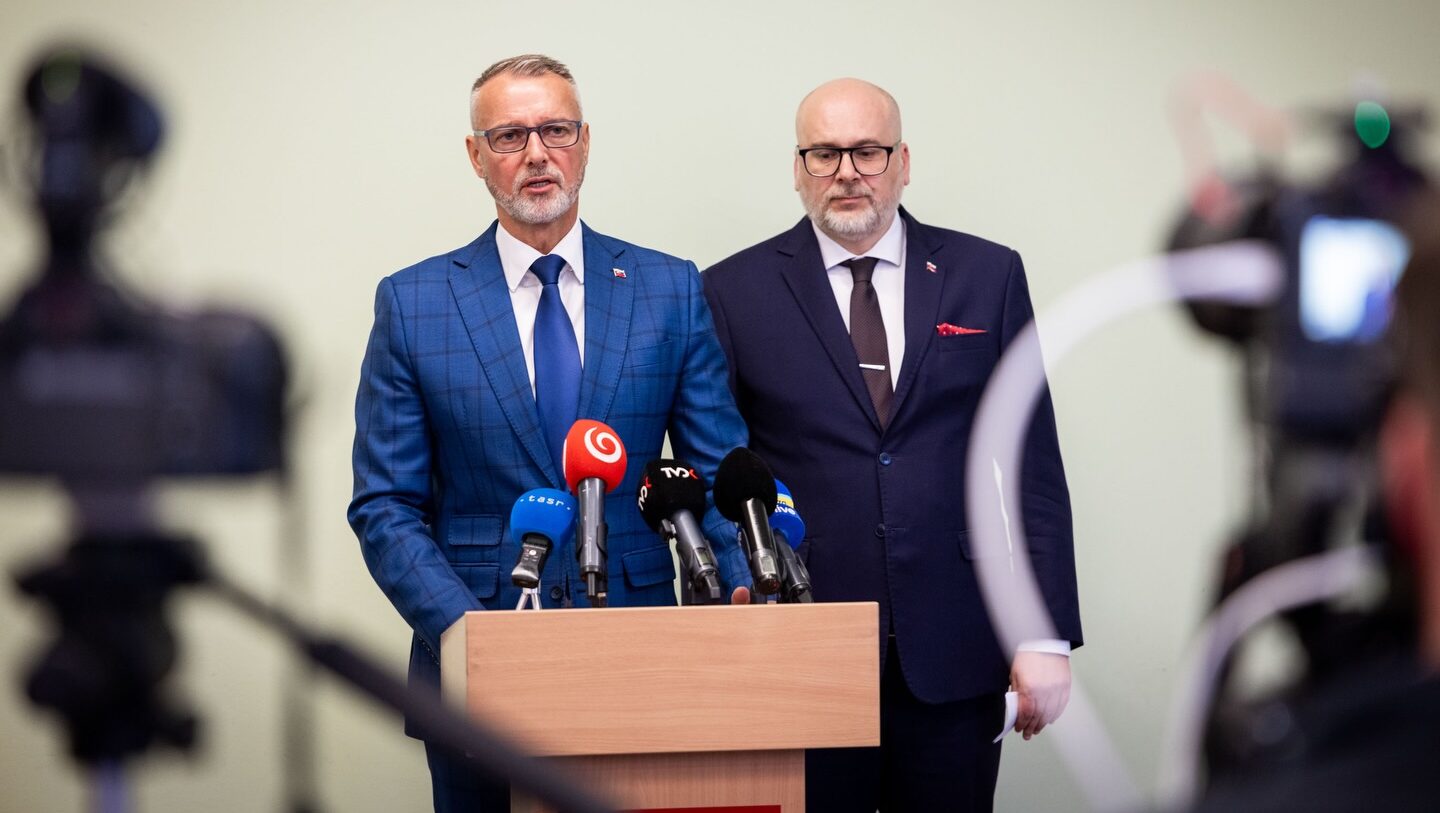
Slovak Healthcare Officials Discuss Reform Needs at Bratislava Conference

Slovakia's health minister Kamil Šaško opened a healthcare conference in Bratislava on Thursday, bringing together top constitutional officials to discuss the future of the country's medical system. The event, titled "Healthy Hospitals - Strong Healthcare," featured calls for fundamental reforms and the need for broader political agreement on healthcare policy. Discussions focused primarily on the future of hospitals, their financing mechanisms, and the stability of Slovakia's overall healthcare system. The conference highlighted ongoing challenges facing Slovak healthcare infrastructure and the search for sustainable solutions to ensure quality medical services.

|
Society

Pilot audit reveals major operational issues in five Slovak hospitals

A pilot audit conducted in five Slovak hospitals has revealed several significant operational deficiencies, according to Health Minister Kamil Šaško. The audit identified problems with operating room utilization, hospital occupancy rates, and service logistics that require improvement. The findings point to systemic inefficiencies in how Slovak healthcare facilities manage their resources and operations. The audit represents part of broader efforts to assess and reform Slovakia's healthcare system, which has faced ongoing challenges with capacity management and operational effectiveness.

|
Society

Police Detain Woman Suspected in Child Abuse Case

Slovak police have detained a woman suspected of involvement in a child abuse case. Investigators are currently conducting necessary procedural activities with the detained suspect. The arrest represents a continuation of an ongoing child abuse investigation, though authorities have not released additional details about the specific nature of the case or the woman's alleged role in the abuse.

|
Society

Health Minister Must Determine Budget for Hospital Construction Completion

Slovakia's Health Minister must establish a budget for completing construction of hospitals across the country. Deputy Prime Minister Peter Drucker stated after a government meeting that finishing hospital construction projects will not pose a problem. The announcement comes as Slovakia faces ongoing challenges with healthcare infrastructure development, with several hospital projects requiring completion to improve the country's medical capacity.

|
Society

Illegal Boarding House Operated in Uncertified Building, Owner Claims No Knowledge

A property owner has been operating an illegal boarding house in a building that lacks proper certification and permits. The owner claims the facility is housing construction workers and denies knowledge of any complaints or problems with the property. The case highlights ongoing issues with unauthorized accommodation facilities in Slovakia, where property owners sometimes circumvent licensing requirements by operating informal lodging for migrant workers or temporary residents.

|
Society

Slovak NGO founder challenges genetic myths about Roma children's intellectual capacity

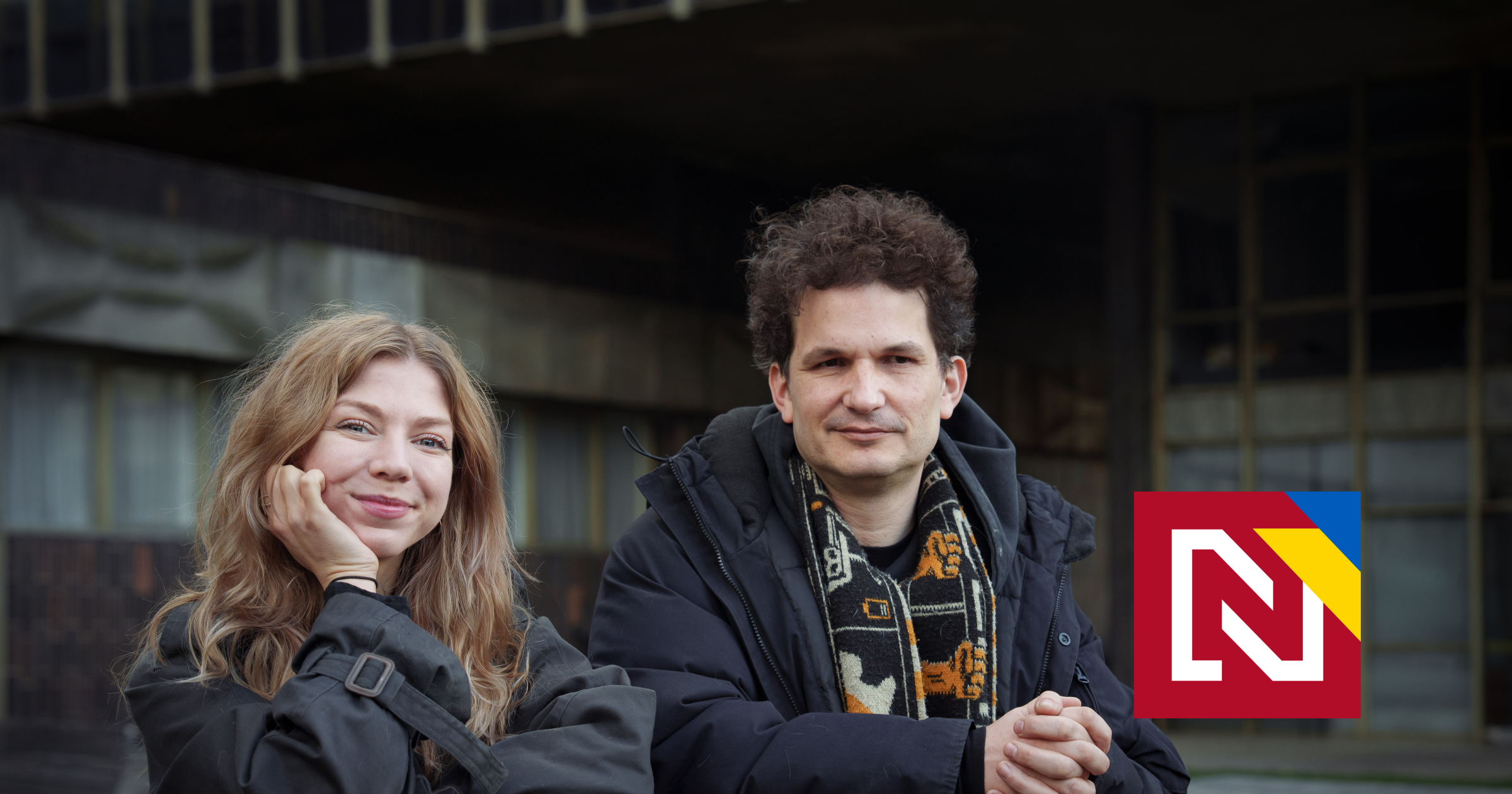
Barbora Mistríková, co-founder of the Slovak organization Divé maky (Wild Poppies), which has worked for 20 years to help Roma children succeed academically, has spoken out against persistent genetic myths surrounding Roma intellectual capacity. The educator expressed frustration that even intelligent and educated people continue to believe unfounded stereotypes about Roma children. Mistríková recounted how one such person told her that Roma children are genetically born with lower intellectual potential, capable only of dancing and singing well. She dismissed these beliefs as "absolute nonsense." Slovakia's Roma minority, estimated at around 400,000 people, faces significant educational and social challenges, with many Roma children placed in special schools or segregated classes despite having normal intellectual abilities.

|
Society

Alternative Spirituality Movement Increasingly Aligned with Far-Right Politics, Slovak Journalists Report

Alternative spirituality movements, commonly known as "ezo" in Slovakia and the Czech Republic, have undergone a significant transformation from personal development focused groups in the 1990s to communities increasingly influenced by far-right ideologies and conspiracy theories. Religious studies experts estimate that up to half of the Czech population may be drawn to alternative spiritual practices. The shift accelerated during periods of economic crisis, increased migration, and the COVID-19 pandemic, when apocalyptic scenarios and disinformation began penetrating esoteric communities. The trend reflects a broader sense among ordinary people that they cannot influence how the world around them is changing, leading them to seek alternative explanations and solutions through spiritual and political movements that promise greater control and understanding of complex global events.

|
Society

Wealthy Slovaks Donate Tens of Thousands Annually as Philanthropy Grows Despite State Obstacles

A first-of-its-kind survey has revealed that wealthy individuals in Slovakia donate tens of thousands of euros annually to charitable causes, with some philanthropists maintaining their giving patterns for more than a decade. The research shows that philanthropy is growing in Slovakia, though the state continues to create barriers that limit the development of charitable giving. The findings provide the first comprehensive look at high-net-worth charitable behavior in the country, highlighting both the potential for expanded philanthropic activity and the regulatory challenges that constrain it.

|