Dávka - Your daily dose of Slovak news
Last refreshed: 20/06/2026 10:38 · 48 articles added
Stories are refreshed at 05:30, 10:30, 15:30, and 21:30 UTC.

Economy

View all1644 stories
Economy

Slovakia Faces High Risk of Fiscal Crisis as Government Abandons Consolidation Plans

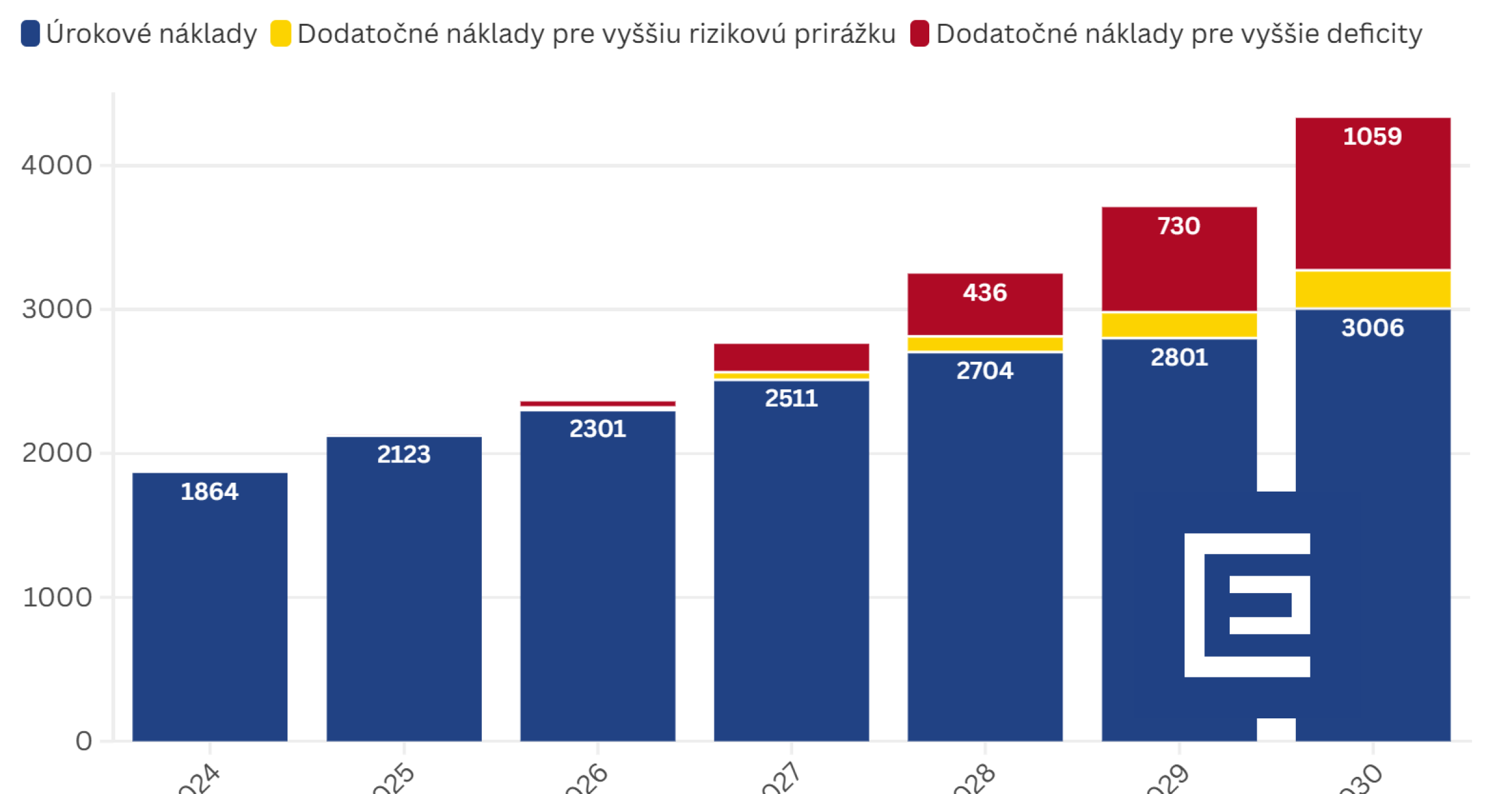
The European Commission has identified Slovakia as the only European Union member state facing high risk to public finances in both the medium and long term. The government of Prime Minister Robert Fico has abandoned earlier fiscal consolidation plans that would have kept the budget deficit around 2 percent and reduced public debt. Instead, current spending patterns have created a fiscal situation so precarious that the difference in planned versus actual spending could have funded two complete hospitals annually. The state is currently constructing new hospitals in Prešov and Martin at a combined cost exceeding one billion euros, highlighting the scale of resources that could have been available under more disciplined fiscal management. Slovakia's ruling Smer-SD party, led by Fico, returned to power in 2023 after winning parliamentary elections on a platform that included increased social spending. The European Commission's assessment places Slovakia in a uniquely vulnerable position among EU member states, as other countries have managed to maintain more sustainable fiscal trajectories. The warning comes as the EU has been pressing member states to reduce debt levels and maintain fiscal discipline following the economic disruptions of recent years.

|
Economy

Slovakia Expands Tax Donation System to Allow Support for Retired Parents

Slovakia has expanded its tax donation system to allow working taxpayers to allocate a portion of their paid taxes directly to their retired parents. Under the new rules, individuals can donate 2 percent of their taxes to both their mother and father separately, while still maintaining the ability to donate an additional 2 to 3 percent to nonprofit organizations. The system allows taxpayers to allocate up to 2 percent each to their retired parents and an additional 2 to 3 percent to third-sector organizations, expanding financial support options for both family members and civil society groups. Slovakia's tax allocation system has traditionally allowed citizens to direct a small percentage of their income taxes to registered nonprofit organizations, but this marks the first time the program has been extended to include direct family support for retirees.

|
Economy

Volkswagen reveals silhouette of next-generation Golf without combustion engine

Volkswagen has provided the first glimpse of its upcoming Golf model, which will not feature a traditional combustion engine. The German automaker is partnering with American startup Rivian to develop the software for the new vehicle. This marks a significant shift for the iconic Golf series, which has been a cornerstone of Volkswagen's lineup since the 1970s, as the company transitions toward electric mobility. The collaboration with Rivian, known for its electric trucks and delivery vehicles, highlights Volkswagen's strategy to leverage specialized expertise in electric vehicle software development.

|
Economy

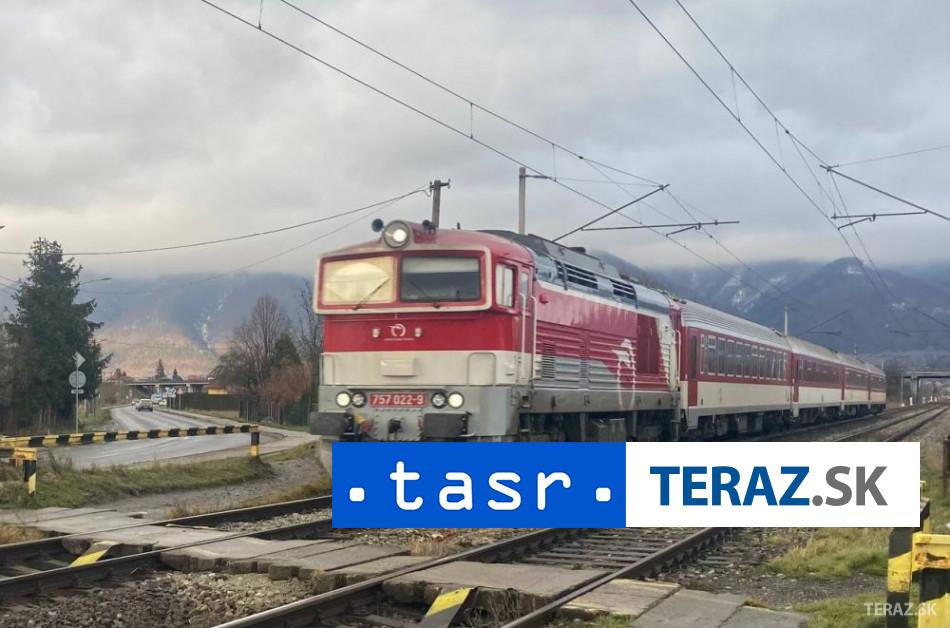
Train Drivers Call for Dialogue with Slovak Transport Ministry on Camera Systems

Train drivers in Slovakia have called on the Ministry of Transport to engage in dialogue regarding the implementation of camera monitoring systems on locomotives. The drivers confirmed they support safety improvements from the outset and want to present their own proposals for enhancing railway transport safety through round-table discussions. The appeal comes as part of ongoing discussions about modernizing safety measures in Slovakia's rail network, with locomotive operators seeking to contribute their professional expertise to the policy-making process.

|
Economy

Progressive Slovakia Calls for Review of Major Investment Declaration for Solar Project

Progressive Slovakia has requested a review of the major investment declaration for the PVE solar power project. The opposition party's representative Stohlová emphasized that the PVE Málinec-Látky project cannot be treated as an experiment. Progressive Slovakia, a liberal opposition party, appears to be raising concerns about the designation of this solar energy development as a strategically important investment, though the specific grounds for their objections were not detailed in the available information.

|
Economy

Slovakia sells 353 million euros worth of state bonds to citizens in four days

Slovakia sold 353 million euros worth of government bonds directly to individual citizens within just four days of launching the program. The "Bonds for People" initiative allows ordinary Slovaks to purchase state debt securities directly from the government. The bond sale will continue until the total offering reaches 500 million euros, meaning approximately 147 million euros in bonds remain available for purchase. The rapid uptake suggests strong public interest in the government securities, which provide citizens with an alternative investment option while helping the state finance its operations.

|
Economy

Volkswagen Considers Entering Defense Manufacturing Sector

Volkswagen is exploring the possibility of entering defense manufacturing, according to reports from Germany. The automotive giant has previously tested military vehicle prototypes at its Osnabrück plant, suggesting the company has existing capabilities that could be adapted for defense production. The consideration comes as European companies increasingly look to diversify into defense sectors amid heightened security concerns across the continent. Volkswagen's potential entry into defense manufacturing would represent a significant strategic shift for the world's second-largest automaker, which has traditionally focused on civilian vehicle production.

|
Economy

Slovakia's GDP Growth Slowed to Three-Year Low in 2024

Slovakia's gross domestic product recorded its slowest growth in three years during 2024, with household consumption serving as the primary driver of economic expansion, particularly during the first half of the year. The economic performance reflects a broader regional trend of moderating growth across Central Europe as inflationary pressures and global economic uncertainties continued to weigh on business investment and consumer confidence. Slovakia, a eurozone member and major automotive manufacturing hub, has been particularly sensitive to shifts in global trade patterns and European industrial demand, making household spending increasingly important for maintaining economic momentum during periods of external headwinds.

|
Economy

Oil Prices Fall as Markets React to Potential Intervention

Global oil prices declined as markets responded to the possibility of intervention measures. The United States also eased restrictions on foreign companies purchasing Russian oil, reducing previous limitations that had constrained international energy transactions. The price drop reflects market expectations that increased supply availability and relaxed trade restrictions could help stabilize energy markets.

|
Economy

Court Could Make Preliminary Ruling on D1 Highway Tender in April, Says Transport Minister

A Slovak court could issue a preliminary decision in April regarding the contested tender for the D1 highway section between Turany and Hubová, according to Transport Minister Jozef Ráž. The minister emphasized that this section remains the most expensive highway project in Slovakia that has yet to be built. The D1 highway is Slovakia's main east-west arterial road connecting Bratislava with eastern regions of the country, and the Turany-Hubová section in central Slovakia has faced delays due to legal disputes over the construction tender process.

|
Economy

Slovakia's Budget Deficit Set to Exceed Targets as Government Spending Surges While Tax Revenue from Ordinary Citizens Rises

Slovakia's Finance Minister Ladislav Kamenický has again miscalculated the country's fiscal position, with government spending increasing dramatically while tax revenues are rising primarily from ordinary citizens rather than broader economic growth. At the current pace of expenditure, Slovakia is projected to breach its planned budget deficit target by summer, raising concerns about the government's fiscal management. The development highlights a growing imbalance in Slovakia's public finances, where increased government outlays are being funded largely through higher tax contributions from individual taxpayers rather than improved overall economic performance or enhanced corporate revenue collection.

|
Economy

Slovakia's Budget Deficit Plan at Risk as Government Spending Outpaces Revenue Growth

Slovakia faces the prospect of exceeding its planned budget deficit by summer due to rapidly growing government expenditures that far outstrip revenue increases. While state spending has surged to extreme levels, income growth has come primarily from ordinary citizens through increased tax contributions, creating an unsustainable fiscal imbalance. The development suggests significant miscalculations in the government's budget planning process and raises concerns about Slovakia's fiscal discipline. Finance Minister Ladislav Kamenický's budget projections appear to have underestimated the scale of government spending relative to available revenues, potentially forcing difficult decisions about either cutting expenditures or revising deficit targets.

|
Economy

Slovakia's Finance Minister Miscalculates Budget as State Spending Soars While Tax Revenue Growth Limited to Ordinary Citizens

Slovakia's Finance Minister Ladislav Kamenický has once again misjudged the country's fiscal trajectory as state spending continues to rise dramatically while revenue growth comes primarily from ordinary taxpayers rather than broader economic expansion. The government's current spending pace threatens to breach the planned budget deficit target by summer, highlighting growing fiscal imbalances. The situation underscores concerns about the sustainability of Slovakia's public finances, with the burden of filling state coffers falling disproportionately on individual citizens through higher tax collections while government expenditures spiral upward unchecked.

|
Economy

Slovakia's Tax Authority and Kia Slovakia Sign Cooperation Agreement to Enhance Transparency

Slovakia's Financial Administration and Kia Slovakia have reached an agreement to strengthen transparent communication between the tax authority and the automotive manufacturer. The memorandum establishes a voluntary cooperation program designed to improve dialogue and collaboration between the two entities. The Financial Administration is Slovakia's central tax collection agency responsible for overseeing tax compliance and revenue collection across the country, while Kia Slovakia operates one of the country's major automotive manufacturing facilities, representing a significant contributor to the Slovak economy.

|
Economy

Martin Printing Company Faces Closure as Owner Seeks State Bailout

Neografia, a printing company owned by Matica slovenská in the city of Martin, is seeking state assistance after warning it cannot survive without help and offering to sell shares to the government. The company has been undergoing debt restructuring under court protection since late last year and currently employs around 230 workers, down from 430 before its financial difficulties began. Matica slovenská, Slovakia's premier cultural and scientific institution founded in 1863 to promote Slovak language and culture, owns the struggling printing operation. The organization is now asking the state to purchase shares in Neografia as part of efforts to save the company from collapse. The potential closure would represent another significant blow to Martin, a city in north-central Slovakia that lost several major employers last year, including the Ecco shoe factory which had employed 650 workers. The mounting job losses highlight the economic challenges facing smaller Slovak cities as industrial employers struggle with financial pressures.

|
Economy

Slovak Cultural Organization Seeks State Bailout for Troubled Printing House in Martin

Matica slovenská, Slovakia's oldest cultural organization, is asking the state to buy shares in its struggling printing company Neografia to prevent its collapse. The printing house, located in the central Slovak city of Martin, has been undergoing court-supervised debt restructuring since late last year and currently employs around 230 workers, down from 430 before its financial troubles began. Martin has already lost several major employers in recent years, including the Ecco shoe factory which closed with 650 jobs last year. Matica slovenská, founded in 1863 to promote Slovak language and culture, argues that Neografia cannot survive without state assistance and is seeking government intervention to preserve both the company and remaining jobs in the economically challenged city.

|
Economy

Slovak National Foundation Seeks to Sell Struggling Printing Company to State

Matica slovenská, Slovakia's cultural foundation, is seeking state assistance for its printing company Neografia, which has been under court protection from creditors since late last year. The foundation wants to sell its shares in the company to the government, arguing that the printing house cannot survive without help. Neografia currently employs around 230 workers, down from 430 before its financial troubles began. The company's struggles add to economic challenges facing the city of Martin, which lost several major employers last year including the Ecco shoe factory that employed 650 people. Matica slovenská, established in 1863, is Slovakia's oldest cultural and scientific institution, originally founded to promote Slovak language and culture during the Austro-Hungarian period.

|
Economy

Slovak Consumer Spending Drops Sharply as Government Austerity Measures Bite

Slovak households have significantly reduced their spending in early 2024, with retail sales declining more than analysts expected as government consolidation measures leave families with less disposable income. Consumers are postponing purchases of non-essential goods and increasingly seeking out discounts and sales promotions to stretch their budgets. The spending slowdown reflects the impact of fiscal austerity measures implemented by the government, rising unemployment, and geopolitical tensions that have made households more cautious about their finances. The reduced consumer demand is expected to contribute to slower economic growth, as domestic consumption represents a key driver of Slovakia's economy.

|
Economy

Slovakia's Largest Waste Processing Facility Moves Closer to Construction

A major waste incineration facility planned by oil refinery Slovnaft is nearing approval after an expert assessment commissioned by Slovakia's Environment Ministry recommended the project proceed. The facility would become the country's largest waste processing plant with a capacity of 220,000 tons annually. The development comes as Slovnaft, which has lost profitable business from Russian oil due to sanctions, seeks to diversify into waste processing. Critics have raised concerns about the plant's potential environmental impact and fears it could lead to increased waste imports from neighboring Hungary and other countries, adding to pollution in the region.

|
Economy

Slovakia moves closer to approving major waste incineration plant as ministry allows record foreign waste imports

An expert assessment commissioned by Slovakia's Ministry of Environment has recommended approval for a major waste incineration plant planned by Slovnaft, the country's largest oil refinery. The facility would become Slovakia's biggest waste processing plant with a capacity of 220,000 tons annually. Critics worry the project will lead to increased waste imports from Hungary and worsen air pollution. The development comes as Slovnaft, owned by Hungarian energy giant MOL, adapts its business model after losing access to advantageous Russian oil imports due to EU sanctions. Meanwhile, the Environment Ministry under Tomáš Taraba has approved record levels of waste imports from abroad, raising concerns about Slovakia becoming a dumping ground for foreign waste.

|