Dávka - Your daily dose of Slovak news
Last refreshed: 20/06/2026 10:38 · 48 articles added
Stories are refreshed at 05:30, 10:30, 15:30, and 21:30 UTC.

Economy

View all1644 stories
Economy

Slovakia Not Facing Energy Crisis Yet, But Worst-Case Scenarios Remain Possible

Slovakia is currently not experiencing an energy crisis, according to recent assessments, though officials acknowledge that worst-case scenarios could still materialize. The statement suggests that while the country has avoided immediate energy supply disruptions, authorities remain cautious about potential future developments that could lead to more severe energy challenges. Slovakia, like other European Union countries, has been monitoring its energy security closely since geopolitical tensions began affecting regional energy supplies, particularly given the country's historical dependence on energy imports from Russia.

|
Economy

Gas prices in Slovakia could rise above 1.7 euros per liter amid oil market developments

Gasoline prices in Slovakia could increase to over 1.7 euros per liter if oil prices continue their current upward trajectory, according to market analysts. The warning comes as developments in global oil markets are expected to influence fuel pricing across the Central European region. Slovakia, like other countries in the region, remains vulnerable to international oil price fluctuations due to its dependence on imported petroleum products for domestic fuel supply.

|
Economy

Oil Prices Reach Multi-Year Highs as Slovak Opposition Proposes Fuel Tax Cut

Oil prices have reached their highest levels in years, prompting Slovakia's opposition Freedom and Solidarity party (SaS) to propose reducing fuel taxes by 30 percent to ease the burden on consumers. Prime Minister Robert Fico continues to defend the interests of Slovnaft shareholders amid rising energy costs, though his attacks on critics appear inconsistent with the current market situation. SaS, a liberal opposition party, argues the tax reduction would provide relief to Slovak drivers facing significantly higher fuel prices at gas stations across the country.

|
Economy

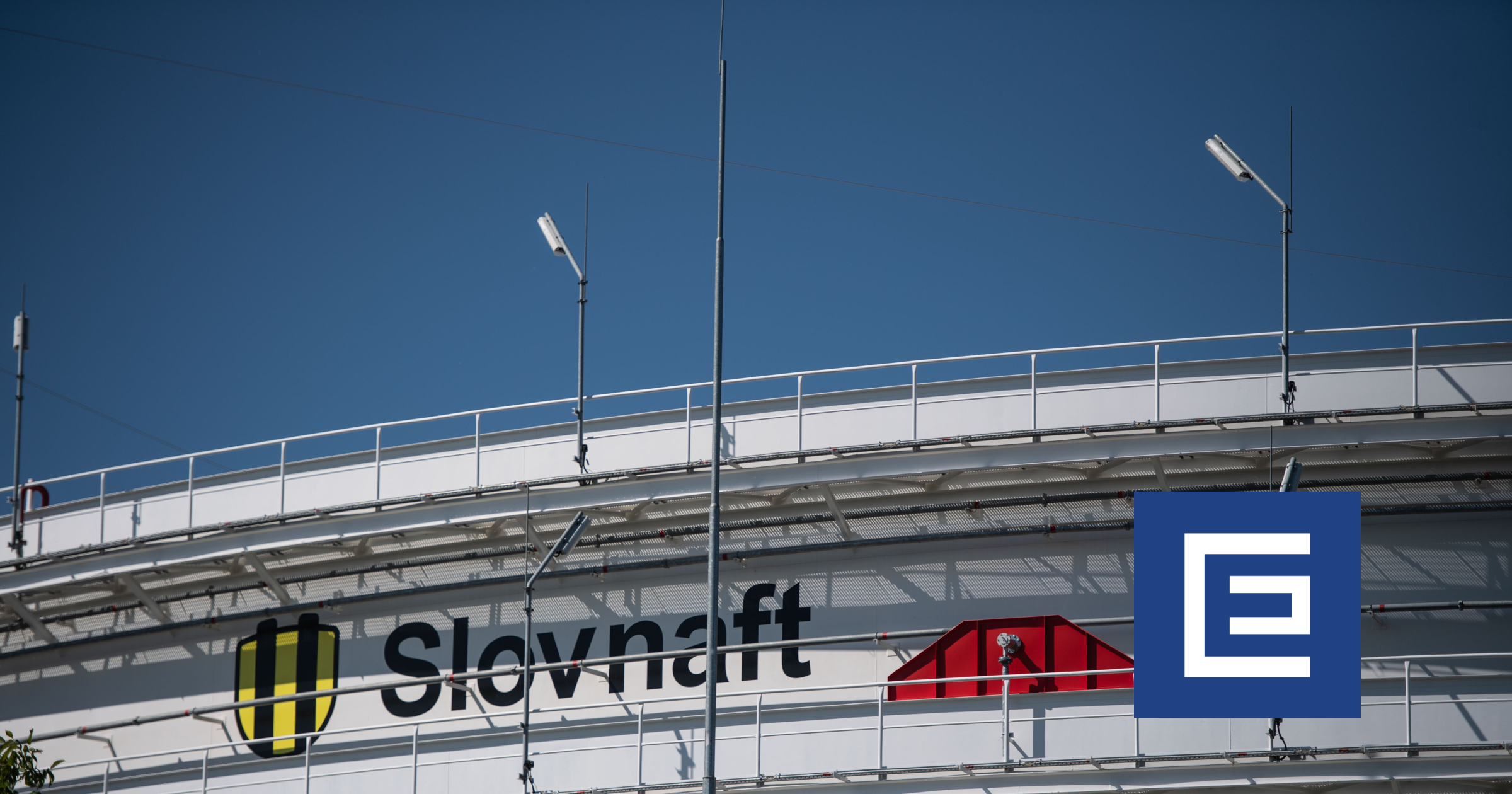
Slovak PM Overstates Oil Crisis as Slovnaft Maintains Supply Through August

Prime Minister Robert Fico has exaggerated the impact of global oil supply disruptions to justify resuming Russian oil imports, despite Slovakia's main refinery having sufficient supplies through August. US and Israeli attacks on Iran's regime have complicated the sale of approximately one-fifth of global oil, providing Fico with arguments to defend renewed Russian energy imports. The rising oil and gas prices are affecting domestic companies, with Duslo Šaľa, Slovakia's largest gas consumer, already reducing fertilizer production to minimum levels. However, Slovnaft, the country's primary refinery, maintains adequate oil reserves for the domestic market until August. The situation highlights ongoing tensions over Slovakia's energy policy, as Fico's ruling Smer-SD party continues to advocate for energy ties with Russia despite EU sanctions and pressure to reduce dependence on Russian energy supplies.

|
Economy

Slovak Energy Agency Calls on Public Administration to Report Energy Consumption Data

The Slovak Innovation and Energy Agency (SIEA) has issued a call for public administration bodies to report their energy consumption data. This requirement stems from provisions in Slovakia's energy efficiency law, which mandates that public sector organizations provide detailed information about their energy usage. The data collection is part of Slovakia's broader efforts to monitor and improve energy efficiency across government institutions, aligning with European Union directives on energy performance in public buildings and administration.

|
Economy

Ford Tests Hybrid Ranger PHEV in Slovakia, Priced Below Diesel Version

Ford has introduced its Ranger PHEV plug-in hybrid pickup truck to the Slovak market, with the hybrid version priced lower than the diesel three-liter engine variant. The vehicle represents an unusual combination of hybrid technology in a pickup truck format that has performed better than expected in testing. The pricing strategy makes the environmentally-friendly hybrid option more accessible to Slovak consumers compared to traditional diesel alternatives in the pickup truck segment.

|
Economy

Slovak Investment Group Penta Develops Billion-Euro London Housing Projects Despite Domestic Scandals

Penta, a Slovak investment group, is developing residential projects worth over one billion euros in London in partnership with Irish developer Ballymore. The luxury apartments are being constructed near the US embassy and the Thames river. While Penta faces scrutiny in Slovakia over the Gorilla scandal, a corruption case based on leaked intelligence files alleging ties between politicians and financial groups, the company has successfully established itself as a premium developer in both the Czech Republic and Britain. Other Slovak investors, including J&T and MiddleCap owned by Miroslav Výboh, are also building projects worth hundreds of millions of euros in London. The international expansion highlights how Slovak business groups are pursuing major real estate developments abroad while managing reputational challenges at home.

|
Economy

Czech Company Vetro-Plus Leaves Slovakia with Millions in Debt After Store Closures

Czech retail company Vetro-plus has left Slovakia with debts totaling millions of euros after operating dozens of stores across the country. The company's departure has left behind only an old Škoda Octavia car and substantial unpaid obligations to creditors. The scale of the financial liabilities highlights the impact on Slovak suppliers, landlords, and other business partners who are now facing significant losses from the company's operations.

|
Economy

Slovakia's Budget Deficit Reaches €1.44 Billion in First Two Months, Sparking Financial Concerns

Slovakia's state budget deficit reached €1.44 billion in the first two months of 2024, according to official figures that have prompted immediate political warnings about the country's public finances. The significant shortfall in the state treasury has generated alarm among political leaders and raised questions about fiscal stability. The deficit represents a substantial hole in public finances early in the fiscal year, with experts analyzing the underlying causes behind the rapid accumulation of debt. The figures have intensified political debate over government spending policies and the sustainability of Slovakia's fiscal position.

|
Economy

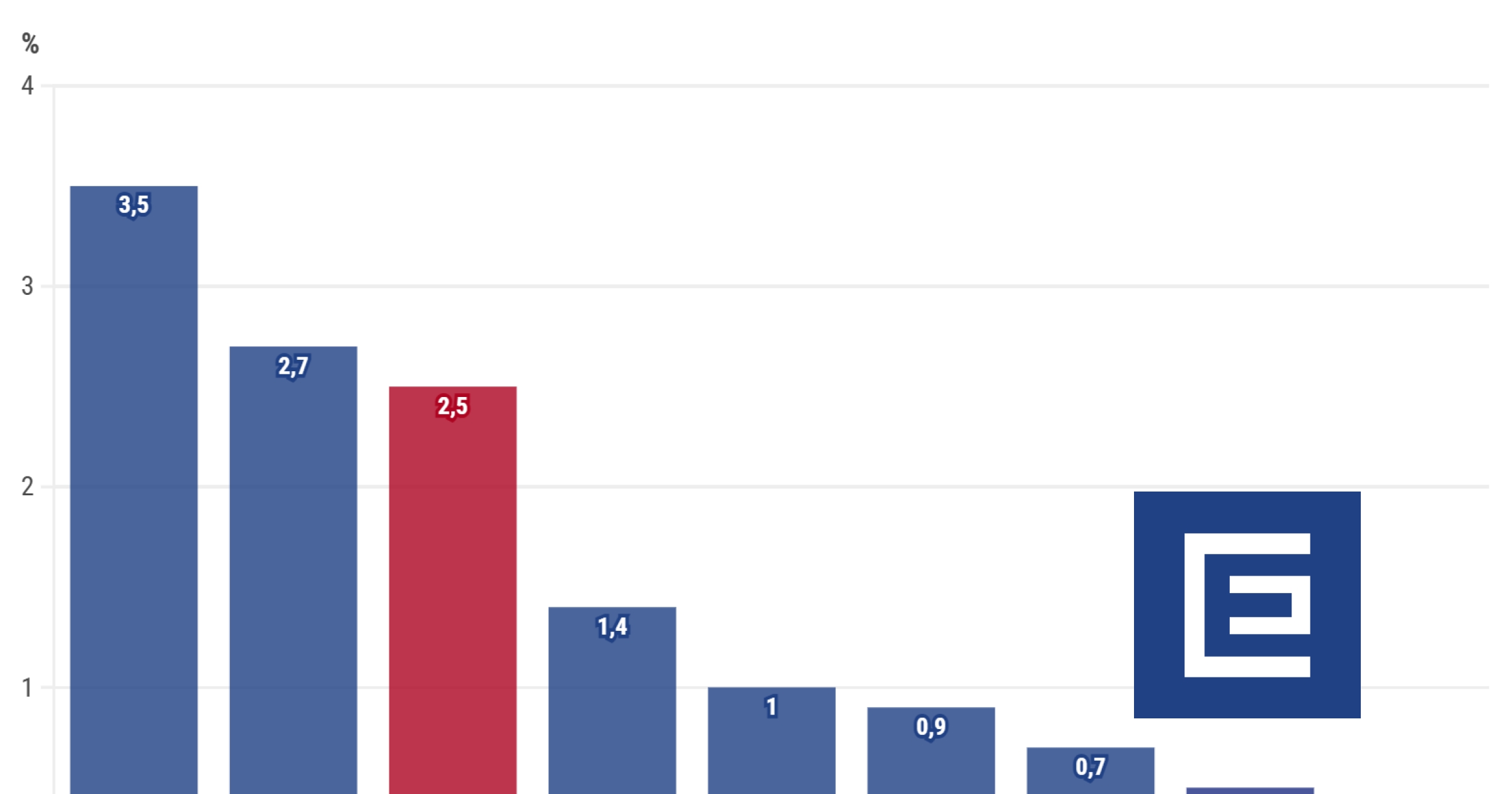
Ukrainian Workers Contribute More to Slovak Economy Than They Cost, Make Up 2.5% of Population

Ukrainian workers are expected to contribute over 600 million euros in taxes and social contributions to Slovakia this year, demonstrating their net positive economic impact four years after the war began. Ukrainians now comprise approximately one-third of all foreign workers in Slovakia and represent 2.5 percent of the country's total population. The influx of Ukrainian workers continues to benefit Slovakia's aging labor market, which has struggled to fill numerous job positions across various sectors. Despite four years of ongoing conflict in Ukraine, the flow of workers from the country to Slovakia has maintained steady momentum, providing crucial support to the Slovak economy through both their labor contributions and tax payments.

|
Economy

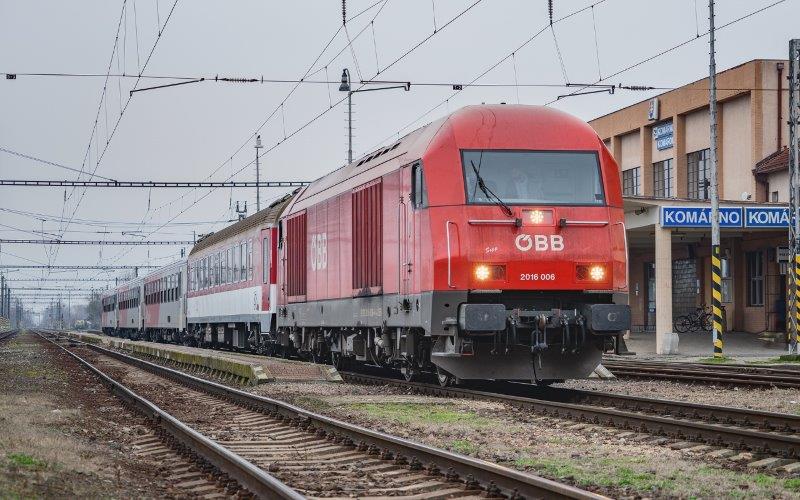
Slovakia's State Railway Launches New Mobile Ticketing System

Slovakia's state railway company ZSSK has introduced a new mobile ticketing option through the FAIRTIQ application, allowing passengers to purchase tickets using a simple check-in system. The new service represents the latest modernization effort by ZSSK, the country's primary passenger rail operator, to streamline ticket purchasing for travelers across Slovakia's railway network. The mobile application-based system aims to provide passengers with greater convenience by eliminating the need for traditional paper tickets or advance booking at stations.

|
Economy

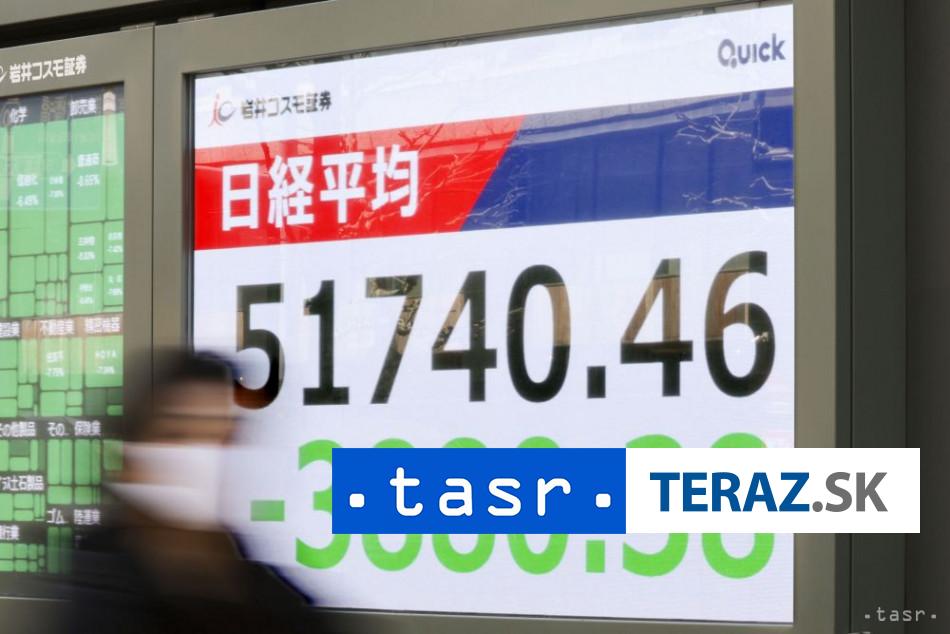
Japanese Stock Market Plunges as Oil Prices Surge Above $100 Per Barrel

Japan's stock exchange suffered sharp losses as oil prices climbed above $100 per barrel (86.50 euros) amid growing concerns about a prolonged conflict in the Middle East. The price surge reflects market fears that an extended war in the region could trigger broader inflationary pressures across global economies. Rising energy costs typically impact Japan's economy particularly heavily due to the country's heavy reliance on energy imports, with investors responding negatively to the prospect of sustained higher oil prices affecting corporate profits and consumer spending.

|
Economy

European natural gas prices surge nearly one-third amid Middle East tensions

European natural gas prices in futures trading jumped nearly 30 percent on Monday as geopolitical tensions escalated in the Middle East. The price spike follows recent military actions by the United States and Israel targeting Iran, which have created uncertainty about energy supply security. Since the beginning of these attacks on Iran, natural gas prices in Europe have roughly doubled, reflecting market concerns about potential disruptions to global energy flows. The sharp price increases highlight Europe's vulnerability to geopolitical developments, particularly given the continent's ongoing efforts to secure stable energy supplies following previous disruptions to Russian gas imports.

|
Economy

Developer Nív Plans Renovation in Response to Reduced Regional Bus Connections

A developer known as Nív is planning a renovation project in response to declining numbers of regional bus connections. The reduction in bus services has resulted in underutilized spaces and an economically unsustainable situation for the station. The renovation appears to be an attempt to adapt the facility to the changing transportation landscape and address the financial challenges caused by decreased passenger traffic.

|
Economy

Counterfeit Euro Notes and Coins Increasing in Slovakia, Fifty and Hundred Euro Bills Most Targeted

Counterfeit euro currency is becoming more prevalent in Slovakia, with fifty and hundred euro banknotes being the most frequently forged denominations. The counterfeiting problem extends beyond paper money, as authorities are also encountering a significant number of fake two-euro coins in circulation. This trend poses challenges for businesses and consumers who must remain vigilant when handling cash transactions.

|
Economy

Slovakia's Construction Output Falls Nearly 2% in January

Slovakia's construction sector production declined by nearly two percent year-on-year in January, reaching a total value of 444 million euros. The decrease reflects ongoing challenges in the construction industry, which serves as a key indicator of economic activity and infrastructure development in the country. Construction output is closely monitored as it affects employment levels, building material demand, and overall economic growth in Slovakia.

|
Economy

Online Shopping Platform Heureka Deploys AI Tools to Combat Algorithm-Driven Market Changes

Heureka, a major Slovak online shopping comparison platform, has implemented artificial intelligence tools to address the rapidly changing e-commerce landscape driven by algorithmic decision-making. The company's new AI systems are designed to detect fraudulent activities and identify genuine discounts in the marketplace, responding to how algorithms now influence consumer purchasing decisions faster than ever before. The move comes as automated systems increasingly determine what products consumers see and where they choose to shop online, creating new challenges for both shoppers and e-commerce platforms in distinguishing legitimate deals from deceptive practices.

|
Economy

Asian Markets Plunge as Oil Prices Hit Highest Levels Since Russian Invasion

Asian stock markets fell sharply as investors responded with sell-offs following oil prices reaching their highest levels since Russia's invasion of Ukraine. The market turbulence reflects investor concerns about rising energy costs and their potential impact on global economic growth. Oil price increases typically signal inflationary pressures and can weigh on consumer spending and corporate profits, prompting investors to reassess their positions across Asian equity markets.

|
Economy

Oil prices climb above $100 per barrel amid Middle East shipping disruptions

Global oil prices surged above $100 per barrel on Monday morning as producers reduced output due to disrupted transportation through the Strait of Hormuz caused by ongoing Middle East conflicts. The price increase reflects supply chain concerns as the strategic waterway, which handles a significant portion of global oil shipments, faces security risks from regional warfare. The Strait of Hormuz serves as a critical chokepoint for international energy markets, connecting oil-producing nations in the Persian Gulf with global consumers.

|