Dávka - Your daily dose of Slovak news
Last refreshed: 20/06/2026 05:40 · 23 articles added
Stories are refreshed at 05:30, 10:30, 15:30, and 21:30 UTC.

Economy

View all1640 stories
Economy

Slovak Trade Balance Improves Despite Export Decline in January

Slovakia's export performance weakened in January 2026, declining by 2.8 percent after four consecutive months of growth. The drop marked a reversal in the country's recent trade momentum, ending a positive streak that had lasted since September 2025. Despite the export decline, Slovakia's overall trade balance improved as imports fell even more sharply than exports during the same period. The steeper drop in imports helped reduce the country's trade deficit, providing some relief to the balance of payments despite weaker export performance. The January figures reflect the volatility in Slovakia's trade flows, which are heavily dependent on the automotive and manufacturing sectors that serve European markets.

|
Economy

Rheinmetall Defense Company Reports Record Operating Profit

Rheinmetall, the German defense contractor with operations in Slovakia, has achieved record operating profits driven by European rearmament efforts. The company's strong financial performance reflects increased defense spending across Europe as countries boost military capabilities amid regional security concerns. Rheinmetall operates a significant defense manufacturing facility in Slovakia, making it part of the country's growing defense industry sector that has benefited from heightened demand for military equipment and weapons systems.

|
Economy

US Light Crude Oil Price Fails to Break $85 Barrier as Reserve Release Plan Curbs Rally

The price of American light crude oil remained below the $85 per barrel threshold as plans to release oil from strategic reserves helped curb the recent upward price momentum. The proposed release of petroleum reserves acted as a brake on the oil market rally, preventing prices from breaking through the key psychological level that traders and analysts had been monitoring.

|
Economy

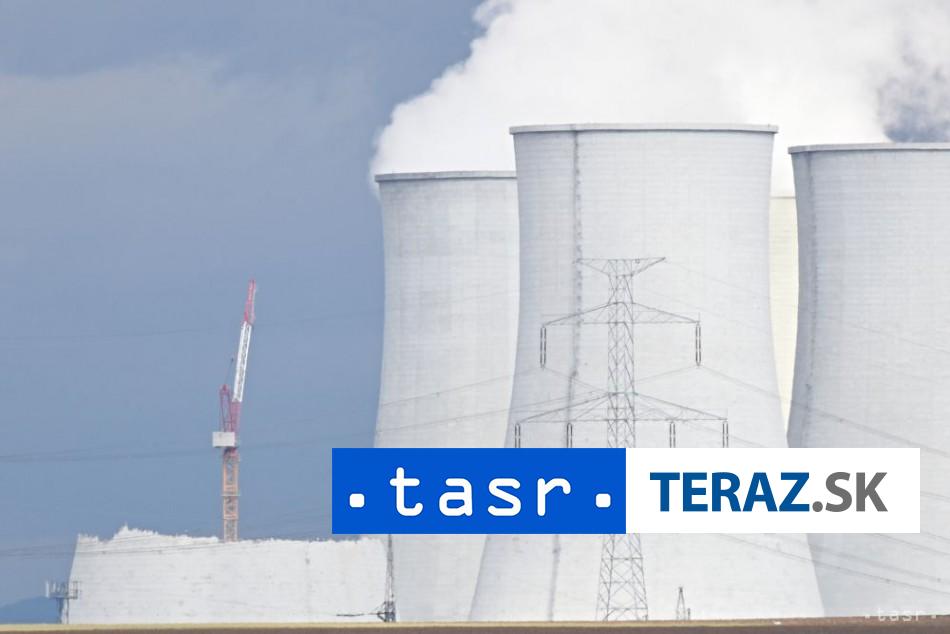
Slovakia's Prime Minister Calls Country a Leader in Nuclear Energy

Slovak Prime Minister Robert Fico described Slovakia as a top performer in nuclear energy during recent remarks. Fico emphasized that any diversification of nuclear fuel supplies must be approached with caution. Slovakia currently relies heavily on nuclear power for its electricity generation, with several reactors operated by the state-owned utility company. The prime minister's comments come amid ongoing European discussions about energy security and reducing dependence on Russian energy supplies following the war in Ukraine.

|
Economy

Slovak Bookstores Struggle Despite Lower VAT as Government Consolidation Measures Bite

Slovak bookstores and publishers are facing mounting financial pressure from government consolidation measures, despite benefiting from reduced value-added tax on books. Booksellers complain that the government is imposing financial strain wherever possible, creating a tense operating environment for the industry. The consolidation policies, aimed at reducing the state budget deficit, are threatening the viability of publishing houses and bookstores across the country. Slovakia's government has implemented various austerity measures as part of its fiscal consolidation efforts to bring public finances under control, but these policies are creating additional burdens for businesses already struggling with challenging market conditions.

|
Economy

Carbon Footprint Becomes New Factor in Slovak Construction Standards

Slovakia's construction industry is incorporating carbon emissions as a new measurement standard alongside traditional cost and volume calculations. The sector is now adding carbon dioxide equivalent in kilograms as a third variable to the conventional equation of euros and cubic meters when evaluating construction projects. This shift reflects growing environmental considerations in building practices and represents a move toward more sustainable construction standards in Slovakia.

|
Economy

Construction Industry Adds Carbon Footprint to Building Standards

Slovakia's construction sector is introducing carbon footprint measurements as a new standard alongside traditional cost and volume calculations. The industry, which has historically focused on the equation of "euros and cubic meters" when evaluating projects, will now incorporate a third variable: kilograms of CO2 equivalent. This shift represents a significant change in how construction projects are assessed and planned, reflecting growing environmental considerations in the building industry.

|
Economy

French Nuclear Giant Framatome Signs Strategic Partnership with Slovak Nuclear Institute

French nuclear technology company Framatome and Slovakia's Nuclear and Decommissioning Company (VUJE) have signed a memorandum of understanding establishing a strategic partnership. The agreement focuses on nuclear engineering services, nuclear power plant modernization, and the deployment of advanced nuclear technologies. VUJE is a Slovak state-owned company that provides engineering and technical services for nuclear facilities, including Slovakia's two nuclear power plants at Jaslovské Bohunice and Mochovce. The partnership comes as Slovakia relies heavily on nuclear energy, which provides roughly half of the country's electricity supply, and as the European Union seeks to expand nuclear capacity to meet climate goals and reduce dependence on Russian energy imports.

|
Economy

Middle East War May Halt Decline in Slovak Mortgage Rates

Concerns over higher inflation caused by war in the Middle East are driving up required yields in financial markets, potentially affecting mortgage interest rates in Slovakia. The conflict may have caused mortgage rates to reach their bottom, with the possibility of rates increasing again. Slovakia's average mortgage rate stood at 3.45 percent in January, though rates as low as three percent remain available. The war's indirect effects could impact Slovak residents seeking to secure home loans, as global financial markets respond to geopolitical tensions by demanding higher returns on investments, which typically translates into higher borrowing costs for consumers.

|
Economy

Slovakia More Vulnerable to Iranian Crisis Due to High Energy Intensity of Economy

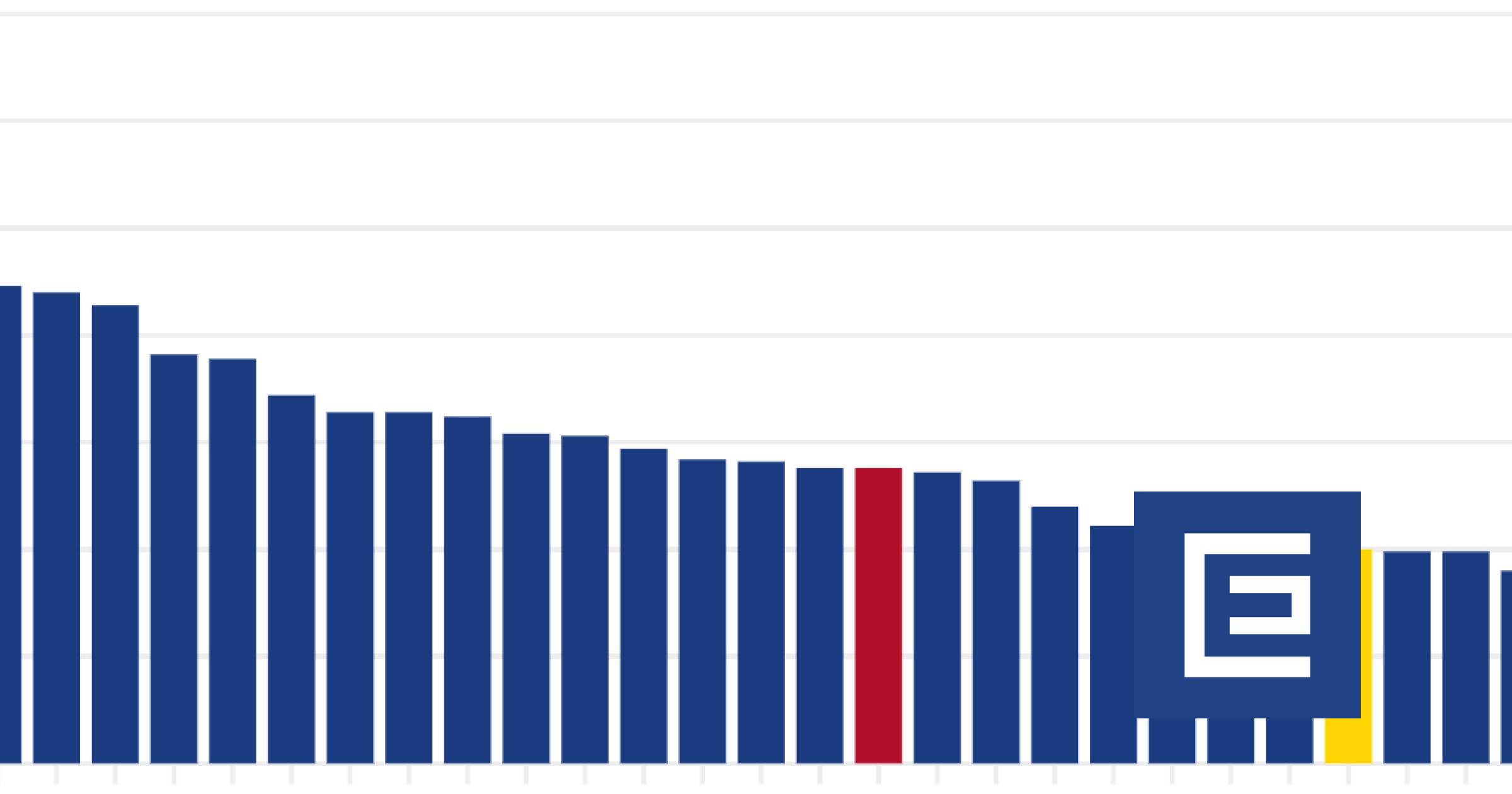
Slovakia's economy requires significantly more energy to generate economic value than the European Union average, making the country particularly vulnerable to energy price increases from geopolitical crises like the current Iranian situation. According to analysts, this higher energy intensity is characteristic of less developed economies and indicates that Slovak manufacturing companies are especially sensitive to rising energy costs. Slovakia's industrial sector has an energy intensity well above the EU average, with potential further increases if the Slovalco aluminum plant resumes production operations.

|
Economy

Former Postal Worker Becomes One of Slovakia's Wealthiest After Building Retail Empire

Miroslav Labaš has risen from working as a dissatisfied postal worker to become one of Slovakia's richest individuals through building a retail business empire. The entrepreneur's journey began when he approached Jednota, a major Slovak retail chain, after leaving his position with the postal service. His transformation from a frustrated postal employee to a major business figure represents one of Slovakia's most notable entrepreneurial success stories in the post-communist era. Labaš's story demonstrates how Slovakia's economic transition created opportunities for ambitious individuals to build substantial wealth through private enterprise.

|
Economy

First EU Regional Development Projects Begin in Prešov Region

The first projects funded by EU regional development funds have begun implementation in Slovakia's Prešov region. In the village of Pečovská Nová Ves, located in the Šariš subregion, a local elementary school is undergoing modernization with 748,000 euros from the European Regional Development Fund (ERDF). The Prešov region, located in northeastern Slovakia, is one of the country's eight administrative regions and has traditionally relied on EU structural funds to support infrastructure and development projects in smaller municipalities.

|
Economy

Christian Democratic Party Lawmakers Welcome Initiative to Reduce Industrial Energy Prices

Lawmakers from the Christian Democratic Movement (KDH) have welcomed an initiative aimed at reducing energy prices for industrial companies. However, the opposition party's representatives criticized the timing of the discussion, stating that efforts to lower industrial energy costs are coming relatively late. The KDH, a center-right Christian democratic party that sits in opposition to the current government, has been vocal on economic issues affecting Slovak businesses. High energy costs have been a significant concern for Slovak industry, particularly following the energy crisis that began with Russia's invasion of Ukraine in 2022, which led to increased electricity and gas prices across Europe and put pressure on manufacturing competitiveness.

|
Economy

Fashion Brand Hugo Boss Reports Fourth Quarter Profit Growth

German fashion company Hugo Boss saw its profits increase during the fourth quarter, though the company expressed caution about its prospects for the current year. The luxury fashion brand expects its operating profit to decline this year to between 300 million and 350 million euros, down from 391 million euros in the previous year. The projected decrease suggests the company anticipates challenges in the fashion retail market despite its recent quarterly performance gains.

|
Economy

Oil could surge to $150 per barrel in prolonged Iran conflict, Slovak analyst warns

Oil prices could reach $150 per barrel if conflict with Iran escalates into a prolonged crisis, according to Slovak commodities analyst Boris Tomčiak. The Strait of Hormuz crisis threatens one-fifth of global oil supply, though recent statements by Donald Trump that any war with Iran would be resolved quickly have temporarily calmed financial markets. Brent crude oil prices dropped from approximately $105 to $90 per barrel following Trump's comments. However, Tomčiak warns that volatility remains high and future developments will depend on the security of shipping traffic through the strait. The Strait of Hormuz is a critical chokepoint for global energy supplies, making any disruption to maritime traffic a significant concern for world oil markets.

|
Economy

Slovakia Announces High-Speed Rail Project Connecting Bratislava to Major European Capitals

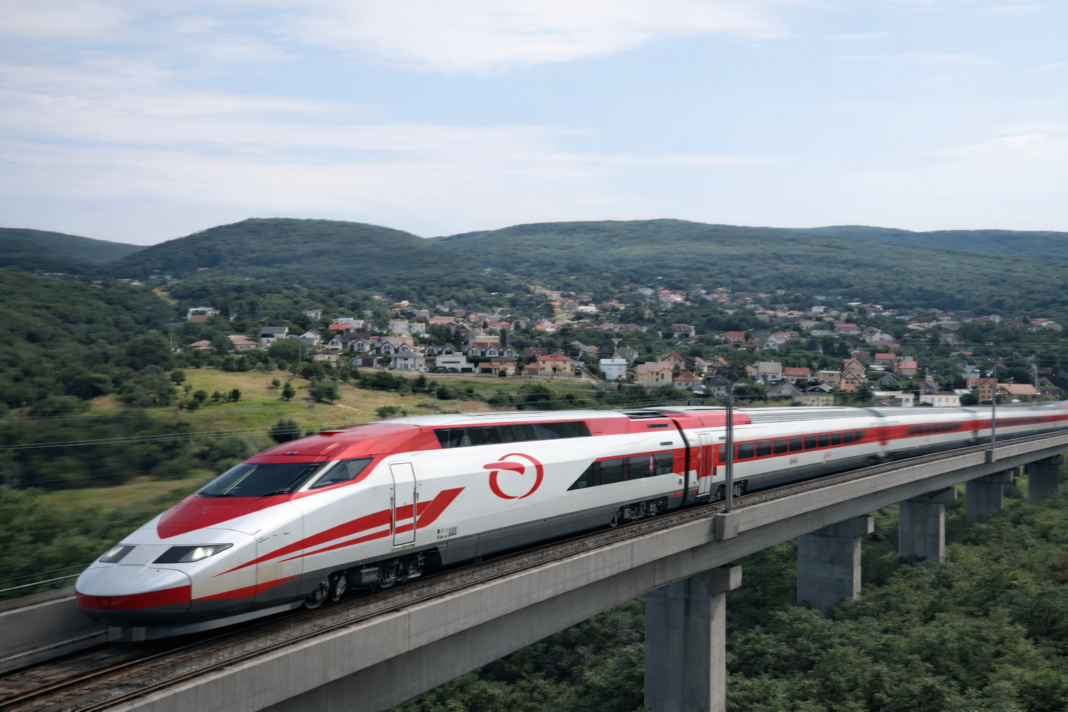
Slovakia's state railway company and Ministry of Transport unveiled plans to build a high-speed rail line connecting Bratislava to Budapest, Prague, and Warsaw. The ambitious infrastructure project would establish Slovakia as a key transit hub on a major European rail corridor linking four capital cities. The high-speed rail network represents a significant transportation development that could transform regional connectivity and boost Slovakia's strategic position in Central Europe's transport infrastructure.

|
Economy

Slovakia Reports Major Losses from EU Fund Fraud and Tax Evasion

Slovakia is experiencing significant financial losses from fraud involving European Union funds, according to warnings issued by former Deputy Prime Minister Veronika Remišová. The country is also reporting substantial damage from tax and customs fraud. Remišová, who previously served as Deputy Prime Minister for Investments and Informatization in the government of Igor Matovič, has highlighted these systemic issues affecting public finances. EU funds are designed to support member states' development projects, but Slovakia appears to be struggling with oversight and prevention of fraudulent activities that divert these resources from their intended purposes.

|
Economy

Slovakia Sells Over €3.2 Billion in Government Bonds in Two Months

Slovakia has sold government bonds worth more than €3.2 billion over the past two months, according to official data. The bond sales represent part of the country's regular debt financing operations to fund government activities and refinance existing obligations. The next scheduled government bond auction is set to take place on March 16, continuing Slovakia's ongoing program of issuing sovereign debt to investors in domestic and international markets.

|
Economy

Renault Plans to End Sales of Gasoline and Diesel-Only Cars in Europe by 2030

French automaker Renault announced it will stop selling vehicles powered exclusively by gasoline or diesel engines in Europe by 2030, marking a significant shift toward electric and hybrid vehicles. The company also revealed a new technological partnership with American tech giant Google, though details of the collaboration were not immediately specified. The move aligns with broader industry trends as European automakers accelerate their transition to electric mobility in response to tightening emissions regulations and changing consumer preferences.

|
Economy

First New Railway Crossing Opens on Modernized Track as Terminal Construction Takes Shape

Railway infrastructure work in Slovakia has reached a new milestone with the opening of the first new railway crossing on a modernized track line. The development comes as construction of a new terminal facility also begins to take visible form in the area. Project officials indicate that current progress suggests the infrastructure improvements will be completed on schedule, with no significant obstacles currently hindering the planned delivery timeline.

|