Dávka - Your daily dose of Slovak news
Last refreshed: 19/06/2026 15:43 · 74 articles added
Stories are refreshed at 05:30, 10:30, 15:30, and 21:30 UTC.

Economy

View all1637 stories
Economy

Slovak Entrepreneur Tomáš Pieružek Achieves Financial Freedom Through Real Estate at Age 37

Tomáš Pieružek, a Slovak entrepreneur, achieved financial independence at age 37 through rental property investments, generating enough passive income that he no longer needs to work. Despite his financial success, Pieružek maintains a frugal lifestyle, continuing to cut his own hair and joking about the results in a recent podcast appearance. He reached this milestone after years of extreme saving, during which he owned only three shirts, demonstrating his commitment to building wealth through disciplined spending habits. After achieving financial freedom, Pieružek attempted retirement but lasted only four months without working. He now dedicates his time to helping others pursue similar paths to financial independence, sharing his experience and strategies for building passive income streams through real estate investments.

|
Economy

Slovak Financial Independence Advocate Shares Path to Early Retirement Through Real Estate

Tomáš Pieružek, a Slovak entrepreneur, achieved financial independence at age 37 through real estate rental income, generating enough passive revenue that he no longer needs to work. Despite his financial success, Pieružek maintains modest habits, including cutting his own hair, which he jokes about in a podcast appearance. After attempting full retirement for four months, he returned to work helping others pursue similar financial independence goals. His story highlights the growing interest among Slovaks in alternative paths to traditional employment and retirement planning through property investment and passive income strategies.

|
Economy

Slovak Government to Provide Millions in State Aid to UK Company Creating Five Jobs

The Slovak government plans to provide state financial assistance worth millions of euros to Haleon, a British consumer health company, for creating just five jobs with an average salary of 3,400 euros. The company is benefiting from relocating its toothpaste production from the United Kingdom to Slovakia. The substantial state aid package for such a small number of positions has raised questions about the cost-effectiveness of the government's investment incentive program, particularly given the high per-job subsidy ratio.

|
Economy

Polish Energy Giant Orlen Cuts Wholesale Fuel Prices, Reduces Diesel Margins to Nearly Zero

Polish energy conglomerate Orlen has reduced wholesale fuel prices and cut diesel margins to almost zero in an effort to mitigate the impact of rising fuel costs on consumers. The move represents the company's attempt to cushion drivers from further price increases at gas stations across its network. Orlen operates the largest refinery in Slovakia through its subsidiary Slovnaft, which it acquired in 2005, making it a significant player in the Slovak fuel market. The price adjustment comes as energy companies across Europe face pressure from rising crude oil costs and supply chain disruptions that have pushed fuel prices higher in recent months.

|
Economy

Slovak Tax Authority Signs Agreement with Japan Tobacco to Combat Illegal Tobacco Trade

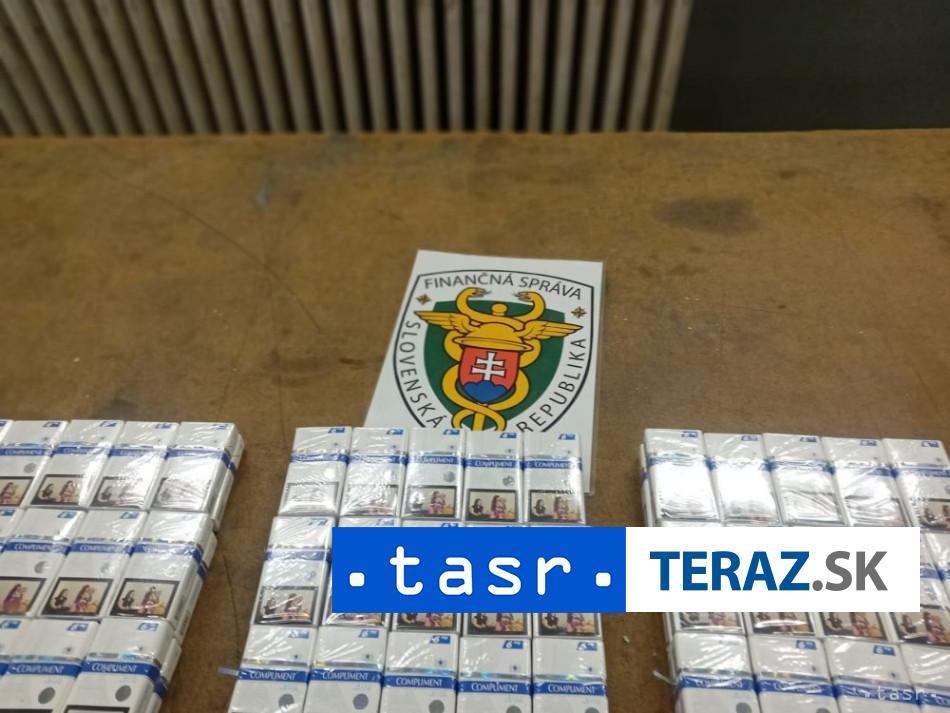
The Financial Administration of Slovakia has signed a memorandum of understanding with Japan Tobacco International (JTI) to combat illegal tobacco trade in the country. The agreement aims to address the significant tax revenue losses caused by the illegal tobacco market, which represents a major fiscal challenge for the Slovak state. The Financial Administration is Slovakia's primary tax collection authority responsible for enforcing tax compliance and preventing tax evasion across various sectors of the economy.

|
Economy

Slovak Cities and Municipalities Prepare for New EU Funding Period 2028-2034

Slovak cities and municipalities are preparing for the upcoming European Union funding period covering 2028 to 2034. The goal is to achieve a 30 percent share of EU funds allocated to local governments during this programming period. This preparation represents part of Slovakia's broader strategy to maximize its access to European structural and investment funds, which provide crucial financing for infrastructure, development projects, and public services at the local level. The target percentage suggests an effort to increase local government participation in EU-funded initiatives compared to previous funding cycles.

|
Economy

Shared Service Centers Raise Hiring Standards, Making Graduate Entry More Difficult

Slovakia's shared service centers, which have been experiencing rapid growth, are tightening their hiring requirements and making it more difficult for recent graduates to secure entry-level positions. Companies operating these centers are increasingly demanding experienced professionals and specialized skills rather than offering traditional graduate training programs. The shift marks a significant change in what had previously been considered an accessible pathway for new graduates to enter the corporate job market in Slovakia.

|
Economy

Slovak Taxpayers Have Seven Days Left to File Tax Returns

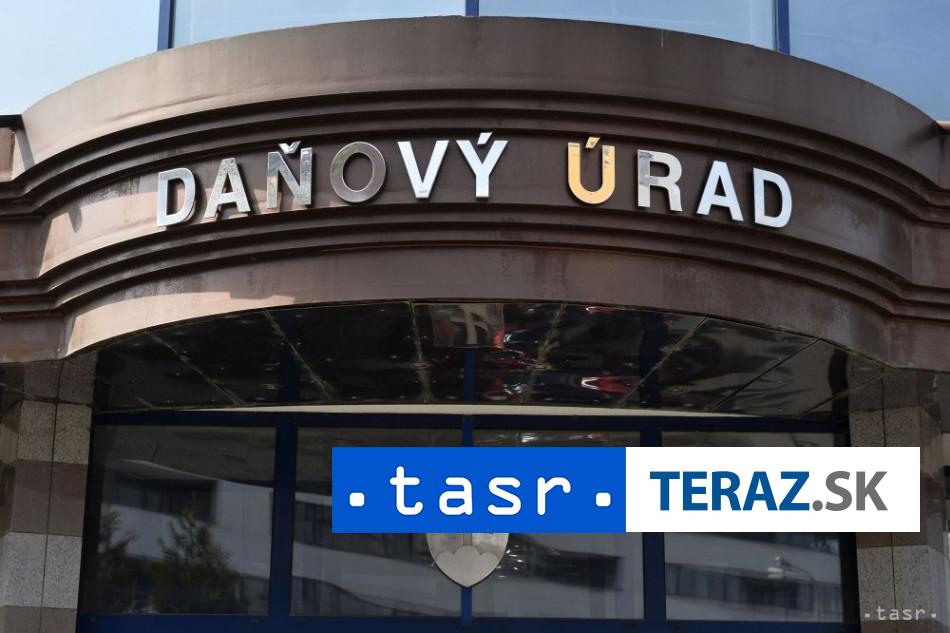
Slovak taxpayers have seven days remaining to submit their annual tax returns, the country's Financial Administration announced. The tax authority is strengthening its services to handle the final rush of submissions before the deadline. Slovakia follows a calendar-year tax system, with citizens typically required to file personal income tax returns by the end of March for the previous tax year.

|
Economy

Slovak Bakery Nelapek Plans Major Expansion with €12 Million Factory

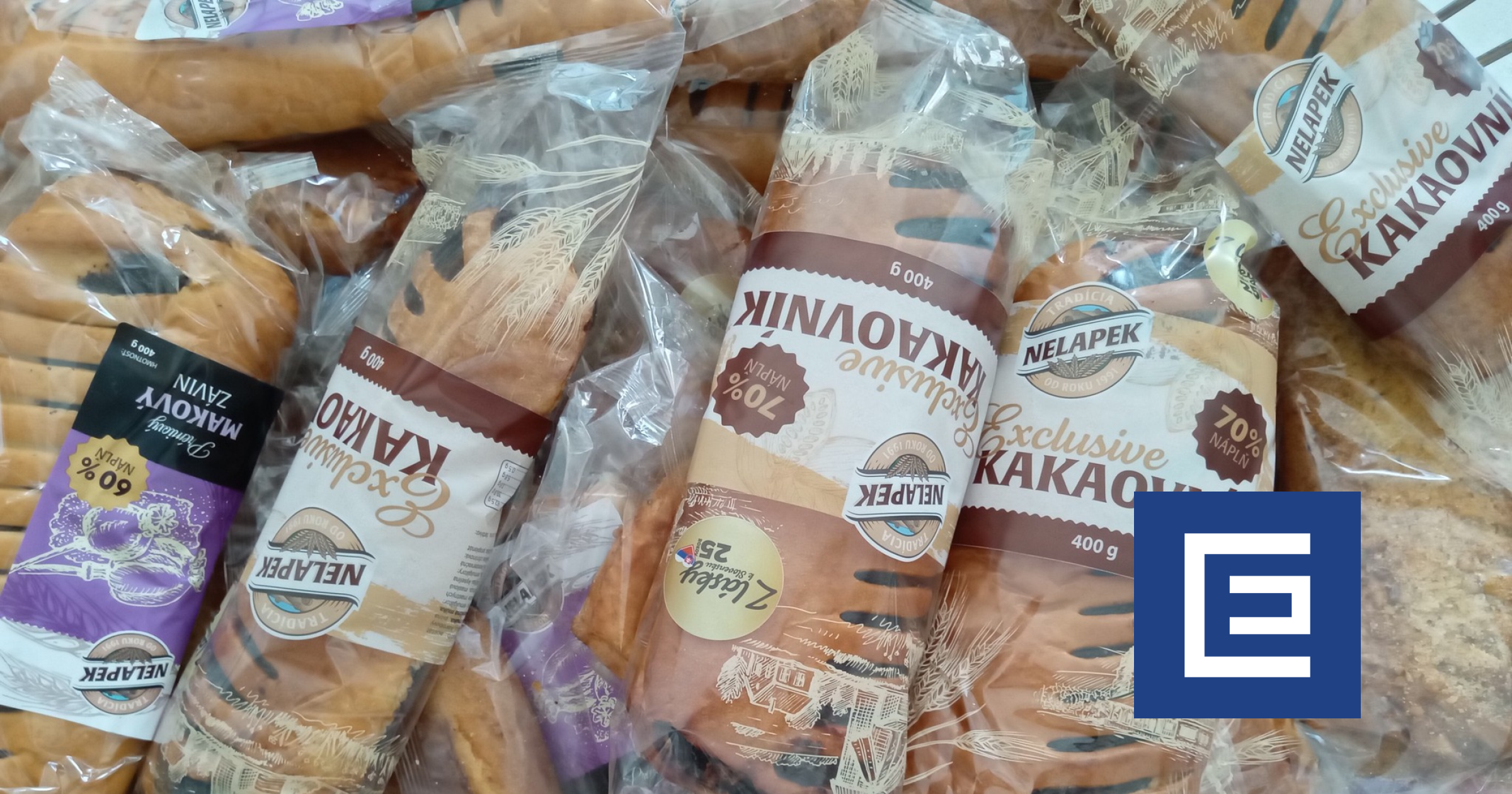
Bakery Nelapek in Nové Zámky plans to build a new €12 million factory to expand its export operations, as the company has achieved significantly higher profits than its competitors in Slovakia's challenging bakery sector. The company is already in negotiations with foreign business partners for the expansion. While most Slovak bakeries producing fresh bread face intense pressure from supermarket chains and achieve only minimal profits, Nelapek has distinguished itself alongside companies like Minit and Frost, which focus on frozen baked goods for further baking rather than fresh products.

|
Economy

Working Children Could Send Nearly 70 Million Euros to Parents Through Tax Donations

Slovakia's tax donation system could transfer nearly 70 million euros from working children to their parents, replacing the previous parental pension scheme. Under the current two-percent tax donation mechanism, taxpayers can designate a portion of their income tax to specific recipients, including family members. This arrangement has effectively substituted the earlier system where parents received direct pension support from their working children, shifting the financial assistance mechanism from mandatory pension contributions to voluntary tax designations.

|
Economy

Record Number of Slovak Companies Use R&D Tax Relief, Saving Over 56 Million Euros

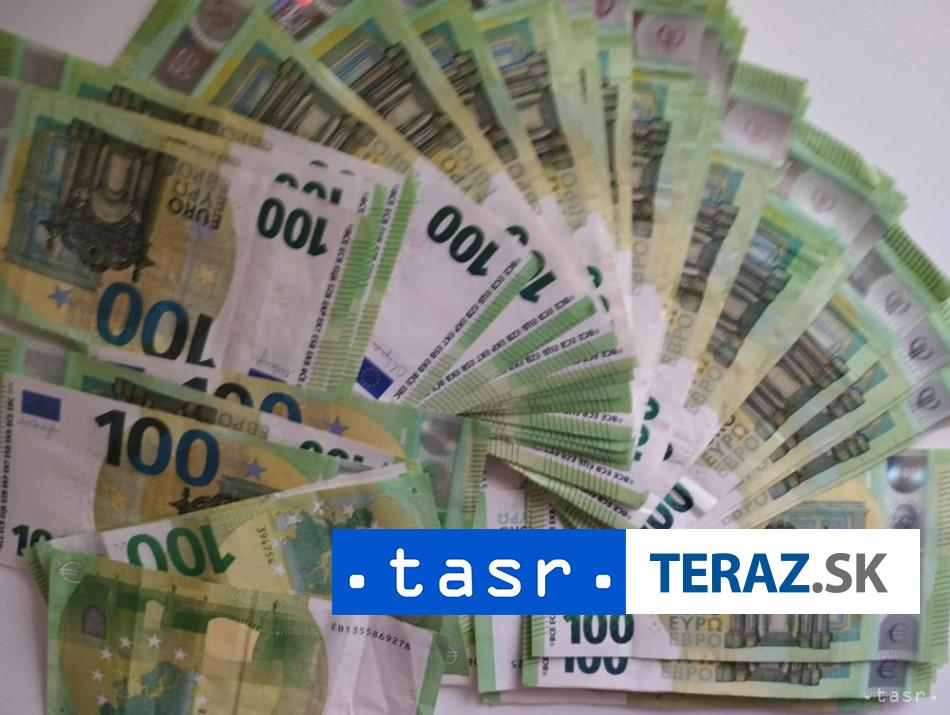
A record number of Slovak companies utilized the country's research and development tax relief program in its tenth year of operation, collectively saving more than 56 million euros. The "superodpočet" program, which allows businesses to deduct research and development expenses from their taxable income at a higher rate than standard business expenses, attracted unprecedented participation from firms seeking to reduce their tax burden while investing in innovation. The tax incentive scheme represents Slovakia's effort to encourage private sector investment in research and development activities, supporting the country's broader economic competitiveness and technological advancement goals.

|
Economy

BYD Tests Super Hybrid Technology with Atto 2 DM-i Model in Slovakia

Chinese automaker BYD has introduced its Super Hybrid technology to the Slovak market through the Atto 2 DM-i model, which operates without requiring external charging. The vehicle represents BYD's approach of adapting electric vehicle technology into hybrid format, with the underlying electric vehicle architecture remaining apparent in the hybrid version's design and functionality.

|
Economy

Mastercard Launches Digital Career Tool to Guide Job Seekers Across Slovakia

Mastercard, in partnership with the International Organization for Migration (IOM) and Slovak job portal Profesia.sk, has launched a free digital tool called "Kam ďalej" (Where Next) to help people navigate career opportunities across Slovakia. The platform provides personalized advice on career direction and skills development tailored to different regions throughout the country. The initiative aims to address regional employment disparities and help workers identify growth opportunities in their local job markets while determining what additional skills they need to advance their careers.

|
Economy

Debt-Ridden Slovak Meat Company Danubius Sold to Czech Buyers to Avoid Closure

Slovak meat processing company Danubius is being sold to Czech investors after struggling with mounting debts and enforcement proceedings. The current owners announced they had no choice but to sell the business to prevent its complete shutdown. The sale represents the latest example of financial distress affecting Slovakia's food processing sector, as companies face pressure from rising costs and debt obligations that threaten their operations.

|
Economy

Slovakia Attracts Companies with Talent But Investment Uncertainty Persists, Says Business Forum

Slovakia continues to attract foreign companies with its skilled workforce, but uncertainty is hampering new investment opportunities, according to Ivan Tomko from the Business Service Center Forum (BSCF). The country has struggled to offset job losses in recent periods, with the business environment facing challenges that are deterring potential investors. The BSCF, which represents companies operating shared service centers and business process outsourcing operations in Slovakia, highlighted the ongoing tension between the country's competitive advantages in human capital and the obstacles created by an uncertain investment climate.

|
Economy

Polish retail chain Biedronka considered acquiring Slovak grocery cooperative

Polish discount grocery chain Biedronka was among potential buyers being considered for the acquisition of Coop Jednota Dunajská Streda, a Slovak retail cooperative. The sale process for the grocery chain, which operates stores in the Dunajská Streda region of southern Slovakia, is now approaching completion. Coop Jednota operates as part of Slovakia's cooperative retail network, which has faced financial difficulties in recent years as independent grocery cooperatives struggle to compete with major international retail chains that have expanded across the country.

|
Economy

Slovak Entrepreneur Acquires Half-Billion Euro Real Estate Fund Including Bory Mall

Slovak businessman Tomáš Spuchliak has purchased the Czech real estate fund ZFP, which manages assets worth 630 million euros and operates in Slovakia, including ownership of the Bory Mall shopping center in Bratislava. The entrepreneur, who started his career renovating apartments in the Orava region of northern Slovakia, is simultaneously launching three new investment funds focused on real estate, rental housing, and industrial enterprises. Spuchliak is also negotiating the acquisition of another Bratislava shopping center and factories producing baked goods, flour, and oils. The ambitious businessman aims to manage assets worth tens of billions of euros within five years, marking a dramatic expansion from his modest beginnings in property renovation to becoming a major player in Central European real estate and industrial investments.

|
Economy

Czech Owner Agrees to Sell Bory Mall Shopping Center to Slovak Group

A Czech owner has reached an agreement to sell Bory Mall shopping center to a Slovak group, with the buyer indicating plans for additional acquisitions. The transaction represents a shift from foreign to domestic ownership of one of Bratislava's major retail properties. Bory Mall is a significant shopping destination in the Slovak capital, and the change in ownership could signal broader trends in the country's retail real estate sector.

|
Economy

Gold prices continue declining amid strengthening dollar

Gold prices have continued their downward trend as pressure on the precious metal intensifies due to a strengthening US dollar. The stronger dollar makes gold more expensive for holders of other currencies, reducing demand for the commodity typically viewed as a safe-haven asset during times of economic uncertainty.

|
Economy

Car Sales in European Union Return to Growth in February

Car sales in the European Union recovered and returned to growth in February after a period of decline. The monthly increase also included a notable rise in Tesla electric vehicle sales, marking the first growth for the American automaker in the EU market in more than a year. The February figures suggest a potential stabilization in the European automotive market, which has faced challenges including supply chain disruptions and shifting consumer preferences toward electric vehicles.

|