Dávka - Your daily dose of Slovak news
Last refreshed: 07/06/2026 15:41 · 49 articles added
Stories are refreshed at 05:30, 10:30, 15:30, and 21:30 UTC.

Economy

View all1469 stories
Economy

Slovak Agriculture Association Says Agrivoltaics Not Permitted Under Current Law

An agricultural association has warned that Slovak legislation currently does not permit the construction of agrivoltaic power plants, despite their potential benefits for both farming and energy production. Agrivoltaics is a technology that combines solar energy generation with agricultural use on the same land, allowing crops to be grown beneath or alongside solar panels. The association highlighted this regulatory gap as Slovakia seeks to expand renewable energy capacity while maintaining agricultural productivity. The legal barrier prevents farmers from adopting this dual-use technology that has gained traction in other European countries as a solution to competing demands for land use between energy infrastructure and food production.

|
Economy

XTB Receives Heavy Fine for Selling Risky Investment Products

XTB, a financial services company, has been hit with a substantial penalty for selling high-risk investment products. The firm markets CFD contracts, complex financial derivatives that allow traders to speculate on price movements without owning the underlying assets, in Slovakia and other markets. CFD trading carries significant risk as investors can lose their entire investment within minutes due to leverage and market volatility. The fine reflects regulatory concerns about the aggressive marketing of these products to retail investors who may not fully understand the substantial financial risks involved.

|
Economy

Slovakia sees growth in electric vehicle charging infrastructure capacity and availability

The Slovak Electric Vehicle Association (SEVA) reports that both the power capacity and number of charging points for electric vehicles are increasing across the country. The association emphasizes that beyond expanding the charging infrastructure, it is crucial to ensure that the charging process remains simple and free from unnecessary barriers for users. The development reflects Slovakia's efforts to support the transition to electric mobility as part of broader European Union goals for reducing carbon emissions from transportation.

|
Economy

AT&T Slovakia Announces Mass Layoffs Affecting Hundreds of Positions

Telecommunications company AT&T is implementing widespread job cuts at its Slovak operations, with layoffs expected to affect hundreds of positions. According to trade union representatives, the exact final number of employees who will lose their jobs depends on several factors, including internal transfers to other positions within the company, natural staff turnover, and new job openings that may become available during the process. The layoffs represent a significant workforce reduction for the American telecommunications giant's operations in Slovakia, though the company has not specified the timeline for implementing these cuts or provided details about which departments or services will be most affected.

|
Economy

Czech Republic's Debt Reaches 370,000 Crowns Per Citizen as Finance Minister Considers New Bonds

The Czech Republic's national debt has reached approximately 370,000 Czech crowns per inhabitant, prompting Finance Minister Alena Schillerová to consider reintroducing so-called Republic Bonds for citizens. The bonds, which would be available for purchase by ordinary citizens, represent a potential mechanism for the government to raise funds while offering investment opportunities to the public. The high per-capita debt figure underscores the financial pressures facing the Czech government as it seeks new ways to manage its fiscal obligations.

|
Economy

Slovak Tax Authority Collects Less Revenue Despite Increased Controls

Slovakia's tax offices have increased the number of tax audits but collected less revenue from these controls, undermining government efforts to improve public finances. The Financial Administration conducted more tax inspections in recent years, yet the financial returns from these audits have declined. Tax experts attribute the problem to weakened capabilities within elite investigation units that handle complex cases. The trend suggests that while the state is conducting audits at a reasonable rate, the current legislative framework and reduced capacity of specialized departments are limiting the effectiveness of tax collection efforts.

|
Economy

Oil Prices Drop 12% After Iran Announces Hormuz Strait Will Remain Open

Oil prices fell approximately 12% following Tehran's announcement that the Hormuz Strait will remain open for the duration of the ceasefire. Markets responded positively to Iran's commitment to keep the strategic waterway accessible to shipping traffic. The Hormuz Strait is a critical chokepoint for global oil supplies, with roughly one-fifth of the world's petroleum passing through the narrow passage between Iran and Oman. Iran's assurance that it will not disrupt maritime traffic through the strait during the ongoing truce has eased concerns about potential supply disruptions that had been driving oil prices higher.

|
Economy

Energy Crisis Strains EU Public Budgets as Fiscal Rules Remain Suspended

The ongoing energy crisis is putting significant pressure on public finances across the European Union as governments provide extensive support to households and businesses struggling with high energy costs. Government assistance programs designed to help citizens and companies cope with soaring energy prices are deepening budget deficits throughout the bloc. The European Union suspended its normal fiscal discipline rules for most member countries to allow governments flexibility in responding to the crisis. These budget rules, known as the Stability and Growth Pact, typically limit government deficits and debt levels, but have been set aside to enable countries to provide emergency support without facing penalties for exceeding spending limits.

|
Economy

Opposition party challenges gas transit fee increase, appeals to European Commission

Slovakia's opposition Freedom and Solidarity party (SaS) announced it will file a complaint with the European Commission over approved increases to gas transit fees charged by Eustream, the state-owned gas transmission company. The fees will rise by ten percent according to SaS MP Karol Galek, who criticized the decision as a scandal by the Ministry of Economy. Galek noted that the Ministry of Economy had the opportunity to intervene in the pricing procedure but failed to do so. SaS, a liberal opposition party that previously served in coalition governments, argues the fee increase will burden consumers and plans to challenge the decision at the EU level in Brussels.

|
Economy

Slovakia's New Toll System Delayed Until Next Year Despite State Payment

Slovakia's new electronic toll system will not be operational before the beginning of next year, despite the state having already paid the costs for building the system. The delay represents a setback for the modernization of Slovakia's highway toll collection, which currently relies on paper vignettes for passenger cars and an older electronic system for trucks. The postponement means drivers will continue using the existing system through the remainder of this year, while the new infrastructure sits unused despite the financial investment already made by the government.

|
Economy

Slovakia's Audit Office Exposes Major Financial Waste in Highway Toll System

Slovakia's Supreme Audit Office has uncovered unprecedented waste of public finances and serious irregularities in the country's highway toll system. The audit revealed the highway authority's inability to gain control over a system they have already paid for, along with the risk that citizens may end up paying twice for the same service. The findings highlight significant management failures in one of Slovakia's major transportation infrastructure projects.

|
Economy

Slovakia's Central Bank Prepares Changes to Housing Loan Security Limits

The National Bank of Slovakia is preparing modifications to security limits for housing loans and aims to help remove barriers to financing first-time home purchases. The central bank, which serves as Slovakia's monetary authority and banking regulator, is working on adjustments that could make it easier for first-time buyers to secure mortgage financing. These potential changes come as Slovakia, like many European countries, faces housing affordability challenges that particularly affect young people and families seeking to purchase their first homes.

|
Economy

Slovnaft Operates Near Full Capacity Despite Loss of Russian Oil Supplies

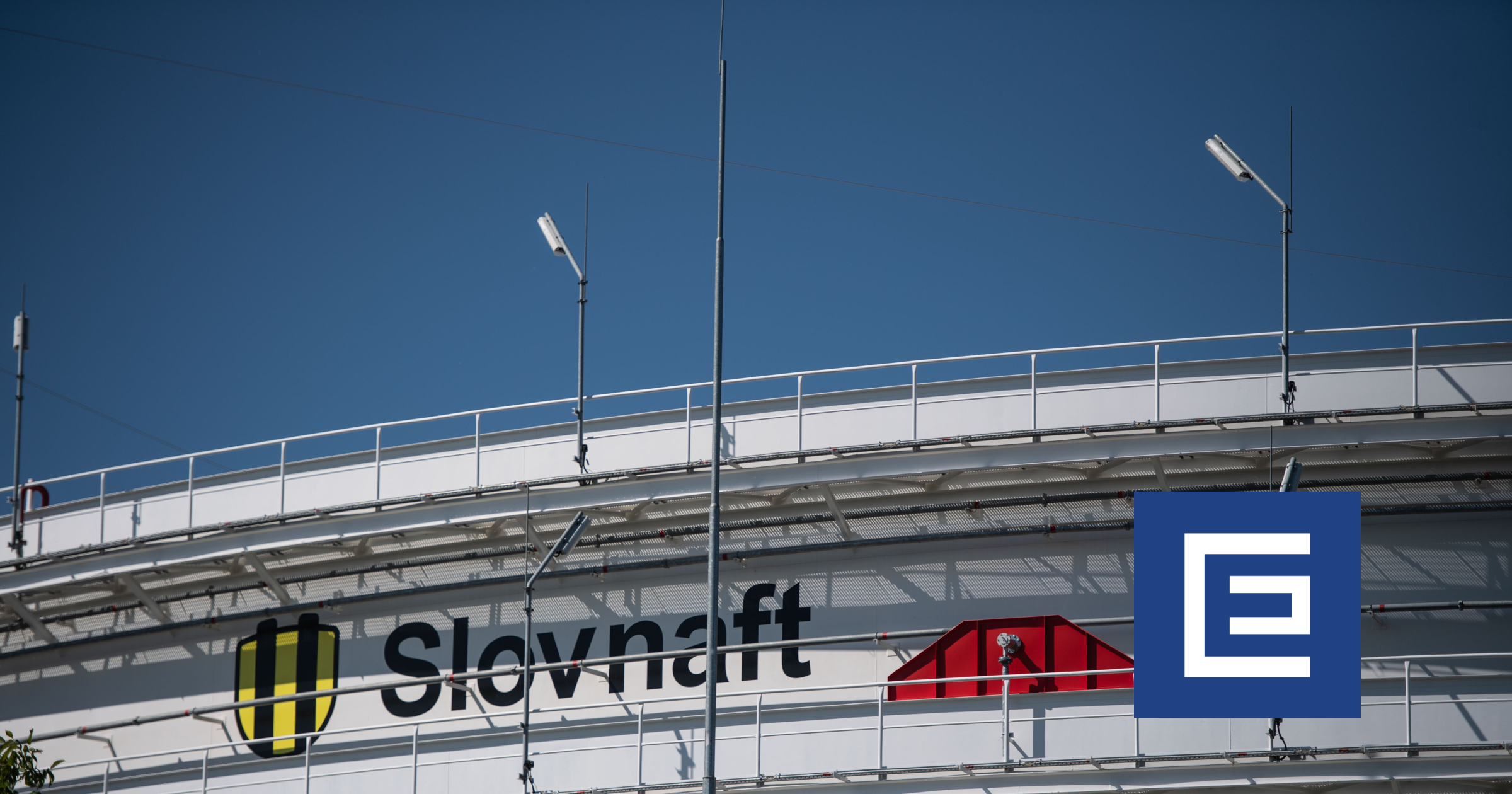
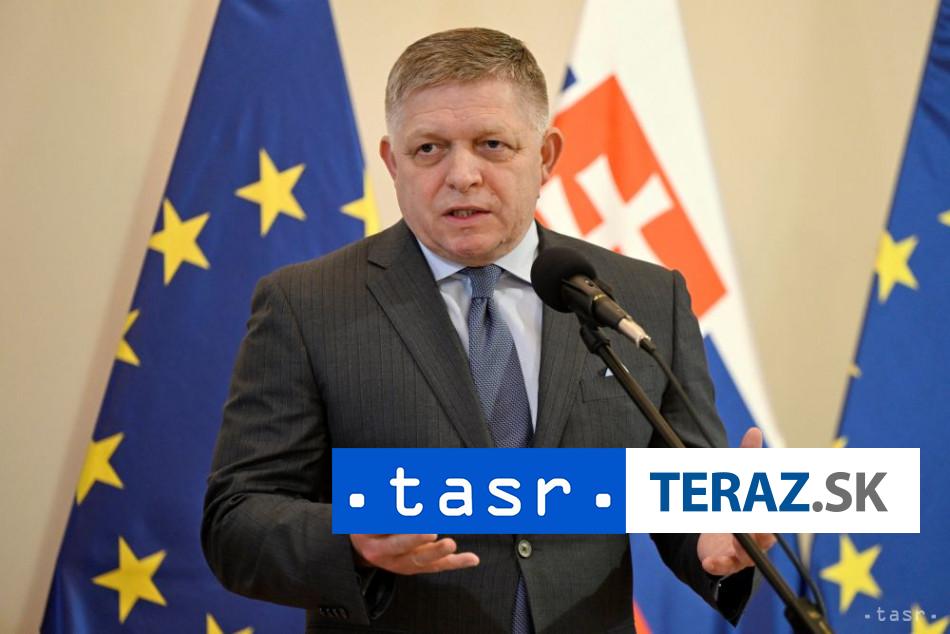
Slovakia's Slovnaft refinery is producing gasoline and diesel at nearly full capacity despite being cut off from Russian oil supplies through the Druzhba pipeline. The refinery previously processed up to 60 percent of its crude oil from Russia before the pipeline shutdown forced it to find alternative sources. Prime Minister Robert Fico confirmed that "Slovnaft is slowly ramping up and going to full capacity," indicating the company has successfully adapted to operating without Russian crude oil despite never having planned to completely phase out Russian supplies. The development demonstrates Slovakia's ability to maintain fuel production independence from Russian energy sources, a significant shift given the country's previous heavy reliance on Russian oil imports through the Soviet-era Druzhba pipeline system.

|
Economy

Decodom Employees Revolt as Owner Focuses on Politics While Company Struggles

Employees at Decodom, a Slovak company, are protesting against their employer while the business faces financial difficulties. The co-owner of Decodom claims he has not been responsible for managing the company since 2019, yet has remained active in other pursuits including politics and launching a new e-commerce venture. Workers say they are fighting for survival while their owner pursues influencer activities and political involvement instead of addressing the company's problems.

|
Economy

Wind Energy Covered Nearly One-Fifth of EU Electricity Consumption Last Year, Slovakia Lags Behind

Wind energy accounted for nearly one-fifth of electricity consumption across the European Union last year, as new wind power installations continued to expand throughout the bloc. The European Union added new wind power capacity during the year, contributing to the renewable energy sector's growing role in the region's electricity mix. However, Slovakia remains significantly behind other EU member states in wind energy development, with the country generating relatively little electricity from wind power compared to the European average. The disparity highlights Slovakia's continued reliance on traditional energy sources while many of its European neighbors advance their renewable energy transitions.

|
Economy

Rising Electricity Costs Drive Factories from Slovakia as Ruling Party Criticizes EU Green Deal

High electricity prices are forcing manufacturing companies to relocate operations outside Slovakia, prompting the ruling Smer-SD party to call for modifications to the European Union's Green Deal policy. The social-democratic party, which leads Slovakia's government coalition, rejected criticism from the opposition SaS (Freedom and Solidarity) party about the country's deteriorating business environment and corporate exodus. Smer-SD instead blamed the opposition for what it described as financial disruption and economic chaos in the country. The dispute highlights growing tensions over energy costs and their impact on Slovakia's industrial competitiveness, as businesses face pressure from EU environmental policies that have contributed to higher energy prices across member states.

|
Economy

Slovak TV and Streaming Services Raise Prices as Viewers Seek Cost-Saving Alternatives

Several Slovak telecommunications operators and streaming platforms have implemented price increases, prompting viewers to search for more affordable ways to access television programming and entertainment content. Despite the rising costs, consumers can still find options to watch their preferred channels and streaming services at significantly reduced prices or even for free through various alternative methods and promotional offers.

|
Economy

Slovak Prime Minister Warns of Skilled Worker Shortage in Construction Sector

Prime Minister Robert Fico highlighted a critical shortage of qualified workers in Slovakia's construction industry during recent remarks. The prime minister noted that the Slovak economy is facing a significant labor deficit, with approximately 150,000 workers missing from the workforce. The construction sector appears to be particularly affected by this skills gap, which poses challenges for infrastructure development and economic growth. Slovakia, like many Central European countries, has been grappling with labor shortages as workers migrate to higher-paying jobs in Western Europe, while domestic demand for skilled trades remains high.

|
Economy

Trnava Perfume Factory Closes After Decades, Ending Era of Fragrant Train Station

A perfume and cosmetics factory in Trnava has shut down operations, ending decades of production that made the city's train station famous for its sweet fragrance. The facility, which manufactured Slovakia's first breath freshener among other products, ceased operations while its sister company in Bratislava continues under different ownership. The closure marks the end of an industrial era for the western Slovak city, where the distinctive scent from the factory had become a notable feature for train passengers passing through the station.

|
Economy

European Commission confirms Slovakia may receive sixth and seventh recovery fund payments in May

Slovakia could receive its sixth and seventh payments from the European Union's recovery plan as early as May, the European Commission confirmed. The disbursement of funds had been temporarily suspended, but the Commission has now confirmed the resumption of the payment process following legislative changes. The recovery plan is part of the EU's post-pandemic economic support program, which provides member states with grants and loans to help rebuild their economies and implement reforms.

|