Dávka - Your daily dose of Slovak news
Last refreshed: 07/06/2026 10:37 · 52 articles added
Stories are refreshed at 05:30, 10:30, 15:30, and 21:30 UTC.

Economy

View all1464 stories
Economy

Slovak Government Prepares Changes to Second Pillar Pension System

A working group at Slovakia's Ministry of Labor is developing proposals to reform the country's second pillar pension system, seeking to address what officials describe as errors made by the previous single-party Smer government. The second pillar is a mandatory private pension savings system that supplements the state pension scheme, where workers' contributions are invested in private funds to boost retirement income. The current reform initiative is being led by Labor Minister Erik Tomáš, though pension experts have expressed reservations about the proposed changes. The second pillar system has been a contentious political issue in Slovakia, with previous governments making various modifications that affected how much citizens can expect to receive in retirement benefits from their private pension accounts.

|
Economy

Financial advisors recommend equity and index funds for young Slovak pension savers

Young savers participating in Slovakia's second pillar pension system should consider allocating a higher portion of their contributions to equity or index-based non-guaranteed funds, according to financial guidance. Experts recommend that younger contributors, who have decades until retirement, either choose these higher-risk investment options or utilize default investment strategies that automatically adjust fund composition based on age and time remaining until retirement. Slovakia's mandatory second pillar pension system requires workers to contribute a portion of their earnings to private pension funds, with investment choices affecting long-term retirement savings growth.

|
Economy

Oil Flow Through Druzhba Pipeline to Slovakia Set to Resume Wednesday Afternoon

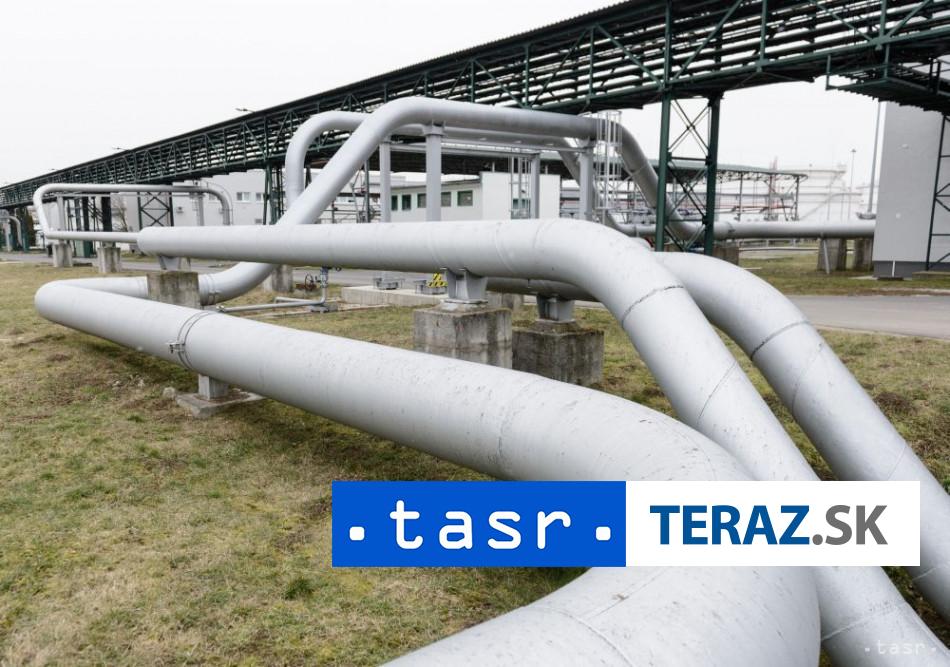
Oil deliveries to Slovakia through the Druzhba pipeline will resume Wednesday afternoon, according to media reports. Hungarian energy company MOL has already submitted applications for the first volumes, which will be distributed equally between Hungary and Slovakia. The resumption marks the end of a supply disruption that had affected both Central European countries, which rely heavily on Russian oil imports through the Soviet-era pipeline system that runs through Ukraine.

|
Economy

European Stock Indices Fall Sharply as Energy Prices Rise

European stock markets experienced sharp declines as oil and natural gas prices increased across the continent. The energy price surge contributed to broader market volatility, affecting major European equity indices. Rising energy costs have become a significant concern for European markets, reflecting ongoing supply pressures and geopolitical tensions affecting commodity prices.

|
Economy

Chinese Automaker Chery Plans to Manufacture Small Electric Vehicles in France

Chinese automotive company Chery announced plans to establish production of small electric vehicles in France. The company ranks as China's third-largest automaker by size. The move represents part of the broader expansion of Chinese electric vehicle manufacturers into European markets, as they seek to establish local production facilities to serve European consumers and potentially avoid import restrictions on Chinese-made vehicles.

|
Economy

Discount Chain Lidl Launches Direct Attack on Competitors in Slovakia's Escalating Price War

Discount retailer Lidl has launched an aggressive advertising campaign in Slovakia, directly comparing itself to competitors Tesco and Billa while claiming to offer the cheapest shopping prices. The German-owned chain has openly targeted its rivals in what represents an escalation of the ongoing price war between major grocery retailers in the Slovak market. Competitors have remained restrained in their responses to Lidl's direct challenge, with Billa notably staying silent on the claims. The campaign reflects intensifying competition in Slovakia's retail grocery sector as chains battle for market share amid economic pressures affecting consumer spending.

|
Economy

Ružinov Hospital Overpaid for CT Scanner Compared to Czech Prices

University Hospital Bratislava overpaid for a new CT scanner installed at its Ružinov facility when compared to prices paid by Czech hospitals for identical equipment, according to a price analysis. The hospital purchased the medical equipment using funds from Slovakia's Recovery and Resilience Plan, the EU-funded program designed to help member states recover from the COVID-19 pandemic and modernize their economies. Czech hospitals acquired the same CT scanner model for hundreds of thousands of euros less than what the Slovak hospital paid, raising questions about procurement practices in the Slovak healthcare system.

|
Economy

Slovak Economists Debate Investment Property Market as Housing Affordability Crisis Deepens

Two economists from opposing camps engaged in a public debate over whether investment property ownership is fair and how it affects Slovakia's housing market. The discussion was sparked by an interview with Tomáš Pieružka, who earns his living from renting out investment apartments. The debate centers on whether property investors drive up housing prices and rental costs, making homes less affordable for ordinary Slovaks. The economists also discussed what role the state should play in regulating the investment property market and how Slovakia can achieve more affordable housing for its citizens. The controversy highlights growing concerns about housing accessibility as property prices continue to rise across the country.

|
Economy

Slovakia's Agricultural Payment Agency Faces Risk of Losing EU Accreditation

Slovakia's Agricultural Payment Agency (PPA) is at risk of losing its European Union accreditation, according to Progressive Slovakia, an opposition liberal party. The potential loss of accreditation would result in the suspension of EU agricultural subsidies, creating severe cash flow problems for Slovak farmers. The Agricultural Payment Agency is responsible for distributing EU Common Agricultural Policy funds to Slovak farmers and rural communities. Progressive Slovakia warned that such a development would have immediate financial consequences for the country's agricultural sector, which relies heavily on European subsidies to maintain operations and competitiveness.

|
Economy

Aircraft Engine Maker GE Aerospace Reports Annual Profit Growth

GE Aerospace, the aircraft engine manufacturer, recorded increased annual profits compared to the previous year. The company's total revenue rose 25 percent to $12.39 billion, up from $9.94 billion in the same period last year. The growth reflects strong performance in the aviation sector as the industry continues its recovery from pandemic-related disruptions.

|
Economy

Slovak Tax Administration Launches New Customs Transit System

Slovakia's Financial Administration has launched a new customs transit system, which has begun operations without any significant technical issues reported so far. The Financial Administration, which oversees tax collection and customs operations in Slovakia, implemented the system to modernize customs procedures for goods in transit through the country. The successful rollout represents part of Slovakia's ongoing efforts to digitize and streamline administrative processes, particularly those related to international trade and EU customs requirements.

|
Economy

Slovak E-commerce Stores Struggle as Consumers Cut Spending

Slovak online retailers are facing significant challenges as consumers reduce their spending, with some e-commerce businesses considering store closures. The financial pressures have become so severe that traditional competitive advantages like product quality are no longer sufficient to maintain sales. Economic experts predict that Slovak consumers will continue to tighten their spending throughout the year, suggesting the difficulties facing the retail sector may persist. The trend reflects broader economic pressures on Slovak households, forcing businesses to make difficult decisions about their operations as they struggle to adapt to reduced consumer demand.

|
Economy

Slovak Government Offered Free Pro-Growth Economic Menu

A Slovak economic publication has presented the government with a comprehensive set of pro-growth policy recommendations at no cost. The proposed economic measures are designed to stimulate growth in the Slovak economy. The recommendations emphasize that proper governance and ethical behavior by officials would also contribute significantly to economic improvement.

|
Economy

German Logistics Company Jungheinrich Wins Two International Design Awards

German intralogistics company Jungheinrich has been awarded two prestigious iF Design Awards for 2026, recognizing the company's approach to combining intelligent design with operational efficiency in warehouse and logistics technology. The awards acknowledge that modern logistics equipment must integrate not only high performance but also user-friendly design and practical functionality. Jungheinrich's recognition highlights the growing importance of design excellence in industrial logistics solutions, where companies are increasingly focusing on how technology appears and operates in real-world warehouse environments.

|
Economy

Slovak farmers favored small tractors over combines in 2024 amid economic pressures

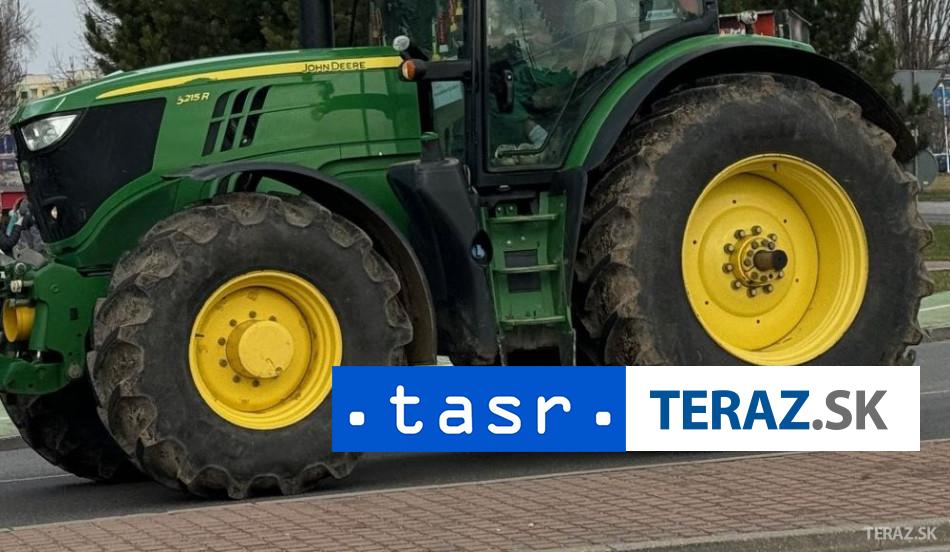
Slovak farmers registered a record 631 small tractors with power output up to 50 horsepower in 2024, marking a 33 percent increase from the previous year. The surge in purchases of smaller, less expensive agricultural machinery contrasted with farmers' decisions to postpone buying combine harvesters, reflecting economic pressures in the agricultural sector. The shift toward lower-powered equipment suggests farmers are prioritizing essential, cost-effective machinery while delaying investments in larger, more expensive harvesting equipment.

|
Economy

New EU Rules to Speed Up Electricity Provider Switching to One Working Day

The European Union has introduced new regulations that will reduce the time required for consumers to switch electricity suppliers to just one working day. The measure is designed to improve the functioning of the energy market by making it easier for customers to change providers and potentially find better deals. The faster switching process is expected to increase competition among electricity suppliers and give consumers more flexibility in choosing their energy providers across EU member states.

|
Economy

Slovakia Expects New Investment Despite Recent Corporate Departures

Slovakia appears set to attract a new major investment despite recent departures of significant companies from the country. Electronics giant Samsung and confectionery maker Figaro are among the companies that have left Slovakia, joining other firms in exiting the market. However, the current government appears to be successfully negotiating to bring a new investor to Slovakia, suggesting potential recovery in the country's investment climate. The development comes as Slovakia works to maintain its position as an attractive destination for foreign direct investment amid broader economic challenges affecting Central Europe.

|
Economy

Slovakia Reduces Budget Deficit Below 5% of GDP as State Debt Surpasses 83 Billion Euros

Slovakia successfully reduced its public finance deficit below 5 percent of gross domestic product, marking an improvement in the country's fiscal position. However, the nation's state debt continued to rise sharply, exceeding 83 billion euros according to preliminary data for 2025. The mixed fiscal picture reflects ongoing challenges in Slovakia's public finances, where efforts to control the deficit have not prevented the accumulation of overall government debt. The preliminary 2025 figures reveal additional concerning trends in the country's fiscal management, highlighting the delicate balance between reducing annual deficits while managing the broader debt burden that has implications for Slovakia's long-term economic stability and compliance with European Union fiscal rules.

|
Economy

Financial experts offer advice as Slovaks struggle with paycheck-to-paycheck living amid rising costs

Most Slovaks recognize they need to secure their own financial future for retirement, ideally investing decades in advance to maintain their standard of living. However, many find themselves unable to save due to rising costs and repeated government austerity measures, forcing them to live paycheck to paycheck. Financial experts from various fields are providing guidance on how to organize personal finances better, addressing the growing challenge faced by Slovak households trying to balance immediate expenses with long-term financial planning in an increasingly difficult economic environment.

|
Economy

Slovakia's Capital Market 2026 Investment Conference Announces Focus on Global Turbulence and AI

Slovakia's Capital Market 2026 investment conference is preparing for its 14th edition, promising to address current market realities including global economic turbulence, digital securities, artificial intelligence, wealth management, and alternative investments. The conference organizers indicate the event will feature exceptional speakers and an exclusive evening program. The annual gathering has established itself as a significant forum for investment professionals in Slovakia, focusing on contemporary challenges and opportunities in the financial markets.

|