Dávka - Your daily dose of Slovak news
Last refreshed: 07/06/2026 05:36 · 18 articles added
Stories are refreshed at 05:30, 10:30, 15:30, and 21:30 UTC.

Economy

View all1460 stories
Economy

Slovakia Expands Restricted Zones Due to African Swine Fever Outbreak

Slovakia has expanded its restricted zones to combat the spread of African swine fever after infected wild boar were discovered in multiple regions across the country. The disease has been detected in wild boar populations in the Rajec Valley, the Strážovské Mountains, and in the Komárno district near the Hungarian border. African swine fever is a highly contagious viral disease that affects both domestic pigs and wild boar, causing severe economic losses to pig farming operations and requiring strict containment measures including movement restrictions and culling of affected animals.

|
Economy

Slovakia Signs Agreement for Westinghouse Nuclear Reactor Project Study

Slovakia has signed an agreement for a project study on a Westinghouse nuclear reactor, with Minister Saková putting her signature to the deal. The study will last approximately seven months and will cost the American government five million dollars. This development represents a significant step in Slovakia's nuclear energy planning, as the country relies heavily on nuclear power for its electricity generation and has been exploring options for expanding or modernizing its nuclear capacity. The involvement of Westinghouse, the American nuclear technology company, and the U.S. government's financial commitment suggests this could be part of broader energy cooperation between Slovakia and the United States.

|
Economy

Housing Chief: Demographic Crisis Won't Bring Cheaper Apartments to Bratislava

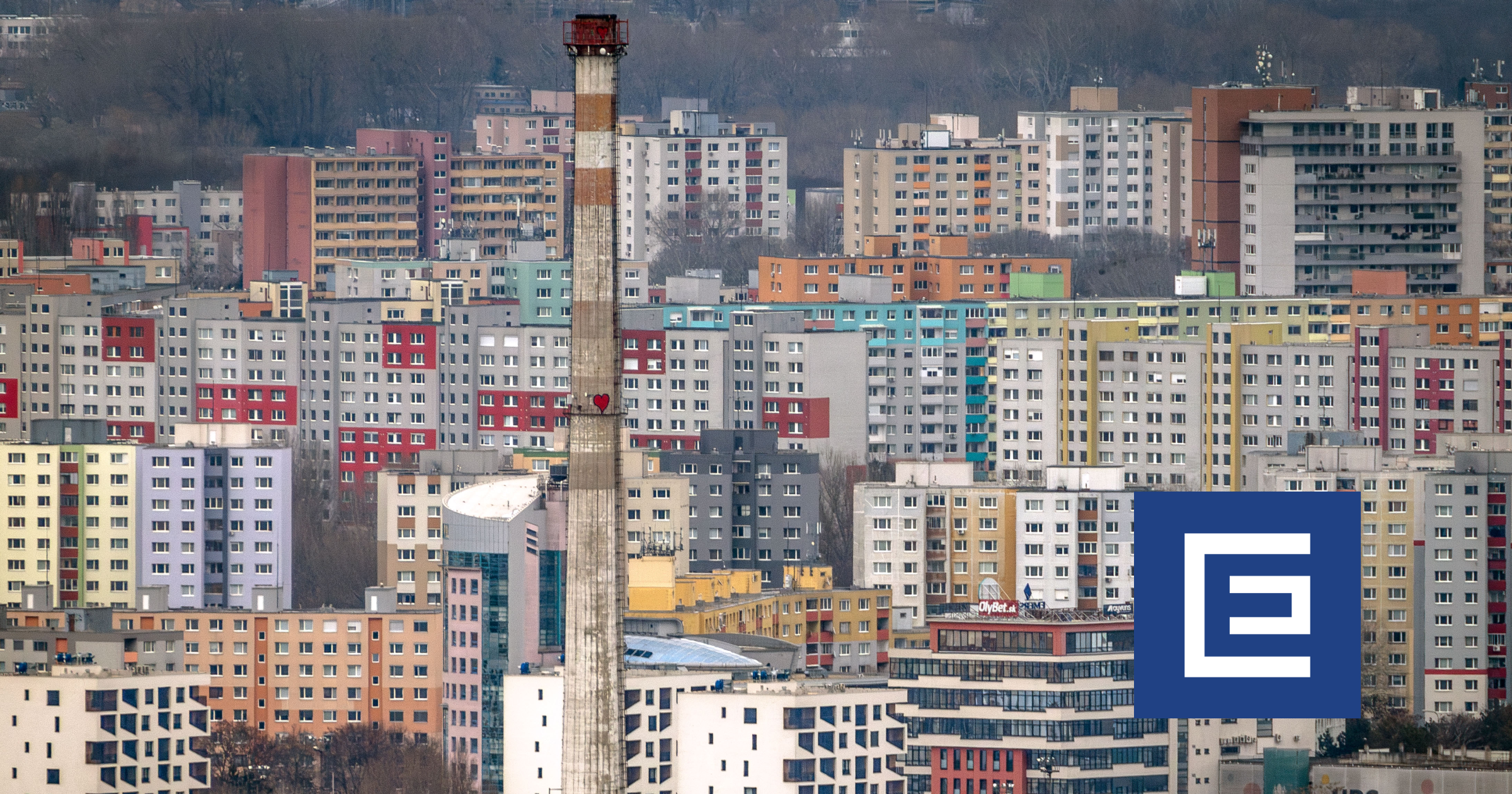
The demographic crisis affecting Slovakia will not solve Bratislava's expensive housing problem, according to Juraj Mach, head of the rental housing section at Bratislava's city hall. Speaking on the eNkonomika podcast, Mach explained that while Slovakia's population is aging, more people are choosing to live independently and want their own housing. This trend maintains high demand for apartments in the capital. The housing pressure is further intensified by the continuing migration of residents from rural areas to Bratislava, where economic opportunities are concentrated. Bratislava, Slovakia's capital and largest city, has experienced significant housing price increases in recent years as it serves as the country's economic center and attracts workers from across the region.

|
Economy

Companies Complain Medical Clinics Have Become 'Stamp Services' as Employees Abuse Sick Leave

Slovak employers are raising concerns that medical clinics have effectively become "stamp services" where employees can easily obtain sick leave certificates without genuine medical need. Companies report that workers are systematically abusing medical exemptions, prompting questions about whether employers have the right to verify or control their employees' medical appointments and sick leave claims. The issue highlights tensions between employee rights to medical privacy and employers' concerns about workplace attendance and productivity.

|
Economy

European Stocks Decline Amid Fed Rate Decision Uncertainty and Rising Oil Prices

European stock markets weakened on Tuesday as investors awaited the Federal Reserve's interest rate decision scheduled for Wednesday. Market sentiment remained cautious due to rising oil prices, which have been climbing amid ongoing geopolitical tensions. The decline reflected broader investor nervousness about potential monetary policy changes by the U.S. central bank and concerns over energy costs impacting the global economy.

|
Economy

Competition Intensifies on Bratislava-Prague Route as Leo Express Launches Service with €5 Tickets

Czech private railway operator Leo Express has entered the competitive Bratislava-Prague route, offering tickets starting at €5 and promising enhanced comfort for passengers traveling between Slovakia and the Czech Republic's capitals. The company plans to deploy non-traditional rolling stock and introduce several service innovations on the connection linking the two neighboring countries' main cities. The move intensifies competition on one of Central Europe's key railway corridors, potentially offering travelers more options and lower prices for the approximately 330-kilometer journey that has traditionally been dominated by state railway operators from both countries.

|
Economy

Slovakia Offers Cheap Labor, Driving Workers Abroad, Trade Unions Warn

Slovak trade union experts criticized the country's labor market strategy during a webinar organized by the Confederation of Trade Unions (KOZ), arguing that Slovakia's position as a source of cheap labor is driving workers to seek employment abroad. The analysts discussed the current state of Slovakia's labor market and potential measures to increase wages. Slovakia has long attracted foreign investment through relatively low labor costs compared to Western Europe, but this approach has created a cycle where workers emigrate to countries offering higher salaries, particularly to neighboring Austria, Germany, and the Czech Republic. The trade union confederation, which represents Slovak workers across various sectors, has been advocating for wage increases to stem the outflow of skilled labor and improve living standards for those who remain in the country.

|
Economy

Slovak Post continues branch network optimization as part of financial stabilization plan

Slovak Post is continuing the gradual optimization of its branch network in coordination with the Office for Regulation of Electronic Communications and Postal Services. The state-owned postal service says the plan focuses primarily on stabilizing its financial operations. The restructuring represents ongoing efforts by Slovakia's national postal operator to address economic challenges while maintaining service coordination with the country's telecommunications and postal regulator.

|
Economy

Novartis Reports 10% Drop in Operating Profit, Net Income Falls 12.5%

Swiss pharmaceutical giant Novartis reported a decline in operating profit of more than 10% in its latest quarterly results. The company's net income reached $3.16 billion, representing a 12.5% decrease compared to the same period last year. The earnings decline reflects challenges facing the global pharmaceutical industry amid economic pressures and changing market conditions.

|
Economy

Slovakia allocates over 29 million euros from Modernization Fund for school renovations

Slovakia's Environment Ministry announced that more than 29 million euros from the EU Modernization Fund will be allocated for school renovations across the country. Environment Minister Tomáš Taraba revealed that in the first phase of the program, grants have been awarded to 27 cities and municipalities to modernize their educational facilities. The Modernization Fund is an EU financial instrument designed to help lower-income member states transition to climate neutrality by supporting investments in renewable energy, energy efficiency, and modernization projects. This funding represents a significant investment in Slovakia's educational infrastructure, addressing the need to upgrade aging school buildings while improving energy efficiency and learning environments for students.

|
Economy

Slovakia's Public Investment Falls to Lowest Level Since 2017, Budget Council Warns

Slovakia's domestic public investments dropped to their lowest level since 2017, falling 1.6 billion euros behind other Visegrad Group countries, according to the Council for Budget Responsibility. The budget watchdog warned that the declining investment levels threaten to weaken the country's economic growth potential. The Council for Budget Responsibility is Slovakia's independent fiscal oversight body that monitors government finances and provides analysis on budgetary matters. The Visegrad Group comprises Slovakia, Czech Republic, Poland, and Hungary - four Central European countries that frequently coordinate on regional policy issues. The investment gap highlights Slovakia's struggle to maintain competitiveness with its regional neighbors in crucial areas like infrastructure and development projects.

|
Economy

Renewable Energy Could Create 50,000 Jobs in Slovakia by 2030

Slovakia's renewable energy sector could generate up to 50,000 new jobs by 2030, according to industry projections. The green energy sector currently provides employment equivalent to one major automotive plant, highlighting its growing economic importance in a country where car manufacturing has traditionally been a cornerstone industry. Slovakia has been expanding its renewable energy capacity as part of European Union climate targets, with wind, solar, and other clean energy projects driving employment growth in installation, maintenance, and related technical services.

|
Economy

British oil giant BP reports increased first-quarter profits but warns of production decline

British petroleum company BP reported higher profits in the first quarter of 2024. However, the oil giant warned that its production is expected to decline in the second quarter and throughout 2026. The company's positive earnings results contrasted with its cautious outlook for future extraction levels, signaling potential challenges ahead for one of the world's major energy firms.

|
Economy

Semiconductor Stocks Surge 40% as AI Investment Drives Chip Demand

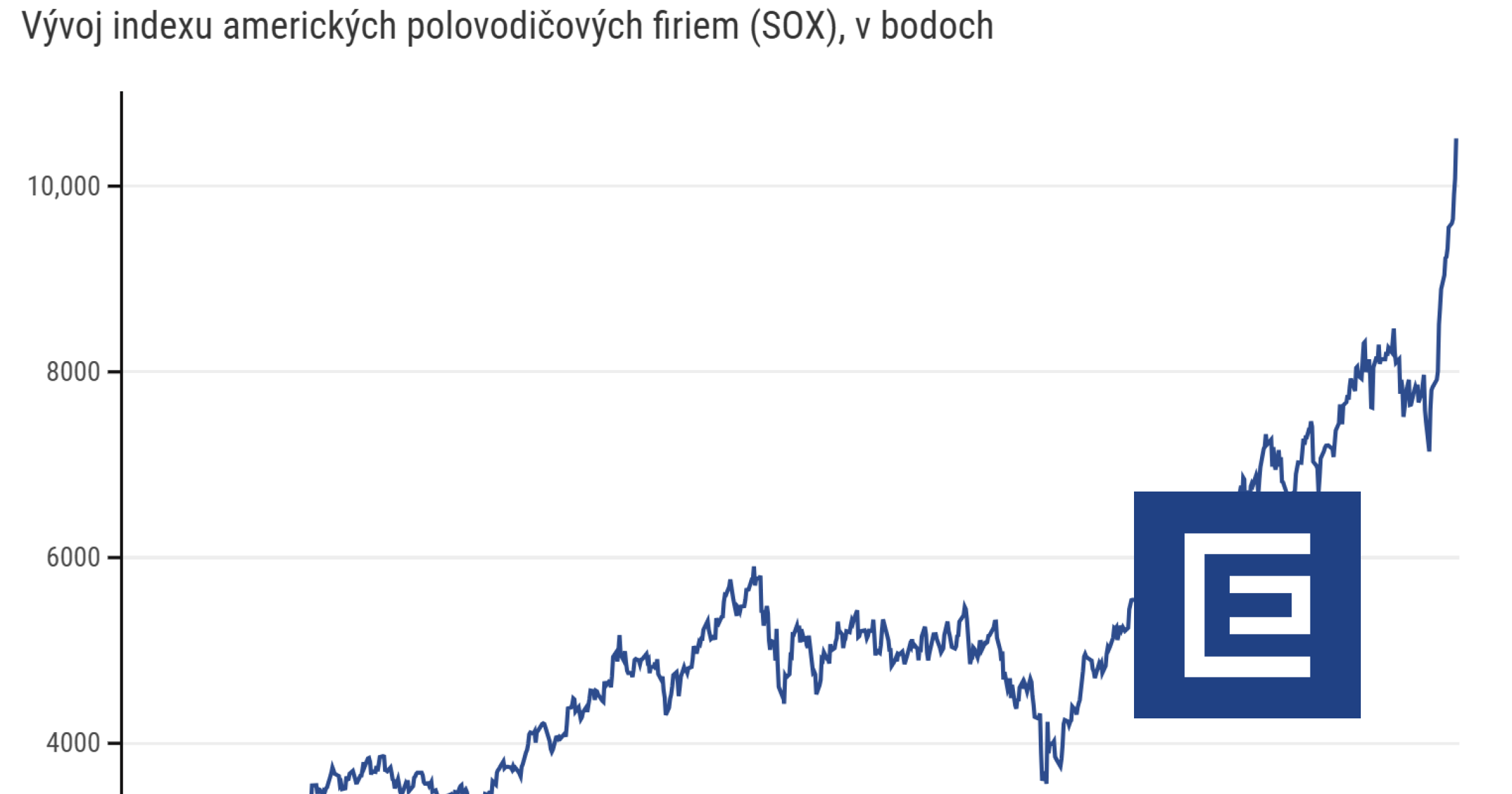
The index of American semiconductor manufacturers has gained 40 percent since the beginning of April, driven by massive demand for chips that power data centers and artificial intelligence infrastructure. While global attention focuses on developments in Iran, chip manufacturers remain unaffected by geopolitical tensions as artificial intelligence investments continue to fuel growth in the sector. Early-year earnings reports from major semiconductor companies confirm the sustained high demand for the critical components needed for AI applications and data processing facilities.

|
Economy

Slovak Banks Adopt Pre-Election Promise of Ruling Smer Party

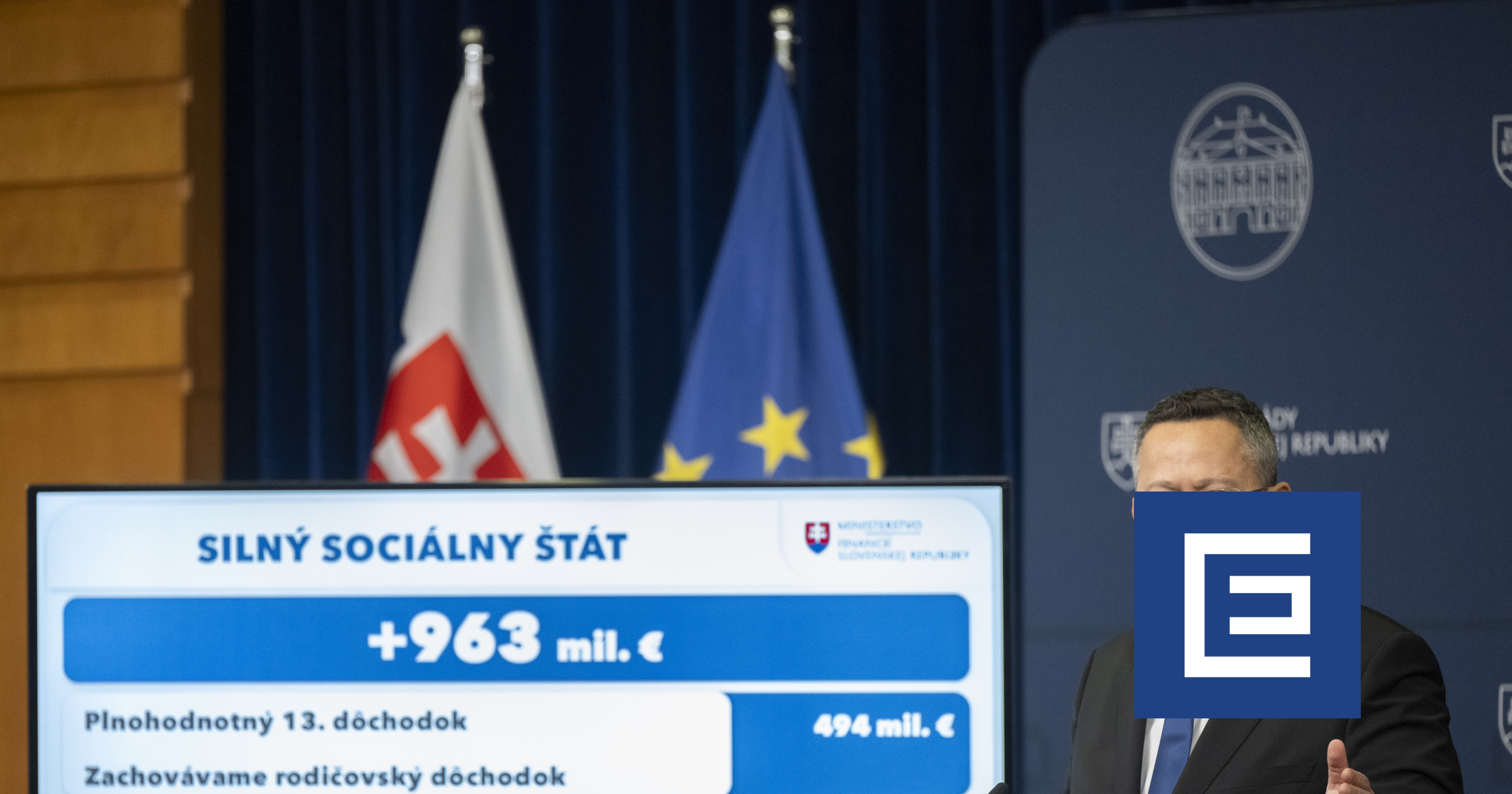
Slovak banks have implemented a pre-election pledge made by the ruling Smer-SD party, though specific details of the adopted promise were not elaborated. Meanwhile, Finance Minister Ladislav Kamenický continued to downplay the significance of Slovakia's recent credit rating downgrade by S&P Global Ratings, arguing that the impact is limited since S&P had previously rated Slovakia more favorably than competing agencies Fitch and Moody's. Even after the downgrade, Slovakia maintains the sixth-highest rating from S&P, while Fitch and Moody's rank the country seventh in their respective rating systems. The minister's comments come as the government faces scrutiny over the country's fiscal position and economic outlook following the rating agency's decision to lower Slovakia's creditworthiness assessment.

|
Economy

Eastern Slovak Town Offers Former Tax Fraudster's Property at Price of Old Bratislava Apartment

A municipality in eastern Slovakia is selling property that once belonged to a tax fraudster, offering it at a price comparable to an older apartment in Bratislava. The unusual property includes both a gas station and a hay storage facility on the same site. The sale represents an attempt by local authorities to recoup value from assets previously linked to tax evasion activities.

|
Economy

Via Carpatia Highway Bypasses Slovakia as Hungary and Poland Complete Construction

Slovakia risks being bypassed by the major Via Carpatia highway corridor as neighboring countries advance their construction while Slovak sections remain incomplete. Hungary opened its portion of the highway to the Slovak border in 2021, and Poland plans to complete its section next year. The delayed R4 highway, which forms Slovakia's segment of the international Via Carpatia route, has left the country's eastern regions waiting for critical infrastructure connectivity. Via Carpatia is a planned north-south highway corridor designed to connect the Baltic and Adriatic seas, running through Poland, Slovakia, Hungary, and Romania to improve regional trade and transport links.

|
Economy

Slovak Banks to Fund Government Mortgage Relief Program Starting in May

Slovakia's largest banks have agreed to voluntarily fund a mortgage payment assistance program starting in May, taking over from government financing. The program will provide subsidies to help borrowers with increased mortgage payments, targeting people with incomes up to 1.6 times the average wage in 2024 who took out loans before this year. The mortgage relief initiative was a central campaign promise of the current government led by Robert Fico's Smer-SD party, which returned to power following elections in October 2023. The arrangement represents a compromise between the government and the banking sector, with banks now shouldering the financial burden of the relief program for the remainder of this government's term.

|
Economy

Slovak Corporate Profits Decline Again While Education Sector Wages Rise Most

Slovak businesses experienced another decline in profits as the country's corporate sector continued to stagnate. The downturn affected multiple companies beyond TMR, which suffered particularly deep losses. Despite the challenging business environment, wages grew across sectors, with the education sector recording the highest salary increases. The combination of falling corporate profits and rising labor costs reflects ongoing economic pressures facing Slovakia's business community.

|
Economy

Slovak Housing Market Sees Regional Price Surge as Bratislava Loses Title as Most Expensive

Slovakia's real estate market is experiencing a dramatic shift in early 2025, with housing prices accelerating rapidly despite persistently high mortgage rates. A regional city has seen apartment prices soar by nearly 14 percent, overtaking Bratislava as the leader in price increases. The development marks a significant change in Slovakia's real estate landscape, with regions previously considered affordable alternatives now setting new price records. This trend represents a disadvantage for buyers as the country's housing market map is being redrawn, moving away from the capital's traditional dominance in price growth to affect areas that were once more accessible to average purchasers.

|