Dávka - Your daily dose of Slovak news
Last refreshed: 06/06/2026 21:36 · 34 articles added
Stories are refreshed at 05:30, 10:30, 15:30, and 21:30 UTC.

Economy

View all1460 stories
Economy

Central Slovak power distributor to change fixed electricity fees based on circuit breaker capacity

Stredoslovenská distribučná, one of Slovakia's regional electricity distribution companies, will implement new billing methods for fixed electricity fees starting in July. Under the new system, customers' fixed charges will be calculated based on the amperage capacity of their main circuit breaker rather than the current flat-rate structure. The change affects how households and businesses in central Slovakia are charged for electricity distribution services, with fees now varying according to the electrical capacity available at each connection point.

|
Economy

Slovakia Maintains Among EU's Lowest Household Energy Prices Through Government Subsidies

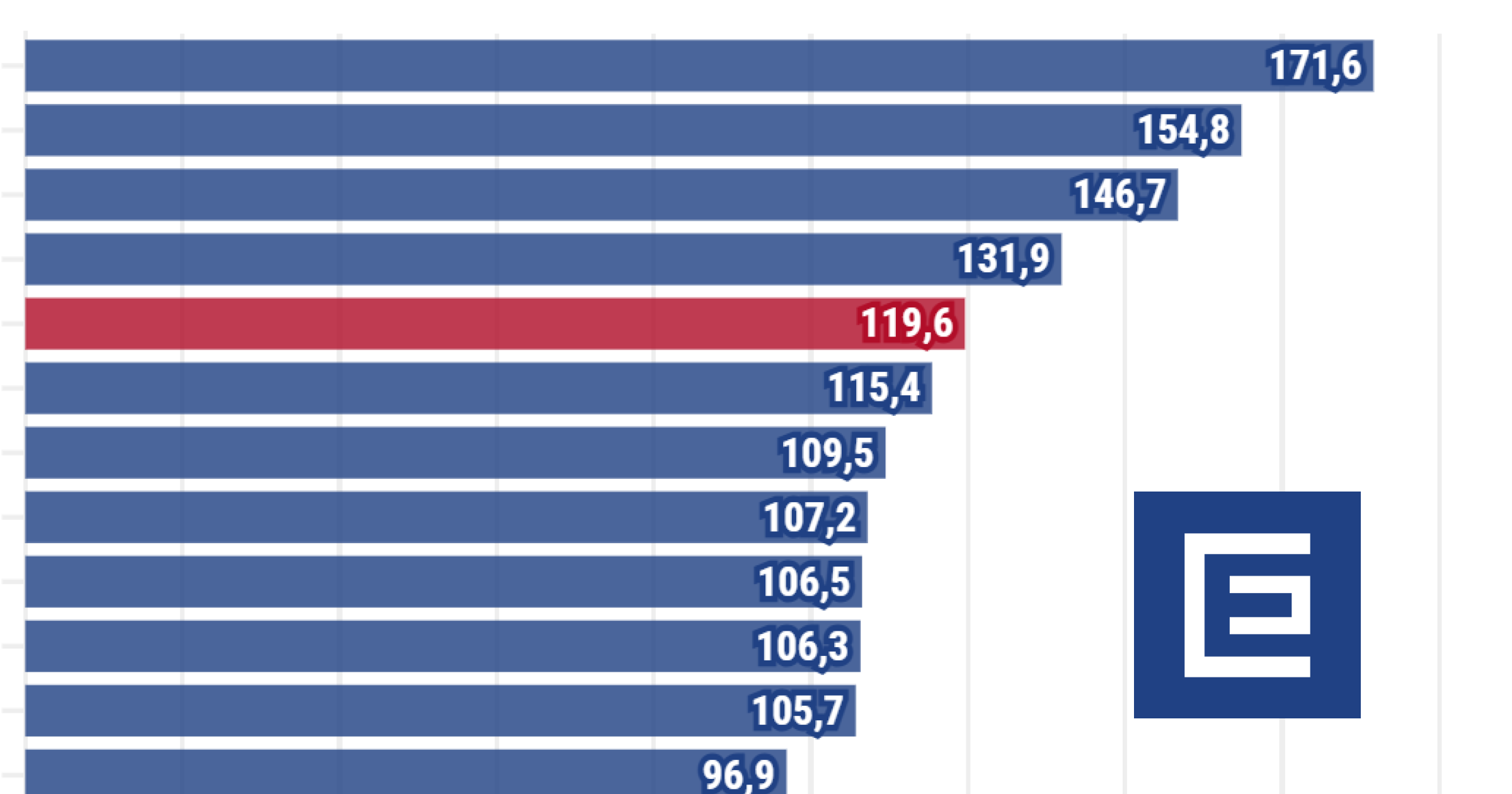
Slovakia's household gas and electricity prices remained among the cheapest in the European Union during the second half of last year, despite ongoing government subsidies that are increasing the state budget deficit. The government has been subsidizing energy costs for households since 2023, keeping consumer prices artificially low even as wholesale energy markets face pressure. The subsidy program may need to continue longer than originally planned due to rising wholesale gas and electricity prices triggered by the ongoing war in Iran, creating additional fiscal strain on Slovakia's budget. The subsidized pricing structure has shielded Slovak consumers from the energy price volatility affecting much of Europe, but at the cost of growing public debt.

|
Economy

Slovakia's Social Insurance Agency to Send Pension Forecasts to 3.5 Million Citizens

Slovakia's Social Insurance Agency will begin sending pension forecasts to citizens for the first time, providing personalized estimates of future retirement benefits. By the end of May, approximately 3.5 million working-age adults who have not yet retired will receive detailed projections of their expected pensions. The forecasts will include estimates from both the first pillar of the state pension system and the second pillar for those who participate in private pension savings, presented in three different scenarios. Some participants will also receive estimates for early retirement options. The Social Insurance Agency, which administers Slovakia's public pension system, launched this initiative to help citizens better understand and plan for their financial future in retirement, marking a significant step toward greater transparency in the country's pension framework.

|
Economy

Slovak Refinery Processed Millions of Tons of Russian Oil Despite Sanctions

Slovnaft, Slovakia's main oil refinery, has processed millions of tons of Russian crude oil through the Transpetrol pipeline system over the past four years from 2022 to 2025, according to new data. The continued flow of Russian oil highlights Slovakia's ongoing energy dependence on Russia despite European Union sanctions imposed following Russia's invasion of Ukraine in 2022. Transpetrol operates Slovakia's main oil pipeline infrastructure, which has historically been a key transit route for Russian energy supplies to Central Europe. The data raises questions about Slovakia's compliance with EU energy sanctions and its efforts to diversify away from Russian energy sources, as many European countries have sought alternative suppliers since the war began.

|
Economy

Metal Prices Surge Significantly on Global Markets in First Quarter

Metal prices experienced substantial increases on global markets during the first quarter of the year, with the price surge affecting nearly every sector of the economy. The widespread impact of rising metal costs has created ripple effects across various industries that rely on these materials for production and manufacturing.

|
Economy

Major Slovak Companies Split on May 8 Holiday Operations as Labor Costs Double

Major automotive and financial companies in Slovakia have made divergent decisions about operating on May 8, a public holiday when employing workers costs double the normal rate. Jaguar and Volkswagen will give their employees the day off, while Kia and Stellantis will continue production. Most major banks have decided to close their branches and provide paid leave to employees beyond their standard vacation allowance. The decisions reflect varying factors including customer orders, competitive pressures, and operational costs, highlighting how companies balance productivity against increased labor expenses during public holidays.

|
Economy

Eurozone Private Sector Activity Falls in April for First Time Since 2024

Private sector activity in the eurozone declined in April, marking the first decrease since 2024, according to final data released. The final figures showed a slight improvement compared to preliminary estimates, though they still indicated a contraction in economic activity across the 20-nation currency bloc. The decline suggests potential challenges for the eurozone economy as it navigates various economic pressures.

|
Economy

Slovakia Scraps Dual Fuel Pricing System After European Commission Criticism

Slovakia's government announced it will eliminate its dual pricing system for diesel fuel starting Friday, following criticism from the European Commission. The pricing mechanism, which had created different rates for fuel depending on the buyer, was among several restrictions the government decided to lift. The European Commission had previously raised concerns about the dual pricing system, viewing it as potentially distortive to the single market. The removal of these fuel pricing restrictions represents a significant policy reversal by the Slovak government in response to EU pressure.

|
Economy

Slovakia Adopts National Research and Innovation Strategy with 19 Measures

Slovakia has approved a new National Strategy for Research, Development and Innovation consisting of 19 specific measures aimed at advancing the country's knowledge economy. The Research and Innovation Authority, operating under the Office of the Deputy Prime Minister for the Recovery Plan and Knowledge Economy, will coordinate implementation of the action plan. The strategy represents Slovakia's effort to strengthen its research capabilities and innovation sector as part of broader economic modernization efforts tied to EU recovery funding.

|
Economy

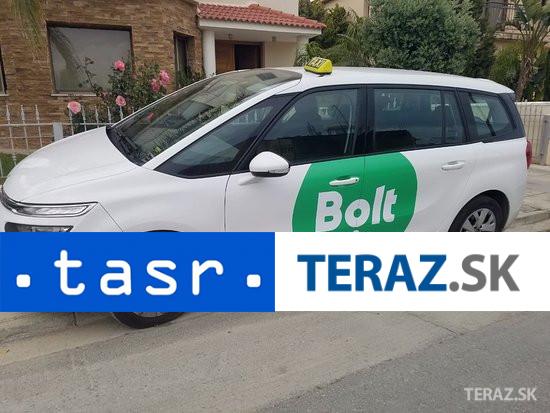
Bolt Says Flexibility Key for Drivers, Not Traditional Employment

Bolt, the European shared mobility technology platform, stated that flexibility remains crucial for drivers rather than traditional employment relationships. The company, which operates across more than 50 countries and 850 cities worldwide, emphasized the importance of maintaining flexible working arrangements for its driver network. The statement comes amid ongoing debates across Europe about the employment status of gig economy workers and whether ride-hailing drivers should be classified as employees or independent contractors.

|
Economy

Slovak Government Assigns Central Bank to Oversee ESG Rating Activities

Slovakia's government approved legislation Wednesday that will assign the National Bank of Slovakia (NBS) responsibility for supervising ESG rating activities as the country prepares for stricter sustainable financing regulations. The amendment designates the central bank as the national authority overseeing environmental, social, and governance ratings, bringing Slovakia in line with emerging European Union standards for sustainable finance oversight. ESG ratings assess companies and investments based on their environmental impact, social responsibility, and corporate governance practices, and have become increasingly important as investors and regulators focus on sustainable business practices. The move reflects Slovakia's adaptation to evolving EU financial regulations that aim to standardize and improve oversight of sustainability-related financial services across member states.

|
Economy

Premium grocery chain Yeme returns to profitability after revenue surge

Premium grocery retailer Yeme returned to modest profitability last year after a year of losses, driven by strong revenue growth exceeding 50 million euros. The Bratislava-based chain, which markets itself on selling high-quality foods at premium prices, saw its profits limited by a sharp 2.5 million euro increase in personnel costs, primarily from wage increases. The company's recovery reflects the resilience of Slovakia's premium grocery segment, where consumers are willing to pay higher prices for quality products despite broader economic pressures.

|
Economy

Slovakia Has Most Expensive Fuel in Visegrád Four Despite Russian Oil Flow Resumption

Slovakia now has the most expensive gasoline and diesel fuel among the Visegrád Four countries, despite the resumption of Russian oil deliveries through the Druzhba pipeline on April 22. Prime Minister Robert Fico has long argued that Russian oil provides economic advantages for Slovakia, but the restoration of pipeline operations has not brought lower prices at gas stations. Diesel prices have actually increased since the pipeline resumed operations. Poland maintains significantly lower fuel prices due to government interventions in the market. The Visegrád Four is a regional alliance comprising Slovakia, Czech Republic, Poland, and Hungary, formed to coordinate policies and strengthen their position within the European Union.

|
Economy

Business Success Story: Ostrava Expert Transforms Printing Business to Serve Both Offices and Households

A business transformation story from the Czech city of Ostrava demonstrates how market adaptability drives entrepreneurial success. An expert in the printing industry successfully expanded their services beyond traditional office clients to include household customers. The case illustrates a common pattern among successful businesses: the ability to identify and respond to market needs before they become obvious opportunities for competitors.

|
Economy

Slovak Businesses Find Creative Ways to Avoid Mandatory Card Payment Requirements

Slovak retailers and business owners are developing creative methods to circumvent new government regulations requiring them to accept cashless payments from customers. The mandatory electronic payment rules, designed to modernize commerce and improve tax compliance, have sparked resistance from entrepreneurs who view the requirements as government overreach into their operations. Business owners express frustration with what they see as increasing regulatory burdens, with some stating authorities are taking too much control over private enterprise. The pushback reflects broader tensions between Slovakia's government efforts to digitize the economy and small business owners' concerns about compliance costs and operational autonomy.

|
Economy

Slovakia faces deadline to redirect 195 million euros from recovery plan hospital funding

Slovakia has until the end of May to make changes to its recovery plan to avoid losing 195 million euros originally allocated for hospitals. The government must decide where to redirect these European Union funds to prevent them from expiring unused. The Recovery and Resilience Plan is the EU's post-pandemic economic recovery program that provides member states with grants and loans to support reforms and investments. Slovakia's ability to modify its plan is limited to the May deadline, after which any unallocated or improperly directed funds could be forfeited back to Brussels.

|
Economy

Slovak Housing Prices Continue Rising Despite Market Uncertainty

Housing prices in Slovakia rose 3.4 percent in the first quarter of 2024, though the pace of annual growth has moderated compared to previous periods. The price increases were driven primarily by regional markets rather than the capital Bratislava, marking a shift in the country's real estate dynamics. The ongoing conflict in the Middle East has created uncertainty in Slovakia's property market, contributing to higher mortgage rates that are affecting buyer behavior. While housing costs continue their upward trajectory, market analysts note increased volatility in price movements, suggesting the previously steady growth pattern may be changing as external economic pressures influence the domestic real estate sector.

|
Economy

Czech Railway Operator Leo Express Cancels Slovak Services Due to Equipment Shortage

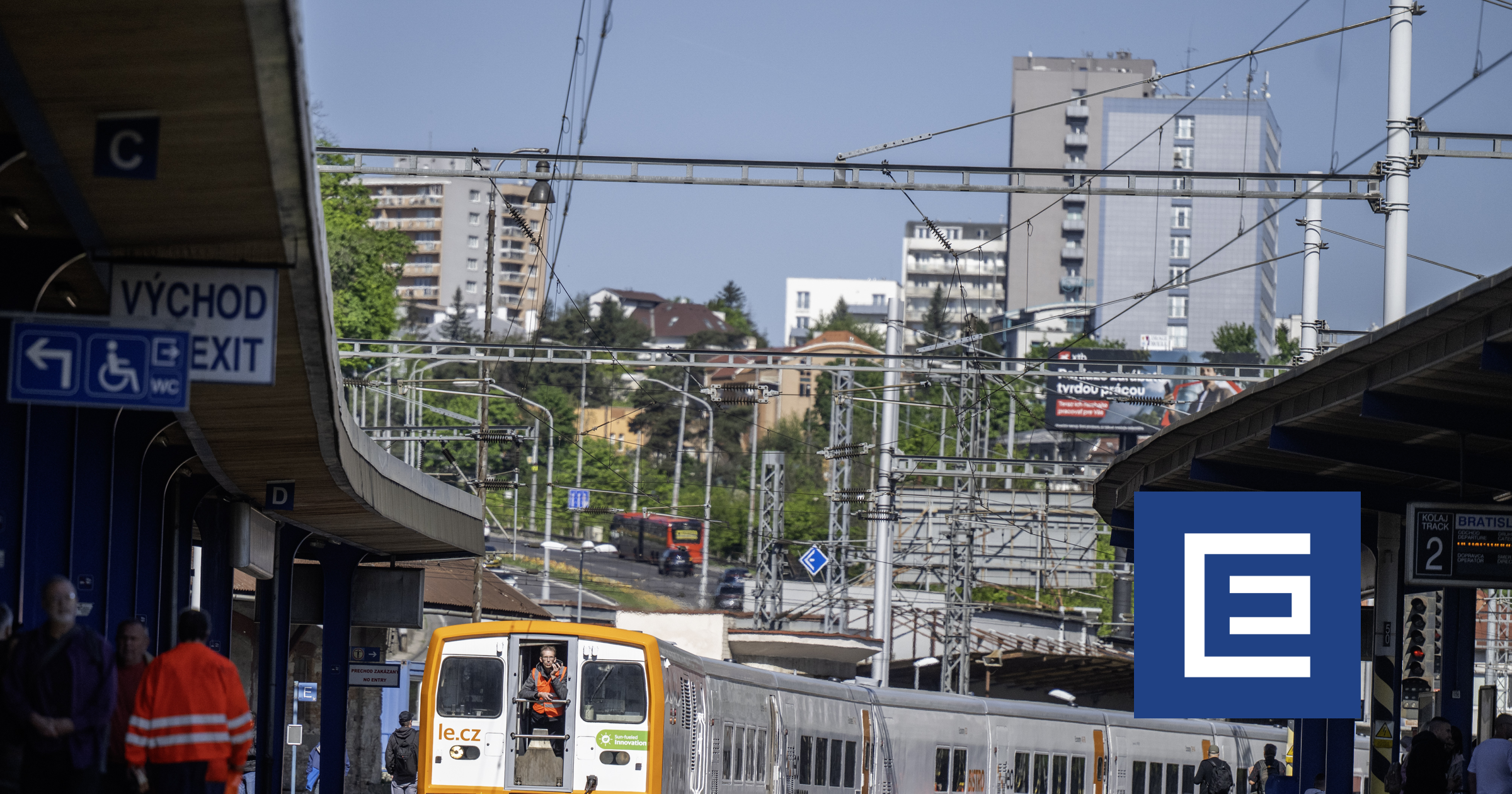
Leo Express, a Czech private railway company owned by Spanish investors, has canceled multiple train services on its Slovak routes through at least the end of this week due to insufficient rolling stock. The operator discovered that operating three train sets across two long-distance lines between Slovakia and the Czech Republic was inadequate to maintain reliable service. The cancellations represent a significant operational setback for the company's expansion into the Slovak market, where it began offering passenger services as an alternative to state-owned operators. Leo Express launched its Slovak operations as part of railway liberalization efforts that allow private companies to compete with national rail services across European Union member states.

|
Economy

Bank Employee Embezzled Over 200,000 Euros, Must Repay Tens of Thousands for Fraud

A Slovak court convicted a bank employee of embezzling more than 200,000 euros and ordered her to repay tens of thousands of euros in damages related to fraud charges. The court acquitted a second defendant in the same case. The ruling represents a significant financial crime conviction in Slovakia's banking sector, though details about the specific bank, the method of embezzlement, and the timeline of the crimes were not disclosed in available court information.

|
Economy

Yeme Owner Records Best Year Despite Concerning Financial Indicator

The owner of Yeme, one of Slovakia's retail chains, achieved record financial results with revenues exceeding 50 million euros for the first time in the company's history. Despite the milestone revenue achievement, company executives identified one financial metric as alarming, though specific details about the concerning indicator were not disclosed. The retail sector breakthrough represents a significant growth milestone for the Slovak-based company.

|