Dávka - Your daily dose of Slovak news
Last refreshed: 28/07/2026 05:39 · 38 articles added
Stories are refreshed at 05:30, 10:30, 15:30, and 21:30 UTC.

Economy

View all1893 stories
Economy

German Manufacturer Winkelmann Opens Hot Water Tank Factory in Rimavská Sobota

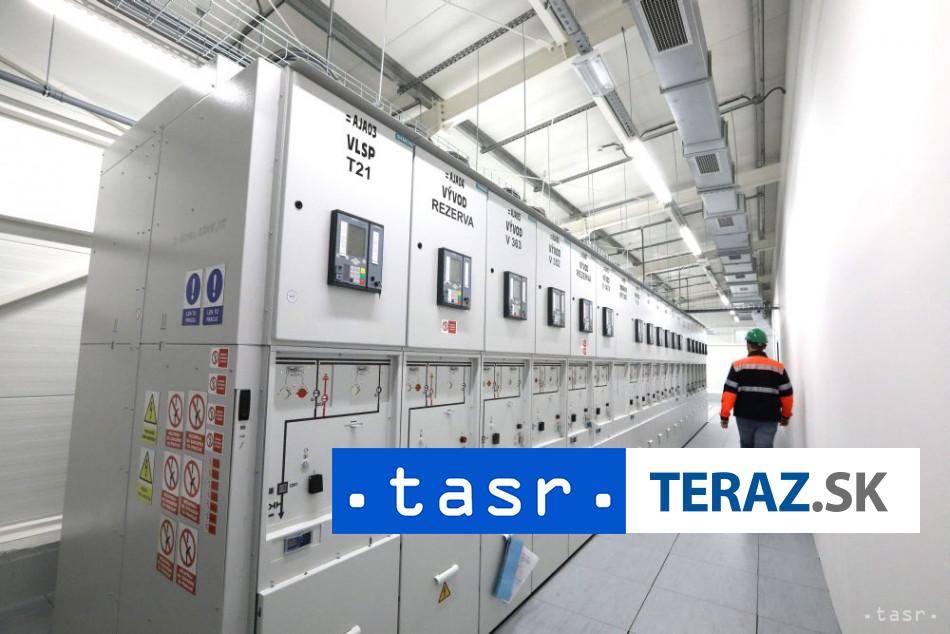
German industrial group Winkelmann has inaugurated a new manufacturing facility in Rimavská Sobota, a town in southern Slovakia, dedicated to the production of hot water storage tanks. The investment, totaling approximately 128 million euros, is expected to gradually create 450 jobs in the region, with more than 180 workers already employed at the plant. Rimavská Sobota lies in one of Slovakia's economically disadvantaged regions, where unemployment has historically been among the highest in the country, making industrial investments of this scale particularly significant for local communities. The opening represents one of the larger recent foreign direct investments in southern Slovakia, offering a boost to an area that has long struggled to attract manufacturing activity.

|
Economy

Slovak Business Community Welcomes Higher Tax Deductions but Calls for Deeper Reform

Slovak entrepreneurs have expressed support for a proposed increase in the deductible allowance on social and health insurance contributions, a measure that would allow self-employed workers and small business owners to keep more of their earnings. While the business community broadly welcomes the change, representatives are also calling for broader systemic reforms to the country's tax and levy framework, arguing that piecemeal adjustments are insufficient to address structural inefficiencies that weigh on competitiveness. Slovakia's contribution burden on the self-employed has long been a point of contention, with many entrepreneurs arguing the current system discourages formal business activity and entrepreneurship.

|
Economy

Slovakia's Pension System Unsustainable, Analyst Warns Young Workers Not to Rely on State Payouts

Slovakia's state pension system is financially unsustainable and younger generations should not count on government retirement payments to support them, data analyst Ivan Bošňák warned in a recent interview. Bošňák said that pension forecasts recently sent out by the Social Insurance Agency — the state body that administers retirement and social security contributions — cannot realistically guarantee any specific payout over a decades-long time horizon. He argued that the era of generous state pensions is definitively over. Slovakia operates a pay-as-you-go pension model, meaning current workers' contributions fund current retirees' benefits. Bošňák pointed out that because Slovak wages remain relatively low by European standards, the contributions flowing into the system are structurally limited, which directly constrains how large pension payments can be. While retirees frequently complain about inadequate pension income, he noted that higher pensions are simply not possible without higher wages to fund them. More broadly, Bošňák described Slovakia's social system as "infinitely generous" in a way that is fiscally unsustainable, warning that structural reforms will be unavoidable. His comments come amid growing concern across Central Europe about aging populations and the long-term viability of public pension systems.

|
Economy

Slovakia to Tighten Mortgage Rules for Investors, Ease Them for Young Buyers

Slovakia is set to introduce two rounds of changes to its mortgage lending rules — first in July and then in the autumn — affecting both first-time young borrowers and property investors. Starting in July, an increase in the legally defined subsistence minimum, the baseline income threshold used to assess loan affordability, will make it harder for some applicants to qualify for mortgages. The autumn changes are designed to benefit younger buyers, allowing them to borrow a larger share of a property's value than currently permitted. At the same time, banks will be required to restrict access to new mortgages for borrowers who already hold two or more existing home loans, a measure aimed at limiting speculative property investment. The dual reform reflects efforts by Slovak financial regulators to balance housing accessibility for young people struggling to enter the property market against concerns about excessive borrowing and investment-driven demand that can push up property prices.

|
Economy

Slovakia Approves First Action Plan for Critical Mineral Exploration Through 2030

Slovakia has taken a significant step toward strengthening its resource security, with the government approving the country's first-ever action plan for the exploration of critical minerals, covering the period from 2026 to 2030. The cabinet approved the plan on Wednesday, with the initiative prepared by the Ministry of the Environment. Funding for the measures outlined in the plan is expected to come from the state budget as well as EU structural funds under the next programming period, which begins after 2027. The move reflects growing concern across Europe about securing domestic supplies of critical raw materials — minerals essential for manufacturing batteries, electronics, and clean energy technologies. The European Union has been pushing member states to reduce dependence on imports, particularly from China, by identifying and developing their own mineral reserves. Slovakia's action plan represents the country's formal commitment to systematically surveying its territory for such resources over the coming years.

|
Economy

EU Approves Billion-Euro Aid Scheme for Slovakia's Green Industrial Capacity

The European Commission has approved a billion-euro state aid scheme for Slovakia aimed at expanding green manufacturing capacity. The approval was granted under the Clean Industry State Aid Framework (CISAF), a mechanism established by the EU to help member states support industries transitioning toward cleaner production methods. The funding is intended to help Slovak manufacturers invest in environmentally sustainable technologies and infrastructure, in line with the EU's broader industrial and climate goals. The scheme reflects the European Commission's ongoing efforts to ensure that member states can compete globally in green industries while meeting the bloc's decarbonization targets.

|
Economy

Slovakia Increases Funding for Industrial Brownfield Regeneration in Upper Nitra Region

Slovakia's Ministry of Investment, Regional Development and Informatization (MIRRI) has increased the funding allocation for the renewal of industrial brownfields in the Upper Nitra region. The additional resources will be used to transform former industrial sites into spaces for culture, community life, and regional development. Upper Nitra, a region in central-western Slovakia, has historically been dependent on coal mining and heavy industry, and has been undergoing a long-term economic transition following the phaseout of coal extraction. Repurposing abandoned industrial areas is a key part of efforts to revitalize the region's economy and improve quality of life for local residents.

|
Economy

Slovakia Raises Social Insurance Exemption for Students, Pensioners and Parents on Parental Leave

Slovakia's parliament has approved a measure raising the monthly social insurance exemption for workers on temporary contracts from €200 to €300, benefiting students, pensioners, and — for the first time — parents on maternity or parental leave, effective January 1, 2027. The National Council, Slovakia's parliament, passed the amendment to the Social Insurance Act proposed by the Slovak National Party (SNS), a member of the ruling coalition. The change increases the so-called deductible item on social contributions — a threshold below which earnings from temporary or part-time work contracts are not subject to social insurance contributions. Workers who earn up to €300 per month under such arrangements will now be fully exempt from those charges. Under the current system, the exemption stands at €200 per month and applies primarily to working students and retirees. The new law extends eligibility to parents currently receiving maternity or parental leave benefits, a significant expansion of the policy's scope. The measure is designed to encourage supplemental work among groups who are already drawing state support, allowing them to earn more before social insurance obligations kick in. The change is set to take effect at the start of 2027, giving employers and social insurance administrators time to adapt their systems.

|
Economy

Eurozone Inflation Accelerates to 3.2% in May, Driven by Services and Energy

Inflation in the eurozone picked up speed in May, reaching 3.2%, according to revised figures released by Eurostat, the European Union's official statistics agency. The rise was driven primarily by higher prices for services and energy. The latest figure marks a notable increase compared to May of last year, when eurozone inflation stood at a more comfortable 1.9%. The acceleration came in line with analysts' expectations.

|
Economy

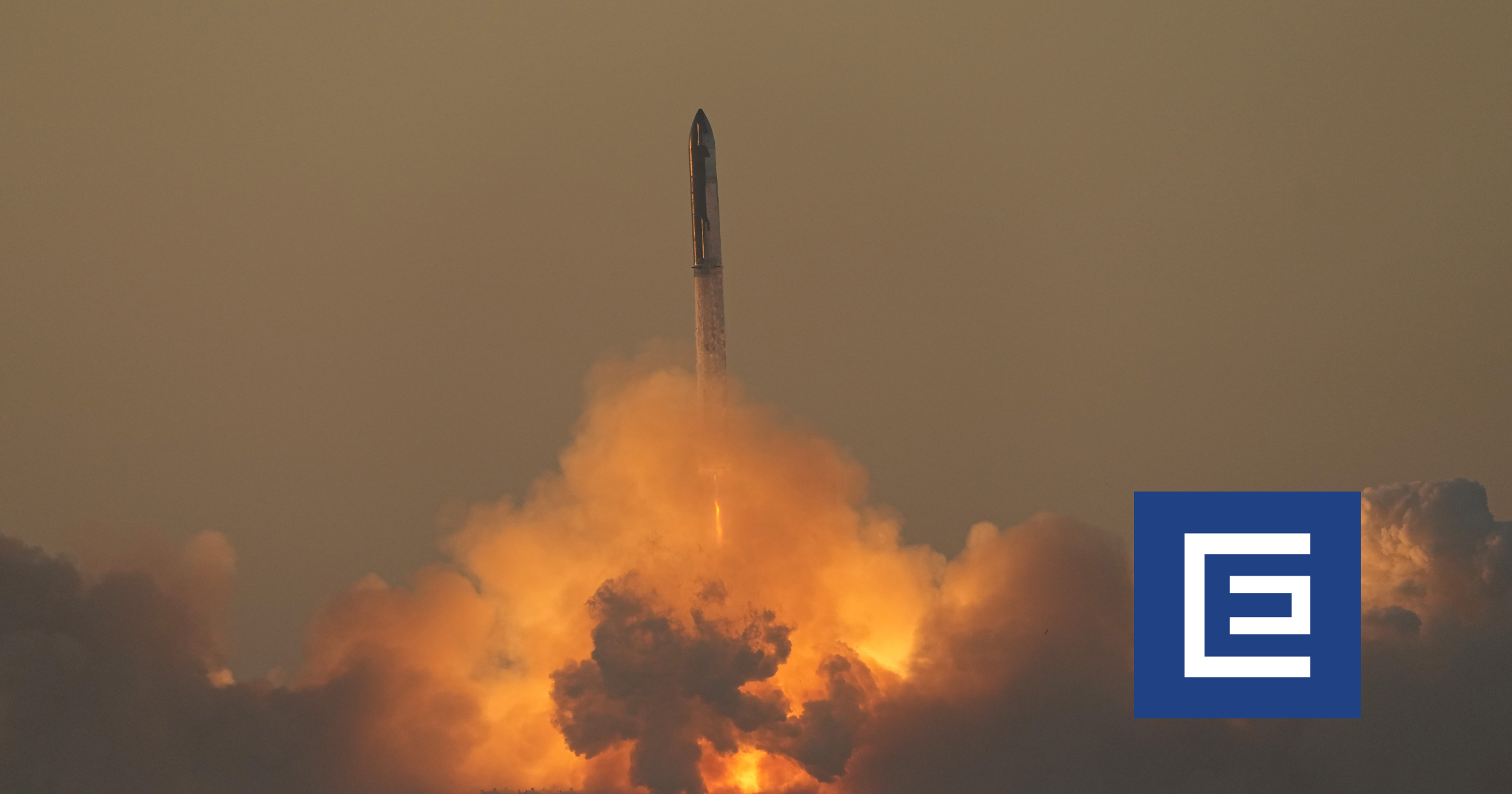
Slovak Economic Briefing: Investor Euphoria Buoys Loss-Making SpaceX

A Slovak economic commentary highlights growing public discussion around the damaging effects of nepotism in public administration, raising hopes that professionalizing the civil service could be included in future pro-growth reform agendas. The piece suggests this push for reform could eventually extend to ministerial appointments, implicitly questioning whether Finance Minister Ladislav Kamenický — a member of Smer-SD, the ruling populist-nationalist party led by Prime Minister Robert Fico — is the most qualified person for the role. The commentary also notes that investor enthusiasm is currently propping up the valuation of SpaceX despite the company operating at a loss, reflecting broader trends in speculative market sentiment.

|
Economy

Slovak Living Standards: What Costs More and Less Than When Fico First Took Power

A comparison of Slovak consumer prices between 2006, when Prime Minister Robert Fico first came to power, and today reveals a mixed picture of living standards over two decades. Measured in working minutes required to purchase everyday goods, some items have become significantly more affordable due to rising wages and market developments, while others have grown prohibitively expensive. Housing, energy, and certain food staples have placed a heavier burden on Slovak households, while electronics and some consumer goods now require fewer hours of labor to acquire. Fico, leader of Smer-SD, the dominant ruling left-nationalist party, first entered government in 2006 under the slogan 'toward the people,' a promise of improved welfare for ordinary Slovaks. The two-decade span covers multiple Fico governments as well as periods when opposition parties held power, making the comparison a snapshot of long-term structural changes in the Slovak economy rather than the result of any single government's policies.

|
Economy

Slovak Employers' Chief Warns of 'Greek Path' Without Fiscal Reforms

Slovakia risks repeating Greece's economic collapse unless politicians implement serious fiscal reforms, the head of a major Slovak employers' association warned. Rastislav Machunka, chairman of the Association of Employers' Unions and Associations (AZZZ), one of Slovakia's largest business lobby groups, called for the abolition of the so-called 13th pension — an annual bonus payment made to retirees on top of their regular pension — as well as the scrapping of energy subsidies and a broader reduction of state social spending. Machunka also urged a lower tax burden on businesses to restart economic growth. Machunka's warning comes amid growing concern over Slovakia's public finances. Slovakia runs a significant budget deficit, and the government of Prime Minister Robert Fico has faced criticism from economists and international institutions over its spending trajectory. The 13th pension, introduced as a populist measure, has been a point of contention between fiscal hawks and the ruling coalition, which relies heavily on support from pensioners. Machunka argued that politicians across the spectrum are aware the country is heading in the wrong direction but continue to prioritize their own electoral interests, having conditioned voters to expect state entitlements. The remarks highlight a deepening tension between Slovak business leaders and the political establishment over the country's long-term fiscal sustainability. Without structural changes, Machunka warned, Slovakia faces the kind of sovereign debt crisis and economic dysfunction that brought Greece to the brink of collapse in the early 2010s, requiring international bailouts and years of painful austerity.

|
Economy

Slovak-Founded Chip Startup Facing Liquidation Amid Management Disputes

A company founded by a Slovak entrepreneur, which had ambitious plans to develop artificial intelligence chips surpassing Nvidia's technology, is being pushed toward liquidation following a breakdown between its investor and management. The investor filed a formal complaint citing management errors and a loss of confidence in the company's leadership. The dispute has taken an unusual turn, with reports that the company's founder allegedly threatened to leverage personal connections to U.S. President Donald Trump to protect his position. The nature and credibility of those claimed connections remain unclear, but the threat was reportedly made in the context of the escalating internal conflict. The case highlights the turbulent landscape facing European technology startups competing in the high-stakes semiconductor industry, where companies like Nvidia dominate the global market for AI-focused chips. The outcome of the liquidation process could determine whether the venture, which positioned itself as a bold challenger in the chip design space, survives in any form.

|
Economy

European Wholesale Gas Prices Continue to Fall Amid U.S.-Iran Deal Prospects

European wholesale natural gas prices continued to decline as a preliminary agreement between the United States and Iran is expected to be signed in Switzerland on Friday, June 19. The prospective deal, the details of which have not yet been made public — no memorandum of understanding has been released — is contributing to downward pressure on energy markets. A U.S.-Iran nuclear or diplomatic agreement would potentially ease sanctions on Iranian oil and gas exports, increasing global energy supply and reducing prices. Europe, which has been working to diversify its energy sources following reduced dependence on Russian gas since the war in Ukraine, is particularly sensitive to shifts in global energy markets.

|
Economy

German Investor Sentiment Improves in June

Confidence among German investors improved in June, according to the latest economic survey, though the index measuring current economic conditions edged slightly lower. The divergence suggests that while investors are growing more optimistic about the future outlook for Europe's largest economy, the present state of economic activity remains subdued. Germany is Slovakia's largest trading partner and a key driver of economic conditions across Central Europe, making shifts in German investor sentiment closely watched in Bratislava.

|
Economy

Slovakia Posts Lowest Government Bond Issuance Plan Since Fico Took Office

Slovakia has its smallest planned government bond issuance for any year since Prime Minister Robert Fico's fourth government took power, according to figures covering the first half of 2025. The country borrowed 70 percent of its planned amount in the first six months of the year, signaling relatively contained financing needs despite elevated risk premiums — the extra interest rates investors demand to compensate for perceived risk. While risk premiums on Slovak debt have risen, investor demand has remained sufficiently strong to cover the state's borrowing requirements. Slovakia's membership in the eurozone, the group of 20 European Union countries that use the euro, has played a stabilizing role by eliminating currency risk and bolstering investor confidence in Slovak government debt. Fico, a long-serving populist politician who returned to power in late 2023 after winning parliamentary elections, has led a government whose fiscal policies and pro-Russian tilt on the Ukraine war have drawn scrutiny from markets and EU partners alike. The comparatively lower borrowing volumes this year may offer some relief to a government that has faced pressure over Slovakia's public finances and its standing among international investors.

|
Economy

Express Trains Between Bratislava and Košice to Cut Journey Time by 26 Minutes

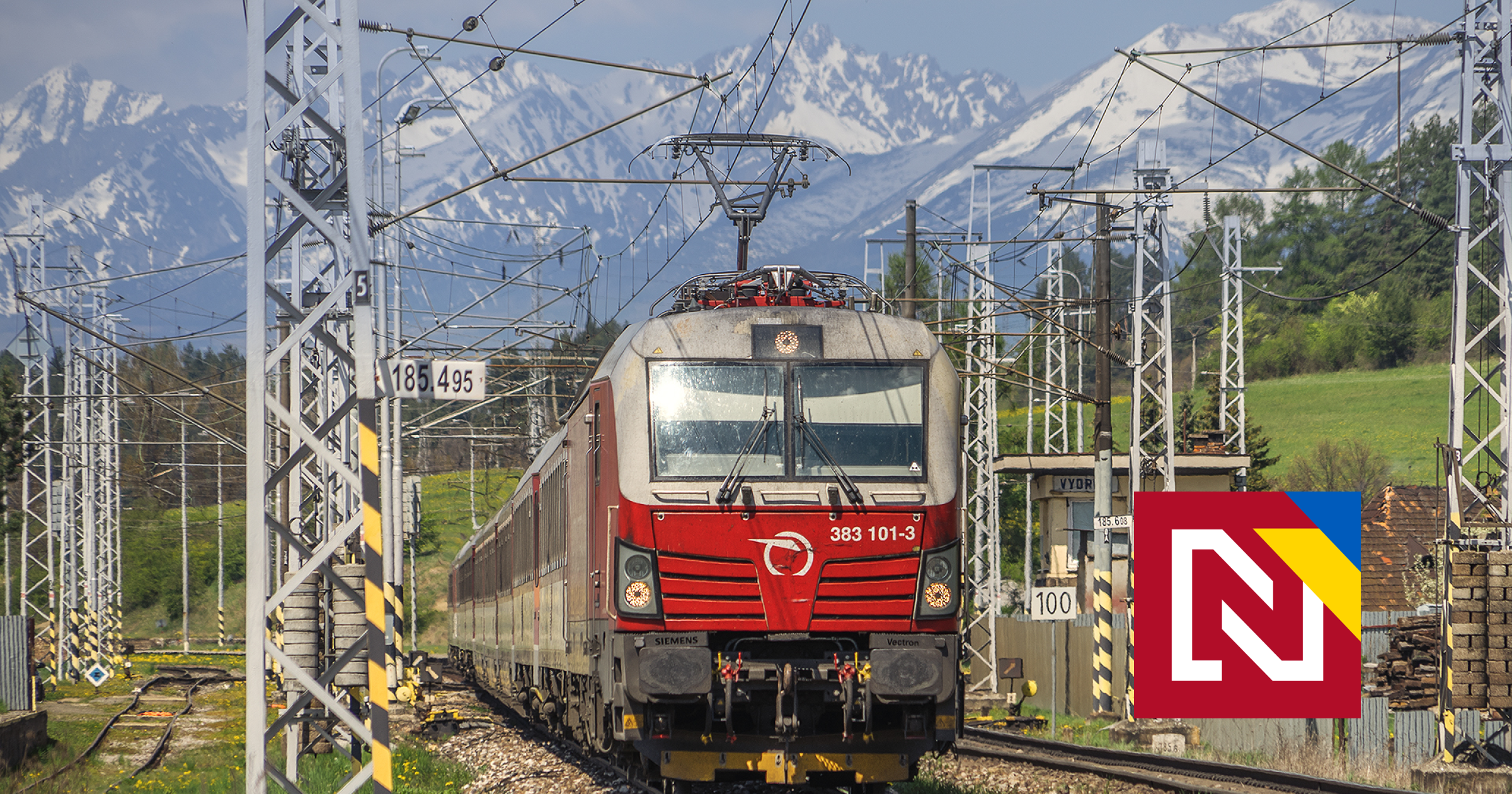
Express train services connecting Slovakia's capital Bratislava with its second-largest city Košice will become significantly faster, the Transport Ministry has announced. Journey times on the route will be reduced by 26 minutes, with the largest time savings coming on the western stretch between Bratislava and Trenčín, a city roughly 120 kilometers northeast of the capital. That segment has been subject to lengthy track maintenance closures and speed restrictions, which will now come to an end, allowing trains to once again operate at their full permitted speed of 160 kilometers per hour. The Bratislava–Košice corridor is one of Slovakia's most important rail links, connecting the country's political and economic center in the west with the industrial east across a distance of roughly 400 kilometers. Faster journey times are expected to make rail travel more competitive with road and air alternatives on the route.

|
Economy

Germany's Battery Production Surpasses Eight Billion Euros in 2024

Germany produced lithium-ion batteries worth more than eight billion euros last year, marking a rise of over 25 percent compared to the previous year. The sharp increase reflects growing demand driven by the electric vehicle industry and energy storage sectors, as European manufacturers accelerate efforts to reduce dependence on Asian battery suppliers and build domestic production capacity.

|
Economy

Police Whistleblower and Business Partner Acquire Third Mountain Hut Lease

A police whistleblower and his business partner have secured the lease for a third mountain hut, just one month after establishing their company. The whistleblower, who gained prominence for exposing police misconduct, formed the business partnership with someone identified as Švec. However, the pair will not be operating the mountain facility themselves, following the same pattern as their previous acquisitions. The development continues their recent expansion into the hospitality sector, though their business model appears to focus on securing leases rather than direct operations of the mountain accommodations.

|
Economy

Slovakia Raises 649 Million Euros in Government Bond Auction

Slovakia sold government bonds worth 649 million euros in a competitive auction on Monday, according to market analysts. The successful bond sale represents approximately 65 percent of the country's planned annual financing needs for the year, suggesting strong investor demand for Slovak government debt. The auction demonstrates Slovakia's continued ability to access international capital markets to fund government operations and refinance existing debt obligations.

|